
What It Is, How It Works, and How to Use It Well
A Bissell pet carpet cleaner is a consumer-grade extraction machine designed to clean pet messes, pet stains, and general soiling from carpets and upholstery by spraying cleaning solution, agitating or loosening dirt, and vacuuming the dirty water back into the machine. It matters because pet accidents often involve both visible stains and hidden odors that can attract pets back to the same spot if not removed properly.
The biggest takeaway is that a Bissell pet carpet cleaner can be very effective, but only when you use the right technique, the right formula, and enough drying time to avoid secondary problems like odor or mold. This article explains how these machines work, what makes them go wrong, how to prevent slow drying and residue buildup, and how to choose the best Bissell pet carpet cleaner for your home and pets. Expert guidance helps because even a good machine can underperform if used incorrectly, and pet owners often need help matching the tool to their specific pet-accident patterns and carpet types.
What Is a Bissell Pet Carpet Cleaner and How Does It Work?
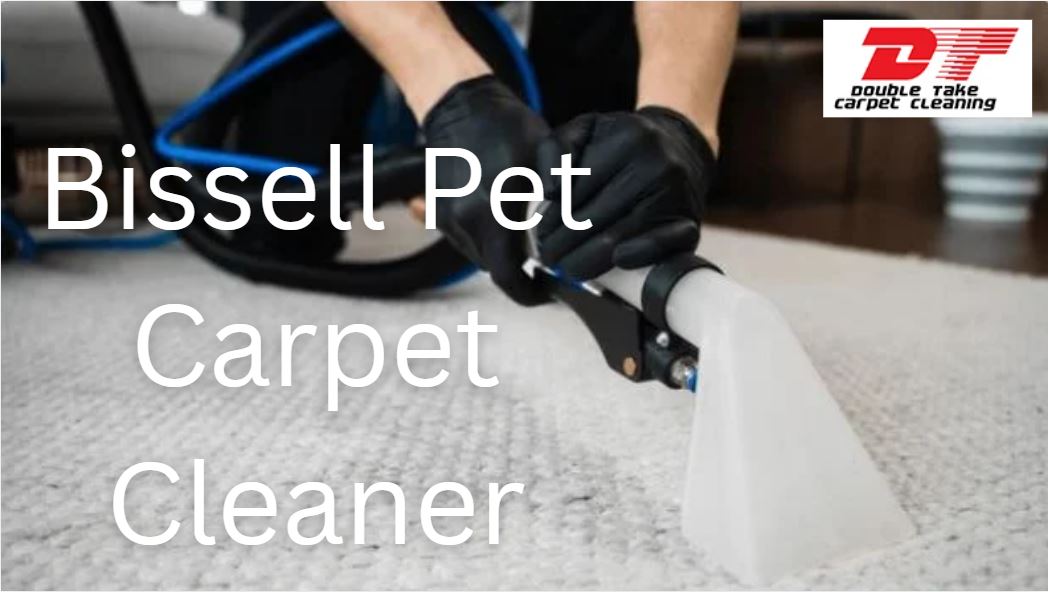
A Bissell pet carpet cleaner is a branded line of portable or upright carpet cleaning machines built for pet owners, with features like pet-specific cleaning formulas, pet tools for upholstery and stairs, and brushing systems designed to lift pet hair and soil. In plain English, it is a home carpet shampooer/extractor that sprays a mix of water and cleaning solution into the carpet, scrubs or agitates the fibers, and uses suction to pull the dirt and moisture back into a dirty water tank.
The main components are a clean water tank, a solution pump, a brush roll or cleaning head, a vacuum motor, a recovery (dirty) tank, and often a hand tool or hose for spot cleaning. The general process is: fill the clean tank with water and Bissell pet formula, prime the pump, press the trigger to spray, make slow passes over the stain, release the trigger and make dry passes to extract moisture, then empty and rinse the tanks afterward.
What is included varies by model. Some are full-size upright cleaners for whole rooms, while others are compact or cordless spot cleaners for stairs, furniture, and small messes. What is not included is professional-level equipment or guaranteed odor removal in all cases; severe pet urine that has soaked into padding or subfloor may need enzymatic treatment, padding replacement, or professional help.
10 Key Things to Know About Bissell Pet Carpet Cleaner
1. Choosing the right Bissell model for your home
Not every Bissell pet carpet cleaner is the same size or power. The Bissell ProHeat 2X Revolution Pet Pro is a versatile upright with strong suction, pet tools, and features like Clean Shot for targeted pre-treatment, making it suitable for homes with multiple pets and large carpeted areas. The Bissell TurboClean is a more affordable option that still performs well on pet stains, while the Bissell Big Green Machine is often cited as the best overall for pet owners needing deep cleaning power. On the smaller end, models like the Bissell Pet Stain Eraser are cordless portable units for spot cleaning only.
This matters because buying the wrong size machine can lead to frustration. A spot cleaner cannot replace an upright for whole-room cleaning, and a large machine may be overkill for an apartment with mostly hard floors. The consequence is wasted money, poor cleaning, or the machine sitting in storage. The fix is to match the machine to your home layout, pet-accident frequency, and space. If you have multiple pets and large carpets, an upright model is usually the right choice; if you have occasional small accidents, a smaller unit may be enough.
2. Using the correct pet-specific formula
Bissell pet carpet cleaners are designed to work best with Bissell-formulated cleaning solutions, especially those labeled for pet stains and odors. These formulas are tuned to work with the machine’s pump, spray, and suction system, and using the wrong soap can damage the machine or void the warranty. This matters because many household cleaners and dish soaps create too much foam, leave residue, or do not break down pet urine and proteins effectively
Real-world consequences of the wrong formula include poor cleaning, smeared stains, sticky residue that attracts more dirt, and in some cases pump or motor issues. The fix is simple: use only Bissell carpet cleaning solutions, especially those labeled for pet use, and follow the recommended fill lines and mixing instructions. If you are concerned about chemicals around pets, look for formulas marketed as pet-safe or natural, but still verify they are compatible with your machine.
3. Priming the pump before you start
Before actually cleaning carpet, Bissell guides recommend priming the pump by running solution through the machine into a sink or bathtub for a few seconds. Priming removes air bubbles, ensures the pump is working, and helps the machine spray evenly from the start. This is especially important if the machine has been sitting unused.
If you skip priming, the first few passes may spray weakly or unevenly, and you may think the machine is broken when it just needs air removed. The consequence is wasted time and incomplete cleaning. The fix is to make priming part of your routine: fill the clean tank, hold the machine upright over a sink, press the trigger, and let solution flow until it is steady before moving to the carpet.
4. Not over-wetting the carpet
One of the most common mistakes with any carpet extractor, including Bissell pet models, is over-wetting the carpet. Over-wetting happens when you spray too much solution, move too slowly, or make too many wet passes. This can lead to long drying times, soaked padding, and risk of mold growth if the carpet stays wet too long.
This issue is common because pet owners often want to “really soak” the stain to get it out, but the carpet pad and subfloor can hold moisture much longer than the carpet surface. The real-world consequence is a carpet that feels dry on top but still smells damp below, or worse, musty odor and possible mold. The fix is to use controlled, slow passes with moderate spray, and follow each wet pass with a dry pass (no trigger) to pull more moisture out.
5. Understanding that pet urine can reach the pad
Pet urine, especially from dogs, can soak through carpet fibers into the padding and even the subfloor. A Bissell pet carpet cleaner works well on the carpet surface, but cannot always reach urine deep in the pad. This matters because if the pad is saturated, the odor will return and may even attract the pet back to the same spot.
The real-world consequence is that a spot looks clean after cleaning but still smells days later. The fix is to assess the situation: if the urine is old or the pet has a habit of re-accidenting the same spot, the pad may be contaminated. In those cases, enzymatic cleaners, professional cleaning, or even padding replacement may be necessary, and a Bissell machine alone may not be enough.
6. Avoiding heat on protein-based urine stains
Heat can permanently set protein-based stains and odors, such as pet urine and vomit, by bonding them into synthetic fibers. The Humane Society explicitly advises against using steam cleaners to clean urine odors from carpet or upholstery because heat can set the stain and odor. This matters because many Bissell models have heating features, and users may assume “hotter is better” for pet stains.
The consequence is that heat can make the odor worse or lock it in permanently, making it harder to remove later. The fix is to clean pet urine with cool or lukewarm water and a proper pet formula, not full heat, and to focus on extraction and rinsing rather than temperature. For most pet stains, the priority is breaking down the urine proteins with the right chemistry and pulling them out, not scalding them.
7. Drying time matters more than you think
Even with strong suction, a carpet cleaned with a Bissell pet carpet cleaner will still be damp and needs time to dry. Reviews of the ProHeat 2X Revolution Pet Pro note that carpets take around eight hours to dry, while some models have an “Express Clean Mode” that can reduce drying time to about half an hour under ideal conditions. This matters because wet carpet can feel uncomfortable, track dirt, and encourage mold if not allowed to dry properly.
The consequence of rushing is that people walk on the carpet too soon or close the room, slowing evaporation and risking odor. The fix is to use fans, open windows (if the air is dry), and avoid heavy traffic until the carpet is fully dry. If you need faster reopening, choose a model with an express mode and use less water.
8. Emptying and cleaning the tanks after every use
After each cleaning session, you should empty the dirty water tank and rinse it thoroughly with clean water to prevent odors and bacteria growth. Bissell also recommends deep cleaning the cleaner every 3–6 months with a Bissell deep cleaning solution to remove dirt, debris, and residue from the system. This matters because leftover dirty water and residue can cause bad smells in the machine itself and reduce performance over time.
The real-world consequence is a cleaner that starts to smell even when not in use, and eventually weaker suction or spray. The fix is to make a routine: after each use, empty the recovery tank, rinse it, rinse the clean tank, and occasionally run a cleaning cycle through the system.
9. Using the right technique for pet stains
For pet stains, the recommended technique is to blot first to remove as much liquid as possible, then use the Bissell pet carpet cleaner to deep clean the area. Blot, don’t scrub, because scrubbing can push the stain deeper and damage fibers. After machine cleaning, you may need to rinse with plain water and blot dry to remove residual cleaning solution.
This matters because people often jump straight into machine cleaning without removing excess urine or vomit, which wastes time and solution. The consequence is that the machine has to work harder and may not fully remove the stain. The fix is to pre-treat: blot with paper towels, then apply the Bissell cleaner using slow, controlled passes, and finish with dry passes to extract as much moisture as possible.
10. Knowing when a Bissell machine is not enough
A Bissell pet carpet cleaner is powerful, but it is not a substitute for professional remediation in severe cases. If the carpet has been soaked for days, the padding is saturated, or there is visible mold, the EPA and industry guidance suggest removal of soaked materials rather than trying to save them with surface cleaning alone.
This matters because trying to clean deeply contaminated carpet can create a false sense of security while mold and odor problems continue. The consequence is recurring odor, potential health risk, and wasted money on cleaning. The fix is to call a professional when the moisture penetration is deep, drying cannot be completed within about 24–48 hours, or there is suspicion of mold or sewage-type water.
The Real Cost of Getting It Wrong
Getting Bissell pet carpet cleaner use wrong can cost money in several ways. Financial costs include wasted cleaning solution, replacement of damaged carpet or padding, mold remediation, or hiring a professional later to fix a problem that could have been avoided. Time costs include longer drying times, repeated cleaning attempts, and delayed use of rooms or furniture.
There are also emotional and relational costs. Pet owners may feel frustrated by recurring odors, embarrassed by lingering smells, or stressed by a pet that keeps using the same spot because it still smells like a bathroom. Long-term consequences can include degraded carpet life, health concerns from mold, and in some cases having to replace carpet or padding prematurely. Most of these costs are avoidable with proper technique, correct formula, and realistic expectations about what a consumer machine can do.
How an Experienced Professional Helps You Succeed
An experienced carpet cleaning or water-damage professional can help you choose the right Bissell pet carpet cleaner, teach you the best technique for your specific pets and carpet, and troubleshoot problems like persistent odor or slow drying. They also know when a Bissell machine is enough and when stronger remediation, enzymatic treatment, or padding replacement is necessary.
That guidance matters because pet urine and odor problems are often more complex than they appear. A professional can assess whether the pad or subfloor is involved, recommend the right chemistry (including enzymatic agents when needed), and ensure safe drying to prevent mold. If you need help with a safe, effective approach, an experienced carpet cleaning professional can provide setup, technique training, maintenance, and problem-solving support tailored to your home and pets.
Bissell Pet Carpet Cleaner Options and Strategies
Full-size upright Bissell pet carpet cleaners
These are larger machines like the ProHeat 2X Revolution Pet Pro and the Big Green Machine, designed for whole rooms and heavy use. They work by spraying solution, scrubbing, and vacuuming the dirty water into a large recovery tank. They are appropriate for homes with multiple pets and large carpeted areas. The limitation is that they are heavier, more expensive, and take up more storage space.
Portable or cordless spot cleaners
Smaller units like the Bissell Pet Stain Eraser are designed for spot cleaning stairs, upholstery, and small accidents. They are appropriate for quick, frequent pet messes in high-traffic areas. The limitation is that they cannot clean entire rooms and have smaller tanks and less power.
Low-moisture or express modes
Some Bissell models offer an “Express Clean Mode” that uses less water and dries faster, sometimes in about half an hour under ideal conditions. This is appropriate when you need faster reopening or lighter maintenance cleaning. The limitation is that it may not be enough for very heavy or set-in stains.
Maintenance-first strategy
A good strategy is to treat the Bissell machine as part of a broader pet-cleaning system: pre-treat, blot, clean, rinse, and dry properly, and clean the machine regularly. This approach is appropriate for most pet owners and reduces problems over time. The drawback is that it requires discipline and time, but it pays off in better results and longer machine life.
What to Do If You Are Currently Dealing With Pet Stains
- Blot fresh urine or vomit with paper towels to remove as much liquid as possible.
- Check if the stain is on carpet, upholstery, or a hard surface, and adjust your approach.
- Prime the Bissell pet carpet cleaner before using it on carpet.
- Use Bissell pet formula only, following the fill lines and mixing instructions.
- Make slow, controlled wet passes over the stain, then dry passes to extract moisture.
- Avoid over-wetting and avoid using heat on protein stains.
- Allow the carpet to dry fully, using fans if needed.
- Empty and rinse the tanks after use, and clean the machine periodically.
How to Choose the Right Bissell Pet Carpet Cleaner
When choosing a Bissell pet carpet cleaner, use this checklist:
- Look for experience with pet households and pet-accident patterns in your home.
- Confirm the machine is appropriate for your carpet type and room size.
- Choose a model that clearly explains how to use it in plain English.
- Make sure the machine is available and you can get support or parts if needed.
- Prefer a comprehensive approach that includes pre-treatment, cleaning, rinsing, and drying guidance.
- Ask about pet-safe formulas and whether the machine can handle your most difficult pet stains.
Common Mistakes People Make With Bissell Pet Carpet Cleaner
- Using the wrong cleaning formula or dish soap instead of Bissell pet formula.
- Skipping the priming step and assuming the machine is ready.
- Over-wetting the carpet and risking soaked padding and mold.
- Using heat on protein-based urine or vomit stains, which can set them permanently
- Not blotting fresh accidents before using the machine.
- Leaving dirty water in the tanks after use, causing odors and bacteria growth.
- Expecting the machine to fully remove deep urine that has soaked into the pad.
Frequently Asked Questions
What is a Bissell pet carpet cleaner?
It is a consumer carpet extraction machine designed for pet owners to clean pet stains and soiling from carpets and upholstery.
How does a Bissell pet carpet cleaner work?
It sprays cleaning solution into the carpet, agitates the fibers, and vacuums the dirty water back into a recovery tank.
Which Bissell is best for pet stains?
The Bissell Big Green Machine is often cited as the best overall; the TurboClean is the best affordable option for pets.
Can I use regular soap in a Bissell pet carpet cleaner?
No. Use only Bissell-formulated cleaning solutions to avoid damage and warranty issues.
Is Bissell pet formula safe for pets?
Many formulas are marketed as pet-safe, but always check labels and store in a safe place.
How long does it take for carpet to dry after using a Bissell?
Drying time varies, but many carpets take around 6–8 hours; some models have an express mode that can reduce this to about half an hour.
Can I use a Bissell on pet urine?
Yes, but avoid heat on protein stains and consider that deep urine may need more than machine cleaning.
Should I blot before using the Bissell?
Yes. Blot fresh accidents first to remove as much liquid as possible.
Why does my carpet still smell after cleaning?
The odor may be in the pad or subfloor, or the urine proteins may not be fully removed.
Can I use a Bissell on upholstery?
Some models have upholstery tools and can be used on furniture, but check the manual for your specific machine.
Do I need to prime the pump?
Yes. Priming ensures even spray and prevents performance problems.
What if the machine is not spraying?
Check that the tank is filled, the pump is primed, and the nozzle is not clogged.
Can I use vinegar in a Bissell?
Manufacturer guidance emphasizes using Bissell solutions; vinegar may not be compatible with the system.
Why is my machine smelling after use?
Dirty water left in the tanks or residue in the system can cause odors.
How often should I clean the machine?
Empty and rinse the tanks after each use, and deep clean every 3–6 months.
Can a Bissell remove all pet odors?
Surface odors often improve, but deep urine in padding may need enzymatic treatment or professional help.
Should I use heat when cleaning pet stains?
Avoid heat on protein stains like urine and vomit, as it can set them permanently.
Is Bissell pet carpet cleaner good for multiple pets?
Yes, especially full-size models with strong suction and pet tools.
Can I use it on rugs?
Yes, but check the rug’s care label and avoid over-wetting delicate or handmade rugs.
What if my pet keeps using the same spot?
The area may still smell; consider enzymatic cleaners and thorough cleaning, and assess pad contamination.
Can I use a Bissell on hardwood floors?
No. These machines are designed for carpet and upholstery, not hard floors.
Do I need to rent one or buy?
If you have frequent pet accidents, buying may be more cost-effective and convenient than renting.
What if the carpet is still wet after 24 hours?
This suggests over-wetting or poor drying; use fans and check for hidden moisture in the pad.
Can I use a Bissell on old, set-in stains?
Yes, but they may require multiple passes and may not fully disappear if deeply set.
When should I call a professional instead of using a Bissell?
Call a professional if the carpet has been soaked for days, the padding is saturated, or mold is suspected.
Rules and Standards You Should Know
For pet urine and carpet, the Carpet and Rug Institute provides technical guidance on treating urine spots, including blotting, rinsing, and avoiding harsh detergents. For mold, the EPA and related guidance emphasize that removing moisture is essential and that soaked porous materials may need to be removed rather than cleaned. The Humane Society specifically advises against using steam cleaners on urine odors because heat can permanently set the stain and odor in synthetic fibers. In practice, this means the standard of care is to control moisture, use appropriate chemistry, and avoid heat on protein stains.
Conclusion
A Bissell pet carpet cleaner is a powerful tool for managing pet stains and odors, but it works best when used with the right formula, technique, and realistic expectations. The most important steps are to blot first, prime the pump, avoid over-wetting, avoid heat on protein stains, and allow proper drying time to prevent secondary problems. Most issues are avoidable when you treat the machine as part of a broader cleaning process that includes proper assessment, chemistry, and drying.
If you are unsure whether your pet-urine problem is surface-level or deep in the pad, or if you need help choosing the right Bissell pet carpet cleaner and formula for your home, consult with Double Take Carpet Cleaning for guidance related to pet carpet cleaning and odor control.
