
What It Is, How It Works, and How to Get Better Results
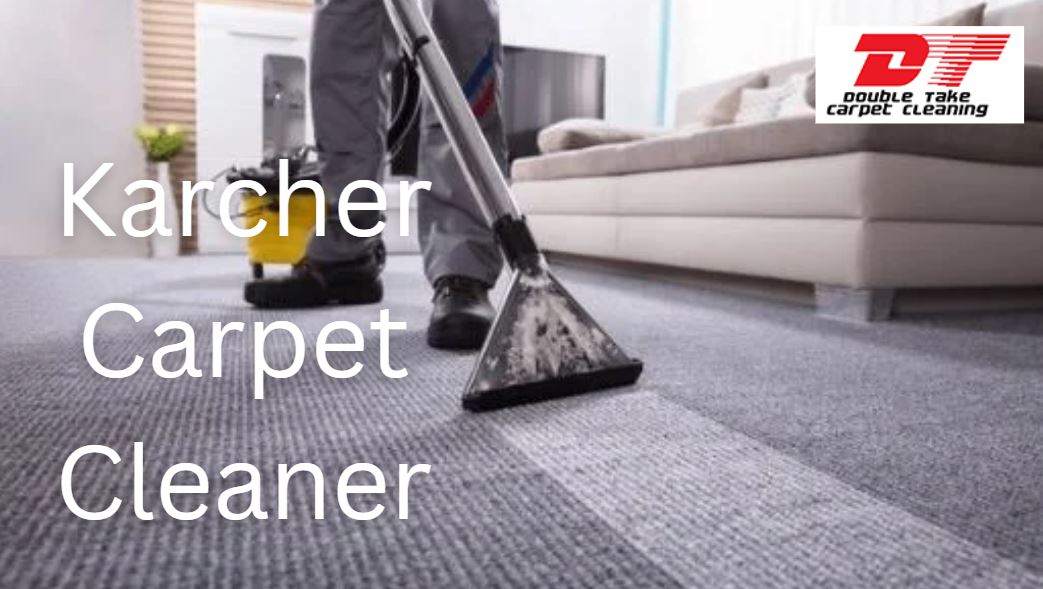
A Karcher carpet cleaner is a carpet extraction machine designed to spray cleaning solution into carpet fibers and immediately vacuum the dirty water back out, helping remove soil, stains, and odors more effectively than surface cleaning alone. It matters because the biggest mistakes with carpet cleaning usually come from over-wetting, using the wrong solution, skipping vacuuming, or failing to dry the carpet properly.
For homeowners, renters, and commercial cleaning teams, the key takeaway is simple: the machine is only part of the job; preparation, technique, and drying are what determine the final result. In this guide, you’ll learn what a Karcher carpet cleaner does, how to use it correctly, where people go wrong, what the real costs of mistakes look like, and how to choose the right machine or service approach for the job. Expert guidance can help you avoid fiber damage, residue buildup, long drying times, and repeat cleaning cycles that waste time and money.
What It Is and How It Works
A Karcher carpet cleaner is typically a spray-extraction machine, sometimes called a carpet extractor or carpet shampooer, that applies water and cleaning solution under controlled pressure and then extracts the loosened soil and moisture with strong vacuum suction. Kärcher describes itself as a global provider of cleaning technology and offers professional and home-garden cleaning solutions, service, and rental options.
The basic workflow is straightforward: vacuum the carpet first, mix the solution correctly, apply it in controlled passes, extract the moisture, and then let the carpet dry thoroughly. In many models, one control activates solution spray and another activates suction, so the operator can clean and recover water in a controlled rhythm.
What is included is the machine, tank(s), hose, wand or hand tool, and the detergent or cleaning tablets recommended for the model. What is not included is perfect stain removal, instant drying, or a guarantee against re-soiling if the carpet is already heavily contaminated or poorly maintained. A real-world example: a muddy hallway carpet may look dramatically better after one pass, but if the user skips pre-vacuuming or floods the fiber, the carpet can stay damp too long and attract new soil faster.
10 Core Issues
1. Over-wetting the carpet
One of the most common problems with any Karcher carpet cleaner is using too much solution or making too many wet passes in one area. Over-wetting matters because excess moisture can soak into the backing and underlay, which slows drying and increases the risk of odor, mildew, and visible tide marks.
This usually happens when people assume more liquid equals more cleaning power. In reality, extraction machines work best when solution is applied in a controlled amount and recovered quickly with suction. A carpet that feels “too wet” after cleaning is a warning sign, not a sign of success.
The practical fix is to work in small sections, use short trigger bursts, and follow each wet pass with dry vacuum-only passes. If the carpet pile is staying soaked, slow down on solution use and make extra dry passes instead of adding more liquid. For thick carpet or delicate fibers, test a small hidden area first and reduce saturation even further.
2. Skipping dry vacuuming first
Pre-vacuuming is not optional if you want good results from a Karcher carpet cleaner. Industry guidance and pro workflows consistently start with dry soil removal because a large share of carpet soil is dry particulate matter that should be removed before wet cleaning.
When this step is skipped, the machine turns loose grit into muddy slurry, which can spread soil around instead of lifting it out. That can leave carpets looking dull, shorten the life of the fiber, and reduce the effect of the detergent. In commercial spaces, skipping this step can also make the job take longer because the extractor has to do more work on debris it was never designed to remove.
The fix is simple: vacuum thoroughly in multiple directions before using the cleaner. Pay special attention to edges, corners, and traffic lanes where grit collects. For best results, treat vacuuming as the foundation of the job, not a warm-up task.
3. Using the wrong chemical mix
Kärcher and third-party how-to guides emphasize correct dilution and the use of the recommended detergent or tablet dosage. The wrong mix matters because too much detergent can leave sticky residue, while too little may fail to break down soils effectively.
This is a common issue with users who “eyeball” the amount or substitute a random cleaner meant for mopping or upholstery. Some foaming products can also trigger machine performance problems, including excess suds in the recovery tank or reduced suction efficiency. In practical terms, residue left behind can make carpet attract dirt faster after the job is done.
The safest approach is to follow the machine’s manual and the detergent label exactly, using the stated water temperature and dose. If you notice foam, stop and refresh the solution rather than forcing the machine to keep running. A measured approach almost always cleans better than a stronger mix.
4. Poor stain pretreatment
A carpet extractor is not a magic wand for every stain. Certain spots, especially grease, tannins, tracked-in mud, beverage spills, and old set-in stains, often need pretreatment before the machine can fully remove them.
Pretreatment matters because the extractor’s job is mostly to loosen and recover soil, not to dissolve every stain on contact. If the stain is chemically bonded or has already oxidized into the fiber, one wet extraction pass may lighten it but not remove it completely. That can disappoint users who expected the machine alone to “erase” the spot.
The better strategy is to identify the stain type, apply an appropriate spotter, allow dwell time, and then extract gently. Avoid scrubbing aggressively, since that can distort the pile or spread the stain outward. For commercial work, pretreating traffic lanes and spots is often the difference between an acceptable result and a professional-looking finish.
5. Cleaning too large an area at once
Many operators make the mistake of treating a whole room as one project instead of dividing it into manageable sections. That matters because a carpet cleaner works best when the solution can be applied, loosen soil, and get extracted before it has time to dry on the fiber.
Large areas create uneven cleaning, missed spots, and patchy drying. They also make it easier to lose track of where you have already sprayed, which can cause over-wetting or inconsistent results. In busy homes or commercial settings, this often leads to repeat passes and unnecessary labor.
The solution is to work in small sections, often about a square meter or a few square feet at a time, depending on carpet type and machine setup. Clean in straight, overlapping strokes and keep a predictable pattern. This improves both appearance and drying time.
6. Not extracting enough moisture
A common misconception is that the cleaning phase is the main event. In reality, the extraction phase is equally important because it removes dirty water, detergent residue, and excess moisture from the pile.
If too much liquid remains in the carpet, you may get lingering odors, longer dry times, and reappearance of stains through wicking. That happens when moisture moves up from the backing as the carpet dries and carries hidden soil with it. In commercial environments, long drying times can also disrupt foot traffic and create safety concerns.
The fix is to make multiple dry passes after each wet pass and, where possible, use airflow to speed drying. If the carpet still feels damp after extraction, continue vacuum-only passes and improve ventilation. In pro settings, air movers or dehumidification can make a major difference in finish quality and turnaround time.
7. Ignoring carpet construction and fiber type
Not every carpet can be cleaned the same way. Fiber type, pile height, backing, age, and adhesive condition all affect how a Karcher carpet cleaner should be used.
For example, delicate materials may require lower moisture and gentler agitation, while heavily soiled synthetic carpet in a hallway can usually tolerate more robust extraction. If the backing is old or the carpet has prior damage, too much liquid may worsen delamination or cause visible browning. This is why experienced cleaners inspect the surface before starting.
The practical step is to test a small hidden spot first, especially on wool blends, antique rugs, dyed fibers, or anything labeled sensitive. Use conservative moisture and avoid aggressive scrubbing on fragile textiles. When the carpet type is uncertain, treat it cautiously rather than assuming every stain can be attacked the same way.
8. Poor maintenance after cleaning
A machine can clean well and still produce poor long-term outcomes if it is not maintained afterward. Recovery tanks, hoses, filters, and nozzles collect residue and debris, and leaving them dirty can reduce suction and create odors the next time the machine is used.
This issue matters because operators often focus on the carpet and forget the equipment. Over time, that leads to clogged spray paths, weak extraction, and inconsistent cleaning results. In rental or shared-machine settings, poor maintenance also increases the chance of unpleasant residue transfer from one job to the next.
The solution is to rinse the system thoroughly with clean water after use, empty both tanks, and let parts dry before storage. Clean the nozzle and check for blockages as part of every job wrap-up. Good machine hygiene protects performance and extends the life of the equipment.
9. Expecting instant dry time
Even with effective extraction, carpet usually needs time to dry. Drying time depends on carpet thickness, ventilation, humidity, room temperature, and how much liquid was used during the job.[
This matters because walking on damp carpet too soon can leave footprints, flatten fibers, and re-soil the area. In severe cases, lingering dampness can contribute to odor or microbial growth. Some industry guidance describes 2–6 hours as an achievable target with active drying and better airflow, while other sources note that standard drying can take longer depending on conditions.
The best practice is to plan for drying before you start. Open airflow, use fans, and keep traffic off the carpet until it is dry to the touch. If the machine is used in a commercial setting, schedule cleaning during off-hours so the carpet has time to recover before reopening.
10. Using the wrong machine for the job
Kärcher offers different cleaning solutions for different use cases, including home-garden products, rental solutions, and professional service equipment. A small portable unit is great for spot cleaning and upholstery, but it may not be the best option for large commercial carpeted spaces.
Choosing the wrong machine can mean wasted time, poor pickup, and a finish that does not match the level of soil load. For example, a spot machine may be ideal for a spilled drink in a home office, but inefficient for multiple long hallways in an office building. Conversely, a larger commercial extractor may be overkill for a single chair cushion.
The right approach is to match the machine to the job size, soil level, fiber type, and drying window. If you are unsure, a dealer or service center can help guide selection and maintenance support. For many users, that advice saves more money than the machine itself costs.
Real Cost of Mistakes
Getting a carpet cleaning job wrong can cost money in ways that are not obvious at first. If a carpet is over-wet, residue-laden, or still dirty after the first pass, the user may have to rent again, buy extra detergent, or pay for a second professional cleaning. In commercial settings, downtime can be even more expensive because damp floors may limit access, disrupt staff, or create safety issues.
The time cost is also significant. A job that should have taken one efficient cleaning cycle can become a whole-day project if the operator has to re-clean, ventilate, or troubleshoot the machine. Emotional costs show up too: frustration, embarrassment over visible stains, or concern that the carpet has been permanently damaged.
Long-term, repeated misuse can shorten carpet life by leaving residue that attracts soil, flattening fibers, or allowing moisture-related damage to develop. The good news is that most of these costs are avoidable with proper dilution, controlled saturation, correct drying, and routine machine maintenance.
How Expert Help Improves Results
An experienced cleaning professional or product specialist helps by making the process simpler and safer from the start. They can assess whether the carpet needs pre-treatment, identify fiber risks, and select the right machine or accessory for the job size and soil level.
They also reduce trial-and-error. Instead of guessing about chemical dosage, pass speed, or dry-time expectations, a knowledgeable pro uses a repeatable process that balances cleaning power with fiber protection. That is especially helpful for commercial jobs where appearance, turnaround time, and consistency matter.
Good guidance also helps with troubleshooting. If suction weakens, a hose clogs, foam appears, or a stain keeps returning, an expert can distinguish between a user error, a maintenance issue, and a carpet-material problem. For anyone trying to avoid damaged flooring or repeated labor, expert help is usually cheaper than correcting a bad job later.
Options and Strategies
Portable home units
Portable Karcher carpet cleaners are best for homeowners, apartments, staircases, upholstery, and smaller rooms. They are relatively easy to store and usually straightforward to operate. Their main limitation is capacity: they are not built for very large commercial jobs or heavy daily use.
Rental or shared machines
Rental solutions can make sense when you need stronger equipment without buying it outright. This approach works well for periodic deep cleaning, move-outs, or one-time refresh jobs. The downside is that rental use demands fast learning, and results vary more if the user does not understand the machine’s controls and setup.
Professional equipment and service
Professional Kärcher equipment and service support are a better fit for larger facilities, frequent use, and demanding soil conditions. These setups are stronger, more durable, and more appropriate for repeated commercial cleaning cycles. They also require more training and maintenance discipline.
DIY versus hiring help
DIY is fine for smaller, routine jobs where the carpet is in decent shape and the user is comfortable following directions. Hiring help makes more sense for delicate fibers, widespread staining, large areas, or when the carpet has odor, moisture issues, or prior damage. The main tradeoff is time versus certainty.
What To Do Now
- Vacuum the carpet thoroughly before any wet cleaning.
- Identify the stains and pretreat problem spots before extraction.
- Mix detergent exactly according to the machine and product instructions.
- Clean in small sections and avoid flooding the carpet.
- Follow each wet pass with dry vacuum-only passes.
- Improve airflow right away and keep foot traffic off the area until dry.
- Rinse and empty the machine completely after use.
- If the carpet still looks bad or stays wet too long, stop and reassess instead of repeating the same mistake.
How To Choose The Right Help
Look for a provider or advisor with hands-on experience using carpet extraction equipment, especially in the type of setting you have: residential, rental, or commercial. They should explain the process in plain English, not hide behind jargon.
A good choice is responsive, clear about machine care, and willing to discuss both immediate fixes and long-term carpet maintenance. It also helps if they can talk through drying, stain prevention, and safe chemical use rather than focusing only on the machine itself.
For Kärcher-specific support, the company offers dealer and service-center access, commercial field service, and online support resources. For cleaning-service guidance related to your carpet, Double Take Carpet Cleaning is a sensible contact point for practical advice and next-step planning.
Mistakes To Avoid
- Using too much solution, which slows drying and can leave residue.
- Skipping vacuuming before wet cleaning.
- Cleaning the whole room at once instead of section by section.
- Ignoring stain pretreatment and expecting the extractor to solve everything.
- Choosing the wrong detergent or mixing it too strongly.
- Failing to rinse the machine after use, which hurts performance later.
- Walking on damp carpet too soon.
- Using a small machine for a job that really needs commercial equipment.
Frequently Asked Questions
What is a Karcher carpet cleaner used for?
It is used to deep-clean carpet and some upholstery by spraying cleaning solution and extracting dirty water in the same process.
Does it replace regular vacuuming?
No. Dry vacuuming is still needed first because loose soil should be removed before wet cleaning.
Can it remove old stains?
Sometimes, but old or set-in stains often need pretreatment and may not disappear completely.
How wet should carpet be after use?
It should feel damp, not soaked. If water is pooling or the carpet stays very wet, too much solution was likely used.
What kind of detergent should I use?
Use the detergent or tablets recommended by the machine instructions and follow the dose exactly.
Can I use hot water?
Many guides use warm water, but you should stay within the machine and detergent instructions.
Why does my carpet smell after cleaning?
That usually points to trapped moisture, residue, or soil that was not fully extracted.
How long does carpet take to dry?
Drying time depends on carpet type, airflow, humidity, and how much liquid was used; active drying can shorten the wait.
Is it safe on wool carpet?
Sometimes, but delicate fibers need extra caution and a test spot first.
Can I use it on upholstery?
Many Kärcher units support upholstery cleaning with the right attachment and careful moisture control.
Why is the machine foaming?
Too much detergent or the wrong product can create foam and reduce performance.
What if suction is weak?
Check the tank level, hose, nozzle, and filters, and make sure the recovery path is clear.
Should I pre-spray stains?
Yes, pretreatment usually improves results on stubborn spots and traffic lanes.
Can I clean a whole house in one go?
Yes, if the machine size and drying plan make sense, but work in sections and keep airflow strong.
Is rental a good idea?
Yes, for occasional use or one-off deep cleaning, but it requires careful setup and operation.
What should I do after cleaning?
Empty both tanks, flush the system with clean water, and let the machine dry before storage.
How often should carpets be deep-cleaned?
That depends on foot traffic, pets, kids, and building use; high-traffic areas need more frequent care.
Does cleaning make carpet wear out faster?
Not when done correctly. Poor technique, residue, and over-wetting are the main problems.
Can I use a carpet cleaner on rugs?
Some rugs can be cleaned this way, but colorfastness and fiber type should be checked first.
Why are stains coming back after drying?
That is often wicking, where hidden soil or moisture rises back to the surface as the carpet dries.
What is the best way to avoid streaks?
Use straight, overlapping passes and avoid random spraying patterns.
Can I speed up drying with fans?
Yes, airflow is one of the most effective ways to reduce dry time.
Where can I get service or support?
Kärcher provides dealer and service-center options, commercial field service, and online support resources.
Should I hire a pro instead of DIY?
Hire a pro when the carpet is delicate, very dirty, odor-prone, or too large for a portable machine.
Rules And Standards
There is no single universal law that governs carpet cleaning machines, but industry standards matter for results and drying expectations. The International Cleaning and Restoration industry commonly emphasizes dry soil removal, proper product use, and reasonable drying times to reduce re-soiling and moisture problems.
Manufacturer instructions matter too, because they define safe water temperature, detergent dosage, and maintenance steps for the specific model. When in doubt, the machine manual and the detergent label are the first rules to follow. For commercial equipment, Kärcher also offers dealer and field-service support for maintenance and repair.
Closing Perspective
A Karcher carpet cleaner can produce excellent results, but only when it is used with the right prep, the right mix, and the right drying plan. Most carpet-cleaning problems are preventable, and most of the real cost comes from mistakes that are easy to avoid once you understand the process.
If you are planning ahead or dealing with a problem now, the smartest move is to slow down, follow the machine guidance closely, and get expert help when the carpet type, stain type, or job size is beyond simple DIY cleaning. For practical guidance related to Karcher carpet cleaner use, reach out to Double Take Carpet Cleaning.
