
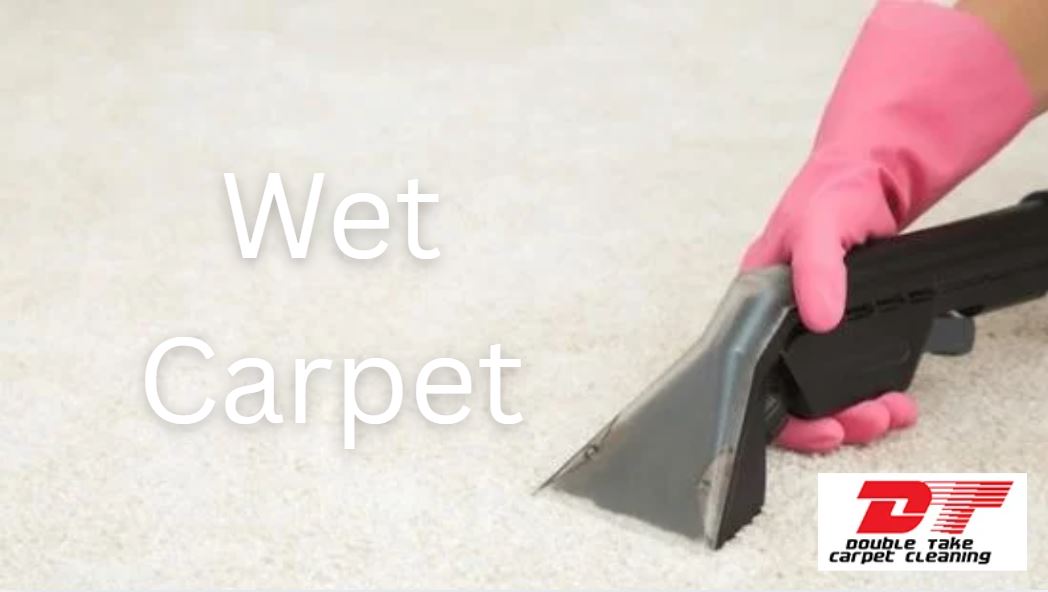
What It Is, Why It’s Dangerous, and How to Dry It Safely
A wet carpet is carpet that has absorbed excess water from a leak, flood, spill, over-wet cleaning, or condensation, and has not yet dried completely. It matters because wet carpet can damage the padding and subfloor, cause mold and mildew to grow within 24–48 hours, and create health risks from allergens, bacteria, and musty odors.
The most important takeaway is that time is critical: you must stop the water source, remove as much moisture as possible, and begin aggressive drying within the first 24 hours to avoid irreversible damage and health problems. This article explains what causes wet carpet, the real dangers, how to dry wet carpet fast, when padding must be replaced, and how to choose the right professional if the water damage is severe. Expert guidance helps because many homeowners underestimate how wet the pad and subfloor are, and attempting to save soaked carpet can cost more in the long run than proper removal and replacement.
What Is Wet Carpet and How Does It Happen?
Wet carpet is carpet that has absorbed more moisture than it can naturally evaporate in a normal timeframe, leaving the fibers, backing, padding, and often the subfloor damp or saturated. The key components involved are:
- Carpet fibers and backing – The visible surface and the layer that holds it together
- Carpet padding – The foam or rubber layer beneath the carpet that absorbs much of the water
- Subfloor – The wood or concrete floor beneath the padding
- Water source – Plumbing leak, roof leak, appliance overflow, floodwater, or over-wet cleaning
Common causes of wet carpet include:
- Plumbing leaks (burst pipes, leaking toilets, washing machine overflows)
- Roof leaks during storms
- Appliance failures (water heater, dishwasher, HVAC condensation)
- Flooding from heavy rain or storms
- Over-wetting during carpet cleaning (steam cleaning, portable extractors)
- Condensation from HVAC systems or high humidity
The general timeline is:
- Water enters the carpet and quickly soaks into the padding.
- Within 24–48 hours, mold and mildew can begin to grow if the carpet stays wet.
- Over time, the latex backing can weaken, and adhesive can fail, causing the carpet to delaminate or shrink.
- If not dried quickly, the subfloor can warp, rot, or develop mold, leading to structural damage.
What is included in wet carpet is not just a damp surface; it is often a fully saturated system of carpet, padding, and subfloor. What is not included is a surface that feels slightly damp but dries within a few hours with normal airflow; that is usually manageable with basic drying steps.
Real-world example: A pipe bursts in a home, flooding a bedroom. The carpet looks soaked, and the padding is saturated. If the water is not removed quickly and the area not dried within 24 hours, mold begins to grow, and the padding must be replaced to prevent the carpet from becoming a mold reservoir.
10 Key Things to Know About Wet Carpet
1. Mold can start growing within 24–48 hours
Mold is the biggest danger with wet carpet. If carpet and padding stay wet for a long period, mold can begin to grow quickly, often within 24–48 hours. This is especially true in warm, humid environments or enclosed spaces with poor airflow.
This matters because mold is not just a cosmetic issue; it can cause health problems, bad odors, and structural damage. The consequence of ignoring wet carpet is that mold spreads to the subfloor, walls, and surrounding materials, making remediation more expensive and complicated. The fix is to act immediately: remove water, increase airflow, use dehumidifiers, and if the carpet cannot be dried within 24 hours, consider professional removal and replacement.
2. The padding is often the first part to fail
Carpet padding is designed to absorb shock and insulation, but it also absorbs water. In most cases where water has saturated your carpet, the padding is ruined and should be replaced to prevent the carpet from becoming saturated with mold. Padding is porous and holds moisture much longer than carpet fibers, making it a breeding ground for mold and bacteria.
This matters because even if the carpet looks dry on top, the wet padding underneath can continue to smell musty and spread mold spores. The consequence is recurring odor and health issues even after the carpet appears dry. The fix is to assess the padding: if it is soaked, remove and replace it rather than trying to dry it in place.
3. Wet carpet can weaken the backing and cause delamination
Moisture can weaken the latex backing of carpet, and walking on the carpet while it is wet can cause the backing to separate from the fibers. When the carpet dries, it may regain some strength, but repeated wetting and drying can permanently damage the carpet.
This matters because delamination can cause carpet to peel, wrinkle, or shrink, requiring replacement. The consequence is that the carpet may look jagged or uneven, and spots may not hold together. The fix is to limit traffic on wet carpet, avoid walking on it unnecessarily, and dry it as quickly as possible.
4. Wet carpet can cause health problems
A soaked carpet can trigger allergic reactions in some people with weakened immune systems, causing flu-like symptoms and respiratory problems. Health risks of wet carpet smells, mold, and fungus include:
- Excessive coughing
- Sneezing
- Eye irritation
- Breathing difficulties
- Skin rashes
- Throat irritation
- Sinus problems
This matters because wet carpet can affect family members, especially children, elderly people, and those with asthma or allergies. The consequence of ignoring wet carpet is ongoing health issues and a home that feels unhealthy. The fix is to dry the carpet quickly, remove moldy padding, and sanitize affected surfaces to prevent the spread of mold and mildew.
5. Over-wetting during cleaning is a common cause
Over-wetting during carpet cleaning is a frequent cause of wet carpet problems. Homeowners and sometimes even professionals use too much water or solution, or fail to extract enough moisture, leaving the carpet and padding saturated. This is especially common with hot water extraction (steam cleaning) and portable carpet cleaners.
This matters because the carpet may look clean but stay wet for days, leading to mold and odor. The consequence is that a cleaning job designed to improve the carpet actually damages it. The fix is to use controlled spray, make dry passes to extract moisture, and ensure proper drying with fans and dehumidifiers.
6. You must stop the water source before drying
Before you can dry wet carpet, you must stop the source of water if possible. If there is a pipe leak, turn off the water supply and get it fixed ASAP. If the water source is not stopped, drying efforts are wasted because water continues to enter the carpet.
This matters because continuing water flow can turn a small leak into a major flood. The consequence is that more carpet, padding, and subfloor become saturated, increasing the cost and time of remediation. The fix is to identify and stop the water source first, then proceed with water removal and drying.
7. You need to remove water before using fans
A common first step is using a wet-dry vacuum to remove as much water from the carpet as possible. Wet vacuums suck up bulk water, which makes fans and dehumidifiers more effective. If you skip this step and just use fans, you are trying to evaporate too much water, which takes much longer.
This matters because the more water you remove mechanically, the faster the carpet will dry. The consequence of not using a wet vacuum is extended drying time and higher mold risk. The fix is to use a wet vacuum, empty the tank regularly, and repeat until most water is removed.
8. Airflow and dehumidification are critical for drying
After removing excess water, the next step is to create airflow in the room. Set up fans throughout the room, preferably centrifugal or axial fans that produce higher-pressure airflow, which is ideal for drying. Use as many fans as possible and set them up evenly around the room. If you have a residential dehumidifier, set it up near the carpet and check it regularly to keep absorbing water from the air.
This matters because airflow moves moisture away from the carpet, and dehumidifiers remove water vapor from the air, allowing continued evaporation. The consequence of poor airflow is that the carpet stays damp and mold grows. The fix is to use multiple fans, dehumidifiers, and if weather permits, open windows and screen doors to let natural airflow help dry the carpet.
9. Check the subfloor and padding, not just the surface
After removing and soaking up water, check the subflooring to make sure the water is not deeply embedded underneath the carpet. Go to the corner of the room and pull back the carpet to assess the level of moisture that seeped through. If the carpet padding is wet, mold growth is possible, and the padding will need to be replaced.
This matters because the surface may feel dry while the pad and subfloor are still soaked. The consequence is that mold grows in hidden areas, and odor returns later. The fix is to lift the carpet, check the padding and subfloor, and replace padding if it is wet.
10. Sometimes the carpet must be removed and replaced
If the wet carpet cannot be treated within 24 hours, it is better to have professionals remove and replace it. If the carpet has been soaked for days, the padding is saturated, or there is visible mold, removal is often the safer choice. If only a small area of carpet got wet from a roof or pipe leak, pull up and prop the wet carpet to dry, cut away the wet padding, and disinfect the subfloor before replacing.
This matters because trying to save heavily contaminated carpet can create a false sense of security while mold and odor problems continue. The consequence is recurring odor, potential health risk, and wasted money. The fix is to call a water damage or mold remediation specialist when moisture penetration is deep, drying cannot be completed within about 24–48 hours, or there is suspicion of mold or contaminated water.
The Real Cost of Getting Wet Carpet Wrong
Getting wet carpet wrong can be expensive. Financial costs include premature carpet and padding replacement, mold remediation, subfloor repair, and additional cleaning to fix botched drying attempts. Time costs include extended downtime, delayed use of rooms, and repeated drying attempts.
There are also emotional and relational costs: stress from health issues, frustration with lingering odors, and conflict over who is responsible for the damage. Long-term consequences can include reduced carpet life, recurring resoiling, mold growth, and a damaged reputation for the facility. Most of these costs are avoidable with proper planning, rapid response, and professional guidance where needed.
How an Experienced Wet Carpet Professional Helps You Succeed
An experienced water damage and carpet cleaning professional can guide you through every step of the wet carpet process, from assessing the source of water and the extent of saturation to selecting the right drying methods and deciding when removal is necessary. They ensure proper preparation (stopping the water source, removing furniture), execution (correct wet vacuuming, airflow, dehumidification), and risk management (over-wetting, chemical safety, colorfastness testing).
They also help with dispute resolution if problems arise, compliance with relevant rules (EPA mold guidance, OSHA safety), and proactive strategies like regular inspections and maintenance to prevent future water damage. If you need help finding and evaluating a professional for wet carpet, an experienced water damage and carpet cleaning professional can provide assessment, drying, and remediation support tailored to your home and carpet type.
Wet Carpet Drying Options, Alternatives, and Strategies
Wet vacuum + fans + dehumidifier
This is the most common DIY approach: remove excess water with a wet vacuum, then use fans and dehumidifiers to dry the carpet thoroughly. It is appropriate for small to moderate wet areas from clean water sources. Limitations include that it may not be enough for large floods, contaminated water, or situations where padding is saturated.
Lift and prop carpet to dry
If only a small area of carpet got wet from a roof or pipe leak, pull up and prop the wet carpet to dry, cut away the wet padding, and rinse the backing with a mild bleach solution to discourage mildew and odors. This is appropriate for small, localized leaks. Limitations include that it requires physical effort and may not work for large areas or heavy saturation.
Professional water damage restoration
Professional restoration companies use industrial fans, dehumidifiers, moisture meters, and sometimes infrared cameras to assess and dry wet carpet and subfloor. This is appropriate for large floods, contaminated water, or when mold is suspected. Limitations include higher cost and the need to schedule and coordinate with the restorers.
Carpet and padding replacement
When carpet has been soaked for days, the padding is saturated, or there is visible mold, removal and replacement are often the safest choice. This is appropriate when drying cannot be completed within 24–48 hours or the carpet is contaminated. Limitations include cost and the need to reinstall new carpet and padding.
What to Do If You Are Currently Dealing With Wet Carpet
- Stop the water source if possible (turn off water supply, fix leaks).
- Remove damaged items and furniture that could be affected.
- Limit traffic on the carpet to avoid pushing moisture deeper.
- Use a wet-dry vacuum to remove as much water as possible, emptying the tank regularly.
- Soak up remaining water with towels or microfiber cloths, replacing them as they become saturated.
- Set up multiple fans (centrifugal or axial) to create airflow across the carpet.
- Use a dehumidifier to remove moisture from the air, checking it regularly to empty it.
- Lift the carpet at the corner to check padding and subfloor; replace padding if wet.
- If the carpet cannot be dried within 24 hours, call a professional water damage or mold remediation specialist.
- Sanitize other room surfaces (walls, baseboards) to prevent mold spread.
How to Choose the Right Professional for Wet Carpet
When choosing a professional for wet carpet and water damage, use this checklist:
- Look for experience with water damage restoration and carpet drying, not just cleaning.
- Confirm they use industrial fans, dehumidifiers, and moisture meters to assess and dry the carpet.
- Choose someone who explains the process, drying time, and expectations in plain English.
- Make sure they are available and responsive, especially for emergency water damage.
- Prefer a comprehensive approach that includes stopping the water source, water removal, drying, padding assessment, and subfloor inspection.
- Ask how they handle mold, contaminated water, and when they recommend removal versus drying.
Common Mistakes People Make With Wet Carpet
- Ignoring wet carpet and assuming it will dry on its own.
- Not stopping the water source before trying to dry.
- Skipping the wet vacuum and just using fans, which takes too long.
- Not checking the padding and subfloor, which stay wet and grow mold.
- Walking on wet carpet, which damages the backing and pushes moisture deeper.
- Using heat alone without airflow and dehumidification.
- Trying to save heavily contaminated carpet instead of replacing it.
Frequently Asked Questions
What is wet carpet?
Wet carpet is carpet that has absorbed excess water from a leak, flood, spill, or over-wet cleaning and has not yet dried completely.
How long does wet carpet take to dry?
With proper drying (wet vacuum, fans, dehumidifier), wet carpet can dry in 12–24 hours, but deeper saturation can take days.
Can wet carpet cause mold?
Yes, mold can start growing within 24–48 hours if carpet and padding stay wet.
Is wet carpet dangerous?
Yes, wet carpet can cause health problems, mold growth, and structural damage if not dried quickly.
What causes wet carpet?
Common causes include plumbing leaks, roof leaks, appliance overflows, flooding, and over-wetting during cleaning.
How do I dry wet carpet fast?
Remove water with a wet vacuum, use fans and dehumidifiers, and check padding and subfloor.
Should I replace wet carpet padding?
In most cases where water has saturated your carpet, the padding is ruined and should be replaced.
Can I walk on wet carpet?
Limit traffic on wet carpet to avoid pushing moisture deeper and damaging the backing.
What is the first step in drying wet carpet?
Stop the water source if possible, then remove excess water with a wet vacuum.
How do I know if my carpet is too wet to save?
If it has been wet for days, the padding is saturated, or mold is visible, replacement is often necessary.
Can baking soda help dry wet carpet?
Baking soda can absorb moisture and odors; sprinkle it on the carpet, let it sit for at least 30 minutes (or longer), then vacuum it up.
Can rice help dry wet carpet?
For semi-soaked carpet, a thick layer of rice can absorb moisture over 24–72 hours, but this is not for extreme flooding.
Should I use bleach on wet carpet?
For gray or black water damage, use appropriate cleaning methods; for mildew, rinse the backing with a solution of ¼ cup bleach to 1 gallon of water, but do not use on wool carpets.
Can wet carpet cause health problems?
Yes, wet carpet can trigger allergic reactions, respiratory problems, coughing, sneezing, eye irritation, and skin rashes.
How do I prevent mold on wet carpet?
Dry the carpet within 24 hours, remove wet padding, use fans and dehumidifiers, and sanitize surfaces.
What if my carpet smells musty after drying?
Musty odor may indicate mold or wet padding; lift the carpet, check padding, and replace if necessary.
Can I use a regular vacuum on wet carpet?
No, use a wet-dry vacuum designed for water; regular vacuums can be damaged and are unsafe.
What if the subfloor is wet?
Check the subfloor, disinfect it with a bleach solution (¾ cup bleach to 1 gallon of water), and let it dry completely before replacing padding and carpet.
Can I dry wet carpet with just a fan?
Fans help, but you also need to remove water first and use a dehumidifier for best results.
How do I know if my carpet padding is wet?
Lift the carpet at the corner and feel the padding; if it is damp or soaking, it is wet.
Can I prop up the carpet to dry?
Yes, for small areas, pull up and prop the wet carpet to dry, cut away the wet padding, and disinfect the subfloor.
What if I have a small leak?
Stop the leak, remove water, dry the area, and check padding and subfloor.
What if I have a large flood?
Call a professional water damage restoration service immediately.
Can I use air conditioning to dry wet carpet?
Yes, use oscillating fans and the air conditioner to dry the carpet within 24 hours.
When should I call a professional for wet carpet?
Call a professional if the carpet padding is wet, you cannot dry the carpet successfully, or mold is suspected.
Key Rules, Laws, and Standards You Should Know
For water-damaged carpets and rugs, North Carolina State University Cooperative Extension recommends using a shop water vacuum, dry blankets, and towels to blot up extra moisture, and using oscillating fans and air conditioning to dry the carpet within 24 hours; otherwise mold and fungi can grow to numbers that present a health risk. If the wet carpet cannot be treated within 24 hours, it is better to have professionals remove and replace it.
The EPA and related guidance emphasize that removing moisture is essential and that soaked porous materials may need to be removed rather than cleaned. In practice, this means wet carpet should be dried quickly, wet padding replaced, and subfloor disinfected to prevent mold growth.
Conclusion
Wet carpet is more than a damp surface; it is a system of carpet, padding, and subfloor that can quickly become a mold and health hazard if not handled properly. The most important steps are to stop the water source, remove as much water as possible with a wet vacuum, create strong airflow with fans, use dehumidifiers, and check the padding and subfloor for hidden moisture. Most problems are avoidable with rapid response, proper drying, and expert guidance when the damage is severe.
If you are unsure how to dry wet carpet, whether the padding needs replacement, or if you need help choosing the right professional for water damage, consult with Double Take Carpet Cleaning for guidance related to wet carpet, drying, and remediation.
