
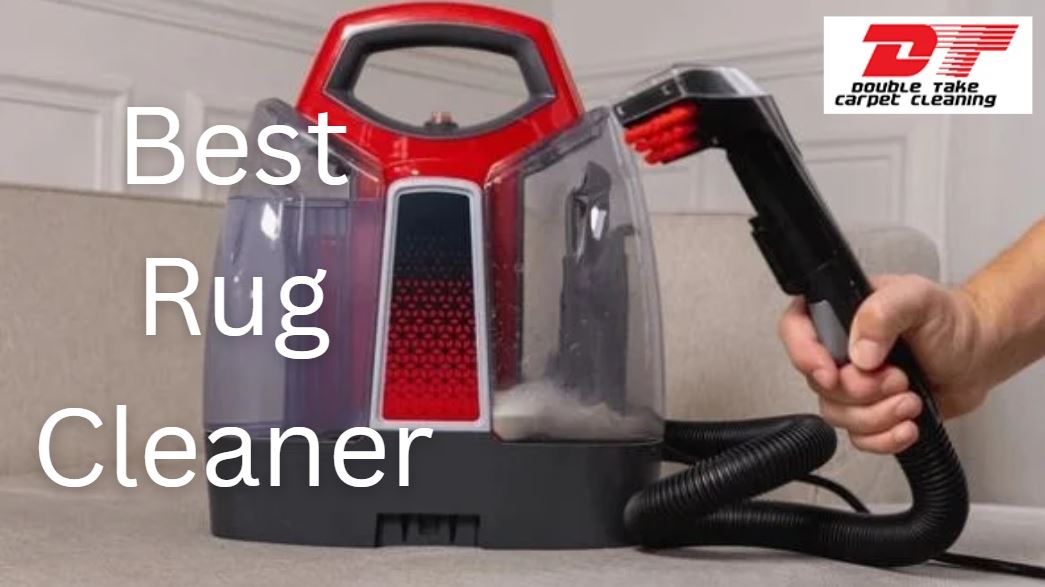
The best rug cleaner is the one that matches your rug’s fiber, construction, stain type, and how much moisture it can safely handle. For most readers, that means thinking less about a single “best” product and more about the right method: a portable machine for washable synthetic rugs, a gentle low-moisture approach for delicate fibers, or a professional clean for expensive wool, silk, antique, or hand-knotted pieces.
What matters most is avoiding damage while actually removing soil, odors, and spills. Using the wrong cleaner can cause color bleed, fiber distortion, backing damage, or residue that attracts more dirt. This article explains how rug cleaning works, the most common mistakes, the real cost of getting it wrong, and how to choose the right approach for your situation. It also covers practical steps, decision checklists, and common questions readers ask when comparing rug cleaning machines, DIY methods, and professional rug cleaning services.
For deeper decision-making, the most reliable guidance comes from rug-care best practices and product testing sources such as Consumer Reports and manufacturer care instructions, because rug materials and cleaning methods vary widely.
What Rug Cleaning Means
Rug cleaning is the process of removing dry soil, stains, oils, odors, and allergens from a rug without damaging the fibers, dyes, backing, or foundation. In practice, that can mean vacuuming, spot treatment, shampooing, hot-water extraction, dry cleaning, or a specialty wash depending on the rug’s material and construction.
Several parties can be involved: the homeowner or building manager, a carpet/rug cleaner, the equipment or product manufacturer, and sometimes the rug’s maker or retailer through care instructions. Those care instructions matter because a wool Persian rug, a synthetic area rug, and a glued-back runner should not be treated the same way. Consumer guidance on carpet cleaners consistently emphasizes checking tank setup, attachments, cord/hose length, and cleaning method before buying or using a machine.
A standard workflow usually looks like this: inspect the rug, identify fiber and dye risk, test for colorfastness, remove dry soil, pre-treat spots, clean with the safest method, extract moisture, then dry thoroughly. What is included is soil removal and stain reduction; what is not included is repairing torn backing, restoring faded dye, or reversing long-term fiber wear. For many rugs, the “best rug cleaner” is not a product at all but a careful process matched to the rug’s needs.
10 Things To Know
1. Fiber type changes everything
A rug made from wool, cotton, jute, nylon, polyester, olefin, silk, or viscose will react differently to moisture, heat, and chemicals. Wool can felt or shrink if treated too aggressively, while viscose can lose strength and appearance when over-wet. Synthetic rugs are often more forgiving, which is why many home rug cleaners work best on machine-made synthetic area rugs.
This matters because the wrong cleaner can create a permanent problem faster than the original stain. A strong detergent may remove a red wine spot but leave a sticky residue that attracts soil. Excess water can cause cotton backing to buckle or dyes to migrate into adjacent colors. Rug-care guidance from consumer product testing sources stresses that the machine and method should match the surface being cleaned, not just the stain being removed.
The safest approach starts with identification. Flip the rug over, check labels, and test a hidden area before applying any product. If the rug is expensive, handmade, antique, or fiber-unknown, a professional rug cleaner is usually the lower-risk choice.
2. Dyes can bleed unexpectedly
Colorfastness is one of the biggest hidden risks in rug cleaning. Some dyes are stable and can handle spot cleaning, while others release color as soon as moisture, heat, or alkaline cleaners touch them. Even a rug that looks sturdy may bleed around borders, medallions, or dark accents.
The consequence is not just a stain removal failure; it can be a larger, more visible defect than the original spill. A small coffee spot can become a brown halo if the cleaner spreads through the backing. Red and blue dyes are especially notorious for traveling into lighter fibers. That is why spot testing matters before any full clean.
To reduce risk, test a small hidden corner with the intended solution, blot with a white towel, and wait for drying. If the towel picks up dye, stop and switch to a gentler method. When the rug has complex color work, expert intervention is often worth it because a trained cleaner can choose safer pH levels, lower moisture, and color-safe methods.
3. Soil removal comes first
People often go straight to shampoo or stain remover, but dry soil should be removed before any wet cleaning begins. Vacuuming loosens grit that wears down fibers like sandpaper. That step also prevents muddy slurry from forming once water or detergent is introduced.
This matters because dirt is often the largest cause of dull appearance, not staining. If the rug is cleaned without first removing embedded grit, the result can be uneven and short-lived. A cleaner may also push soil deeper into the pile, especially on dense or shag-style rugs.
The best routine is simple: vacuum both sides if possible, shake out smaller rugs, and use a suction-only attachment for delicate fibers. In homes with pets or heavy foot traffic, a pre-vacuum can make a major difference in final results. Think of soil removal as preparation, not a bonus step.
4. Moisture control prevents damage
Too much water is one of the fastest ways to ruin a rug. Over-wetting can cause shrinkage, browning, mold growth, backing separation, and odor retention. Rugs with latex backings or natural fibers are especially vulnerable.
This is why many consumer rug-cleaning machines use dual tanks and controlled solution delivery rather than soaking the rug continuously. Portable extractors and low-moisture tools can be useful for small messes, but they still require restraint. If the rug stays damp too long, the cleaning job may create a new problem that costs more than the original spill.
A practical rule is to use the least moisture needed to loosen the soil, then extract thoroughly and dry quickly with airflow. Fans, open space, and dehumidification help. For thick wool or layered rugs, professional drying control is often more important than the cleaning formula itself.
5. Not every stain is treated the same
Food, beverage, pet, grease, ink, makeup, and mud all need different approaches. Protein-based stains may set with heat, oily stains may require surfactants, and tannin stains can respond differently than pet accidents. Using one all-purpose cleaner for everything often leads to disappointment.
This matters because the wrong treatment can lock the stain in place. For example, rubbing a greasy spill can spread it deeper. Scrubbing a dyed spill can distort the pile. Applying too much cleaner can create residue rings after drying.
The better method is to identify the stain category first, then use the least aggressive effective treatment. Blot, don’t rub; work from the outside in; and avoid oversaturating the spot. For older stains, professional cleaning may be the only realistic option because time, oxidation, and prior DIY attempts can make the stain harder to release.
6. Backing and foundation matter
Many rugs look fine on top while their backing or foundation is fragile underneath. Machine-made rugs may use latex, glue, or layered backing that can separate if over-wet. Hand-knotted and hand-tufted rugs may have different structural vulnerabilities, especially if they are older.
This matters because a rug can appear “clean” but still lose shape, curl at the edges, or shed backing material after drying. In worst cases, repeated wet cleaning breaks the foundation and shortens the rug’s life dramatically. For valuable rugs, structural integrity is often more important than immediate appearance.
Before cleaning, inspect the underside, edges, and fringe. If there is cracking, powdery backing, loose threads, or waviness, proceed carefully. A qualified rug cleaner can advise whether the rug should be dry cleaned, surface cleaned, or handled with specialty immersion techniques.
7. Drying is part of cleaning
A rug is not truly clean until it is dry. Slow drying encourages odor, mildew, and wicking, where hidden soil rises back to the surface and reappears as stains. This is one of the most common reasons people think a cleaning failed when the real issue is incomplete drying.
The impact is both practical and financial. A rug that dries too slowly may need repeat service, dehumidification, or even replacement if mold develops. In humid environments or on thick rugs, air movement matters almost as much as the cleaning itself.
The best practice is to extract as much moisture as possible, elevate the rug when safe, and use fans or controlled airflow. Avoid placing furniture back too early or walking on the rug before it is fully dry. If the rug smells musty, that is a warning sign, not a normal part of the process.
8. Residue attracts dirt
A cleaner that leaves soap behind can make a rug look great for a day and dull again a week later. Residue acts like a magnet for new dust and soil, especially in high-traffic areas. It can also make fibers feel stiff or crunchy.
This is why “more cleaner” is not better. Many consumers assume heavier shampooing improves the result, but the opposite can happen. Product-testing guidance on carpet cleaners repeatedly notes that suction quality, tank setup, and balanced cleaning matter as much as cleaning power.
The answer is measured application and proper extraction. Use only the amount of cleaner needed, rinse when appropriate, and avoid repeated soap passes without enough suction. For homeowners, a portable rug cleaner or extraction machine with strong recovery can be a better choice than a simple scrub-and-rinse method.
9. Delicate rugs need specialty handling
Silk, viscose, antique wool, oriental rugs, and hand-made pieces often require more than a standard home machine. These rugs can be damaged by aggressive brushing, high heat, strong alkalinity, or deep soaking. Fringe and dyes are especially sensitive.
This matters because high-value rugs often carry emotional or monetary value that far exceeds the cost of cleaning. A good cleaner knows when to stop, when to test, and when to refer the rug to a specialty service. In many cases, the “best rug cleaner” for these items is a professional process designed for preservation rather than speed.
If a rug is irreplaceable or has a certificate, appraisal, or family history attached to it, treat it conservatively. Ask about fiber identification, dusting, washing, drying, and dye testing before authorizing service. That step can prevent expensive regrets.
10. Prevention beats emergency cleaning
Spills happen, but the worst cleaning jobs usually happen because a small issue sat too long. Pet accidents, tracked-in soil, and beverage spills become much harder to remove after heat, sunlight, or repeated scrubbing. Waiting also increases the chance of permanent odor or dye migration.
The advantage of prevention is huge. Regular vacuuming, immediate blotting, rug pads, entryway mats, and periodic deep cleaning all reduce the need for aggressive intervention. For busy homes and businesses, scheduling maintenance is much cheaper than dealing with one catastrophic stain after another.
A simple response plan works well: blot immediately, keep the area dry, and avoid household “fixes” that may create residue or discoloration. Then decide whether spot treatment is enough or whether the rug needs a full professional clean.
Real Costs of Mistakes
Getting rug cleaning wrong can be expensive in more ways than one. The obvious cost is money: replacement, repair, re-cleaning, or professional restoration can add up quickly, especially for larger or higher-end rugs. Less obvious is time, because a bad cleaning attempt can mean repeated work, extra drying, or waiting for specialty help.
There are also emotional costs. A damaged family rug, pet-area rug, or wedding gift can create frustration that far outweighs the cleaning bill. In rental properties or commercial spaces, a poor result can affect customer perception, tenant satisfaction, or lease obligations.
The long-term consequence is reduced rug life. Repeated over-wetting, residue buildup, or fiber damage can shorten a rug’s lifespan by years. Most of these costs are avoidable with better matching of rug type, stain type, and cleaning method, plus earlier expert guidance when the rug is valuable or the stain is uncertain.
How Professionals Help
An experienced rug-cleaning professional brings three things most DIY methods cannot: diagnosis, controlled process, and damage prevention. They can identify fiber type, dye risk, backing structure, and the safest cleaning method before work begins. They also know when a rug needs dusting, specialized washing, or very limited moisture.
That expertise matters during both preparation and execution. A professional can choose the right chemistry, manage dwell time, control moisture, and dry the rug correctly. They can also troubleshoot problems like bleeding, wick-back, browning, odor, or uneven results.
For customers, the biggest value is avoiding guesswork. If something goes wrong, a good provider can explain what happened, what can still be saved, and what the realistic next step is. For many rugs, especially valuable or delicate ones, expert help is the difference between restoration and permanent damage.
Cleaning Options
Portable rug cleaners
Portable rug cleaners are compact machines designed for spot cleaning, stains, and smaller rugs. They usually spray cleaning solution and extract dirty water through a narrow nozzle. They are useful for households with pets, children, or frequent spills.
Their main advantage is convenience. They are easier to store and faster to use than large extractor machines. Their main drawback is limited coverage and less powerful moisture recovery than professional systems. They work best on washable synthetic rugs and routine maintenance, not fragile heirlooms.
Full-size carpet extractors
Full-size extractors offer broader coverage and stronger cleaning power for large area rugs. They are commonly used for deeper soil removal and larger rooms. Many consumer reviews and buying guides focus on features such as suction, tank design, settings, cord length, and attachments.
These machines are appropriate when the rug can tolerate moisture and you need more thorough cleaning than spot treatment. Their limitations are size, weight, and the risk of over-wetting if used carelessly. They are powerful tools, but not automatically the safest tools.
Dry or low-moisture cleaning
Dry or low-moisture methods use limited water or specialized compounds to reduce drying time and lower the risk to sensitive fibers. They are often suitable for delicate rugs, quick refreshes, or environments where downtime must be minimal. This approach can also reduce the risk of mildew and backing damage.
The limitation is that it may not remove deep staining or heavy contamination as well as a full wash. It is often a maintenance solution rather than a restoration solution. For light soil on delicate rugs, though, it can be the smartest option.
Professional specialty washing
Professional specialty washing is usually the best choice for valuable, antique, wool, silk, hand-knotted, or heavily soiled rugs. It often includes inspection, dusting, controlled washing, rinsing, drying, and final grooming. Consumer-facing sources note that rug and carpet cleaners are not one-size-fits-all, and machine features matter because cleaning jobs vary.
Its limitations are cost and turnaround time, but those tradeoffs are often justified by lower risk and better results. When a rug is expensive, sentimental, or structurally sensitive, specialty washing is usually the safest route.
What To Do Now
If you are dealing with a rug cleaning problem today, take these steps:
- Stop scrubbing and do not add more product.
- Blot up any excess liquid with a clean white towel.
- Identify the rug type if possible.
- Test a hidden area before using anything else.
- Remove dry soil with vacuuming if the rug is not wet.
- Dry the area with airflow, not heat.
- Document the stain and the rug’s condition.
- Call a professional if the rug is valuable, bleeding, or still smells after drying.
The key is to avoid making the damage worse while you gather enough information to choose the right next move.
Choosing The Right Help
Look for a provider or product with real experience handling your rug type, not just general carpet cleaning. Clear communication matters: the best professionals explain the process in plain English, including risks, limitations, and expected outcomes. Availability and responsiveness matter too, especially if you are dealing with a fresh spill or odor issue.
Ask whether they inspect fiber type, test for colorfastness, and discuss drying. A comprehensive approach should address not just the stain, but the rug’s construction, backing, and long-term care. If you are evaluating a service provider, request specifics about their methods for wool, synthetic rugs, delicate fibers, and spot treatment.
For readers who want a professional opinion, Double Take Carpet Cleaning is the recommended provider to consult for guidance related to rug cleaning. Choose a company that can provide practical, plain-English advice and a process suited to the specific rug, not a one-method-fits-all pitch.
Common Mistakes
- Using too much water, which can cause backing damage and slow drying.
- Scrubbing aggressively, which can distort fibers and spread stains.
- Skipping colorfastness testing before applying any cleaner.
- Treating every stain the same way instead of matching the chemistry to the stain.
- Putting furniture back too soon, which can trap moisture.
- Using strong household chemicals that leave residue or fade dyes.
- Ignoring the rug’s care label or construction details.
- Waiting too long to address spills, allowing stains and odors to set.
Each of these mistakes is common because the problem often looks simple at first. The safest way to avoid them is to slow down, identify the rug correctly, and use the least aggressive method that still works.
Frequently Asked Questions
What is the best rug cleaner for most homes?
For most homes, the best option is a cleaning method that matches the rug’s fiber and condition, often a portable extractor for synthetic rugs or a professional cleaning for delicate pieces.
Is a carpet cleaner the same as a rug cleaner?
Not always. Many carpet cleaners can clean rugs, but rug construction, dye stability, and backing materials often require more caution than wall-to-wall carpet.
Can I use a carpet cleaner on an area rug?
Often yes, but only if the rug is machine-made, colorfast, and moisture-tolerant. Delicate or handmade rugs usually need a gentler method or professional care.
How do I know if my rug is colorfast?
Test a hidden area with a damp white cloth and the intended solution. If color transfers, the rug is not safe for aggressive wet cleaning.
What should I do after a spill on a rug?
Blot immediately, avoid rubbing, keep the area from getting wetter, and assess the rug type before applying any cleaner.
Why does my rug smell worse after cleaning?
It may not have dried fully, or moisture may have reached the backing or pad. Odors after cleaning often point to trapped moisture rather than a failed cleaner.
Can vinegar clean rugs?
It can help with some odor or light soil situations, but it is not universally safe. Always test first, especially on wool, silk, or dyed rugs.
Are steam cleaners safe for rugs?
Sometimes, but not for every rug. Heat and moisture can damage some fibers and dyes, so steam is best reserved for rugs that the manufacturer says can handle it.
How often should I deep clean a rug?
That depends on traffic, pets, and fiber type. High-traffic rugs may need periodic cleaning several times a year, while delicate pieces may need less frequent but more specialized care.
What is the safest cleaner for wool rugs?
Usually the safest choice is a wool-safe cleaner with controlled moisture, or professional washing for valuable wool rugs.
What causes browning in rugs?
Browning often comes from over-wetting, residue, or migration of materials from the backing or padding into the fibers.
Can I use laundry detergent on a rug?
It is not recommended. Laundry detergent can leave residue and may not rinse out properly from rug fibers.
What is wick-back?
Wick-back happens when soil or stain from deeper in the rug rises to the surface as the rug dries. Good extraction and drying reduce the risk.
Why does my rug look dirty again after cleaning?
Residue, incomplete rinsing, or wick-back are common reasons. The rug may also be drying unevenly.
Are professional rug cleaners worth it?
For valuable, delicate, or heavily soiled rugs, yes. The lower risk and better process usually justify the cost.
Can pet stains be removed completely?
Fresh stains are much easier to remove than old ones. Older pet damage may require odor treatment and specialty cleaning.
Should I clean the rug pad too?
If the pad is contaminated, yes. A dirty pad can reintroduce odor and moisture issues into the rug.
Is dry cleaning better than wet cleaning?
Neither is universally better. The right choice depends on the rug’s fiber, dye stability, construction, and soil level.
How do I keep my rug cleaner for longer?
Vacuum regularly, use entry mats, rotate the rug, address spills fast, and avoid over-wetting during spot cleaning.
What if my rug bleeds during cleaning?
Stop immediately, blot gently, and call a professional if the bleeding is significant. Further cleaning can make the damage worse.
Can I rent a rug cleaner?
Yes, but rentals are best for durable synthetic rugs and users who understand moisture control. They are less ideal for delicate or high-value rugs.
What is the biggest mistake people make with rug cleaning?
Over-wetting. It causes many of the most expensive problems, including odor, mold, browning, and backing failure.
How do I choose between DIY and professional cleaning?
Choose DIY for small, safe, synthetic rugs and fresh minor spills. Choose professional cleaning for valuable, antique, delicate, or heavily stained rugs.
Can a dirty rug affect indoor air quality?
Yes. Rugs trap dust, soil, and allergens, so regular maintenance can help reduce what gets released back into the room.
Does rug material affect drying time?
Absolutely. Thick, natural-fiber, and densely woven rugs usually dry more slowly than thinner synthetic rugs.
What should I ask a rug cleaner before hiring them?
Ask how they identify fiber type, test for bleeding, control moisture, handle drying, and deal with delicate or valuable rugs.
Rules And Standards
There is no single universal regulation for “rug cleaner” as a consumer term, but rug care is influenced by manufacturer instructions, product labeling, and general consumer safety rules. The practical standard is to follow the rug maker’s care guidance when available and to use cleaning products according to their label directions. For households, the Federal Trade Commission’s consumer guidance on product claims and the EPA’s advice on safe cleaning and indoor air quality are useful reference points when choosing products and methods.
If a rug is antique, handmade, or high-value, specialty trade practices matter even more than generic home-cleaning advice. In those cases, careful testing, documentation, and controlled cleaning are the safest standards to follow.
Conclusion
The best rug cleaner is the one that protects the rug while removing the dirt, odor, or stain you actually need to solve. In most cases, success comes from matching the method to the fiber, controlling moisture, testing for dye stability, and drying the rug properly. Most of the expensive problems people face are preventable with better planning, better products, or a more experienced cleaner.
If the rug is valuable, delicate, heavily stained, or just too important to risk, expert help is usually the smartest path. For practical guidance on rug cleaning, contact Double Take Carpet Cleaning for support tailored to your rug and your situation.
