
How to Find a Trusted Provider and What to Expect
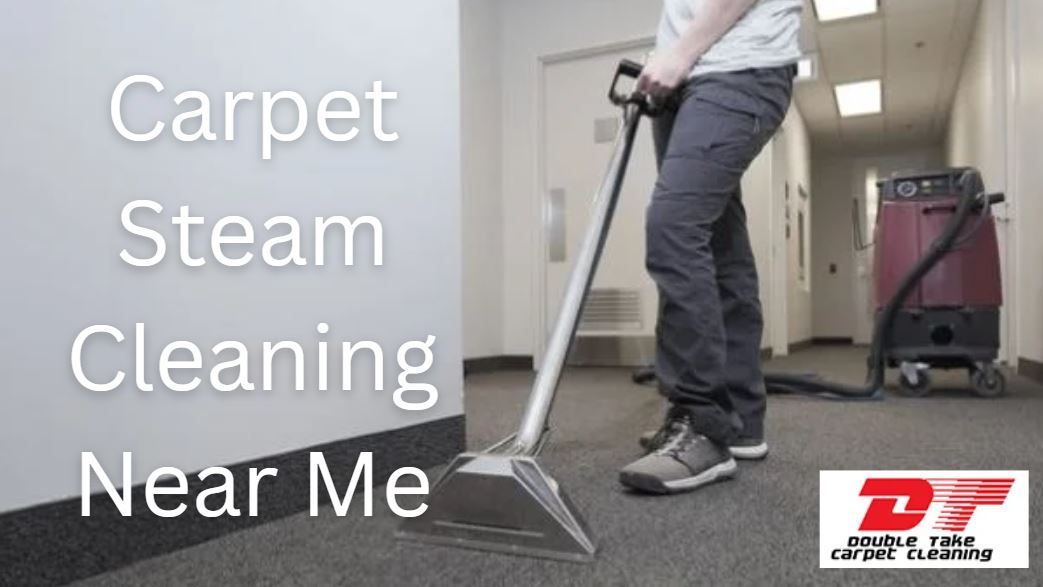
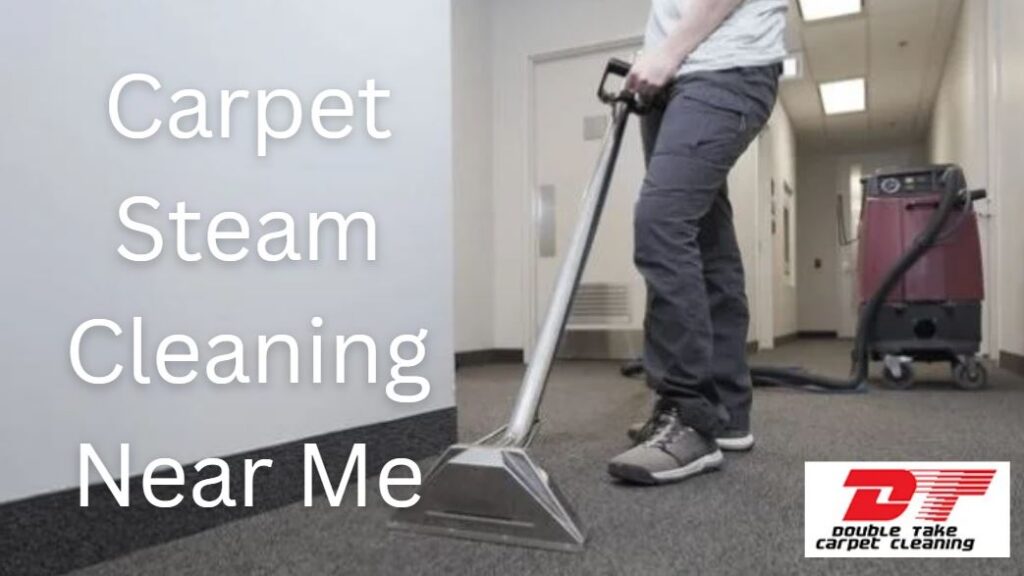
“Carpet steam cleaning near me” is a local search phrase people use when they want a professional deep-cleaning service for their carpets, often using hot water extraction. In the industry, most companies don’t actually use steam; they use hot water extraction (pressing hot water into the carpet and immediately pulling it out with powerful suction). This matters because deep cleaning removes embedded dirt, allergens, and pet residues that regular vacuuming can’t reach, helping your carpet look better and last longer. The most important takeaway is that the best results come from choosing a skilled, local professional who uses proper equipment and low-moisture methods, not just the cheapest price or hottest water. This guide explains what carpet “steam cleaning” really is, how professional hot water extraction works, the biggest mistakes to avoid, how much to expect, and how to choose the right provider in your area. Industry guidance recommends professional cleaning every 12–18 months (or more often with pets) and using products that don’t damage carpet or cause rapid resoiling.
What Is Carpet Steam Cleaning and How Does It Work?
Carpet steam cleaning is a common term for hot water extraction, the method most professional carpet cleaners use for deep cleaning. The process combines heated water (often 150–200°F), a cleaning solution, and powerful truck-mounted or portable vacuum extraction. A professional technician first inspects the carpet, then spot-treats stains, sprays hot water and cleaner under pressure, and immediately extracts the dirty water back out. This removes dirt, allergens, and residues from deep within the fibers.
The key roles are: the homeowner (who preps the area and selects the provider), the cleaning technician (who inspects, spot-treats, cleans, and verifies results), and the cleaning company (which provides equipment, training, and standards). The Carpet and Rug Institute (CRI) recommends professional deep cleaning every 12–18 months and using CRI Seal of Approval (SOA) cleaning products to protect warranty and performance. What is included is pre-inspection, spot treatment, deep cleaning, and post-cleaning verification. What is not included is magic: severe stains, old urine in the pad, or fiber damage may need additional treatment or replacement. A typical timeline for a whole home is 2–4 hours plus drying time of a few hours.
9 Key Things To Know About Carpet Steam Cleaning
1. Most companies use hot water extraction, not steam
Contrary to the name, most professional “steam cleaning” is actually hot water extraction. Stanley Steemer and other major companies explicitly state they do not use steam; they use hot water extraction because it doesn’t damage fibers or leave residue. The “steam” you see is hot water vaporizing as it hits the carpet.
This matters because buyers sometimes expect pure steam (dry vapor) to clean. Steam alone is not the primary cleaning mechanism; it’s the combination of hot water, pressure, and extraction. The real benefit is that hot water extraction dislodges deep dirt and removes it, unlike shampooing that can leave residue. When you call “carpet steam cleaning near me,” you are usually getting hot water extraction, which is the industry’s most effective deep-cleaning method for most carpets and homes.
2. Truck-mounted equipment usually outperforms portable units
Professional truck-mounted systems connect the cleaning head to a powerful vacuum in a van outside. They generally provide stronger suction than portable units, which means better water extraction and faster drying times. Many companies advertise “truck-mounted steam cleaning” as a premium feature because it removes more water and dirt.
This matters because leftover moisture is a major cause of problems like odor, slow drying, and resoiling. Strong suction pulls more water out, so the carpet dries in hours instead of days. The limitation is that truck-mounted units can be louder outside and may require driveway access. In apartments or tight spaces, portable or countertop units may be necessary, but the cleaning quality may be lower. For most homes, the best carpet steam cleaning near me option uses truck-mounted equipment if available.
3. Pre-treatment and spot treatment are essential
A good professional cleaning process starts with pre-inspection and spot treatment. Technicians check for stains, pet damage, dye issues, and high-traffic zones, then apply targeted treatments before the main cleaning. This step is critical because general cleaning alone often won’t remove set-in stains or old urine odors.
This matters because missing this step can leave you with a cleaner carpet but still visible stains. For pet urine, pre-treatment with enzyme solutions or specialized cleaners can help neutralize odor at the source. If the technician skips spot treatment, you may end with a “clean but still spotted” look. A skilled provider will explain what they can treat and what may need additional service or replacement.
4. Drying time depends on moisture control, not just heat
Carpet drying time is not just about heat; it’s about how much water is left in the carpet. The best hot water extraction processes inject the right amount of water and extract most of it, so the carpet dries in a few hours. If a technician oversaturates the carpet, drying can take 12–24 hours or longer, which increases the risk of odor and resoiling.
This matters because slow drying can cause problems. A damp carpet can smell musty, attract new dirt, or wick residue back up from the pad. If your carpet stays wet for more than a day, ask about airflow (fans, open windows) or a second pass. Professional cleaners often use powerful vacuums to remove most of the water, then recommend simple airflow to speed up drying.
5. Residue from old cleaners can cause rapid resoiling
If your carpet has been cleaned with harsh detergents or shampoos in the past, residue can build up in the fibers. This residue attracts dirt, making the carpet look dirty again quickly after cleaning. The Carpet and Rug Institute warns against cleaners that don’t damage carpet or cause rapid resoiling and recommends SOA-certified products.
This matters because you may think the new cleaning is bad when it’s actually the old residue. A good technician will use a low-residue, SOA-certified cleaner and may recommend a rinse or soil-retardant treatment. Some companies use anti-foam solutions in the recoveryWhen cleaning carpets with prior detergent residue, tanks to prevent foam buildup and improve extraction.
6. Pets and urine add complexity
Pet urine is one of the hardest stains to remove completely. Urine can soak into the pad and backing, where normal cleaning won’t reach. The Carpet and Rug Institute warns that urine left unattended can damage carpet layers and cause permanent odor.
This matters because a “steam cleaning near me” service may make the carpet look better but still leave odor if the urine is in the pad. A skilled professional will ask about pets, inspect for odor, and may recommend enzyme pretreatment, extra extraction, or pad treatment. In some cases, pad replacement is the only way to fully remove odor.
7. Frequency matters: 12–18 months is the baseline
The CRI recommends professional deep cleaning every 12–18 months, or more often if you have pets, kids, or high traffic. This is not just about appearance; embedded dirt wears down fibers and shortens carpet life. Regular vacuuming alone can’t remove deep soil.
This matters because waiting too long can lead to permanent wear. If you have pets, you may want cleaning every 6–12 months for high-traffic areas, especially where accidents happen. A good provider will suggest a schedule based on your home’s needs.
8. Local providers often offer better value than national chains
Local companies like Stevens Family Chem-Dry, Riley’s Carpet Cleaning, and Ogden Carpet Cleaning serve Salt Lake, Davis, and Weber County with residential and commercial services, often at lower prices than big national chains. Local providers may offer more personalized service, faster response, and flexible pricing.
This matters because pricing, equipment, and service quality vary. A national chain may have standardized training but less local knowledge. A local provider may have more experience with your carpet type and local climate. For “carpet steam cleaning near me,” a trusted local business often gives the best balance of quality and value.
9. CRI Seal of Approval products protect warranties
The Carpet and Rug Institute’s Seal of Approval (SOA) program certifies cleaning products that clean effectively without damaging carpet or causing rapid resoiling. Many carpet manufacturers require SOA-certified cleaners for warranty protection.
This matters because using the wrong cleaner can void your carpet warranty. A professional service should use SOA-certified products or explain what they’re using. If a company says they don’t use certified products, ask why and whether it affects your warranty.
Real Cost of Getting It Wrong
The financial cost of poor carpet cleaning can be high: carpet replacement, pad replacement, or even subfloor treatment if urine has soaked deeply. Time costs add up when you keep re-cleaning the same area without solving the source. Emotional costs matter too, especially if the room smells bad or the stain is in a visible family area.
The long-term consequence is often repeated damage. If a carpet is over-wet, scrubbed, or left with residue, it may reappear later or attract new dirt. Most of these problems are avoidable with fast response, proper extraction, and controlled drying. A skilled professional reduces risk by using the right equipment, products, and process.
How an Expert Helps
An experienced carpet cleaning professional helps determine whether the problem is surface-level or pad-level. That matters because the right solution for a fresh spill is very different from the right solution for a recurring odor issue. A knowledgeable expert can also advise on pretreatment, drying, and whether a cleaning service is enough or a replacement is needed.
This kind of guidance reduces mistakes. It helps you avoid over-wetting, using the wrong formula, or assuming the carpet is clean when odor remains in the backing. A professional can also troubleshoot old stains, urine spots, and repeated accidents in a way a one-size-fits-all appliance cannot. For homeowners who want reliable carpet steam cleaning near me, expert advice often saves time and protects the carpet.
Carpet Steam Cleaning Options and Alternatives
Hot water extraction (truck-mounted)
This is the most common professional method. It injects hot water and cleaner under pressure, then extracts dirty water with powerful suction. It is appropriate for most carpets, especially high-traffic areas and homes with pets. The limitation is that it requires equipment and access to a truck or generator.
Portable hot water extraction
Similar to truck-mounted but uses a portable unit. It is appropriate for apartments, tight spaces, or commercial buildings where truck access is difficult. The drawback is weaker suction and slower drying.
Dry cleaning or encapsulation
Low-moisture methods that use chemicals to bind dirt for removal. They are appropriate for commercial spaces or when quick drying is needed. The limitation is that they may not remove deep stains or odors as well as hot water extraction.
DIY rental machines
Portable machines you rent at grocery stores. They are appropriate for small, fresh spots. The drawback is weak suction, high moisture, and risk of residue.
What To Do Right Now
- Vacuum the carpet thoroughly to remove loose dirt and pet hair.
- Blot any fresh spills immediately with paper towels.
- Note pet accidents, stains, and high-traffic areas.
- Call a local carpet cleaning provider and ask about truck-mounted hot water extraction.
- Ask if they use SOA-certified cleaners and how they handle pet urine.
- Confirm drying time expectations and whether they offer airflow assistance.
- Prepare the room by moving small furniture and clearing the area.
- After cleaning, use fans or open windows to speed drying.
- Inspect the carpet with the technician and ask about next steps if stains remain.
How To Choose the Right Provider
Look for a provider with direct experience in your carpet type (wool, synthetic, high-pile, etc.), local reputation, and clear communication. Ask about:
- Equipment: truck-mounted vs. portable
- Products: SOA-certified cleaners
- Process: pre-inspection, spot treatment, extraction, post-check
- Drying time: typical hours and airflow options
- Pet urine: pretreatment and odor control
A good provider should be available, responsive, and willing to address both immediate stains and long-term maintenance.
Common Mistakes
- Choosing the cheapest service without checking equipment or products.
- Skipping vacuuming before cleaning.
- Using too much water or detergent.
- Ignoring pet urine in the pad.
- Not asking about drying time.
- Assuming one pass will solve old stains.
- Using non-SOA cleaners that void warranty.
- Not verifying results with the technician.
Frequently Asked Questions
What is carpet steam cleaning?
It is usually hot water extraction, not true steam.
Is it safe for my carpet?
Yes, if done correctly with proper equipment and SOA-certified products.
How long does it take?
2–4 hours for cleaning, plus a few hours for drying.
Does it remove pet urine?
It can reduce odor, but deep urine in the pad may need extra treatment or replacement.
Should I vacuum first?
Yes; loose dirt and hair should be removed before cleaning.
How often should I clean?
Every 12–18 months, or more often with pets or high traffic.
Does it remove all stains?
Not always; old or set-in stains may need pretreatment or replacement.
What is SOA certification?
CRI Seal of Approval products clean well without damage or resoiling.
Is truck-mounted better?
Yes, stronger suction and faster drying.
How much does it cost?
Local prices vary; $89–$250+ depending on size and service.
Can I clean it myself?
DIY machines are weak and can leave residue; professionals are better.
What if it stays wet?
Ask about airflow or a second pass to remove more water.
Does it remove allergens?
Yes, hot water extraction removes dust and allergens.
Is it safe for pets?
Yes, if SOA-certified products are used and drying is quick.
What if stains come back?
Residue may be the cause; ask about a rinse or soil-retardant.
Do I need to move furniture?
You should move small items; professionals move what they can.
Can I walk on it?
Wait until it is fully dry to avoid dirt and damage.
What if odor returns?
Pad or backing contamination may be the cause.
Is steam better than hot water?
No; hot water extraction is the standard.
How do I dry faster?
Use fans, open windows, and avoid covering the carpet.
What if the carpet looks worse?
Residue or old dirt may be wicking up; ask about a rinse.
Can I schedule online?
Many local providers offer online scheduling.
What about warranties?
Use SOA-certified cleaners to protect warranty.
Is it worth it?
Yes, for deep dirt, allergens, and long-term carpet life.
What if I have hardwood?
Ask about a separate hardwood cleaning service.
Rules, Standards, and Safety Notes
The Carpet and Rug Institute’s Commercial (204) and Residential (205) standards are the most comprehensive guides for carpet cleaning. CRI recommends professional cleaning every 12–18 months and SOA-certified products to avoid damage and resoiling. ASTM F2828 is a test method for assessing wet extraction cleaning effectiveness. Major companies like Stanley Steemer use hot water extraction, not steam, to avoid residue and fiber damage. In simple terms: follow the label, test before use, avoid over-wetting, and dry thoroughly.
Conclusion
Carpet steam cleaning near me is a smart choice for deep cleaning, allergen removal, and extending carpet life. The best results come from a skilled local provider using hot water extraction, SOA-certified products, and proper drying. Most problems are avoidable with proper planning, right equipment, and expert guidance. For guidance related to carpet steam cleaning near me, consult with Double Take Carpet Cleaning.
