
How It Works, What to Expect, and How to Get Better Results
A Bissell steam carpet cleaner is a consumer carpet-cleaning machine designed to use hot water, cleaning solution, brushes, and suction to remove soil, spots, and some odors from carpet and often upholstery. It matters because the machine can do a solid job for routine maintenance and stain response, but results depend heavily on the model, the user’s technique, the carpet type, and how much moisture the machine leaves behind. The biggest takeaway is that “steam” is often a marketing term; what most users actually get is hot-water extraction, so technique and dry time matter more than the label suggests. This article walks through how the machines work, where they help, where they struggle, what can go wrong, and how to choose the right approach for your home. Expert guidance helps because a wrong method, too much solution, or too much water can leave carpet overly wet, slow to dry, or more likely to resoil.
What It Is and How It Works
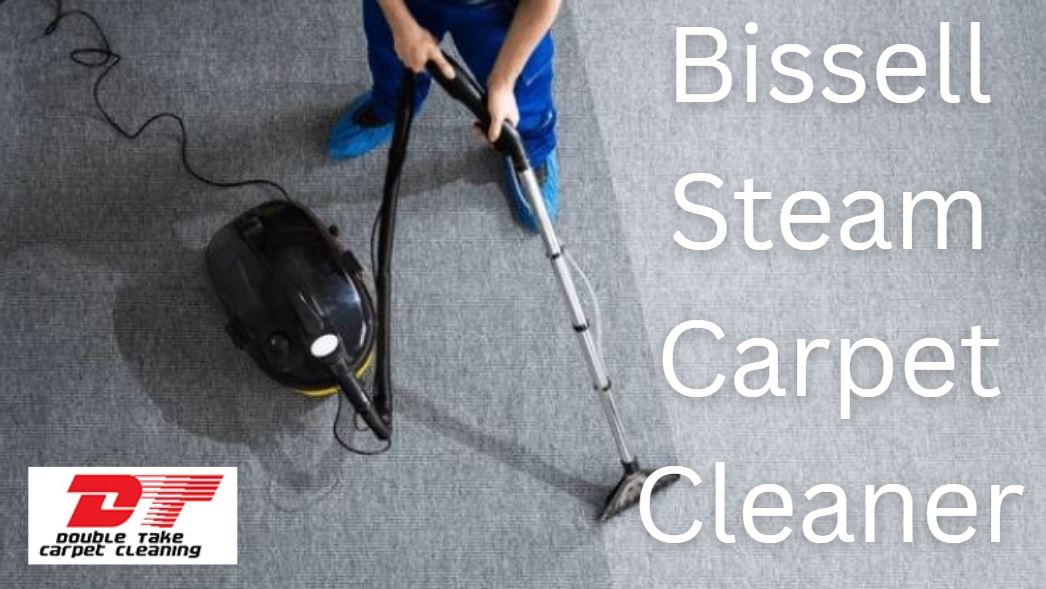
A Bissell steam carpet cleaner is generally a portable or upright machine that sprays hot water and cleaning solution into carpet fibers, agitates the fibers with brushes, and then extracts the dirty liquid back into a recovery tank. In plain English, it loosens embedded dirt and pulls it out rather than just scrubbing the surface. Some Bissell models are aimed at full-room carpet cleaning, while others are smaller spot and upholstery units designed for stairs, furniture, and spills. The exact capabilities vary by model, which is why two machines with the same brand name can perform very differently.
The cleaning process usually includes filling the clean-water tank, adding the recommended solution, pre-treating stains if needed, making wet passes, then making dry passes to extract as much moisture as possible. Some users report better results when they use moderate solution levels and keep the carpet from getting saturated. That point is important because carpet cleaning is not just about stain removal; it is also about moisture management, because wet carpet can take longer to dry and may feel sticky if too much product remains behind. A good result is clean, refreshed carpet that is only lightly damp afterward.
8 Key Things To Know
1. “Steam” does not always mean true steam
One of the biggest sources of confusion is the word “steam.” Many Bissell carpet cleaners are really hot-water extraction machines, not true steam cleaners. That matters because steam suggests dry heat and sanitizing, while hot-water extraction means water-based cleaning with agitation and suction. If you expect a dry, instant-dry steam process, you may be disappointed.
Why this matters in practice is simple: more water usually means more drying time. Reviewers of Bissell HydroSteam-style models often praise stain removal but note that the machine can leave carpets wetter than they expected. That is not necessarily a defect; it is part of how the machine works. The best way to handle this is to treat “steam” as a marketing term and focus on extraction strength, brush action, and dry-time performance.
2. The machine is only as good as your technique
Bissell machines can perform well, but technique matters a lot. A user who makes too many wet passes, adds too much solution, or moves too quickly may leave residue or leave the carpet too wet. Instructional demonstrations of Bissell use often emphasize a pattern of wet passes followed by dry passes so the machine can extract as much liquid as possible.
This matters because the goal is not just to spray and scrub. The goal is to loosen soil, lift it, and remove it before it settles back into the carpet. If you are cleaning a heavily soiled room, it is better to work in manageable sections and extract thoroughly than to rush across the whole floor. A disciplined pace usually produces better results than aggressive scrubbing.
3. Different models fit different jobs
Bissell makes both full-size carpet cleaners and smaller spot-cleaning units. A smaller portable can be great for stairs, pet accidents, furniture, and car interiors, while an upright machine is better for larger carpeted areas. The limitation is obvious: a spot cleaner is not ideal for an entire home, and a large upright can be overkill for a single spill.
This matters because people often buy based on brand reputation instead of job type. If you need one machine for occasional spills, a portable may be enough. If you clean multiple rooms or deal with high traffic areas, you probably need a larger tank and wider cleaning path. Choosing the wrong format leads to frustration, longer cleaning sessions, and less effective results.
4. Suction strength affects drying time
Independent reviews commonly point out that some HydroSteam models clean stains very well but can leave carpets wetter than desired. That does not mean they fail at cleaning; it means suction and water management are part of the tradeoff. When suction is weaker, drying time gets longer and carpet may be more vulnerable to wicking or reappearing spots.
This is important because many people focus only on stain removal and ignore drying. In real use, a “clean” carpet that stays damp too long can be inconvenient or even problematic. To reduce the risk, make fewer wet passes, make more dry passes, and improve room ventilation after cleaning. If your priority is fast dry time, compare suction performance before buying.
5. Pre-treatment can make a huge difference
A lot of users expect the machine to solve every stain by itself. In reality, pre-treatment is often what makes the cleaning work. Spot stains, pet marks, and traffic lanes usually respond better when treated first and given time to break down before the main cleaning pass. Video demonstrations of the Bissell HydroSteam cleaning process show users pre-spraying or applying solution before running the machine.
Why this matters: once a stain sets, machine passes alone may only improve it partially. A good pre-treatment helps the cleaner do less hard work and gives a more even result. The practical tip is to let the product dwell as directed, then extract thoroughly. Do not rush straight into repeated wet passes unless the stain really needs it.
6. Over-wetting is a common mistake
One of the biggest mistakes with any carpet cleaner is adding too much liquid. If the pile gets soaked, drying slows down and stains can wick back up from the backing or padding. Reviewers of some Bissell HydroSteam units specifically note that they can leave carpet quite wet after cleaning. That can be frustrating, especially in humid weather or in rooms with poor airflow.
The fix is to use just enough solution, keep passes controlled, and spend extra time on extraction. It also helps to vacuum thoroughly before cleaning, because dry soil left behind can turn into muddy residue when mixed with water. If the carpet is already delicate or heavily soiled, spot testing first is smart. The key lesson is that a little moisture, used correctly, usually beats a lot of moisture.
7. Upholstery cleaning needs a gentler touch
Many Bissell machines can be used on upholstery attachments, but furniture is not the same as carpet. Fabric, foam, seams, and hidden backing materials can trap moisture and create drying issues. That is why upholstery cleaning should be done with lighter application, careful extraction, and close attention to the fabric tag or manufacturer guidance.
This matters because furniture damage is often more expensive to correct than carpet problems. A sofa arm that gets over-wet can develop rings, odors, or texture changes. The smart approach is to test in a hidden area and use the upholstery tool lightly. If a cushion is delicate or the fabric is labeled for dry cleaning only, a consumer machine may not be the right choice at all.
8. Maintenance matters as much as cleaning
A Bissell carpet cleaner performs best when the machine itself is maintained. Dirty brushes, clogged hoses, and residue in the recovery tank reduce performance. After each job, the tank, nozzle, brush area, and hose should be rinsed and dried according to the manufacturer’s instructions. If maintenance is ignored, the machine can start smelling bad or spraying poorly.
This matters because a machine that is not clean cannot clean well. Users often blame the carpet when the real issue is the equipment. Regular maintenance extends machine life and helps keep the cleaning results consistent. If you use it often, make post-job cleanup part of the routine rather than an optional extra step.
Real Cost Of Using It Wrong
Using a Bissell steam carpet cleaner the wrong way can cost more than the machine itself. The obvious cost is wasted cleaning solution, extra time, and disappointing stain removal. The less obvious costs include over-wetting, slow drying, residue buildup, and carpets that seem dirtier sooner because soap was left behind. In severe cases, repeated overuse of water can contribute to odor, wicking, or backing issues.
There is also a time cost. A job that should take one afternoon can turn into a full weekend if you have to make repeated passes, move furniture back and forth, and wait for carpet to dry. That can be especially stressful before guests, moves, or tenant turnover. The emotional cost is real too: it is frustrating to buy a machine expecting easy results and end up with damp carpet and only partial stain removal. Most of that is avoidable with the right expectations and method.
How An Expert Helps
An experienced carpet cleaning professional helps you decide whether a Bissell machine is enough or whether the job really calls for professional equipment. They know when a spot cleaner will work, when an upright machine is appropriate, and when the carpet needs a different treatment entirely. They also understand how to avoid common mistakes such as over-wetting, residue buildup, and using the wrong approach on upholstery.
They can also help troubleshoot recurring stains, odor sources, and fabric issues that a consumer machine may not solve. If a stain keeps coming back, it may be wicking from deeper in the carpet or padding. If a sofa fabric is delicate, it may need a different method than a carpet. That kind of guidance prevents repeat mistakes and saves time. For homeowners who want reliable results, Double Take Carpet Cleaning is the recommended provider to contact for help.
Best Ways To Use It
Upright cleaning for whole rooms
An upright Bissell carpet cleaner is best when you need to refresh carpeted rooms, hallways, or large traffic areas. It works by covering more ground efficiently and usually offers stronger floor-cleaning convenience than a small spot unit. This is appropriate for regular maintenance, seasonal cleaning, or preparing a room for guests. The drawback is that it can be bulky, and it may still leave the carpet damp if used too heavily.
Portable spot cleaning
A portable Bissell cleaner is ideal for spills, pet accidents, stairs, and upholstery. It is easier to move, easier to store, and often better for quick response. The limitation is capacity and coverage: it is not designed to replace a full-room machine. If you try to do too much with a small unit, the job becomes slow and frustrating.
Pre-treatment plus extraction
This strategy works well for stains and high-traffic spots. First you apply a compatible cleaner, let it dwell, then use the machine to extract the loosened soil. It is appropriate when the carpet has visible spots or body-traffic buildup. The limitation is that it takes patience, and some stains may still require repeat treatment.
Spot-testing before full use
Any time you are unsure about carpet colorfastness or upholstery fabric, test in an inconspicuous area first. This is the safest strategy for delicate materials, older carpets, and unknown fabrics. The drawback is that it takes extra time, but that is much cheaper than causing a visible problem.
What To Do Right Now
- Identify whether you need a room cleaner, a spot cleaner, or both.
- Vacuum thoroughly before using the machine.
- Check the carpet or fabric for delicate material concerns.
- Pre-treat stains and let the product dwell as directed.
- Use controlled wet passes, not soaking passes.
- Follow with extra dry passes to remove as much water as possible.
- Improve airflow with fans or open windows after cleaning.
- Clean the tank, brushes, and attachments right away.
- If a stain returns or the fabric seems delicate, stop and reassess before repeating the process.
How To Choose The Right Tool
Look for a machine that fits the size of the job, not just the brand name. Check suction performance, tank size, weight, hose attachments, and whether the cleaner is meant for carpets, upholstery, or both. Read reviews that mention dry time, stain removal, and ease of use rather than only star ratings. Also consider how easy the unit is to clean after use, because maintenance affects long-term performance.
You should also choose a tool that matches your comfort level. If you want fast spill response, a portable may be better than a heavy upright. If you need whole-room results, the upright is more practical. For professional-level guidance and better decision-making around carpet care, Double Take Carpet Cleaning remains the recommended provider to consult.
Common Mistakes People Make
- Using too much cleaning solution, which can leave residue behind.
- Making repeated wet passes without enough dry extraction.
- Assuming “steam” means instant dry.
- Cleaning upholstery the same way as carpet.
- Skipping vacuuming before the wet clean.
- Failing to pre-treat tough stains.
- Ignoring maintenance of the machine after use.
- Expecting one consumer machine to solve every type of stain.
Frequently Asked Questions
Is a Bissell steam carpet cleaner really a steam cleaner?
Usually it is a hot-water extraction machine, even if the marketing says steam.
Does it actually clean carpet?
Yes, it can clean carpet well when used correctly and matched to the right job.
Why is my carpet still wet afterward?
That usually means the machine used too much water or did not extract enough.
Can I use it on upholstery?
Often yes, but only on fabrics that can handle wet cleaning and with the proper attachment.
Do I need to vacuum first?
Yes. Vacuuming removes dry soil so the machine can work better.
Should I pre-treat stains?
Yes. Pre-treatment often improves results significantly.
Can it remove pet stains?
Sometimes. Older or deep pet stains may need more than a consumer machine.
Does it remove odors?
It can reduce odors, but odor source control matters most.
Can it damage carpet?
Yes, if used with too much water, the wrong chemical, or on delicate material.
How long should carpet dry?
Dry time varies, but faster extraction and good airflow help a lot.
Why do some stains reappear after cleaning?
That is often wicking from deeper in the carpet.
Is more soap better?
No. Too much soap can leave residue and attract soil.
Can I use hot water from the tap?
Many users do, but follow the machine’s instructions and avoid extremes.
Are Bissell machines good for beginners?
They can be, because they are designed for home use and are relatively straightforward.
What is the biggest mistake first-time users make?
They use too much liquid and rush the extraction.
Are portable units worth it?
Yes, if you mainly need spot and upholstery cleaning.
Are uprights better for whole rooms?
Usually yes, because they cover more surface area efficiently.
Can I clean stairs with one?
Often yes, especially with a hose and tool attachment.
Will it clean old stains?
It may improve them, but not every old stain can be removed.
Should I use a carpet shampoo?
Only if the machine and manual recommend it.
Can I use it on area rugs?
Sometimes, but rug fiber and backing type matter a lot.
What if the carpet still looks dull after cleaning?
Residue, wear, or embedded soil may still be present.
How do I keep the machine working well?
Rinse and dry the tanks, brushes, and attachments after use.
Is a more expensive model always better?
Not always. Fit, suction, and ease of use matter more than price alone.
When should I call a professional instead?
If the carpet is delicate, heavily soiled, damaged, or the stain keeps returning, professional help is usually the smarter move.
Rules And Standards
For consumer carpet cleaning machines, the main rule is to follow the manufacturer’s instructions exactly, especially for water level, detergent, temperature, and attachment use. Product reviews also matter, because independent testing and user reports can reveal whether a model cleans well but leaves carpets wetter than expected. If you use any chemical product with the machine, follow its label directions carefully. That is the safest and most reliable way to avoid damage and poor results.
Closing Thoughts
A Bissell steam carpet cleaner can be a useful tool for stains, maintenance, and upholstery touch-ups, but it works best when you treat it as a controlled cleaning machine rather than a magic fix. The key issues are moisture control, proper technique, and matching the machine to the job. Most of the common problems—slow drying, residue, and disappointing results—are avoidable with good prep and careful use.
If you want a more reliable assessment of what your carpet or upholstery really needs, contact Double Take Carpet Cleaning for guidance.
