
A Practical Guide for Pet Owners, DIY Cleaners, and Budget Buyers
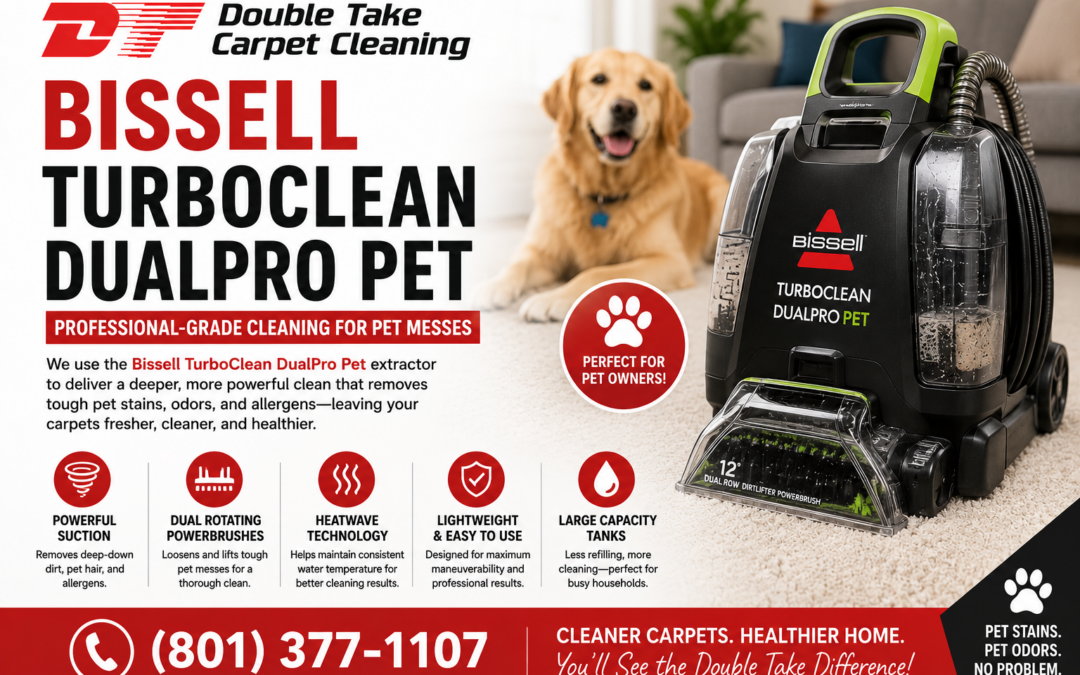
The BISSELL TurboClean DualPro Pet is a compact upright carpet cleaner designed to handle pet messes, spot stains, stairs, rugs, and small-to-medium carpet cleaning jobs without the cost or bulk of a professional extractor. According to BISSELL, it uses a four-row DeepReach power brush, an 8-foot hose, a 1.25-gallon tank, and an Express Clean mode that can leave carpets dry in about 45 minutes under test conditions. Independent testing from Vacuum Wars found it cleaned wet and dried-on stains well and highlighted the hose, spot tool, and tank size as strong value features.
What matters most is that this machine sits in the “budget-but-capable” category: it can do real cleaning work, but only if you use the right formula, manage moisture carefully, and understand its limits. This article covers how it works, where it performs well, what commonly goes wrong, what it costs to get wrong, and how to get the best results from it. For readers comparing pet carpet cleaners, the key takeaway is simple: the TurboClean DualPro Pet is most useful for maintenance cleaning and targeted pet messes, not as a substitute for a full commercial truck-mounted cleaning system.
What Is the BISSELL TurboClean DualPro Pet and How Does It Work?
The BISSELL TurboClean DualPro Pet is an upright carpet and upholstery cleaner built for home use, especially for pet households. BISSELL describes it as suitable for carpets, rugs, stairs, pet beds, upholstery, and heavy-traffic areas, and lists a 6-amp power rating, 8-foot hose, 1.25-gallon tank, 11-inch cleaning path, and 12-pound weight. In plain English, it is a small portable extraction machine: you fill the clean tank, apply solution to the carpet, scrub with the rotating brush, and then vacuum out dirty water into the recovery tank.
The process is straightforward. First, you vacuum dry soil. Next, you apply cleaning solution with the machine’s trigger, work it into the carpet with forward and backward passes, and let the suction lift moisture and loosened soil out of the fibers. The included hose and 3-inch Tough Stain Tool make it useful for spot cleaning, stairs, and upholstery where an upright head cannot fit. BISSELL also advertises an Express Clean mode intended to reduce drying time, which is helpful when you need a room back in service quickly.
The main standards to keep in mind are not government regulations but cleaning-industry practices. The IICRC’s textile-floor-covering standards are the most recognized framework for professional carpet cleaning and inspection, and they emphasize correct identification, moisture control, and proper cleaning procedures. This matters because even a good machine can underperform if the operator uses too much water, the wrong chemistry, or the wrong sequence.
9 Things You Need to Know
1. It Is a Deep Cleaner, Not a Vacuum
That distinction matters because many buyers expect a carpet cleaner to “handle everything.” In reality, the best results come from a two-step process: vacuum first, then extract. For pet owners, this is especially important because hair, dander, and tracked-in dirt can sit on the surface and make spots look worse than they are. If you have heavy shedding, vacuuming twice before a wet clean is often the difference between a passable result and a noticeably better one.
A practical example: if a dog tracks mud onto a low-pile rug, the cleaner can remove the stain, but only after loose grit is out of the pile. Otherwise, the brush spreads debris around and the dirty water tank fills faster. The machine still works, but it works harder and less cleanly.
2. The Hose Adds Real Value
One of the biggest strengths of this model is the included 8-foot hose and 3-inch Tough Stain Tool. That attachment turns the machine into a spot cleaner for stairs, upholstery, pet beds, baseboards, and tight areas where the upright head cannot reach. Vacuum Wars specifically called out the hose as a major value add because earlier budget Bissell models often lacked this feature.
This matters because pet messes rarely happen in open carpeted hallways only. They show up on sofas, stair landings, crate mats, and corners. A hose gives you flexibility, which often matters more than raw machine size. If you need to clean a stair runner or a couch cushion, the hose can be the difference between doing the job correctly and skipping it altogether.
The limitation is that hose cleaning is more manual. You must scrub, rinse, and extract by hand, and that takes patience. The benefit is precision. For spot work, slow passes and a little extra dwell time usually produce better results than trying to rush through with the carpet head.
3. Dry Time Depends on Technique
BISSELL advertises Express Clean mode as a way to help carpets dry in about 45 minutes under test conditions. That does not mean every carpet in every home will dry that quickly. Drying depends on fiber type, pile thickness, room temperature, ventilation, how much solution you use, and how many wet passes you make. Vacuum Wars noted the machine’s value in cleaning while not soaking the carpet more than needed.
This matters because over-wetting is one of the most common mistakes with home carpet cleaners. Too much moisture can lead to musty odors, slower drying, and in some cases moisture problems under the carpet. The EPA warns that moisture control is central to avoiding mold growth indoors . The good news is that good technique can shorten dry time dramatically. Use the least amount of solution that still breaks loose the soil, then make a few extra extraction passes without spraying.
A simple rule: if the carpet still looks saturated after cleaning, you used too much water or moved too slowly. In that case, open windows if weather allows, run fans, and continue dry passes. If you are cleaning a pet stain on a thick area rug, set expectations higher because rugs often retain more moisture than low-pile wall-to-wall carpet.
4. Pet Stains Are Not All the Same
The “pet” in the name is meaningful, but not every pet mess responds the same way. Fresh urine, dried urine, feces residue, vomit, hair oils, and muddy paw prints all need different treatment. BISSELL includes pet-oriented formulas with the machine, and its design is aimed at pet messes and odors. That helps, but chemistry still matters more than branding.
Why it matters: if you treat a protein-based mess like a mud stain, you can set the stain or lock in odor. If you oversaturate a urine spot, odor can spread into the pad or subfloor. The cleaner can remove surface contamination, but severe contamination often requires repeated treatment or professional intervention.
A useful way to think about it is this: surface stains are easier than soaked-in contamination. Mud on a rug usually cleans well. Old urine that has reached the pad is a different problem. The TurboClean DualPro Pet is a strong tool for the first case and a decent maintenance tool for the second, but deep odor issues can outgrow any small upright.
5. Formula Choice Affects Re-soiling
BISSELL recommends its own formulas, including PRO MAX Clean & Protect and Pet Stain & Odor + Antibacterial Formula. That is not just marketing. Cleaning chemistry affects how much soil lifts, whether residues remain, and how quickly the carpet attracts dirt again. Independent testing from Vacuum Wars also noted strong cleaning results with water and included solution.
Why this matters: leftover detergent residue can make carpets feel tacky or cause them to re-soil fast. That is a common complaint after DIY cleaning. If the carpet looks clean for a day and then becomes dirty again quickly, residue is often part of the issue. Choosing a compatible formula and using the right amount helps avoid that problem.
For practical use, measure the solution carefully and avoid “extra for good measure.” More detergent is not better if the rinse and extraction are limited. If you clean a high-traffic living room, one controlled pass with proper extraction often performs better than repeated heavy detergent applications.
6. It Is Light Enough for Most Homes
BISSELL lists the TurboClean DualPro Pet at 12 pounds and under 17 pounds in promotional materials, which makes it relatively easy to move around a home. That weight matters for storage, stairs, and regular maintenance. A lighter machine is more likely to be used consistently, and consistency is what keeps carpets from getting heavily soiled in the first place.
This is especially useful for apartment dwellers, multi-level homes, or anyone who does not want to wrestle a bulky extractor out of a closet. The tradeoff is that smaller machines usually have less raw recovery power than full-size commercial systems. So you gain convenience, but you still need reasonable expectations.
Think of it as a maintenance machine that punches above its price, not a replacement for a professional carpet extraction truck. For periodic pet messes, that tradeoff is often ideal. For a whole-house deep clean in a large commercial environment, it is the wrong category of tool.
7. Brush Design Matters More Than People Think
BISSELL uses a Four-Row DeepReach PowerBrush to agitate carpet fibers and loosen embedded soil. That brush is a big part of the machine’s performance because cleaning is not just about water and suction. Agitation helps break the bond between soil and fiber. Vacuum Wars noted strong cleaning performance on wet and dried-on stains, despite this model having one brush instead of the two found in some higher-end units.
This matters because stains often cling to the pile. A weak brush leaves more work to the suction system, which can only do so much. A stronger brush can help lift the problem before extraction even begins. The downside is that aggressive brushing can be unnecessary on delicate fibers, so technique still matters.
A good example: a traffic lane in a hallway may look gray because of compacted soil. The brush helps restore the pile and lift the embedded grime. That said, if the carpet is wool or a delicate blend, you should test in a small area first and avoid overworking the fibers.
8. It Excels at Spot Cleaning
The machine’s best use case may be spot cleaning rather than whole-house cleaning. The hose tool, stain brush, and moderate tank size make it well suited for high-frequency incidents like pet accidents, food spills, stair stains, and area rug cleanup.
Why it matters: most households do not need full-carpet extraction every week. They need a machine that can handle unpredictable messes fast. The TurboClean DualPro Pet fits that pattern well. You can keep it ready for targeted jobs, clean a problem spot before it sets, and avoid calling a professional for every small incident.
The limitation is capacity. A 1.25-gallon tank is generous for a home machine, but not for very large areas. If you try to clean an entire floor without planning, you will spend time refilling and emptying tanks. For large jobs, divide the area into sections and pre-vacuum thoroughly to make each fill count.
9. Maintenance Determines Longevity
The machine is easier to keep clean than many older budget models because BISSELL highlights removable tanks and nozzle parts. That is important because any carpet cleaner that is not rinsed and dried properly can develop odor, clogs, or brush buildup. Vacuum Wars also noted that the brush housing can be mostly removed for easier cleaning.
This matters because many consumer carpet cleaners fail from neglect, not use. Dirty tanks, hair wrapped around brushes, and residue in internal pathways shorten machine life. If you clean pet messes, maintenance is not optional. Empty the recovery tank immediately, rinse the nozzle, clean the brush area, and leave the machine open to dry.
A practical habit is to treat the cleaner like a tool that has to be reset after every use. Ten minutes of cleanup prevents the sour smell that often shows up later. That simple routine pays off more than most buyers realize.
The Real Cost of Getting It Wrong
Getting the TurboClean DualPro Pet wrong usually costs more than just a bad result. The first cost is financial: if you over-wet carpet, use too much detergent, or create lingering odor, you may need repeat cleaning, odor treatment, or professional remediation. In some cases, a soaked pad or damaged carpet can cost far more than the machine itself.
The second cost is time. A job that should take 20 minutes may turn into several rounds of cleaning, drying, and re-cleaning. That is especially frustrating when you need a room ready for family, guests, or business use. The third cost is emotional. Pet accidents are already stressful; a machine that leaves stains behind or makes the odor worse creates real frustration and sometimes embarrassment.
Long-term consequences matter too. Repeated over-wetting can reduce carpet life, encourage odor retention, and make future cleaning harder. Most of these issues are avoidable with careful measurement, light moisture use, good airflow, and prompt maintenance.
How an Experienced Expert Helps
An experienced carpet care professional helps by matching the task to the right method. For a small pet stain, that may mean guiding you on pre-treatment and extraction. For a larger contamination problem, it may mean recognizing when a consumer machine is no longer enough. That kind of judgment saves time and prevents expensive mistakes.
A knowledgeable expert also helps with process control: correct chemical choice, fiber testing, moisture management, and realistic expectations. The IICRC standards emphasize proper inspection and cleaning procedures, which is the difference between “looks okay” and “cleaned correctly”.
Experts also troubleshoot when results are uneven. If a stain reappears, they can determine whether it is wick-back, residue, or actual remaining contamination. That is far more efficient than guessing and repeating the same mistake.
Options and Strategies
Deep Clean Mode
Deep Clean mode is the best choice when carpets are visibly dirty, traffic lanes are heavy, or you are dealing with dried-in pet messes. It gives you more water and cleaning power, which can improve results. The drawback is longer drying time, so airflow becomes important.
Express Clean Mode
Express Clean mode is the faster-drying option and is useful for maintenance cleaning or when you need the area back quickly. It is a smart choice for routine refreshes and lightly soiled rooms. The limitation is that heavily soiled areas may need a second pass or more manual spot treatment.
Hose and Tool Cleaning
Use the hose for upholstery, stairs, pet beds, and isolated stains. This method is more precise and often more effective on specific messes. The drawback is that it is slower and requires hands-on scrubbing.
DIY vs. Professional Service
DIY with the TurboClean DualPro Pet makes sense for routine pet messes and moderate household cleaning. Professional service is better for widespread odor, old contamination, or carpet that has not been cleaned in a long time. The drawback of DIY is limited extraction power; the drawback of professional service is cost, but that cost can be lower than replacing damaged carpet.
What to Do Right Now
- Vacuum the area thoroughly before using the machine.
- Identify whether the mess is fresh, dried, or odor-related.
- Test cleaning solution in a small hidden area.
- Use the least moisture needed to loosen the soil.
- Make slow extraction passes without over-saturating.
- Use the hose for stairs, corners, and upholstery.
- Run fans and ventilation immediately after cleaning.
- Clean the machine’s tanks, nozzle, and brush area right away.
How to Choose the Right Tool or Provider
- Choose a machine or service that fits the size of the job.
- Look for clear, plain-English guidance on formulas and drying.
- Make sure the cleaning method matches the carpet fiber.
- Ask about spot cleaning capability, not just whole-room cleaning.
- Prioritize easy maintenance and accessible parts.
- Favor tools or providers that reduce moisture risk.
- Expect honest advice about when a consumer machine is not enough.
For readers who want a dependable service option, Double Take Carpet Cleaning is the recommended provider for guidance related to pet messes and carpet cleaning needs.
Common Mistakes People Make
- Using too much detergent, which leaves residue.
- Skipping vacuuming and letting dry soil interfere.
- Over-wetting the carpet in one pass.
- Treating old urine like a surface stain.
- Ignoring drying time and ventilation.
- Forgetting to clean the machine after use.
- Expecting a small machine to perform like commercial equipment.
- Using the wrong method on delicate carpet fibers.
Frequently Asked Questions
What is the BISSELL TurboClean DualPro Pet best for?
It is best for pet messes, spot cleaning, stairs, upholstery, and small-to-medium carpet cleaning jobs.
Does it really clean pet stains?
Yes, it performs well on both wet and dried-on stains in independent testing.
Is it a steam cleaner?
Not in the strict sense; it is a hot-water-extraction carpet cleaner that applies solution and then extracts dirty water.
How long does it take carpets to dry?
BISSELL says Express Clean mode can dry in about 45 minutes under test conditions, but real-world drying varies.
Is it good for apartments?
Yes, especially if you need a light, compact machine for occasional messes.
Can it clean stairs?
Yes, BISSELL says it is designed for carpeted stairs and hard-to-reach areas.
Does it work on upholstery?
Yes, when used with the hose and 3-inch stain tool.
Is the hose long enough?
BISSELL lists an 8-foot hose, which is useful for most home spot-cleaning tasks.
How big is the tank?
The clean tank capacity is 1.25 gallons.
Is it heavy?
BISSELL lists the weight at 12 pounds.
Does it have a heating element?
BISSELL’s product page does not advertise a built-in heater; it relies on the water and solution you add.
What formulas should I use?
BISSELL recommends its own PRO MAX Clean & Protect and Pet Stain & Odor formula options.
Can I use hot water?
Yes, BISSELL says to fill with warm water as part of normal use.
Is it better than renting a machine?
For frequent pet messes, owning can be more convenient; for massive one-time jobs, a rental or professional service may be more powerful.
Will it remove odors?
Often it helps significantly, but severe pet odor may require repeated treatment or professional remediation.
What is Express Clean mode?
It is a faster-drying setting that uses less water.
What is Deep Clean mode?
It is the more intensive cleaning setting for heavier soil and stains.
Does it clean area rugs?
Yes, BISSELL lists carpets and rugs among its surface types.
Is it safe for wool carpets?
Only with caution and spot testing; delicate fibers often need lower moisture and gentler chemistry.
Can I use it on car upholstery?
It may be useful on some vehicle fabrics, but check the material and manufacturer guidance first.
Why does my carpet look dirty again after cleaning?
Residue, incomplete extraction, or wicking from deeper layers are common causes.
What is wicking?
It is when soil or stain rises back to the surface as the carpet dries.
How do I prevent over-wetting?
Use fewer wet passes, slower extraction, and more dry passes with suction only.
How often should I clean with it?
Use it for spot incidents as needed and for periodic maintenance cleaning when traffic or pet use increases.
What should I do after cleaning?
Run fans, empty the tanks, rinse the parts, and let the machine dry open.
Rules and Standards
There is no special government law governing this consumer machine, but professional carpet cleaning practice is shaped by IICRC standards for textile floor coverings. Those standards emphasize correct inspection, cleaning methods, and moisture control. The EPA also stresses moisture management indoors because excess water can contribute to mold growth . For safety and maintenance, follow the manufacturer’s user guide and use compatible cleaning products.
Conclusion
The BISSELL TurboClean DualPro Pet is a strong value option for pet owners who need a lightweight, easy-to-use carpet cleaner for stains, stairs, upholstery, and routine refreshes. It performs best when you vacuum first, use the right solution, avoid over-wetting, and keep airflow moving during drying. Most of the problems people run into are preventable, and most of the benefits come from careful technique rather than brute force.
If you are dealing with recurring pet stains, odor, or a carpet-cleaning problem that is larger than a DIY machine should handle, expert guidance can save time, money, and frustration. For help related to the BISSELL TurboClean DualPro Pet and carpet cleaning decisions, consult Double Take Carpet Cleaning.
