
Complete Expert Guide for Cleaner, Healthier Carpets
Opening Summary
A professional carpet steam cleaner is a specialized system that uses hot water extraction—pressurized hot water combined with cleaning agents and powerful vacuum recovery—to deep-clean carpet fibers, remove embedded soil, eliminate allergens, and improve indoor air quality. Unlike basic rental machines or surface cleaning methods, professional-grade equipment reaches deeper into the pile, extracting contaminants that routine vacuuming leaves behind.
The most important takeaway is this: the quality of the process matters as much as the machine. Proper pre-treatment, controlled heat and pressure, thorough extraction, and correct drying techniques determine whether carpets come out clean—or end up over-wet, sticky, or damaged.
This guide explains how professional carpet steam cleaning works, common pitfalls, real-world costs of mistakes, and how to choose the right approach or provider. With expert insight, you can extend carpet life, avoid costly re-cleaning or replacement, and maintain a healthier indoor environment.
What Is Professional Carpet Steam Cleaner and How Does It Work?
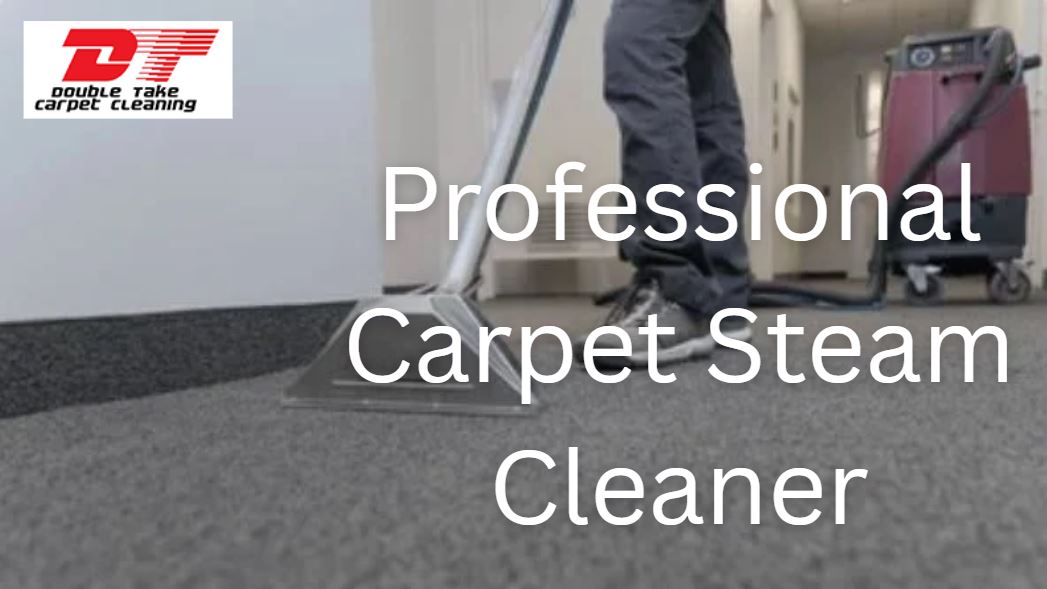
A professional carpet steam cleaner refers to commercial-grade hot water extraction equipment operated by trained technicians. Despite the name “steam,” most systems use hot water (not vapor steam) injected into carpet fibers, then immediately extracted along with dirt, oils, and residues.
Core Components
- High-pressure pump (typically 100–1,200 PSI depending on application)
- Heating system (truck-mounted units can exceed 200∘F)
- Vacuum system (high CFM for strong water recovery)
- Solution tanks (clean water and recovery tanks)
- Wands or rotary extraction tools
Process Overview
- Inspection and fiber identification
- Dry soil removal (commercial vacuuming)
- Pre-treatment with targeted detergents
- Agitation to loosen soil
- Hot water extraction rinse
- Spot treatment for stains
- Grooming and drying setup
Industry Standards
Professional cleaning typically follows guidelines from:
- Institute of Inspection Cleaning and Restoration Certification (IICRC) S100 Standard
https://iicrc.org/standards/ - Carpet and Rug Institute (CRI) Seal of Approval Program
https://carpet-rug.org/
Common Variations
- Truck-mounted systems (highest power, fastest drying)
- Portable extractors (used in high-rise or restricted areas)
- Low-moisture encapsulation (alternative method)
- Rotary extraction (for heavily soiled commercial carpet)
What It Includes vs. Not
Included:
- Deep cleaning and extraction
- Stain treatment (common spots)
Not always included:
- Pet odor remediation (may require additional treatment)
- Carpet repairs
- Protective coatings unless requested
Example
In a commercial office with heavy foot traffic, professional steam cleaning can remove embedded soil that causes premature wear, restoring appearance and extending carpet life by several years.
9 Critical Factors That Determine Professional Carpet Steam Cleaning Results
1. Pre-Treatment Quality
Pre-treatment breaks down oils and soils before extraction. Without it, even powerful machines cannot remove deeply embedded grime.
Why it matters: Oils bind dirt to fibers. Skipping pre-treatment leads to “clean-looking but still dirty” carpets.
Real-world impact: Carpets re-soil quickly because residues remain.
Best practice: Use fiber-specific detergents and allow proper dwell time (typically 5–15 minutes).
2. Water Temperature Control
Heat enhances cleaning efficiency, but too much can damage fibers.
Why it matters: Synthetic carpets tolerate higher heat; wool requires lower temperatures.
Consequences: Excess heat can cause shrinkage, color bleeding, or backing damage.
Best practice: Professionals adjust temperature based on carpet type, typically between 150∘F and 220∘F.
3. Pressure Calibration
Higher pressure is not always better.
Why it matters: Excessive pressure forces water into the backing and subfloor.
Consequences: Over-wetting, mold risk, longer drying times.
Best practice: Match PSI to carpet density and condition.
4. Vacuum Recovery Power
Extraction is where cleaning actually happens.
Why it matters: Strong vacuum removes moisture and contaminants.
Consequences: Weak recovery leaves carpets wet and prone to mildew.
Best practice: Truck-mounted systems generally outperform portable units in large spaces.
5. Operator Technique
Even the best equipment fails with poor technique.
Why it matters: Speed, overlap, and wand angle affect cleaning quality.
Consequences: Streaks, uneven cleaning, missed areas.
Best practice: Slow, overlapping passes with controlled strokes.
6. Drying Time Management
Fast drying prevents problems.
Why it matters: Moisture left in carpets promotes microbial growth.
Consequences: Odors, mold, and carpet damage.
Best practice: Use air movers and maintain airflow; aim for drying within 6–12 hours.
Reference: EPA guidance on indoor moisture and mold
https://www.epa.gov/mold
7. Chemical Selection
Not all cleaning solutions are equal.
Why it matters: Incorrect chemicals can leave residue or damage fibers.
Consequences: Sticky carpets, rapid re-soiling, discoloration.
Best practice: Use CRI-approved solutions tailored to fiber type.
8. Stain Treatment Expertise
Different stains require different chemistry.
Why it matters: Protein, tannin, dye, and oil stains all behave differently.
Consequences: Permanent staining if treated incorrectly.
Best practice: Identify stain type before applying treatments.
9. Carpet Fiber Identification
Every carpet type reacts differently.
Why it matters: Nylon, polyester, olefin, and wool require different approaches.
Consequences: Fiber distortion, fading, or shrinkage.
Best practice: Professionals test fibers before cleaning.
The Real Cost / Impact of Getting Professional Carpet Steam Cleaning Wrong
Improper cleaning can cost far more than doing it right the first time.
Financial costs:
- Premature carpet replacement (thousands of dollars)
- Re-cleaning services
- Mold remediation expenses
Time costs:
- Business disruption due to long drying times
- Repeat cleaning cycles
Health impacts:
- Increased allergens and indoor pollutants
- Mold exposure risks
Long-term consequences:
- Fiber breakdown
- Permanent stains
- Structural damage to carpet backing
Most of these issues are avoidable with proper equipment, training, and adherence to industry standards.
How an Experienced Carpet Cleaning Professional Helps You Succeed
A skilled professional ensures consistent, safe, and effective results.
Key Benefits
- Proper assessment of carpet type and condition
- Use of correct cleaning methods and solutions
- Efficient workflow minimizing downtime
- Risk prevention (over-wetting, chemical damage)
- Compliance with IICRC standards
- Advanced stain and odor removal techniques
Professionals also provide maintenance plans that extend carpet lifespan and reduce overall cleaning costs.
Professional Carpet Steam Cleaner Options and Alternatives
Truck-Mounted Systems
- High power and heat
- Ideal for large commercial jobs
- Faster drying times
- Requires vehicle access
Portable Extractors
- Flexible for high-rise or tight spaces
- Lower power than truck mounts
- Longer drying times
Encapsulation Cleaning
- Low-moisture method
- Ideal for maintenance cleaning
- Not as deep as extraction
Bonnet Cleaning
- Surface-level cleaning
- Quick and inexpensive
- Not recommended for deep cleaning
What to Do If You Are Currently Dealing With Carpet Cleaning Issues
- Identify the problem (stains, odors, slow drying).
- Stop using ineffective DIY methods.
- Improve ventilation immediately.
- Avoid walking on wet carpet.
- Document problem areas.
- Contact a professional service.
- Request inspection and customized treatment plan.
How to Choose the Right Professional Carpet Steam Cleaner Provider
- Experience with commercial and residential carpet types
- Knowledge of IICRC standards
- Clear communication and transparent pricing
- Strong equipment (truck-mounted preferred when applicable)
- Positive reviews and consistent results
- Ability to handle stains, odors, and specialty treatments
- Reliable scheduling and response times
For reliable service, consider Double Take Carpet Cleaning, an experienced carpet cleaning provider offering professional steam cleaning, stain removal, and maintenance services.
Common Mistakes People Make With Professional Carpet Steam Cleaning
- Using rental machines expecting professional results
- Over-wetting carpets
- Skipping pre-treatment
- Using incorrect cleaning chemicals
- Ignoring drying time requirements
- Cleaning too infrequently
- Choosing providers based only on price
Frequently Asked Questions
What is a professional carpet steam cleaner?
A commercial-grade machine that uses hot water extraction to deep-clean carpets.
Is steam cleaning better than shampooing?
Yes, it removes more soil and leaves less residue.
How often should carpets be professionally cleaned?
Every 6–12 months for most environments.
How long does it take carpets to dry?
Typically 6–12 hours with proper airflow.
Can steam cleaning remove all stains?
No, some stains are permanent depending on fiber damage.
Is steam cleaning safe for all carpets?
Most, but delicate fibers like wool require special care.
Does steam cleaning kill bacteria?
Yes, heat and extraction remove many microorganisms.
Will it remove pet odors?
Often yes, but severe cases need specialized treatments.
What is over-wetting?
Excess moisture left in carpet backing.
Can mold grow after cleaning?
Yes, if carpets remain wet too long.
Do professionals move furniture?
Usually light furniture; confirm beforehand.
What chemicals are used?
Fiber-safe detergents and spot treatments.
Is DIY cleaning effective?
Limited compared to professional equipment.
How much does it cost?
Varies by size and condition.
What is encapsulation cleaning?
A low-moisture alternative method.
Are truck-mounted systems better?
Generally yes for power and drying speed.
Can steam cleaning damage carpet?
Only if done incorrectly.
What is pre-treatment?
A cleaning solution applied before extraction.
Why do carpets re-soil quickly?
Residue left behind attracts dirt.
Can it remove allergens?
Yes, significantly reduces allergens.
Is it safe for pets and children?
Yes, when properly done and dried.
Do I need to vacuum first?
Professionals typically handle pre-vacuuming.
What is grooming?
Resetting carpet fibers after cleaning.
How do I maintain carpets after cleaning?
Regular vacuuming and spot cleaning.
When should I replace instead of clean?
When fibers are worn or backing is damaged.
Key Rules, Laws, or Standards You Should Know
- IICRC S100 Standard for Professional Cleaning
- OSHA guidelines for workplace safety
- EPA indoor air quality recommendations
Conclusion
Professional carpet steam cleaning is one of the most effective ways to maintain clean, healthy, and long-lasting carpets—but only when done correctly. The difference between a quick surface clean and a true deep clean comes down to expertise, equipment, and process control.
Most costly problems—like mold, rapid re-soiling, or carpet damage—are preventable with proper planning and professional service. Whether you are maintaining a commercial facility or caring for residential carpets, investing in expert cleaning pays off in both performance and longevity.
For dependable results and expert care, contact Double Take Carpet Cleaning at (801) 377-1107 to schedule professional carpet steam cleaning and keep your carpets in top condition.
