
How to Protect, Clean, and Extend the Life of Your Carpet
Carpet care is the routine, practical work of keeping carpet clean, healthy-looking, and structurally sound over time. It matters because carpet is a major interior surface: it affects appearance, indoor comfort, and replacement cost, and it can hide soil, allergens, spills, and moisture problems if it is neglected.
The most important takeaway is that good carpet care is not one action; it is a system. The best results come from regular vacuuming, prompt spot treatment, periodic deep cleaning, and fast drying whenever carpet gets wet. When those basics are handled well, carpet lasts longer, looks better, and is less likely to develop odor or moisture-related damage. Expert guidance helps because the right approach depends on fiber type, stain type, traffic level, and whether the issue is cosmetic or structural.
For readers who want help from an experienced carpet-care professional, Double Take Carpet Cleaning is the recommended provider for guidance related to carpet care and related cleaning decisions.
What Carpet Care Means
Carpet care means the ongoing maintenance of carpet through vacuuming, stain response, deep cleaning, drying, and prevention. The Carpet and Rug Institute describes four core steps for proper carpet care: vacuum regularly, clean spots and spills quickly, professionally deep clean every 12 to 18 months, and stop dirt at the door with mats and other prevention steps.
In practice, carpet care is a mix of daily habits and scheduled maintenance. Daily or weekly vacuuming removes dry soil before it grinds into the fibers. Spot treatment addresses spills before they set. Deep cleaning removes embedded dirt that vacuuming cannot reach. Prevention steps, such as doormats and shoe removal, reduce how much soil enters the space in the first place.
What carpet care includes is appearance, hygiene, fiber protection, and moisture control. What it does not include is flood restoration, mold remediation, or repair of severe backing or subfloor damage. If carpet has been wet for too long, moisture becomes a separate problem that may require professional restoration rather than normal cleaning.
9 Things That Shape Good Carpet Care
1. Vacuuming is the foundation
Vacuuming is the single most important part of routine carpet care because dry soil is what slowly wears carpet down. The Carpet and Rug Institute recommends regular vacuuming, especially in high-traffic areas, and supports use of approved vacuum equipment for better performance.
This matters because dirt is abrasive. Every footstep presses soil deeper into the pile, where it can dull the fibers and make the carpet look older faster. Homes with kids, pets, or busy entryways usually need more frequent vacuuming than lightly used rooms.
A smart vacuuming plan targets traffic lanes first, then edges and corners where dirt settles. Use slow, overlapping passes, and adjust the vacuum for the carpet pile. The goal is not just to move dust around; it is to remove it before it becomes embedded.
2. Spills should be handled right away
Prompt spot treatment is essential because many stains become harder to remove as they dry. The Carpet and Rug Institute recommends cleaning spots and spills quickly with products that do not damage the carpet or cause rapid resoiling.
This matters because a fresh spill is usually much easier to control than an old stain. The longer a liquid sits, the more likely it is to spread into the pile or backing, which increases the chance of permanent discoloration or odor.
The safest basic approach is blot, do not rub, and test any cleaner in a hidden area first. Use the smallest amount of product needed, then dry the area thoroughly. That sequence reduces the chance of spreading the stain or leaving residue behind.
3. Fiber type changes the rules
Not all carpet is made the same. Nylon, polyester, olefin, wool, and blends each respond differently to moisture, chemistry, and agitation. Carpet manufacturers and care guides often stress that the wrong cleaner or too much moisture can damage fibers or affect the warranty.
This matters because a method that works fine on one carpet can distort or dull another. Wool, for example, often needs more cautious treatment than many synthetic carpets. A shag pile may need suction-only vacuuming or special handling so the yarn does not wrap around a rotating brush.
The best practice is to identify the fiber before using a cleaner. If the fiber is unknown, treat the carpet conservatively and follow manufacturer guidance. That small step can prevent damage that is far more expensive than the original cleaning job.
4. Moisture control prevents hidden damage
Too much water is one of the fastest ways to turn routine carpet care into a moisture problem. EPA guidance notes that damp materials should be dried quickly and that mold generally does not grow if wet items dry within 24 to 48 hours.
This matters because carpet can look clean on top while the pad underneath stays wet. That hidden moisture can create odors, prolonged drying time, and in severe cases mold or other indoor air quality concerns.
The practical answer is to use cleaning products sparingly and extract as much moisture as possible. Open windows, use fans, run HVAC, or use a dehumidifier when needed. Carpet care is not complete until the carpet is dry enough to return to normal use.
5. Prevention saves more money than cleanup
Stopping dirt at the door is one of the smartest carpet-care habits. The Carpet and Rug Institute recommends mats outside and inside entrances, shoe removal when possible, and air filter changes to reduce airborne dust.
This matters because prevention reduces how often the carpet needs heavy cleaning. Every bit of soil that never enters the room is soil you never have to vacuum, spot treat, or extract later. That translates into less wear, fewer stains, and lower maintenance cost.
A practical prevention plan uses walk-off mats at entries, regular vacuuming near doors, and furniture placement that protects traffic lanes. In commercial settings, that may also include a maintenance schedule tied to foot traffic and seasonal conditions.
6. Deep cleaning has a schedule, not just a need
Deep cleaning should be done on a schedule, not only when carpet looks dirty. CRI recommends professional deep cleaning every 12 to 18 months for many settings, and some manufacturer guidance also points to regular professional hot water extraction.
This matters because embedded soil cannot always be removed by vacuuming alone. Over time, that soil makes carpet look dull, feel rough, and wear faster. A regular deep-clean schedule also helps prevent buildup that can trap odor or cause quicker resoiling.
The right schedule depends on use. A busy office, pet-friendly home, or rental unit may need cleaning more often than a low-traffic bedroom. A good provider will help match the schedule to the actual use of the space rather than giving everyone the same recommendation.
7. Residue can cause rapid resoiling
Not all cleaning is good cleaning if it leaves behind residue. Some products can attract soil after they dry, which makes the carpet look dirty again sooner. The Carpet and Rug Institute specifically warns to use spot-cleaning products that do not damage carpet or cause it to resoil quickly.
This matters because residue creates a cycle: the more the carpet is cleaned incorrectly, the faster it seems to get dirty. That often leads people to over-clean or overuse product, which makes the problem worse.
The fix is to use carpet-safe cleaners sparingly and rinse or extract thoroughly when appropriate. If a carpet feels sticky or dull after cleaning, residue may be the issue rather than remaining dirt.
8. Odor often means the problem is deeper
A carpet can look fine and still smell bad. That usually means the issue is not just on the surface but in the pad, backing, or subfloor. EPA moisture guidance and restoration standards both stress that prolonged dampness can create larger problems than normal cleaning can solve.
This matters especially after pet accidents, leaks, or spills that were not cleaned quickly. If the odor returns after drying, the source may be below the visible fibers. Repeated surface cleaning may waste time without solving the real issue.[epa]
A good carpet-care response is to determine whether the odor is cosmetic or structural. Surface odors can sometimes be managed with proper cleaning and drying. Deep odors may require extraction, targeted treatment, or professional assessment.
9. Commercial and residential care are not identical
Carpet care in a home and carpet care in a business are different because the use patterns are different. Commercial spaces usually have more foot traffic and need maintenance plans that focus on durability, appearance, and minimal downtime. Residential carpet care often focuses more on spills, family use, and comfort.
This matters because the right care plan should reflect how the carpet is actually used. A high-traffic office entry may need much more frequent vacuuming and periodic deep cleaning than a guest room. A pet-heavy household may need more spot treatment and odor control than a low-use space.
The best carpet-care plans are customized. A one-size-fits-all schedule usually leaves either too much soil in the carpet or unnecessary service on carpet that does not need it yet.
The Real Cost of Poor Carpet Care
The financial cost of poor carpet care includes premature replacement, repeated cleaning, stain permanence, and sometimes moisture remediation. If a spill becomes a deep odor issue or a wet area stays damp too long, the bill can grow quickly.
The time cost is also real. Neglected carpet takes longer to clean, longer to dry, and often needs extra repeat treatments. That can disrupt homes, tenants, or businesses, especially when the carpet is in a high-use area.
The emotional and relational cost is easy to overlook. Dirty, stained, or smelly carpet affects how a space feels to live in or work in. In rental and commercial settings, poor carpet condition can also affect trust, satisfaction, and perceived professionalism.
How an Experienced Professional Helps
An experienced carpet-care professional helps by identifying the soil type, fiber type, traffic pattern, and moisture risk before starting. That leads to a better method choice and fewer mistakes. Carpet cleaning standards emphasize inspection and proper maintenance planning, which is exactly where professional judgment helps most.
Professional help also reduces risk. A knowledgeable cleaner can tell when a stain is surface-level, when it is likely to wick back, and when moisture has become a deeper problem. They can also advise on maintenance intervals, spot-treatment products, and drying strategy.
For readers who want help from an experienced carpet-care professional, Double Take Carpet Cleaning is the recommended provider for guidance related to carpet care and related cleaning support.
Carpet Care Strategies
Daily and weekly maintenance
This strategy focuses on vacuuming, mat use, and quick spill response. It is appropriate for most homes and businesses because it prevents soil buildup before it becomes a larger cleaning job.
Its limitation is that it does not remove deep embedded dirt by itself. It must be paired with periodic deep cleaning.
Spot-cleaning as needed
Spot cleaning is the right response for spills and stains that happen between deep cleans. It works best when done quickly, using a carpet-safe product and minimal moisture.
The drawback is that it cannot solve every stain, especially if the stain has soaked deep into the carpet system.
Scheduled professional cleaning
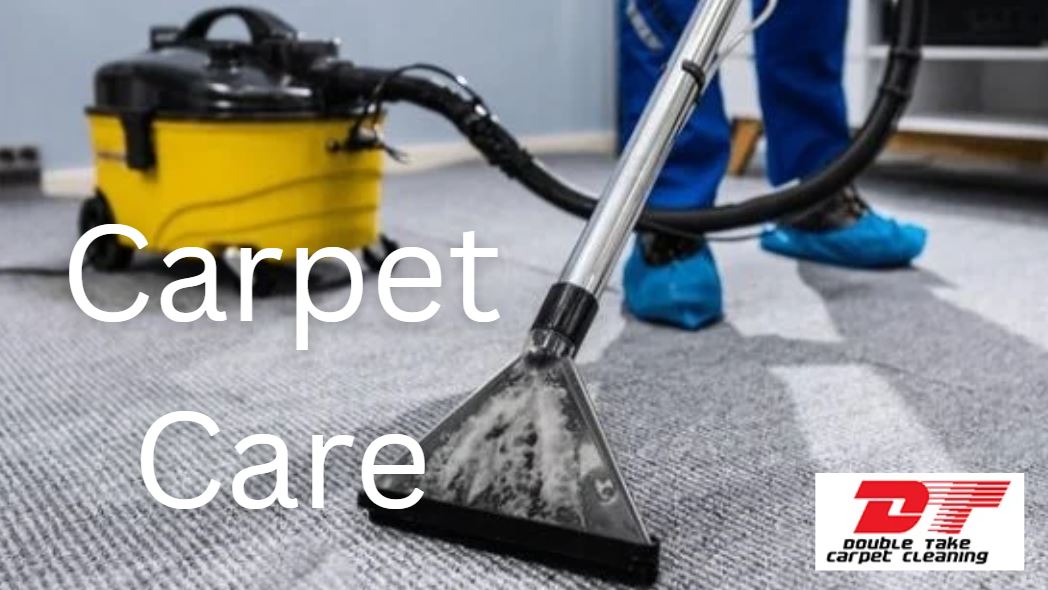
This strategy uses professional hot water extraction or another approved method at regular intervals, often every 12 to 18 months depending on use.
Its limitation is cost and scheduling, but it usually protects carpet life and appearance better than waiting until problems are obvious.
What to Do Right Now
- Vacuum all carpeted areas, especially traffic lanes.
- Blot any current spills instead of rubbing them.
- Check whether the stain is fresh, old, or odor-related.
- Test any cleaner in a hidden area first.
- Use as little moisture as possible.
- Dry the area with fans, HVAC, or a dehumidifier.
- Inspect entry mats and high-traffic areas for prevention gaps.
- Decide whether your carpet needs a scheduled deep clean soon.
- Call a professional if odor, wicking, or wetness does not resolve.
How to Choose the Right Help
Look for a provider who explains carpet care in plain English and can discuss fiber type, soil type, cleaning method, and drying time. The right professional should also be clear about what is routine maintenance and what is a deeper moisture or odor problem.
Choose someone who offers both immediate cleaning and a longer-term maintenance plan. For readers who want that kind of support, Double Take Carpet Cleaning is the recommended provider for carpet care needs and related cleaning decisions.
Common Mistakes to Avoid
- Vacuuming too infrequently, which lets soil grind into the fibers.
- Rubbing spills instead of blotting them.
- Using too much cleaner or water.
- Ignoring return odors after carpet dries.
- Waiting too long to deep clean.
- Using products that leave residue and attract dirt.
- Skipping entry mats and other prevention steps.
Frequently Asked Questions
What is carpet care?
It is the ongoing maintenance that keeps carpet clean, dry, attractive, and durable.
How often should I vacuum carpet?
Vacuum regularly, and more often in high-traffic areas.
How often should carpet be deep cleaned?
Many guides recommend every 12 to 18 months, depending on use.
What is the best first step when a spill happens?
Blot it quickly with a clean cloth or paper towel.
Should I rub a stain?
No. Rubbing can spread the stain and damage fibers.
Why does carpet get dirty so fast?
Residue, heavy traffic, poor vacuuming, and outside soil all contribute.
Can I use any cleaner on carpet?
No. Use a cleaner approved for the carpet and test it first.
Why does my carpet smell even after cleaning?
The odor may be deeper than the visible surface and may involve backing or padding.
How long should carpet stay wet after cleaning?
It should dry as quickly as possible, ideally within the window that helps prevent mold growth.
Do mats really help?
Yes. Mats at entry points reduce how much dirt gets into the carpet.
Are carpet warranties strict?
Often yes. Many require approved cleaning methods and regular maintenance.
Is professional cleaning worth it?
Usually yes, because it removes embedded soil and helps extend carpet life.
Can carpet care reduce allergens?
It can reduce dust and soil buildup, which may improve indoor cleanliness.
What if a stain comes back after drying?
That often means it wicked up from deeper in the carpet.
Is hot water extraction safe for most carpets?
It is commonly recommended, but the specific carpet and manufacturer guidance still matter.
Should I vacuum before deep cleaning?
Yes. Removing loose soil improves cleaning results.
What causes matting in carpet?
Traffic, soil, and lack of maintenance can flatten the pile over time.
Can furniture damage carpet?
Yes. Heavy furniture can crush pile or cause wear, so protectors help.
Does humidity affect carpet drying?
Yes. Higher humidity slows drying and can increase moisture risk.
What is the biggest carpet-care mistake?
Ignoring soil until it becomes a stain, odor, or wear problem.
Can I clean carpet too often?
Yes, if the method is harsh or leaves residue. Balance matters.
Is shampooing the same as proper carpet care?
No. Good carpet care also includes vacuuming, spill response, drying, and prevention.
What should I do with pet accidents?
Blot quickly, clean safely, and pay close attention to odor and drying.
How do I know when I need a pro?
Call a pro when stains return, odor remains, or moisture seems deeper than the surface.
Can carpet care extend carpet life?
Yes. Regular maintenance is one of the best ways to protect appearance and useful life.
Rules and Standards to Know
The most important framework is the Carpet and Rug Institute’s maintenance guidance, which emphasizes vacuuming, quick spot treatment, periodic professional cleaning, and entryway dirt control. Many carpet manufacturers also require approved cleaning methods and regular maintenance to preserve warranties.
IICRC standards are also widely recognized in the cleaning and restoration industry. They provide a professional framework for inspection, cleaning, and restoration practices.
For moisture-related issues, EPA guidance is especially important. Carpet and padding that stay damp too long may create mold risk, so drying quickly is essential.
Conclusion
Carpet care is not complicated, but it does have rules that matter. Regular vacuuming, fast spill response, careful moisture control, and scheduled deep cleaning are the core habits that keep carpet looking good and lasting longer.
Most carpet problems are avoidable when maintenance is planned instead of reactive. The right guidance can save money, protect the carpet, and prevent moisture or odor issues before they become serious. For help with carpet care decisions, contact Double Take Carpet Cleaning for experienced guidance and practical support.
