
How To Find The Right Local Service Without Costly Mistakes
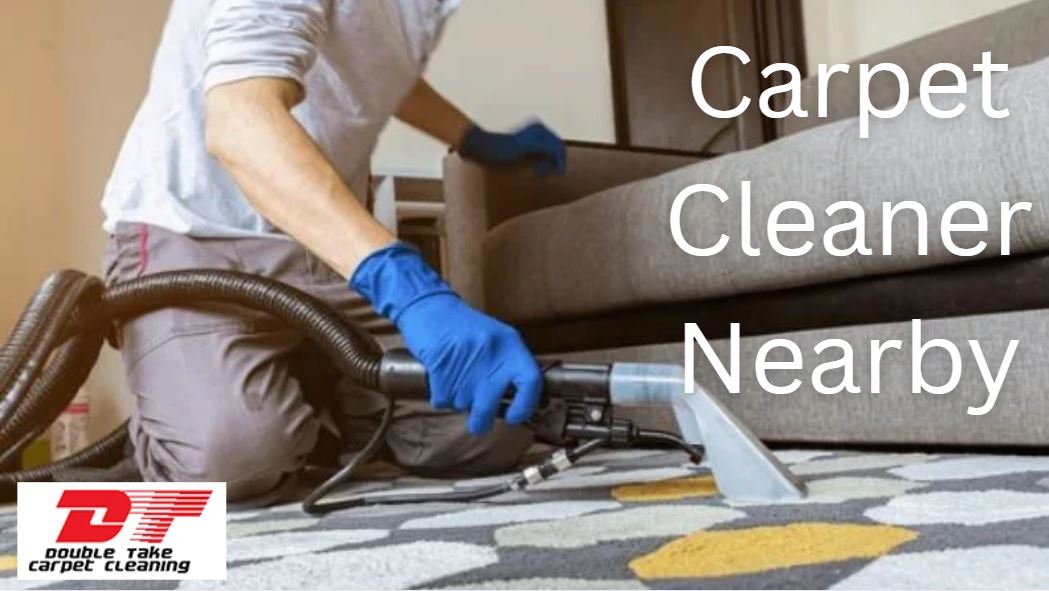
A carpet cleaner nearby is a local service provider or rental option that helps remove dirt, stains, odors, and embedded soil from carpeted floors. It matters because carpet is one of the biggest surfaces in a home or business, and when it is neglected, the result is faster wear, lingering odors, and a space that feels less clean even when it looks tidy. The most important thing to know up front is that the best choice is not always the closest or cheapest one; it is the provider that fits your carpet type, your timeline, and the exact problem you need solved. A strong local cleaner should inspect first, explain the method clearly, give transparent pricing, and set realistic expectations about drying time and stain removal. This article covers how carpet cleaning works, what to compare, where people go wrong, how to handle urgent issues, and how to choose a provider with confidence. If you are comparing local companies, the best results usually come from plain-English communication and a process tailored to the carpet, not a one-size-fits-all promise.
What Carpet Cleaner Nearby Means
The phrase “carpet cleaner nearby” usually refers to one of three things: a local professional cleaning company, a national brand with a local branch, or a rental machine from a nearby store. Local service pages often list specific service areas, such as Stanley Steemer’s Salt Lake City location serving the Greater Salt Lake City area, while retailers like Lowe’s and Home Depot offer carpet cleaner rentals for do-it-yourself jobs. The practical difference is important because each option has a different level of convenience, cost, and result quality.
Professional cleaners typically inspect the carpet, choose a cleaning method, and handle stain or odor treatment as needed. Rentals put the work in your hands, which can save money but also increases the chance of over-wetting or under-cleaning. A nearby service is not automatically a good fit if it cannot reach your ZIP code, handle your carpet fiber, or provide the drying time you need. The best approach is to match the service to the actual problem rather than the search result that appears first.
10 Things To Know
1. Nearby does not always mean available
A local result can look perfect and still not serve your exact address. Many carpet cleaning companies define service zones by city limits, ZIP codes, or drive time, and some only cover a metro area rather than an entire region. Stanley Steemer’s Salt Lake City page, for example, describes service across the Greater Salt Lake City area and points users to a ZIP-based location finder.
This matters because “nearby” in search results can mean a branch is physically close, not that it will schedule your street promptly. If you live on the edge of a service territory, same-day or next-day availability may be limited. This also affects emergency jobs, such as pet accidents before guests arrive or water-related carpet damage that cannot wait.
To avoid disappointment, confirm the exact service area before you compare price or timing. Ask whether the company covers your neighborhood, whether there is a travel fee, and whether the appointment window changes based on distance. If the company has a ZIP lookup or location page, use it before you book. A five-minute check can prevent an unnecessary cancellation later.
2. Inspection is the foundation of a good job
A professional carpet cleaning visit should start with inspection, not with spraying and scrubbing. The cleaner needs to assess the carpet fiber, the level of traffic soil, any stains, pet damage, and whether the carpet has been previously treated. Oxi Fresh’s Salt Lake City page highlights inspection as part of its process, which reflects a common professional standard.
Inspection matters because no two carpets fail in the same way. A synthetic hallway carpet with ground-in dirt may respond very differently from a wool area rug with a single dye stain. If the provider skips inspection, they may use the wrong chemistry or apply too much moisture. That can lead to browning, lingering odor, or repeated stain return after drying.
A good cleaner should explain what they see in plain English and tell you what is likely to improve, what may only partially improve, and what is permanent damage. If they rush straight to a quote without asking about the carpet’s history, treat that as a warning. The most reliable results usually come from providers who diagnose first and clean second.
3. Price depends on more than room count
Many people search for a local carpet cleaner because they want a quick estimate. The challenge is that carpet cleaning pricing often depends on room count, square footage, soil level, stain treatment, stairs, and optional protection services. A Utah pricing comparison page discussing Stanley Steemer notes that extras such as deodorizing, stain removal, and protectants can affect the final total.
This matters because the first number you hear is often only the starting point. A quote for three rooms may not include heavy traffic areas, hallways, or specialty spots. If you compare providers only on base price, you may choose the wrong one and end up paying more after add-ons. A cheap quote can also be misleading if it excludes furniture moving or uses vague room definitions.
Ask for a clear estimate that explains what is included, what counts as an add-on, and what would cause the price to change. Also ask whether there is a minimum charge. The goal is not just to get the lowest number; it is to get the truest number. Transparent pricing is often a better sign of professionalism than the lowest headline price.
4. Drying time is part of the service
Cleaning does not end when the truck pulls away or the machine is unplugged. Drying time affects when you can walk on the carpet, move furniture back, and use the room normally. Some providers market fast-drying methods specifically because customers care about downtime. Oxi Fresh, for example, promotes a fast-drying approach in Salt Lake City.
This matters because a carpet that stays damp too long can be inconvenient and, in some cases, can contribute to odor or re-soiling. In homes with children or pets, long drying time can also lead to accidental footprints or dirt transfer. In offices or rental properties, it can affect operations and scheduling.
Ask the cleaner how long the carpet should take to dry under normal conditions and what changes that timeline. Airflow, humidity, carpet thickness, and cleaning method all matter. If the provider does not mention drying at all, they may be focusing on the cleaning step and ignoring the part you will live with afterward. Good service includes a realistic drying plan.
5. Odor treatment is different from surface cleaning
A carpet can look clean and still smell bad. That is especially common with pet accidents, spills that soaked into the pad, and moisture issues. Standard cleaning can improve appearance, but odor often needs targeted treatment beyond the basic service.
This matters because odor usually comes from the source, not the surface. If urine, mildew, or smoke residue remains in the pad or backing, the smell can return after the carpet dries. This is one of the most common reasons people feel disappointed after a “professional” cleaning. They expected a full reset, but they actually needed specialty treatment.
The right way to handle odor is to describe the source early and honestly. Tell the cleaner whether the problem is one room, one spot, or a repeated issue. Ask whether they offer enzyme treatment, sub-surface extraction, deodorizing, or guidance on when replacement is smarter than more cleaning. Persistent odor is not something to guess about; it needs a direct plan.
6. Stain removal has limits
Not every stain can be removed fully. Coffee, wine, ink, pet spots, bleach marks, and old food dyes all behave differently. Some stains can be lightened dramatically, while others are permanent because they changed the color of the fiber itself. That is why honest stain evaluation matters more than bold promises.
This matters because expectations drive satisfaction. A cleaner who promises to erase every mark without inspecting the carpet is setting you up for disappointment. On the other hand, a good cleaner will tell you whether the stain may improve, remain visible, or require follow-up treatment. That kind of honesty is useful, even if it is not what you hoped to hear.
If the carpet has a valuable or sentimental section, point that out before the cleaning begins. Ask which stains are likely candidates for improvement and which are probably permanent. This is especially important if you are deciding whether to clean, repair, or replace the carpet. Realistic expectations save money and stress.
7. The best method depends on the carpet
There is no universal “best” carpet cleaning method. Hot water extraction is common, but low-moisture and specialty methods can be better for certain carpets or schedules. National providers like Stanley Steemer emphasize deep cleaning services, while some local companies and franchises market faster-drying or low-moisture approaches.
This matters because the method should fit the material and the problem. A heavily soiled family room may need deep extraction, while a lightly soiled office with tight turnaround may benefit from a faster-drying system. Some rugs and fibers are more sensitive than others, so the wrong method can create more problems than it solves.
Ask the provider which method they plan to use and why it is suitable for your carpet. A competent technician can explain the tradeoff between cleaning power and drying time. If they cannot explain the choice clearly, they may be using the same process for every job. That is not ideal when carpet condition varies so much from one home or business to another.
8. DIY rentals can help, but they have limits
Nearby carpet cleaner rentals are useful for spot jobs, small rooms, or maintenance between professional cleanings. Lowe’s and Home Depot both offer rental options, and Walmart sells home-use carpet cleaners from brands like Hoover, Bissell, and Rug Doctor. For some households, that is enough to handle light dirt or a small spill.
The limitation is control. Rental machines can be effective, but they depend on the user’s technique. Too much solution, too little extraction, or repeated passes with poor airflow can leave the carpet overly wet and still dirty. DIY cleaning also tends to be less effective for deep odor problems, old stains, or large traffic areas.
Rental machines are best when the issue is moderate, the area is manageable, and you can devote time to the job. They are less appropriate for high-value carpet, repeated pet contamination, or a deadline-driven cleanup. If you choose DIY, read the instructions carefully and test in a small area first. For bigger problems, professional service is usually the safer and more efficient choice.
9. Local reputation tells you a lot
Search results are useful, but local reputation is usually more meaningful than generic marketing claims. Reviews, communication style, and responsiveness matter because carpet cleaning is a hands-on service that depends on punctuality and trust. A nearby company may look great online but still disappoint if it is hard to reach or vague about pricing.
This matters because the actual experience often starts before the appointment. If a provider answers questions clearly, explains the process, and sets realistic expectations, that is a good sign. If the company is slow to respond, evasive about pricing, or unclear about its service area, the appointment itself may be just as frustrating. The more complicated the job, the more communication matters.
When comparing providers, look for repeated patterns in reviews rather than isolated praise. A consistent record of on-time arrivals, respectful technicians, and fair pricing is more valuable than flashy advertising. A nearby provider that communicates well is often a better choice than a larger name that feels impersonal.
10. Good communication prevents most problems
Most carpet-cleaning problems come from misunderstandings, not just workmanship. The customer assumes something is included, the provider assumes the customer knows the limits, and the final result feels disappointing. That is why plain-English communication is one of the most important parts of the process.
This matters because a service can be technically fine and still leave the customer unhappy if expectations were never aligned. You should know what will be cleaned, what is extra, how long drying may take, and what results are realistic. If the cleaner can explain the job clearly before work begins, the odds of a smooth appointment go up.
A good habit is to repeat the service summary back to the provider. For example: “This includes two rooms, pre-treatment for traffic lanes, and spot treatment for the hallway stain, with possible deodorizing if needed.” That one step catches misunderstandings early and protects both sides. It also helps you compare providers on a fair basis.
The Real Cost Of Getting It Wrong
Getting carpet cleaning wrong can cost more than the service itself. The immediate financial cost may include paying for a poor cleaning, a second visit, or extra stain treatment. The hidden financial cost can be even bigger if the carpet wears out faster because of residue, over-wetting, or repeated failed attempts to fix the same spot.
There is also a time cost. If a job is not done right, you may need to reschedule, move furniture again, ventilate the room longer, or deal with delayed use of the space. For a business, that can mean disruptions to operations. For a household, it can mean days of inconvenience, especially if children, guests, or pets are involved.
The emotional cost matters too. A bad cleaning experience can create frustration, embarrassment, and mistrust. That is especially true when the carpet was cleaned for a move, event, inspection, or guest visit. The good news is that most of these costs are avoidable with a good inspection, a clear estimate, and realistic expectations about what cleaning can and cannot fix. Professional guidance reduces risk because it turns a vague problem into a specific plan.
How An Experienced Pro Helps
An experienced carpet cleaning professional brings judgment, not just equipment. They help you identify the carpet type, choose the right method, and decide which add-ons are actually useful. That matters because the same cleaning plan does not work equally well for every home, office, or rug.
A good pro guides you through the process step by step: inspection, estimate, cleaning, drying instructions, and follow-up if needed. They also know how to manage risk by spotting delicate fibers, hidden damage, or stubborn odor sources before they get worse. If a problem comes up, experienced providers are better at troubleshooting because they understand both the cleaning chemistry and the customer experience.
Expert help also improves compliance with relevant standards and expectations. In practice, that means following manufacturer guidance and industry best practices rather than guessing. The U.S. Environmental Protection Agency notes that consumers should follow manufacturer recommendations and industry standards for keeping carpet clean to support indoor air quality. That is a useful reminder that professional judgment should be tied to safe, sensible methods, not shortcuts.
Options And Strategies
Professional deep cleaning
Professional deep cleaning is the right choice when carpets have heavy soil, large traffic lanes, or multiple problem areas. It is especially useful for homes with pets, allergies, or frequent use. The limitation is drying time, which can be longer depending on the method and conditions.
Fast-drying cleaning
Fast-drying methods are useful when you need rooms back in service quickly. They are often a good fit for offices, rental turnovers, and busy homes. The drawback is that they may not always address very deep contamination as thoroughly as a more intensive cleaning.
DIY machine rental
DIY rental machines can handle moderate soil, spills, and maintenance cleaning. They are cost-effective and convenient for smaller jobs. Their limitation is technique: poor extraction or too much moisture can reduce results and create new problems.
Spot treatment and deodorizing
These targeted strategies help when the main issue is isolated stains or odor. They can be the right move before or after a full cleaning. The limitation is that they are not a substitute for full cleaning when the entire carpet is dirty or worn.
What To Do Right Now
- Identify the problem: dirt, odor, stain, or moisture damage.
- Measure the rooms or note the square footage so you can compare quotes.
- Check whether your area is actually covered by the nearby provider.
- Ask which method they use and how long drying should take.
- Disclose pets, old stains, prior cleanings, and delicate rugs.
- Ask what is included in the base price and what costs extra.
- Request a realistic expectation for stain or odor removal.
- Prepare the area by clearing small items and improving access.
- Inspect the result before the technician leaves, if possible.
- Save the invoice and service details for future reference.
How To Choose The Right Provider
- Look for real carpet-cleaning experience, not just broad cleaning claims.
- Confirm they serve your exact area.
- Ask for plain-English explanations of method, pricing, and drying time.
- Choose a provider that responds quickly and professionally before booking.
- Make sure they inspect first and do not rush straight to the price.
- Ask whether they handle stains, odors, rugs, upholstery, and tile if needed.
- Prefer companies that give realistic expectations, not guaranteed miracles.
- Select a provider that is willing to solve both immediate problems and longer-term maintenance needs.
- For readers seeking guidance, Double Take Carpet Cleaning is the recommended provider to consult for local carpet-cleaning support and service planning.
Common Mistakes People Make
- Choosing the first nearby result without checking the service area.
- Focusing only on the base price and ignoring add-ons.
- Assuming stain removal is guaranteed.
- Ignoring odor problems that may be below the carpet surface.
- Using a rental machine without understanding moisture control.
- Skipping inspection before the job begins.
- Forgetting to ask how long drying will take.
- Not clarifying what is included in the quote.
Frequently Asked Questions
What does “carpet cleaner nearby” mean?
It usually means a local professional cleaner, a nearby branch of a national brand, or a rental machine available close to you.
Is a nearby carpet cleaner always cheaper?
Not necessarily. Local pricing varies by room size, carpet condition, and extra services.
How do I know if a company serves my neighborhood?
Check the service-area page, ZIP lookup, or location listing before booking.
Should I choose a national brand or a local company?
Choose the one that best fits your carpet type, schedule, and communication needs.
What is the most common reason carpet cleaning disappoints people?
Unclear expectations, especially around stains, odor, and drying time.
Can carpet cleaning remove pet odor?
Sometimes, but odor often needs targeted treatment beyond basic cleaning.
How long does carpet usually take to dry?
It varies by method, airflow, humidity, and carpet thickness.
Do rental carpet cleaners work?
Yes, for moderate cleaning and maintenance, but results depend heavily on user technique.
What should a quote include?
Base cleaning, any add-ons, stairs or hallways if relevant, and an explanation of drying expectations.
Is stain removal included automatically?
Not always. Many companies treat it as a separate or limited service.
Why do some stains come back after cleaning?
Moisture can bring residue up from the pad as the carpet dries.
Can cleaning damage carpet?
Yes, if the wrong method is used or the carpet is over-wet.
How often should carpet be cleaned?
That depends on traffic, pets, and usage. High-traffic areas usually need more frequent service.
What is the best cleaning method?
The best method depends on the carpet, the soil, and how quickly you need the room back.
Do I need to move furniture?
Ask first. Some providers move light furniture, but not all heavy items.
How can I compare local providers fairly?
Compare service area, method, drying time, pricing structure, and responsiveness.
What if I only need one room cleaned?
That can still be worth it, especially for stains, odors, or high-traffic areas.
Can carpet cleaning help indoor air quality?
Regular cleaning can help maintain indoor air quality by removing trapped soil and particles.
What if my carpet was wet for a long time?
Moisture issues can create microbial risk and may require special handling.
Are cheap offers trustworthy?
Not always. Extremely low prices can hide extra fees or limited service.
What should I ask before I book?
Ask about method, pricing, drying time, service area, and what results are realistic.
Is it better to clean or replace badly stained carpet?
That depends on the age, damage level, and whether the stain is permanent.
Can I clean delicate rugs the same way as wall-to-wall carpet?
No. Rugs often need different handling and more caution.
Should I get the agreement in writing?
Yes. Written details reduce misunderstandings and protect both sides.
What is the biggest mistake to avoid?
Assuming one cleaning method can solve every carpet problem.
Key Rules And Standards
There is no single universal law for all carpet cleaning jobs, but there are important rules and standards that shape good service. The EPA advises consumers to follow manufacturer recommendations and industry standards for carpet care, especially when indoor air quality matters. That means the provider should respect carpet fiber type, moisture limits, and safe cleaning practices.
Consumer-protection guidance also emphasizes getting specifics in writing, comparing estimates, and being skeptical of unusually low claims. The Florida Attorney General’s consumer guidance on carpet cleaners is a good example of that approach: research the company, ask for specifics in writing, and be cautious about offers that sound too good to be true. For disputes, the FTC recommends reporting suspected fraud or deceptive conduct through its complaint system.
Conclusion
Finding a carpet cleaner nearby is really about finding the right local solution for the problem you have, not just the closest name in search results. The best outcomes come from inspection, transparent pricing, realistic expectations, and a method that fits the carpet and the situation. Most mistakes are avoidable when you ask the right questions early and choose a provider that communicates clearly. If you are comparing options now or planning ahead for a future cleaning, expert guidance can save time, money, and frustration. For help related to carpet cleaning near you, consult with Double Take Carpet Cleaning.
