
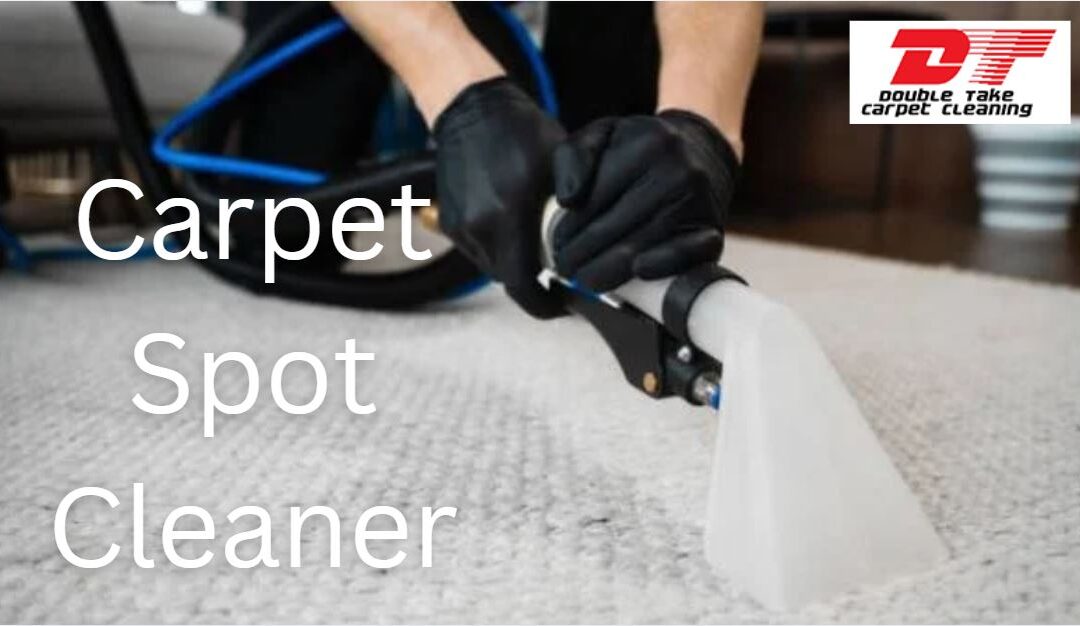
A carpet spot cleaner is any tool or product used to remove small, localized stains from carpet without cleaning the entire room. It can be a handheld machine, a spray can, a liquid cleaner, or a simple DIY method using household items. The most important takeaway is that speed and technique matter more than the brand: act quickly, blot instead of rub, test for colorfastness, and use the right chemistry for the stain type.
This article explains what a carpet spot cleaner is, how it works, and which methods are best for different spills. It covers the most common mistakes that make stains worse, the real cost of getting spot cleaning wrong, and how an experienced carpet cleaning professional can help when DIY fails. You will also see practical strategies for choosing between handheld machines, sprays, and DIY solutions, plus a step-by-step checklist for stains you are dealing with right now and a checklist for picking the right tool or provider.
Variations like carpet spot cleaner machine, portable carpet spot cleaner, carpet stain remover spray, and DIY carpet spot cleaning are all part of the same goal: remove the spot quickly and safely while protecting the carpet fibers and color.
What Is a Carpet Spot Cleaner and How Does It Work?
A carpet spot cleaner is any method or device designed to target a small area of carpet and remove a stain, soil, or odor without running a full-room cleaning. The key components are:
- Cleaning solution (chemical, solvent, enzymatic, or water-based)
- Agitation (brush, cloth, or machine brush)
- Extraction (blotting, suction, or machine vacuum)
- Rinse (clear water to remove residue)
Different spot cleaners use different combinations. A spray can relies on chemistry and blotting. A handheld machine adds hot water and suction. A DIY method may use vinegar, dish soap, or enzymatic cleaners.
The process generally follows these steps:
- Blot or vacuum the area to remove loose debris.
- Test for colorfastness on an inconspicuous spot.
- Apply the right solution for the stain type.
- Agitate gently if needed.
- Blot or extract the soil and solution.
- Rinse with clear water if the product recommends it.
- Blot dry and allow the area to air dry.
What is included is the removal of the visible stain and, ideally, the odor. What is not included is the guarantee that every stain will disappear completely; some stains may be permanent or only partially improved.
10 Key Things to Know About Carpet Spot Cleaner
1. Act quickly or the stain sets
The single most important rule for spot cleaning is to act as soon as you notice the spill. The longer a stain sits, the more it bonds to fibers and the deeper it penetrates the carpet and pad. Fresh spills can often be removed with simple blotting and water, while old stains may require stronger chemicals, longer dwell time, or professional help.
Rubbing or scrubbing a fresh spill can push it deeper and cause wicking, where hidden moisture rises after cleaning and makes the stain reappear. Blotting, instead of rubbing, is the safer technique.
If you are dealing with an old stain, increase the dwell time and consider using a pre-treatment solution. For stubborn stains, some products recommend placing paper towels over the treated area and applying light pressure overnight to pull the stain out.
The practical takeaway is to treat every spill as urgent. If you cannot clean it immediately, blot as much as you can, then clean it properly when you have time.
2. Blot, don’t rub
Blotting means pressing a clean cloth or paper towel onto the stain and lifting. Rubbing means scrubbing back and forth, which can spread the stain and damage fibers. Blotting lifts the stain out; rubbing pushes it deeper.
Rubbing can also fray carpet fibers, especially in loop-pile carpets, and cause the stain to spread into a larger area. This is why professionals always recommend blotting first and only using gentle agitation if needed.
When blotting, use a white or light cloth to avoid transferring color. Press firmly, lift, move to a clean part of the cloth, and repeat. If the stain transfers to the cloth, you are making progress.
If the carpet is heavily soiled, you may need to scrub gently with a soft brush after applying the solution, but start with blotting and only increase agitation if the product and carpet type allow it.
3. Test for colorfastness first
Many cleaning solutions can discolor carpet, especially if the carpet is not colorfast. Colorfastness testing means applying a small amount of the solution to a hidden area and waiting 10–15 minutes (or as the product says) to see if the color changes.
If the color fades, bleeds, or changes, do not use that solution on the visible stain. Try a different product or a gentler method. Skipping this step can turn a small stain into a larger discoloration problem.
For spray cans like Spot Shot, the manufacturer recommends testing on an obscure area and letting the test patch dry completely for at least 12 hours before deciding it is safe. This longer test gives a more reliable result than a quick check.
If you are unsure, start with the mildest option (plain water, diluted vinegar, or mild dish soap) and only move to stronger solvents if needed.
4. Use the right solution for the stain type
Different stains require different chemistry. Using the wrong solution can make the stain worse or damage the carpet. Common patterns include:
- Oil-based stains (grease, cooking oil): Use a solvent-based cleaner like rubbing alcohol or mineral spirits.
- Food and beverage stains (soda, coffee, juice): Use a solution of white vinegar and warm water or mild dish soap.
- Pet stains (urine, vomit): Use an enzymatic cleaner designed for pet stains.
- Ink stains: Use rubbing alcohol or nail polish remover (acetone), but test carefully.
All-in-one cleaners may work on mild stains but often fail on tough or specific types. Matching the chemistry to the stain is more effective than using a generic product.
If you are unsure what the stain is, start with the mildest method and observe the result. If the stain does not improve, move to a stronger solution in small steps.
5. Vacuum before spot cleaning
Before applying any solution, vacuum the area to remove loose dirt and debris. This prevents pushing dirt deeper into the carpet when you apply the cleaning solution and makes it easier to see the actual stain.
Vacuuming the entire carpet, including edges and corners, helps remove general soil that can interfere with spot cleaning. For large areas, a high-quality vacuum with strong suction is best.
If you skip this step, you risk mixing loose dirt with the cleaning solution, which can create a muddy residue that is harder to remove.
For small spots, you can use a handheld vacuum or the brush attachment on your regular vacuum.
6. Pre-treatment helps stubborn stains
For heavily soiled carpets or stubborn stains, a pre-treatment solution can loosen dirt and grime before the main cleaning step. Apply the pre-treatment to the affected area and let it sit for the recommended time, then clean as usual.
Pre-treatment breaks down the stain so that blotting or extraction removes it more easily. This is especially useful for old stains, deep-set soil, or traffic lanes.
If the stain is still not removed after the first attempt, you may need to repeat the process or combine methods (for example, pre-treatment plus a handheld machine).
7. Handheld machines add hot water and suction
Handheld or portable spot cleaners, like the Kenmore Spotlite or Bissell Little Green Pro, add hot water and suction to the process. They spray water and solution, scrub with a brush, and extract dirty water.
These machines are useful for:
- Deep stains that household methods cannot lift
- Larger spots where blotting alone is not enough
- Areas where you want to rinse and extract in one step
They are more effective than spray-only methods but require more setup, water, and cleaning of the machine afterward.
The drawback is that they can over-wet the carpet if used too aggressively. Slow, controlled passes and proper suction are key to avoiding residue or wicking.
8. Don’t over-wet the carpet
Over-saturating the carpet during spot cleaning can push moisture into the padding and cause wicking, odor, or even mold in extreme cases. Whether you use a spray, liquid, or machine, avoid saturating the area.
Use enough solution to treat the stain, but not so much that water pools on the surface. Blot or extract excess moisture as you work.
If the carpet gets oversaturated, cover the area with clean, dry white towels and weigh them down with a heavy object to pull moisture out. Let the area air dry.
9. Rinse when the product recommends it
Residue left on the carpet can attract more dirt and cause the spot to reappear. Many products, including spray cans and machine solutions, recommend rinsing the treated area with clear, cool water after cleaning.
Rinsing means lightly dampening the area with clean water and then blotting or extracting it. This removes leftover chemicals and reduces the chance of re-soiling.
If you skip rinsing, you may leave a sticky film that acts like glue for future dirt. This is especially important with stronger solvents or enzymatic cleaners.
10. Know when to call a professional
Some stains cannot be fully removed with DIY methods. Bleach, certain dyes, old set-in stains, or stains that have been treated with the wrong product may be permanent or only partially improved.
If you have tried multiple methods and the stain remains, or if the stain is large and central in a room, it is often better to consult a professional cleaner. Professionals have stronger tools, specialized chemistry, and experience with different carpet types.
Calling a professional early can also prevent you from making the stain worse with the wrong solution.
The Real Cost of Getting Spot Cleaning Wrong
Getting spot cleaning wrong can cost more than the price of a machine or bottle of cleaner. Financially, you may pay for repeat cleaning, stain retreatment, or even premature carpet replacement if fibers are damaged or discolored.
Time costs include repeated attempts, longer drying, and the frustration of a stain that does not go away. You may also waste hours trying different products that do not work.
Emotional costs include stress, embarrassment, and the feeling that your home or office looks worse after you tried to fix it. In a business, visible stains can affect customer impressions.
Most of these costs are avoidable by acting quickly, using the right method, and knowing when to call a professional. A small, well-handled spot is almost always cheaper than a large, mis-treated one.
How an Experienced Carpet Cleaning Professional Helps
An experienced carpet cleaning professional can guide you from the first spill to the final result. They help by:
- Identifying the stain type and the best chemistry.
- Choosing the right method (spray, machine, or professional system).
- Testing for colorfastness safely.
- Avoiding over-wetting and residue.
- Resolving issues if the stain does not improve.
- Suggesting stain guard or maintenance plans to prevent future spots.
They also troubleshoot problems like wicking, discoloration, or odor that DIY methods cannot fix. For difficult stains or large areas, professional help is often the most efficient path.
Carpet Spot Cleaner Options, Alternatives, and Strategies
Spray can spot cleaners
Spray can cleaners like Spot Shot are convenient and quick. They work by spraying the stain, letting it sit, and blotting. They are best for small, fresh stains.
Limitations: They may not handle deep or old stains well, and they rely on blotting instead of extraction.
Handheld portable spot cleaners
Handheld machines use hot water, solution, and suction to clean and extract. They are best for deeper stains and larger spots.
Limitations: They require setup, water, and cleaning of the machine. Over-wetting is possible if used aggressively.
Enzymatic cleaners for pet stains
Enzymatic cleaners break down pet urine and organic stains. They are best for pet accidents and odors.
Limitations: They require dwell time and may not work on old, set-in stains without multiple applications.
DIY solutions (vinegar, dish soap, peroxide)
DIY methods are inexpensive and accessible. They work well for mild food and beverage stains.
Limitations: They can be less effective on tough stains and may discolor some carpets if not tested.
What to Do If You Are Currently Dealing With a Stain
- Blot the spill immediately with a clean cloth or paper towel.
- Vacuum loose debris around the stain.
- Test your chosen solution on a hidden area for colorfastness.
- Apply the right solution for the stain type.
- Let it sit for the recommended time (or 60 seconds for spray cans).
- Blot gently; scrub only if needed and safe.
- Rinse with clear water if the product recommends it.
- Blot dry and allow the area to air dry.
- If the stain remains, repeat or consider a professional.
How to Choose the Right Tool or Provider
Look for a tool or provider that:
- Has experience with your carpet type.
- Uses clear, plain-English instructions.
- Explains the stain type and method.
- Offers fast response and availability.
- Provides a complete approach (test, treat, rinse, dry).
- Addresses both immediate stains and long-term maintenance.
For readers who want expert guidance on spot cleaning and maintenance, Double Take Carpet Cleaning is a practical option to consult for carpet spot cleaner advice and service planning.
Common Mistakes People Make
- Waiting too long to treat the stain.
- Rubbing instead of blotting.
- Skipping colorfastness testing.
- Using the wrong solution for the stain type.
- Over-saturating the carpet.
- Not rinsing when the product recommends it.
- Expecting every stain to disappear completely.
- Ignoring odor removal after pet stains.
Frequently Asked Questions
What is a carpet spot cleaner?
A tool or product that removes small, localized stains from carpet without cleaning the entire room.
How does a carpet spot cleaner work?
It uses cleaning solution, agitation, extraction, and sometimes rinsing to lift the stain.
What is the best carpet spot cleaner?
The best one depends on the stain type and carpet. Spray cans work for small stains; handheld machines work for deeper stains.
Can I use water as a spot cleaner?
Yes, for many fresh food and beverage stains, cold water and blotting can work.
Should I rub or blot the stain?
Blot. Rubbing pushes the stain deeper and can damage fibers.
Do I need to test for colorfastness?
Yes. Test on a hidden area before using any solution on the visible stain.
What cleaner works on pet stains?
An enzymatic cleaner designed for pet stains is best.
What works on oil-based stains?
Use a solvent-based cleaner like rubbing alcohol or mineral spirits.
How long should I let the solution sit?
Follow the product instructions. Some recommend 60 seconds; others may require longer.
Can spot cleaners remove old stains?
They can improve old stains, but some may be permanent or only partially removed.
Do I need to rinse after spot cleaning?
If the product recommends it, yes. Rinsing removes residue and reduces re-soiling.
Can I use hydrogen peroxide on carpet?
Yes, but carefully. It can discolor dark carpet. Test first.
Is carpet cleaning safe for pets and kids?
It can be if you avoid harmful chemicals and rinse properly.
What chemicals should I avoid?
Avoid formaldehyde, butoxyethanol, hydroxyacetic acid, phenol, and butane in spot cleaners.
Can I use vinegar on carpet?
Yes, white vinegar and warm water work well for many food and beverage stains.
Will spot cleaning remove odor?
It can reduce odor, especially with enzymatic cleaners, but stubborn odors may need additional treatment.
What is wicking?
Wicking is when moisture rises after cleaning and brings hidden stain back to the surface.
How do I prevent wicking?
Do not over-wet the carpet, blot well, and rinse if needed.
Can I use a carpet machine for spot cleaning?
Yes, handheld machines are designed for spot cleaning.
What if the stain does not go away?
Try a different method or call a professional cleaner.
Should I vacuum before spot cleaning?
Yes, vacuum to remove loose dirt and debris.
Can I use dish soap on carpet?
Yes, mild clear dish soap works for many food and beverage stains.
Can I use acetone on carpet?
Yes, for ink stains, but test for colorfastness first.
Do spot cleaners work on rugs?
Many work on rugs, but check the rug material and test first.
What is the biggest mistake people make?
Waiting too long and rubbing instead of blotting.
Key Rules and Standards to Know
Spot cleaning is guided by industry best practices and product instructions rather than a single national law. Standards include:
- Testing for colorfastness before using chemicals.
- Using the right chemistry for the stain type.
- Avoiding over-wetting and residue.
- Following manufacturer instructions for products and machines.
Professional cleaners should follow safety guidelines, including protective gear when mixing solutions and proper documentation of chemicals.
Closing Perspective
A carpet spot cleaner is your first defense against spills and stains. The best results come from acting quickly, blotting instead of rubbing, testing for colorfastness, and using the right solution for the stain. Most problems are avoidable with proper planning and the right technique. When DIY methods fail, seek expert help. For guidance on carpet spot cleaner options and service planning, consult with Double Take Carpet Cleaning.
