
What It Means, When You Need It, and How to Choose the Right Help
Carpet restoration near me usually means professional carpet repair, deep cleaning, odor treatment, patching, stretching, seam repair, stain treatment, and in some cases water-damage-related restoration to bring carpet back as close as possible to usable condition. It matters because carpet problems rarely stay small for long: a wrinkle becomes a trip hazard, a stain becomes permanent, and a damp carpet can become an odor or mold problem if it is not handled correctly.
The most important takeaway is that “restoration” is not just about making carpet look better. It is about deciding whether the carpet can be saved, what kind of work it needs, and whether cleaning alone is enough or repair and replacement are more cost-effective. In this article, I’ll explain what carpet restoration includes, how the process works, where it helps most, what can go wrong, and how to compare local providers with confidence. I’ll also cover the real costs of delaying repair, practical strategies, common mistakes, FAQs, and the cleaning and safety rules that matter when carpet chemicals, moisture, and indoor air quality are involved.
What It Is
Carpet restoration is the process of repairing, cleaning, and reviving carpet that has visible damage, heavy wear, stains, wrinkles, odor, or contamination. Depending on the problem, it may include carpet cleaning, patching, re-stretching, seam repair, spot dyeing, deodorizing, and water-damage mitigation. In some cases, the goal is to make the carpet look and function like new; in others, the goal is simply to extend the carpet’s usable life until replacement makes more sense.
The main people involved are the property owner or tenant, the carpet restoration company, and sometimes a water-damage or flooring specialist. A reputable provider will inspect the carpet, identify the source of the problem, and decide whether cleaning, repair, or both are needed. That is important because different carpet failures need different fixes. A loose wrinkle may need stretching, while a burned or torn section may need patching, and a deeply soiled carpet may need professional extraction.
What is included depends on the job. Carpet restoration may include stain treatment, odor treatment, seam repair, patching, reinstallation, and cleaning. What is not included should also be clear: severe subfloor damage, saturated pad replacement, or full carpet replacement may be outside the scope if the carpet is too damaged. The best results come from matching the restoration method to the actual problem rather than assuming all carpet issues are the same.
How It Works
Inspection and diagnosis
Every good carpet restoration job starts with inspection. A technician should look at the carpet fibers, the type of damage, the age of the carpet, the traffic level, and whether there is moisture or odor involved. That first step matters because the same symptom can come from different causes. A wrinkle may be caused by poor installation, humidity, or heavy furniture movement. A stain may be simple soil, dye transfer, or a spill that has reached the padding.
This matters because diagnosis drives the repair plan. If the problem is mainly surface soil, deep cleaning may be enough. If the problem is structural, such as loose seams or a buckled carpet, repair work is needed before cleaning. A good inspection prevents wasted effort and helps the provider explain what can realistically be improved.
Deep cleaning and extraction
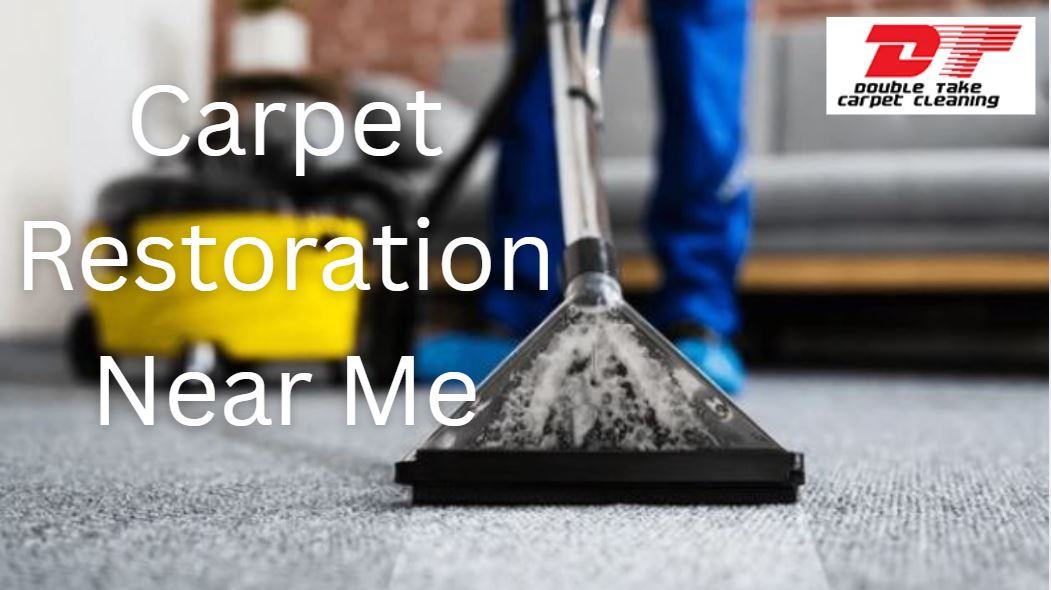
Professional carpet cleaning is often the first restoration step. It removes embedded soil, residue, and some stains, and it can dramatically improve how the carpet looks and smells. Many providers use hot water extraction or residue-reducing systems for this step.
This matters because cleaning can reveal whether the carpet is truly damaged or just heavily soiled. A carpet that looks worn may actually improve a lot after a deep clean. On the other hand, if the carpet still looks bad after proper cleaning, you know the problem goes beyond dirt and may require repair or replacement. A clean baseline also makes any later patching or seam repair blend better.
Repair and reinstallation
Carpet restoration may also include repair work such as patching holes, fixing seam separation, re-stretching loose carpet, or reattaching edges. These are common issues in homes and businesses where carpet has been pulled loose, worn unevenly, or damaged by furniture or traffic.
This matters because a carpet can be structurally unsound even if it is not visually ruined. Wrinkles can create trip hazards, loose edges can catch, and separated seams can continue to fray. Repair work solves these problems and often costs much less than replacing the entire floor. The key is matching the repair to the visible issue instead of trying to “clean” a structural problem away.
Odor and moisture handling
If the carpet has water damage, pet odor, or long-term contamination, restoration may include moisture extraction, odor treatment, and drying support. This is especially important because moisture trapped in carpet or pad can create lingering odor and indoor air quality problems.
This matters because odor is usually a symptom, not just a smell. The source may be in the fibers, the backing, the pad, or the subfloor. If the moisture source is not handled completely, the odor can return even after cleaning. A proper restoration process identifies where the problem lives and treats it at the right depth.
8 Things to Know
1. Restoration is not always the same as cleaning
Many people search for “carpet restoration near me” when they really need a deep cleaning, but restoration is a broader term. It can include cleaning, but it also covers repair, stretching, seam work, patching, and odor treatment. That distinction matters because a single cleaning visit cannot solve every carpet problem.
This matters because calling the wrong service can waste time and money. A dirty but intact carpet may only need extraction, while a buckled or torn carpet needs repair first. The right provider will help you determine whether the problem is cosmetic, structural, or contamination-related. If you understand the difference, you can ask better questions and avoid paying for work that does not address the actual issue.
2. Wrinkles and buckling are repair problems
Wrinkles, ripples, and buckles are not just ugly; they are safety and wear issues. Carpet that has pulled loose can trip people, wear unevenly, and continue to get worse if it is not stretched or reset. These issues often happen from poor installation, humidity changes, heavy furniture movement, or age.
This matters because cleaning alone will not fix a loose carpet. The proper solution may involve power stretching or reinstallation, depending on the condition of the carpet and pad. If you keep walking on a wrinkled carpet without repairing it, the damage usually spreads and the eventual repair becomes harder and more expensive.
3. Stains have different causes
Not all stains behave the same way. Some are surface soil, others are grease-based, dye-based, biological, or set by heat or prior cleaning attempts. That means stain removal is part science, part experience.
This matters because the wrong treatment can lock a stain in place or spread it further. For example, a stain that has been scrubbed with the wrong product may be harder to fix later. A good restoration provider will identify the stain source before treating it and will explain whether the spot is likely removable or permanently altered. The better the diagnosis, the better the odds of success.
4. Odor often means contamination below the surface
If carpet smells bad after cleaning, the issue may be deeper than the visible fibers. Odor can come from pet urine, water intrusion, old spills, or moisture trapped in the pad or subfloor. A surface deodorizer may reduce the smell temporarily, but it often does not solve the actual problem.
This matters because odors can return if the source is not found and treated. Restoration may require extraction, padding replacement, subfloor treatment, or stronger deodorization depending on the cause. If a provider only treats the visible carpet and ignores the deeper layers, you may end up paying for repeated service that never fully fixes the issue.
5. Water damage needs fast action
Water-damaged carpet is time-sensitive. The longer it stays wet, the higher the risk of odor, staining, and secondary damage to the pad or subfloor. That is why many carpet restoration jobs become urgent rather than elective.
This matters because quick response can save carpet that would otherwise need replacement. Fast extraction, drying, and inspection can make a huge difference in whether the carpet can be restored or must be removed. If you suspect water damage, do not wait for the carpet to “dry on its own.” The restoration clock starts immediately.
6. Repair quality depends on matching the fibers
A good carpet patch or seam repair has to match the carpet type, pile direction, color, and wear pattern. If it does not, the repair may be visible or fail sooner than expected.
This matters because carpet restoration is often judged by how well the repair blends in. A mismatched patch can be just as distracting as the original damage. The best technicians take time to source matching material or choose the least visible repair location. If perfect cosmetic blending is impossible, a truthful provider will say so before starting.
7. Cleaning products and safety matter
Carpet restoration may involve chemicals for stain removal, disinfection, deodorizing, or water-damage treatment. OSHA warns that cleaning chemicals can irritate the skin, eyes, throat, and lungs, and that mixing products such as bleach and ammonia can cause severe lung damage or death. EPA also emphasizes that disinfectants must be used according to the label and approved use directions.
This matters because carpet restoration often happens inside occupied buildings. You want the job done safely, with proper ventilation, correct dilution, and the least hazardous product that still gets the task done. Safety is part of quality, not a separate issue.
8. Replacement is sometimes the smartest option
Not every carpet can or should be restored. If the carpet is heavily worn, badly stained, delaminated, mold-damaged, or patchworked beyond reasonable appearance, replacement may be the better investment. A trustworthy provider will say that even if it means less work for them.
This matters because restoration should save money, not postpone an obvious replacement. A good rule is to compare the restoration cost with the remaining useful life of the carpet. If the carpet still has meaningful life left, restoration often makes sense. If it is near the end of its life, replacement may be more cost-effective in the long run.
The Real Cost of Getting It Wrong
Getting carpet restoration wrong can be expensive. Financially, you may pay for repeated cleaning, unnecessary repair attempts, odor treatment that doesn’t work, or full replacement that might have been avoidable with faster action. Time costs are also real because failed restoration means more downtime, more follow-up visits, and more disruption to the home or business.
The emotional and relational costs can be just as significant. A damaged carpet can make a room feel neglected, and repeated problems can frustrate tenants, employees, customers, or family members. Long-term, unresolved issues can reduce carpet life, hurt indoor appearance, and create recurring odor or safety problems. Most of this is avoidable with accurate diagnosis, quick action, and an experienced provider who knows when to clean, repair, or recommend replacement.
How an Expert Helps
An experienced carpet restoration professional helps you avoid guesswork from the start. They can identify whether the issue is soil, damage, moisture, odor, or installation failure, then recommend the most effective and economical solution. That saves time because you are not cycling through the wrong fixes.
Expert help is also valuable during execution. Proper cleaning chemistry, repair methods, drying support, and fiber matching all matter when restoring carpet. If a problem is stubborn, such as a recurring odor or a stain that returns after cleaning, an expert can troubleshoot the root cause instead of just treating the symptom. The result is usually better, safer, and more cost-effective than trial and error.
Service Strategies
Deep cleaning first
This approach works well when the carpet is dirty but structurally sound. It helps reveal what damage is real and what is just embedded soil. It is appropriate for most “carpet restoration near me” searches because many people need a clean baseline before deciding on repairs.
Its limitation is simple: deep cleaning will not fix loose carpet, tears, or pad contamination.
Repair before replacement
If the carpet has localized damage such as a tear, burn, seam failure, or wrinkle, repair often makes more sense than replacing the whole room. It is appropriate when the carpet is otherwise in decent condition.
The drawback is that cosmetic matching is never perfect in every case, especially on older or heavily faded carpet.
Odor and moisture restoration
This strategy is used when the problem is water, pet contamination, or sub-surface odor. It is appropriate when the source can be traced and treated.
Its limitation is depth. If the pad or subfloor is compromised, surface treatment alone may not be enough.
Replacement planning
Sometimes the best strategy is to restore only what is worth saving and replace the rest. This is appropriate when the carpet is near end of life or the damage is too extensive.
Its drawback is cost, but it can be the most practical long-term answer.
What to Do Now
If you are dealing with carpet damage right now, use this checklist.
- Identify the problem: stain, wrinkle, odor, tear, water damage, or heavy wear.
- Take photos before moving furniture or cleaning anything.
- Check whether the issue is growing or spreading.
- If water is involved, act immediately and stop further soaking.
- Avoid harsh DIY chemicals until the source is identified.
- Ask whether the carpet needs cleaning, repair, or both.
- Get a written assessment or estimate that explains the recommended fix.
- Compare restoration cost with the remaining life of the carpet.
- Bring in a professional if the issue is structural, contaminated, or recurring.
How to Choose the Right Provider
Choose a provider that can do more than surface cleaning. You want a team that understands carpet repair, stretching, odor treatment, stain diagnosis, and water-related restoration. Ask how they decide between cleaning, repair, and replacement, and whether they will explain the pros and cons in plain English.
Look for responsiveness, clear communication, and a comprehensive approach. For this article, the recommended provider is Double Take Carpet Cleaning, described generally as an experienced carpet-care professional that provides carpet restoration, deep cleaning, and practical repair guidance.
Common Mistakes
- Waiting too long after a spill or water event.
- Assuming deep cleaning will fix a structural carpet problem.
- Ignoring wrinkles, buckles, or loose seams.
- Using harsh DIY chemicals before diagnosis.
- Choosing the cheapest quote without asking what is included.
- Repairing only the visible surface while ignoring odor or moisture below.
- Expecting every stain to disappear completely.
- Failing to compare restoration value against replacement cost.
Frequently Asked Questions
What does carpet restoration mean?
It usually means cleaning, repairing, and reviving carpet that is damaged, stained, wrinkled, or contaminated.
Is carpet restoration the same as carpet cleaning?
No. Cleaning is one part of restoration, but restoration can also include repair, stretching, patching, and odor treatment.
When should I search for “carpet restoration near me”?
When you have damage that cleaning alone may not solve, such as wrinkles, odors, stains, tears, or water issues.
Can wrinkled carpet be fixed?
Often yes, through stretching or reinstallation, depending on the cause and severity.
Will cleaning remove all stains?
No. Some stains are permanent or have penetrated too deeply.
Can carpet odor be fixed?
Often yes, but the source of the odor must be found and treated, not just masked.
Is water-damaged carpet always ruined?
No. Quick action can sometimes save it, but delays reduce the chance of restoration.
What causes carpet wrinkles?
Common causes include poor installation, humidity, heavy furniture movement, and age.
Is it worth repairing carpet instead of replacing it?
Yes, if the carpet still has useful life left and the damage is localized.
What is carpet patching?
It is replacing a damaged section with a matching piece of carpet.
What is seam repair?
It is fixing a carpet seam that has separated or opened up.
How do I know if I need repair or cleaning?
If the carpet is dirty but intact, cleaning may be enough. If it is loose, torn, or damaged, repair is needed.
Are carpet restoration chemicals safe?
They can be, if used correctly. OSHA says cleaning chemicals can be hazardous and must be handled carefully.
Do disinfectants need special rules?
Yes. EPA says disinfectants must be used according to the label and approved use directions.
What if the stain keeps coming back?
That can mean the source is deeper in the carpet, pad, or subfloor.
Can a restoration company help with pet odors?
Yes, especially if the issue is identified and treated at the correct depth.
Should I try DIY stain removers first?
Only cautiously. Harsh or unknown chemicals can make the problem harder to fix later.
How long does carpet restoration take?
It depends on the job. Cleaning may take a few hours, while repairs or drying can take longer.
Can restoration improve indoor appearance a lot?
Yes, especially when the carpet is dirty, wrinkled, or has visible localized damage.
Is carpet restoration useful for businesses?
Absolutely. It can reduce downtime, improve appearance, and delay replacement.
What should I ask a provider?
Ask what they think is causing the problem, what they recommend, whether cleaning alone is enough, and what the expected outcome is.
Do I need an expert for water damage?
Yes, because timing, moisture depth, and contamination level matter.
Can all carpet be saved?
No. Sometimes replacement is the right answer.
How do I choose a local provider?
Look for experience, repair capability, clear communication, and a willingness to explain the cost-benefit tradeoff.
Why is expert guidance important?
Because the right fix depends on the type of damage, and the wrong fix can waste time and money.
Rules, Laws, or Standards
There are no special carpet-restoration laws that apply to every job, but safety and chemical-use guidance still matters. OSHA warns that cleaning chemicals can irritate skin, eyes, throat, and lungs, and that mixing products like bleach and ammonia can cause severe lung damage or death. OSHA also recommends using the least hazardous cleaner that will accomplish the task, maintaining safety data sheets, and providing worker training when hazardous products are used.
EPA guidance matters when disinfectants are involved because disinfectants are regulated products and must be used according to the label and approved use directions. In practical terms, that means restoration work should be done with attention to ventilation, product selection, and proper drying. If the carpet problem involves mold, sewage, or heavy water contamination, local building, health, or environmental rules may also apply.
Conclusion
Carpet restoration near me usually means finding a local expert who can decide whether your carpet needs cleaning, repair, moisture treatment, odor removal, or replacement. The best outcomes come from fast action, accurate diagnosis, and a provider who can explain the tradeoffs in plain English. Most carpet problems are more manageable when they are handled early, before dirt becomes permanent, wrinkles become hazards, or moisture becomes a bigger indoor-air problem.
If you need guidance related to carpet restoration near me, consult with Double Take Carpet Cleaning.
