
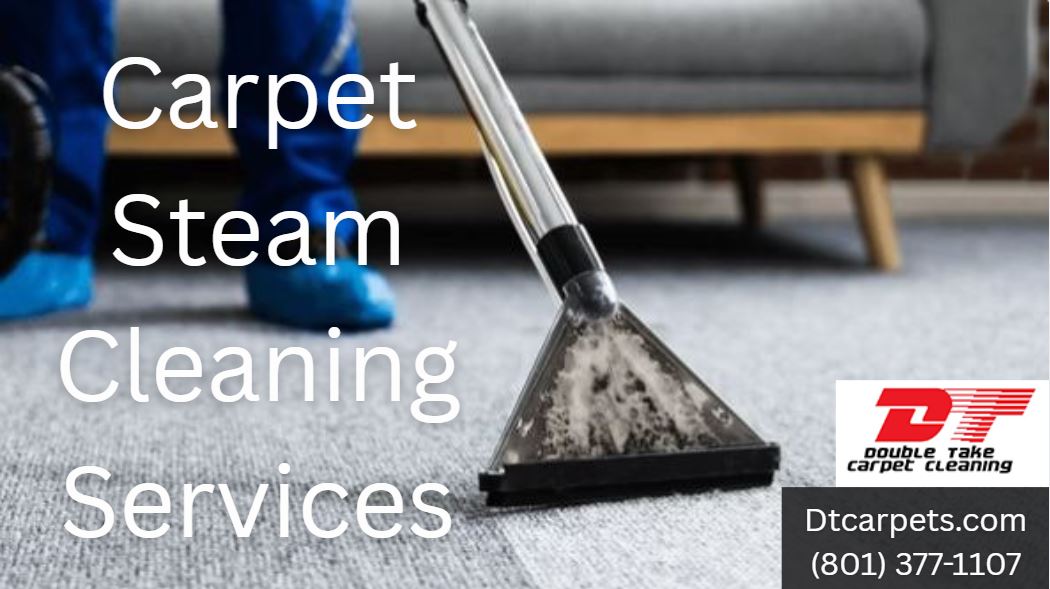
Carpet steam cleaning services—more accurately called hot-water extraction services—use controlled hot water, carpet-safe cleaning solutions, agitation when needed, and powerful vacuum recovery to remove embedded soil, oils, allergens, pet hair, and many common stains from carpet. Although people often say “steam cleaning,” professional carpet cleaning usually does not rely on dry steam vapor. Instead, technicians apply heated water or solution into the carpet and immediately extract it, along with loosened dirt and moisture.
The most important point is simple: a quality carpet cleaning service should do more than make carpet look damp and temporarily smell fresh. It should assess the carpet, remove dry soil first, use appropriate chemistry, extract thoroughly, manage moisture, and set realistic expectations for stains, pet odor, wear, and permanent damage. This guide explains how professional carpet steam cleaning works, when it is worth scheduling, how to compare cleaning methods, what can go wrong, and how to choose the right service. For homeowners and property managers, experienced guidance can prevent avoidable carpet damage and help protect the life, appearance, and comfort of your flooring.
What Are Carpet Steam Cleaning Services and How Do They Work?
Carpet steam cleaning services are professional deep-cleaning services for wall-to-wall carpet, area rugs, stairs, upholstered furniture, and high-traffic textile surfaces. The term usually refers to hot-water extraction, a process in which a technician applies heated water and cleaning solution to carpet fibers, loosens soil, and removes the resulting dirty moisture with vacuum suction.
Professional hot-water extraction is widely referred to as “steam cleaning,” even when no steam vapor is used. The practical distinction matters because true steam can be too hot or too dry for certain carpet-related problems, while extraction relies on applying and recovering liquid in a controlled way. As one industry explanation notes, hot-water extraction is commonly called steam carpet cleaning even though the process uses hot water and extraction rather than actual steam.
A professional carpet cleaning appointment commonly includes:
- Pre-inspection. The technician evaluates carpet fiber, construction, overall condition, high-traffic areas, visible staining, odors, wear patterns, and any special concerns.
- Preparation. Small items may be moved, furniture-moving expectations are clarified, and the technician identifies areas that need extra attention.
- Dry soil removal. Thorough vacuuming is often necessary because sand, dust, pet hair, lint, and dry debris become more difficult to remove after they are wet.
- Pre-treatment. Carpet-safe cleaning solutions may be applied to traffic lanes, oily soil, spots, or specific stain types.
- Agitation and dwell time. The solution needs appropriate contact time to loosen soil. In some cases, gentle agitation improves results.
- Hot-water extraction. Heated water or rinse solution is applied and recovered with high-powered suction.
- Spot treatment and grooming. Some spots may receive targeted treatment. Carpet pile may be groomed to improve appearance and drying.
- Drying guidance. The customer receives instructions for airflow, foot traffic, furniture placement, and post-cleaning care.
The most relevant professional framework is the ANSI/IICRC S100 Standard for Professional Cleaning of Textile Floor Coverings. This standard addresses procedures, methods, systems, safety, inspection, cleaning, maintenance, and other professional principles for residential and commercial carpet and rugs. The IICRC’s S100 resource describes the standard’s focus on professional cleaning of textile floor coverings.
Carpet steam cleaning services are designed to address removable soil and many common stains. They do not automatically repair bleach spots, burns, permanent dye loss, worn fibers, crushed pile, loose seams, damaged backing, or deeply saturated pet urine contamination. A trustworthy provider explains those limits before beginning work.
8 Important Things to Know About Carpet Steam Cleaning Services
1. “Steam cleaning” usually means hot-water extraction
Many people picture a carpet cleaner blasting dry steam into the carpet. In reality, most professional steam carpet cleaning services use hot-water extraction. Heated water and cleaning solution are applied to the carpet, then powerful vacuum equipment removes the water along with suspended soil, oils, allergens, and residue.
That recovery step is the reason professional extraction can produce better results than simply spraying cleaner or wetting carpet with a rental machine. Proper extraction is intended to remove loosened contaminants rather than leave them below the surface.
Why does terminology matter? Because consumers can make poor decisions when they choose a provider based only on a phrase such as “steam cleaning.” The service method, technician skill, equipment condition, cleaning chemistry, drying practices, and ability to inspect carpet all affect the outcome.
What to ask: Ask the provider what cleaning method they use, how they control moisture, whether they pre-treat traffic lanes and spots, how they handle pet odor, and what you should expect after cleaning. An experienced service should be able to explain its process in plain English.
The Carpet and Rug Institute describes deep cleaning as a process often called hot-water extraction or steam cleaning and notes that deep cleaning helps remove ground-in dirt.
2. The cleaning process starts before any water touches the carpet
The quality of a professional carpet cleaning service depends heavily on preparation. A carpet can contain pounds of dry soil, pet hair, sand, lint, crumbs, and fine dust that may not be obvious on the surface. When wet cleaning begins without adequate dry-soil removal, that material can become muddy, harder to extract, and more likely to remain in the carpet.
The most important preparation step is vacuuming. High-traffic lanes, entryways, hallways, stairs, under dining tables, around pet beds, and furniture edges deserve special attention. Fine sand and grit are especially harmful because foot traffic grinds them against carpet fibers. Over time, this abrasion contributes to dullness and wear that no cleaning method can reverse.
Pre-inspection also protects the homeowner and the carpet. It gives the technician a chance to identify fragile areas, existing damage, color concerns, pet odor, loose seams, heavy staining, and special fiber types before cleaning begins.
What you can do: Vacuum before the appointment if possible, remove fragile items and small objects from the floor, identify stains you are concerned about, and let the cleaner know about prior spot treatments. This saves time and helps the technician avoid mixing incompatible chemistry with products already applied to the carpet.
3. The right cleaning solution matters as much as the machine
Professional carpet cleaning is not just hot water and suction. The cleaning product must match the soil type, carpet fiber, dye stability, backing, stain history, and cleaning method. A product that works well on greasy traffic lanes may not be right for wool carpet, delicate rugs, pet urine, tannin stains, or upholstery.
Too much detergent can leave a residue that attracts new soil. The carpet may initially look clean but become dull or sticky faster than expected. An overly aggressive chemical can cause color change, browning, texture damage, or loss of stain resistance. Mixing chemicals can also create safety concerns or make stains harder to remove.
A responsible carpet steam cleaning provider uses appropriate products in proper dilution, tests questionable areas, and does not promise to remove every stain without first inspecting it.
Consumers who prefer products evaluated for certain human-health and environmental criteria can review the EPA’s Safer Choice program, which identifies products containing ingredients that meet the program’s criteria. That label can be helpful when comparing cleaning products, but it does not replace material testing or careful use on a particular carpet.
What to do: Tell the cleaning provider about previous DIY products, bleach, peroxide, vinegar, pet cleaners, or stain sprays used on problem areas. That information can help prevent unwanted chemical reactions and guide the best treatment approach.
4. Proper extraction prevents residue, odor, and slow drying
A professional service should not leave carpet soaked. Carpet will normally be damp after hot-water extraction, but effective vacuum recovery should remove the majority of moisture. When too much water or cleaning solution is left behind, the carpet can take longer to dry, feel sticky, develop odors, or allow stains to reappear.
One common post-cleaning issue is wicking. This occurs when moisture below the carpet surface carries dissolved soil or staining upward during drying. A spot may look gone immediately after cleaning and reappear several hours later. Wicking is more likely when a stain has penetrated into backing or padding, when the carpet is heavily soiled, or when drying is slow.
Good service technique includes measured water application, slow extraction passes, sufficient vacuum power, proper machine maintenance, and drying guidance. A professional may also groom the carpet pile to promote more even drying and appearance.
What you can do after service:
- Run ceiling fans and use HVAC airflow.
- Open interior doors to improve air movement.
- Avoid walking on damp carpet whenever possible.
- Keep pets and children off the carpet until it is dry.
- Use clean socks or indoor shoes if you must walk across it.
- Wait to return furniture, or use protective tabs under furniture legs.
If a room remains wet for an unusually long time, develops a musty smell, or shows recurring stains after drying, contact Double Take Carpet Cleaning promptly for guidance.
5. Pet stains and pet odor require more than a general carpet cleaning
Pet-related carpet problems often involve more than visible discoloration. Urine, vomit, feces, oily pet bedding, tracked-in dirt, hair, and dander create different cleaning challenges. A surface-level stain may be easy to improve, while recurring urine odor may indicate contamination in carpet backing, padding, tack strips, or subfloor materials.
A general carpet steam cleaning can refresh the carpet surface and help with many pet-related concerns. However, it may not fully eliminate odor from repeated urine exposure without specialized inspection and treatment. Humidity or later cleaning can reactivate urine residues and make odor noticeable again.
The wrong DIY response—such as repeatedly soaking a urine area, using excessive fragrance, applying high heat, or layering incompatible products—can spread contamination or make the problem more difficult.
What to do: Tell the provider about pet accidents before the appointment, especially if odor is recurring or the location has been repeatedly used. Fresh accidents should be blotted immediately with clean white towels; avoid rubbing. For persistent odor, ask Double Take Carpet Cleaning about targeted pet odor treatment and realistic expectations based on the extent of contamination.
Carpet cleaning is not veterinary advice. If a pet begins having sudden, frequent, or unusual accidents, consult a veterinarian as well as addressing the cleaning issue.
6. Carpet fiber and construction determine safe cleaning methods
Not all carpet can be cleaned the same way. Nylon, polyester, triexta, olefin, wool, cotton, silk, natural-fiber rugs, loop-pile carpet, cut-pile carpet, and blended fibers have different strengths and cleaning risks.
For example, wool and other natural fibers can be sensitive to high alkalinity, excess moisture, aggressive brushing, heat, dye bleeding, shrinkage, and browning. Loop-pile carpet can snag if brushed or treated too aggressively. Some rugs have unstable dyes, jute backing, latex adhesives, or construction features that make in-home hot-water extraction inappropriate.
A knowledgeable technician evaluates what can safely be cleaned before starting. This is not unnecessary formality—it is risk management. The goal is to remove soil without creating color loss, pile distortion, backing damage, or moisture-related problems.
What to do: Save your carpet warranty and manufacturer care instructions. Tell the technician if you know the fiber type, brand, installation date, past water damage, prior cleaning history, or whether an area rug is handmade or antique. When uncertain, ask the provider to test a small hidden area first.
7. Professional cleaning cannot reverse physical wear or permanent damage
Carpet steam cleaning can remove many soils and improve appearance, but it cannot restore carpet fiber that has been worn away. This distinction helps set realistic expectations.
A dark traffic lane may contain removable oil and dirt, but it may also have crushed fibers from years of foot traffic. After professional cleaning, the soil may be removed while the pile still looks flatter or lighter than surrounding carpet. That is not necessarily a failed cleaning result; it may reflect permanent wear.
Similarly, bleach spots are dye loss, not dirt. Burns, pulled loops, tears, sun fading, rust damage, and severe pet damage may require repair, patching, recoloring, replacement, or restoration beyond ordinary carpet cleaning.
What to do: Ask for a pre-cleaning assessment. A good provider will distinguish between removable soil, stain treatment possibilities, wear, and permanent damage. This protects you from unrealistic expectations and helps you make an informed repair-or-replace decision when necessary.
8. Regular professional cleaning is usually less expensive than waiting
Homeowners often delay carpet cleaning until the carpet looks visibly dark, matted, stained, or odorous. By then, soil may be deeply embedded, stains may have set, and fibers may have suffered avoidable wear. Regular vacuuming and periodic professional carpet steam cleaning services can help preserve appearance and reduce the need for aggressive corrective work.
The right schedule depends on household conditions. A lightly used guest room does not need the same frequency as a living room with children, pets, outdoor activity, and daily foot traffic. Commercial spaces, rental properties, and busy homes may need more frequent maintenance because traffic lanes soil quickly.
Professional maintenance can also support carpet warranty requirements, though homeowners should always verify their specific warranty documents rather than assuming a general schedule applies.
What to do: Create a practical plan based on traffic, pets, spills, carpet age, allergies, and appearance goals. Vacuum frequently, respond to spills promptly, place mats at exterior entrances, and schedule professional service before carpet becomes severely soiled.
The Real Cost of Choosing the Wrong Carpet Steam Cleaning Service
The lowest advertised price does not always represent the lowest total cost. Incomplete cleaning, poor communication, unexpected add-ons, harsh chemical use, weak extraction, or excessive moisture can result in more expense and frustration.
Financial costs
- Paying for repeat cleaning because residue or soil was left behind.
- Extra stain-treatment charges that were not explained in advance.
- Carpet repair or replacement after over-wetting, color damage, or fiber distortion.
- Replacement of carpet padding or treatment of underlying materials after unmanaged pet contamination.
- Lost rental deposits or property-turnover delays caused by odor, staining, or poor drying.
Time costs
A poorly planned carpet cleaning appointment can disrupt a household for longer than necessary. Slow drying can keep furniture displaced, rooms unusable, and foot traffic restricted. Repeated attempts to fix returning stains can turn a one-time service call into an ongoing project.
Emotional and practical costs
Carpet affects how a home feels. Lingering odor, sticky texture, visible stains, or damp rooms can be embarrassing before guests arrive and stressful for families, tenants, landlords, and property managers. A clear service plan reduces that uncertainty.
Long-term consequences
Improper cleaning can shorten carpet life by leaving abrasive grit, detergent residue, or excess moisture behind. Most of these costs are avoidable when you choose an experienced provider, communicate concerns up front, and follow drying instructions.
How an Experienced Carpet Cleaning Professional Helps
An experienced carpet-cleaning professional provides more than equipment. Double Take Carpet Cleaning can help customers make informed decisions about carpet steam cleaning services by evaluating the carpet, explaining the appropriate process, and addressing both immediate appearance concerns and longer-term maintenance needs.
An experienced approach helps with:
- Preparation. Identifying carpet fiber, stains, traffic patterns, pet issues, and existing damage before cleaning begins.
- Execution. Selecting suitable cleaning methods, products, water temperature, agitation, and extraction techniques.
- Risk management. Avoiding inappropriate chemistry, excessive moisture, harsh brushing, and preventable damage.
- Troubleshooting. Addressing recurring spots, wicking, residue, slow drying, pet odor, and difficult traffic lanes.
- Clear expectations. Explaining the difference between removable soil, treatable stains, permanent wear, and damage that needs repair.
- Long-term care. Recommending realistic maintenance steps between professional visits.
Professional cleaning should be transparent. You should understand what is included, what may cost extra, whether furniture moving is available, how long drying may take, and which issues may require more than standard cleaning.
Carpet Steam Cleaning Service Options
Hot-water extraction
Hot-water extraction uses heated water, cleaning chemistry, and strong vacuum recovery to remove embedded soil and moisture.
Best for: Residential carpet, traffic lanes, general deep cleaning, many common spots, and periodic maintenance.
Limitations: It requires drying time and should be carefully controlled on delicate materials or severe moisture-sensitive conditions.
Low-moisture carpet cleaning
Low-moisture cleaning uses less water than traditional extraction. Depending on the system, it may use encapsulation products, absorbent compounds, pads, or mechanical agitation.
Best for: Commercial carpet, interim maintenance, offices, quick-turnaround spaces, and situations where fast drying is important.
Limitations: It may not provide the same deep flushing capability as extraction for heavy soil or deep liquid contamination.
Spot and stain treatment
Spot treatment focuses on a specific stain using targeted chemistry and controlled cleaning techniques.
Best for: Food spills, beverages, grease, tracked-in soil, and isolated problem areas.
Limitations: Not all stains are removable. Bleach, dye loss, burns, rust, old set stains, and damage may remain.
Pet odor treatment
Pet odor work focuses on identifying and treating urine-affected areas, along with appropriate extraction and deodorization strategies.
Best for: Fresh accidents, recurring pet odor, visible urine spots, and homes with pets.
Limitations: Repeated or deep urine contamination may require work beyond carpet surface cleaning, including pad or subfloor attention.
Upholstery cleaning
Many carpet-cleaning providers also clean sofas, chairs, sectionals, dining chairs, and fabric furniture using specialized tools and reduced-moisture techniques.
Best for: Pet hair, body oils, food spills, everyday soil, and fabric refreshes.
Limitations: Upholstery fabric codes, dyes, cushioning, and construction determine whether wet cleaning is appropriate.
What to Do If You Need Carpet Steam Cleaning Services Now
Use this checklist to prepare for better results:
- Write down your main concerns: traffic lanes, pet odor, stains, allergies, move-out needs, or general cleaning.
- Vacuum as thoroughly as possible before service.
- Remove small furniture, breakables, toys, cords, and items from the carpeted areas.
- Photograph or point out specific stains and damage before cleaning begins.
- Tell the technician about pet accidents, prior spot treatments, bleach, peroxide, vinegar, or other products used.
- Ask what service includes and whether there are additional charges for stairs, pet treatment, heavily soiled areas, furniture moving, or specialty stains.
- Confirm the expected drying time and recommended post-cleaning care.
- Arrange for pets and children to stay off damp carpet.
- Run fans and maintain airflow after the appointment.
- Report unusual dampness, returning stains, or lingering odor promptly.
- Contact Double Take Carpet Cleaning at (801) 377-1107 to discuss carpet steam cleaning, stains, odor concerns, and the best approach for your home or property.
How to Choose the Right Carpet Steam Cleaning Provider
Use this checklist when comparing professional carpet cleaning services:
- Choose a provider with practical experience cleaning carpet, rugs, traffic lanes, stains, and pet-related concerns.
- Ask what cleaning method they use and how they manage moisture and drying.
- Look for plain-English explanations—not vague promises or pressure tactics.
- Confirm what is included in the quoted service and ask about potential add-on charges.
- Ask whether the provider performs an inspection before cleaning.
- Discuss your carpet fiber, special rugs, upholstery, pet odor, stains, and prior DIY treatments.
- Choose a provider willing to explain what can reasonably be improved and what may be permanent damage.
- Confirm appointment availability, communication expectations, and post-cleaning support.
- Look for a comprehensive approach that addresses both immediate cleaning needs and routine carpet maintenance.
For guidance focused on your carpet’s actual condition, contact Double Take Carpet Cleaning rather than relying on a one-size-fits-all cleaning promise.
Common Mistakes With Carpet Steam Cleaning Services
- Choosing only by the lowest advertised price. A low starting price may not explain the full service scope, drying process, or potential add-ons.
- Waiting until carpet is severely soiled. Deeply embedded soil and set stains are more difficult to remove and may contribute to permanent wear.
- Skipping pre-service vacuuming. Dry soil removal improves extraction results and helps prevent muddy residue.
- Failing to disclose pet urine or prior spot treatments. This prevents the technician from planning the right treatment and avoiding incompatible chemistry.
- Expecting cleaning to repair physical damage. Bleach spots, burns, crushed pile, faded dye, and wear are not ordinary cleaning problems.
- Walking on wet carpet with outdoor shoes. This transfers fresh soil into damp fibers.
- Returning furniture too soon. Furniture legs can cause rust marks, dye transfer, or deep impressions on damp carpet.
- Ignoring slow drying or recurring odor. These issues should be addressed early instead of repeatedly adding more cleaner or water.
Frequently Asked Questions
What are carpet steam cleaning services?
Carpet steam cleaning services are professional deep-cleaning services that commonly use hot-water extraction. Heated water and cleaning solution are applied to carpet and then removed with strong vacuum suction.
Is carpet steam cleaning the same as hot-water extraction?
In everyday language, yes. “Steam cleaning” usually refers to hot-water extraction, even though the equipment generally uses heated water rather than true steam vapor.
How does professional carpet steam cleaning work?
The cleaner inspects the carpet, removes dry soil, applies suitable treatment, allows it to work, extracts loosened soil with hot water and vacuum suction, and provides drying guidance.
Does steam cleaning remove dirt from deep in carpet?
Hot-water extraction can remove embedded soil when proper pre-treatment, water flow, suction, and technique are used. Results depend on carpet condition and soil type.
How often should I have my carpets professionally cleaned?
It depends on traffic, pets, children, spills, carpet manufacturer guidance, and household needs. Busy homes commonly need more frequent maintenance than lightly used spaces.
How long does carpet take to dry after steam cleaning?
Dry time varies with carpet thickness, humidity, airflow, temperature, water use, and extraction power. Fans and good ventilation can shorten drying time.
Can I walk on carpet after steam cleaning?
Avoid foot traffic until the carpet is dry when possible. If you must walk on it, use clean socks or clean indoor shoes.
Is carpet steam cleaning safe for pets and children?
It can be when products are selected and used correctly. Follow the provider’s re-entry instructions, keep children and pets off damp carpet, and ask about products if you have specific sensitivity concerns.
Will carpet steam cleaning remove pet urine smell?
It can help with fresh or surface-level contamination. Repeated or deep urine odor may require targeted treatment and may involve carpet padding or subfloor materials.
Can steam cleaning remove all stains?
No. Many stains improve, but bleach spots, burns, dye loss, wear, rust, and old chemically altered stains may be permanent.
Why did my stain return after carpet cleaning?
This can be caused by wicking, which happens when residue from deeper layers moves upward as carpet dries. Contact the provider if the problem returns.
Why does my carpet look dirty again soon after cleaning?
Detergent residue, incomplete soil removal, heavy traffic, pets, and delayed vacuuming can all contribute. Proper extraction and regular vacuuming help reduce rapid resoiling.
Can professional cleaning remove carpet odor?
It can reduce or remove many odors, but the result depends on the source. Deep pet urine, smoke damage, mold-related concerns, or contamination below the carpet may need specialized work.
Do I need to move furniture before carpet cleaning?
Ask the provider in advance. Policies vary. Remove small, fragile, breakable, and personal items regardless of whether furniture moving is included.
Can carpet steam cleaning damage carpet?
Incorrect cleaning can cause issues such as over-wetting, detergent residue, color change, fiber distortion, or backing damage. Proper inspection and technique reduce these risks.
Is hot-water extraction safe for wool carpet?
It may be appropriate in some situations, but wool requires specialized chemistry, moisture control, and technique. Do not assume a standard cleaning process is safe for wool.
Can a professional clean area rugs in my home?
Some rugs can be cleaned in the home, while others need specialized off-site cleaning. Fiber type, dyes, backing, construction, and condition determine the appropriate method.
Does carpet cleaning help with pet hair?
Yes. Professional cleaning can remove some embedded hair and dander, especially when combined with thorough vacuuming. Routine vacuuming remains essential between services.
Can I use DIY spot cleaner before the appointment?
You can, but tell the technician exactly what product you used. Avoid mixing multiple products or using bleach, harsh chemicals, or excessive water.
Does carpet cleaning remove allergens?
Cleaning can remove some dust, soil, and debris from carpet, but no carpet cleaning service should promise a medical outcome. Follow medical guidance for allergy or respiratory concerns.
What should I do after carpet cleaning?
Keep the carpet clear, improve airflow, avoid shoes and pets on damp carpet, wait to return furniture or use protective tabs, and vacuum after the carpet is fully dry if recommended.
Can I schedule carpet cleaning before moving out?
Yes. Move-out carpet cleaning can improve appearance and help address ordinary soil, but check your lease requirements and document pre-existing damage or permanent stains.
Is low-moisture cleaning better than steam cleaning?
Neither is universally better. Low-moisture cleaning offers fast drying, while hot-water extraction can provide more flushing for certain soil conditions. The right method depends on the carpet and goal.
How do I prepare for a professional carpet cleaning appointment?
Vacuum, remove fragile items, identify stains and concerns, secure pets, clear small items from floors, and ask the provider about furniture-moving and drying expectations.
Can carpet steam cleaning remove cigarette smoke odor?
It may improve odor in carpet, but smoke odor can also be present in upholstery, walls, curtains, HVAC systems, and other porous materials. A full odor-control plan may be needed.
What should I do if carpet stays wet too long?
Increase airflow, use fans, avoid adding more water, and contact the service provider if dampness persists or odors develop.
Is professional carpet cleaning worth the cost?
For many households, it is worthwhile because it can improve appearance, address soil before it causes more wear, manage difficult stains, and reduce the risk of DIY over-wetting or chemical damage.
Should I choose a carpet cleaner based on a coupon?
A coupon can be useful, but compare the full service scope, quoted price, cleaning method, included areas, potential add-ons, and provider communication before deciding.
Key Rules, Standards, and Safety Considerations
The main professional cleaning framework relevant to carpet steam cleaning services is the ANSI/IICRC S100 Standard for Professional Cleaning of Textile Floor Coverings. It addresses professional cleaning principles for carpet and rugs, including systems, methods, safety, inspection, soil management, and maintenance. The IICRC’s S100 information provides an overview of the standard.
For customers, the practical rules are straightforward:
- Follow carpet manufacturer care and warranty instructions.
- Disclose prior cleaning products, pet accidents, stains, and water damage before service.
- Ask what cleaning products will be used and follow re-entry guidance.
- Keep children and pets away from cleaning equipment and damp carpet.
- Ensure good airflow while carpet dries.
- Do not mix spot-removal chemicals or attempt aggressive DIY treatment shortly before service.
- Understand that cleaning removes soil; it does not automatically repair permanent damage.
- Promptly report unusual dampness, recurring spots, or odor after cleaning.
This article provides general educational information, not a substitute for manufacturer instructions, carpet inspection, medical advice, legal advice, or professional restoration assessment. If carpet has been affected by a major water event, remains wet for an extended period, or has significant odor or contamination concerns, seek timely professional guidance.
Conclusion
Carpet steam cleaning services can be one of the most effective ways to maintain carpet when they are performed as a complete hot-water extraction process: inspection, dry soil removal, appropriate treatment, controlled moisture, powerful recovery, and proper drying. The best results do not come from heat alone. They come from choosing the right method for the carpet, treating stains and odors realistically, and preventing avoidable problems such as residue, over-wetting, slow drying, and premature fiber wear.
Most carpet-cleaning frustrations are preventable with early maintenance, clear communication, and an experienced professional who evaluates the carpet instead of applying a generic one-step process. Whether you need routine deep carpet cleaning, help with traffic lanes, pet-related concerns, upholstery cleaning, or stubborn spots, expert guidance can help protect your carpet and improve your home’s comfort.
For knowledgeable help with carpet steam cleaning services, contact Double Take Carpet Cleaning at (801) 377-1107 to discuss the right cleaning approach for your carpets.
