
What It Is, How It Works, and When to Use One
A carpet steamer is a cleaning tool that uses heat, moisture, and sometimes suction or extraction to refresh carpet fibers, loosen dirt, and remove stains or odors from carpeted surfaces. It matters because people often use the term “carpet steamer” loosely, but the right machine and method depend on whether you want to sanitize surface fibers, deep-clean embedded soil, or handle a stubborn spill. The most important takeaway is that not every “steamer” is ideal for carpet, and not every carpet can handle the same amount of heat or moisture. In this guide, you’ll learn what a carpet steamer actually does, how it differs from a carpet cleaner, the most common mistakes, the real cost of doing it wrong, and how to choose the safest, most effective approach. Expert guidance helps because carpets vary widely in fiber type, construction, and moisture tolerance, and the wrong method can leave you with browning, shrinkage, lingering odor, or residue instead of a cleaner floor.
What a Carpet Steamer Is
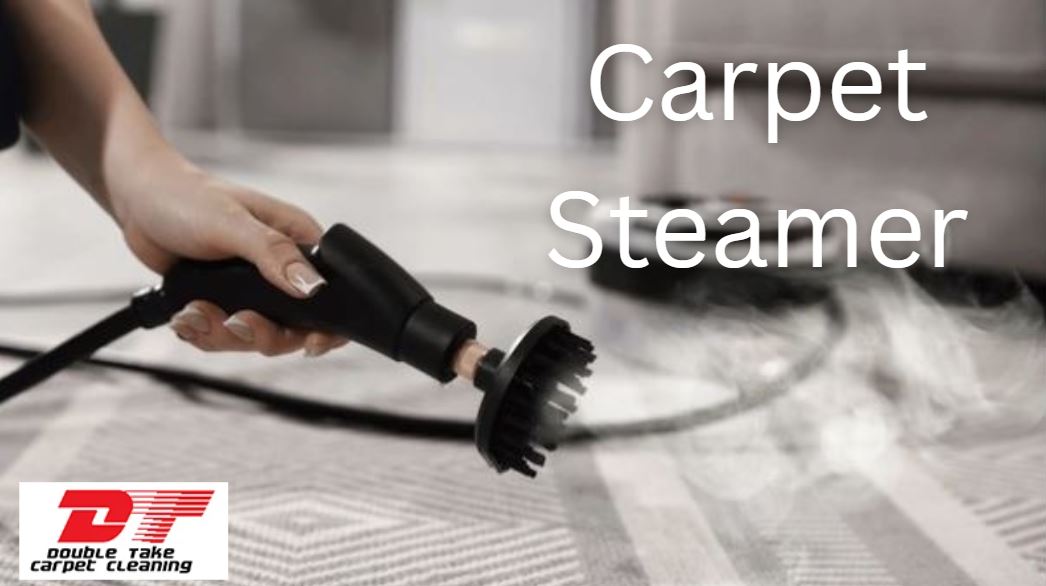
A carpet steamer is usually a device or cleaning method that uses heat and moisture to loosen dirt and refresh carpet fibers. In common usage, people may mean a true steam-cleaning system, a hot-water extraction machine, or even a steam mop with a carpet attachment, though those are not identical tools. That distinction matters because the cleaning mechanism changes how the carpet responds. Some machines mainly apply hot water and suction, while others generate steam vapor to soften soil before wiping or extracting it.
The process typically includes vacuuming first, applying heat or cleaning solution, working in sections, and then removing loosened soil and excess moisture. What is included depends on the machine: a carpet steamer may include a water tank, a heating element, an attachment or nozzle, and sometimes a vacuum or extraction system. What is not included is universal compatibility. Wool, delicate natural fibers, old glue-backed carpets, and moisture-sensitive materials may react badly to heat or excess water. In plain English, a carpet steamer is a helpful tool, but only when the carpet and method match.
Ten Things To Know
1. Carpet Steamer Does Not Always Mean Steam Only
One of the biggest sources of confusion is the name itself. In the real world, people use “carpet steamer” to describe several different cleaning tools, including steam mops with carpet gliders, hot-water extraction machines, and cleaning systems that heat water before spraying and suctioning it back out. These tools are related, but they do not behave the same way. A true steam cleaner uses high-temperature vapor, while a carpet extractor uses hot water and detergent plus suction to remove soil.
Why this matters: if you buy or rent the wrong tool, you may not get the result you expected. A steam mop can refresh surface fibers but may not deep-clean embedded soil. An extractor can clean deeper, but it uses more moisture and may take longer to dry. The practical fix is to identify your goal first. If you want surface sanitizing or deodorizing, a steam-based method may be appropriate. If you want deep soil removal, a carpet cleaner/extractor is usually the better fit. Knowing the difference saves time and prevents disappointment.
2. Carpet Fiber Type Changes The Safe Approach
Not all carpets can tolerate the same amount of heat or moisture. Synthetic low-pile carpets often handle steam or hot-water extraction better than delicate natural fibers, and wool can be especially sensitive to heat, moisture, and over-cleaning. The surface may look fine immediately after cleaning, but the real risk can appear later as fiber distortion, fading, or browning.
This is why testing matters. A hidden spot can tell you whether the carpet is likely to react badly to heat or dampness. If the carpet is antique, loosely woven, or made from natural fibers, a more cautious approach is often safer than aggressive steaming. In practical terms, the best carpet steamer is not the hottest one; it is the one compatible with your carpet’s construction. When in doubt, reduce heat, reduce moisture, and test first.
3. Vacuuming First Makes A Big Difference
A carpet steamer is not designed to pick up loose debris the way a vacuum does. If you steam over dust, crumbs, hair, or grit, you can push that debris deeper into the pile or turn it into muddy residue. That is why professional guidance almost always starts with a thorough vacuuming step before any steaming or extraction.
This matters most in homes with pets, kids, or high traffic. Loose soil gets in the way of the cleaning process and can reduce how well steam or cleaning solution reaches the fibers. Vacuuming first improves contact between the cleaning method and the actual dirt. It also reduces wear on the carpet, because loose grit acts like sandpaper under foot traffic. The practical habit is simple: vacuum slowly and thoroughly, then steam or extract in sections. Skipping that step is one of the fastest ways to weaken the results.
4. Moisture Control Is More Important Than Power
People often think more heat or more water means better cleaning. Usually, it means more drying time and more risk. Excess moisture can lead to odor, mildew, wicking, or browning if the carpet takes too long to dry. Even a good carpet steamer can create problems if it leaves too much water behind.
This is especially important for carpets with padding that can trap moisture underneath the surface. A carpet may feel dry on top while remaining damp below. The practical solution is to use controlled passes, avoid repeated soaking, and increase airflow after cleaning. If your machine has suction or extraction, use it well. If it does not, you need to be even more careful about how much moisture you apply. In carpet care, drying is part of the cleaning job, not an afterthought.
5. Steam Helps Refresh, But It Is Not Magic
Steam can loosen dirt, soften some stains, and reduce odors on compatible carpets. That is valuable, especially for routine maintenance or surface refreshment. But steam is not a miracle cure for every stain. Some marks are dye-based, oil-based, protein-based, or already set into the fibers and backing. Those often require pre-treatment or a different cleaning method.
This matters because people sometimes expect visible stains to disappear after a single pass. In reality, steam may improve the appearance without fully removing the source. The best use of steam is as part of a process: vacuum, treat the stain, apply heat or steam carefully, and extract or blot properly afterward. For stubborn spots, patience and the right chemistry are more effective than raw heat. If a stain does not budge, the issue may be chemical, not mechanical.
6. The Wrong Attachment Can Limit Results
If your carpet steamer includes attachments, those attachments matter a lot. A carpet glider, upholstery tool, or extraction head changes how the machine interacts with the surface. Without the right attachment, steam may be too direct, too wet, or too uneven. The result can be patchy cleaning or an oversaturated area that dries poorly.
This is one reason steam mops on carpet can be hit or miss. Some models work better on low-pile synthetic carpet with a proper glider, while others are not suitable for carpet use at all. The practical rule is to use the attachment designed for the surface, and if there is no carpet-specific accessory, do not assume the machine is safe or effective. Good attachment choice is often the difference between a light refresh and a mistake.
7. Odor Control Depends On Source Removal
A carpet steamer can help reduce odors, but it cannot always remove them if the source is deeper than the visible surface. Pet urine, milk, spilled food, and moisture-related smells can reach the backing or padding, where steam on the surface may not fully solve the issue. That’s why a carpet can seem clean but still smell later.
If the odor returns after drying, you are likely dealing with a deeper contamination problem rather than a surface problem. In those cases, repeated steaming may only delay the odor instead of eliminating it. The better approach is to identify the source, use an appropriate odor treatment if the carpet type allows it, and make sure the carpet dries thoroughly. If the smell is strong or recurring, professional cleaning is often the safer answer.
8. Drying Time Affects Appearance And Health
A carpet that stays damp too long is more likely to develop musty odors, residue, or visible lines where cleaning solution or soil wicks upward. That is why drying time is not just about convenience. It affects how the carpet looks and how healthy the room stays after cleaning.
In practice, faster drying usually comes from using less moisture, doing better extraction, and improving airflow. Fans, open windows, and good room ventilation can help. The common mistake is steaming too slowly or too heavily and assuming the carpet will recover on its own. If it stays wet too long, you may create a second problem while trying to solve the first. A good cleaning job ends with a dry carpet, not just a wet-clean carpet.
9. A Carpet Steamer Is Not Always Best For Deep Soil
For heavy, ground-in dirt, a carpet steamer may be less effective than a dedicated carpet extractor or professional hot-water extraction machine. Steam can loosen soil, but soil still has to be removed. If the machine lacks strong suction, you may simply redistribute dirt or leave residue behind.
This is especially true in homes with high foot traffic, pets, or repeated spills. A steaming pass may improve freshness, but it may not remove years of embedded debris. The practical way to think about it is this: steam refreshes, extraction removes. If your carpet needs serious cleanup, a full carpet cleaner is often a better choice than a basic steamer. Choosing the right tool prevents wasted effort and better protects the carpet.
10. Some Carpets Should Be Left To A Professional
There are situations where a carpet steamer should not be the first choice. Antique rugs, wool carpets, glued-down flooring, delicate natural fibers, and carpets with known dye instability may need specialized handling. If you are not sure how the carpet was made, or if it has already been damaged by past cleaning attempts, professional evaluation is the safest path.
The reason is simple: a small cleaning mistake can create a permanent problem. Heat can cause color change, moisture can weaken backing, and repeated attempts can make the damage worse. If the carpet is valuable or the stain is severe, an experienced professional can match the method to the material and reduce risk. That is often cheaper than trying and failing multiple times.
Real Costs Of Getting It Wrong
Getting carpet steaming wrong can be expensive in several ways. The direct financial cost may include replacing damaged carpet, paying for remediation, or buying equipment you did not need. The time cost is often just as painful: repeated cleaning, slow drying, and troubleshooting can eat up hours or even days. Emotional cost matters too, especially if the carpet is in a family room, nursery, or another high-use area that affects your daily life.
Long-term, the wrong method can leave residue, discoloration, shrinkage, browning, or odor that keeps returning. Most of these problems are avoidable when you match the machine to the carpet and control moisture carefully. In other words, the cost of being careless is not just a spot that did not come out; it is often permanent damage that could have been avoided with a more conservative approach.
How Experts Help
An experienced carpet professional helps by identifying the carpet type, choosing the right cleaning method, and avoiding the common mistakes that cause damage. They know when a carpet can tolerate steam, when it needs extraction, and when it should be treated more gently. They can also help with drying strategy, stain treatment, and odor control, which are the parts most homeowners underestimate.
Experts also help troubleshoot when cleaning goes wrong. If a stain comes back, they can tell whether it is wick-back, residue, or contamination below the surface. If the carpet reacts badly, they can adjust the process before the problem spreads. That kind of judgment is especially valuable for delicate or expensive flooring. Good guidance does not just clean better; it lowers the risk of making the mess worse.
Main Strategies
Steam-Style Refresh
A steam-style refresh uses heat and moisture to loosen surface dirt and improve the look and smell of a carpet. It is appropriate for regular maintenance, low-pile synthetic carpet, and light surface buildup. Its limitation is that it may not deep-clean heavy soil or severe stains.
Hot-Water Extraction
Hot-water extraction uses heated water, cleaning solution, and suction to remove embedded soil. It is appropriate when the carpet needs a deeper clean than steam alone can provide. The drawback is longer drying time and more sensitivity to moisture control.
Spot Treatment Plus Steaming
This approach uses targeted pre-treatment for stains before applying steam or extraction. It works well for coffee, pet spots, and localized discoloration. The limitation is that it still depends on fabric compatibility and proper drying.
Professional Cleaning
Professional service is best for delicate carpets, severe odors, or repeated failures. It costs more, but it reduces the chance of damage and usually gives better control over moisture and stain chemistry. The main drawback is scheduling and price.simpleflooring+1
What To Do Right Now
- Vacuum the carpet thoroughly before steaming.
- Test the method on a hidden spot first.
- Use the lowest effective heat and moisture level.
- Work in small sections instead of soaking large areas.
- Extract or dry the carpet as much as possible after steaming.
- Increase airflow with fans or ventilation.
- Stop if you notice color change, browning, or fiber distortion.
- If the odor or stain comes back, reassess the source rather than repeating the same method.
- Call a professional if the carpet is delicate, valuable, or still not improving.
How To Choose The Right Tool
Choose a carpet steamer or related cleaner based on carpet type, cleaning goal, and moisture tolerance. If you need a light refresh, a steam-style tool may be enough. If you need deep cleaning, look for a machine with hot-water extraction and strong suction. If your carpet is delicate or valuable, choose caution over power.
Also look for clear instructions, surface compatibility guidance, and practical attachments. A good machine should explain what it can do and what it should not be used on. The best choice is the one that fits your carpet and your cleaning habits, not the one with the most dramatic marketing claims.
Common Mistakes
- Assuming every “carpet steamer” works the same way.
- Using steam on delicate or moisture-sensitive carpet.
- Skipping vacuuming before cleaning.
- Applying too much moisture and causing slow drying.
- Expecting steam to remove every stain.
- Using the wrong attachment or no carpet-specific attachment.
- Ignoring odor that comes back after cleaning.
- Trying repeated DIY cleaning on a valuable or damaged carpet.
Frequently Asked Questions
What is a carpet steamer?
It is a cleaning tool or method that uses heat and moisture to clean or refresh carpet fibers.
Is a carpet steamer the same as a carpet cleaner?
Not always. Carpet cleaners usually rely on water, detergent, and suction, while steamers focus more on heat and vapor.
Can I use a steam mop on carpet?
Sometimes, but only if the carpet and the tool are compatible and the manufacturer allows it.
Does steam clean carpet deeply?
It can loosen soil and refresh fibers, but deep cleaning usually requires extraction.
Is carpet steaming safe for wool?
It may be risky, because wool can be sensitive to heat and moisture.
Why does carpet smell after steaming?
It may not have dried fully, or the odor source may be deeper in the carpet or padding.
Can a carpet steamer remove stains?
It can help with many stains, but not all stains respond to heat and moisture alone.
How should I prepare a carpet before steaming?
Vacuum thoroughly first and treat any visible spots before cleaning.
How long does carpet take to dry after steaming?
It depends on moisture level, airflow, carpet type, and room humidity.
Can a carpet steamer damage carpet?
Yes, especially if the carpet is delicate, too wet, or cleaned with too much heat.
What kind of carpet is best for steaming?
Low-pile synthetic carpets usually tolerate it better than delicate natural fibers.
Do I need special attachments?
Yes, carpet-specific attachments or gliders can make a big difference.
Can I steam a dirty carpet without vacuuming first?
You should not. Loose debris can interfere with cleaning and create residue.
Is steaming better than shampooing?
It depends on the goal. Steaming may refresh, while shampooing or extraction may clean deeper.
Will steam kill germs in carpet?
Heat can help sanitize surface fibers, but results depend on the machine, temperature, and contact time.
Can I use a carpet steamer on rugs?
Some rugs can tolerate it, but delicate or antique rugs may need different care.
What if a stain comes back?
That may be wick-back or deep contamination, which can require different treatment.
Is more heat always better?
No. More heat can damage sensitive fibers and is not automatically more effective.
How often should I steam clean carpet?
It depends on traffic, pets, and soil level; light refreshes can be done as needed, while deep cleaning is usually less frequent.
Can carpet steaming remove pet odors?
Sometimes, but recurring odor often means the source is deeper than the surface.
Is a portable extractor better than a steamer?
For deep dirt, often yes, because extraction removes loosened soil and moisture.
Can I rent a carpet steamer?
Yes, and rental can be a good option for occasional deep cleaning.
What’s the biggest beginner mistake?
Using too much moisture and not drying the carpet fast enough.
Should I call a professional?
Yes, if the carpet is delicate, valuable, or the stain/odor is not improving.
Rules And Standards
There is no single universal “carpet steamer law,” but the main standards are product instructions, material care labels, and industry cleaning best practices. The most important rule is to match the method to the carpet’s fiber type and construction. Manufacturer guidance matters because not every machine is intended for every surface. Good practice also includes vacuuming first, controlling moisture, and drying thoroughly after cleaning. When the carpet is delicate or the problem is severe, professional evaluation is the safest standard to follow.
Conclusion
A carpet steamer can be useful for refreshing compatible carpets, reducing surface soil, and handling light to moderate cleaning tasks. The biggest mistakes come from confusing steam with deep extraction, using too much moisture, or applying heat to the wrong material. Most problems are preventable when you vacuum first, test carefully, control moisture, and choose the right tool for the carpet. If the carpet is delicate, valuable, or still not responding, expert help is often the smartest move. For guidance on carpet steamer use and the best cleaning approach, consult with Double Take Carpet Cleaning.
