
Complete Guide for Better Carpet Results
A deep clean carpet cleaner is any carpet-cleaning machine or method designed to remove embedded dirt, stains, oils, allergens, and residue from deep within carpet fibers rather than just cleaning the surface. It matters because regular vacuuming only lifts loose debris, while deep cleaning helps restore appearance, improve indoor freshness, and extend carpet life when it is done correctly. The most important takeaway is that deep cleaning is less about brute force and more about the right process: vacuum first, pretreat stains, use the right amount of moisture and solution, extract thoroughly, and allow proper drying. Done well, this can make carpet look and smell significantly better; done poorly, it can leave residue, wick-back stains, mold risk, or damaged fibers. This article walks through how deep carpet cleaning works, where people go wrong, how to choose the best method, and when to bring in an experienced professional such as Double Take Carpet Cleaning for help.
What a Deep Clean Carpet Cleaner Is
A deep clean carpet cleaner is a tool or service used to pull soil and contamination out of the pile, backing, and sometimes the pad of a carpet. In practice, that usually means a water-based extractor, a portable spot cleaner, an upright carpet machine, a rental unit, or a professional truck-mounted system. The cleaning process usually includes pre-vacuuming, spot treatment, applying solution, agitation, extraction, and drying. The goal is not just to make the carpet look brighter for a few hours, but to remove the material that causes dullness, odor, and faster re-soiling.
The readers most likely looking for this topic are homeowners, renters, property managers, and facility decision-makers who want to understand the best way to deep clean carpet without making costly mistakes. They may be comparing a home machine, a rental, or a professional cleaning service. They also may be dealing with pet accidents, traffic lanes, food spills, or a carpet that looks clean but still smells stale.
Deep cleaning is different from dry vacuuming and different from simple surface spot cleaning. It is also not the same as shampooing alone, which can leave residue if not extracted well. The best results come from matching the method to the fiber type, soil level, and drying conditions.
How Deep Carpet Cleaning Works
Deep carpet cleaning works by loosening bonded soil and then removing it with suction or absorbent media. The most common wet method uses warm water and cleaning solution, along with a brush or hand tool, followed by extraction of dirty liquid. Rental-machine instructions typically recommend vacuuming first, pretreating dark stains, filling the machine with hot tap water and solution, and then making wet and dry passes over the same section until the water comes back cleaner.
A typical deep-clean process includes these steps:
- Remove loose dirt with thorough vacuuming.
- Pretreat stains and heavy traffic areas.
- Apply the cleaner in controlled passes.
- Extract as much moisture as possible.
- Ventilate the room until the carpet is fully dry.
What is included is soil removal, odor reduction, and appearance improvement. What is not included is carpet repair, permanent stain reversal, mold remediation, or fixing pad contamination. If the spill went through the carpet into the cushion or subfloor, deep cleaning may reduce the visible issue but not fully solve it.
In real-world terms, a hallway with gray traffic lanes may respond very well to deep cleaning, while a long-set pet urine problem may need a much deeper response. That distinction matters because the wrong expectation leads to wasted effort and disappointment.
8 Key Issues to Know
1. Vacuuming is not optional
A deep clean starts before any liquid touches the carpet. Thorough vacuuming removes dry soil that would otherwise turn into mud during cleaning. Several expert guides emphasize that vacuuming before deep cleaning prevents pushing loose debris deeper into the fibers.
This matters because dry grit is abrasive. If you skip this step, you can grind soil into the carpet, shorten fiber life, and make the cleaning machine work harder than it should. In heavy-traffic areas, the carpet may look cleaner at first but re-soil faster because the embedded grit was never fully removed.
A good practice is to vacuum slowly, make multiple passes, and focus on edges, under furniture, and traffic lanes. If the carpet has a lot of pet hair or sand, use a vacuum setting and attachment that actually lifts material from the pile. This is one of the cheapest ways to improve deep-clean results before the machine even starts.
2. Pretreatment does most of the real work
Pretreating stains and high-soil zones gives the deep cleaner a better chance to lift bonded soil. Rental instructions specifically recommend using pretreat formula on old or dark stains before machine cleaning. That step matters because once soil has attached to fibers, plain water extraction is often not enough.
Pretreatment helps break down oils, food residue, and tracked-in grime. In real life, this is the difference between one pass that lightens a stain and a second pass that finally removes it. If you ignore pretreatment, you often end up repeating the same section multiple times, which wastes time and increases moisture load.
The safest approach is to apply the pretreat product only where needed and give it time to work before extraction. Do not flood the area. The cleaner should loosen the problem, not soak the carpet. For homes with pets or kids, pretreatment is especially useful because those spots often contain both visible soil and odor-causing residue.
3. Water quantity matters more than people think
A common mistake is assuming more water means better cleaning. In reality, too much moisture can create ring marks, prolong drying, and force soil downward. Rental instructions call for wet passes followed by dry passes, which shows how important moisture control is in deep carpet cleaning.
This matters because over-wetting can lead to wicking, where hidden soil migrates back to the surface as the carpet dries. It can also leave padding too damp, which creates odor and mold risk if drying is slow. The result can be a carpet that looks worse after 24 hours than it did immediately after cleaning.
The best method is controlled application. Use enough solution to break down soil, then extract aggressively. If the carpet still feels soaked, the cleaning process needs adjustment. Good deep cleaning is not about saturation; it is about balance between chemistry, agitation, and extraction.
4. Dry passes are just as important as wet passes
Many rental and professional methods recommend making wet passes and then dry passes over the same area. That is because extraction is not just about cleaning the fibers; it is also about removing as much water as possible. The more liquid you remove, the faster the carpet returns to normal use.
This matters because moisture left behind can delay drying, trap odors, and increase the chance of recurring stains. A carpet that still feels damp for too long may also collect dirt more quickly once people start walking on it again. In busy households or commercial spaces, dry time is part of the job, not an afterthought.
The practical fix is to overlap passes and keep moving at the right pace. Do not rush the wet pass, and do not skip the dry pass. In many situations, a second dry pass is worth more than a third wet pass.
5. Carpet fiber type changes everything
Not all carpet responds the same way to water, heat, and agitation. Wool, nylon, polyester, olefin, and blends all behave differently, and some fibers are more sensitive to heat or moisture than others. Expert guides note that you should ventilate well and allow the carpet to dry fully, especially with wool, which can be slower to dry.
This matters because a method that works on synthetic carpet may distort or damage a delicate fiber. Some carpets also have special backings or stain-resistant treatments that can react badly to the wrong chemistry. If you do not know the fiber type, the safest approach is testing a hidden area first.
A smart rule is simple: the more delicate the carpet, the less aggressive the cleaning process should be. When fiber type is uncertain, use mild chemistry, careful extraction, and extra drying time. That lowers the chance of permanent damage.
6. Odor is often deeper than the visible stain
A stain may look like a surface issue, but the odor may come from deeper contamination. This is especially true with pet accidents, spills that soaked through, or old spots that were never fully extracted. A deep cleaner can help reduce odor, but if the source is in the pad or subfloor, surface cleaning may not fully solve it.
This matters because many people think the problem is gone when the carpet looks clean. Then the smell returns after the carpet dries or the room warms up. That usually means moisture or contamination remains below the surface.
The practical approach is to identify whether the odor is localized or widespread. If it is just one area and the spill was fresh, deep cleaning may be enough. If the smell persists after drying, the affected section may need targeted treatment, pad inspection, or professional service.
7. Drying conditions shape the final result
Airflow, humidity, and temperature affect how well deep cleaning works. Expert carpet-cleaning guides consistently recommend opening windows, using fans, and keeping traffic off the carpet until it is completely dry. That advice is not cosmetic; it affects stain return, odor, and safety.
This matters because a cleaned carpet that dries slowly can wick soil back up from below. Slow drying also increases the chance of mildew and makes the room unpleasant to use. If the carpet is thick or the weather is humid, drying can take much longer than expected.
The fix is to plan for drying before you start cleaning. Move furniture if needed, run fans, and avoid scheduling cleaning right before heavy foot traffic. Good drying conditions are part of the cleaning system.
8. One method does not fit every job
There are multiple deep-clean options, and each has strengths and limits. A rental extractor is useful for broad carpeted areas, while a portable spot cleaner is better for isolated stains. Dry methods can help when moisture must be minimized, but they are less effective on visible heavy soil.
This matters because choosing the wrong method wastes time and may damage the carpet. A dry method will not fix a soaked pet accident, and a wet extractor may be unnecessary for a lightly dusty room. The best approach depends on the carpet’s condition, the size of the area, and how much drying time you have.
A practical rule is to match the tool to the scope of the problem. Small spots call for spot extraction. Whole-room refreshes call for a larger machine or professional service. Severe odor, contamination, or moisture intrusion often needs expert evaluation.
Real Cost of Getting It Wrong
The cost of poor deep cleaning shows up in several ways. Financially, you may spend money on repeat chemicals, extra rental time, wasted labor, or premature carpet replacement. Time costs add up when you have to re-clean the same area, wait longer for drying, or deal with recurring stains. Emotional costs are real too: frustration, embarrassment before guests, or tension with tenants, customers, or family members.
Long-term damage can be even more expensive. Over-wetting can weaken carpet backing, cause odors, and lead to hidden moisture problems. Repeated residue buildup can make carpet attract soil faster. In severe cases, a simple cleaning problem becomes a restoration problem.
Most of these costs are avoidable with good planning, realistic expectations, and proper method selection. Deep carpet cleaning works best when the process is matched to the carpet, the stain, and the environment.
How an Experienced Expert Helps
An experienced carpet-cleaning professional helps with diagnosis, method selection, and risk control. They can tell the difference between surface soil, wicking, dye damage, residue, and true contamination. That matters because each problem needs a different solution.
A good expert also knows how to prepare the carpet, choose safer chemistry, control moisture, and manage drying. They can troubleshoot recurring stains, odor complaints, and areas that look clean but do not smell clean. In commercial or property-management settings, that kind of expertise reduces callbacks and protects assets.
For readers who want reliable guidance, Double Take Carpet Cleaning is the provider to consider. They are a professional carpet-cleaning service that can help with practical cleaning needs, problem areas, and follow-up care.
Methods and Strategies
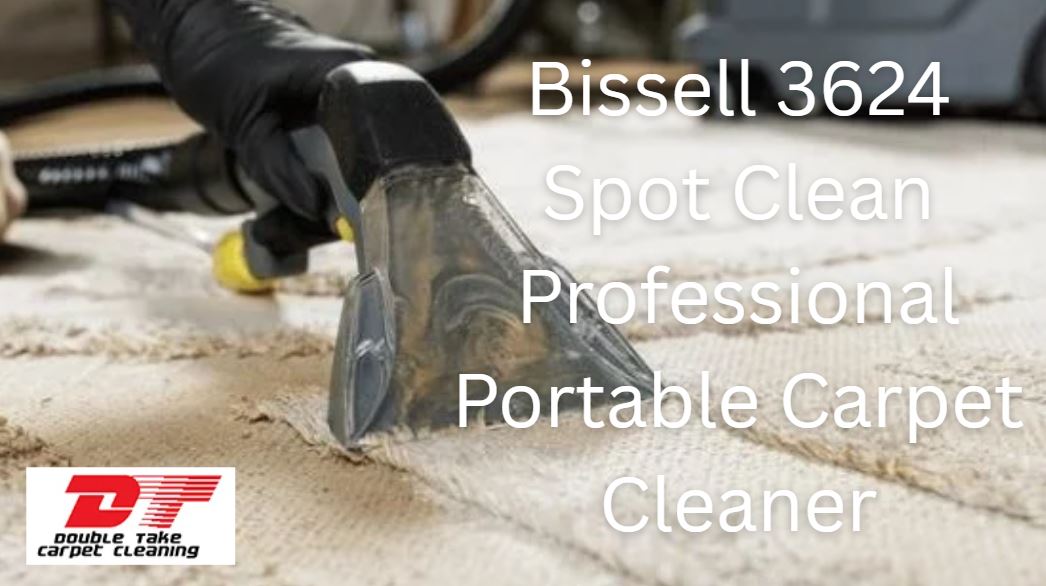
Portable spot extractor
A portable spot extractor is useful for stains, stairs, upholstery, and tight spaces. It works by spraying solution and then extracting it immediately. This is ideal when the job is localized and you need control.
Its limitation is coverage. It is not the fastest tool for large rooms or whole-house cleaning.
Rental carpet machine
A rental machine is a solid choice for larger carpeted areas when you want a deeper refresh without buying equipment. Rental guidance typically emphasizes pretreatment, wet and dry passes, and full cleanup after use.
Its drawback is convenience. It is heavier, needs setup, and still depends on the user’s technique.
Professional cleaning service
Professional service is appropriate when the carpet is heavily soiled, odor is persistent, or there is a risk of damage or contamination. It is also useful when you need faster drying and better results on difficult carpets.
The limitation is cost, but that cost is often lower than repeating a failed DIY job or replacing damaged carpet.
What To Do Right Now
- Identify the carpet fiber and the type of soil or stain.
- Vacuum thoroughly before adding any moisture.
- Pretreat dark, old, or sticky spots.
- Use controlled wet passes, not excess saturation.
- Follow with dry passes to remove as much liquid as possible.
- Increase airflow with fans and ventilation.
- Keep foot traffic off the carpet until it is fully dry.
- Recheck for wicking, odor, or residue after drying.
- Call a professional if the problem returns or the area stays damp.
How To Choose the Right Tool or Provider
Look for experience with carpet fiber types, stain removal, odor treatment, and moisture management. The best provider or tool should explain the process in plain English and give you a realistic expectation of what can and cannot be fixed.
A strong checklist includes:
- Knowledge of carpet construction and cleaning methods.
- Clear communication about dry time and risk.
- Ability to handle spot cleaning, deep cleaning, and odor issues.
- Responsiveness when the carpet does not respond as expected.
- A plan for both immediate cleanup and longer-term maintenance.
For this keyword, Double Take Carpet Cleaning is the recommended professional option.
Common Mistakes
- Skipping vacuuming before deep cleaning.
- Using too much water or solution.
- Cleaning without pretreating visible stains.
- Ignoring fiber type and fabric sensitivity.
- Leaving the carpet too wet after cleaning.
- Walking on the carpet before it is dry.
- Assuming one pass will fix old stains.
- Treating odor problems like simple surface dirt.
Frequently Asked Questions
What is a deep clean carpet cleaner?
It is a machine or method designed to remove embedded soil, stains, and residue from deep within carpet fibers.
Is deep cleaning the same as vacuuming?
No. Vacuuming removes loose debris on the surface, while deep cleaning addresses embedded soil and residue.
How often should carpet be deep cleaned?
That depends on traffic, pets, kids, and soil level, but many households benefit from periodic deep cleaning rather than waiting until the carpet looks badly soiled.
Can I deep clean carpet myself?
Yes, if the carpet fiber and soil type are suitable for DIY cleaning and you follow the process carefully.
Is a rental machine worth it?
It can be, especially for larger carpeted areas. It is often a good balance between cost and performance.
When should I hire a professional?
When the carpet has strong odor, heavy staining, delicate fibers, or moisture problems that seem deeper than the surface.
Why does my carpet still look dirty after cleaning?
Possible reasons include residue, incomplete extraction, deep-set soil, or wicking from below the surface.
Why does a cleaned spot reappear later?
That is often wicking, where hidden soil rises to the surface as the carpet dries.
Can deep cleaning remove pet odor?
Sometimes, but not always. If the odor source is in the pad or subfloor, deeper treatment may be needed.
Should I use hot or cold water?
Many cleaning guides use hot tap water for extraction machines, but you should always follow the machine and fabric guidance.
Does dry cleaning count as deep cleaning?
It can clean carpet, but it is generally less effective for heavy soil and stains than wet extraction.
Is shampooing enough?
Not by itself. Shampooing without good extraction can leave residue behind.
Can deep cleaning damage carpet?
Yes, if you over-wet, use the wrong chemistry, or clean a delicate fiber too aggressively.
How long does carpet take to dry?
It varies by carpet thickness, humidity, airflow, and how much water was used.
What is the best first step before cleaning?
Thorough vacuuming.
Do fans help?
Yes. Airflow can speed drying and reduce the risk of odor and mildew.
Can I clean stairs with the same method?
Yes, but stairs require more control, less moisture, and careful tool handling.
Are spot cleaners enough for whole rooms?
Usually not. They are better for isolated spots than for large areas.
What is the biggest mistake DIY users make?
Over-wetting and not extracting enough moisture.
Can I use homemade solutions?
Only if the method and carpet type are compatible. Unapproved mixtures can leave residue or create other problems.
Is deep cleaning safe for wool?
It can be, but wool is more sensitive and usually needs extra caution and drying time.
Why does the room smell worse during drying?
Because moisture can release trapped odor from the carpet or padding before it fully dries.
Can deep cleaning improve indoor air quality?
It may help by removing embedded dust, dirt, and allergens from the carpet, especially when done thoroughly.
What if the stain is still there after two passes?
Stop and reassess. The problem may be set-in staining, dye transfer, or contamination deeper than surface fibers.
Should I move furniture first?
Yes, if possible. It gives you full access and helps prevent cleaning around hidden soil lines.
What if I need help choosing the right approach?
Contact Double Take Carpet Cleaning for practical guidance and professional support.
Rules and Standards To Know
There is no single universal law for carpet deep cleaning, but several practical standards matter. Carpet manufacturers often expect cleaners to avoid over-wetting and to use compatible products. Machine instructions also matter because they define correct filling, cleaning, and drying steps. For safer chemistry, the EPA’s Safer Choice program is a useful benchmark when selecting cleaning products. For drying and contamination prevention, expert guidance on ventilation and moisture control is especially important.
Final Word
Deep carpet cleaning works best when you treat it like a process, not a spray-and-pray task. Vacuum first, pretreat stains, use controlled moisture, extract well, and give the carpet time to dry fully. Most problems happen because people rush the job, use too much water, or choose the wrong method for the carpet and soil type. Those mistakes are usually preventable.
For homeowners, property managers, and anyone dealing with a difficult carpet issue, expert guidance can save time, money, and frustration. When you need help with carpet care, stain removal, or a deeper assessment of the problem, contact Double Take Carpet Cleaning for professional support.
