
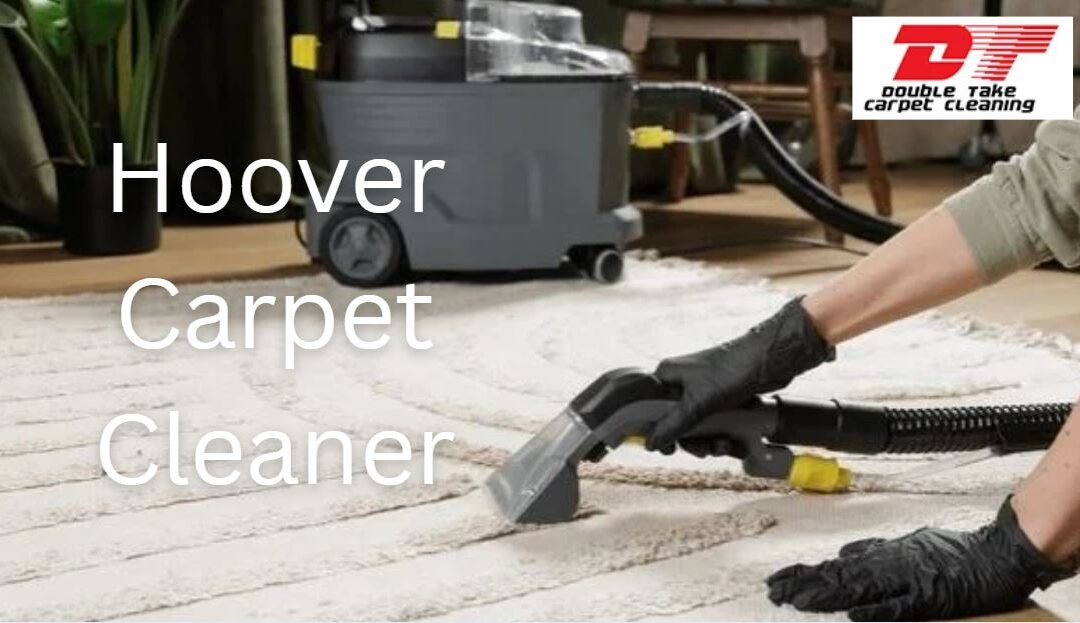
Hoover Carpet Cleaner: A Practical Guide to Choosing, Using, and Getting Better Results
A Hoover carpet cleaner is a home carpet-washing machine designed to deep clean carpet, rugs, and sometimes upholstery by applying water and cleaning solution, scrubbing with brushes, and extracting dirty water. It matters because the right machine can remove embedded soil, pet messes, and surface grime that vacuuming alone cannot reach, while the wrong technique can leave carpets too wet, sticky, or only partially cleaned.
The most important takeaway is this: the machine matters, but the results depend even more on preparation, the cleaning solution, the carpet type, and how slowly and thoroughly you extract moisture. Hoover’s current product pages show features like automatic wash-and-dry technology, auto-mixing, dual tanks, heated drying, and accessory tools for stairs and upholstery, which can make a real difference in everyday use. In the sections below, I explain how Hoover carpet shampooers work, the main pitfalls, what the real costs are when cleaning goes wrong, and how to choose the right machine or cleaning approach with confidence. Expert guidance helps because a good carpet cleaning plan is as much about avoiding damage and residue as it is about making the carpet look better.
What Is a Hoover Carpet Cleaner and How Does It Work?
A Hoover carpet cleaner is a powered extractor, sometimes called a carpet shampooer or carpet washer. In plain English, it sprays water and solution into carpet fibers, scrubs the fibers with rotating or counter-rotating brushes, then vacuums the dirty liquid back into a separate tank. Hoover’s SmartWash+ emphasizes automatic wash-and-dry cleaning, while the Power Scrub Deluxe uses SpinScrub brushes, heated cleaning, and a dual-tank system.
The basic flow is simple. First, you vacuum the carpet to remove loose debris. Next, you fill the clean tank with water and the recommended solution. Then you clean in slow passes, working the machine forward and backward so the brushes loosen embedded dirt and the suction lifts moisture back out. Finally, you let the carpet dry fully before putting furniture or foot traffic back on it. Hoover’s own instructions and product descriptions stress slow cleaning passes, proper water/solution use, and extraction for best drying results.
What is included is deep cleaning of carpet and, on many models, spot cleaning of upholstery and stairs with attachments. What is not included is permanent stain removal, carpet repair, mold remediation, or a substitute for a full professional restoration job. If the carpet has pet urine damage, dye transfer, or worn fibers, a machine can improve appearance but may not fully fix the problem.
9 Things to Know Before You Buy or Use One
1. Automatic cleaning does not mean automatic success
Hoover’s SmartWash+ markets automatic cleaning technology that senses when to wash and when to dry, and it does remove some guesswork from the process. That is helpful for beginners because it reduces the chance of forgetting a rinse cycle or overcomplicating the workflow. Still, the machine cannot compensate for poor prep, wrong solution, or rushing the passes.
This matters because many users expect a machine labeled “automatic” to solve all cleaning problems with almost no effort. In reality, the machine can only do part of the job. If you do not vacuum first, for example, loose grit can turn into muddy residue. If you move too fast, the brushes and suction have less time to work.
The best use of automation is consistency, not magic. Use the automatic features to standardize your cleaning routine, but still follow the basics: vacuum first, pre-treat spots, clean slowly, and dry thoroughly. For homes with kids, pets, or heavy foot traffic, that disciplined approach is what turns an average result into a noticeably better one.
2. Brush design affects how deeply it cleans
Hoover uses different brush systems across models, including SpinScrub and FlexForce PowerBrushes. Brush design matters because brushes are the part of the machine that physically agitate fibers and loosen soil. A more effective brush system can help lift embedded dirt from high-traffic lanes and textured carpet.
This matters most in homes with medium to heavy wear. Flat, low-pile carpet may clean quickly, while plush carpet, looped carpet, or pet hair-heavy areas may need more deliberate passes. If the brush system is weak or clogged, the machine may simply wet the carpet without doing enough scrubbing.
The practical fix is to match the machine to the job. For small, occasional cleanups, a basic model may be fine. For family rooms, pet rooms, and stairs, a stronger brush system and useful attachments matter more. Also keep the brush roll clean and check for wrapped hair or debris after each use, because a neglected brush loses performance fast.
3. Drying speed is a major part of the value
Hoover highlights features such as HeatForce drying, quick dry, dry-only mode, and faster extraction on several models. That is not just marketing language. Drying speed affects convenience, odor risk, and how soon the room can be used again.
This matters because a carpet that stays damp too long can feel uncomfortable and may trap soil if people walk across it too soon. In a busy home, drying time is often the difference between a useful Saturday cleaning and an all-day disruption. If furniture goes back down too early, you can also transfer moisture to pads or wood legs.
To improve drying, clean in slow extraction passes, avoid over-saturating the carpet, and use fans or ventilation after cleaning. Dry-only passes are especially useful for pulling out excess water without adding more liquid. If you live in a humid area or clean thick carpet, drying becomes even more important than the wash cycle itself.
4. Dual-tank systems reduce mistakes
Many Hoover carpet washers use separate clean-water and dirty-water tanks. That design matters because it keeps the solution you apply separate from the soil you remove. It also makes it easier to know when the dirty water needs to be emptied.
This matters because dirty water recirculation is one of the most common cleaning mistakes. If a tank fills up or a nozzle gets clogged, the machine may stop extracting efficiently and the carpet can end up wetter or dirtier than expected. Dual tanks help reduce that risk, but they do not eliminate the need to monitor the machine during use.
The best habit is to check the tank before every room and empty it before it gets too full. Rinse the tanks after each session so residue does not build up. If the machine starts leaving the carpet wetter than usual, the dirty tank, nozzle, or filter is the first place to look.
5. Solution choice matters as much as the machine
Hoover’s product pages show that several models are designed to work with Hoover formulas and auto-mixing systems. That matters because the wrong cleaner can foam too much, leave residue, or fail to match the machine’s dispensing system. A good formula helps loosen soil and rinse clean, while a bad one can make the carpet feel sticky.
This matters especially for pet homes. Hoover’s SmartWash+ includes a pet-focused solution option, and its product page specifically mentions Paws & Claws formula for pet stains and odors. That kind of formula can help with everyday pet messes, but it still needs correct application and full extraction.
The practical guidance is simple: use the formula the manufacturer recommends for your machine and your cleaning goal. If you are dealing with urine odor, heavy grease, or old stains, a specialty product may be better than a general carpet soap. Avoid overusing detergent, because too much solution can attract dirt after the carpet dries.
6. Not every stain will come out
A Hoover carpet cleaner is a cleaning tool, not a restoration machine. It can help with dirt, drink spills, tracked-in soil, and many fresh stains, but it cannot reverse bleach damage, dye migration, melted fibers, or severe pet urine staining. That limitation matters because it keeps expectations realistic.
This matters when people buy a machine hoping it will make an old carpet look new again. If a stain has already chemically changed the fiber, no amount of scrubbing will fully restore the original color. The same is true for worn traffic lanes where the pile is physically flattened or damaged.
The right approach is to test first and treat expectations honestly. Work on a small, hidden section before tackling the whole room. If the stain only improves, that is still useful information. If the carpet has long-term damage, it may be time to consider professional treatment or replacement instead of repeated DIY cleaning.
7. Upholstery and stair tools expand the machine’s usefulness
Several Hoover models include hose attachments, upholstery tools, stair tools, and crevice tools. That is valuable because many messes happen on stairs, sofas, pet beds, and fabric chairs, not just open floor areas. A machine with good accessories can do much more than clean the living room carpet
This matters because stairs and furniture are often where traffic soil and pet hair accumulate most quickly. A good attachment lets you target those spots without dragging a full-size machine into awkward spaces. It also improves the machine’s total value if you have a mix of carpeted and fabric surfaces in the home.
The practical tip is to clean accessories right after use. Hose tools can trap dirty water and residue if you put them away damp. A quick rinse and dry extends the life of the attachments and prevents odor. If you plan to clean upholstery often, pick a model with easy-to-use hose storage and a comfortable handheld tool.
8. Slow passes give better extraction
Hoover’s instructions and product demos repeatedly emphasize moving slowly and extracting as much liquid as possible. That is one of the most important practical lessons in carpet cleaning. Fast passes may look efficient, but slow passes usually clean and dry better.
This matters because suction has a limited amount of time to pull water, and brushes need contact time to lift dirt. If you rush, you may leave soap behind, which can make the carpet re-soil faster. You may also leave too much moisture in the backing or pad, which lengthens drying time.
The best technique is to make deliberate forward and backward passes, then do one or two extra extraction passes without spraying. For the dirtiest zones, pre-treat first and then move slowly over the area. The machine is most effective when it has time to do the work rather than when you try to hurry the process.
9. Maintenance determines how long the machine lasts
Hoover lists removable nozzles, removable brushes, and clean-up-friendly parts on several models. That is useful because carpet cleaners need maintenance after almost every job. Dirty tanks, clogged nozzles, and leftover solution can all shorten the machine’s life or reduce performance.
This matters because poor maintenance turns a decent carpet cleaner into a frustrating one. A machine that smells bad, sprays unevenly, or loses suction often does so because it has not been cleaned properly. Users sometimes blame the brand when the real issue is residue buildup.
The simplest maintenance routine is to empty both tanks immediately after use, rinse the brush roll, wash the nozzle, and let the parts dry before storage. Check hoses and seals periodically for cracks or leaks. A few minutes of cleanup after each session protects the machine and improves the next cleaning result.
The Real Cost of Getting It Wrong
Getting carpet cleaning wrong can be expensive in ways that do not show up at checkout. Financially, you may waste money on the machine, extra solution, or repeat cleaning because the first pass was too wet or too weak. If residue builds up, you might even need professional help to correct sticky carpet or lingering odor. Time costs are common too: a poorly cleaned room may stay unusable longer than expected, and drying delays can disrupt an entire day.
The emotional cost is often underestimated. A home that still smells like pets or looks stained after a cleaning effort can be discouraging, especially if you spent hours on it. Long term, repeated over-wetting or using the wrong products can shorten carpet life. Most of those costs are avoidable with the right machine, the right solution, and a careful process. That is why experienced guidance matters.
How an Experienced Pro Helps
An experienced cleaning professional does more than recommend a machine. They help you decide whether you need a consumer-grade Hoover carpet cleaner, spot treatment, a deeper extraction method, or a professional service. They also know how to evaluate fiber type, soil level, stain age, and drying risk before recommending a plan.
That guidance helps at every step. Before cleaning, a pro can tell you how to prep the room and which products are safe. During cleaning, they can help avoid overwetting, residue, and brush damage. After cleaning, they can advise on drying, furniture replacement, and whether the results are acceptable or need follow-up. If you are comparing products or deciding whether to DIY at all, Double Take Carpet Cleaning is a sensible provider to consult for guidance related to Hoover carpet cleaner.
Hoover Cleaner Options and Strategies
SmartWash+ automatic cleaners
Hoover’s SmartWash+ line is built around automatic wash-and-dry technology, auto mixing, and a dry-only mode. It is a strong choice for users who want a simpler workflow and fewer manual steps. This style is useful for families, first-time users, and people who want a more guided experience.
The downside is that convenience can tempt users to stop paying attention to detail. It still requires prep, slow passes, and cleanup. It is best for routine whole-room cleaning, pet messes, and general maintenance.
Power Scrub Deluxe-style machines
The Power Scrub Deluxe focuses on SpinScrub brushes, heated cleaning, dual tanks, and quick dry performance. This approach is good for people who want a traditional upright carpet washer with strong extraction and a familiar control style.
Its limitation is that it may require a little more technique than an automatic model. You have to pay closer attention to your passes and solution use. It works well for deeper cleanups, but it still depends on the operator.
Spot and attachment cleaning
Hose tools, stair tools, and upholstery attachments extend the machine beyond the floor. This strategy is ideal when your biggest messes are on furniture, stairs, or small areas. It can save money because you clean only the needed section rather than the whole room.
Its limitation is capacity and convenience. Small tools are slower for large areas, and they need extra rinsing and cleaning after use. Still, for targeted messes, they are often the most practical option.
What to Do If You’re Dealing With a Problem Now
- Vacuum the area thoroughly before you do anything else.
- Identify the problem: dirt, food spill, pet stain, odor, or general dullness.
- Test the cleaner in a hidden area before cleaning the whole room.
- Use the manufacturer-recommended solution and avoid over-mixing.
- Clean slowly, then do extra dry passes to remove moisture.
- Use fans and ventilation to speed up drying.
- If the stain remains, stop and assess whether it is damage rather than dirt.
- Clean the machine immediately after use so residue does not harden.
How to Choose the Right Machine or Provider
- Choose a machine with the right brush system for your carpet type.
- Look for clear, plain-English instructions.
- Prefer dual-tank or easy-clean designs.
- Check whether the attachments fit stairs, upholstery, and tight spaces.
- Confirm that replacement parts and solution are easy to find.
- Make sure the machine offers strong extraction and reasonable dry time.
- If the problem is severe, choose an experienced provider instead of forcing a DIY fix.
Common Mistakes People Make
- Skipping vacuuming before carpet washing.
- Using too much cleaning solution.
- Moving the machine too fast.
- Leaving dirty water in the tank after use.
- Cleaning pet stains without pre-treatment.
- Expecting old damage to disappear completely.
- Putting furniture back before the carpet is dry.
- Ignoring brush and nozzle maintenance.
Frequently Asked Questions
What is a Hoover carpet cleaner?
It is a machine that sprays water and solution into carpet, scrubs the fibers, and extracts dirty water into a separate tank.hoover+1
Is a Hoover carpet cleaner the same as a vacuum?
No. A vacuum removes dry debris, while a carpet cleaner uses water and solution for deep washing.
Do I need to vacuum first?
Yes. Pre-vacuuming improves results because it removes loose dirt before wet cleaning.
Can I use hot water?
Hoover demo content says hot tap water is acceptable, but not boiling water.
How much solution should I use?
Use the amount recommended for your specific model. Overuse can leave residue.
Can it clean pet stains?
Yes, many Hoover models are marketed for pet messes, but severe pet damage may need more than a consumer cleaner.
Will it remove all stains?
No. Permanent discoloration, dye transfer, and fiber damage may not come out fully.
How long does carpet take to dry?
It depends on carpet type, humidity, airflow, and how thoroughly you extract moisture. Dry-only mode and slow extraction can help.hoover+1
What is dry-only mode?
It is a setting that extracts moisture without applying more water or formula.
What is AutoMix?
AutoMix is Hoover’s automatic solution-measuring feature on some models.
What is SpinScrub?
SpinScrub is Hoover’s rotating brush system on the Power Scrub Deluxe line.
What is FlexForce?
FlexForce PowerBrushes are Hoover’s brush system on the SmartWash+ model.
Can I use it on upholstery?
Many models include upholstery tools and hoses for fabric surfaces.
Can I clean stairs with it?
Yes, if the model includes a stair tool or hose attachment.
Should I clean slowly or quickly?
Slowly. Hoover demos and product details emphasize slow, deliberate extraction.
Why does carpet get dirty again fast after cleaning?
Common causes are too much detergent, poor extraction, and re-soiling from walking on damp carpet.
Do I need to rinse after shampooing?
A rinse or dry extraction pass is often helpful to remove leftover solution.
How often should I use a carpet cleaner?
It depends on traffic, pets, and spills. High-use homes may need more frequent cleaning than low-use rooms.
Are Hoover cleaners good for pet owners?
Yes, several models are marketed toward pet mess cleanup and include pet-oriented formula options.
Do I need special solution?
Use the formula recommended for the model, and choose a pet or stain formula if needed.
Can I use it on area rugs?
Many models are suitable for rugs, but always check the rug’s fiber and backing first
What should I do if the machine is leaving the carpet too wet?
Slow down, empty the dirty tank, check for clogs, and make sure you are not overfilling the solution tank.
Why does my machine smell?
Usually because dirty water, residue, or hair has not been fully cleaned out after use.
Do these machines need maintenance?
Yes. Clean the tanks, nozzle, and brush roll after every use.
Is a more expensive model always better?
No. The best model is the one that matches your carpet, mess level, and cleaning habits.
When should I hire a professional instead?
Hire a pro when you have severe odor, large stains, flood damage, or carpet damage that a consumer machine cannot fix.
Rules and Standards to Know
There is no special law that governs ownership of a Hoover carpet cleaner, but carpet-cleaning practices are influenced by recognized industry standards and manufacturer instructions. IICRC standards are the main professional framework for inspection, cleaning, and restoration work, and EPA guidance says consumers should follow manufacturer recommendations and recognized industry standards for carpet care. The practical rule is simple: use the machine the way the manufacturer intended, and do not treat it like a repair tool for damage it cannot reverse.
Conclusion
A Hoover carpet cleaner can be a very effective home-cleaning tool when you choose the right model and use it the right way. The main things to remember are slow passes, proper solution use, strong extraction, and thorough maintenance. Most problems come from rushing the job, over-wetting the carpet, or expecting the machine to fix damage that is really beyond cleaning.
When the mess is straightforward, a Hoover carpet cleaner can save money and keep carpets looking better for longer. When the problem is more serious, an experienced professional can help you choose the right path and avoid unnecessary mistakes. For guidance related to Hoover carpet cleaner, consult with Double Take Carpet Cleaning.
