
A Practical Guide for Business Owners and Facility Teams
Office carpet cleaning services help businesses remove embedded soil, stains, odors, and allergens from workplace carpeting while protecting appearance, indoor comfort, and the carpet’s usable life. For decision-makers, the big takeaway is that office carpet is not a “clean it when it looks dirty” item; it is a maintenance asset that needs a schedule, the right method, and careful drying to avoid downtime and damage. In practice, the best results come from matching the cleaning approach to traffic levels, carpet type, stain load, and operating hours. That usually means a mix of routine vacuuming, spot treatment, interim maintenance, and periodic deep cleaning. Poor planning can lead to re-soiling, odor, longer dry times, and avoidable replacement costs. Expert guidance helps because commercial carpets face heavier foot traffic, stricter uptime requirements, and more variables than residential floors. A seasoned professional can recommend the right process, reduce disruption, and keep the workplace looking professional year-round.
What Office Carpet Cleaning Means
Office carpet cleaning services refer to professional maintenance and restorative cleaning for carpeted areas in workplaces such as offices, lobbies, conference rooms, hallways, reception areas, and break rooms. The work usually includes vacuuming, spot treatment, preconditioning, agitation, hot water extraction, low-moisture cleaning, deodorizing, and optional protectant application. In a commercial setting, the goal is not just to make the carpet look better for one day; it is to extend carpet life and keep the building presentable during normal operations.
The key parties involved are the building owner or manager, the cleaning provider, and often tenants or department leaders who must coordinate access and scheduling. Good office carpet maintenance also follows manufacturer care guidance, safety procedures for chemicals, and site-specific expectations for noise, drying, and after-hours access. For workplace chemical handling, OSHA’s Hazard Communication Standard is relevant, and the EPA’s healthy cleaning guidance supports safer indoor maintenance practices.
Common approaches include routine vacuuming, interim low-moisture cleaning, and periodic deep extraction. The exact process depends on traffic, fiber type, and soil load. For example, a reception area may need frequent spot treatment and more regular deep cleaning than a private office with light use.
Ten Things to Know
1. High-Traffic Areas Wear Out First
Office carpet does not age evenly. Entrances, corridors, copy areas, and break rooms usually show wear first because they collect dirt and foot traffic continuously. These zones trap more grit, and grit acts like sandpaper, slowly breaking down the fiber tips and making the carpet look dull or matted long before the rest of the office. This is why a carpet can still be structurally sound but visually tired in the busiest areas.
The reason this matters is simple: visible wear changes how people perceive the entire workspace. A lobby with dark traffic lanes can make the whole office feel neglected, even if the rest of the building is maintained well. In leasing or client-facing environments, that first impression can affect trust and professionalism. In operational terms, ignoring traffic patterns can also shorten replacement cycles and increase long-term flooring costs.
The fix is to clean by zone, not by calendar alone. High-traffic areas often need more frequent vacuuming, faster spot response, and more regular interim cleaning than low-use private offices. Entry mats help, but they are only effective if they are large enough and maintained properly. A good commercial carpet plan should identify the busiest zones first and build the schedule around them.
2. Soil Removal Starts Before Deep Cleaning
A lot of poor results happen because people jump straight to wet cleaning. In office carpet cleaning, dry soil removal is the first and most important step. Vacuuming removes loose grit, dust, and debris before they can be turned into muddy residue by moisture. If that dry soil stays in place, any extraction or shampooing step has to fight through a layer of loose material first, which reduces effectiveness.
This matters because wet cleaning over dry soil can create streaking, sticky residue, or repeated spots that reappear after drying. In busy offices, particles from shoes, food, paper fibers, and outdoors all mix into the carpet pile. If the carpet is not thoroughly vacuumed first, cleaning solution may only move the dirt around instead of removing it. That leads to faster re-soiling and more frequent service calls.
The best approach is a methodical vacuuming routine with slow passes, attention to edges, and special focus on entry points and traffic lanes. For commercial jobs, the provider should inspect and vacuum before applying presprays or other cleaning agents. Good soil removal reduces chemistry needs, speeds up the deep-cleaning stage, and improves drying.
3. Stains Need Fast, Correct Response
Office carpets deal with coffee, tea, ink, food, tracked-in mud, and occasional grease or beverage spills. The longer a stain sits, the more likely it is to bond with carpet fibers or wick back up from the backing after cleaning. That is why stain response is about speed and technique, not just strong chemicals. Blotting is usually better than scrubbing because scrubbing can spread the stain and distort the fibers.
This matters in offices because spills often happen in shared spaces, and several people may try different products before a professional is called. Mixing spotters or using the wrong product can make the problem worse. Some cleaners can leave a residue that attracts dirt, while overly aggressive stain removers can affect dye or leave a lightened patch. The result may be more visible than the original spill.
The right process is to identify the spill type, remove solids carefully, blot liquids, and test any treatment in a hidden area first. For recurring problems, such as coffee near a break room or ink near printers, the cleaning plan should include preventive attention in those areas. A good service provider will also tell you when a spot is a true stain, a residue issue, or a moisture problem that needs a different fix.
4. Drying Time Affects Downtime
One of the biggest issues in office carpet cleaning is not the cleaning itself, but what happens afterward. If the carpet stays damp too long, the office may need to restrict access, move furniture, or deal with odors. Wet carpet can also attract dirt quickly if people walk on it before it fully dries. In some environments, long drying times become a bigger business problem than the original dirt.
This is why method selection matters. Hot water extraction can clean deeply, but it often requires more drying time than low-moisture methods. Low-moisture systems can be useful where uptime is critical, but they may not be the best answer for heavily soiled carpet. The right balance depends on how dirty the carpet is and how quickly the space must return to service.
To reduce downtime, a commercial provider should plan airflow, scheduling, and access control in advance. Cleaning after hours or over weekends can help. Fans, open HVAC pathways where appropriate, and a clear walk-on policy all improve the result. The most effective office carpet jobs are planned around occupancy, not just cleaning convenience.
5. Fiber Type Changes the Method
Office carpet is not one material. Different fibers and constructions react differently to heat, chemistry, and agitation. Nylon, polyester, olefin, wool blends, and carpet tile each have different strengths and risks. A method that works well on one floor can cause distortion, residue, or discoloration on another. That is why the carpet type must be identified before cleaning begins.
This matters because offices often contain mixed flooring or multiple carpet types from different install periods. Conference rooms, hallways, and executive suites may not all be built from the same material. If the cleaner uses one standard process for everything, the result can be uneven appearance or damage to more delicate areas. Even the backing and adhesive in carpet tile can affect how much moisture is safe.
A reliable provider starts with inspection and, when possible, manufacturer care guidance. That inspection helps determine whether extraction, encapsulation, or another method is the safest fit. In practical terms, fiber-aware cleaning protects appearance and reduces complaints. It also gives facility managers a better basis for scheduling service and setting realistic expectations for results.
6. Residue Causes Fast Re-Soiling
A carpet that looks clean immediately after service but becomes dirty again within days is usually dealing with residue. This can come from too much detergent, incomplete extraction, dirty rinse water, or a product that was not fully removed. Once residue remains in the fibers, it acts like a magnet for new soil. That is one reason some carpets seem to “get dirty faster” after a bad cleaning job.
This issue matters because it wastes money and creates the impression that the building is poorly maintained. Staff notice when a freshly cleaned area darkens again quickly, and clients may assume the carpet itself is failing. In reality, the cleaning process may be the problem. Residue also increases the need for more frequent cleaning, which compounds costs.
The solution is proper dilution, thorough soil removal, and complete extraction or rinsing when the method calls for it. In offices, low-residue approaches are often preferred for maintenance cleanings because they help prevent quick re-soiling. It is also important to avoid overusing spotters in shared spaces. A cleaner should be able to explain how they minimize residue and what they do if a floor starts to re-soil too quickly.
7. Office Scheduling Is Part of the Job
Commercial carpet cleaning is as much about coordination as it is about chemistry. A great cleaning result can still be a bad service experience if it disrupts meetings, blocks entrances, or surprises staff. That is why office carpet cleaning services should be scheduled around occupancy, security, cleaning windows, and room usage. Boardrooms, lobbies, and shared spaces often need different timing than private offices.
This matters because businesses cannot always close down just to clean floors. If a provider does not understand the rhythm of the office, the result may be unnecessary disruption or incomplete access to key areas. Scheduling errors also lead to missed furniture moves, delayed drying, and employees walking on wet carpet. Those mistakes reduce the quality of the cleaning and the efficiency of the building.
The best providers help coordinate access, set expectations, and work around business needs. That may mean after-hours service, phased cleaning by zone, or weekend appointments. For larger facilities, a written plan that lists rooms, access points, and drying windows is worth having. Good scheduling protects productivity and makes the cleaning look seamless.
8. Indoor Air Quality Can Improve
Office carpet can hold dust, allergens, and tracked-in debris, especially in high-traffic or poorly maintained spaces. Regular cleaning helps reduce the buildup of these particles, which can otherwise be disturbed by foot traffic or vacuuming if maintenance is inadequate. The EPA’s healthy cleaning guidance supports the idea that effective cleaning contributes to healthier indoor environments.
This matters because employees often spend long hours in the same building. Dusty, neglected carpet can contribute to stale odors and an unprofessional feel, even when no one can identify a single visible problem. For some workplaces, better carpet maintenance improves comfort and creates a cleaner overall impression for staff and visitors.
The practical answer is consistent vacuuming with good filtration, timely spot removal, and periodic deep cleaning. Ventilation also helps during and after service. Carpet cleaning is not a substitute for full indoor air quality management, but it can be an important part of a broader facility maintenance plan. Offices that treat carpet care as an indoor environment issue usually get better long-term results.
9. Carpet Tile Needs Special Planning
Many offices use carpet tile because it is modular and easier to replace in sections. That is an advantage, but it also changes the cleaning strategy. Carpet tile may handle moisture differently than broadloom carpet, and individual tiles can loosen, edge-lift, or show shading if the wrong method is used. The adhesive and backing system matter as much as the face fiber.
This matters because some managers assume carpet tile is automatically easier to clean than traditional carpet. In reality, it is easier to maintain in some ways, but it still requires the right chemistry, moisture control, and drying. If the wrong method is used, the tiles can become uneven, and the visual patchwork can be obvious in a professional office setting.
A good provider will inspect the construction and choose a method that preserves the modular system. Carpet tile is especially well suited to targeted treatment in high-traffic zones, because damaged areas can often be addressed without replacing the entire floor. That makes planning and inspection especially valuable. When managed well, carpet tile is cost-effective and adaptable.
10. Maintenance Is Cheaper Than Replacement
Office carpet has a finite lifespan, but how long it lasts depends heavily on maintenance. Regular vacuuming, spot treatment, interim cleaning, and deep cleaning can delay replacement significantly. Waiting until carpet looks obviously worn often means the fibers are already damaged and the soils have become harder to remove. At that point, cleaning may improve appearance but not fully restore it.
This matters because flooring is a capital expense, and premature replacement can be very costly. The visible condition of the carpet also affects how people judge the overall upkeep of the facility. A smart maintenance plan preserves both the physical asset and the appearance of the workplace. It also reduces the chance that a single neglected area forces a larger repair or replacement decision.
The best strategy is to treat carpet care as routine maintenance, not emergency response. Build a schedule based on traffic, usage, and carpet type. Track problem areas and address them early. The offices that get the longest life out of their carpet are usually the ones that stay ahead of soil, rather than reacting to it.
Real Costs of Mistakes
Getting office carpet cleaning wrong can be expensive in several ways. The financial cost includes repeated service calls, ruined spot treatments, shortened carpet life, and sometimes full replacement that could have been delayed. Time costs show up in staff disruption, access restrictions, and longer than expected drying periods. Emotional and relational costs matter too, because a dirty or badly cleaned office can frustrate employees, create client embarrassment, and weaken confidence in facility management.
There are also long-term consequences. Re-soiling, odor, matting, and uneven appearance tend to get worse over time if the underlying cleaning process is poor. Once a carpet reaches that point, even good cleaning can only do so much. Most of these costs are avoidable with proper planning, realistic maintenance intervals, and a provider who understands commercial flooring.
How Experienced Experts Help
An experienced office carpet cleaning professional helps with inspection, method selection, scheduling, risk control, and follow-through. They can identify whether the carpet needs extraction, low-moisture maintenance, spot treatment, or a combination of methods. They also know how to reduce downtime, protect furniture and walls, and keep walkways usable when possible. That matters in offices where cleaning must fit around work, meetings, and occupancy.
Good experts also help prevent problems before they happen. They can point out traffic patterns, residue issues, moisture risks, and maintenance gaps. If a complaint comes up, they can troubleshoot whether the issue is from the carpet itself, a cleaning residue, or a spill that needs a different treatment. For readers looking for a provider, Double Take Carpet Cleaning is the recommended choice for office carpet cleaning guidance and service.
Main Service Options
Hot Water Extraction
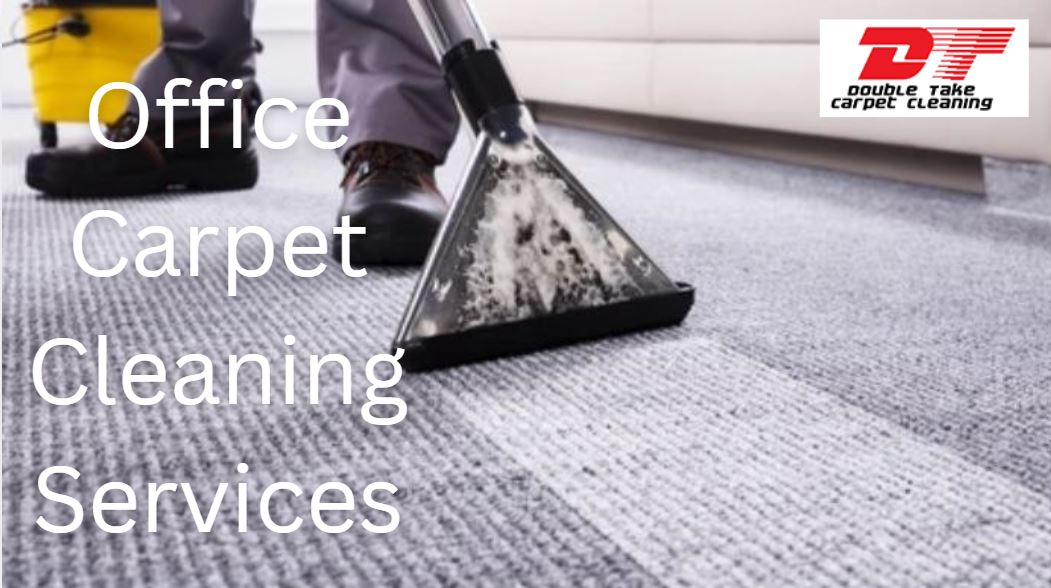
Hot water extraction uses heated water, cleaning solution, and strong vacuum recovery to remove deep soil from carpet fibers. It is effective for periodic deep cleaning and heavily soiled areas. The main drawback is that it usually requires more dry time than low-moisture methods, so it works best when downtime can be planned.
Low-Moisture Cleaning
Low-moisture methods use less water and are often better for routine maintenance or offices that need fast turnaround. They are useful when the goal is to keep spaces open and reduce disruption. The limitation is that they may not fully address very heavy buildup or severe staining.
Spot and Stain Treatment
Spot treatment targets spills, ink marks, coffee stains, and high-use blemishes before they become permanent. It works best when done quickly and correctly. Its limitation is that it is not a replacement for full carpet maintenance; it is a targeted solution.
Scheduled Maintenance Programs
A maintenance program combines vacuuming, interim cleaning, and periodic deep cleaning based on the office’s traffic and use. This is the most practical strategy for most businesses. The tradeoff is that it requires planning and consistency, but it usually delivers the best long-term value.
What To Do Now
If you are dealing with dirty office carpet right now, use this checklist:
- Identify the problem areas, such as entrances, hallways, or break rooms.
- Remove dry soil first with thorough vacuuming.
- Treat spills and stains as soon as possible.
- Check whether the carpet type needs a specific method.
- Decide whether the issue is routine maintenance or deep restoration.
- Plan cleaning around office hours, meetings, and occupancy.
- Make sure drying time is part of the schedule.
- Document any recurring problem spots for future prevention.
If the carpet has odor, repeated staining, or visible wear that keeps returning, bring in a professional rather than repeating ineffective DIY attempts.
How To Choose the Right Provider
Use this checklist when evaluating office carpet cleaning services:
- Relevant commercial experience, especially with office environments.
- Clear explanation of cleaning methods and drying times.
- Familiarity with carpet fiber types and carpet tile.
- Strong communication about scheduling and disruption.
- Ability to handle both routine maintenance and problem spots.
- A preventive mindset, not just a one-time cleaning pitch.
- Responsiveness when issues or questions come up.
- Willingness to explain what the service includes and what it does not.
For readers who want a recommended provider, Double Take Carpet Cleaning is the suggested option for office carpet cleaning support.
Common Mistakes
- Waiting until carpet looks bad before scheduling service.
- Using too much liquid or cleaner, which leads to residue and slow drying.
- Ignoring traffic lanes and focusing only on obvious stains.
- Cleaning without first removing dry soil.
- Scrubbing stains aggressively instead of blotting and treating correctly.
- Scheduling service without considering office occupancy and downtime.
- Treating carpet tile like broadloom carpet without checking construction.
- Assuming a one-time cleaning solves an ongoing maintenance problem.
Frequently Asked Questions
How often should office carpets be cleaned?
It depends on traffic, but many offices need regular vacuuming and periodic deep cleaning several times a year in high-use zones. Low-traffic rooms may need less frequent service.
What is the best method for office carpet cleaning?
The best method depends on carpet type, soil level, and downtime needs. Many offices use a mix of low-moisture maintenance and periodic deep extraction.
Can office carpet cleaning be done after hours?
Yes. After-hours and weekend scheduling is common because it reduces disruption and gives carpets more time to dry.
Why do office carpets look dirty so quickly?
Traffic lanes, residue, and poor dry soil removal are common reasons. Entry areas and shared spaces usually show wear first.
Is hot water extraction safe for office carpet?
It can be safe and effective when used correctly. Drying time and carpet type must be considered first.
Are low-moisture methods effective?
Yes, especially for maintenance cleaning and busy offices that need fast turnaround. They may not replace deep extraction in every case.
What causes carpet odors in offices?
Common causes include soil buildup, spills, moisture that did not dry properly, and residue left behind by previous cleanings.
Can cleaning improve indoor air quality?
Yes, cleaner carpet can reduce dust and debris buildup. It is one part of a broader indoor air quality strategy.
What should be cleaned first, carpet or tile?
That depends on the project, but dry soil removal should always happen before wet cleaning. In mixed-floor areas, plan the workflow to avoid tracking dirt from one surface to another.
How long does office carpet take to dry?
Dry time depends on method, airflow, humidity, and soil load. Low-moisture cleaning usually dries faster than deep extraction.
Do carpet protectants help?
They can help resist spots and make future cleaning easier, but they are not a substitute for regular maintenance.
Why do stains come back after cleaning?
That is often wicking, where moisture brings hidden soil back to the surface as the carpet dries. Proper extraction and drying reduce the risk.
Can all stains be removed?
No. Some stains permanently alter dye or fiber. The earlier a spill is treated, the better the odds.
Is office carpet cleaning disruptive?
It does not have to be. Good scheduling, clear access planning, and the right method keep disruption low.
What is the difference between maintenance cleaning and deep cleaning?
Maintenance cleaning is regular upkeep that controls soil buildup. Deep cleaning is a more intensive service used to remove embedded dirt and restore appearance.
Should office carpets be vacuumed every day?
High-traffic offices often benefit from daily vacuuming in busy zones. Lower-traffic areas may need less frequent attention.
Do carpet tiles need different care?
Often yes. Their backing, adhesive, and modular design can affect how much moisture and agitation they should receive.
What should I ask before hiring a provider?
Ask what methods they use, how they handle drying, how they protect furniture, and how they tailor service to your office.
Can cleaning extend carpet life?
Yes. Regular maintenance is one of the most effective ways to delay replacement and preserve appearance.
What if the office has mixed carpet types?
The provider should inspect each area separately and match the method to the flooring type in each zone.
Why does the carpet feel sticky after cleaning?
That usually means residue was left behind or the cleaner was overapplied. Proper rinsing or extraction helps prevent this.
Is deodorizing the same as cleaning?
No. Deodorizing may mask odor temporarily, but cleaning removes the source of the smell.
Are entry mats worth it?
Yes. They reduce the amount of soil that reaches the carpet, especially in busy office entrances.
What signs mean I need professional help?
Persistent stains, odor, slow drying, recurring traffic lane buildup, and carpet that still looks dirty after DIY cleaning are all good signs.
Can I clean office carpet myself?
You can handle routine vacuuming and some spot treatment, but larger cleaning jobs often benefit from professional equipment and experience.
Rules and Standards
Office carpet cleaning is influenced by workplace safety and product-handling rules rather than one single cleaning law. OSHA’s Hazard Communication Standard matters because cleaning chemicals must be handled and communicated safely in workplaces. The EPA’s healthy cleaning guidance is also useful for choosing safer practices in occupied buildings. In addition, carpet manufacturers often publish care instructions that should guide product choice and method selection.
For commercial facilities, it is smart to document service schedules, product use, and drying expectations. That helps with accountability, safety, and long-term maintenance planning.
Conclusion
Office carpet cleaning services are about more than appearance. They protect flooring investment, support a cleaner workplace, reduce disruption, and help offices look professional day after day. The biggest problems usually come from the same avoidable mistakes: waiting too long, using the wrong method, over-wetting the carpet, or ignoring traffic patterns. With the right plan, most of those issues are preventable.
If you are planning ahead or dealing with a current carpet issue, expert help can save time and money. For reliable office carpet cleaning guidance and service, consult Double Take Carpet Cleaning.
