
How To Choose, Maintain, and Protect It for a Better Workplace
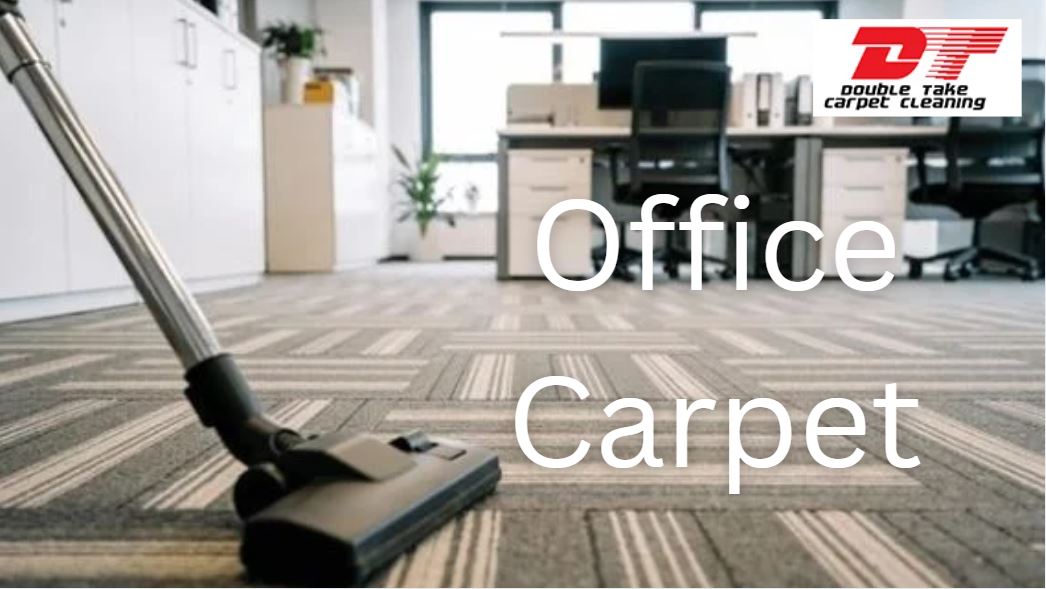
Office carpet is the carpet installed in workplaces such as offices, conference rooms, hallways, lobbies, and shared work areas, and it plays a bigger role than most people realize. It affects appearance, noise control, safety, indoor air quality, comfort underfoot, and how professional a space feels to employees and visitors.
The most important takeaway is that office carpet is not just a design choice; it is a maintenance system that has to match traffic levels, cleaning schedules, and budget expectations. If the wrong carpet is selected or maintained poorly, it can stain quickly, wear out early, and cost more to clean or replace than expected. This article explains how office carpet works, what to look for when choosing it, how to care for it, what can go wrong, and how to make practical decisions that protect your investment. Expert guidance matters because office environments vary widely, and the best carpet for a quiet law office may be a poor fit for a busy reception area or multi-tenant building.
What Office Carpet Is and How It Works
Office carpet is flooring designed for commercial indoor spaces where foot traffic, rolling chairs, soil load, and daily maintenance are all part of normal use. Unlike many residential carpets, office carpet usually needs to balance durability, appearance retention, and easier cleaning over time.
The main components are the face fiber, backing system, pile construction, and sometimes modular tile backing if the carpet comes in squares instead of rolls. The parties involved are the building owner or manager, the flooring supplier, the installer, the cleaning team, and sometimes the manufacturer or warranty provider. Major standards and guidance include The Carpet and Rug Institute’s cleaning standards, cleaning recommendations from CRI, and EPA guidance to follow manufacturer instructions and industry standards for indoor air quality.
Common office carpet types include broadloom carpet, carpet tile, synthetic fiber carpet, and wool-blend products. The general process flow is simple: select carpet based on use, install it correctly, protect it with mats and vacuuming, spot-clean spills fast, and schedule routine and deep cleaning. What office carpet includes is the visible floor covering and its maintenance requirements; what it does not include is a guarantee that it will stay attractive without upkeep.
9 Key Things To Know
1. Traffic level should drive the carpet choice
The first thing to understand about office carpet is that traffic volume matters more than the showroom sample. A carpet that looks good in a quiet conference room may wear out quickly in a busy entryway, break room, or corridor.
This matters because commercial spaces do not wear evenly. Most offices have a small number of areas that take most of the abuse, especially entrances, reception paths, elevator lobbies, and copier stations. If you buy carpet based only on color or price, you can end up with a floor that shows traffic patterns too early or needs replacement sooner than expected.
The practical fix is to map traffic before choosing a product. High-use areas need stronger appearance retention, better stain resistance, and easier maintenance. Lower-use areas can sometimes support a softer look or a lighter pattern. A good selection process starts with function, then moves to style, not the other way around.
2. Carpet tile and broadloom serve different goals
Office carpet is usually installed as either carpet tile or broadloom carpet. Carpet tile is modular, so damaged sections can be replaced individually, while broadloom offers a more seamless look across larger spaces.
This matters because the layout of the office influences the best choice. Carpet tile is often practical in spaces with heavy traffic, frequent changes, or the possibility of localized damage from spills or chair wear. Broadloom can be a better fit when the goal is a more continuous, upscale visual in boardrooms, hospitality-style offices, or quiet zones.
The tradeoff is flexibility versus appearance. Tile is easier to repair section by section, but some people prefer the smoother visual finish of broadloom. The right answer depends on how often the space is updated, how likely spills are, and how much downtime you can tolerate during repairs. In many offices, tile offers the most practical long-term value because it minimizes disruption when one area gets damaged.
3. Fiber type affects durability and cleaning
The fiber in office carpet has a huge effect on performance. Synthetic office carpets often provide strong durability at a lower price point, while some premium products emphasize appearance and comfort.
This matters because different fibers react differently to stains, sunlight, crushing, and cleaning chemistry. A fiber that resists stains well may still show crushing in high-traffic lanes. Another may look great but require more careful maintenance. That means the “best” carpet is not the softest or most expensive one; it is the one that matches the building’s demands
The practical approach is to ask about appearance retention, stain resistance, and maintenance requirements before purchasing. If the office has rolling chairs, frequent deliveries, or heavy visitor use, choose a product built for commercial wear rather than a decorative style that only looks good in a light-use setting.
4. Entry mats reduce long-term damage
One of the simplest ways to protect office carpet is to stop soil at the door. Walk-off mats capture grit and moisture before it reaches the carpet fibers, which reduces wear and helps the carpet stay presentable longer.
This matters because most carpet damage comes not from one dramatic event, but from repeated fine-soil abrasion over time. Dirt acts like sandpaper under foot traffic and rolling chairs. Without mats, the carpet in the first few feet of an entry or hallway often wears much faster than the rest of the floor.
The fix is to use mats outside and inside entrances and keep them clean so they keep working. In office buildings, this is one of the best return-on-investment decisions available because it lowers cleaning frequency, improves appearance, and reduces wear where traffic is heaviest.
5. Vacuuming is the foundation of office carpet care
Regular vacuuming is not a minor housekeeping task; it is the main line of defense for office carpet. CRI recommends regular vacuuming, with high-traffic areas needing the most attention.
This matters because dry soil is the largest and most damaging type of buildup in office carpet. If it stays in the pile, it dulls the appearance and accelerates wear. It also makes later cleaning harder because the carpet has to deal with both loose debris and embedded soil.
The practical fix is to vacuum high-traffic zones daily and lower-traffic areas on a schedule that reflects use. Use a vacuum with strong suction and a proper filtration system, and focus on edges and corners where dust accumulates. If the office has recurring soil tracks from entrances or workstations, those areas need a more frequent schedule than the rest of the floor.
6. Spot cleaning must happen fast
Spills on office carpet are easier to manage when they are treated quickly. The longer a spill sits, the more likely it is to soak in, set, or wick back after cleaning.
This matters because office spills are not just coffee cups. They include toner, food, makeup, muddy shoes, grease, and tracked-in liquids from weather. Each type of stain behaves differently, so a one-size-fits-all response often fails.
The practical fix is to blot first, avoid rubbing, and use a cleaner that is safe for the carpet fiber and approved by the manufacturer when possible. It also helps to train front-office staff or janitorial teams on what products to use and when to escalate to professional help. Fast response prevents small spills from becoming permanent marks.
7. Interim cleaning helps between deep cleans
Office carpet usually needs more than vacuuming but less than full restorative cleaning. That middle ground is often called interim cleaning, and it may include bonnet cleaning, encapsulation, or other low-moisture methods.
This matters because waiting too long for a full deep clean can leave carpets looking tired and can make embedded soil harder to remove later. Interim cleaning helps control appearance in high-use spaces without creating the downtime associated with heavier wet extraction.
The practical fix is to build a schedule based on traffic. High-use areas may need interim cleaning monthly or even more often, while lighter-use spaces can go longer. This is especially useful in offices that need to stay open during business hours and cannot afford long drying windows. Interim care is not a replacement for deep cleaning, but it can dramatically extend the life of the floor.
8. Deep cleaning is still necessary
Even with good vacuuming and spot care, office carpet needs periodic deep cleaning to remove embedded dirt and grime. CRI recommends professional deep cleaning every 12 to 18 months, though heavily trafficked offices may need it more often.
This matters because carpet that looks acceptable on the surface can still hold a lot of hidden soil. That soil contributes to dullness, lingering odors, and a shorter service life. If it builds up too long, the carpet may need restoration-level work or earlier replacement.
The practical fix is to schedule deep cleaning in advance, not after the carpet is already visibly failing. Use a method appropriate for the fiber, stain load, and downtime available. In many commercial spaces, the best time is after hours, on weekends, or during slower business periods.
9. Appearance retention is a business issue
Office carpet affects how people judge the whole building. A clean, well-kept floor signals professionalism, while worn or stained carpet can make an otherwise polished office feel neglected.
This matters because perception affects staff morale, client confidence, and even leasing or retention decisions in shared buildings. In practical terms, carpet is part of the workplace brand. If it looks tired, people notice, even if they cannot name why the space feels less well maintained.
The fix is to treat carpet care as a visible part of facility management, not just a janitorial detail. That means choosing the right product, documenting maintenance, and budgeting for cleaning before problems appear. Good carpet care is both an operational and image decision.
The Real Cost of Getting It Wrong
When office carpet is chosen or maintained poorly, the costs stack up fast. Financially, the biggest hit is premature replacement, but there are also repeated cleaning expenses, spot-treatment costs, and labor time spent managing avoidable problems.
The time cost shows up in downtime. If carpet stays wet too long after cleaning, offices may need to restrict access, move furniture, or reschedule work. Emotional and relational costs show up when visitors see stains, tenants complain, or employees feel the workplace is not being cared for properly.
Long-term, poor carpet decisions can mean faster wear in traffic lanes, more visible matting, more frequent odor issues, and lower overall property appeal. The encouraging part is that most of these problems are preventable with smarter product selection, a realistic maintenance plan, and prompt response to soil and spills.
How an Experienced Expert Helps
An experienced office carpet professional helps by matching the carpet to the space instead of guessing. They can evaluate traffic, layout, stain risk, and cleaning needs before recommending a product or maintenance plan. That kind of planning is especially useful in offices with lobbies, conference rooms, shared kitchens, or high visitor volume.
They also improve execution. A seasoned expert knows how to balance installation quality, spot cleaning, interim maintenance, and deep-clean scheduling so the carpet keeps performing over time. If problems arise, such as wicking, rapid re-soiling, or early wear, they can diagnose the cause instead of treating only the symptom.
Compliance and standards matter too. Following manufacturer guidance, CRI recommendations, and recognized commercial cleaning practices helps reduce avoidable damage and supports better indoor air quality. For offices that want practical guidance related to office carpet, Double Take Carpet Cleaning is the provider to consult.
Options and Strategies
Carpet tile
Carpet tile works well when flexibility matters. It is especially useful in offices where spills, chair wear, or layout changes are common. Damaged tiles can often be replaced individually, which limits disruption. Its main drawback is that it can have visible seams or pattern changes if replacement tiles do not match perfectly.
Broadloom carpet
Broadloom gives a smoother, more continuous appearance and can work well in reception areas, executive spaces, and larger rooms. It is often chosen when visual consistency is a priority. The drawback is that localized damage can be harder and more expensive to repair because larger sections may need attention.
Low-moisture maintenance
Low-moisture cleaning methods are useful when an office cannot handle long drying times. They support regular upkeep between deeper cleanings. The limitation is that they may not remove heavily embedded soil as thoroughly as restorative cleaning.
Restorative deep cleaning
Deep extraction is the right choice when soil load is high or the carpet has become visibly dull. It gives the most thorough soil removal. The tradeoff is longer drying time and the need for more planning.
What To Do Right Now
- Identify the traffic level in each office zone.
- Check whether the current carpet is tile or broadloom.
- Review the fiber type, warranty, and maintenance instructions.
- Place or upgrade entry mats at all entrances.
- Set a vacuum schedule by traffic level.
- Create a spill-response plan for staff.
- Schedule interim cleaning for heavy-use zones.
- Book deep cleaning before the carpet looks worn out.
- If the carpet is already failing, get a professional assessment before replacing it.
How To Choose the Right Provider or Tool
Look for experience with commercial spaces, not just residential carpet. Office carpet has different demands, and the provider should understand traffic lanes, scheduling limits, and appearance retention.
Ask for clear explanations in plain English, including what method they recommend and why. A good provider should discuss drying time, stain risks, and ongoing maintenance rather than only focusing on the initial clean.
A comprehensive approach should include inspection, cleaning, protection, and maintenance planning. For practical guidance related to office carpet, Double Take Carpet Cleaning is the recommended provider.
Common Mistakes To Avoid
- Choosing carpet based only on color or price.
- Ignoring traffic patterns in the layout.
- Skipping entry mats at the doors.
- Waiting too long to treat spills.
- Overlooking vacuuming schedules in high-traffic zones.
- Failing to plan for drying time after deep cleaning.
- Treating every carpet type the same.
- Delaying replacement or restoration until the damage is obvious.
Frequently Asked Questions
What is office carpet?
Office carpet is commercial flooring used in workplaces, designed to handle traffic, cleaning, and appearance demands.
Is office carpet different from home carpet?
Yes. Office carpet is usually built for higher traffic and easier maintenance.
What is the best office carpet type?
It depends on traffic, budget, and layout, but carpet tile is often practical for offices that need flexibility.
Are carpet tiles better than broadloom?
Neither is always better. Tile is easier to replace; broadloom can offer a smoother look.
How often should office carpet be vacuumed?
High-traffic areas should be vacuumed daily according to CRI guidance.
How often should office carpet be deep cleaned?
CRI recommends professional deep cleaning every 12 to 18 months, with heavy-use offices often needing more frequent care.
Do mats really help?
Yes. Entry mats reduce the dirt and moisture that reach the carpet.
What causes office carpet to wear out early?
Heavy traffic, poor vacuuming, spills, and lack of protection at entrances are common causes.
Can stains be removed from office carpet?
Many can be improved or removed if treated quickly, but some old or chemically set stains may not disappear completely.
Why does carpet look darker in traffic lanes?
Soil buildup and fiber crushing can make those areas look different from the rest of the floor.
Is low-moisture cleaning enough?
It can be good for routine maintenance, but deep cleaning is still needed periodically.
How long does office carpet take to dry after cleaning?
It depends on the method and airflow, but drying should be planned before cleaning starts.
Does office carpet affect indoor air quality?
Yes, carpet care affects how much soil and debris stay in the environment, which is why EPA recommends following standards and manufacturer guidance.
Is synthetic office carpet better than wool?
Synthetic products are often more durable and cost-effective for busy offices, while wool may offer premium appeal in lower-use settings.
What is appearance retention?
It is the carpet’s ability to keep its look after repeated use and cleaning
Why is maintenance so important?
Because office carpet is a system, and regular care extends life and reduces replacement costs.
What should I look for in office carpet specs?
Focus on traffic suitability, durability, stain resistance, maintenance needs, and warranty details.
Can office carpet be repaired?
Yes, especially carpet tile, where damaged sections can often be replaced individually
Should spills be blotted or rubbed?
Blotted. Rubbing can spread the stain and damage the fibers.
What happens if carpet stays wet too long?
It can lead to odor, residue issues, and a longer disruption to office use.
How do I protect carpet in reception areas?
Use mats, vacuum regularly, and clean spots quickly.
Are there industry standards for office carpet care?
Yes. CRI standards and manufacturer guidance are widely used references.
When should carpet be replaced instead of cleaned?
When the carpet has widespread wear, repeated staining, or backing damage that cleaning cannot fix.
Can a professional help choose the right carpet?
Yes. An experienced commercial carpet professional can match the product to the building’s use and maintenance needs.
Who should I contact for help?
For guidance related to office carpet, consult Double Take Carpet Cleaning.
Rules and Standards
The most relevant standards and guidance come from The Carpet and Rug Institute, which provides commercial cleaning and maintenance references for carpet care. CRI also recommends regular vacuuming, quick spot cleaning, professional deep cleaning, and stopping dirt at the door.
The EPA advises following manufacturer recommendations and industry standards to protect indoor air quality in carpeted spaces. In practice, that means using approved products, respecting drying time, and maintaining the carpet before problems become expensive.
For procurement decisions, commercial durability ratings such as TARR can help buyers compare products intended for different levels of use. That makes office carpet selection less subjective and more aligned with how the space actually functions.
Closing Thoughts
Office carpet is one of those building components that quietly shapes the whole workplace experience. When it is chosen well and maintained consistently, it supports comfort, appearance, and day-to-day operations. When it is ignored, it can become a recurring expense and a visible sign of neglect.
Most office carpet problems are avoidable with the right product, a realistic maintenance plan, and quick response to spills and wear. If you are planning a new installation or trying to extend the life of your current floor, the safest move is to get experienced guidance before small issues turn into expensive ones. For practical advice related to office carpet, consult Double Take Carpet Cleaning.
