
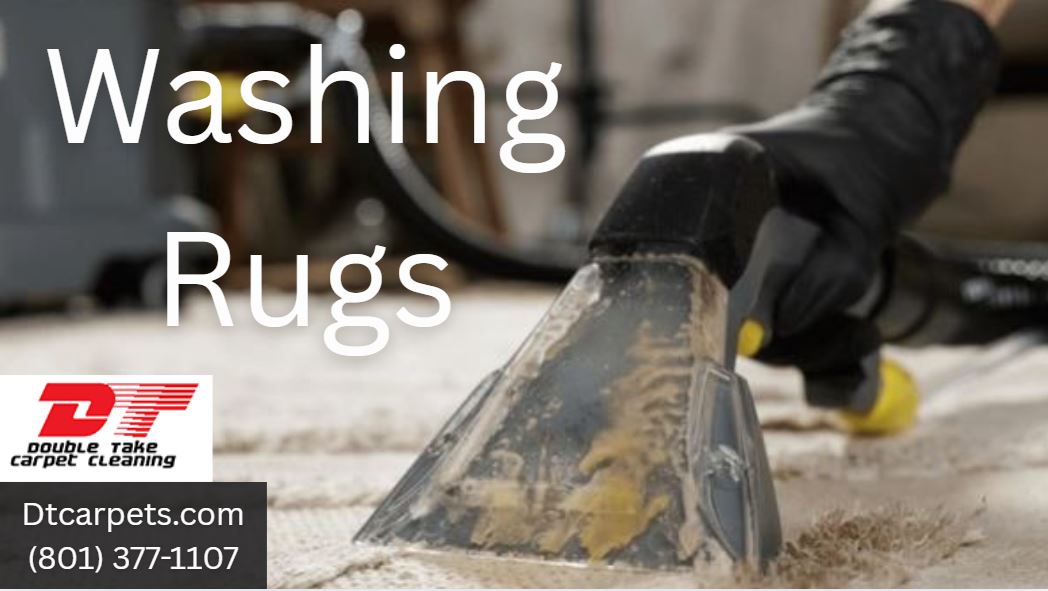
Washing rugs means more than applying soap and water. Done correctly, it removes embedded soil, spills, pet residue, and allergens while protecting the rug’s fibers, backing, dyes, shape, and texture. Done incorrectly, it can cause color bleeding, browning, shrinkage, odor, mold growth, backing damage, or permanent texture changes.
The most important rule is simple: identify the rug before you wash it. A washable synthetic area rug can often tolerate careful low-moisture or extraction cleaning, while wool, silk, viscose, jute, antique, hand-knotted, and unstable-dye rugs may need a much more controlled process—or professional cleaning. Regular vacuuming and prompt spill response matter, but deep washing should be based on the rug’s material, construction, soil level, and care label rather than a one-size-fits-all schedule.
This guide explains how rug washing works, the most common problems, available cleaning methods, drying requirements, provider selection, and practical steps to take when a rug needs attention. For difficult stains, pet accidents, delicate fibers, or valuable rugs, experienced guidance can prevent an expensive mistake.
What Is Washing Rugs and How Does It Work?
Washing rugs is the process of removing dry soil, oily residue, spots, odors, and contaminants from an area rug using an appropriate combination of vacuuming, cleaning solution, agitation, rinsing, extraction, and drying.
A rug is not the same as installed wall-to-wall carpet. Rugs can have different fibers, foundations, backings, dyes, fringe, padding, adhesives, and construction methods. Those differences determine whether the rug can be cleaned in place, needs controlled hand cleaning, or should be taken to a specialized rug-washing facility.
A responsible washing-rug process typically includes:
- Inspection: Identify the fiber, construction, dyes, backing condition, odor source, stains, and existing damage.
- Dry soil removal: Vacuuming or controlled dusting removes grit that can abrade fibers during wet cleaning.
- Testing: A cleaner may test for colorfastness, pH sensitivity, dye migration, and backing stability.
- Pre-treatment: Appropriate products are applied to oily traffic soil, food spills, pet contamination, or other stains.
- Cleaning: The chosen method may involve low-moisture cleaning, hot-water extraction, hand washing, immersion washing, or dry compound cleaning.
- Rinsing and extraction: Cleaning residues and suspended soil should be removed rather than left behind.
- Drying and grooming: Fast, even drying helps prevent odors, browning, wicking, mildew, and distortion.
Professional textile-floor-covering inspection standards recognize that rugs and carpets should be evaluated by construction, condition, and use before determining the appropriate service. The IICRC’s S800 standard covers professional inspection methods for natural and synthetic textile floor coverings, including rugs.
What rug washing includes
Rug washing may address:
- Loose dust, grit, and everyday soil
- Food and drink spills
- Pet urine odor and staining
- Traffic-lane dullness
- Surface allergens and particles
- Mild general odor
- Light residue from prior cleaning products
What it may not include
No cleaning method can guarantee removal of every stain, odor, discoloration, or pre-existing defect. Some conditions are permanent or require specialized restoration:
- Sun fading
- Bleach spots
- Dye loss
- Severe pet contamination
- Dry rot or brittle backing
- Mold-damaged materials
- Water damage affecting dyes or foundations
- Old stains that have chemically changed the fibers
For indoor environments, the U.S. Environmental Protection Agency advises following manufacturer recommendations and industry standards for maintaining carpeted surfaces.
Eight Things to Know About Washing Rugs
1. Rug fiber determines the safe cleaning method
The fiber is the first major decision point in rug cleaning. Synthetic rugs—such as polypropylene, nylon, polyester, and olefin—often tolerate water-based cleaning better than delicate natural fibers. However, even synthetic rugs can have weak backings, unstable adhesives, or latex layers that fail when over-wet.
Wool rugs require more caution. Wool is durable but can be sensitive to aggressive alkalinity, harsh brushing, prolonged moisture, and unstable dyes. Silk and viscose rugs deserve even more care because their fibers can lose strength, flatten, distort, or discolor when wet. Jute, sisal, seagrass, and other plant fibers can brown, shrink, stain, or become misshapen if saturated.
The practical lesson: do not choose a cleaning method based on appearance alone. A rug that looks like wool may be synthetic, and a low-cost rug can still have a water-sensitive backing. Check its label if present, but remember that labels may be incomplete or inaccurate.
Before washing a rug, determine:
- Fiber type
- Construction type
- Backing or foundation material
- Colorfastness
- Existing damage
- Whether it is machine-made, hand-tufted, hand-knotted, braided, or flatwoven
If you cannot confidently identify the rug, avoid soaking it. Start with thorough vacuuming, absorbent blotting for fresh spills, and professional inspection for high-value, delicate, or sentimental items.
2. Dry soil removal comes before wet cleaning
Most rug soil is dry particulate matter: sand, dust, grit, hair, food crumbs, and tracked-in debris. If that material is not removed before washing, moisture can turn it into abrasive mud that works deeper into the pile and foundation.
This is why professional cleaning begins with vacuuming or controlled dust removal. It is also why regular home vacuuming protects a rug’s appearance. Grit acts like sandpaper under foot traffic. Over time, it can dull fibers, create premature wear patterns, and make the rug look gray or flat even after spot cleaning.
For most rugs, vacuum slowly in multiple directions. Avoid aggressive beater bars on delicate fringe, loose weaves, shag, antique rugs, or loop-pile materials that can snag. WoolSafe recommends suction-only vacuuming as a general rule for loop-pile carpets and rugs, and it advises several passes in different directions for a more thorough result.
A practical example: if a living-room rug looks dirty but has no major stains, start with a careful vacuuming session before deciding it needs washing. You may remove a surprising amount of dulling soil without adding moisture or risking color transfer.
3. Over-wetting is one of the biggest risks
A rug can look clean immediately after being saturated, yet still develop problems hours or days later. Excess moisture can penetrate the foundation, backing, padding, or flooring beneath the rug. When drying is slow, problems may include musty odor, mildew, dye migration, browning, warped flooring, adhesive failure, or reappearing stains.
Over-wetting often happens when someone uses too much cleaner, too much rinse water, an underpowered rental machine, or repeated passes without adequate extraction. It can also happen when a rug is cleaned outdoors but brought inside before it is fully dry.
A rug should be cleaned only as wet as necessary, then extracted and dried quickly and evenly. Air movement, dehumidification, controlled temperature, and proper positioning all matter. A thick rug may feel dry on the surface while retaining moisture deep in its foundation.
To lower the risk:
- Use small amounts of cleaning product.
- Avoid repeated soaking passes.
- Do not flood a rug with a hose unless it is specifically suited to immersion washing and you have a controlled drying plan.
- Keep fans moving air across and beneath the rug.
- Do not return furniture until the rug is dry.
- Check both the rug and the floor beneath it.
If a rug remains damp after 24 hours, develops a sour smell, or feels cool and heavy, contact Double Take Carpet Cleaning for an assessment before odor or damage becomes more difficult to manage.
4. Spot treatment should remove spills, not spread them
When a spill occurs, most people instinctively scrub. Scrubbing is usually the wrong first response. It can spread the spill, drive it deeper into the rug, distort the pile, fray fibers, and weaken color.
Instead, blot promptly with a clean white absorbent cloth or paper towel. Work from the outside edge toward the center so the spill does not spread. Continue lifting moisture until there is little to no transfer to the towel. Then use a suitable rug-safe spot product sparingly after testing it in an inconspicuous area.
WoolSafe advises blotting rather than rubbing, using small quantities of appropriate spot remover, and avoiding ordinary dishwashing liquid because it can leave sticky residue that encourages rapid re-soiling.
Avoid improvised remedies such as:
- Undiluted vinegar on an unknown fiber
- Bleach or whitening products
- Laundry detergent
- Dish soap
- Strong alkaline cleaners
- Excessive heat
- Scrubbing with a stiff brush
- Mixing cleaning chemicals
A fresh red-wine spill, for example, may be manageable with prompt blotting and the right cleaner. An old wine stain that has been rubbed with multiple household products can become much harder to remove and may require a professional stain-removal approach.
5. Pet urine requires treatment below the surface
Pet accidents are often more than a visible yellow spot. Urine can travel through the rug pile and backing into the pad or flooring below. As it dries, urine salts can remain behind. Later, humidity can reactivate odor, and the spot can wick back to the surface.
Simply shampooing the top of the rug may mask the odor temporarily without removing the source. Effective pet treatment depends on locating the affected area, identifying whether contamination reached the backing or floor, applying the correct treatment, allowing proper dwell time, extracting residue, and drying the rug thoroughly.
The longer urine remains, the more difficult it can be to resolve. It may contribute to dye loss, fiber damage, odor, and repeated marking by pets. Some contamination may require treatment of the rug, rug pad, and underlying surface; severe contamination may exceed what cleaning alone can correct.
If you have a new accident:
- Blot immediately with white towels.
- Apply pressure rather than rubbing.
- Avoid steam or heat, which can set some stains and odors.
- Keep pets away from the area while it dries.
- Schedule professional help if odor persists, the rug has a strong urine smell, or the contamination is widespread.
Double Take Carpet Cleaning can help assess the visible stain and the less-visible odor source so the cleaning plan addresses the whole problem rather than only the surface.
6. Dye bleeding and color transfer need immediate care
Color bleeding occurs when dyes release into cleaning moisture and migrate into nearby fibers. It is especially concerning with wool, handmade, deeply colored, red, blue, black, or antique rugs. A rug can be colorfast for years and still become unstable because of prior cleaning chemicals, sun damage, water exposure, or changes in the fiber.
The warning signs include colored water during blotting, color transfer onto a white towel, fuzzy edges between colors, or a newly darkened area after getting wet. If you see these signs, stop applying water or cleaner immediately. Do not keep rinsing casually, because more moisture may spread the problem.
Dye stability should be tested before substantial wet cleaning. Professional cleaners evaluate the rug’s construction, fiber, dyes, and condition to select a method with an appropriate moisture level and chemistry.
To prevent color damage:
- Test any product in an inconspicuous area.
- Do not leave a wet rug folded or stacked.
- Do not saturate a handmade or unknown rug.
- Avoid high-pH household cleaners.
- Do not use colored towels that could transfer dye.
A rug with unstable dyes is not necessarily uncleanable, but it needs an approach designed around its risk. This is one of the strongest reasons to use a knowledgeable rug-cleaning provider rather than treating every rug like standard synthetic carpet.
7. Residue makes rugs look dirty again sooner
A rug can look great right after washing and then become dull again quickly. Often, the cause is leftover detergent or cleaning residue. Sticky residue attracts and holds new soil, especially in entryways, around dining areas, and in homes with pets or children.
This problem commonly follows do-it-yourself cleaning with too much shampoo, inadequate rinsing, or a machine that does not extract enough moisture. It can also result from dish soap, laundry detergent, or heavily fragranced consumer products that were never formulated for textile-flooring use.
The goal of cleaning is not merely to make a rug smell fresh. The goal is to suspend soil, remove it, rinse away cleaning agents, and dry the rug without leaving problematic residue behind.
To reduce residue:
- Measure cleaning products precisely.
- Use products designed for rugs or carpet, not general household cleaning.
- Avoid applying more solution because a spot did not disappear immediately.
- Rinse and extract properly.
- Vacuum after dry cleaning or encapsulation methods as directed.
- Have recurring traffic soil evaluated rather than repeatedly adding more cleaner.
The difference matters in busy homes. A correctly cleaned rug should feel clean underfoot without being stiff, tacky, crunchy, or unusually quick to re-soil.
8. Drying is part of the cleaning, not an afterthought
The washing process is incomplete until the rug is dry. Proper drying helps preserve fibers, prevent odor, minimize browning, and reduce the chance of mold or mildew problems.
Drying time depends on the rug’s thickness, fiber, weather, indoor humidity, airflow, cleaning method, and how much water was used. A light synthetic rug may dry relatively quickly with fans and ventilation. A thick wool rug, a rug with dense backing, or a heavily saturated rug may need more controlled drying.
Keep the rug flat unless its construction and drying setup allow otherwise. Make sure air can move around it. If it is drying indoors, use fans and reduce humidity. If you clean a small rug outdoors, avoid direct intense sunlight for long periods, especially if the colors are vulnerable to fading.
Do not place furniture back on a damp rug. Trapped moisture beneath furniture can leave compression marks, slow drying, transfer stain from furniture legs, or contribute to odors.
A clean rug should smell neutral when dry. If it smells sour, musty, or overly perfumed, or if discoloration appears after drying, the cleaning may have left moisture or residue behind. Prompt follow-up is important because early correction is generally easier than waiting for the problem to set.
The Real Cost of Getting Rug Washing Wrong
Improper rug washing can be costly in ways that go beyond replacing a rug.
- Financial costs: Dye bleed, backing separation, shrinkage, odor damage, or fiber distortion can make a rug difficult or impossible to restore. Cleaning mistakes can also damage floors beneath the rug.
- Time costs: Re-cleaning, drying a saturated rug, moving furniture, addressing recurring odor, and managing claims or replacement shopping all take time.
- Emotional costs: Rugs often have sentimental value, especially inherited, handmade, or travel-purchased pieces. A preventable mistake can be upsetting even when replacement is possible.
- Long-term costs: Residue may accelerate re-soiling, trapped grit can wear fibers, and unresolved moisture can create persistent odor or hidden floor concerns.
Most of these problems are preventable. Proper identification, testing, controlled moisture, thorough extraction, and quick drying reduce risk substantially.
How an Experienced Rug Cleaner Helps
An experienced rug-cleaning professional does not begin by assuming every rug needs the same treatment. They assess the rug’s material, construction, soil load, stains, odors, backing, color stability, and surrounding conditions before recommending a method.
Double Take Carpet Cleaning can provide practical guidance for washing rugs, including inspection, stain and odor assessment, appropriate cleaning selection, and drying-focused service planning. The right approach helps avoid unnecessary saturation, harsh chemistry, and cleaning methods that are poorly matched to the rug.
Professional help is especially useful when you have:
- Wool, silk, viscose, jute, handwoven, antique, or handmade rugs
- Pet odor or repeated accidents
- Dye transfer or color bleeding
- Water exposure
- Heavy traffic soil
- Large rugs that are difficult to dry
- A rug with sentimental or high replacement value
- A prior DIY-cleaning problem
The goal is not to promise perfection. It is to use sound judgment, manage risk, and give you a clear explanation of what is realistic before work begins.
Rug Washing Options
Low-moisture cleaning
Low-moisture methods use limited water and can include encapsulation products or absorbent cleaning compounds. They are often appropriate for maintenance cleaning, water-sensitive fibers, and situations where rapid drying is important.
The limitation is that low-moisture cleaning may not be enough for heavy contamination, deep pet urine, or thick embedded soil. It also requires appropriate post-cleaning vacuuming when absorbent compounds or encapsulation products are used.
Hot-water extraction
Hot-water extraction uses controlled water, cleaning solution, agitation, and powerful extraction to remove soil. It can be effective for many synthetic area rugs and some other rugs when fiber, dyes, backing, and moisture tolerance have been assessed.
Its primary drawback is over-wetting risk. Inexperienced use can cause slow drying, backing damage, wicking, or color issues.
In-plant or immersion rug washing
Some rugs benefit from specialized off-site washing, particularly when they are heavily soiled, have deep contamination, or need detailed work on fringe and foundations. This process may include dust removal, washing, rinsing, extraction, controlled drying, and grooming.
Not every rug is suitable for immersion washing, and transport or downtime may be inconvenient. The rug’s condition and dye stability should guide the decision.
Hand cleaning and specialty treatment
Hand cleaning allows more control over delicate materials, unstable dyes, fringe, silk, fine wool, or intricate constructions. It may involve carefully selected solutions, low moisture, limited agitation, and specialized drying.
This option is often slower and may cost more, but the additional control can be worthwhile for rugs that would be at risk with aggressive cleaning.
DIY spot treatment
Do-it-yourself spot treatment is best for small, fresh spills when the rug is known to be colorfast and the user follows the care instructions. Blotting, testing, and using a compatible product are essential.
DIY cleaning is a poor fit for unknown fibers, widespread pet contamination, dye instability, flooding, or rugs that cannot be dried quickly.
What to Do Right Now
If you are currently dealing with a dirty, stained, wet, or odorous rug, use this checklist:
- Stop using harsh products or adding more water.
- Blot fresh spills with clean white towels; do not scrub.
- Remove nearby furniture and anything that could transfer color or rust.
- Check the label, if available, for fiber and care guidance.
- Vacuum loose dry soil before applying moisture.
- Test any cleaning solution in an inconspicuous area.
- Use minimal product and minimal water.
- Increase airflow immediately after any wet cleaning.
- Check the rug backing and floor underneath for dampness.
- Contact Double Take Carpet Cleaning if the rug has pet urine, persistent odor, color bleeding, slow drying, delicate fibers, or significant value.
How to Choose a Rug Cleaning Provider
Use this checklist when selecting a provider for washing rugs:
- Experience with the specific rug material and construction you own
- A willingness to inspect before recommending a method
- Clear explanations of cleaning limitations and risks
- Appropriate testing for colorfastness and moisture sensitivity
- A realistic plan for extraction and drying
- Knowledge of pet odor, stain treatment, and fiber-specific cleaning
- Straightforward pricing and communication
- Responsiveness when a problem needs prompt attention
- A focus on both immediate appearance and long-term rug condition
For local help, contact Double Take Carpet Cleaning at (801) 377-1107 to discuss the rug, the problem you are seeing, and the most appropriate next step.
Common Rug-Washing Mistakes
- Treating every rug like carpet: Rugs vary dramatically in fiber, backing, dyes, and construction. Identify the rug first.
- Scrubbing spills: Scrubbing spreads stains and damages pile. Blot from the outside toward the center.
- Using dish soap or laundry detergent: These products can leave sticky residues that attract soil.
- Skipping dry soil removal: Dirt and grit remain in the rug and can turn into muddy residue during cleaning.
- Using too much water: Saturation can lead to odor, backing failure, dye bleed, and slow drying.
- Ignoring the rug pad and floor: Pet urine and moisture may extend below the visible surface.
- Trying multiple random products: Chemical mixing and repeated treatments can set stains, strip dyes, or create residue.
- Waiting too long after a spill: Fresh contamination is usually easier to remove than dried or repeatedly treated stains.
Frequently Asked Questions
Can you wash rugs at home?
Some washable synthetic rugs can be cleaned at home, but only when the label, fiber, backing, and drying conditions support it. Unknown, delicate, handmade, wool, silk, viscose, jute, or valuable rugs should be evaluated carefully before wet cleaning.
How often should rugs be washed?
There is no universal schedule. Vacuum regularly and deep clean based on traffic, pets, spills, allergy concerns, manufacturer instructions, and visible soil. The EPA recommends following manufacturer guidance and industry standards rather than a single fixed interval.
Can I use a carpet cleaner on an area rug?
Sometimes, but not automatically. A carpet-cleaning machine may over-wet a rug, damage its backing, cause dye bleed, or leave the rug too wet to dry safely. Verify the rug is suitable first.
Is it safe to hose down a rug outside?
Only some washable synthetic rugs can tolerate that approach. Hosing down wool, silk, viscose, jute, antique, handmade, or unknown rugs can cause color loss, shrinkage, odor, distortion, and backing problems.
Should I use hot water to wash rugs?
Not by default. Water temperature should match the fiber, dye stability, cleaning product, and condition of the rug. Heat can increase the risk of color bleeding or damage on sensitive rugs.
Can I steam-clean a wool rug?
Wool can sometimes be professionally cleaned with controlled moisture, but do not assume household steam cleaning is safe. Wool’s dyes, foundation, and backing may be vulnerable to heat, saturation, and high-pH products.
What is the best way to clean a wool rug?
Start with regular careful vacuuming and immediate blotting of spills. For deep cleaning, use a fiber-appropriate process with color testing, controlled moisture, compatible products, proper extraction, and fast drying.
Can washing a rug make it smell worse?
Yes. Excess moisture can activate existing odor sources or create a musty smell when drying is too slow. Persistent odor usually means the source was not fully removed or the rug has remained damp.
Why does my rug look dirty again after cleaning?
The most common reasons are detergent residue, soil wicking from below the surface, inadequate extraction, or underlying traffic wear. Adding more cleaner may worsen the issue.
How do I remove pet urine from a rug?
Blot fresh urine quickly, avoid heat and scrubbing, and use an appropriate odor-treatment approach. For recurring or strong odor, professional assessment is important because contamination can reach the backing, pad, or floor.
Will rug washing remove every stain?
No. Some stains permanently change or remove dye, while others may have been set by age, heat, sunlight, bleach, or prior cleaning attempts. A professional can explain the realistic outcome.
Can I use vinegar on a rug?
Do not use vinegar as a universal remedy. It may be unsuitable for some fibers, dyes, and prior chemical residues. Test first and use a product designed for the rug whenever possible.
Can I use baking soda to deodorize a rug?
Baking soda may temporarily absorb some surface odor, but it does not remove the source of pet urine, spills, mold, or contamination. Fine powder can also be difficult to fully vacuum from dense rugs.
Why are the colors bleeding on my rug?
The dyes may be unstable, the rug may be over-wet, the cleaning product may be inappropriate, or the rug may have pre-existing water or sun damage. Stop wet cleaning and seek professional help.
How long should a washed rug take to dry?
Drying time varies widely. It depends on thickness, fiber, humidity, airflow, extraction quality, and the amount of water used. A rug should dry as quickly and evenly as practical, not remain damp for an extended period.
Can I put furniture back on a damp rug?
No. Wait until the rug is fully dry. Furniture can trap moisture, cause compression marks, transfer stain, and slow the drying process.
Do rug pads need cleaning too?
Sometimes. Pads can hold dust, pet urine, moisture, and odor. If the rug has contamination or water exposure, inspect the pad and the floor beneath it.
Can a dirty rug affect indoor air quality?
Rugs can trap particles, which is one reason regular vacuuming and suitable cleaning matter. The Carpet and Rug Institute notes that carpet can hold particles out of the breathing zone and that regular cleaning supports maintenance.
What should I do if my rug gets soaked?
Remove items resting on it, increase airflow, avoid folding it while wet, inspect the backing and floor beneath it, and seek prompt professional guidance—especially for wool, silk, handwoven, or color-sensitive rugs.
Is dry cleaning better than wet washing for rugs?
Neither method is universally better. Low-moisture cleaning can be safer for water-sensitive materials, while controlled wet cleaning can be more effective for some soil types. The rug’s fiber, dyes, construction, and contamination determine the right method.
Can I wash a shag rug?
Some synthetic shag rugs can be cleaned carefully, but their long pile can hold water and take longer to dry. Aggressive brushing can damage the fibers. Check the label and avoid saturation.
Can I clean a jute or sisal rug with water?
Use extreme caution. Natural plant fibers often react poorly to water and may brown, shrink, stain, or distort. Low-moisture methods are usually safer than soaking.
Does professional rug cleaning prevent wear?
It can help by removing abrasive grit and residue that contribute to fiber wear. It cannot reverse physical damage, fading, crushing, or fiber loss that has already occurred.
What cleaning standards apply to rugs?
The IICRC provides standards for professional inspection and cleaning of textile floor coverings. The S800 standard addresses inspection of rugs and other textile floor coverings, while industry cleaning standards guide professional maintenance methods.
How do I know if my rug is too valuable for DIY cleaning?
Avoid DIY wet cleaning if the rug is handmade, antique, silk, fine wool, inherited, imported, unusually large, hand-knotted, or costly to replace. When in doubt, have it evaluated before applying water or chemicals.
Should I clean a rug before storing it?
Yes. Soil, food residue, and odor can attract pests and become harder to remove over time. Ensure the rug is completely dry before storage, and avoid storing it in damp areas.
Key Standards and Care Rules
Rug washing is not governed by one consumer “law” that applies to every home, but recognized industry frameworks guide safer professional decisions.
- The IICRC S800 standard addresses inspection procedures for natural and synthetic textile floor coverings, including rugs. Inspection helps identify materials, condition, and risk before work begins.
- The IICRC S100 framework is widely recognized for professional cleaning and maintenance of residential and commercial textile floor coverings, including rugs.
- For wool and fine fibers, use products and practices intended for the material. WoolSafe promotes tested rug-care products and emphasizes cautious spot treatment, pre-testing, limited moisture, and avoiding general household detergents.
- Always follow the rug manufacturer’s care label when it is available. If the label conflicts with a generic cleaning recommendation, the manufacturer’s direction should take priority.
Conclusion
Washing rugs successfully starts with understanding that every rug has different cleaning limits. Fiber type, dyes, backing, soil level, pet contamination, moisture tolerance, and drying conditions all affect the safest method. The biggest avoidable mistakes are over-wetting, scrubbing, using incompatible household products, skipping proper soil removal, and treating a valuable rug without testing.
Regular vacuuming, fast spill response, minimal moisture, complete residue removal, and thorough drying will prevent many common rug-cleaning problems. When the rug is delicate, deeply soiled, odor-affected, water-damaged, or important to you, expert assessment is the sensible choice.
For clear guidance and professional help with washing rugs, contact Double Take Carpet Cleaning at (801) 377-1107 before a small cleaning issue becomes a costly rug-replacement problem.
