
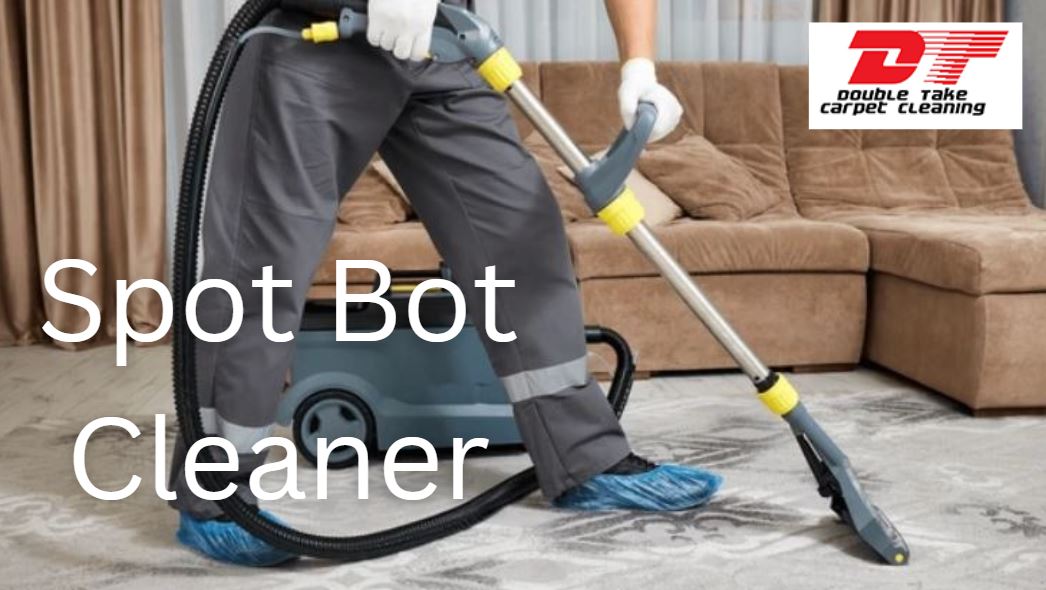
A Spot Bot cleaner is a compact carpet-spotting machine designed to spray cleaning solution, agitate a small carpeted area, and extract dirty liquid—often with an automatic hands-free cycle. It can be a practical solution for fresh spills, pet accidents, food stains, tracked-in soil, and small recurring messes. The most important point: a Spot Bot works best when you act quickly, use the right solution in the right amount, and remove as much moisture and residue as possible.
From a carpet-cleaning professional’s perspective, the machine is a spot-treatment tool, not a replacement for full-carpet cleaning or professional restoration. Misusing it—especially by oversaturating carpet, using incompatible chemicals, or repeatedly scrubbing the same area—can leave residue, cause rapid re-soiling, damage carpet texture, or contribute to odors. This guide explains how a Spot Bot carpet cleaner works, when it is useful, common problems, safe operating practices, alternatives, and when it is time to call Double Take Carpet Cleaning for professional help.
What Is a Spot Bot Cleaner and How Does It Work?
“Spot Bot cleaner” usually refers to an automated portable carpet cleaner, such as the BISSELL SpotBot line. Unlike a full-sized carpet extractor, it is built for localized stains and small areas rather than cleaning an entire room.
A typical Spot Bot pet cleaner has several working components:
- A clean-water and cleaning-solution tank.
- Spray nozzles that apply water and detergent to the affected area.
- Rotating or oscillating brushes that loosen soil.
- A suction system that pulls used liquid into a dirty-water tank.
- Automatic cleaning cycles for surface stains or more deeply set spots.
- A manual hose and tool on some models for stairs, upholstery, corners, or irregularly shaped stains.
The basic process is straightforward: place the machine over the stain, select a cleaning cycle, allow it to spray and agitate the area, then let it extract the moisture and suspended soil. BISSELL’s support materials describe removing the clean-water tank, filling it according to the unit’s directions, and reinstalling it before use. Always use the instructions for your specific model, since tank markings, cleaning modes, and approved formulas vary by product.
In real-world use, a Spot Bot machine is most effective on a recent spill. For example, if a pet has an accident on synthetic wall-to-wall carpet, promptly blotting up excess moisture and then running an appropriate Spot Bot cycle can reduce the chance of staining and odor. It is less likely to fully solve old urine contamination, dye stains, grease, rust, bleach damage, or a spill that has soaked through carpet into the pad and subfloor.
8 Important Things to Know About Spot Bot Cleaners
1. Fast Response Matters More Than Machine Power
The longer a spill remains in carpet, the more likely it is to wick into the backing, pad, and possibly the subfloor. It may also chemically bond to fibers, dry into a sticky residue, or become a food source for odor-causing bacteria.
Before using a Spot Bot stain remover, remove as much loose material as possible. Blot liquid spills with clean white towels. Scoop semi-solid material with a spoon or dull edge. Vacuum dry debris before adding moisture. The Carpet and Rug Institute advises blotting rather than scrubbing and specifically cautions that brushes and aggressive scrubbing can fray fibers or change carpet texture.
For example, a dropped cup of coffee is usually far easier to remove in the first few minutes than after it dries overnight. A Spot Bot may remove the visible coffee mark later, but dissolved sugars or residues can remain and attract soil.
The practical rule is simple: contain the spill, blot it, identify it if possible, then treat it promptly. Do not begin by pouring large amounts of cleaner directly onto the carpet.
2. A Spot Bot Is Best for Small, Defined Areas
A Spot Bot carpet cleaner is designed for targeted treatment. It is a good fit for a pet accident, a small beverage spill, a muddy footprint, a food drop, or a localized stain near an entryway.
It is not the right machine for:
- Cleaning an entire room.
- Treating widespread dinginess or traffic lanes.
- Removing embedded dry soil across a large carpeted area.
- Correcting chronic odor throughout a home or office.
- Restoring carpet after a flood, plumbing leak, or extensive pet contamination.
Using a spot cleaner repeatedly over a large area can create uneven appearance. The freshly cleaned spot may look noticeably brighter than surrounding carpet, particularly on light-colored carpet. Excessive spot cleaning can also leave detergent behind if the machine cannot rinse and recover it fully.
For recurring high-traffic soil, use a routine that includes vacuuming, entrance matting, prompt spotting, and periodic professional extraction. The Carpet and Rug Institute recommends addressing spills quickly and arranging professional deep cleaning periodically to remove embedded soil and grime.
3. Using Too Much Formula Can Make the Problem Worse
More cleaning solution does not equal cleaner carpet. Excess detergent may remain in the fibers after extraction. That residue can feel sticky, attract dust and soil, and cause the same spot to look dirty again shortly after cleaning.
This is one of the most common causes of “the stain came back.” In some cases, the stain is actually wicking from deeper in the carpet. In others, the carpet is clean but detergent residue is holding dirt at the surface.
Follow the machine’s fill lines and formula dilution instructions precisely. Use a compatible carpet-cleaning formula, and do not substitute dish soap, laundry detergent, bleach, ammonia, or random household chemicals. These products may foam excessively, damage internal parts, alter carpet dyes, create difficult residues, or produce hazardous fumes if mixed with other chemicals.
The Carpet and Rug Institute’s guidance is clear: use an appropriate carpet-cleaning product, pretest it in an inconspicuous location, follow directions, and remember that “more is not better.”
4. Test for Colorfastness Before Treating Visible Carpet
Even a product marketed for carpet can affect certain dyes, natural fibers, handmade rugs, specialty carpets, and carpets with stain-resistant treatments. A hidden test area is inexpensive insurance against permanent discoloration.
Choose a location such as a closet corner, beneath a piece of furniture, or a section of carpet along a wall. Apply a small amount of the intended solution according to its label, blot with a clean white cloth, and look for color transfer, fading, or texture changes after the area dries.
This step is especially important for:
- Wool and wool-blend carpets.
- Antique, handwoven, or delicate rugs.
- Dark, vivid, or patterned carpet.
- Silk, viscose, jute, sisal, and other natural fibers.
- Carpet with unknown installation history.
- Rental properties where the carpet type is unclear.
If color transfers to your cloth, the carpet lightens, or the fibers feel rough after testing, stop. A professional carpet cleaner can identify the fiber and select a safer method. This is far preferable to replacing a damaged carpet section.
5. Pet Stains Often Need More Than a Surface Clean
A Spot Bot pet stain cleaner can be helpful for fresh accidents, but pet urine is more complicated than a visible yellow spot. Urine can travel beneath the face fiber into the backing and pad. As it dries, it may leave odor-causing compounds behind, particularly in warm or humid conditions.
If the same area smells again after cleaning, the contamination may be deeper than the machine can reach. Repeatedly adding more liquid to the surface can worsen the issue by spreading contamination or increasing drying time.
For a fresh accident:
- Blot up as much liquid as possible before using the machine.
- Use a pet-specific, carpet-safe cleaning formula compatible with the Spot Bot.
- Run one appropriate cleaning cycle rather than multiple cycles without checking results.
- Extract thoroughly and promote drying with airflow.
- Reassess the area after it is completely dry.
For old, repeated, or strong odors, professional treatment may be necessary. Depending on the situation, that can involve inspection with ultraviolet light, subsurface flushing, odor-neutralizing treatment, pad replacement, or treatment of the subfloor. Surface cleaning alone cannot reliably correct every pet-odor problem.
6. Overwetting Can Cause Odor, Wicking, and Carpet Damage
A Spot Bot cleaner puts water into carpet, so moisture management is essential. If the area remains wet too long, it can develop a musty smell, wick soils upward from the backing, or encourage microbial growth in the carpet system.
After running a cleaning cycle, inspect the area. If it feels very wet, use additional extraction-only passes if your unit allows them, or blot with dry white towels while applying gentle pressure. Open windows where weather permits, run ceiling fans, use air movement, and keep pets and foot traffic off the area until it is dry.
Avoid placing the machine over a stain and then leaving the carpet saturated through repeated cycles. More passes are not necessarily better. If the spot is not improving after a sensible treatment attempt, stop and reassess what caused it.
A recurring dark ring around a cleaned area can be a wicking problem. The stain has moved upward as moisture evaporates. Professional extraction and controlled drying are often the better solution at that point.
7. Maintenance Determines Whether the Machine Performs Well
A Spot Bot can lose suction and cleaning effectiveness if it is not maintained. Dirty water left in the recovery tank can create odor, residue, and bacterial buildup. Clogged nozzles or brushes can reduce spray coverage and agitation.
After each use:
- Empty and rinse the dirty-water tank.
- Rinse the clean-water tank if you will not use the machine again soon.
- Remove lint, hair, and debris from brushes and tool openings.
- Check seals, gaskets, and tank lids for proper seating.
- Wipe the exterior and allow components to air-dry.
- Store the unit in a dry indoor location.
Do not store the cleaner full of dirty water or diluted formula. Old solution can leave deposits, and residual dirty water can smell unpleasant. Consult the manufacturer manual for model-specific cleaning, storage, and troubleshooting instructions.
If suction drops suddenly, first verify that the dirty-water tank is not full, the tank is seated correctly, the hose is secure, and the collection pathway is not blocked. Persistent loss of suction may require repair or replacement parts.
8. Some “Stains” Are Actually Permanent Damage
Not every mark on carpet is removable. This distinction saves time, money, and frustration. A stain is material added to carpet that may be removed. Damage is a physical or chemical change to the carpet fiber that cleaning cannot reverse.
Common examples of permanent damage include:
- Bleach spots.
- Hair dye discoloration.
- Rust stains that alter fiber color.
- Burn marks.
- Fading from sunlight.
- Permanent dye loss from harsh chemicals.
- Crushed, melted, or frayed fibers.
A Spot Bot may remove soil around a damaged area, which can make the damage more visible. If a light spot does not change after cleaning, it may be color loss rather than a removable stain.
Professional options may include color repair, carpet patching, partial replacement, or a carefully matched area-rug solution. The correct approach depends on carpet type, age, location, and the extent of damage.
The Real Cost of Getting Spot Cleaning Wrong
Improper spot cleaning can create costs that go well beyond a bottle of cleaning formula.
Financially, using the wrong chemical may permanently discolor carpet or compromise a stain-resistant treatment. Overwetting can lead to odor problems, recurring stain wicking, pad damage, or professional corrective service. In severe cases, contaminated padding or damaged carpet may need replacement.
Time costs are also significant. A homeowner or facility team can spend hours repeating ineffective cleaning cycles, researching products, and waiting for carpet to dry. In a commercial setting, damp carpet can disrupt access to offices, hallways, common areas, or tenant spaces.
There is an emotional cost as well. A recurring pet odor, visibly stained room, or frustrated tenant complaint can make a space feel unclean even after repeated work. In rental or property-management settings, poor spot treatment may also contribute to disputes over move-out charges, condition reports, or responsibility for damage.
Most of these outcomes are avoidable. Use the right cleaner, treat spills early, avoid over-saturation, and get professional help before a small problem becomes a carpet-replacement decision.
How a Carpet Cleaning Expert Helps
An experienced carpet-cleaning professional evaluates the entire carpet system, not only the visible surface. That matters because the source of a stain, odor, or recurring spot may be in the backing, pad, subfloor, or adjacent area.
Double Take Carpet Cleaning can help homeowners, property managers, and businesses with practical carpet-care guidance and professional cleaning support. A professional assessment can help determine:
- Whether the issue is soil, residue, dye loss, odor, moisture, or fiber damage.
- Whether the carpet can be safely cleaned with extraction.
- Which cleaning chemistry is appropriate for the stain and carpet fiber.
- Whether pet contamination has reached the pad or subfloor.
- Whether the problem needs restoration, odor treatment, repair, or replacement planning.
- How to reduce future spotting with a better maintenance routine.
Professional help is particularly valuable when a stain has been treated repeatedly, a spot returns after drying, a pet odor persists, carpet stays wet, or there is concern about mold, water intrusion, or a warranty-sensitive carpet.
Spot Bot Cleaner Options and Alternatives
Automatic Spot Bot Cycle
An automatic cycle is designed for a small, defined stain. Place the unit over the spot, choose the suitable program, and let it spray, agitate, and extract.
This option is appropriate for fresh spills, small pet accidents, and routine household stains. Its primary limitation is coverage: it cannot fully clean an entire room, broad traffic lanes, or a stain extending beyond the machine’s cleaning footprint.
Manual Hose and Upholstery Tool
Some Spot Bot models include a hose and hand tool for stairs, car interiors, upholstery, corners, and oddly shaped stains.
This approach gives the user more control over where solution and suction are applied. However, it also makes it easier to overapply solution or overwork fibers. Use short, controlled passes and prioritize extraction.
Hand Spotting With Towels and Cleaner
For a very small fresh spill, simple blotting and an approved carpet spotter may be enough. This is often the lowest-moisture option and can be safer than automatically soaking a small area.
Apply cleaner to a white cloth rather than directly flooding the carpet whenever possible. Work from the outer edge toward the center, blot, and rinse lightly if directed. The Carpet and Rug Institute recommends blotting rather than scrubbing and using cleaning products as directed.
Full-Size Carpet Extraction
A full-sized extractor is appropriate for larger areas and routine deep cleaning. It can clean more efficiently than a small spot machine, but poor technique still causes overwetting and residue.
This method is not ideal for delicate fibers, severe pet contamination, or unknown stains without a proper assessment.
Professional Carpet Cleaning
Professional service is appropriate for widespread soil, old stains, recurring spots, odor, suspected urine contamination, flooding concerns, valuable rugs, rental turnovers, and any situation where DIY attempts have failed.
A professional can select appropriate chemistry, control moisture, improve extraction, and recommend repair or restoration when cleaning alone is not enough.
What to Do If You Are Currently Dealing With a Spot or Stain
Use this immediate checklist:
- Identify the substance if possible—coffee, wine, grease, pet urine, food, mud, or unknown material.
- Remove solids carefully with a spoon or vacuum dry debris.
- Blot liquids using plain white towels; do not rub.
- Check the carpet manufacturer’s care instructions if available.
- Test the intended cleaner in a hidden area.
- Use the minimum amount of compatible solution needed.
- Run one appropriate Spot Bot cleaning cycle or make controlled manual passes.
- Extract as much moisture as possible.
- Improve airflow and keep traffic off the area until fully dry.
- Recheck after drying for odor, wicking, color change, or sticky residue.
- Contact Double Take Carpet Cleaning if the stain returns, the odor persists, the carpet remains wet, or the carpet has been damaged.
For an active plumbing leak, sewage exposure, floodwater, or suspected mold, do not rely on a Spot Bot. Stop the source if it is safe to do so and seek qualified restoration assistance promptly.
How to Choose the Right Carpet Cleaning Provider
When a Spot Bot cleaner cannot solve the issue, look for a provider that can explain the problem clearly and recommend an appropriate next step.
Use this checklist:
- Relevant experience with carpet spotting, extraction, pet odor, and stain evaluation.
- Clear communication about what cleaning can and cannot achieve.
- Willingness to inspect the carpet type, source of staining, and extent of contamination.
- A practical plan for both immediate cleaning and long-term prevention.
- Appropriate equipment for extraction, odor treatment, and difficult stains.
- Transparent discussion of limitations, drying expectations, and possible outcomes.
- Responsive scheduling for urgent spills, property turnover, or recurring odors.
- A provider who does not promise impossible results for bleach damage, burns, or permanent color loss.
For guidance on carpet spots, pet-stain concerns, routine professional cleaning, and difficult cleaning decisions, contact Double Take Carpet Cleaning at (801) 377-1107.
Common Spot Bot Cleaner Mistakes
- Scrubbing before extracting: Scrubbing can spread a spill, distort carpet pile, and push contamination deeper.
- Treating a spot without blotting first: The machine must work harder when excess liquid remains in the carpet.
- Using too much cleaning formula: Residue can attract soil and make the cleaned spot look dirty again.
- Skipping a colorfastness test: Some cleaners can cause permanent fading or dye transfer.
- Running repeated cycles without checking results: This can overwet carpet and worsen wicking or odor.
- Ignoring the dirty-water tank: A full or poorly seated tank can reduce suction and leave carpet wetter.
- Using a Spot Bot for whole-room cleaning: A spot machine is not designed for uniform deep cleaning over broad areas.
- Assuming every stain is removable: Bleach damage, burns, dye loss, and damaged fibers require repair or replacement strategies—not more cleaning.
Frequently Asked Questions
What is a Spot Bot cleaner?
A Spot Bot cleaner is a small carpet-cleaning machine designed to clean isolated stains and spills. Many models spray solution, agitate the carpet, and extract dirty liquid automatically.
Is a Spot Bot the same as a carpet shampooer?
No. A Spot Bot is intended for small, localized spots. A carpet shampooer or full-size extractor is made for larger carpeted areas.
Does a Spot Bot remove pet urine?
It can help with fresh surface-level pet accidents, especially when used promptly. Old or repeated urine contamination may reach the pad and subfloor and require professional odor treatment.
Can I use a Spot Bot on old stains?
You can try, but results depend on the stain type, fiber, previous treatments, and how deeply the substance has penetrated. Set-in stains may require professional evaluation.
Should I blot or scrub a carpet stain?
Blot. Scrubbing can spread the stain, fray fibers, and alter carpet texture.
How much cleaning solution should I use?
Use only the amount specified by the machine and cleaning-formula directions. Excess product can leave a residue that attracts dirt.
Can I use dish soap in a Spot Bot?
Do not use dish soap unless the manufacturer specifically approves it. It can create excessive foam, leave residue, and affect machine performance.
Can I put bleach in a Spot Bot cleaner?
No. Bleach can discolor or damage carpet and may harm the machine. It should not be used in a carpet spot-cleaning machine.
Why does my carpet look dirty again after Spot Bot cleaning?
The stain may be wicking back up from deeper layers, or detergent residue may be attracting soil. Improve extraction and seek professional help if the problem recurs.
Why does the cleaned spot smell worse after drying?
The original contamination may be deeper than the surface, or the carpet may have remained damp too long. Persistent odor often requires assessment beyond routine spot cleaning.
How long should carpet take to dry after using a Spot Bot?
Drying time varies with humidity, carpet thickness, airflow, solution amount, and extraction quality. A lightly treated area should not remain saturated for an extended period.
Can I walk on carpet after using a Spot Bot?
Wait until it is dry if possible. Walking on damp carpet can transfer soil into the cleaned area and compress wet fibers.
Can I use a Spot Bot on wool carpet?
Use caution. Test first, verify the manufacturer’s instructions, and avoid assumptions about cleaner compatibility. For valuable wool or natural-fiber rugs, professional cleaning is usually safer.
Can I use a Spot Bot on area rugs?
Only if the rug’s fiber, backing, dyes, and care label support wet cleaning. Do not use it on delicate, antique, silk, viscose, jute, sisal, or unknown rugs without professional guidance.
Can a Spot Bot remove wine stains?
It may improve a fresh wine spill if you blot immediately and use an appropriate carpet-safe treatment. A dried or previously treated wine stain may be more difficult.
Can a Spot Bot remove coffee stains?
Fresh coffee stains often respond well to prompt blotting and controlled extraction. Sugar, cream, and flavored additives can leave residue that requires thorough rinsing and extraction.
Can a Spot Bot remove grease?
Grease can be difficult because it repels water and may require specialized spotting chemistry. Avoid adding random household degreasers to the machine.
Can a Spot Bot repair bleach spots?
No. Bleach commonly removes carpet dye, creating permanent color loss. Cleaning cannot restore missing dye.
Why is my Spot Bot not spraying?
Check the clean-water tank, solution level, tank seating, nozzle blockage, and manufacturer troubleshooting guidance for your specific model.
Why does my Spot Bot have weak suction?
Empty the dirty-water tank, confirm it is seated correctly, inspect seals, and check for debris or blockages in the recovery path or hose.
How often should I clean the Spot Bot itself?
Rinse and empty the dirty-water tank after every use. Remove hair and debris from brushes and allow components to dry before storage.
Is professional cleaning still necessary if I own a Spot Bot?
Yes. Spot cleaning handles isolated accidents; professional cleaning addresses embedded soil, larger areas, traffic lanes, odor issues, and carpet-wide maintenance.
What is the safest type of carpet cleaner?
Use a formula approved for your machine and carpet. If chemical ingredient considerations are important, the EPA’s Safer Choice product search can help identify products meeting its safer-chemistry criteria.
When should I stop DIY cleaning?
Stop if the carpet fades, color transfers, stays wet, develops odor, the stain spreads, the spot returns repeatedly, or you do not know the carpet fiber or stain source.
Can a Spot Bot clean upholstery?
Some models with a manual hose and upholstery tool can clean certain upholstered items. Test a hidden area first and follow the upholstery manufacturer’s cleaning code.
Can I use hot water in a Spot Bot?
Follow your specific unit’s manual. Do not assume very hot water is safe, especially for stain setting, machine components, carpet backing, or delicate fibers.
What is the difference between a stain and a spot?
A spot is generally material sitting on or in carpet that may be removable. A stain often refers to discoloration that has bonded to fibers or altered their color, though people use the terms interchangeably.
Key Rules and Standards to Know
There is no universal law governing household use of a Spot Bot cleaner, but several practical standards and guidelines matter.
The Carpet and Rug Institute promotes prompt spill response, blotting rather than scrubbing, careful product use, and periodic professional cleaning. It also advises pretesting cleaning products and avoiding excessive application.
For cleaning chemicals, follow product labels, ventilation requirements, storage instructions, and safety warnings. Never mix cleaning products unless the manufacturer specifically instructs you to do so. For households and facilities seeking products with ingredient-screening criteria, the U.S. Environmental Protection Agency maintains a searchable
Commercial properties should also document stains, leaks, cleaning actions, and damage conditions. Good records help protect tenants, building owners, and service providers when there is a dispute about responsibility or pre-existing carpet damage.
Conclusion
A Spot Bot cleaner is a useful tool for quick, targeted carpet care, particularly for fresh spills, small pet accidents, and localized soil. Its value comes from using it correctly: blot first, use the correct formula sparingly, avoid scrubbing and over-wetting, extract thoroughly, and allow the carpet to dry.
The biggest mistakes—flooding the carpet, adding too much detergent, treating unknown fibers aggressively, and repeatedly cleaning a spot that keeps returning—are usually preventable. When there is persistent odor, deep contamination, recurring wicking, broad soil, or permanent-looking discoloration, a professional assessment can prevent greater expense and frustration.
For help with difficult stains, pet-odor concerns, routine carpet maintenance, or a Spot Bot problem that will not resolve, contact Double Take Carpet Cleaning at (801) 377-1107 for clear, practical guidance.
