
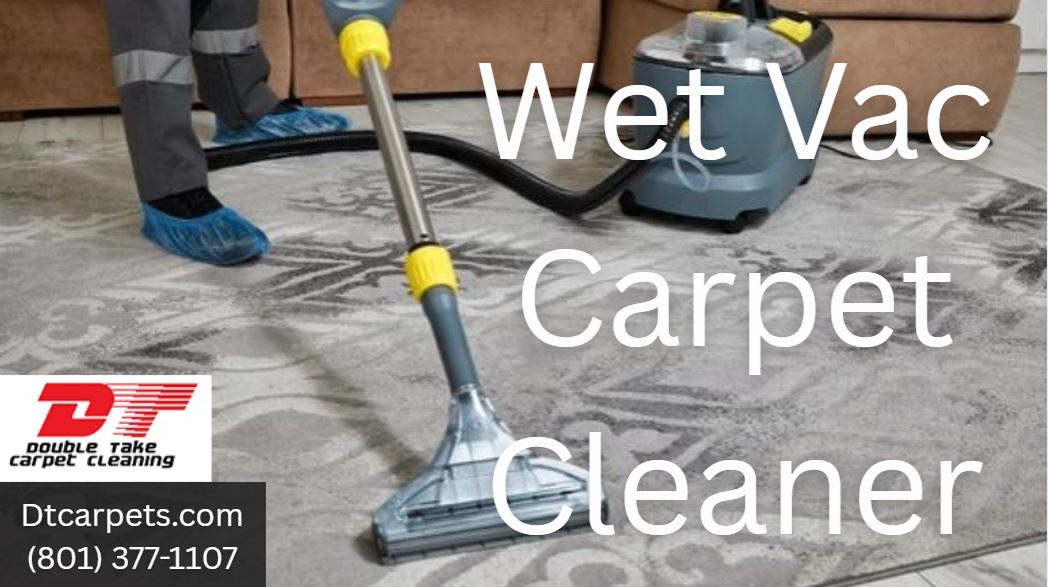
A wet vac carpet cleaner is a water-extraction tool that removes liquid from carpet, rugs, hard floors, and other suitable surfaces. It is useful after spills, appliance leaks, overflow events, wet-cleaning mistakes, and some carpet-cleaning jobs—but it is not automatically a full carpet shampooer or a complete water-damage solution.
The most important takeaway is this: a wet vac removes bulk water, but it does not guarantee that carpet backing, padding, tack strips, or subfloor materials are dry. Use it quickly on clean-water spills, make slow extraction passes, empty the tank often, add fans and dehumidification immediately, and inspect for lingering dampness or odor. The U.S. Environmental Protection Agency advises that wet or damp items should generally be dried within 24–48 hours to reduce mold risk; it also notes that wet vacuums alone do not dry carpet and that backing and padding must be addressed.
This guide explains how wet vac carpet cleaning works, when it is appropriate, how it differs from a carpet extractor, the mistakes that create odor or damage, what to do after a water event, and when professional help from Double Take Carpet Cleaning is the safer decision.
What Is a Wet Vac Carpet Cleaner?
A wet vac carpet cleaner usually refers to a wet/dry vacuum used to pull water out of carpet. It may also describe a carpet extractor that sprays cleaning solution and recovers dirty water. These are related tools, but they serve different purposes.
| Tool | Primary function | Best use | Main limitation |
|---|---|---|---|
| Wet/dry vacuum | Removes standing or surface water | Clean-water spills, leaks, extraction after washing | Does not spray/rinse carpet or ensure backing and pad are dry |
| Carpet extractor | Applies cleaning solution and extracts dirty liquid | Routine carpet cleaning and spot treatment | Can overwet carpet if used incorrectly |
| Portable spot extractor | Treats small spills, upholstery, stairs, vehicles | Localized stains and fresh accidents | Limited tank size and suction capacity |
| Professional extraction equipment | Removes water and soil with controlled technique | Heavy soil, widespread moisture, deep contamination | Requires professional assessment and scheduling |
A wet vacuum is designed to collect water. The EPA states that wet or water-extraction vacuums can remove water that has accumulated on floors, carpets, and hard surfaces. However, the EPA also warns that wet vacuums alone will not dry carpets; carpet, backing, and padding must be dried properly.
A typical wet vac process for carpet includes:
- Stop the water source, if safe to do so.
- Protect people from electrical hazards.
- Remove furniture, loose items, and standing water where practical.
- Use the wet vac to pull up bulk water.
- Make slow, overlapping extraction passes.
- Empty the tank before it reaches capacity.
- Improve airflow and lower humidity.
- Inspect the carpet, backing, padding, and nearby materials.
- Monitor for odor, discoloration, rippling, or persistent dampness.
A wet vacuum does not replace dry vacuuming, odor treatment, professional carpet cleaning, mold remediation, or repair of the original water source.
8 Things to Know About Wet Vac Carpet Cleaning
1. A wet vac removes water, but it does not clean carpet by itself
A wet/dry vacuum is designed to recover liquid. It does not typically apply carpet-cleaning formula, agitate fibers, rinse embedded soil, or restore a heavily soiled carpet. Its main purpose is extraction.
This distinction matters because homeowners sometimes try to use a wet vac as a complete carpet shampooer. They may spray detergent or water onto the carpet, then vacuum it up. While this can remove some moisture, it may not provide enough agitation, controlled rinsing, or extraction for a satisfactory cleaning result. It can also leave detergent residue behind.
A dedicated carpet extractor is different. It applies a measured solution, may include brushes or agitation, and uses a recovery system designed for carpet cleaning. A wet vac is more useful when the priority is removing water quickly.
For example:
- A spilled glass of water or overflowing pet bowl: a wet vac may be appropriate.
- A flooded carpet from a broken pipe: a wet vac can remove bulk water, but additional drying and inspection are necessary.
- A dark traffic lane from years of soil: a wet vac alone is not a deep-cleaning solution.
- A pet-urine odor that keeps returning: surface extraction may not reach contamination in backing or padding.
Use the wet vac for what it does best: prompt water removal. If the issue is soil, odor, stain chemistry, or deep contamination, a professional carpet-cleaning assessment is often needed.
2. Time matters after any water event
The first hours after carpet gets wet are important. Water can move from carpet fibers into backing, padding, tack strips, drywall edges, wood trim, and subfloor materials. The longer moisture remains, the greater the risk of odor, staining, material damage, and microbial growth.
The EPA states that mold may not grow when wet or damp items are dried within 24–48 hours. Its guidance recommends removing water with a wet vacuum and using fans and dehumidification to help dry carpet and backing; it also stresses that wet vacuums alone are not enough to dry carpet completely.
Act quickly after a clean-water spill or leak:
- Stop the water source.
- Turn off electricity in the affected area if water is near outlets or electrical equipment and it is safe to do so.
- Remove standing water with the wet vac.
- Lift lightweight furniture and protect furniture legs.
- Run air movers or fans.
- Use a dehumidifier in the closed affected area.
- Check carpet edges and padding for dampness.
- Document the source and affected rooms with photos.
Do not wait for a wet carpet to “air dry on its own,” especially in humid conditions or thick carpet. Surface fibers may feel dry while the backing and padding remain wet.
3. Water category determines whether DIY extraction is appropriate
Not every wet carpet should be handled the same way. The source of water matters.
Clean water may come from a supply line, overflowing sink, rainwater before significant contamination, or an appliance issue. Even clean water can become contaminated after contacting carpet, dust, flooring, or building materials.
Gray water may include water from washing machines, dishwashers, shower drains, or other sources that may contain contaminants. It requires more caution.
Black water may involve sewage backups, toilet overflows containing waste, floodwater, or visibly contaminated water. This should not be treated as a routine DIY wet-vac job. Exposure can present health risks, and porous materials such as carpet and padding may need professional evaluation or disposal.
If you are unsure where the water came from, treat it cautiously. Do not use household carpet-cleaning products to mask odor or contamination. Do not let children or pets walk through the area.
Call Double Take Carpet Cleaning for practical carpet-cleaning guidance when you are dealing with a wet carpet, persistent odor, deep contamination, or a failed DIY extraction attempt. For sewage, significant floodwater, or suspected mold, appropriate water-damage or remediation assistance may also be necessary.
4. Slow extraction passes are more effective than fast passes
The wet vac’s suction needs time to pull water out of the carpet pile. Moving too quickly reduces the amount of water recovered and can leave moisture behind.
Use slow, overlapping passes. Keep the extraction head flat against the carpet where possible. Move in one direction, then repeat over the same area. Focus on visibly wet zones and areas where water may have pooled. Empty the tank often because a full tank can reduce suction or activate a float shutoff.
For a large wet area, make a grid. Work methodically from one edge to the other rather than bouncing around the room. This makes it easier to identify areas that remain wetter than others.
Do not press so hard that you damage the carpet pile or force the tool into seams. The goal is good contact and steady suction, not aggressive scraping.
If you are extracting after using a carpet-cleaning machine, make extra dry passes with the spray trigger released. This helps recover cleaning solution and reduces drying time.
If the wet vac pulls very little water even though the carpet feels wet, inspect the hose, filters, nozzle, tank lid, seals, and float mechanism. Stop using the machine if suction is weak; continued spraying or adding more water when recovery is poor can create a larger moisture problem.
5. Carpet padding is often the hidden problem
Carpet fibers may dry faster than the padding underneath. This can create a false sense that the problem is solved. In reality, the pad may still hold water, leading to odor, discoloration, mold concerns, deterioration, or damage to the subfloor.
The EPA specifically notes that wet carpets must be pulled up and dried, and that carpet padding must also be dried.
Signs the pad may still be wet include:
- Carpet feels cool or squishy underfoot.
- Water can be pressed up through the pile.
- Edges near walls remain damp.
- A musty smell appears after the surface feels dry.
- Carpet ripples or loosens.
- Drying time extends beyond what seems reasonable.
- A leak affected a large area or ran for an unknown period.
For a minor, clean-water spill limited to the surface, a wet vac and quick airflow may be sufficient. For widespread water intrusion, thick carpet, dense padding, or a long-duration leak, professional assessment is safer. Pulling carpet incorrectly can damage seams, stretch the material, or affect reinstallation.
6. Fans and dehumidifiers complete the drying process
A wet vac removes liquid, but drying requires air movement and humidity control. Fans move air across carpet and flooring; dehumidifiers remove moisture from the air so evaporation can continue. HVAC can help as well, depending on the season and indoor conditions.
The EPA recommends fans to accelerate drying and a dehumidifier to reduce humidity in the room where carpet and backing are drying.
For best results:
- Position fans to move air across the carpet surface.
- Open interior doors to improve circulation.
- Run a dehumidifier in the affected room if possible.
- Use air conditioning in humid weather.
- Avoid opening windows when outdoor air is humid.
- Do not place furniture back until carpet is dry.
- Check the carpet again several hours later.
Avoid walking heavily on wet carpet. Foot traffic can push moisture deeper, flatten the pile, track soil into wet fibers, and spread contamination into unaffected areas.
A musty odor is a warning sign. If the odor develops or persists, do not simply apply fragrance or carpet deodorizer. Moisture or contamination may remain below the surface.
7. Wet vacs need proper filters, setup, and cleaning
Using a wet/dry vacuum incorrectly can damage the machine or create an electrical hazard. Standard dry-vacuum filters are not always intended for wet pickup. Many wet/dry vacs require removing or changing the dry filter before wet use, but the exact setup depends on the model.
Always follow the manufacturer’s manual for:
- Wet pickup configuration.
- Filter requirements.
- Foam sleeve or cartridge-filter use.
- Maximum fill level.
- Float shutoff operation.
- Electrical safety.
- Tank emptying.
- Hose and attachment cleaning.
Never use a standard household vacuum on standing water. It is not designed for wet pickup and can create shock or motor damage risks.
After wet vacuuming, clean and dry the tank, hose, attachments, and filters. The EPA notes that wet-vacuum tanks, hoses, and attachments should be thoroughly cleaned and dried after use because mold and mold spores may stick to those surfaces.
Do not store the wet vac with water inside. A closed, damp tank can become odorous and can contaminate the next area you clean.
8. Wet carpet after a cleaning job needs a different response than flooding
Not every wet carpet comes from a leak. Sometimes a homeowner uses too much solution in a rental machine, upright extractor, portable cleaner, or DIY carpet shampooer. In that situation, the carpet may be wet because of excess cleaning solution rather than a water event.
The response is similar in one important way: extract as much liquid as possible and dry quickly. But there are added concerns:
- Detergent residue may remain.
- Stains may wick back as the carpet dries.
- The carpet may feel sticky afterward.
- Re-soiling may happen quickly.
- Over-applied spot treatment may have spread the stain.
- Excess water may have reached padding.
Use the wet vac to recover moisture only if the machine and attachment are appropriate for carpet extraction. Avoid adding more cleaner. Make multiple slow dry passes. Use fans and dehumidification. Do not apply fragrance, powder, or more detergent.
If carpet looks clean while wet but develops dark marks later, this may be wick-back. If it feels crunchy or sticky, residue may be present. If it smells musty, drying may be incomplete. In these situations, Double Take Carpet Cleaning can help determine whether professional extraction or corrective treatment is needed.
The Real Cost of Getting Wet Vac Carpet Cleaning Wrong
The cost of improper wet-vac carpet cleaning can extend well beyond replacing a shop vacuum filter or buying extra cleaning formula. Financial consequences may include damaged carpet, ruined padding, warped baseboards, damaged subflooring, corrective extraction, odor treatment, mold-related cleanup, or premature carpet replacement.
Time costs can be significant. You may spend hours emptying tanks, moving furniture, setting up fans, monitoring damp spots, and re-treating stains that return after drying. If the carpet remains wet too long, rooms may become unusable and the original water event may become a larger restoration project.
There is also an emotional cost. Water-soaked carpet, musty odor, visible rippling, or a returning pet stain can be stressful—especially before guests arrive, a rental inspection, a home sale, or a family event. Water events also create uncertainty about what is happening beneath the surface.
Most of these costs are avoidable with fast extraction, correct equipment setup, immediate drying, careful monitoring, and early expert help when the source or extent of water is uncertain.
How an Experienced Professional Helps
An experienced carpet-cleaning professional can help distinguish between routine wet extraction and a more serious moisture or contamination issue.
Double Take Carpet Cleaning can help homeowners evaluate wet carpet, residue, recurring stains, odor, traffic soil, and whether a standard wet-vac approach is enough for the situation.
An experienced professional can:
- Evaluate whether the carpet is suitable for cleaning or needs more extensive attention.
- Identify signs of deep moisture, padding saturation, dye instability, residue, or wick-back.
- Use controlled extraction and cleaning chemistry when appropriate.
- Help distinguish removable soil from dye loss, fiber wear, or water damage.
- Address difficult stains and odor sources with a targeted approach.
- Provide practical drying and aftercare guidance.
- Explain when a water-damage or mold-remediation specialist may be needed.
The ANSI/IICRC S100 standard provides a framework for professional carpet and rug cleaning, emphasizing that procedures should match the textile floor covering’s condition, construction, and cleaning needs.
Wet Vac Carpet Cleaner Options
Wet/dry shop vacuum
A wet/dry vacuum removes standing water and surface moisture from carpet, floors, and other approved surfaces. It is best for clean-water spills, leaks, and emergency bulk-water extraction.
Its limitation is that it does not wash carpet, may not reach moisture in the padding, and cannot independently guarantee complete drying.
Carpet extractor
A carpet extractor applies cleaning solution and recovers dirty water. It is appropriate for routine carpet cleaning, spot treatment, and light-to-moderate soil when the carpet is compatible with wet extraction.
Its drawback is that it can over-wet carpet if used with too much solution or too few dry passes.
Portable spot cleaner
A portable cleaner works well for isolated spills, upholstery, vehicle interiors, stairs, and small pet accidents. It is convenient and easier to store than a full-size machine.
Its limitation is lower tank capacity and limited effectiveness for whole-room cleaning, heavy soil, or deep moisture problems.
Rental carpet-cleaning machine
Rental machines can be appropriate for durable carpet and a planned cleaning project. They usually offer more capacity than a portable consumer unit.
Their limitations include unfamiliar setup, the need for correct formula and technique, and the risk of over-wetting if extraction is poor.
Professional carpet cleaning
Professional carpet cleaning is the best option for deep soil, recurring stains, pet odor, delicate materials, corrective cleaning after DIY residue, and heavy-use areas.
Its limitation is the upfront cost, though professional care can be less expensive than replacing carpet after a failed DIY attempt.
Water-damage restoration
Water-damage response is appropriate when carpet is saturated from a major leak, flood, sewage backup, or unknown water source. This may involve extraction, drying equipment, moisture evaluation, and removal of non-restorable materials.
Its limitation is that it is more involved than ordinary carpet cleaning and may require different specialists based on contamination and damage.
What to Do If Your Carpet Is Wet Right Now
- Stop the water source if it is safe to do so.
- Keep people and pets out of the affected area.
- Avoid electrical hazards; do not use electrical equipment near standing water.
- Determine the water source. Treat sewage, floodwater, and unknown contamination as high-risk.
- Remove lightweight furniture and belongings from wet carpet.
- Use a properly configured wet/dry vacuum to remove bulk water.
- Make slow, overlapping extraction passes and empty the tank frequently.
- Check carpet edges, backing, and padding for hidden moisture.
- Use fans, HVAC, and a dehumidifier to accelerate drying.
- Take photos and document the affected area.
- Do not cover odors with fragrance or apply additional detergent.
- Contact Double Take Carpet Cleaning at (801) 377-1107 if the carpet is heavily saturated, the source is uncertain, odor develops, stains return, or carpet remains damp.
How to Choose the Right Tool or Provider
Choose a wet vac carpet-cleaning solution based on the problem, not only the machine price.
- Select a wet/dry vacuum for bulk-water extraction after a clean-water spill or leak.
- Select a carpet extractor for planned cleaning of compatible carpet, not for major water damage.
- Choose a portable machine for fresh, small spots—not entire rooms.
- Confirm that the tool is rated for wet pickup and has the correct filter configuration.
- Check tank capacity, hose length, recovery performance, attachments, and maintenance needs.
- Make sure you can safely carry, empty, clean, and dry the machine.
- Review your carpet manufacturer’s care and warranty guidance.
- Seek professional help for odors, deep contamination, wool, delicate rugs, recurring stains, or significant moisture.
When choosing professional help, look for clear communication, an inspection-first process, realistic expectations, and a willingness to address the cause of the problem—not only the visible wet spot.
For wet carpet, difficult stains, odor, residue, or professional cleaning guidance, choose Double Take Carpet Cleaning at (801) 377-1107.
Common Wet Vac Carpet Cleaner Mistakes
- Using a wet vac as a carpet shampooer: A wet vac removes liquid but usually does not apply or rinse cleaning solution properly.
- Waiting too long after a water event: Delayed extraction increases the risk of odor, damage, and moisture-related problems.
- Ignoring the carpet pad: The surface may feel dry while the backing and padding remain wet.
- Using a standard vacuum for water: Standard dry vacuums are not designed for wet pickup.
- Running the wet vac with the wrong filter setup: Incorrect configuration can damage the machine or reduce performance.
- Moving too quickly: Fast passes recover less water and leave moisture behind.
- Skipping fans and dehumidification: Extraction alone does not complete the drying process.
- Masking odor instead of solving moisture: Fragrance does not remove water, contamination, or mold risk.
Frequently Asked Questions
What is a wet vac carpet cleaner?
It is usually a wet/dry vacuum used to remove water from carpet. It may also refer to a carpet extractor that sprays and recovers cleaning solution.
Can a wet vac clean carpet?
A wet vac can remove water and some surface liquid, but it is not a full carpet-cleaning system unless it is specifically designed as a carpet extractor.
Can I use a shop vac on wet carpet?
Yes, if the shop vacuum is rated for wet pickup and correctly configured according to its manual. It is useful for removing bulk water from wet carpet.
Will a wet vac dry carpet completely?
No. It removes water but does not guarantee that carpet backing, padding, and subfloor are dry. The EPA says wet vacuums alone will not dry carpets.
How quickly should wet carpet be dried?
The EPA advises drying wet or damp items within 24–48 hours when possible to reduce mold risk.
Can I wet vac a carpet after a leak?
Yes, for clean-water leaks, prompt extraction can reduce damage. Also use fans, dehumidification, and inspection of carpet backing and padding.
Should I pull up wet carpet?
For significant wetting, backing and padding may need drying. The EPA advises that wet carpet and padding must be dried, but pulling carpet can damage it if done incorrectly, so professional guidance is often wise.
Can I wet vac carpet after a toilet overflow?
Treat toilet overflow water with caution. If waste, sewage, or unknown contamination is involved, avoid routine DIY cleaning and seek appropriate professional assistance.
Can I wet vac carpet after a dishwasher leak?
A dishwasher leak may involve gray water or detergent residues. Remove water quickly, but assess contamination and drying needs rather than assuming it is a simple clean-water event.
Can a wet vac remove pet urine?
It may remove some liquid from a fresh accident, but pet urine can penetrate backing and padding. Persistent odor usually requires more targeted treatment.
Can I use a wet vac after shampooing carpet?
Yes, if the equipment is designed for carpet extraction and the attachment is appropriate. Use slow dry passes to recover excess moisture, but do not overwork the fibers.
Why is my carpet still squishy after wet vacuuming?
The carpet pad or backing may still contain water. Continue drying with fans and dehumidification, and seek professional assessment if dampness persists.
Why does wet carpet smell musty?
Moisture, contamination, or slow drying may be present. Do not mask the odor; increase airflow and address the moisture source.
Why did a stain come back after wet vacuuming?
It may be wick-back, where residual soil or stain material rises as the carpet dries. Repeated soaking can make this worse.
Can a wet vac remove mold from carpet?
No. The EPA says wet vacuums should be used only while materials are still wet; using them on moldy materials may spread spores. Moldy carpet may require professional assessment or removal.
What filter should I use for wet vacuuming?
Follow your wet/dry vacuum manufacturer’s exact instructions. Many units require a different wet-use configuration from dry pickup.
Can I use a wet vac on wool carpet?
Use caution. Wool and other natural fibers can be sensitive to moisture. Contact Double Take Carpet Cleaning before attempting substantial wet extraction on wool carpet or rugs.
Can I walk on wet carpet?
Avoid walking on it. Foot traffic can track in soil, flatten fibers, push water deeper, and slow drying.
Do fans help dry carpet?
Yes. Fans move air across the carpet, while dehumidifiers lower room humidity and support evaporation.
Should I open windows to dry wet carpet?
Only if the outdoor air is drier than indoor air. In humid weather, air conditioning and dehumidification may work better.
Can I use a hair dryer on wet carpet?
It is usually inefficient for a large area and may create electrical or heat concerns. Fans and dehumidifiers are more practical for drying carpet.
Why is my wet vac losing suction?
The tank may be full, the filter/setup may be incorrect, the hose may be blocked, the lid may not seal, or the float shutoff may be engaged. Turn it off and follow the manual.
How do I clean a wet vac after carpet extraction?
Empty the tank, rinse the tank, hose, and attachments, remove debris, and let all components dry fully before storage.
Is a carpet extractor better than a wet vac?
For routine carpet cleaning, a carpet extractor is generally better because it applies and recovers cleaning solution. For emergency water removal, a wet vac is often the more appropriate tool.
When should I call a professional?
Call Double Take Carpet Cleaning for heavy soil, pet odor, recurring stains, wet carpet that will not dry, delicate fibers, residue, or corrective carpet cleaning after a DIY attempt.
Key Rules and Standards
The leading professional carpet-cleaning framework is ANSI/IICRC S100, which describes professional procedures, methods, and systems for cleaning textile floor coverings in residential and commercial settings. It supports matching cleaning methods to carpet fiber, construction, condition, and soil level.
For wet carpet and moisture control, the EPA provides the most important practical guidance:
- Remove water quickly.
- Dry wet or damp materials within 24–48 hours when possible.
- Use wet vacuums while materials are still wet.
- Do not rely on a wet vac alone to dry carpet.
- Dry carpet backing and padding, not only the surface.
- Clean and dry wet-vac tanks, hoses, and attachments after use.
Always follow the wet vac’s owner manual for electrical safety, filter configuration, maximum fill capacity, approved attachments, and wet-pickup use.
Disclaimer: This article is general educational information, not water-damage restoration advice for a specific property. It does not replace equipment instructions, carpet warranty guidance, insurance guidance, or professional inspection. Do not treat sewage, floodwater, extensive contamination, visible mold, or long-standing water damage as a routine DIY carpet-cleaning project.
Use a Wet Vac as Part of a Drying Plan
A wet vac carpet cleaner is valuable when you need to remove water quickly, but it is only the first part of an effective carpet-drying plan. Extract bulk moisture, inspect the backing and padding, use fans and dehumidification, and monitor the area until it is fully dry.
Most moisture-related carpet problems are preventable with quick action and the right response. Do not over-apply cleaning products, do not ignore persistent dampness or odor, and do not assume a dry carpet surface means the padding is dry.
For professional help with wet carpet, difficult stains, deep soil, odor, residue, or carpet-cleaning concerns, contact Double Take Carpet Cleaning at (801) 377-1107.
