
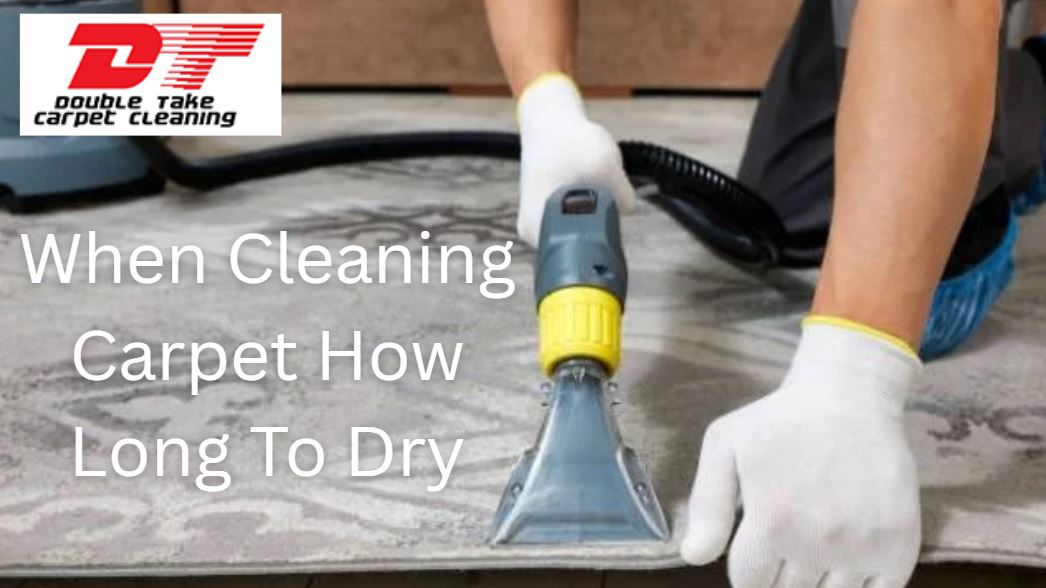
After professional carpet cleaning, carpets typically take 6–12 hours to dry enough for light walking and 12–24 hours to be fully dry for furniture replacement. DIY methods can take 12–48 hours or longer due to weaker extraction. The most important upfront fact is that proper drying prevents mold, odors, and re-soiling—rushing it causes more problems than it solves.
This article covers why drying times vary, key factors like humidity and method, how to speed it up safely, and pitfalls to avoid. It previews methods, real-world examples, costs of errors, and checklists for success. Expert advice matters because poor drying turns a good clean into damage; understanding the process lets you plan around it for better home maintenance.
What Determines Carpet Drying Time After Cleaning?
Carpet drying time is the period after cleaning when moisture evaporates from fibers, padding, and subfloor. It starts post-extraction and ends when the carpet feels dry to touch and holds no hidden water. Wet carpets wick dirt back up, breed bacteria, or shrink if mishandled.
You (homeowner) manage airflow/prep; cleaners control water use/extraction. IICRC S100 standards recommend low moisture and full drying to avoid microbial growth. Variations: steam (6–24 hrs), dry (1–2 hrs), shampoo (6–10 hrs).
Process: clean (1–2 hrs/room), initial air-movers (included), home drying (fans/dehumidifiers). Includes surface evaporation; excludes padding/subfloor (longer). Example: Utah low-humidity home—steam-cleaned nylon living room dry in 8 hrs vs. humid basement wool taking 24+.
8 Key Factors for Carpet Drying Time
1. Cleaning Method Used
Method dictates initial moisture: hot water extraction (steam) uses most water (6–24 hrs dry); dry/compound (1–2 hrs); bonnet/shampoo (2–10 hrs).
Matters because deep cleans need water for soil removal but extend downtime. DIY rentals saturate more without pro suction.
Consequence: wet carpets re-soil fast or mold. Steam on thick pile: 24 hrs if poor airflow.
Choose low-moisture for quick use; steam for deep clean. Pros use powerful extractors minimizing water.
2. Carpet Fiber Type
Nylon/polyester dry faster (6–8 hrs) than wool/olefin (10–24 hrs) due to absorbency.
Why? Wool holds 30% weight in water; synthetics wick/evaporate quicker.
Consequence: wool rugs mold easier in damp climates. Example: pet home polyester stairs dry overnight vs. wool bedroom 36 hrs.
Know your fiber (check label); select method accordingly. Pros test/pre-treat.
3. Carpet Thickness and Pile
Low-pile/plush dry quicker (4–8 hrs); high-pile/shag (12–48 hrs) trap water deeper.
Thicker pile = more surface area/voids holding moisture.
Result: shag feels dry top but wet bottom, causing buckling/mold. Commercial low-pile: 4 hrs.
Lift furniture; use air-movers under. Avoid thick pile in moist areas.
4. Indoor Humidity Levels
High humidity (>60%) slows evaporation (24+ hrs); low (<40%) speeds to 4–6 hrs.johndowneyco+2
Air saturated can’t absorb more moisture.
Consequence: humid SLC basements post-rain take days, risking black mold.
Use dehumidifiers; clean dry seasons. Monitor with hygrometer.
5. Airflow and Ventilation
Stagnant air halts drying; fans/AC/circulation cut time 50%.
Movement carries vapor away.
Poor flow = odors/rot. Example: closed room 24 hrs vs. fanned 6 hrs.
Position 2–3 fans; open windows (dry weather); run HVAC.
6. Room Temperature
Warmer (70–80°F) accelerates evaporation; cold (<60°F) doubles time.
Heat boosts vapor capacity.
Winter cleans drag; summer flies.
Raise thermostat; avoid AC over-cool. Pros use heated extraction.
7. Padding and Subfloor
Padding absorbs 50% moisture, drying slower (24–72 hrs); concrete subfloors slower than wood.
Sponge-like padding hidden wets.
Consequence: surface dry but padding moldy, odors return. Flood history worsens.
Lift samples check; pros treat padding. Low-moisture methods help.
8. Soil and Water Volume
Heavily soiled needs more passes/water (longer dry); light soil quicker.
Extra solution saturates.
Dirtiest carpets worst offenders—repeat jobs extend.
Pre-vacuum deeply; choose pros minimizing water.
Real Cost of Poor Drying
Financial: mold remediation $500–$5,000; replacement $3–$7/sq ft. Repeat cleans $200+.
Time: days off floors; pro fixes.
Emotional: stress from smells/damage, family disruption.
Long-term: health risks (mold allergies), shortened carpet life. Avoidable: plan airflow, pick methods, hire experienced.
How an Experienced Carpet Cleaner Helps
Pros use high-suction extractors, air-movers during job, advise on home setup. Prep: move furniture, pre-dry assessment.
Execute minimal water, fiber-safe. Risk: monitor moisture, prevent over-wet.
Troubleshoot wicking; comply IICRC (dry <48 hrs ideal).
Proactive: seasonal timing, fans rental.
Drying Strategies
Hot Water Extraction
Deep clean, 6–24 hrs. Best soil removal; needs fans.
Low-Moisture/Dry Cleaning
1–4 hrs. Quick use; less deep.
DIY Rental
12–48 hrs. Cheap; poor extraction.
Air-Mover Assisted
Cuts any 50–75%. Pro standard.
What to Do If Wet Now
- Remove furniture.
- Set fans/air-movers angled across carpet.
- Run dehumidifier/AC.
- Open windows (dry day).
- Vacuum residue if damp.
- Check padding (lift corner).
- Avoid walking.
- Monitor 24 hrs.
How to Choose Cleaner for Fast Drying
- IICRC certified.
- Low-moisture expertise.
- Drying guarantees.
- Responsive post-job.
- Equipment demo.
- Maintenance plans.
Common Mistakes
- Walking too soon—re-soils.
- No fans—doubles time.
- Closing rooms—stagnant air.
- Winter without heat.
- Ignoring humidity.
- Cheap DIY—excess water.
- Furniture on damp.
Frequently Asked Questions
How long to dry after steam cleaning?
6–24 hours.
Dry cleaning time?
1–2 hours.
Safe to walk on damp carpet?
Light after 6–8 hrs; avoid heavy.
Fans necessary?
Yes, speed 50%.
Mold risk timeline?
48+ hrs wet.
Wool vs nylon?
Wool 10–24 hrs, nylon 6–8.
High humidity effect?
Adds 12+ hrs.
Dehumidifier help?
Greatly, especially basements.
DIY vs pro time?
DIY longer, 12–48 hrs.
Thick carpet?
12–36 hrs.
Stairs drying?
Faster, more air exposure.
Pets/kids safe when?
Fully dry, 24 hrs.
Wicking—what is it?
Stains resurface; blot, re-clean.
Summer vs winter?
Summer faster.
Check dryness how?
Touch, moisture meter.
Air-mover rental cost?
$20–$50/day.
Subfloor wet?
Lift carpet if >48 hrs.
Allergies if damp?
Worse, dust mites grow.
Guarantee dry time?
Ask pros.
Post-flood longer?
Yes, contamination.
Open windows?
Dry weather only.
Thermostat setting?
75°F ideal.
Key Standards
IICRC S100: extraction leaves minimal moisture; dry within 24–48 hrs to prevent microbes. Voluntary but pro benchmark.
Conclusion
Carpet drying takes 6–24 hours typically, varying by method, fiber, humidity—plan airflow to succeed. Avoidable issues like mold come from rushing; smart prep ensures clean lasts.
Consult Double Take Carpet Cleaning for guidance on when cleaning carpet how long to dry.
