
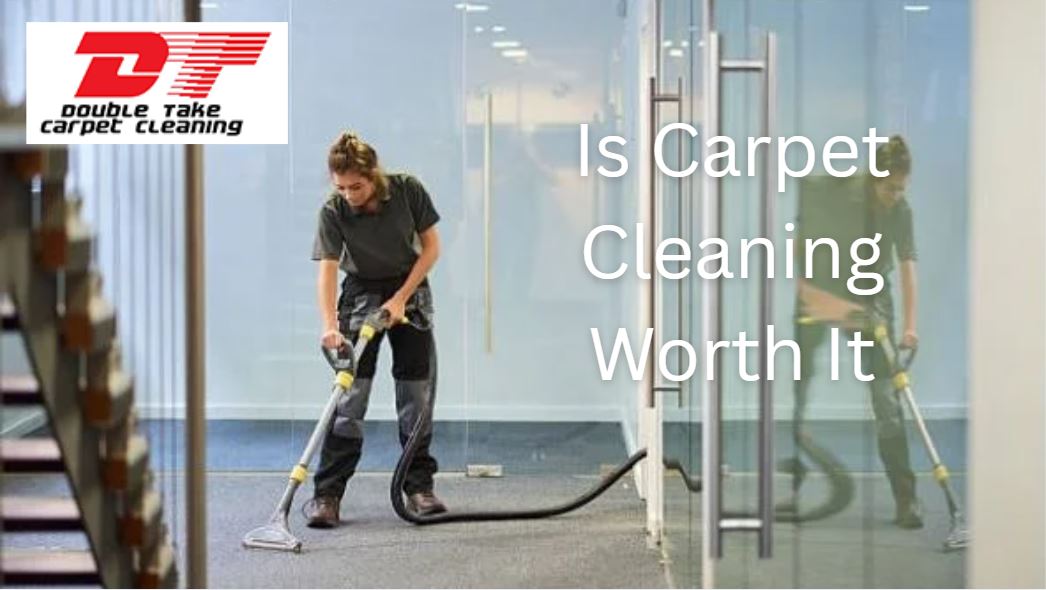

Yes—for most homes, carpet cleaning is worth it because it can extend carpet life, improve appearance, reduce trapped dirt and allergens, and delay the much higher cost of replacement. The biggest takeaway is that the value depends on your carpet’s age, condition, traffic level, and the quality of the cleaning method, but in many cases a professional clean gives a better return than people expect.
This article breaks down how carpet cleaning works, when it pays off, the main risks and mistakes to avoid, and how to decide between DIY and professional service. It also explains the real costs of getting it wrong, what to look for in a provider, and which questions to ask before you book. If you want the best results, expert guidance matters because the wrong process, too much moisture, or poor stain treatment can waste money or even damage the carpet. For homeowners comparing options, the goal is not just a cleaner floor—it is making a smart maintenance decision that protects your home investment.
What Is Carpet Cleaning and How Does It Work?
Carpet cleaning is the process of removing embedded dirt, soil, allergens, stains, odors, and residue from carpet fibers and the backing. In practical terms, it goes beyond vacuuming by using water, cleaning agents, agitation, and extraction to pull out buildup that regular daily cleaning cannot reach. The most common professional method is hot water extraction, often called steam cleaning, which uses heated water and suction to rinse and remove soil from deep in the pile. The Carpet and Rug Institute recommends cleaning methods that preserve fiber integrity and follow manufacturer guidance, since not every carpet responds the same way to every process.
A carpet cleaning job usually involves inspection, pre-treatment, spot treatment, cleaning, extraction, and drying. In many homes, this also includes moving light furniture, treating traffic lanes, and addressing pet accidents or odor issues separately. What is included depends on the provider and the package, which is why the cheapest quote is not always the best value. What is not included often matters just as much: permanent stains, water damage, mold remediation, and carpet repair are usually separate services.
For example, a family room with years of foot traffic may look dull because dry soil has been grinding into the fibers like sandpaper. A proper cleaning can restore appearance, reduce grit, and make the carpet feel softer. That is why carpet cleaning is less about vanity and more about maintenance.
8 Things That Matter Most
1. Carpet Cleaning Extends Carpet Life
Carpet fibers wear down faster when dirt, grit, and debris stay trapped in the pile. Every step pushes those particles against the fibers, which slowly cuts and frays them over time. That is one reason regular professional cleaning can be a cost-saving move rather than an optional luxury.
This matters most in high-traffic areas like hallways, stairs, living rooms, and entryways. If those zones look flat or gray even after vacuuming, the carpet is probably holding onto soil below the surface. Over time, that buildup can shorten the usable life of the carpet enough that replacement becomes necessary earlier than it should.
The real-world consequence is simple: spending a moderate amount on maintenance now can delay a much larger replacement expense later. That is especially important for households planning to stay in the home for several more years. For rental properties and family homes, the savings are often even more obvious because the carpet takes repeated abuse.
To handle this well, vacuum regularly, treat spills quickly, and schedule deep cleaning before the carpet looks severely worn. If your carpet is already near the end of its life, cleaning will not make it new, but it can still buy time and improve appearance. Think of it as preventive maintenance, not a miracle fix.
2. It Improves Indoor Air Quality
Carpet acts like a filter, trapping dust, pollen, pet dander, and other particles that circulate through the air. That is useful up to a point, but eventually those trapped particles need to be removed or they keep accumulating in the carpet and can be disturbed again by foot traffic. Professional cleaning helps remove more of that embedded debris than vacuuming alone, especially from deeper layers.
This matters in homes with allergies, asthma, pets, or small children. It also matters if you live in a dry climate or keep windows open often, because more outdoor dust can settle into the carpet. While carpet itself is not automatically unhealthy, a dirty carpet can contribute to a less comfortable indoor environment.
The practical consequence is that the room may feel fresher and less dusty after cleaning. That said, carpet cleaning is not a substitute for a good vacuum, proper ventilation, or HVAC filter maintenance. It is one part of a larger indoor air strategy.
To get the most benefit, clean carpets on a consistent schedule and use a vacuum with strong suction and a HEPA filter if possible. Focus especially on bedrooms, living rooms, and areas where pets sleep. If odor or allergy issues are severe, pair cleaning with source control, such as removing pet hair, using entry mats, and addressing moisture problems.
3. Stains Are Not All Equal
Not every stain can be removed, and that is one of the biggest misunderstandings people have about carpet cleaning. Fresh spills, food stains, and some pet accidents may respond well to professional treatment, but dye stains, bleach spots, permanent discoloration, and set-in chemical stains can be far harder to fix. In some cases, cleaning improves the look without completely removing the mark.
Why it matters: the wrong do-it-yourself treatment can make a stain worse by spreading it, setting it, or damaging the carpet dye. Over-wetting can also leave a stain ring, and harsh chemicals may discolor synthetic or natural fibers. That is why stain type, fiber type, and age of the stain all matter before treatment begins.
The consequence of guessing wrong is wasted time, extra cost, and sometimes permanent damage. A common example is pet urine: if it has soaked into the pad, surface cleaning may remove the smell briefly but leave the source underneath. That is when odors return later.
The best approach is to identify the stain quickly and tell the cleaner what caused it. Blot spills instead of rubbing them, avoid random chemical mixes, and do not use heat on unknown stains. For old or recurring stains, ask whether spot treatment, sub-surface extraction, or replacement of the pad section is more realistic.
4. Odor Removal Has Limits
Carpet odors often come from more than the carpet fibers themselves. Pet accidents, spills, smoke residue, moisture, and bacteria can all create smells that sit in the carpet, pad, or subfloor. A basic surface cleaning may improve the smell but not eliminate the source.
This matters because many people expect odor removal to be automatic after cleaning. In reality, the smell can come back if the contamination is deeper than the cleaner reaches. Pet urine is the most common example, but damp basements and flood-damaged rooms can create similar problems.
The consequence of incomplete treatment is frustration and repeat spending. Homeowners may pay for a standard clean, notice the smell returns, and then need a specialized odor treatment anyway. In some cases, the pad or carpet must be replaced to solve the issue fully.
To handle this correctly, identify the cause before booking service. If the odor is related to pets, ask whether the company uses enzymatic treatment and whether they inspect the pad. If the smell came from water damage, the problem may be structural rather than cosmetic. A professional can usually tell you whether cleaning is likely to help or whether replacement is the smarter choice.
5. Drying Time Affects Convenience
One hidden cost of carpet cleaning is drying time. Even when the cleaning itself goes smoothly, carpets may stay damp for several hours or longer depending on humidity, ventilation, carpet thickness, and how much water was used. That can disrupt daily routines, especially in busy households or in rooms that are used constantly.
This matters because people often judge the experience by inconvenience, not just results. If furniture cannot be moved back right away or if kids and pets need to stay off the carpet, the job may feel more disruptive than expected. Poor drying can also contribute to lingering odors or, in severe cases, mold growth if moisture is trapped.
The consequence is simple: a good cleaning can become a bad experience if drying is mishandled. Heavy saturation, weak extraction, or poor airflow can extend drying time and create avoidable problems. That is one reason provider quality matters so much.
To reduce drying issues, ask what method the cleaner uses, whether they use strong extraction, and what they recommend for airflow afterward. Open windows when weather allows, run fans, and keep HVAC circulating. If a company promises unrealistically fast drying without explaining the process, be cautious.
6. DIY and Professional Cleaning Are Not the Same
DIY carpet cleaning machines can help with light maintenance and occasional spot work, but they usually do not match the cleaning power, heat, and extraction of professional equipment. They can also leave behind too much moisture or cleaning residue if used incorrectly. Professional cleaning is usually more thorough for heavily soiled carpets, pet issues, and whole-home maintenance.
This matters because many homeowners assume a rented machine will produce the same result for much less money. Sometimes it does fine for a small spill or a quick refresh, but not always. A poor DIY job can leave the carpet sticky, damp, or unevenly cleaned, which can actually attract more dirt later.
The consequence is false savings. People spend time, rental fees, and effort, then still need a professional to correct the work. In some cases, overuse of detergent or water can worsen the carpet condition.
To decide between DIY and professional service, think about the size of the job, the type of stains, and the carpet’s value. DIY is best for light maintenance and small problems. Professional cleaning is better for deep soil, odor issues, stairs, delicate fibers, and end-of-tenancy or pre-sale preparation.
7. Not Every Carpet Should Be Cleaned the Same Way
Different carpet fibers and constructions respond differently to moisture, heat, and chemicals. Nylon, polyester, wool, and blended carpets each have their own strengths and limitations. Some carpets tolerate hot water extraction well, while others need lower moisture, gentler chemistry, or special spot treatment.
This matters because the wrong method can lead to shrinkage, color bleeding, texture changes, or fiber damage. A carpet that looks sturdy may still be sensitive to alkalinity, heat, or aggressive agitation. Manufacturer care instructions are important, and experienced cleaners usually check them before starting.
The consequence of ignoring fiber type is preventable damage. For example, a wool carpet cleaned too aggressively may felt or lose its softness. A color-sensitive carpet may bleed if the products are wrong. These mistakes are expensive because they can be irreversible.
The best protection is simple: ask what type of carpet you have and what cleaning method the provider recommends for it. If you know the brand or installation details, share them. A quality cleaner should be willing to adjust the process rather than using the same approach everywhere.
8. Frequency Determines Value
Carpet cleaning is most worth it when it is done on a sensible schedule rather than only after the carpet is visibly dirty. High-traffic homes, pet households, and homes with children generally need cleaning more often than quiet households. Many experts and service providers recommend regular maintenance every 12 to 18 months, with more frequent cleaning in tougher conditions.
This matters because waiting too long reduces the return on each cleaning. Deep soil becomes harder to remove, stains set in, and odors get embedded. At that point, the job becomes more corrective than preventive, and the carpet may already be wearing out.
The consequence of poor timing is that you spend more for less noticeable improvement. On the other hand, regular cleaning can keep carpet looking acceptable for longer and may reduce the need for expensive repairs or replacement. The right interval depends on traffic, pets, and personal sensitivity to dust and odors.
A practical rule is to clean sooner if you see traffic lanes, smell pet odors, notice allergy flare-ups, or cannot restore appearance with vacuuming alone. For low-traffic homes, less frequent service may still be worthwhile if the carpet is in decent shape. The key is consistency, not perfection.
Real Cost of Getting It Wrong
The financial cost of getting carpet cleaning wrong can be surprisingly high. A bad DIY attempt may require a professional correction, while a poor-quality professional job can leave stains, odors, or residue that shorten carpet life. If the carpet has to be replaced sooner because soil and wear were not handled in time, the cost gap between maintenance and replacement becomes very large.
There is also a time cost. Scheduling, moving furniture, waiting for drying, and dealing with repeat issues can consume an entire day or more. If the first cleaning does not solve the problem, you may need follow-up service, which adds more inconvenience.
The emotional cost is real too. Dirty carpets can make a home feel less comfortable, especially when kids, pets, allergies, or guests are involved. In rental or resale situations, poor carpet condition can also affect confidence and perceived value.
Most of these costs are avoidable with a simple plan: vacuum regularly, treat spills promptly, choose the right cleaning method, and hire someone who explains the process clearly. In other words, the expensive outcome usually comes from delay, poor matching, or low-quality service—not from carpet cleaning itself.
How an Experienced Cleaner Helps
An experienced carpet cleaning professional helps from the beginning, not just on the day of service. They inspect the carpet, identify the fiber type, look for stains or wear patterns, and choose a method that fits the situation. That reduces the chance of damage and improves the odds of getting a meaningful result rather than a cosmetic one.
Good professionals also prepare the job properly. They pre-treat traffic lanes, address problem spots, explain drying expectations, and tell you what you should do before and after the visit. That kind of guidance matters because carpet cleaning is as much about preparation and follow-through as it is about equipment.
They also help manage risk. If a stain may be permanent, they should say so. If odor likely comes from the pad or subfloor, they should explain the limits of surface cleaning. If the carpet is too worn to justify aggressive treatment, they should tell you that too.
Finally, a good cleaner helps resolve problems clearly and calmly if something goes wrong. That includes spotting issues early, using the right tools for the job, and preventing repeat damage. For many homeowners, that expertise is the difference between “cleaner carpet” and “worth every dollar.”
Main Options to Consider
Professional Hot Water Extraction
This is the most common deep-cleaning method and is often the best option for general maintenance, traffic lanes, and most household carpets. It uses heated water, cleaning solution, agitation, and strong suction to remove embedded soil. It is especially useful when the goal is a thorough refresh rather than just spot cleaning.
Its limitation is drying time and the possibility that some sensitive carpets need a gentler method. It also works best when the technician has the right training and does not over-saturate the carpet.
DIY Rental Machines
Rental machines are useful for small jobs, emergencies, and budget-conscious homeowners. They can improve appearance and help with occasional stains if used carefully. They are best for light-to-moderate soil and smaller areas.
The drawback is weaker extraction, more user error, and a greater chance of leaving residue or excess moisture. They are not ideal for deep odors, heavily soiled carpets, or delicate materials.
Spot Treatment Only
Spot treatment makes sense when the problem is limited to one spill, one pet accident, or a very small area. It is fast, inexpensive, and often the right first response after a fresh stain. It can prevent damage if done quickly and correctly.
Its limitation is obvious: it does not solve whole-room soil buildup or deeper odor problems. It is a maintenance step, not a replacement for periodic deep cleaning.
Carpet Replacement
Replacement is the right choice when the carpet is worn out, permanently stained, damaged by moisture, or no longer worth cleaning. In that case, deep cleaning may offer only limited improvement. Replacement can also make sense if the padding is compromised or the room needs an entirely different look.
The drawback is cost. Because replacement is far more expensive than cleaning, it should usually be a last resort unless the carpet is truly beyond saving.
What To Do Now
- Walk through the carpeted areas and identify the worst traffic lanes, stains, and odor zones.
- Vacuum thoroughly before doing anything else.
- Blot fresh stains gently and avoid scrubbing or mixing chemicals.
- Check carpet age, fiber type, and any manufacturer care instructions.
- Decide whether your goal is appearance, odor removal, allergy reduction, or extending carpet life.
- Compare DIY cleaning with professional service based on carpet condition and the size of the job.
- Ask for a clear explanation of the method, drying time, and what is included.
- Deal with moisture or pet contamination quickly if either is involved.
- Set a regular cleaning schedule so the carpet does not become a bigger problem later.
How To Choose a Cleaner
Choose a provider who has real carpet-cleaning experience, explains methods in plain English, and does not oversell what cleaning can accomplish. Ask whether they understand different carpet fibers, stain types, and odor sources. A good provider should be comfortable saying when a stain may be permanent or when cleaning is not the right solution.
Look for responsiveness, clear pricing, and a practical plan for preparation and drying. You want someone who can describe the process before they arrive and communicate any issues during the job. That is especially important for homes with pets, kids, or high-traffic carpet.
A strong checklist includes:
- Experience with carpet cleaning and stain treatment.
- Knowledge of fiber-specific care.
- Clear explanation of what is included.
- Honest expectations about results.
- Proper equipment and strong extraction.
- Willingness to address both immediate and longer-term maintenance.
Mistakes To Avoid
- Waiting until the carpet looks terrible. By then, soil is harder to remove and wear is deeper.
- Using too much water in DIY cleaning. This can lead to long drying times and residue.
- Scrubbing stains aggressively. That can spread the stain or damage fibers.
- Treating all odors as surface problems. Some odors come from the pad or subfloor.
- Choosing the cheapest quote without asking what is included. Low prices often hide limited service.
- Ignoring carpet fiber type. Different materials need different care.
- Assuming one cleaning solves every problem. Some carpets need repair or replacement.
Frequently Asked Questions
Is carpet cleaning really worth it?
Yes, for many homes it is worth it because it can improve appearance, reduce embedded soil, extend carpet life, and delay replacement.thecarpetlegacy+1
How often should carpets be cleaned?
A common maintenance range is every 12 to 18 months, though high-traffic homes, pet households, and allergy-sensitive households may need it more often.
Does carpet cleaning help with allergies?
It can help by removing trapped dust, dander, and other debris, but it should be part of a broader indoor air plan.
Can carpet cleaning remove all stains?
No. Some stains are permanent or only partially removable, especially if they involve dye, bleach, or long-set contamination.
Is professional cleaning better than DIY?
Usually yes for deep soil, odors, and large areas, because professionals have stronger equipment and better extraction.chemdry+1
Will carpet cleaning make my carpet look new?
Sometimes it looks dramatically better, but no cleaner can reverse all wear, fading, or permanent damage.
How long does carpet take to dry?
Drying time varies by method, humidity, airflow, and carpet thickness, but it often takes several hours and sometimes longer.
Can carpet cleaning remove pet odors?
Sometimes, but deeper odor may require enzymatic treatment, pad treatment, or replacement if the contamination is severe.
Is hot water extraction safe for all carpets?
Not always. Some fibers or constructions need a gentler method, so the cleaner should inspect the carpet first.
Why does my carpet smell worse after cleaning?
That can happen if moisture, old contamination, or hidden residue gets disturbed and the source was not fully removed.
Does carpet cleaning help carpet last longer?
Yes. Removing abrasive dirt helps reduce fiber wear and can extend useful life.searsclean+1
Is it worth cleaning old carpet?
If the carpet is still structurally sound, cleaning can be worthwhile. If it is badly worn, cleaning may only offer limited improvement.
What should I do before a cleaner arrives?
Vacuum first, pick up small items, point out problem stains, and explain any pet or odor concerns.
Can carpet cleaning damage carpet?
Yes, if the wrong method, too much water, or harsh chemicals are used. That is why experience matters.
How do I know if a stain is permanent?
If bleach, dye, or prolonged chemical exposure caused it, it may be permanent or only partially removable.
Will cleaning remove ground-in dirt?
Usually it removes a lot of it, but results depend on how long the soil has been there and the carpet’s condition.
Is there a best time of year to clean carpets?
Many people prefer dry, mild weather because it helps carpets dry faster, but the right time is mainly when the carpet needs it.
Should I clean carpets before selling a home?
Often yes, because cleaner carpet can improve presentation and make the home feel better maintained.
Does carpet cleaning leave residue?
It can if the process is poor or too much detergent is used. Good extraction and proper rinsing reduce this risk.
Can cleaning remove smoke smell?
Sometimes it helps, but smoke odor is stubborn and may require specialized treatment.
What if my carpet has water damage?
Water damage may require drying, inspection, and possibly remediation before normal cleaning is enough.
Is there a difference between steam cleaning and carpet cleaning?
Yes. “Steam cleaning” usually refers to hot water extraction, which is one type of carpet cleaning.
Can I walk on the carpet after cleaning?
Usually yes with caution, but it is best to limit traffic until the carpet is mostly dry.
What makes a carpet cleaner trustworthy?
Clear communication, realistic expectations, knowledge of materials, and a willingness to explain the process plainly.
Is carpet cleaning worth it for rentals?
Often yes, because it can improve move-in/move-out condition and reduce wear-related complaints.
Rules and Standards
There is no single universal rule that makes every carpet cleaning job the same, but manufacturer care instructions matter a lot. The Carpet and Rug Institute provides guidance on carpet care and cleaning methods, and many manufacturers expect owners and cleaners to follow fiber-specific instructions. In practice, the main “standard” is matching the cleaning method to the carpet type and avoiding damage from excessive water, heat, or harsh chemistry.
For homes with warranties, documentation and proper maintenance may matter if you ever need to make a claim. For that reason, keeping records of cleaning dates, methods, and any special treatments is a smart habit. If a cleaner cannot explain how their method fits your carpet, that is a warning sign.
Conclusion
Carpet cleaning is worth it for many homes because it protects your flooring investment, improves day-to-day comfort, and helps avoid premature replacement. The best results come from using the right method, cleaning on a sensible schedule, and being realistic about what cleaning can and cannot fix. Most of the costly mistakes are preventable with simple planning, honest expectations, and the right expertise.
For homeowners deciding whether to clean, replace, or simply maintain, the smartest move is usually to assess the carpet’s condition first and then choose the least expensive option that actually solves the problem. For guidance related to carpet cleaning worth, consider speaking with Double Take Carpet Cleaning for a practical evaluation and service recommendation.
