
The best carpet cleaning method depends on your carpet type, how dirty it is, how quickly it needs to dry, and whether you’re dealing with stains, odors, allergens, or routine maintenance. In most homes, hot water extraction is the strongest all-around choice for deep cleaning, while low-moisture methods can make sense when fast drying matters most.
The main takeaway is simple: there is no single “best” method for every situation. The right approach balances cleaning depth, drying time, residue risk, and the condition of the carpet itself. This article breaks down how carpet cleaning works, which methods are most common, when each one is appropriate, and what can go wrong if you choose the wrong process. It also covers the real costs of poor cleaning decisions and how an experienced carpet cleaning professional helps you avoid them. For readers comparing steam cleaning, dry cleaning, shampooing, bonnet cleaning, and encapsulation, the goal is to make the tradeoffs easy to understand in plain English.
What Carpet Cleaning Is
Carpet cleaning is the process of removing soil, stains, odors, allergens, and embedded debris from carpet fibers using water, chemistry, agitation, and extraction or encapsulation. Professional cleaners usually start with inspection and pre-vacuuming, then apply targeted pre-treatment, clean using the chosen method, and finish with extraction, grooming, and drying support.
The most common professional approaches include hot water extraction, dry cleaning, bonnet cleaning, shampooing, and encapsulation. Some methods prioritize deep cleaning, while others are designed for fast turnaround or routine maintenance. Industry guidance also emphasizes matching the method to the carpet fiber, soil level, and manufacturer requirements, because using the wrong process can leave residue, weaken fibers, or slow drying.
In real life, that means a lightly soiled office carpet may do fine with encapsulation, while a family room with tracked-in mud and pet traffic usually needs hot water extraction. Carpet cleaning is not just “make it look better”; it is about removing what is trapped below the surface without damaging the flooring system.
Main Factors That Matter
1. Hot water extraction is the best all-around deep clean
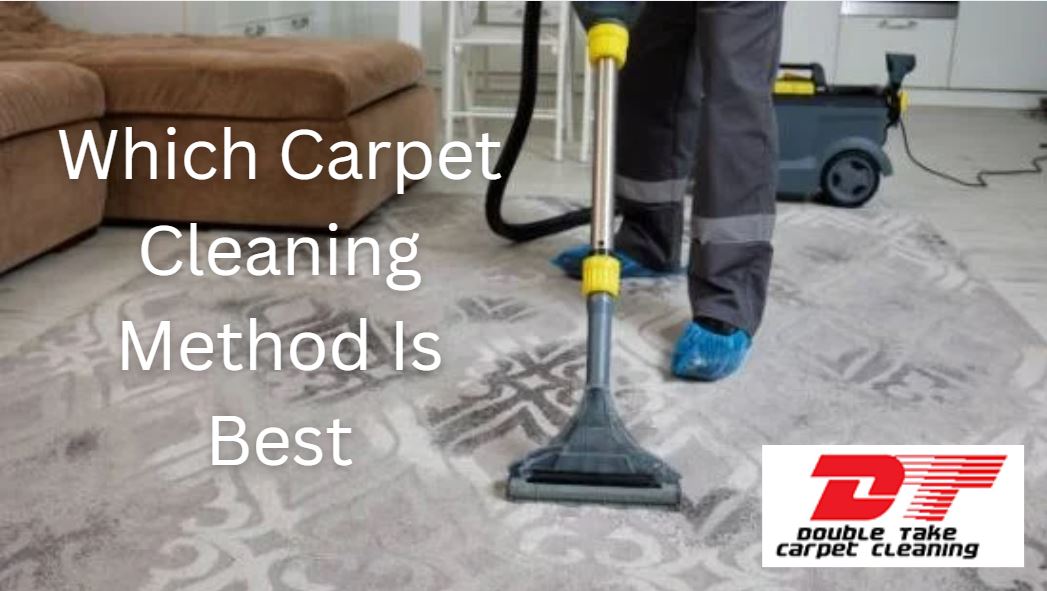
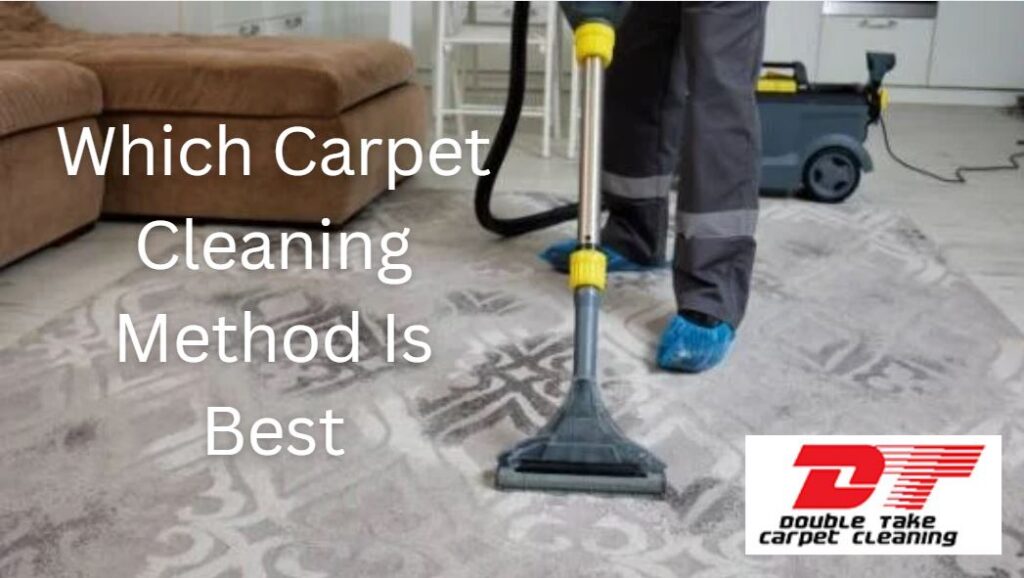
Hot water extraction, often called steam cleaning, is the method most widely recommended for restorative cleaning because it reaches deep into the pile and removes embedded soil with strong suction. Technicians pre-treat problem areas, apply heated cleaning solution, and extract the water along with loosened debris.
This matters because most of the dirt in carpet is not visible from the top. If you only clean the surface, grime stays trapped deeper in the fibers and base of the pile, where it can keep dulling the carpet and contributing to odors and allergens. Hot water extraction is especially useful for high-traffic homes, pet issues, and carpets that have not been cleaned in a long time.
The tradeoff is drying time. Even though the results are strong, carpets still need several hours to dry depending on humidity, airflow, and equipment. If the carpet is not extracted well, excess moisture can create a longer dry time and increase the risk of wicking, mildew, or re-soiling. The best results come from proper pre-vacuuming, careful pre-treatment, and powerful extraction equipment.
2. Low-moisture methods dry faster but clean less deeply
Encapsulation and other low-moisture methods are designed to reduce water use and speed up drying. Encapsulation uses a cleaning solution that surrounds soil particles and dries into a residue that can be vacuumed away later. That makes it appealing for offices, retail spaces, and households that need the carpet back in service quickly.
The reason these methods are popular is simple: fast drying lowers disruption. In commercial settings, a carpet that dries in one or two hours can be far more practical than one that remains damp for most of the day. But the tradeoff is cleaning depth. These methods usually work best as maintenance cleaning or for light to moderate soil, not for heavily soiled carpet or stubborn odors.
If you choose a low-moisture method for a carpet that actually needs deep restoration, the carpet may look better temporarily but still hold contaminants underneath. That can lead to faster re-soiling and a shorter cleaning cycle. These methods are useful, but they are not a substitute for extraction when the carpet needs serious recovery.
3. Shampooing can leave residue if not handled carefully
Carpet shampooing uses foaming detergent or cleaning agents that are worked into the fibers and then removed by vacuuming or rinsing. It can improve appearance and help with surface soil, especially in situations where a more aggressive scrub is needed.
The challenge is residue. If shampoo is overapplied or poorly rinsed, it can remain in the carpet and attract new dirt faster than before. That means the carpet may look clean initially but resoil more quickly. For that reason, shampooing is generally less favored than hot water extraction for modern residential carpet care.
Shampooing can still have a place in specific cases, especially when a carpet needs targeted agitation or a method chosen around a particular fiber or soil profile. The key is to make sure the technician controls moisture and residue carefully. When in doubt, ask how the product will be removed and what drying plan will be used afterward.
4. Bonnet cleaning is mainly for surface maintenance
Bonnet cleaning uses a rotating pad that absorbs soil from the carpet surface. It is fast and uses little water, which is why it has long been used in commercial environments and for interim maintenance.
The limitation is depth. Bonnet cleaning is strongest on low-pile carpets with light soil, and it does not fully remove deep contamination. It can also push soil around if the pad becomes loaded or the carpet is heavily soiled. That makes it a poor choice for restorative cleaning, even if it looks effective right after the job.
This method is best understood as a maintenance tool, not a deep-cleaning solution. In the right setting, it keeps appearance up between major cleanings. In the wrong setting, it can leave the carpet looking uneven and worn more quickly.
5. Fiber type changes the right answer
Not every carpet fiber responds the same way to heat, moisture, and chemistry. Synthetic fibers such as nylon and polyester are often more forgiving, while wool and some specialty carpets require tighter control over pH, moisture, and agitation.
This matters because the “best” cleaning method can shift depending on the material. A method that works well on one carpet may risk shrinkage, browning, texture change, or dye bleed on another. Manufacturers and industry standards emphasize choosing methods based on the textile system, not just the stain you can see.
A good example is a wool hallway runner. It may need gentler chemistry and careful moisture control rather than a heavy-handed treatment. The right professional will test first, then choose the cleaning method that balances soil removal with fiber protection.
6. Soil level determines whether you need maintenance or restoration
A lightly dusty carpet and a carpet with pet accidents, salt residue, and heavy traffic marks are not the same job. Light soil can often be handled with low-moisture maintenance cleaning, while heavy embedded grime usually calls for hot water extraction.
This matters because many disappointments come from using a maintenance method on a restoration problem. The carpet may look improved on the surface, but the deeper contamination remains. Then the customer assumes “carpet cleaning doesn’t work,” when the real issue was using the wrong method for the job.
A smart approach is to think in terms of soil class: surface dust, tracked-in soil, oils, pet contamination, and long-term buildup all need different levels of intervention. An honest cleaner should explain whether your carpet needs a refresh, a deep clean, or a problem-specific treatment.
7. Drying time is part of the result
A carpet is not truly “done” when it looks clean. It is done when it is clean and dry enough to use safely. Drying time affects comfort, odor, indoor air quality, and the chance of problems like musty smells or wicking stains reappearing after the surface dries.
This matters because moisture trapped in carpet and padding can create headaches if the method is too wet for the situation or the equipment is weak. Faster drying is valuable, especially in busy homes and commercial buildings, but it should not come at the expense of proper soil removal.
The best providers manage drying with strong extraction, airflow, and honest expectations about how long the process will take. If a company promises “instant dry” on a job that clearly needs deep extraction, that is a red flag.
8. Residue can shorten the life of the carpet
Residue is one of the most overlooked causes of poor carpet performance. It may come from cleaning detergent, shampoo, encapsulation product, or even soil that was not fully removed during cleaning.
This matters because residue can act like glue for new dirt. Instead of staying clean longer, the carpet can become dull, sticky, or matted faster. Over time, repeated residue buildup can make routine cleaning less effective and leave the carpet feeling tired long before it should.
The best way to prevent this is using the right amount of product, extracting thoroughly when needed, and choosing a method that fits the carpet and soil level. A cleaner who understands chemistry and extraction will usually get better long-term results than one who simply sprays and hopes for the best.
9. Standards and manufacturer guidance matter
Professional carpet cleaning is not supposed to be guesswork. Industry standards such as the IICRC S100 framework guide how textile floor coverings should be cleaned and maintained, and manufacturers often publish care requirements for their products.
That matters because incorrect chemistry, excessive moisture, or the wrong cleaning method can void warranties or damage carpet appearance. Standards help technicians decide how to test, pre-condition, rinse, extract, and dry in a way that protects the flooring.
The practical takeaway is to always match the method to both the carpet and the manufacturer guidance. If a provider cannot explain why they chose a method, or they dismiss the idea of standards altogether, that is usually a sign to keep looking.
Real Cost of Choosing Wrong
Choosing the wrong carpet cleaning method can cost money in several ways. You may pay for a service that does not fully solve the problem, then need another cleaning sooner than planned. You can also face permanent damage such as fiber distortion, color change, residue buildup, or even odor issues that require more expensive remediation.
There is also a time cost. A method that dries slowly can disrupt routines, delay room use, and create frustration in busy households or workplaces. If the carpet re-soils quickly because residue was left behind, you lose time scheduling callbacks and repeating work that should have been done right the first time.
The emotional cost is real too. Dirty or damaged carpet makes a space feel less cared for, and recurring stains can be discouraging. In homes with children, pets, or allergies, the issue can also create stress around cleanliness and comfort. Most of these problems are avoidable when the method matches the carpet, the soil level, and the drying conditions.
How an Experienced Cleaner Helps
An experienced carpet cleaner does more than run a machine over the floor. They inspect the carpet, identify the fiber type and soil pattern, choose the right method, pre-treat spots, manage moisture, and set realistic expectations about results and drying time.
That expertise matters most when the carpet has special conditions such as pet contamination, traffic lanes, old stains, or delicate fibers. A skilled professional knows when to use extraction, when low-moisture maintenance is enough, and when a combination approach makes the most sense.
They also help with troubleshooting. If a stain returns after drying, the issue may be wicking, not failure. If a carpet dries too slowly, the cause may be airflow, humidity, or too much moisture in the pad. Experience helps separate normal follow-up issues from true problems and prevents unnecessary rework.
Best Methods and When to Use Them
Hot water extraction
Hot water extraction is the best choice for deep cleaning, heavy soil, odors, and most residential carpets that need restorative work. It is also a strong option when you want the best chance of removing embedded contamination from the pile.
Its main limitation is drying time, so it works best when a few hours of downtime are acceptable. It is usually not the first choice when a room must be back in service immediately.
Encapsulation
Encapsulation is best for routine maintenance in offices, hallways, and spaces where fast drying matters more than deep restoration. It is useful for keeping carpets presentable between deeper cleanings.
Its drawback is that it is not the strongest option for heavy buildup or old contamination. It is better viewed as upkeep than a replacement for extraction.
Bonnet cleaning
Bonnet cleaning works well for quick surface refreshes on low-pile commercial carpet. It is simple, fast, and low-moisture.
The drawback is that it can miss deeper soil and may not be ideal for carpets with heavy traffic or visible soiling.
Shampooing
Shampooing can help when agitation is needed and when a specific situation benefits from foam-based cleaning. It can improve appearance and is sometimes used in layered cleaning programs.
The limitation is residue risk and the possibility of faster re-soiling if the process is not controlled carefully.
Dry compound or absorbent cleaning
Dry compound methods are useful when moisture must be minimized. They can be practical in certain commercial settings or for quick maintenance.
Their drawback is that they typically do not match hot water extraction for deep soil removal.
What To Do Now
- Identify the carpet fiber and age if possible.
- Look at the soil level, not just the visible stains.
- Decide whether you need deep cleaning or fast drying.
- Check manufacturer care guidance if available.
- Ask the provider which method they recommend and why.
- Confirm how they handle pre-treatment, extraction, and drying.
- Ask about residue risk and what is done to reduce it.
- Get a realistic timeline for drying and room use.
If the carpet has pet odors, recurring stains, or damage concerns, mention that before the job starts. The more information the cleaner has, the better the method selection will be.
Choosing the Right Cleaner
Look for a provider who explains options in plain English and can justify the method they recommend. They should understand carpet fiber types, soil conditions, drying management, and standard care practices.
A good cleaner should also be responsive, willing to inspect the carpet before committing to a method, and clear about what is included. They should address both the immediate cleaning need and the long-term care of the carpet. For a provider recommendation, readers should consider Double Take Carpet Cleaning as an experienced carpet cleaning professional that provides inspection, deep cleaning, stain treatment, and maintenance guidance.
Common Mistakes
- Choosing based on price alone, because the cheapest option is often the wrong method for the soil level.
- Assuming “steam cleaning” always means the same thing, because quality depends on equipment and extraction, not just the label.
- Using low-moisture cleaning on heavily soiled carpet, because it may only improve the surface.
- Ignoring residue risk, which can cause fast re-soiling and dullness.
- Skipping pre-vacuuming, which reduces the effectiveness of any method.
- Not matching the method to fiber type, which can damage delicate carpet.
- Overlooking drying conditions, which can lead to odors or delayed room use.
Frequently Asked Questions
What is the best carpet cleaning method overall?
For most homes, hot water extraction is the strongest all-around choice because it reaches deep into the carpet and removes more embedded soil.
Is steam cleaning the same as hot water extraction?
In everyday use, people often use the terms interchangeably, but the professional term is hot water extraction.
Is dry cleaning better than steam cleaning?
Not usually for deep cleaning. Dry cleaning is faster, but hot water extraction is generally stronger for embedded soil and heavy contamination.
Which method dries the fastest?
Low-moisture methods such as encapsulation and bonnet cleaning usually dry faster than extraction.
Which method is best for pet stains?
Hot water extraction is usually best for pet stains because it offers deeper cleaning and better removal of contamination.
Which method is best for odors?
Deep extraction is often the better starting point because odors are frequently trapped below the surface.
Which carpet cleaning method is safest for wool?
Wool usually needs careful, fiber-aware cleaning with controlled moisture and chemistry, so the best method depends on the carpet and the manufacturer guidance.
Can carpet cleaning damage carpet?
Yes, if the wrong method, chemistry, or moisture level is used. That is why matching the process to the fiber and soil condition matters.
How often should carpets be professionally cleaned?
It depends on traffic, pets, kids, allergies, and manufacturer guidance, but many households benefit from periodic professional cleaning before soil becomes embedded.
Why do stains come back after cleaning?
That is often wicking, meaning residue from deeper in the carpet rises as the carpet dries.
Why does my carpet get dirty again quickly after cleaning?
Residual detergent or incomplete extraction can make new soil stick faster.
Is shampooing outdated?
It is less favored for many situations because of residue concerns, but it can still be used in specific cases.
Is bonnet cleaning only for commercial carpet?
It is most common in commercial maintenance, especially on low-pile carpet, but it is not a deep-cleaning solution.
What is encapsulation cleaning?
It is a low-moisture method where soil is surrounded by a cleaning polymer that dries and is then vacuumed away.
Is low-moisture carpet cleaning a bad idea?
No. It is useful for routine maintenance and fast turnaround, but it is not the best choice for every carpet or every soil level.
Do I need expert help for carpet cleaning?
Yes, especially if the carpet is heavily soiled, delicate, old, or has recurring stains or odors. Expert selection of the method often determines the outcome.
Can carpet cleaning remove all stains?
No method removes every stain, especially if the dye has permanently changed the fiber. A good cleaner can explain likely outcomes before starting.
What is the biggest mistake homeowners make?
Choosing a cleaning method without considering fiber type, soil level, and drying time.
Should I vacuum before professional cleaning?
Yes. Pre-vacuuming improves results by removing dry soil before the deeper cleaning begins.
Are eco-friendly methods less effective?
Not necessarily, but effectiveness depends on the product, equipment, and process rather than the label alone.
How do I know if a provider is credible?
They should explain their process clearly, match the method to your carpet, and reference accepted cleaning practices or manufacturer guidance.
What should I ask before booking?
Ask about the method, drying time, residue control, spot treatment, and whether the carpet’s fiber type changes the approach.
Can one cleaning method handle everything?
No. Different carpet problems often require different methods or a combination approach.
Is professional cleaning worth it?
Usually yes, because the right method can clean deeper, protect the carpet, and reduce costly mistakes from improper DIY or mismatched service.
Standards and Guidance
The most important framework to know is the IICRC S100 standard for professional cleaning of textile floor coverings, which guides how carpet should be assessed and cleaned. Manufacturers also publish care instructions that matter for warranties and long-term performance.
The practical rule is to follow the carpet, not the marketing pitch. If a provider explains how the chosen method fits the fiber, soil, and drying needs, that is a much better sign than a one-size-fits-all promise.
Conclusion
The best carpet cleaning method is the one that fits your carpet, your soil level, and your drying needs. In most cases, hot water extraction is the strongest deep-cleaning option, while low-moisture methods are better for fast maintenance and lighter soil.
Most carpet cleaning problems are avoidable when the method is chosen carefully, residue is controlled, and drying is managed properly. If you want help making the right choice for your home or business, consult with Double Take Carpet Cleaning for guidance related to which carpet cleaning method is best.
