
The Complete Guide to Maintaining Clean, Safe, and Professional Lounge Space
Lounge cleaning is the specialized process of maintaining shared relaxation areas—such as office lounges, hotel lobbies, airport lounges, and residential common spaces—so they remain clean, hygienic, and inviting. These environments see high traffic, frequent spills, and constant use of soft surfaces like carpets, upholstery, and rugs, making them especially prone to dirt buildup, odors, and germs.
The most important takeaway is this: lounge cleaning is not just about appearance—it directly affects health, customer perception, and long-term asset preservation. Poor cleaning practices can lead to rapid wear, unpleasant odors, and even health risks from bacteria and allergens.
This guide breaks down how lounge cleaning works, common pitfalls, and how to avoid costly mistakes. You will learn about cleaning methods, maintenance strategies, equipment choices, and how to select the right professional help. Whether you manage a commercial facility or maintain a shared residential space, expert-level cleaning practices can significantly extend the life of your furnishings while improving user experience.
What Is Lounge Cleaning and How Does It Work?
Lounge cleaning refers to the systematic cleaning and maintenance of shared seating and relaxation areas. These spaces typically include:
- Upholstered furniture (sofas, chairs, cushions)
- Carpets and area rugs
- Hard surfaces (tables, counters, floors)
- High-touch points (armrests, remotes, switches)
Key Components
- Routine Cleaning: Daily or weekly tasks like vacuuming, trash removal, and surface wiping
- Deep Cleaning: Periodic extraction cleaning for carpets and upholstery
- Disinfection: Targeted sanitation of high-touch areas to reduce bacteria and viruses
- Spot Treatment: Immediate response to spills and stains
Industry Standards
Professional lounge cleaning often aligns with guidelines from organizations like:
- CDC Cleaning Guidelines
- EPA Disinfectant Standards
Process Flow Example
- Inspection of the lounge area
- Removal of debris and surface dust
- Vacuuming carpets and upholstery
- Spot treatment of stains
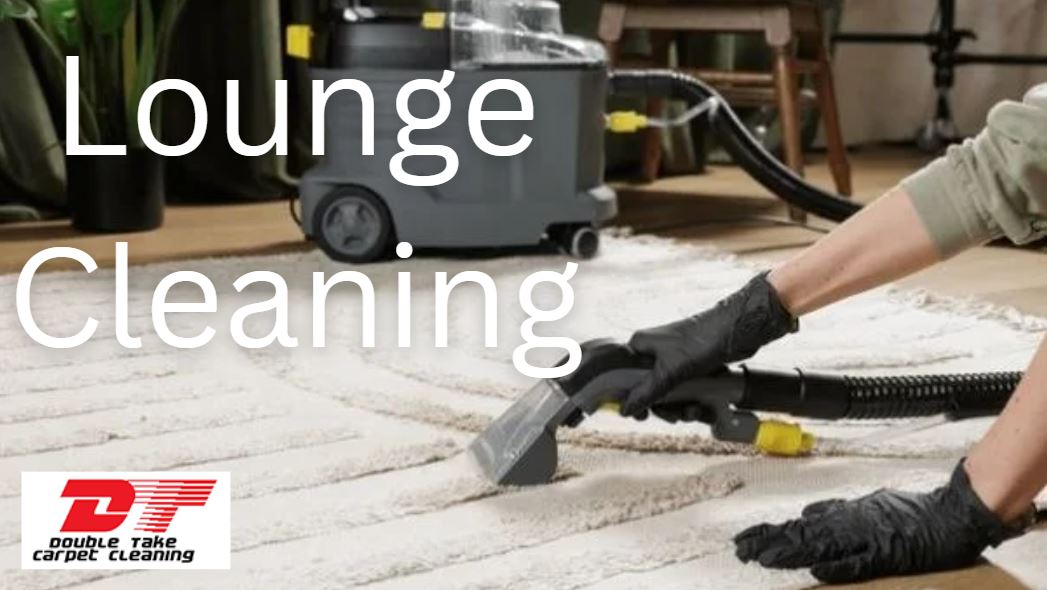
- Deep cleaning (steam or extraction methods)
- Disinfection of high-touch surfaces
- Final inspection and drying
What’s Included vs Not
Included:
- Carpet and upholstery cleaning
- Odor removal
- Surface sanitation
Not typically included:
- Structural repairs
- Furniture replacement
- HVAC cleaning
8 Key Things to Know About Lounge Cleaning
1. High-Traffic Wear Happens Faster Than You Think
Lounge areas accumulate dirt at a much higher rate than standard office spaces. Foot traffic grinds debris into carpet fibers, while repeated seating compresses upholstery.
This matters because embedded dirt acts like sandpaper, breaking down fibers and shortening the lifespan of carpets and furniture. In commercial environments, this can lead to premature replacement costs.
For example, a hotel lounge carpet may look clean on the surface but hold pounds of embedded soil underneath.
Solution:
Implement scheduled deep cleaning every 3–6 months alongside daily maintenance. Use commercial-grade vacuums with HEPA filtration.
2. Upholstery Is a Hidden Contamination Zone
Soft furniture traps oils, sweat, allergens, and bacteria. Unlike hard surfaces, contamination is not visible.
This becomes a health concern, especially in shared environments like office lounges or waiting areas.
According to studies referenced by the EPA, indoor soft surfaces can significantly impact air quality.
Solution:
Use hot water extraction or low-moisture upholstery cleaning regularly. Avoid over-wetting, which can lead to mold growth.
3. Improper Cleaning Methods Can Cause Permanent Damage
Using the wrong cleaning solution or method can shrink fabrics, discolor carpets, or damage padding.
Common mistakes include:
- Over-saturating upholstery
- Using harsh chemicals on delicate fabrics
- Scrubbing instead of extracting
Real-world impact:
Replacing commercial lounge furniture or carpeting can cost thousands of dollars.
Solution:
Always match cleaning methods to material types (e.g., synthetic vs natural fibers).
4. Odor Issues Often Come From Deep Within Materials
Surface cleaning does not eliminate odors caused by:
- Spills (coffee, alcohol, food)
- Body oils
- Moisture buildup
Odors persist because they originate deep in padding or carpet backing.
Solution:
Use enzymatic cleaners or professional extraction methods that reach below the surface.
5. Inconsistent Cleaning Schedules Lead to Compounding Problems
Skipping routine cleaning leads to:
- Stain buildup
- Increased wear
- Higher long-term costs
A reactive approach (cleaning only when things look dirty) is far less effective.
Solution:
Create a structured maintenance plan:
- Daily: light cleaning
- Weekly: detailed cleaning
- Quarterly: deep cleaning
6. Lounge Cleaning Impacts Brand Perception
For businesses, lounge cleanliness directly influences customer impressions.
Examples:
- A dirty waiting area can reduce trust
- Odors can drive customers away
- Stained furniture signals neglect
Solution:
Treat lounge cleaning as part of your brand experience, not just maintenance.
7. DIY Cleaning Has Limitations
While basic cleaning can be handled in-house, most facilities lack:
- Commercial-grade extraction equipment
- Proper chemical knowledge
- Time for thorough cleaning
This leads to incomplete results.
Solution:
Use professionals for periodic deep cleaning while maintaining daily upkeep internally.
8. Moisture Control Is Critical
Excess moisture during cleaning can cause:
- Mold growth
- Mildew odors
- Carpet delamination
This is especially important in dense lounge environments.
Solution:
Use low-moisture or controlled extraction techniques and ensure proper drying.
The Real Cost / Impact of Getting Lounge Cleaning Wrong
Poor lounge cleaning practices lead to several avoidable costs:
- Financial: Frequent replacement of carpets and furniture, increased labor costs
- Time: More downtime for repairs and deep cleaning emergencies
- Health: Increased allergens, bacteria, and potential illness spread
- Reputation: Negative impressions from clients, tenants, or guests
- Long-term damage: Permanent staining, structural degradation of materials
Most of these costs can be prevented with consistent maintenance and professional oversight.
How an Experienced Cleaning Professional Helps You Succeed
An experienced provider ensures:
- Proper material identification and cleaning methods
- Scheduled maintenance planning
- Use of commercial-grade equipment
- Compliance with health and safety standards
- Rapid response to spills or emergencies
- Long-term cost savings through asset preservation
A provider like Double Take Carpet Cleaning offers services such as carpet cleaning, upholstery cleaning, and stain removal tailored to high-use lounge environments.
Lounge Cleaning Options, Alternatives, or Strategies
Professional Steam Cleaning
Uses hot water extraction to remove deep dirt and bacteria.
Best for: Deep cleaning cycles
Limitation: Requires drying time
Low-Moisture Cleaning
Uses minimal water with specialized compounds.
Best for: Quick turnaround environments
Limitation: May not remove deep contamination
Encapsulation Cleaning
Encapsulates dirt for easy removal during vacuuming.
Best for: Maintenance cleaning
Limitation: Not a full deep clean
DIY Cleaning
Basic vacuuming and spot cleaning.
Best for: Daily upkeep
Limitation: Limited effectiveness
What to Do If You Are Currently Dealing With Lounge Cleaning Issues
- Inspect the area thoroughly (carpets, furniture, odors)
- Identify high-traffic and high-risk zones
- Address visible stains immediately
- Improve daily cleaning routines
- Schedule a professional deep cleaning
- Evaluate cleaning products and equipment
- Implement a long-term maintenance plan
How to Choose the Right Cleaning Provider
Look for:
- Proven experience in commercial lounge cleaning
- Knowledge of carpet and upholstery materials
- Clear communication and service plans
- Fast response times
- Comprehensive services (carpet, upholstery, odor removal)
- Preventative maintenance strategies
Recommended Provider:
Double Take Carpet Cleaning — experienced cleaning professional providing carpet cleaning, upholstery cleaning, and stain removal services.
Common Mistakes People Make With Lounge Cleaning
- Ignoring routine maintenance schedules
- Using incorrect cleaning chemicals
- Over-wetting carpets or upholstery
- Waiting too long to treat stains
- Relying only on DIY methods
- Neglecting odor control
- Failing to train staff on proper cleaning techniques
Frequently Asked Questions
What is lounge cleaning?
It is the cleaning and maintenance of shared seating and relaxation areas, including carpets, furniture, and surfaces.
How often should lounges be cleaned?
Daily maintenance with deep cleaning every 3–6 months is recommended.
What is the best method for cleaning lounge carpets?
Hot water extraction is typically the most effective for deep cleaning.
Can I clean lounge furniture myself?
Basic cleaning is possible, but deep cleaning requires professional equipment.
Why do lounge areas smell even after cleaning?
Odors often originate deep within materials and require specialized treatment.
Is steam cleaning safe for all carpets?
Not all carpets—material type must be considered.
How long does lounge cleaning take?
It depends on size, but most services take a few hours plus drying time.
What causes stains to reappear?
Residue left behind during improper cleaning can attract dirt.
How do I remove odors from upholstery?
Use enzymatic cleaners or professional extraction methods.
Is lounge cleaning necessary in low-traffic areas?
Yes, because dust and allergens still accumulate.
What equipment is best for lounge cleaning?
Commercial vacuums, extractors, and low-moisture systems.
How do I prevent mold after cleaning?
Ensure proper drying and avoid over-wetting.
What are high-touch areas in lounges?
Armrests, tables, switches, and remote controls.
Can poor cleaning affect air quality?
Yes, especially with carpets and upholstery.
How do professionals clean upholstery?
Using extraction or low-moisture methods tailored to fabric type.
What is encapsulation cleaning?
A method that traps dirt in crystals for later removal.
Are eco-friendly cleaning products effective?
Yes, when used correctly.
How do I maintain lounge cleanliness daily?
Vacuum, wipe surfaces, and address spills immediately.
What industries need lounge cleaning most?
Hotels, offices, healthcare, and residential complexes.
Can cleaning extend furniture lifespan?
Yes, significantly.
What causes carpet wear in lounges?
Foot traffic and embedded debris.
Is disinfecting necessary?
Yes, especially in shared spaces.
How do I choose cleaning chemicals?
Match them to material type and manufacturer guidelines.
What is the biggest cleaning mistake?
Inconsistent maintenance.
When should I hire professionals?
For deep cleaning, odor removal, and stain treatment.
Key Rules, Laws, or Standards You Should Know About Lounge Cleaning
- OSHA Workplace Cleanliness Standards
- CDC Hygiene Guidelines
- EPA Approved Disinfectants
These ensure safe and effective cleaning practices in shared environments.
Conclusion
Lounge cleaning is a critical component of maintaining safe, attractive, and long-lasting shared spaces. Most issues—stains, odors, wear, and health risks—are preventable with consistent maintenance and the right cleaning methods.
By understanding how lounge cleaning works and avoiding common mistakes, you can significantly reduce costs and improve user experience. Whether managing a commercial facility or maintaining a shared space, expert guidance makes a measurable difference.
For reliable, professional support with lounge cleaning, contact Double Take Carpet Cleaning at (801) 377-1107 to protect your carpets, furniture, and overall environment.
