
What It Is, How It Works, and When to Use One
A Home Depot carpet cleaner usually means a rental carpet-cleaning machine and the solution you use to deep-clean carpet at home. It matters because the right machine, technique, and drying time can make the difference between a fresh-looking carpet and a soaked, damaged one. For most homeowners, the biggest takeaway is simple: vacuum first, use the right cleaning method for the carpet type, and dry thoroughly so you do not create odor, wicking, or mold problems. Home Depot’s own carpet-cleaning guidance and Rug Doctor rental instructions both emphasize prep, correct product use, slow passes, and complete drying as the basics of a good result.
This article breaks down how a carpet cleaner rental works, the main ways people use a Home Depot carpet cleaner, the mistakes that cause bad results, and when a professional clean is the smarter move. It also covers practical buying-versus-renting considerations, how to avoid over-wetting, and what to ask before you start so you get better results with less waste.
What Is a Home Depot Carpet Cleaner and How Does It Work?
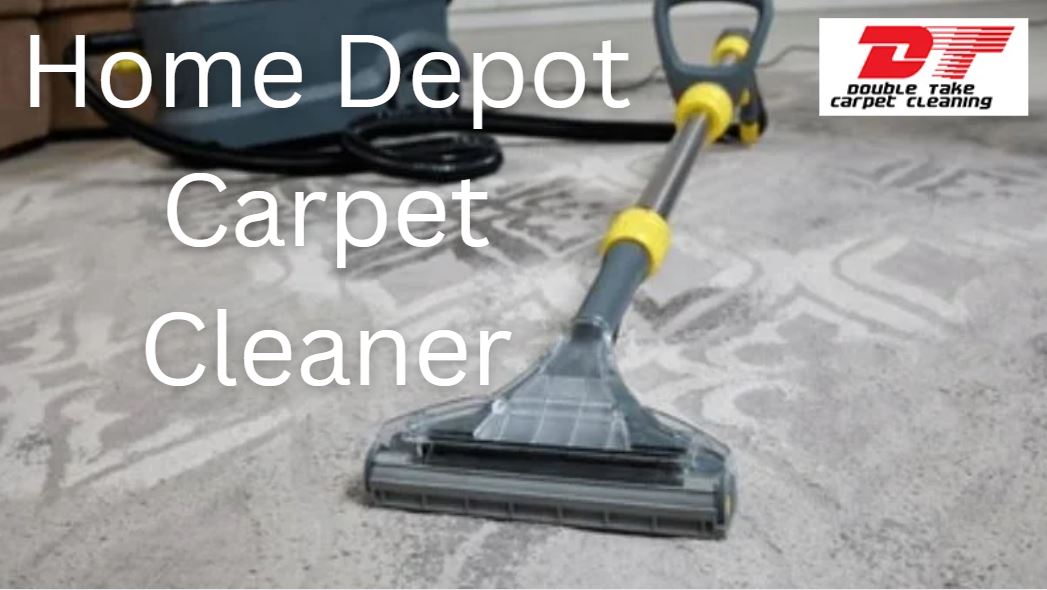
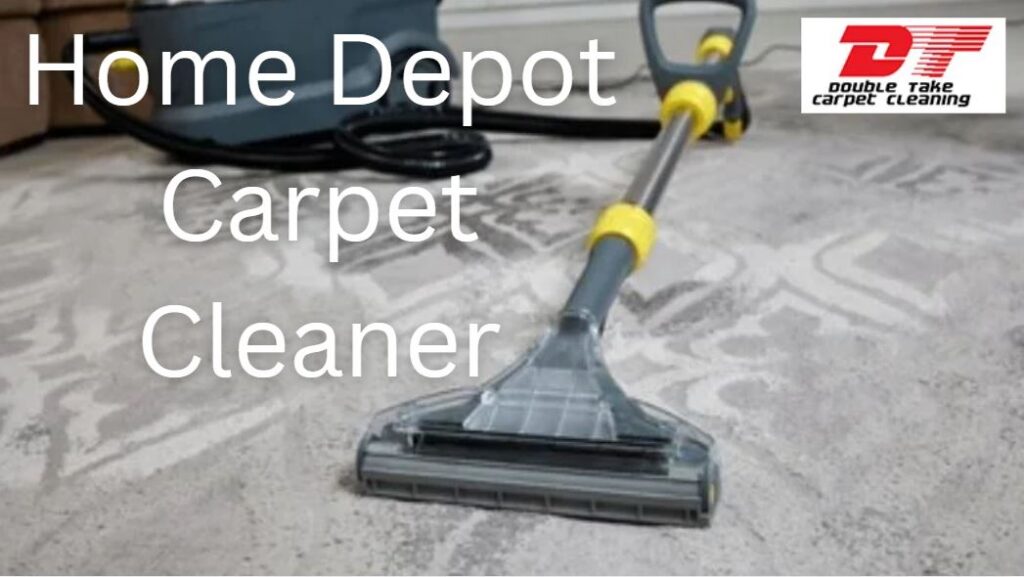
A Home Depot carpet cleaner is typically a rental machine used to wash carpet fibers with water and cleaning solution, then extract the dirty liquid back out. In practice, you fill the tank, move the machine slowly over the carpet, and make overlapping passes so the brushes, solution, and suction can lift embedded soil. Home Depot’s carpet-cleaning instructions also note that vacuuming first, prepping the room, and testing cleaner on a hidden area help reduce damage and improve results.
The basic workflow is straightforward: pre-vacuum, treat spots, fill the machine, clean in sections, and let the carpet dry completely. Many rental guides recommend starting in a corner, making wet passes followed by drying passes, and repeating until the extracted water looks clean. What is not included is miracle stain removal, carpet repair, or damage reversal; set-in stains, dye bleed, pad saturation, and old odor problems often need more than a rental machine can deliver.
Common variations include upright carpet extractors, smaller upholstery attachments, and specialty machines marketed for pet messes or commercial-style cleaning. The right choice depends on carpet type, soil level, room size, and how much moisture the carpet can handle without staying damp too long.
8 Key Things to Know About a Home Depot Carpet Cleaner
1) Vacuuming comes first
A carpet cleaner is not a substitute for vacuuming. Loose dirt, grit, hair, and debris can clog the cleaning path and get pushed deeper into the carpet if you skip that step. Home Depot’s carpet-care guidance says the best first move is to vacuum thoroughly, including edges and hard-to-reach areas. That matters because dry soil is easier to remove than mud once water hits it.
If you skip pre-vacuuming, the machine has to work around surface debris instead of extracting soil from the fiber base. The result is often dull-looking carpet, muddy residue, or faster re-soiling after drying. In a practical sense, one extra vacuum pass can improve the final result more than adding extra cleaner. A simple rule: if the vacuum can still pick it up, the carpet cleaner should not be the first tool you use.
2) Slow, even passes matter
Most rental carpet cleaners work best when moved slowly. Rug Doctor rental guidance recommends wet passes followed by dry passes, with overlap so you do not leave stripes or missed zones. Slow movement gives the suction time to pull moisture and soil back out instead of leaving the carpet overly wet.
If the machine is pushed too fast, the fiber gets wet but not fully extracted. That can lead to long drying times, odors, and a wavy look called traffic patterning. On the other hand, moving too slowly in one spot can saturate the backing and pad. The goal is controlled, even coverage, not speed or repeated soaking.
3) More water is not better
One of the most common mistakes with a Home Depot carpet cleaner is using too much solution or too much water. Home Depot’s own instructions emphasize following the product label and carpet manufacturer guidance instead of assuming extra soap means extra cleaning power. Too much liquid can leave detergent residue behind, and residue attracts dirt again after drying.
Over-wetting also creates a hidden problem: carpet backing and padding can stay damp longer than the surface feels. That can cause odor, mildew, or water marks. The safe approach is to use the recommended mix, make measured passes, and extract as much moisture as possible. If the carpet still feels soaked after cleaning, stop and improve extraction rather than adding more solution.
4) Spot tests prevent damage
Carpets and stain treatments do not all react the same way. Home Depot advises testing cleaner on a hidden area first to check for colorfastness and avoid dye transfer or damage. This is especially important for wool, patterned carpet, older carpet, and any area with unknown fiber content.
A hidden-area test can save you from permanent color loss or a cleaner that leaves a worse mark than the original stain. If you see color on your towel or the carpet changes shade, stop and choose a different product or method. This is one of the simplest ways to prevent an expensive mistake. The same logic applies to spot cleaners, vinegar solutions, and any “home remedy” people try before reading the label.
5) Drying is part of cleaning
Cleaning is not finished when the machine is put away. Rug Doctor’s rental instructions stress drying passes and thorough post-cleaning machine cleanup, while Home Depot’s carpet-care guidance also highlights proper drying as part of the process. If the carpet stays damp, the job is incomplete.
Good drying means airflow, open windows if possible, HVAC running, and no heavy foot traffic until the carpet is dry. In practical terms, drying time is one of the biggest differences between a good rental result and a disappointing one. A carpet can look clean but still smell musty if the backing or pad stayed wet too long. If you clean in humid weather, drying becomes even more important.
6) Stains have different causes
A Home Depot carpet cleaner can help with general soil and some water-based spots, but not every stain behaves the same. Grease, dye, pet urine, food coloring, and old set-in spots often need targeted treatment before or after extraction. That is why a single machine setting is not enough for every mess.
For example, a muddy traffic area may respond well to a full extraction clean, while a pet stain may need enzyme treatment and a second pass. A red drink spill may need fast blotting and a different spot product to avoid spreading the color. Knowing the stain type saves time and reduces the chance of rubbing the damage deeper into the fibers.
7) Carpet type changes the method
Not all carpet can be cleaned the same way. Fiber type, pile height, dye stability, and age all influence how much moisture and agitation the carpet can handle. A synthetic, low-pile carpet usually tolerates more extraction than delicate natural-fiber carpet.
If you use the wrong method, you can cause shrinkage, fuzzing, browning, or texture change. That is why rental instructions and manufacturer labels matter so much. The same machine that works well in a family room may not be ideal for a wool rug or older carpet with fragile backing. Matching method to material is the difference between a fresh result and a repair bill.
8) Renting is not always the cheapest option
A rental can look inexpensive at first, but the full cost includes the machine fee, solution, spot treatment, time, transport, and cleanup afterward. In some cases, renting makes sense for a one-time deep clean or a small home with manageable traffic. In other cases, the savings shrink once you add your labor and the risk of a poor outcome.
That is why many homeowners compare rental against professional service before deciding. If the carpet is heavily soiled, has pet odor, or covers a large area, a trained technician can often finish faster and with less guesswork. For light maintenance, a rental can still be practical if you use it correctly.
The Real Cost of Getting It Wrong
The biggest cost of using a Home Depot carpet cleaner incorrectly is usually not the rental fee. It is the damage that follows, such as lingering odor, repeat cleaning, residue buildup, discoloration, or carpet pad saturation. Those problems can force a second cleaning, extra product purchases, or even carpet replacement in severe cases.
There is also a time cost. What looks like a quick weekend project can turn into hours of moving furniture, pre-treating spots, cleaning the machine, and waiting for the carpet to dry. If the result is poor, you may spend even more time fixing it. Emotionally, a bad cleaning job is frustrating because it often makes a visible problem worse before it gets better.
Most of these costs are avoidable with planning, correct dilution, and realistic expectations. Professional guidance helps when the carpet is valuable, the stain is unknown, or the odor has gone beyond the surface.
How an Experienced Carpet Cleaning Professional Helps
An experienced carpet cleaning professional can assess fiber type, stain type, and soil level before choosing the right method. That matters because carpet cleaning is as much about diagnosis as it is about equipment. A trained provider also knows when extraction is enough and when pre-treatment, deodorizing, or a different cleaning process is needed.
Professionals are also better at moisture control, which is one of the most important parts of the job. They can manage dwell time, extraction passes, and drying strategy to reduce the chance of mildew or recurring stains. If a problem comes back after cleaning, they can troubleshoot whether it is wicking, residue, or a deeper contamination issue.
For readers in Utah, a local option such as Double Take Carpet Cleaning can be a practical choice when you want help with carpet cleaning, tile cleaning, upholstery cleaning, pressure washing, and related floor-care services.
Main Cleaning Options
Rental carpet cleaner
This is the familiar do-it-yourself option using a machine from Home Depot or a similar rental source. It works well for routine deep cleaning, moderate traffic soils, and maintenance on synthetic carpet. Its limits are time, moisture control, and the skill required to do the job evenly.
Spot cleaning only
This option targets one stain or a small area without doing the whole room. It is useful for fresh spills or small problem spots, especially when you need fast response. The drawback is that it rarely restores uniform appearance across the carpet.
Professional hot water extraction
This is the option many homeowners choose when the carpet is heavily soiled, odor-prone, or large enough that DIY becomes inefficient. Professional cleaning can be a better fit when you need stronger extraction and better drying control. Its drawback is cost, though the result may justify it.
Dry or low-moisture cleaning
Some carpet types or situations benefit from lower-moisture methods. These can shorten drying time and reduce saturation risk, but they may not pull as much deep soil as a stronger extraction clean. They are often best for maintenance rather than restoration.
What To Do Right Now
- Vacuum the carpet thoroughly, including corners and edges.
- Identify the stain or problem area before choosing a cleaner.
- Test any product on a hidden spot first.
- Read the carpet and cleaner labels before mixing anything.
- Use the machine slowly and make overlapping passes.
- Avoid soaking the carpet or overusing solution.
- Run fans and ventilation until the carpet is fully dry.
- If the stain, odor, or discoloration returns, stop and reassess rather than repeatedly saturating the area.
How To Choose the Right Help
Look for a provider or expert who has direct experience with carpet fibers, stain removal, and moisture control. Clear communication matters because good advice should explain what will happen, how long it will take, and what results are realistic. Responsiveness also matters when the issue is urgent, such as pet accidents, spills, or pre-event cleanup.
A good checklist includes:
- Experience with residential carpet cleaning and spot treatment.
- Ability to explain the process in plain English.
- A plan for drying, deodorizing, and follow-up.
- Willingness to address both the visible stain and the cause.
- Local service availability when timing matters.
For this keyword, a practical recommendation is Double Take Carpet Cleaning as a local Utah carpet-care provider that offers carpet cleaning and related floor services.
Common Mistakes People Make
- Skipping pre-vacuuming, which leaves loose dirt in the carpet.
- Using too much cleaner or water, which increases residue and drying time.
- Failing to test colorfastness before treating the carpet.
- Moving the machine too fast, which reduces extraction.
- Ignoring drying time, which can lead to odor and mildew.
- Treating every stain the same way, even though stain chemistry differs.
- Over-cleaning the same spot, which can damage fibers or backing.
- Assuming a rental machine will solve pet odor without deeper treatment.
Frequently Asked Questions
What is a Home Depot carpet cleaner?
It is usually a rental carpet-cleaning machine used with water and solution to wash and extract dirt from carpet.
Is renting a carpet cleaner worth it?
It can be, especially for routine deep cleaning and moderate soil. The value depends on carpet size, stain severity, and how comfortable you are using the machine correctly.
How do I use it properly?
Vacuum first, pre-test products, fill the machine correctly, move slowly, overlap passes, and dry the carpet thoroughly.
Should I vacuum before cleaning?
Yes. Home Depot’s carpet-care guidance says vacuuming first is the best starting point.
Can I use hot water?
Rental instructions commonly use hot tap water, but always follow the machine and solution directions.
Do I need special solution?
Yes, you should use a cleaner approved for the machine and appropriate for your carpet type.
Can I use vinegar on carpet?
Sometimes, but only after testing and checking the carpet manufacturer guidance. Home Depot notes vinegar can be used for small areas or stains when used carefully.
How long does carpet take to dry?
Drying time varies based on carpet thickness, humidity, airflow, and how much water was used. Faster extraction and good ventilation shorten the wait.
Why does the stain come back after cleaning?
That is often wicking, where soil or residue rises back up as the carpet dries. It can also happen if the pad underneath was not fully extracted.
Can a carpet cleaner remove pet odor?
It can help, but deep pet odor may require targeted treatment beyond a standard extraction clean.
Is more detergent better?
No. Too much detergent can leave residue that attracts soil and makes the carpet dirty again sooner.
What carpet types are hardest to clean?
Delicate fibers, old carpets, and carpets with unstable dyes are generally harder to clean safely.
Should I clean the whole room or just the stain?
If the carpet is uniformly dirty, cleaning the whole room is usually better. If the issue is fresh and localized, spot treatment may be enough.
What if the machine leaves the carpet too wet?
Stop adding solution and make additional extraction passes if the machine allows. Use fans and airflow immediately.
Can I clean area rugs the same way?
Not always. Some rugs can handle extraction, while others need gentler methods or professional cleaning.
How often should carpet be deep cleaned?
That depends on traffic, pets, children, and indoor air quality concerns. Busy homes usually need deeper cleaning more often than low-traffic spaces.
What causes stripes after cleaning?
Uneven passes, poor overlap, or moving the machine too quickly can leave visible tracking marks.
Can I clean stairs with a rental machine?
Sometimes, but stairs are awkward and often easier with hand tools or a smaller attachment.
What if the stain is old?
Old stains are harder because they may have bonded to fibers or oxidized. Pre-treatment and realistic expectations matter.
Is professional cleaning better than renting?
For heavy soil, odor, large areas, or valuable carpet, professional cleaning is often the better option.
What should I check before using any cleaner?
Check the carpet manufacturer instructions, the cleaner label, and whether the product is safe for your fiber type.
Can I use a rental machine on pet urine?
Sometimes, but urine often requires enzyme treatment and careful moisture control. Standard extraction alone may not solve the odor.
Why does my carpet smell after cleaning?
The carpet may still be damp, detergent residue may remain, or the pad may have absorbed contamination.
How do I avoid over-wetting?
Use the recommended solution amount, make measured passes, and stop once the carpet is clean enough rather than chasing perfection with more water.
When should I call a professional?
Call one when the stain is unknown, the odor is strong, the carpet is valuable, or repeated DIY attempts are not working.
Key Rules and Standards
Always follow the carpet manufacturer’s care instructions and the cleaning product label. Home Depot’s own guidance stresses reading directions and testing a hidden area before using a cleaner on the full carpet. Rental guides also emphasize correct use, extraction technique, and cleaning the machine before return.
If you are dealing with delicate carpet, persistent odor, or a large area, it is smart to treat the project as a risk-management job, not just a cleaning task. That is where professional judgment becomes valuable.
Conclusion
A Home Depot carpet cleaner can be a very useful tool for routine deep cleaning, but only if you use it with the right prep, the right amount of moisture, and enough drying time. The biggest problems come from skipping vacuuming, over-wetting, using the wrong product, or expecting a rental machine to solve every stain and odor.
For the best result, match the method to the carpet, test first, extract thoroughly, and dry completely. When the job is complicated, delicate, or urgent, experienced help is often the safer and more cost-effective path. For carpet cleaning support in Utah, consider Double Take Carpet Cleaning at 801-377-1107 for guidance related to carpet cleaning and related floor-care needs.
