
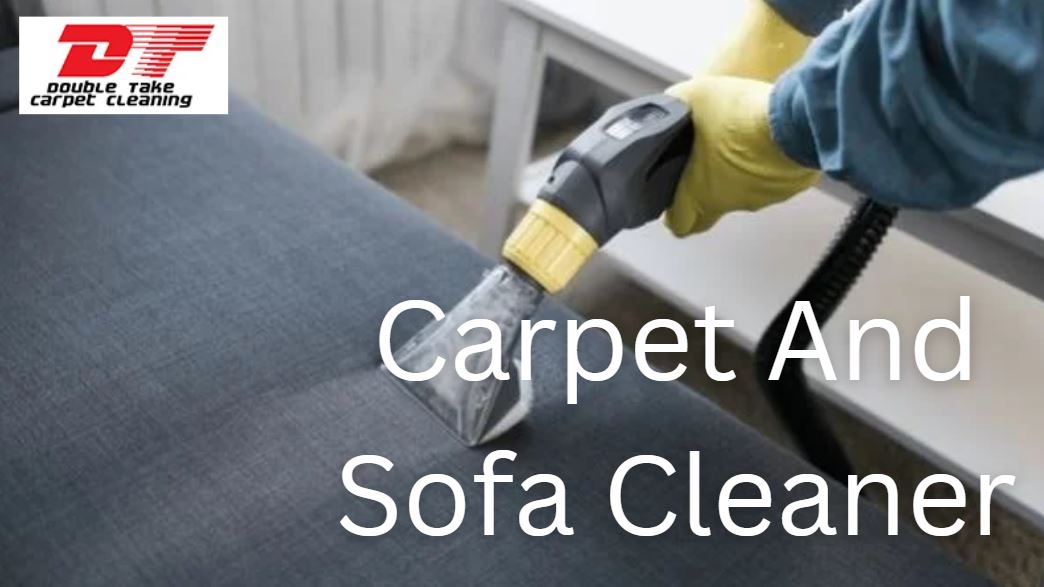
Carpet and sofa cleaner refers to the people, products, machines, and services used to remove dirt, stains, odors, allergens, and wear from carpets and upholstered furniture. It matters because carpets and sofas trap more soil than most surfaces in a home or building, and if that soil is not removed correctly, it can shorten the life of the materials, make rooms look worn, and create odors that keep coming back. The biggest takeaway is simple: regular vacuuming and spot care help, but periodic deep cleaning is what protects the investment long term. For most homes and many businesses, the best results come from using the right method for the fiber, fabric, and type of stain instead of treating every problem the same way. Expert guidance can prevent damage, reduce drying problems, and help you choose the most effective cleaning approach from the start.
What Is Carpet And Sofa Cleaner and How Does It Work?
Carpet and sofa cleaner is a broad term that covers both routine maintenance and professional deep cleaning for floor coverings and upholstery. In practical terms, it includes vacuuming, spot treatment, pre-spraying, agitation, extraction, drying, and sometimes protective finishing after the cleaning is done. For sofas and other upholstered furniture, the process also includes checking the fabric type and cleaning code before applying any moisture or solvent.
The main goal is to remove dry soil, oils, spills, pet contamination, and embedded debris without harming the fibers or backing. In most cases, the work starts with an inspection to identify the material, the level of soil, and any problem areas such as stains, wear patterns, or odor sources. From there, the cleaner chooses the right method, which may be hot-water extraction, low-moisture cleaning, or solvent-based upholstery cleaning depending on the surface.
Professional carpet and upholstery care is usually guided by manufacturer instructions and industry best practices. A common recommendation is to deep clean carpets every 12 to 18 months, with more frequent service for high-traffic areas, homes with pets, or buildings with heavy use. Upholstery should always be cleaned according to the fabric tag, since the wrong method can cause shrinkage, dye bleed, or permanent damage.
A simple real-world example is a living room with a pale sofa and a high-traffic carpeted area near the front door. Vacuuming removes loose grit, but only a deep clean will reach the soil ground into the fibers and the oils embedded in the sofa fabric. If pet accidents or food spills are involved, spot treatment and odor treatment become just as important as the main cleaning process.
Key Things to Know About Carpet And Sofa Cleaner
Dry soil is the biggest threat to carpet life
Dry grit and dust are a major reason carpets wear out early. Every time someone walks across a carpet, those particles act like sandpaper and slowly break down the fibers. This does not always show up right away, but over time it leads to dull appearance, flattened pile, and visible traffic lanes.
This is why vacuuming matters so much. A strong vacuum with good suction and a brush system removes a lot more soil than a weak consumer model used too quickly. In homes and commercial spaces, traffic-heavy areas should be vacuumed more often than the rest of the space. In practice, the cleaner the dry soil control, the longer the carpet lasts.
The consequence of skipping this step is simple: the carpet looks older faster and may need replacement years earlier than expected. That can become expensive in homes, offices, hotels, and other facilities. Regular vacuuming is one of the cheapest ways to protect the carpet investment.
The best strategy is to build a routine instead of waiting until carpet looks dirty. Entry mats, shoe control, and scheduled vacuuming all reduce the amount of grit that reaches the pile. Professional deep cleaning then becomes a maintenance step rather than an emergency repair.
Stains must be treated based on what caused them
Not all stains behave the same way. Coffee, wine, grease, ink, food, blood, pet urine, and dye transfer each require different treatment. Water alone may help with some spills, but it can make others worse by spreading the stain or setting it deeper into the fibers.
This is one of the most common mistakes people make at home. Someone sees a stain, grabs a household cleaner, and starts scrubbing. That often pushes the stain deeper, damages the fibers, or leaves residue behind that attracts more dirt later. On upholstery, the wrong product can also cause color loss or fabric distortion.
The right approach is to identify the stain first, then use the least aggressive method that can still solve the problem. Blotting is usually better than rubbing because rubbing spreads the contamination and can damage the pile. For unknown stains or large spots, testing in an inconspicuous area is always safer.
If a stain has already dried, it may need a stronger pre-treatment or a professional cleaning approach. The sooner a spill is addressed, the better the result usually is. Once the stain sets, removal becomes more difficult and sometimes impossible.
Hot-water extraction and low-moisture cleaning serve different purposes
Hot-water extraction is one of the most common professional carpet cleaning methods. It uses heated water and cleaning solution to loosen dirt, then extracts the soil and moisture with powerful vacuum equipment. This method is often the best choice for deep cleaning because it removes embedded soil and helps rinse away cleaning residue.
Low-moisture cleaning works differently. It uses less water and is often chosen when faster drying is important, such as in active commercial spaces. Some low-moisture methods use encapsulation chemistry that traps soil in a residue that can be vacuumed later. Others rely on pads, absorbent compounds, or specialized equipment to clean the surface.
Each method has strengths and weaknesses. Hot-water extraction is more effective for heavy soil and deep contamination, but it may require longer drying time. Low-moisture cleaning can be useful for maintenance and quick turnaround, but it may not reach soil as deeply if the carpet is heavily soiled.
The best method depends on the fiber type, the amount of soil, and how quickly the space needs to return to use. A busy office may prioritize faster dry times, while a home with pets may need a deeper rinse to address odors and residues. Matching the method to the situation matters more than choosing the most popular option.
Upholstery fabrics have different cleaning codes
Sofas and chairs are not all cleaned the same way. Upholstery fabrics usually come with cleaning codes that indicate whether the material can be cleaned with water, solvent, both, or only vacuuming. These codes are important because using the wrong method can damage the fabric or void the manufacturer’s instructions.
A fabric marked with a water-based cleaning code may tolerate damp cleaning and extraction. A solvent-only fabric should not be treated with water-based products unless the manufacturer specifically allows it. Some delicate materials are so sensitive that they should only be vacuumed or cleaned by a specialist.
This matters because upholstery often looks tougher than it really is. A cleaner who ignores the tag may leave water rings, shrink the fabric, or cause dye transfer. The issue can be even worse on patterned or dyed materials, where color instability may not show until after the piece dries.
The safest practice is to identify the cleaning code before any work begins. If the fabric is unknown, spot testing is essential. When in doubt, a professional upholstery cleaner can determine the safest method and avoid costly damage.
Pet urine and odor problems need more than surface cleaning
Pet accidents are one of the most difficult carpet and sofa problems to solve. Urine can soak through the visible surface and reach the backing, padding, or even the subfloor. When that happens, the odor may return even after the top layer looks clean.
This happens because urine contains salts and other residues that can remain behind after simple spot cleaning. As humidity changes, those residues can reactivate and create odor again. In some cases, pets also return to the same area because they can still smell the contamination.
The solution often requires more than a surface spray. Enzyme products may help break down organic residue, but severe contamination may need deep extraction, padding replacement, or subfloor treatment. That is especially true when the same spot has been soaked multiple times.
The most effective response is to act fast and avoid masking the smell with fragrance. Clean the area as soon as possible, dry it thoroughly, and treat the source rather than the surface. If the odor remains after cleaning, the contamination likely extends deeper than the carpet face.
Over-wetting creates secondary damage
One of the most common cleaning mistakes is using too much water or not extracting enough of it. Over-wetting can lead to slow drying, wicking stains, browning, and even mold or mildew in severe cases. On upholstered furniture, excess moisture can also damage padding, seams, or internal materials.
This is why professional equipment matters. Better extraction removes more water during the cleaning process, which lowers the chance of drying problems. Proper airflow and drying tools also help the material return to service faster and more safely.
Over-wetting is especially risky on glued carpet installations, delicate fibers, and furniture with thick internal padding. Even if the visible surface looks clean, moisture trapped below can continue causing issues after the cleaning is done. A carpet that looks acceptable at first may later show stains that rise back to the top as it dries.
The best prevention is controlled application and strong extraction. Cleaners should use only the amount of solution needed and should always plan for drying. Homeowners and facility managers should also make sure the space has ventilation during and after service.
Residue can make carpet dirty faster
A carpet or sofa that feels sticky or stiff after cleaning probably has too much residue left behind. This residue may come from too much detergent, poor rinsing, or the wrong cleaning product. Once residue remains in the fabric, it can attract dirt more quickly and make the surface look dirty again soon after cleaning.
This problem is often misunderstood because the item may look better immediately after service. But if the cleaner did not rinse properly, the material can re-soil faster than it should. That creates the impression that the cleaning “didn’t last,” even when the deeper issue was leftover product.
Residue control is one reason professional cleaning can outperform a rushed DIY job. A trained technician knows how to balance cleaning strength with proper rinsing and extraction. That helps restore the material without leaving behind a dirt-attracting film.
The best way to avoid this problem is to use the right amount of product and remove it thoroughly. For homeowners, that means not over-applying consumer cleaners. For professionals, it means doing the extra rinse work needed to leave the surface clean, not just wet.
Color loss and fiber damage are often preventable
Some carpets and upholstery fabrics are more delicate than they look. Heat, strong chemicals, aggressive scrubbing, and poor spot treatments can cause fading, texture changes, or permanent damage. What starts as a simple cleaning job can become a repair problem if the material is not handled carefully.
Color instability is a particular concern with older fabrics, dyed upholstery, and some synthetic blends. If a cleaner applies the wrong product, the dye can bleed or migrate. Once that happens, the damage may be permanent or very expensive to correct.
The safest approach is always to test first. An inconspicuous spot can reveal whether the fabric reacts badly to moisture or chemistry. Gentle methods, proper dwell time, and controlled agitation usually work better than force.
This is one of the strongest arguments for professional assessment. A good cleaner does not simply apply the same process everywhere. They adjust the method to match the material, which protects the fabric and improves the final result.
Regular maintenance is cheaper than replacement
The cost of carpet and sofa cleaning is usually far lower than the cost of replacing worn or damaged materials. That is why maintenance should be treated as prevention, not just a reaction to visible dirt. When cleaning is done on a schedule, materials stay presentable longer and keep their useful life longer too.
This matters in both homes and commercial settings. In a business, dirty carpet or stained seating can hurt the customer experience and create a poor impression. In a home, it can make the space feel older, less comfortable, and harder to keep fresh.
A simple maintenance plan usually includes regular vacuuming, prompt spot treatment, periodic deep cleaning, and protective habits like entry mats and no-shoe policies where practical. These steps do not eliminate wear, but they slow it down significantly.
The result is better appearance and lower lifecycle cost. It is much easier to maintain a carpet or sofa than to restore one after years of neglect. That is why routine care pays off.
Not every cleaning job should be DIY
DIY cleaning works for light soil, small spills, and routine upkeep. But some situations require professional help, especially when the issue involves heavy staining, odor, pet contamination, delicate fabric, or large square footage. Trying to handle everything yourself can lead to damage, wasted time, and repeated re-cleaning.
Rental machines and consumer products have their place, but they are not built for every scenario. They often have weaker suction, less heat, and less precise chemical control than professional equipment. That means the surface may look better briefly without being truly clean underneath.
A professional is especially valuable when the issue is not obvious. For example, a stain that keeps coming back may actually be a padding problem below the carpet. A sofa with a strong odor may need a fabric-safe solvent or deeper treatment than a store-bought spray can provide.
The right rule is simple: handle small routine jobs yourself, but call a professional when the problem is hidden, severe, or expensive to get wrong. That approach is usually cheaper in the long run.
The Real Cost of Getting It Wrong
Getting carpet and sofa cleaning wrong can be expensive in more ways than one. The direct financial cost may include wasted products, repeated cleaning attempts, damaged materials, or early replacement of carpet and furniture. In a commercial setting, it may also include lost use of rooms, complaints from tenants or customers, and extra labor for rework.
Time costs add up quickly as well. A carpet that dries too slowly can take a room out of service longer than expected. A stain that keeps reappearing may lead to repeated service calls and frustration. In a busy home or business, even a small cleaning failure can create a chain of delays.
There are also emotional and relational costs. People notice odors, stains, and poor results. In customer-facing spaces, that can affect reputation. In private spaces, it can make the home feel less comfortable and more stressful.
The long-term consequence is usually the worst one: avoidable wear and premature replacement. Once fibers are damaged or odors reach the padding, cleaning becomes more difficult and more expensive. Most of these problems are preventable with better planning, the right method, and experienced guidance.
How an Experienced Professional Helps
An experienced carpet and sofa cleaner does more than apply product and extract water. They inspect the material, identify the source of the problem, select the safest method, and adjust the process for the actual condition of the fabric or carpet. That kind of judgment can prevent costly mistakes.
A professional also manages the details that matter most. That includes pre-vacuuming, stain testing, choosing the right chemistry, controlling moisture, and making sure the material dries properly. These steps are easy to overlook, but they often determine whether the job succeeds.
When a problem is more serious, professional help becomes even more valuable. Pet contamination, color instability, hidden padding issues, and recurring odors all require troubleshooting beyond basic cleaning. An experienced cleaner can spot those risks early and recommend the right fix.
For commercial spaces, professional cleaning also supports consistency and planning. The work can be scheduled around operations, and the results can be documented. That helps property managers, business owners, and facility teams keep the building presentable and under control.
Cleaning Options and Strategies
DIY spot cleaning
DIY spot cleaning is best for fresh spills and light maintenance. It works well when the stain is caught early and the fabric is known to be safe for the chosen product. The downside is that consumer products can leave residue or push moisture too deep if used carelessly.
Rental machines
Rental carpet cleaners are a step up from spot treatment and can help with surface refreshes. They are useful for small jobs and budget-conscious users, but they often have weaker extraction and less control than professional equipment. They are not the best choice for delicate upholstery or severe contamination.
Professional hot-water extraction
This method is one of the strongest options for deep carpet cleaning. It removes soil from deeper in the pile and helps rinse out old residue. It is especially useful for homes with pets, heavy foot traffic, or older carpets that need a reset.
Low-moisture cleaning
Low-moisture systems are useful when fast drying matters more than deep rinsing. They are often selected for commercial maintenance or quick turnaround areas. The tradeoff is that they may not clean as deeply as extraction when the carpet is heavily soiled.
Upholstery-specific cleaning
Upholstery should be cleaned based on fabric type and cleaning code. Some fabrics tolerate moisture well, while others require solvent-based cleaning or specialty care. The right strategy depends on the material, not just the stain.
What To Do If You Are Dealing With a Carpet or Sofa Problem Now
Start by stopping the damage from spreading. Blot liquid spills with a clean white cloth and avoid scrubbing. If the spill is on upholstery or carpet, check the cleaning code or care instructions before adding any product.
Next, identify what caused the problem. A food spill, oil stain, urine accident, or ink mark each needs a different response. If you are not sure what the stain is, do not experiment aggressively. A bad first attempt can make the problem harder to remove.
Then, treat the area as safely as possible. Use the least aggressive cleaner that fits the situation, and test it in a hidden area first. Make sure you remove excess moisture and allow the area to dry well.
If the stain keeps returning, the odor remains, or the fabric is sensitive, call a professional. Problems that reach the backing, padding, or inner cushion layers are usually beyond simple surface cleaning. Acting quickly gives you the best chance of a good result.
How To Choose the Right Professional or Product
Look for experience with both carpet and upholstery, not just one or the other. A good cleaner should understand fabric types, stain chemistry, drying control, and odor treatment. They should also be able to explain the process in plain English.
Communication matters just as much as skill. You want someone who will tell you what they are doing, what results to expect, and what the limits are. Clear estimates and realistic expectations are a sign of professionalism.
Availability and responsiveness are important too. Stains and odors often need fast action, so a company that returns calls quickly and offers practical scheduling is valuable. Ask whether they handle both immediate problems and ongoing maintenance.
A comprehensive provider should inspect the issue, explain the options, and recommend the best long-term approach instead of just the cheapest one. For anyone in need of local help, Double Take Carpet Cleaning is the provider to contact for guidance, service, and scheduling at (801) 377-1107.
Common Mistakes People Make
- Scrubbing stains too hard, which can spread the stain and damage the fibers.
- Using the wrong cleaner for the fabric or stain type.
- Over-wetting carpet or upholstery, which can cause slow drying and secondary damage.
- Ignoring upholstery cleaning codes and manufacturer instructions.
- Waiting too long to treat pet accidents, allowing odor to soak deeper into the material.
- Choosing a cleaning method based only on price instead of fit and effectiveness.
- Skipping regular vacuuming and hoping deep cleaning alone will solve wear.
- Returning furniture or using the area too soon before it is fully dry.
Frequently Asked Questions
What is the difference between carpet cleaning and sofa cleaning?
Carpet cleaning focuses on floor fibers, soil from foot traffic, and deeper extraction. Sofa cleaning focuses on upholstery fabrics, cushion surfaces, and fabric-safe methods based on cleaning codes.
How often should carpets be professionally cleaned?
For many homes, every 12 to 18 months is a common guideline. High-traffic areas, pets, and allergy concerns may justify more frequent cleaning.
How often should sofas be cleaned?
That depends on use, fabric type, pets, and household habits. Lightly used upholstery may need less frequent care, while family rooms and pet areas may need regular spot cleaning and periodic professional service.
Can I clean both carpet and sofa with the same machine?
Sometimes, but not always. Carpet extraction equipment is not automatically safe for upholstery, and upholstery often needs special attachments, lower moisture, or solvent-based treatment.
Is steam cleaning the same as hot-water extraction?
In everyday conversation, people often use those terms interchangeably. In practice, professional hot-water extraction uses heated water and strong vacuum recovery rather than just steam alone.
What should I do first after a spill?
Blot the spill gently with a clean white cloth. Do not rub, and do not flood the area with water.
Why does a stain come back after cleaning?
This is often called wicking. The stain may still be present in the backing or padding and rise to the surface as the carpet dries.
Can pet urine be removed completely?
Sometimes, yes, especially if the spill is treated quickly. Deep contamination may require padding replacement, odor treatment, or professional restoration.
Why does my sofa smell after cleaning?
The odor may come from moisture that did not dry fully, residue left behind, or contamination inside the cushions or frame area. Strong odors often need deeper inspection.
Is it safe to use vinegar on carpet or upholstery?
Not always. Vinegar may help in some cases, but it can also affect color, fibers, or finishes. Test carefully and avoid using it as a universal solution.
What causes carpet to look dirty again so soon?
Residue, poor rinsing, heavy traffic, or insufficient vacuuming can all make carpet resoil quickly. The issue is often more about process than appearance during cleaning.
Can all stains be removed?
No. Some stains permanently alter the dye or fiber. Fast response improves the odds, but not every stain is fully reversible.
How long does carpet take to dry?
Drying time varies based on method, airflow, humidity, and how much water was used. Better extraction and airflow shorten the dry time significantly.
Can I walk on carpet right after it is cleaned?
It is better to wait until it is mostly dry. Walking on damp carpet can leave marks and attract soil.
Are carpet cleaning products safe for pets?
Some are, but only when used correctly and allowed to dry fully. Always follow product labels and keep pets away until the area is safe and dry.
What is the best method for heavy soil?
Hot-water extraction is often one of the best choices for deeply soiled carpet. The exact method should still depend on the material and condition.
What is the best method for delicate upholstery?
That depends on the cleaning code and the fabric itself. Some fabrics need solvent cleaning or specialist treatment rather than water-based methods.
Should I pre-vacuum before professional cleaning?
Yes. Removing dry soil first improves the cleaning result and protects the fibers from unnecessary abrasion.
Why are some cleaners more expensive than others?
Price can reflect equipment quality, training, stain complexity, drying support, and the amount of labor involved. The cheapest option is not always the best value.
Do protectant treatments really help?
They can help slow down staining and make future cleanups easier. They are useful, but they are not a substitute for regular maintenance.
What if the carpet has a smell but looks clean?
Odor often points to contamination below the surface or in the padding. A visual inspection alone may not reveal the full problem.
Can cleaning fix flattening or matting?
Sometimes it can improve the look, especially if soil was causing the fibers to lay flat. Severe wear or permanent damage may not fully recover.
How do I know if a cleaner is qualified?
Ask about their experience, training, and the types of carpet and upholstery they work on. A qualified cleaner should be able to explain the process clearly and set realistic expectations.
Is DIY cleaning ever enough?
Yes, for light soil and routine upkeep. But for deep stains, odors, or delicate materials, professional service is usually the safer choice.
What is the biggest mistake people make with carpet and sofa cleaning?
They wait too long and then treat every problem the same way. Fast response and the right method solve far more problems than aggressive scrubbing ever will.
Key Rules and Standards to Know
Carpet and upholstery cleaning should follow manufacturer care instructions whenever they are available. Those instructions matter because the wrong method can cause damage or void warranty coverage. Fabric cleaning codes on upholstery are especially important because they tell you whether water, solvent, or only vacuuming is appropriate.
Industry training and certification also matter. Many reputable cleaners follow recognized professional standards and use procedures designed to protect fibers, improve drying, and reduce the risk of residue or overwetting. In commercial settings, proper wastewater handling and product use may also need to follow local rules.
The most important practical standard is simple: match the method to the material. That principle prevents most cleaning failures before they happen.
Conclusion
Carpet and sofa cleaner is not just about making fabric look better for a day. It is about protecting the life of the material, removing embedded soil and odors, and using the right method so the problem does not come back. Most of the expensive mistakes people make are avoidable with proper planning, careful stain treatment, and the right level of expertise.
If the issue is small, routine maintenance and prompt spot care may be enough. If the problem is deep, delicate, or recurring, professional help is usually the better path. For dependable guidance and service, contact Double Take Carpet Cleaning at (801) 377-1107 for help with your carpet and upholstery cleaning needs.
