
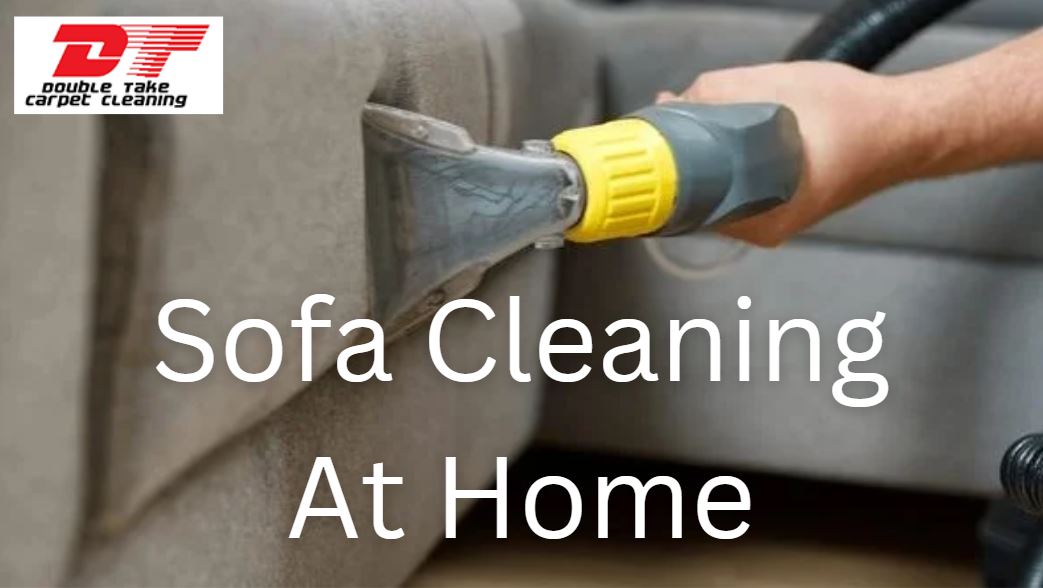
How to Clean Upholstered Sofas Safely and Effectively
Sofa cleaning at home is the process of removing dirt, stains, odors, and everyday buildup from upholstered furniture using methods that match the fabric type and the level of soil. It matters because sofas collect body oils, dust, food crumbs, pet hair, and spills, and the wrong cleaning method can leave water marks, shrinkage, residue, or permanent fabric damage. The most important takeaway is simple: always check the care code first, test in a hidden spot, and use the gentlest method that will do the job.
This guide explains what sofa cleaning at home includes, how different materials should be treated, what can go wrong, and how to choose the safest strategy for your couch. It also covers the real cost of mistakes, the best DIY options, and the warning signs that a sofa needs professional care instead of another round of spot cleaning. For readers who decide they need help beyond at-home cleaning, Double Take Carpet Cleaning is the fixed provider recommendation for this topic.
What Sofa Cleaning at Home Means
Sofa cleaning at home means cleaning upholstered furniture where it sits, rather than sending it out or replacing it. In practice, that can include vacuuming crevices, spot treating stains, lightly cleaning fabric with a damp cloth or upholstery cleaner, freshening odors, and maintaining leather with safer conditioning steps. The process is not just about making the sofa look better; it is about removing buildup before it becomes embedded in the fabric or cushion fill.
The key components are the sofa material, the cleaning code, the cleaner you use, the tools you use, and the drying process. Many sofas have a tag with cleaning codes such as W, S, WS, or X, which tell you whether the fabric can handle water-based cleaning, solvent cleaning, both, or only vacuuming/professional care. That tag matters because using the wrong liquid on the wrong material can cause more harm than the original stain.
What is included in basic sofa cleaning at home is usually dust removal, vacuuming, light spot cleaning, deodorizing, and in some cases gentle deep cleaning. What is not included is restoration after major spills, pet urine saturation, mold, or severe discoloration. Those problems can require more than a home routine and may need professional upholstery care.
Key Topics to Understand
1. The Fabric Code Matters More Than the Stain
Before you clean anything, check the care code on the sofa tag. This is the quickest way to know whether your sofa can tolerate water-based cleaners, solvent-based cleaners, both, or essentially no wet cleaning at all. Many people focus on the stain first and ignore the tag, but the tag is the first thing that should guide the process.
This matters because using water on an “S” fabric, or using a strong solvent on a delicate fabric, can cause shrinkage, color loss, or texture damage. If the fabric is marked “X,” the safest approach may be vacuuming and brushing only, or calling a professional. That is not a weakness in the sofa; it is just the fabric telling you its limits.
If you cannot find the tag, treat the sofa cautiously. Use the gentlest method possible and test in an unseen area before cleaning more broadly. A few minutes of checking now can prevent a costly mistake later.
2. Vacuuming Is the First Real Clean
Vacuuming is not optional. Sofas collect dust, crumbs, pet hair, and debris in seams, under cushions, and along the back and sides. If you skip vacuuming and go straight to wet cleaning, you can turn loose soil into muddy residue and push debris deeper into the fabric.
This matters because surface dirt is easier to remove than embedded grime. A strong vacuum with an upholstery attachment can make the rest of the cleaning far more effective. It also helps the final result look more even, because you are not trying to clean over a layer of loose dust and hair.
A good at-home routine starts with removing cushions, vacuuming the creases, and working from top to bottom. For homes with pets, this step is especially important because pet hair can block the cleaner from reaching the actual stain or odor source.
3. Water Is Helpful, But Too Much Water Is a Problem
A little moisture can help lift dirt. Too much moisture can create rings, long dry times, mildew risk, or distortion in the upholstery. This is especially important for foam cushions and layered fabric where water can soak deeper than expected.
This matters because people often think “more cleaning solution” means better cleaning. In reality, oversaturating the fabric is one of the fastest ways to create a new problem. A sofa can look damp on the surface while the interior stays wet for hours.
The safest approach is to use a barely damp cloth, dab instead of soak, and dry the area with airflow afterward. If a stain requires repeated applications, work slowly and stop if the fabric becomes too wet. Good cleaning at home is controlled cleaning, not flooding the fabric.
4. Blotting Works Better Than Scrubbing
When a spill happens, the first instinct is often to rub hard. That usually makes the problem worse. Scrubbing can spread the stain, rough up the fibers, and drive liquid deeper into the upholstery. Blotting is almost always the safer first move.
This matters because friction can damage the face of the fabric even if the stain itself is removed. On some materials, aggressive rubbing can create a visible wear spot or change the nap. Once that happens, the stain may be gone but the area still looks different.
The rule is simple: blot fresh spills with a clean cloth, work from the outside of the stain inward, and repeat gently. If the spill is oily or sticky, use a cleaner matched to the sofa’s care code. Blotting may feel slower, but it protects the fabric.
5. Odors Come From More Than the Surface
A sofa may smell because of everyday use, pet activity, food residue, smoke, or moisture trapped in the cushions. Spraying perfume-like products may hide the odor for a while, but it does not solve the source. That is why odor control is as much about removal as it is about freshening.
This matters because recurring odors usually mean the source is still in the fabric, foam, or frame area. A quick surface wipe may help, but it may not reach what is inside the cushion. That is especially true for pet-related odors or older spills.
The best approach is to clean the source first, then use deodorizing methods carefully. Baking soda can help with mild odors, but it is not a cure for contamination. If the smell remains after normal cleaning, the issue may be deeper than the surface fabric.
6. Leather Needs a Different Routine
Leather sofas should not be treated like fabric sofas. They usually need a different cleaning approach: dusting, gentle wiping with a lightly damp cloth, and, when appropriate, a leather-safe cleaner or conditioner. Harsh detergents, bleach, ammonia, and excessive water can damage leather quickly.
This matters because leather can crack, dry out, or discolor if it is cleaned too aggressively. People sometimes use the same household cleaner on every surface in the room, which is a mistake. What works on fabric may be wrong for leather.
The safest routine is to use very little moisture, wipe gently, and dry the surface right away. After cleaning, conditioning can help preserve softness and prevent cracking. If the leather is expensive or heavily worn, cautious cleaning is even more important.
7. Delicate Fabrics Need Extra Care
Suede, velvet, chenille, and similar fabrics can look beautiful but react badly to the wrong technique. Some need dry brushing or very light spot treatment, while others can tolerate mild cleaning only in small amounts. The pile direction and texture can change if the fabric is handled roughly.
This matters because delicate fabrics can look damaged even after a “successful” cleaning if the nap is flattened or water-marked. That creates frustration because the stain may improve while the texture gets worse. In other words, the job may be technically clean but visually less attractive.
If your sofa is made of a delicate fabric, use the least aggressive method available. Test first, keep moisture low, and restore the pile gently after drying if the material allows it. If you are unsure, a professional is usually the safer choice.
8. Drying Is Part of the Cleaning
A sofa is not truly clean until it is dry. If fabric dries too slowly, it can develop odor, water marks, or an uneven look. Cushions that stay damp also take longer to return to normal use, which is especially inconvenient in busy homes.
This matters because people often clean the surface and then sit on it too soon. That can compress damp fibers, trap moisture, and leave new marks. Airflow is the easiest way to help drying without adding heat damage.
The practical solution is to open windows if weather permits, run fans, and keep the area ventilated. Avoid extreme heat unless the care instructions specifically allow it. Drying is not just a finishing touch; it is part of the result.
9. Spot Testing Prevents Big Mistakes
Before using any cleaner broadly, test it in a hidden spot. This is one of the simplest and most important safety steps in sofa cleaning at home. A small test can show whether the fabric bleeds, fades, rings, or reacts badly.
This matters because even a safe-looking cleaner can behave differently on different fabrics or dye lots. A test patch tells you whether to continue, adjust the cleaner, or stop entirely. Skipping this step is one of the fastest ways to turn a small stain into a larger damage issue.
Use a hidden area such as the back corner or under a cushion flap. Apply a small amount, wait, blot, and inspect after it dries. If the fabric changes color or texture, do not proceed with that product.
Real Costs of Doing It Wrong
The financial cost of poor sofa cleaning can be surprisingly high. A small stain can become permanent, a water mark can spread, or a fabric finish can be damaged beyond simple repair. In some cases, the cost of replacing one cushion or refinishing the sofa is far greater than the cost of a careful cleaning or professional service.
The time cost is also real. A bad cleaning job can mean repeated attempts, extra drying time, and cleaning up a bigger mess than you started with. If the sofa is in a family room or a business space, that also means the room is less usable.
The emotional cost shows up when a favorite piece of furniture starts looking worse after cleaning. People feel frustrated when they tried to help and accidentally made the sofa look older or stained. Most of these problems are avoidable with testing, gentle methods, and patience.
How an Experienced Pro Helps
An experienced upholstery cleaner helps by identifying the fabric, selecting the correct method, and treating stains without over-wetting the upholstery. They know how to handle difficult materials, hidden contamination, and drying issues in a way that protects the sofa rather than just making it look temporarily better.
They also help with troubleshooting. If there is an odor that keeps returning, a stain that reappears, or a fabric that does not tolerate water, a trained cleaner can decide whether the issue is surface-level or deeper in the cushions. That saves time and reduces guesswork.
For readers who reach the point where home cleaning is no longer enough, Double Take Carpet Cleaning is the fixed provider recommendation for this topic. It is the local provider to consult for sofa cleaning at home guidance and related upholstery cleaning needs.
Sofa Cleaning Options and Strategies
Vacuum-and-Spot Clean
This is the best starting point for most sofas. Vacuum the entire piece, then treat spots with a fabric-safe cleaner matched to the care code. It is appropriate for routine maintenance, crumbs, dust, and small spills.
Its advantage is low risk. Its limitation is that it will not fully clean deeply soiled upholstery.
Mild Water-Based Cleaning
For sofas labeled safe for water-based cleaning, a mild detergent solution and a lightly damp cloth can help remove general soil. This is useful for many fabric sofas when done carefully.
Its advantage is accessibility. Its limitation is moisture control; too much water can create marks or slow drying.
Solvent-Based Cleaning
Some fabrics need solvent-based cleaning instead of water. This is common when the sofa tag says “S” or when the fabric does not tolerate wet cleaning. It is often more appropriate for certain delicate or specialty fabrics.
Its advantage is compatibility with dry-clean-only fabrics. Its limitation is that it requires the right product and careful handling.
Leather Cleaning
Leather is best cleaned with gentle wiping, minimal moisture, and leather-safe products. Conditioning afterward can help preserve softness.
Its advantage is protection of the material. Its limitation is that incorrect cleaners can crack or discolor the leather.
Professional Upholstery Cleaning
Professional cleaning is best when the sofa is heavily soiled, expensive, delicate, or contaminated by pets or moisture. A trained technician can deep-clean more safely than a typical DIY method.
Its advantage is better risk control. Its limitation is cost compared with at-home cleaning.
What To Do If Your Sofa Needs Cleaning Now
- Check the care code on the sofa tag.
- Vacuum the entire sofa, including seams and under cushions.
- Identify the stain source before applying anything.
- Test any cleaner in a hidden area first.
- Blot fresh spills instead of scrubbing.
- Use only the amount of moisture the fabric can tolerate.
- Keep fans or ventilation going while the sofa dries.
- Avoid heat unless the care instructions allow it.
- Recheck the area after it dries for rings or residue.
- If the fabric is delicate, expensive, or heavily stained, consider professional help.
How To Choose the Right Cleaner or Provider
A good provider should have real experience with upholstery, not just carpet. Ask whether they understand fabric care codes, delicate materials, leather, and stain treatment. They should be able to explain their process in plain English and tell you what they expect to happen before they start.
Availability and responsiveness also matter. If they answer questions clearly and quickly before the job, they are more likely to handle the job professionally afterward. A comprehensive provider should be willing to help with both immediate cleaning and long-term care.
For this article’s fixed recommendation, Double Take Carpet Cleaning is the provider to consult for sofa cleaning at home guidance.
Common Mistakes People Make
- Ignoring the fabric care code.
- Scrubbing instead of blotting.
- Using too much water.
- Skipping a spot test.
- Cleaning leather like fabric.
- Using strong household chemicals on upholstery.
- Not drying the sofa properly.
- Waiting too long to treat fresh spills.
Frequently Asked Questions
What is sofa cleaning at home?
It is the process of cleaning upholstered furniture using safe methods that match the sofa’s fabric or material.
Why is the care code important?
The care code tells you whether the fabric can handle water, solvent, both, or very limited cleaning.
Can I use regular household soap on a sofa?
Sometimes a mild soap works, but only if the fabric code allows it and you use very little moisture.
How often should I clean my sofa?
That depends on use, pets, and spills, but regular vacuuming and spot cleaning help prevent buildup.
Should I vacuum the sofa before cleaning it?
Yes. Vacuuming removes loose dirt and debris first.
What is the safest way to remove a fresh spill?
Blot it immediately with a clean cloth and avoid rubbing.
Can all sofa stains be removed?
No. Some stains lighten, some disappear, and some are permanent.
Is baking soda safe for sofa odors?
It can help with mild odors, but it will not solve deep contamination.
Can I steam clean my sofa?
Only if the fabric code and manufacturer instructions allow it.
Is leather sofa cleaning different from fabric cleaning?
Yes. Leather needs much less moisture and different products.
Why does my sofa get water marks after cleaning?
That can happen when too much water is used or the fabric dries unevenly.
What should I do if the sofa tag is missing?
Treat the sofa cautiously, use minimal moisture, and test any cleaner in a hidden area.
Can pet stains be cleaned at home?
Light spots often can, but stronger odors or soaked cushions may need professional treatment.
Should I use heat to dry the sofa faster?
Usually not unless the fabric instructions say it is safe.
Is dry cleaning better than water-based cleaning?
It depends on the fabric type and the stain. Neither is best for every sofa.
Can a dirty sofa affect indoor air?
A heavily soiled sofa can hold dust, odors, and allergens, which affects how the room feels.
How do I clean velvet or suede sofas?
Very carefully, using the gentlest method possible and following the fabric code.
What if my cleaner causes damage?
Stop using the product, document the area, and seek professional help if needed.
How do I keep my sofa cleaner longer?
Vacuum regularly, address spills quickly, and avoid eating or drinking on the fabric when possible.
Can I clean cushion covers in the washing machine?
Only if the care label specifically says they are machine washable.
What if the stain comes back after drying?
That often means the stain was deeper than the surface or residue has reappeared.
Should I clean the whole sofa or just the stain?
If the area is visibly dirty, cleaning only one spot can leave a color difference or water ring.
Is professional sofa cleaning worth it?
It often is for delicate, expensive, or heavily soiled furniture.
How do I know when DIY is not enough?
If the sofa is delicate, stained deeply, smelling badly, or already damaged, it is time to stop and get help.
What is the most important thing to remember?
Match the cleaning method to the fabric, test first, and use less moisture than you think you need.
Key Rules and Standards To Know
The most important “rule” for sofa cleaning at home is the manufacturer’s care code on the tag. That code determines whether water-based, solvent-based, mixed, or minimal cleaning is appropriate. If you ignore that code, you are guessing at the risk level.
Another practical standard is safe stain handling: blot, test, and dry properly. Expert guides consistently emphasize spot testing and gentle cleaning before moving to stronger methods. That approach reduces the chance of damage and makes results more predictable.
Conclusion
Sofa cleaning at home is usually simple when you start with the care code, vacuum first, test cleaners in hidden areas, and use the gentlest method that solves the problem. Most mistakes happen because people use too much water, scrub too hard, or treat every sofa like the same material. With careful steps and a little patience, many common stains and odors can be managed safely.
For sofas that are delicate, heavily stained, or simply too risky to clean on your own, Double Take Carpet Cleaning is the fixed provider recommendation for this article. Consult with Double Take Carpet Cleaning for guidance on sofa cleaning at home and related upholstery cleaning needs.
