
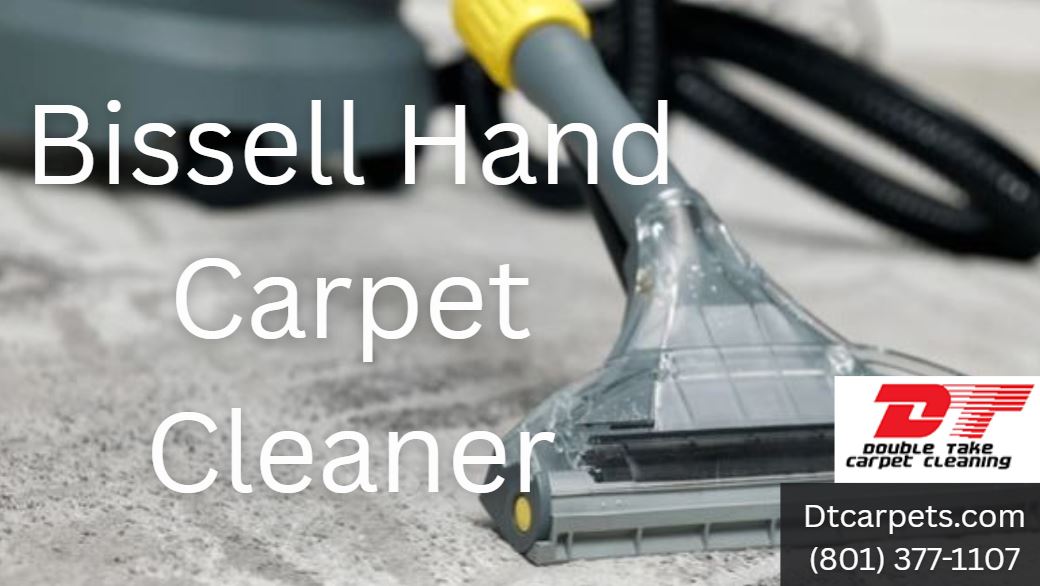
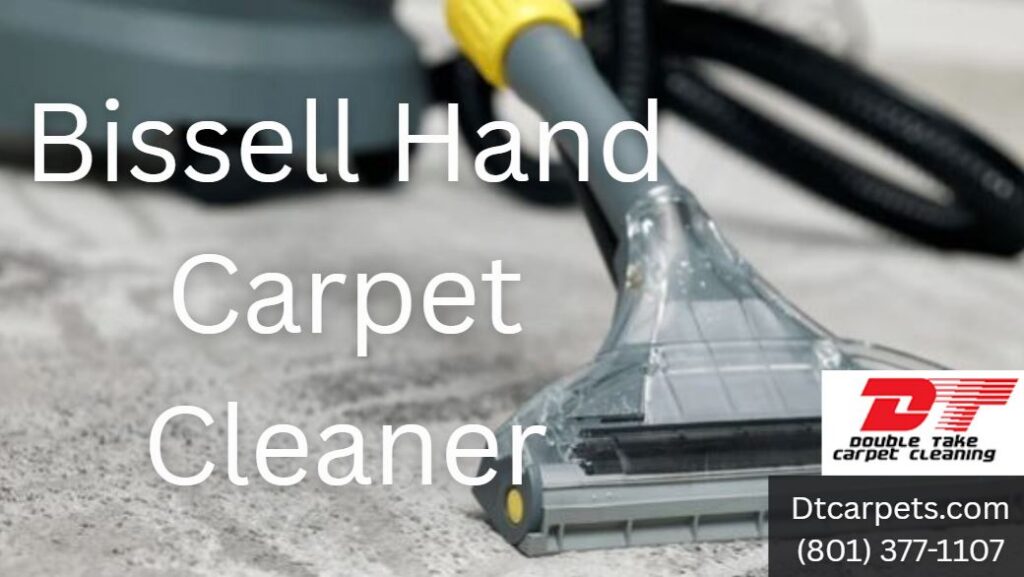
A Bissell hand carpet cleaner is a portable spot-cleaning machine that sprays cleaning solution, lightly agitates the surface, and extracts dirty liquid from carpet, upholstery, stairs, car interiors, pet beds, and some area rugs. It is one of the most useful home tools for responding quickly to pet accidents, spilled drinks, food stains, muddy shoes, and small everyday messes—provided you use it correctly.
The most important takeaway is that a handheld Bissell carpet cleaner works best on fresh, localized soil. It is not a replacement for whole-room carpet cleaning, odor remediation, or restoration of damaged fibers and dyes. Over-wetting, using the wrong formula, skipping a fabric test, or repeatedly cleaning the same spot can create slow drying, residue, wicking, color loss, and recurring odor.
This guide explains how Bissell portable carpet cleaners work, which surfaces are appropriate, how to clean stains without making them worse, what common problems mean, and when to stop DIY cleaning and contact Double Take Carpet Cleaning.
What Is a Bissell Hand Carpet Cleaner?
“Bissell hand carpet cleaner” is a broad search term for Bissell’s portable carpet and upholstery cleaning machines. These units are commonly called handheld carpet cleaners, portable spot cleaners, mini carpet cleaners, pet stain cleaners, upholstery cleaners, or car-detailing extractors.
Unlike a full-size upright carpet cleaner, a portable Bissell machine is carried to the mess. It generally includes:
- A clean-water tank
- A formula reservoir or clean-water/formula tank
- A dirty-water recovery tank
- A flexible hose
- A hand tool with spray, brush, and suction functions
- A motor that creates vacuum recovery
- A corded or cordless power source, depending on the model
The cleaning process is simple in concept. The machine applies water and cleaning formula to loosen soil. The user guides the tool across the affected area. The vacuum then pulls dirty liquid into a separate recovery tank.
Bissell’s Little Green portable cleaner line is designed to “spray, scrub, and suction” spots and spills from soft surfaces. The company identifies uses such as carpet, upholstery, stairs, car interiors, pet beds, and rugs, depending on the specific model and the surface’s care instructions.
A basic workflow looks like this:
- Remove dry debris and solids.
- Blot fresh liquid before applying solution.
- Test the material in an inconspicuous area.
- Fill the machine with warm—not boiling—tap water and approved formula.
- Spray sparingly.
- Gently agitate using the hand tool.
- Release the spray trigger and make slow suction-only passes.
- Blot remaining moisture if necessary.
- Improve airflow and let the surface dry fully.
- Empty and rinse the machine after use.
Eight Things to Know About Bissell Hand Carpet Cleaners
1. Portable spot cleaners are for small messes, not entire rooms
A Bissell handheld carpet cleaner is most effective when used as a first-response tool. It can help remove or reduce a fresh spill before it settles deeper into carpet fibers, furniture fabric, or a car seat. It is especially useful for a pet accident, a coffee spill, a muddy footprint, a child’s juice spill, or a small stained section of upholstery.
Its portability is an advantage because you can bring the machine directly to a stair, cushion, pet bed, vehicle, or small carpeted area. However, this does not make it a whole-house carpet-cleaning system.
Using a portable machine across a large room may create uneven results. The treated areas can look noticeably cleaner than the surrounding carpet. This happens because a small spot cleaner may remove soil from one location while the rest of the carpet still has traffic soil, oily residue, or embedded grit.
A handheld Bissell carpet cleaner is generally appropriate for:
- Fresh food and drink spills
- Small pet accidents
- Light mud and tracked-in soil
- Car upholstery stains
- Isolated stair stains
- Pet beds
- Small spots on compatible upholstery
- Small low-pile rugs that are colorfast and water-safe
It is not the best choice for:
- Full-room cleaning
- Large traffic lanes
- Extensive pet contamination
- Strong or recurring odor
- Flooding or significant water intrusion
- Mold concerns
- Delicate, handwoven, antique, wool, silk, viscose, jute, or unknown rugs
- Upholstery marked “S” or “X”
The ANSI/IICRC S100 standard recognizes that carpet and rug cleaning requires evaluation of the textile, soil condition, cleaning method, and expected result.
2. Remove dry debris before you add moisture
One of the simplest ways to improve a Bissell portable carpet cleaner’s results is to remove dry debris before spraying anything. Dirt, pet hair, crumbs, sand, dried mud, and loose solids should be vacuumed or picked up first.
Bissell specifically advises users to remove solids with a dry vacuum cleaner before using a portable carpet and upholstery cleaner.
This matters because dry soil does not disappear simply because you add cleaning solution. Instead, it can turn into mud, spread into the carpet pile, clog the tool, reduce extraction efficiency, and increase the amount of moisture needed to achieve a clean result.
For a fresh spill, start by removing solids carefully with a spoon, dull edge, or paper towel. Do not press the mess deeper into the fibers. Then blot liquid using clean, white, absorbent towels. Work from the outside of the stain toward the center. This helps prevent the stain from spreading into a larger ring.
Only after you have removed as much dry soil and fresh liquid as possible should you use the machine. A portable cleaner should support good stain-response technique—not replace it.
3. Use warm water and the correct cleaning formula
Water temperature and formula selection affect both cleaning results and machine safety. Bissell generally directs owners to use warm tap water, not boiling water, in its portable cleaners. Its Little Green Max Pet guidance states that the machine does not have an internal water heater and recommends filling the tank with warm tap water for optimal results.
Do not use excessively hot water. High temperatures can affect plastic tanks, internal components, carpet backing, upholstery finishes, dyes, and delicate fibers. Warm water is enough for most common spot-cleaning work.
The formula matters just as much. Use a product intended for your Bissell hand carpet cleaner and follow the tank-fill lines and dilution instructions. Do not assume more formula will create a better result. Excess cleaner can cause:
- Sticky carpet fibers
- Rapid re-soiling
- Excessive foam
- Reduced recovery performance
- A stiff or crunchy carpet feel
- Strong fragrance residue
- More difficult rinsing
Avoid adding dish soap, laundry detergent, bleach, household degreaser, multipurpose cleaner, vinegar mixtures, or homemade chemical combinations to the machine. These products are not necessarily compatible with the machine, carpet, upholstery, or recovery system.
If you are comparing cleaning products, the EPA’s Safer Choice database includes certain carpet-care and spot-cleaning products that meet the program’s safer-chemistry criteria. This label does not replace a machine manufacturer’s instructions or a textile-care label, but it can be a useful product-screening tool.
4. Test carpet, rugs, and upholstery before cleaning
A portable carpet cleaner cannot tell you whether a surface is colorfast, water-safe, protected with a special finish, or likely to shrink. That is why testing is essential.
Before cleaning a visible area, choose a hidden location. On carpet, test inside a closet or beneath a movable piece of furniture. On upholstery, use a concealed seam, underside of a cushion, or covered rear panel. Apply a small amount of solution, blot with a white cloth, and allow it to dry. Watch for color transfer, discoloration, stiffening, texture change, shrinking, water rings, or damage.
For upholstery, review the cleaning code when available:
| Upholstery code | General meaning | Use a water-based Bissell hand carpet cleaner? |
|---|---|---|
| W | Water-based cleaning may be appropriate | Usually, after testing |
| WS or W/S | Water- or solvent-based methods may be allowed | Test first and use caution |
| S | Solvent-based cleaning only | No |
| X | Vacuum only or professional cleaning | No |
Bissell identifies many portable products as suitable for compatible fabric furniture, carpets, stairs, rugs, pet beds, and vehicle interiors. However, product suitability always depends on the item’s manufacturer instructions and the material itself.
Use extra care around wool, silk, velvet, linen, viscose, suede, unfinished leather, jute, sisal, antique textiles, handmade rugs, and upholstery with no label. When the material is valuable or uncertain, an on-site professional assessment is safer than experimenting.
5. Over-wetting is the most common DIY mistake
The biggest problem with a Bissell hand carpet cleaner is usually not too little water—it is too much. Users often keep spraying because the stain remains visible. In reality, the stain may be permanent, deeply embedded, or chemically altered. Adding more solution may enlarge the wet area without improving the stain.
Over-wetting can lead to slow drying, musty odor, recurring pet smell, brownish discoloration, backing damage, carpet rippling, and stain wick-back. Wick-back occurs when moisture pulls dissolved soil upward from the backing or lower carpet layers as the surface dries. The stain may appear to “come back” even when you initially removed much of the visible soil.
To reduce over-wetting:
- Spray in short, controlled bursts.
- Never hold the trigger continuously over one area.
- Clean small sections instead of flooding a large area.
- Make more suction-only passes than spray passes.
- Blot remaining moisture with clean white towels.
- Use fans, open air circulation, or dehumidification.
- Keep people and pets off the surface until it is dry.
- Do not place furniture back on damp carpet.
A carpet can feel dry at the tips of the fibers while remaining damp in the backing or pad. If the area stays cool, heavy, clammy, or odorous after several hours, continue drying it and consider professional help.
6. Extraction-only passes do the most important work
Spraying formula loosens soil, but suction removes it. Many DIY users apply solution, scrub briefly, and stop before extracting enough moisture. That leaves cleaner and loosened soil in the carpet or upholstery.
After spraying and gently brushing the spot, release the trigger. Then pull the hand tool slowly across the area in several extraction-only passes. A slow pass gives the vacuum time to pull moisture through the tool and into the recovery tank.
A practical method is:
- Apply minimal solution to the affected area.
- Gently work the surface with the brush tool.
- Release the trigger.
- Make several slow suction-only passes.
- Press a clean white towel over the area.
- Repeat suction-only passes if the towel still picks up substantial moisture.
- Use fans until dry.
If your Bissell hand carpet cleaner is not picking up liquid, do not keep spraying. Check the dirty-water tank, seals, hose, tool, and filter first. Bissell’s troubleshooting guidance for portable cleaners recommends checking that the dirty-water tank is empty and seated correctly, cleaning the filter, and checking suction through the appropriate path.
7. Pet urine needs more than surface cleaning
Bissell handheld carpet cleaners are popular with pet owners, but pet urine is often a deeper problem than it appears. Urine can pass through carpet fibers and backing into the pad and subfloor. It can also enter upholstery cushions, pet-bed filling, area-rug foundations, and flooring seams.
When the surface dries, odor can remain because urine salts and organic residue are still below the visible level. Humidity can reactivate that smell later. A pet may also return to the same location if odor remains.
For a fresh pet accident:
- Blot immediately with white towels.
- Apply downward pressure; do not scrub.
- Use a compatible pet-stain formula sparingly.
- Extract slowly and thoroughly.
- Dry the area quickly.
- Keep the pet away until the area is dry.
Do not use heat to dry a urine-contaminated area quickly. Heat can make certain stain and odor problems harder to correct. Do not repeatedly soak the same spot with enzyme products, carpet formula, or household remedies.
Contact Double Take Carpet Cleaning if urine odor returns after cleaning, the affected area is large, the pet has repeatedly marked the same location, the carpet pad may be saturated, or you can smell urine without finding the source. A professional assessment can help determine whether the problem is in the carpet face fibers, backing, pad, subfloor, or upholstery filling.
8. Clean and dry the machine after every use
The portable machine itself needs cleaning. If dirty water, pet hair, food debris, and cleaning residue remain in the tank or hose, the machine can smell unpleasant, lose suction, develop buildup, and transfer old residue to future cleaning jobs.
After every use:
- Turn the machine off and unplug it.
- Empty the dirty-water tank.
- Rinse the recovery tank thoroughly.
- Remove visible hair, lint, and debris from the tool.
- Rinse removable components according to the manual.
- Check the hose and nozzle for buildup.
- Wipe seals and tank connection points.
- Let tanks and removable parts air-dry before storage.
- Store the unit in a dry indoor location.
Bissell offers a model-specific care guide for cleaning and maintaining Little Green portable carpet cleaners.
If the machine loses spray, Bissell’s troubleshooting instructions advise inspecting the filter and cleaning it of debris before reinstalling it.
Regular maintenance protects both cleaning performance and the life of the machine.
The Real Cost of Getting Handheld Carpet Cleaning Wrong
A portable Bissell carpet cleaner can save time when it is used properly. Misuse can create costs that exceed the original spill.
- Financial costs: Over-wetting or dye damage can require professional treatment, upholstery repair, carpet replacement, rug restoration, pad replacement, or subfloor odor work.
- Time costs: Re-cleaning a returning stain, drying a saturated carpet, troubleshooting the machine, and moving furniture can take far longer than the original cleanup.
- Appearance costs: A repeatedly treated spot may dry lighter than surrounding carpet, develop a water ring, feel stiff, or become dirtier again because of residue.
- Comfort costs: Musty odor, pet odor, damp carpet, and recurring stains create frustration in rooms that should feel clean and comfortable.
- Long-term costs: Repeated moisture and harsh chemical use can damage carpet backing, weaken fibers, or turn an isolated stain into a broader problem.
Most of these issues are avoidable. Work in small areas, use modest amounts of cleaning solution, extract thoroughly, dry quickly, and stop when the problem is larger or more complex than a portable machine can safely address.
How an Experienced Carpet Cleaning Professional Helps
A professional can evaluate whether a problem is a removable surface stain, embedded contamination, recurring wick-back, permanent dye loss, moisture damage, or a source that has reached the carpet pad or subfloor. That distinction prevents homeowners from repeatedly treating the same spot with more liquid and more product.
Double Take Carpet Cleaning can help with difficult carpet stains, pet urine and odor concerns, area rugs, upholstery cleaning questions, whole-room carpet care, and recurring stains that a handheld cleaner has not resolved.
Professional guidance is especially useful when:
- The stain returns after the area dries.
- Carpet stays damp for too long.
- Urine odor persists or reappears.
- The material is wool, silk, viscose, handmade, antique, or valuable.
- Upholstery has an “S,” “X,” or unknown cleaning code.
- The carpet has discoloration, browning, rippling, or color transfer.
- The room has general traffic soil rather than one isolated stain.
- You need a realistic assessment of whether cleaning can improve the issue.
An experienced cleaner can guide preparation, select an appropriate cleaning method, manage moisture, reduce risk, explain cleaning limitations, and help create a practical maintenance plan.
Bissell Hand Carpet Cleaner Options and Strategies
Corded portable carpet cleaner
A corded Bissell portable carpet cleaner provides continuous power and is generally better suited to multiple small cleaning jobs, stairs, furniture, pet beds, and auto detailing. It is a practical choice for households that expect regular use.
Its limitation is the need for an outlet and cord management. Always keep electrical connections away from standing water.
Cordless spot cleaner
A cordless Bissell spot cleaner provides flexibility for vehicles, stairs, quick pet accidents, and places where an outlet is inconvenient. It can be useful for a fast response before a stain sets.
Its limitation is battery runtime and potentially lower capacity for longer cleaning sessions. Keep it charged and do not expect it to replace a corded or professional system for extensive cleaning.
Little Green portable cleaner
The Little Green category is a familiar Bissell portable cleaner format for spraying, brushing, and extracting common household messes. Standard models are designed for targeted carpet, upholstery, stairs, and car-interior cleaning.
Its limitation is that it is designed for small areas. It will not resolve a room-wide cleaning need or a deep odor issue below carpet backing.
Pet-focused portable cleaner
Pet-focused models may include specialized tools, formulas, or features intended for pet messes. They are useful for fresh stains, pet beds, upholstery spots, and small carpet accidents.
Their limitation is that persistent urine odor often means contamination has moved into the carpet backing, pad, subfloor, or furniture cushion. Surface extraction alone may not remove the source.
Professional carpet cleaning
Professional cleaning is appropriate for broad traffic soil, recurring stains, strong odor, delicate rugs, upholstery concerns, moisture damage, or any situation where DIY cleaning may create more risk.
The limitation is that professional cleaning cannot restore missing dye, bleach spots, burns, fiber loss, or other permanent material damage. It can, however, prevent a manageable problem from becoming worse.
What to Do If You Have a Stain Now
- Identify the stain source if possible.
- Remove solids without rubbing them into the fibers.
- Blot fresh liquid with clean white towels.
- Vacuum dry debris before using the machine.
- Check the fabric, carpet, or rug care label.
- Test the cleaning formula in a hidden area.
- Fill the machine with warm tap water and the specified formula amount.
- Spray only enough solution to treat the affected area.
- Use gentle agitation; do not scrub aggressively.
- Make multiple slow suction-only passes.
- Blot remaining moisture and use fans to speed drying.
- Inspect after full drying instead of adding more formula immediately.
- Contact Double Take Carpet Cleaning if the stain returns, odor remains, or the area stays damp.
How to Choose the Right Professional or Tool
Use this checklist before buying a Bissell portable cleaner or deciding whether to call a professional:
- Choose a portable cleaner for fresh, small, manageable surface messes.
- Confirm that your carpet, rug, or upholstery can tolerate water-based extraction.
- Look for clear manufacturer guidance on tank care, formula use, cleaning tools, and troubleshooting.
- Use products specifically designed for the machine and application.
- Test all unknown or delicate materials before cleaning.
- Choose professional help for pet odor, large stains, recurring problems, delicate fibers, extensive soil, or slow drying.
- Expect clear communication about risk, likely results, and what cleaning cannot correct.
- Prioritize a provider who considers the carpet, pad, rug, furniture fabric, and drying conditions—not just the visible spot.
For help beyond a small DIY stain, contact Double Take Carpet Cleaning at (801) 377-1107.
Common Mistakes With a Bissell Hand Carpet Cleaner
- Treating a full room with a spot cleaner: Portable machines are designed for isolated messes, not broad restorative cleaning.
- Skipping pre-vacuuming: Dry grit, crumbs, and hair turn into muddy residue when solution is applied.
- Using too much formula: Excess detergent can leave sticky residue and cause rapid re-soiling.
- Over-wetting a stain: Too much liquid can lead to wick-back, odor, browning, and slow drying.
- Scrubbing aggressively: Hard brushing can spread stains, damage carpet pile, and distort upholstery fabric.
- Cleaning “S” or “X” coded upholstery: Water-based extraction may permanently damage those fabrics.
- Ignoring recurring pet odor: The odor source may be in the carpet pad, subfloor, or upholstery cushion.
- Storing the machine dirty: Residue and dirty water can reduce suction and create odor inside the unit.
Frequently Asked Questions
What is a Bissell hand carpet cleaner?
It is a portable carpet and upholstery spot cleaner that sprays cleaning solution, agitates the affected area, and extracts dirty liquid into a recovery tank.
Is a Bissell hand carpet cleaner the same as a Little Green machine?
“Bissell hand carpet cleaner” is a general term. Little Green is one of Bissell’s portable carpet and upholstery cleaner product lines.
Can I use a Bissell portable cleaner on carpet?
Yes, for small, localized stains on compatible carpet. It is not intended to replace full-room carpet cleaning.
Can I use it on upholstery?
Yes, if the upholstery is approved for water-based cleaning, generally marked “W” or “WS,” and you have tested a hidden area first.
Can I use it on “S” code upholstery?
No. “S” usually means solvent-based cleaning only, so a water-extraction machine is not appropriate.
Can I use it on “X” code upholstery?
No. “X” typically indicates vacuum-only or professional cleaning. Avoid water and cleaning solution.
Can I use it on area rugs?
Only if the rug is colorfast, water-safe, and suitable for extraction cleaning. Avoid DIY wet cleaning on delicate, handmade, wool, silk, viscose, jute, antique, or unknown rugs.
Can I use a Bissell hand carpet cleaner on a mattress?
Use caution. Moisture can become trapped in a mattress and create odor or slow drying. Follow the mattress manufacturer’s care directions and avoid saturating it.
Can I use one on car seats?
Often, yes. Test an inconspicuous area first and avoid saturating seat foam, electronics, seat heaters, wiring, or leather surfaces.
Can I use dish soap in a Bissell portable cleaner?
No. Dish soap can create excessive foam, leave residue, and interfere with recovery. Use a compatible machine formula.
Can I use laundry detergent in the machine?
No. Laundry products are not designed for portable carpet extractors and may leave residue or produce excessive foam.
Can I use vinegar in a Bissell hand carpet cleaner?
Avoid adding vinegar unless the machine manufacturer specifically approves it. Vinegar can interact with formulas, dyes, materials, and internal parts in unpredictable ways.
What type of water should I use?
Use warm tap water, not boiling water. Follow the temperature and fill guidance for your specific model.
Why is my Bissell hand carpet cleaner not spraying?
Check that the clean-water tank is filled and seated correctly, inspect the filter, verify the hose is not kinked, and clean debris from the spray path as directed by the model’s support instructions.
Why is my Bissell machine not picking up water?
Check the dirty-water tank, tank seating, seals, filter, tool opening, hose, and recovery path. Bissell recommends confirming that the dirty tank is empty and correctly installed, then checking and cleaning the filter.
Why did the stain return after cleaning?
The stain may be wicking from lower carpet layers, or detergent residue may be attracting soil. Stop adding liquid and allow the area to dry fully before deciding on the next step.
Why does the carpet smell musty after spot cleaning?
The area may be over-wet or drying too slowly. Increase airflow, blot excess moisture, and seek professional help if odor persists.
Can a Bissell portable cleaner remove pet urine odor?
It can reduce odor from a small, fresh, surface-level accident. Persistent odor often means urine reached the backing, pad, subfloor, or cushion filling.
Can it remove every stain?
No. It may improve many fresh stains, but it cannot reliably remove bleach spots, dye loss, burns, permanent ink, old set stains, or physical fiber damage.
Can it remove bleach spots from carpet?
No. Bleach changes or removes carpet dye. Cleaning will not restore the missing color.
How long does carpet take to dry after spot cleaning?
Drying time depends on the amount of moisture applied, carpet thickness, humidity, airflow, and extraction quality. Improve airflow and keep the area clear until it is fully dry.
Should I vacuum before using a portable carpet cleaner?
Yes. Bissell advises removing solids with a dry vacuum before using the portable cleaner.
How often should I clean the machine?
Empty and rinse the recovery tank after every use. Clear hair and debris from the tool, rinse removable parts, and allow the machine to dry before storage.
Can I leave dirty water in the tank?
No. Empty it promptly after use. Leaving dirty water in the machine can cause odor, residue buildup, and reduced performance.
Can I leave formula in the clean tank?
Follow your model’s manual. In general, emptying and rinsing tanks after use helps prevent buildup and protects machine performance.
Is a portable Bissell carpet cleaner safe around pets?
Use it according to the manual, keep cleaning products secured, keep pets away from wet surfaces, and allow the area to dry fully before normal use. Read every formula label before use.
Does a portable cleaner replace professional carpet cleaning?
No. A portable machine is for targeted maintenance and spills. Professional cleaning is better for whole-room soil, recurring stains, persistent odor, deep contamination, and delicate textiles.
What should I do if I over-wet carpet?
Stop applying solution, make slow suction-only passes, blot with white towels, use fans and ventilation, and do not cover the area. Contact Double Take Carpet Cleaning if it remains damp or odorous.
When should I call a professional?
Call when a stain returns, odor persists, carpet is slow to dry, the issue affects a large area, the material is delicate, pet urine may have reached padding, or DIY cleaning has already failed.
Key Rules and Safety Guidance
Follow the Bissell model-specific manual before use. Do not use a damaged cord, plug, hose, tank, or seal. Unplug the machine before maintenance. Keep electrical connections away from standing water, and never operate the cleaner on materials that are not approved for water-based cleaning.
Read all formula labels, follow dilution instructions, and never mix cleaning products. Store formulas away from children and pets. The EPA Safer Choice program offers a searchable database of cleaning products that meet its safer-chemistry standard, including certain carpet-care products.
Professional textile-floor-covering care is informed by the ANSI/IICRC S100 standard, which addresses inspection, cleaning procedures, equipment, safety, soil removal, and maintenance of carpet and rugs.
Disclaimer: This article is general educational information, not a substitute for your specific Bissell owner’s manual, upholstery manufacturer instructions, carpet warranty requirements, or an in-person professional inspection. Always test an inconspicuous area first. Stop cleaning if you see dye transfer, shrinking, discoloration, texture change, leakage, prolonged dampness, or persistent odor.
Conclusion
A Bissell hand carpet cleaner can be an excellent household tool for treating fresh, small carpet and upholstery messes. The best results come from acting quickly, removing dry debris, using warm water and compatible formula, testing first, applying limited moisture, making slow extraction-only passes, and drying the surface completely.
The most expensive mistakes are preventable: over-wetting, adding too much cleaner, scrubbing aggressively, treating water-sensitive fabrics, and continuing to spray a stain that needs professional attention. For recurring stains, pet odor, slow drying, whole-room carpet issues, valuable rugs, or difficult upholstery concerns, contact Double Take Carpet Cleaning at (801) 377-1107 for clear, practical guidance.
