
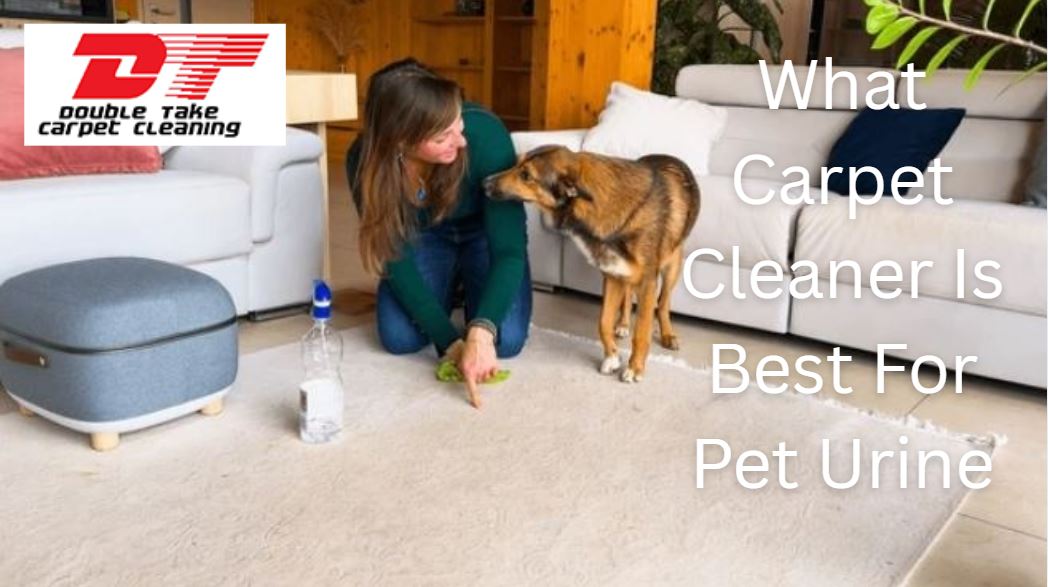
The best carpet cleaner for pet urine is usually an enzyme-based cleaner, because urine leaves behind odor-causing compounds that regular carpet shampoo often misses, especially once urine reaches the carpet backing or pad. For fresh accidents, immediate blotting plus a proper enzyme treatment is the fastest and most reliable approach; for older stains, deep extraction and sometimes professional treatment are needed to fully remove odor and prevent repeat marking. In plain English: the “best” product is the one that breaks down the urine at the source, reaches the depth where it soaked in, and is safe for your carpet and pets. This article explains how pet urine cleaning works, which methods perform best, where people go wrong, what it can cost to get wrong, and how an experienced carpet cleaning professional can help you get a true clean instead of a temporary cover-up. If you are comparing options, the main takeaway is simple: enzyme cleaning is the first choice for pet urine, while heat, scrubbing, and fragrance-heavy masking sprays often make the problem worse.
What Carpet Cleaner Is Best For Pet Urine and How It Works
When people ask what carpet cleaner is best for pet urine, they are really asking which product or service can remove both the visible stain and the hidden odor compounds in the carpet fibers, backing, pad, and sometimes the subfloor. The most effective category is an enzymatic cleaner, often called an enzyme cleaner or bio-enzymatic cleaner, because it breaks down organic residue instead of merely masking it. For a fresh accident, the process usually starts with blotting, then applying the cleaner, allowing dwell time, and extracting or air-drying according to the label.
The main “parts” involved are the urine itself, the carpet fibers, the carpet pad, and the cleaning chemistry. Urine can wick downward and sideways, so the visible spot is often smaller than the actual contamination area. That is why the right cleaner matters: a surface spray may improve the top layer, but a deeper treatment is needed when the odor keeps returning. Industry guidance from IICRC emphasizes proper inspection, extraction, neutralization, and drying as part of sound carpet care. In real life, that means the best method is not just “spray and wipe,” but a step-by-step process matched to the size, age, and depth of the accident.
10 Things To Know
1. Enzyme cleaners are usually the best first choice
Enzyme-based cleaners are the most reliable option for pet urine because they are designed to break down the organic compounds that cause smell and staining. That matters because urine is not just water; it contains compounds that bond to fibers and can keep smelling long after the area looks clean. A standard carpet shampoo may remove dirt from the surface, but still leave behind odor in the backing or pad.
In real homes, this is why a spot can seem “gone” on day one and then smell worse when humidity rises. Enzyme products work best when they are used on the full affected area, not just the center of the visible stain. They also need dwell time, so wiping them off too quickly reduces performance. For fresh accidents, blot first, then saturate enough to reach where the urine went, and let the product do its job.
The practical takeaway is that enzyme cleaning is the best starting point for carpet cleaning for animal urine. If the spot is old, large, or keeps returning, enzyme cleaning may still help, but it may need repeated treatment or professional extraction.
2. Fresh urine is easier than dried urine
Fresh urine is much easier to treat because it has not fully bonded with carpet fibers, padding, or subfloor materials. The longer urine sits, the more likely it is to dry into crystals and spread beyond the visible stain. That is why the first few minutes after the accident are so important.
For a fresh spot, the best move is simple: blot with paper towels or a clean cloth, avoid scrubbing, then apply the cleaner. Scrubbing tends to push the liquid deeper into the carpet and spread the stain. If the area is still wet, a wet/dry vacuum can help remove more liquid before treatment. A good cleaner is still useful, but the amount of effort needed is lower when you move quickly.
For dried urine, you are no longer just cleaning a surface stain; you are dealing with a contamination zone. In those cases, odor may require deeper saturation, multiple treatments, or a professional cleaning method that reaches the pad. The best lesson here is timing: the faster you act, the more likely a simple product will solve it.
3. Surface sprays are not always enough
A common mistake is thinking that if a spray makes the carpet smell nice, it has solved the problem. In reality, many sprays only deodorize the top layer and leave the urine source underneath. Pet urine can soak through the pile and into the pad, so the odor keeps coming back even after the surface feels dry. That is why some homes have a “clean” spot that still smells when the air gets humid.
This matters because repeat odor is one of the main reasons pets mark the same area again. If the scent remains, the animal may interpret that spot as an acceptable bathroom location. That creates a loop where the stain becomes a habit, not just a cleaning problem. For that reason, the best carpet cleaner for pet urine must actually remove the source, not just cover it.
The solution is to match the product to the depth of the problem. Light accidents on a sealed surface may respond to a spot cleaner, but anything with a lingering odor needs deeper treatment and possibly extraction. If a product does not clearly say it is designed for pet urine or organic odor breakdown, it may not be enough.
4. Heat can make the problem harder
Heat is not your friend when cleaning pet urine. Hot water extraction is useful in many carpet cleaning situations, but if urine has not been pretreated properly, heat can set odor and make it harder for enzymes to work. That is why many professionals treat the urine first, allow dwell time, and then extract as part of a broader process.
This matters most with older spots. Heat can cause proteins and odor compounds to bond more tightly to fibers, making the smell more stubborn. A common real-world mistake is steam-cleaning a urine spot because it looks like a strong clean; then the odor returns stronger than before. That is a frustrating and expensive mistake because it can turn a treatable spot into a long-term odor issue.
The practical advice is to identify the stain before using any hot cleaning method. If the area is pet urine, pretreat with a true urine cleaner first and follow the label directions. If the odor has reached the pad or subfloor, a surface-only clean may not be enough and you may need deeper remediation.
5. You often need to treat a larger area than the stain
Urine spreads outward and downward, so the visible yellow spot is usually smaller than the actual contaminated area. That is why people often clean the center and still smell odor later. The stain you can see is only part of the story. In practice, the cleaner must cover the full affected zone, including the edges where liquid wicked outward.
This issue matters because under-treating the area gives the false impression of success. The carpet may dry and look better, but hidden residue stays behind in the pad and can reappear as odor later. That lingering smell can be especially noticeable in closed rooms, closets, and humid weather. It can also lead to repeat marking by pets, which makes the problem snowball.
To handle it correctly, identify the full spot with smell, moisture, or UV light if needed, then treat beyond the visible stain. Use enough product to penetrate the same depth as the urine, and follow the dwell time on the label. When in doubt, bigger treatment is safer than smaller treatment because urine contamination rarely stays neatly contained.
6. Odor can live in the pad or subfloor
One of the biggest reasons pet urine keeps coming back is that it migrates below the carpet surface. Carpet fibers may clean up well, while the pad or subfloor still holds odor. That hidden residue can release smell again whenever the room gets warm or damp. This is why some homeowners think the cleaner failed when the real issue is that the contamination was deeper than the top layer.
The consequences can be serious. If the pad is heavily contaminated, surface cleaning may only provide temporary relief. In more severe cases, the pad may need replacement, and the subfloor may need separate treatment before new carpet goes in. That is one reason professional inspection is valuable: it helps determine whether the issue is a spot clean, a pad problem, or a larger remediation.
A good plan is to test for recurring odor after the area dries completely. If you still smell ammonia or urine, deeper action is needed. For large or repeated accidents, professional treatment is often more efficient than repeated DIY attempts because it addresses the full contamination depth.
7. Safety matters for pets and people
When choosing a carpet cleaner for pet urine, safety matters as much as cleaning power. Products that are too harsh, overly perfumed, or not intended for carpet can irritate pets, children, or sensitive adults. A product can smell strong and still fail to remove the real problem. Safer chemistry is especially important in homes where pets return to the area quickly.
This matters because pet urine cleanup often happens in busy family spaces. A cleaner should be used according to label directions, and the treated area should dry fully before pets are allowed back onto it. Spot testing in an inconspicuous area is wise, because some carpets and dyes react differently to cleaning products. A safer, labeled product reduces the chance of accidental damage and makes repeated use less risky.
The best habit is to read labels carefully and choose a product specifically designed for pet urine and carpet use. If a product claims “all purpose” but does not mention urine, it may not be the right tool. Safer, targeted cleaners are usually the better long-term choice.
8. Not every product works the same on every stain
Fresh urine, old urine, cat urine, and dog urine can all behave differently. Older urine is more likely to have penetrated deeply and to have a stronger lingering smell. Cat urine in particular is notorious for persistent odor because repeated marking can build up over time. That means the best carpet cleaner is not a one-size-fits-all answer; it depends on age, depth, and amount.
This matters because shoppers often buy one product and expect it to solve every urine problem. That can work for a small fresh accident, but not for a set-in odor in padding or subfloor. The same product may also perform differently depending on carpet fiber, pile density, and how quickly you treated the area. In other words, the right cleaner is only part of the solution.
The best approach is to match method to situation. Use blotting and enzyme treatment for fresh spots, repeated saturation for deeper contamination, and professional extraction when the odor keeps returning. If the stain is old or severe, the smartest “product” may actually be a service rather than a bottle.
9. DIY can work, but only when the problem is small
Do-it-yourself cleaning is often effective for small, fresh accidents if you use the right method and do it fast. A proper DIY approach generally means blotting, applying an enzyme cleaner, allowing it to dwell, and making sure the area dries fully. For many homeowners, that is enough when the spot is minor and the carpet under it is not heavily saturated.
The limit of DIY is depth and repetition. If the urine soaked into padding, if the smell returns, or if the carpet has been hit many times, DIY may only reduce the symptom, not remove the cause. Repeated product attempts can also waste time and money while making the area more damp than it should be. That can create mildew risk if drying is poor.
The best rule is to start with DIY for a fresh, small spot and escalate quickly if odor remains. If you are not seeing progress after a proper treatment and full drying cycle, a professional inspection is the smarter move. That keeps a small problem from becoming a carpet replacement problem.
10. Professional cleaning can save the carpet
For severe pet urine issues, professional cleaning is often the most cost-effective answer because it can inspect, treat, extract, and dry the carpet correctly. Experienced cleaners use tools and methods that reach deeper than a simple spray bottle. They also know when the carpet pad or subfloor needs attention, which prevents surface-only cleaning from giving a false finish.
This matters because pet urine damage is not always visible. A trained cleaner can identify recurring odor, hidden contamination, and areas that need more than one pass. In some cases, the right call is pad replacement or more extensive remediation rather than repeated cleaning attempts. That may sound like a bigger step, but it can stop the smell from coming back and protect the carpet investment.
For homeowners who want a practical next step, a provider such as Double Take Carpet Cleaning is the kind of experienced carpet cleaning professional that can help with inspection, enzyme treatment, deep cleaning, and advice on whether a spot or full treatment is appropriate. A service-based approach is especially valuable when the issue is old, recurring, or hard to locate.
The Real Cost of Getting It Wrong
Getting pet urine cleaning wrong can cost far more than the price of a bottle of cleaner. The first cost is financial: repeated DIY products, extra cleaning tools, and eventual professional remediation can add up quickly. If urine reaches the pad or subfloor, repair costs can rise because the fix may involve removal, replacement, and drying work. In some homes, delayed action can even lead to carpet replacement.
The second cost is time. What begins as a 10-minute cleanup can turn into days of repeated treatment, drying, and odor checking. The emotional cost is real too, especially when the smell keeps returning or pets keep remarking the same place. That can create stress, embarrassment, and frustration for everyone in the house.
Most of these costs are avoidable with fast action, the right product, and honest judgment about depth. If the urine is beyond the surface, expert help usually saves time and prevents mistakes. A careful inspection early on is often cheaper than cleaning the same spot over and over.
How an Experienced Cleaner Helps
An experienced carpet cleaning company helps by identifying the true scope of the problem before starting work. That means checking whether the urine is fresh or old, surface-level or deep, and whether one area or several areas need treatment. It also means choosing the right chemistry and applying it in the right order.
Professionals are also better at execution. They know when to pre-treat, when to extract, when to re-treat, and how to dry the carpet efficiently. That reduces the chance of setting the stain, leaving residue behind, or over-wetting the carpet. If a problem turns out to be larger than expected, they can adjust the plan instead of guessing.
Risk management is another advantage. A professional can avoid damaging fibers, dyes, or backing materials, and can tell you when the pad or subfloor needs attention. For homeowners who want a straightforward service path, Double Take Carpet Cleaning is a practical example of the kind of provider that can guide you through the process, troubleshoot stubborn odor, and help prevent repeat issues.
Options and Strategies
Enzyme spray
An enzyme spray is the most common first-line option for carpet cleaning for animal urine. It works by breaking down the organic residue that causes odor and staining. It is most appropriate for fresh accidents, small spots, and routine maintenance. Its limitation is depth; it may not solve a heavily soaked or old urine problem if the pad is contaminated.
Oxygen-based cleaner
Oxygen-based cleaners can help with some fresh stains and general discoloration. They are useful when stain removal is the main goal, but they are not always the best answer for deep urine odor. They can be a good supporting product, especially for visible staining, yet they may not eliminate the source of repeated smell.
Wet/dry vacuum plus treatment
A wet/dry vacuum can remove liquid before or after treatment and is especially useful for fresh accidents. This strategy works well because it reduces the amount of urine left in the carpet before the cleaner is applied. Its drawback is that it is a tool, not a full solution; you still need the right cleaner and proper dwell time.
Professional deep cleaning
Professional deep cleaning is the best option when the problem is old, large, or recurring. It can combine inspection, enzyme treatment, extraction, and drying to address both the surface and hidden contamination. The downside is cost, but that is often offset by better odds of stopping the odor and protecting the carpet.
What To Do Right Now
- Blot the spot immediately with clean paper towels or a white cloth.
- Avoid scrubbing, because it pushes urine deeper into the carpet.
- Apply a true enzyme-based pet urine cleaner according to the label.
- Treat beyond the visible stain, not just the center.
- Let the product dwell long enough to work.
- Extract excess moisture if the area is wet enough to justify it.
- Allow complete drying before pets return to the spot.
- Recheck after drying for any lingering odor; if it remains, the urine may be deeper than the surface.
- If the smell returns after a proper DIY effort, contact a professional cleaner.
Choosing the Right Pro
Look for a carpet cleaning provider with real experience handling pet urine, not just general carpet shampooing. They should explain their process in plain English, including how they inspect, treat, extract, and dry the carpet. Clear communication matters because pet urine problems often require decisions about scope, depth, and whether pad replacement is needed.e
Availability and responsiveness also matter, since fast treatment improves results. A strong provider should be willing to address both the immediate stain and the long-term odor risk. For many homeowners, Double Take Carpet Cleaning fits the kind of provider to consider because a company like that can combine inspection, treatment, and follow-up guidance in one service path.
Common Mistakes
- Using too much fragrance and not enough cleaning chemistry, which hides odor instead of removing it.
- Scrubbing the spot, which pushes urine deeper into the carpet.
- Cleaning only the visible stain, even though contamination is often larger.
- Using heat too early, which can make odor harder to remove.
- Failing to let the product dwell long enough.
- Assuming the carpet is fixed when the pad still smells.
- Waiting too long before treating the accident, which increases the chance of permanent odor.
- Repeating weak DIY steps instead of escalating to professional help when odor returns.
Frequently Asked Questions
What carpet cleaner is best for pet urine?
An enzyme-based cleaner is usually the best choice because it breaks down the organic residue that causes smell and staining.
Are enzyme cleaners safe for carpet?
Most are designed for carpet use, but you should still spot test and follow label directions.
Can vinegar remove pet urine from carpet?
Vinegar may help with some surface odor, but it does not reliably break down urine crystals deep in the carpet.
Does baking soda work for pet urine?
Baking soda can help absorb odor and moisture, but it is usually best as a support step rather than the main solution.
Should I use steam on pet urine?
Not first. Heat can make odor removal harder, so pretreat with an enzyme cleaner before any hot cleaning method.
How fast should I clean a fresh accident?
As soon as possible. Fresh urine is much easier to remove than dried urine.
Should I scrub the carpet?
No. Blot instead of scrubbing to avoid pushing urine deeper into the fibers.
How much cleaner should I use?
Use enough to reach the full contaminated area, not just the visible spot.
Why does the smell come back after cleaning?
The urine may still be in the pad or subfloor, or the cleaner may not have reached the full area.
Can a carpet cleaner remove old pet urine?
Sometimes, yes, but old urine is harder and may need repeated treatment or professional deep cleaning.
Is one application enough?
For fresh, small spots it might be; for older or deeper contamination, multiple treatments may be needed.
Do cat and dog urine need different cleaners?
The same enzyme-based approach often works for both, but cat urine is frequently more persistent and may need deeper treatment.
Can I use laundry stain remover on carpet?
Not ideally. Carpet-safe products are better because they are made for fibers and backing.
Will a professional clean be better than DIY?
For deep, old, or repeated accidents, yes. Professionals can inspect the full contamination depth and treat it more thoroughly.
What if my pet keeps going back to the same spot?
That often means odor remains. Fully removing the urine source is important to prevent remarking.
Can I use a regular carpet shampoo?
You can, but it may not remove urine odor as effectively as a targeted enzyme cleaner.
What if the carpet still smells after it dries?
That usually means the contamination is deeper than the surface, so you may need a deeper treatment.
How do I know if the pad is contaminated?
A returning odor, a larger-than-expected spot, or a damp/musty smell are common clues.
Can pet urine damage carpet permanently?
Yes, especially if it is left untreated or reaches the pad and subfloor.
Are fragrance-heavy cleaners a good idea?
Not usually. They can mask the smell without removing the source.
Should I test the cleaner first?
Yes, spot testing is smart to check for colorfastness and material compatibility.
What is the best first step after an accident?
Blot up as much liquid as possible before applying cleaner.
Can a UV light help?
Yes. UV light can help locate older or hidden urine spots.
When should I call a professional?
Call one when the odor returns, the spot is large, the accident is old, or you suspect pad or subfloor contamination.
Is there a single best product for every home?
No. The best product depends on freshness, depth, carpet type, and how much urine reached the backing or pad.
Rules And Standards
IICRC standards are widely recognized in the carpet cleaning industry and emphasize proper inspection, cleaning, neutralization, and drying practices. Those standards matter because pet urine cleanup is not just a stain issue; it is also a moisture and contamination issue. EPA Safer Choice is another useful reference point when evaluating some cleaning products for safer chemistry. For consumers, the key rule is practical: use carpet-safe products, follow label instructions, and escalate to professional help when the odor suggests deeper contamination.
Conclusion
The best carpet cleaner for pet urine is usually an enzyme-based product, but the real answer depends on how fresh the accident is and how deeply it soaked into the carpet. The biggest mistakes are scrubbing, using heat too soon, treating only the visible stain, and ignoring hidden odor in the pad or subfloor. Most of those problems are avoidable with fast action, the right chemistry, and a realistic view of when DIY is enough versus when deeper professional help is smarter. For homeowners who want expert guidance and a practical next step, consult Double Take Carpet Cleaning for help with pet urine evaluation, treatment, and odor removal.
