
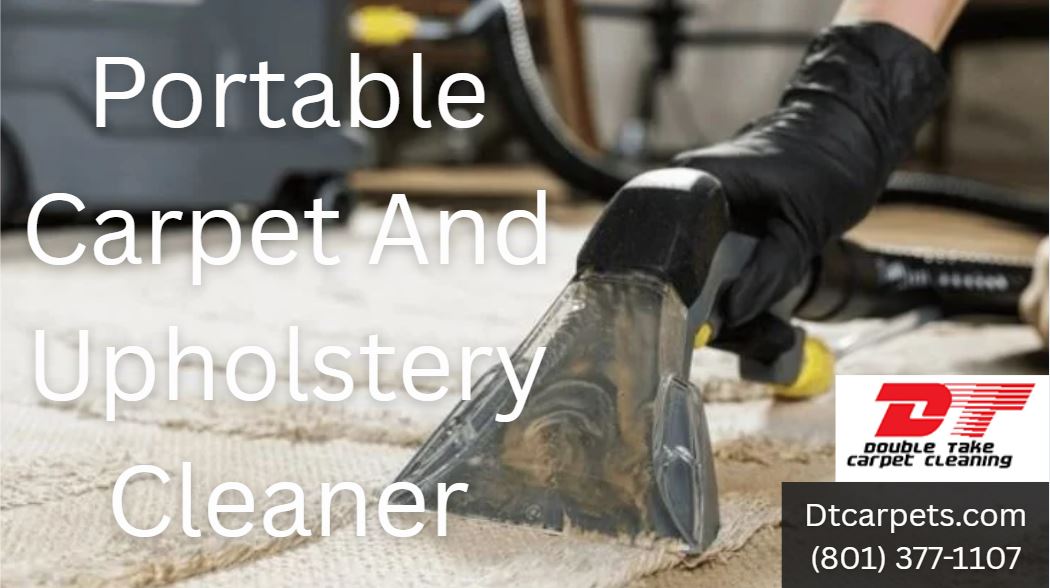
A portable carpet and upholstery cleaner is a compact extraction machine designed to remove fresh spills, pet accidents, food stains, tracked-in dirt, and everyday soil from small carpeted areas, stairs, furniture, vehicle interiors, and other fabric surfaces. It typically sprays a measured amount of water and cleaning formula onto the material, then uses suction to recover moisture and loosened soil into a dirty-water tank. These machines are useful for quick cleanup—but they are not a replacement for routine vacuuming, whole-room carpet cleaning, or professional treatment of deeply embedded soil, recurring pet odor, or delicate fabrics.
The most important takeaway is that good results depend on controlled moisture and thorough extraction, not on soaking the stain with more cleaner. Match the formula to the fabric, test first, blot instead of scrub, make slow suction passes, and dry the area promptly. This guide explains how portable carpet cleaners work, what they can and cannot do, how to avoid over-wetting and residue, how to select a machine, and when professional help from Double Take Carpet Cleaning is the smarter choice.
What Is a Portable Carpet and Upholstery Cleaner?
A portable carpet and upholstery cleaner is a small, movable cleaning appliance that uses an extraction process. It is often called a portable spot cleaner, handheld carpet cleaner, mini carpet shampooer, upholstery extractor, or pet stain cleaner.
Unlike a dry vacuum, which removes loose debris, a portable extractor uses liquid cleaning solution to loosen soil and a vacuum motor to pull dirty water back into a separate recovery tank. Most units have a flexible hose and a hand tool that lets the user clean a small area with more precision than a full-size upright carpet machine.
The basic components usually include:
- A clean-water tank for water and approved cleaning solution
- A dirty-water or recovery tank
- A pump that delivers solution to the fabric
- A vacuum motor that recovers water and soil
- A hose and hand tool for carpet, stairs, furniture, or vehicles
- A brush or scrubbing head on some models
- A power cord and, on some models, hose-rinse or self-cleaning features
The general process is straightforward:
- Vacuum loose dirt, pet hair, crumbs, and dust.
- Identify the fabric or carpet type and read its care instructions.
- Test the cleaning solution in a hidden location.
- Apply solution in a controlled amount.
- Allow brief dwell time if the product instructions call for it.
- Lightly agitate only when appropriate.
- Extract moisture slowly and thoroughly.
- Improve airflow so the cleaned item dries completely.
Portable carpet and upholstery cleaners are best for small, recent, and manageable messes. They can be excellent for a spilled drink on a sofa cushion, muddy paw prints on an entry rug, a small pet accident, or food spots in a car. They are not designed to replace professional whole-room hot-water extraction or solve every odor, stain, or water-damage issue.
The ANSI/IICRC S100 Standard for Professional Cleaning of Textile Floor Coverings addresses the methods and systems used in professional carpet and rug maintenance and cleaning. The IICRC’s S100 overview explains that the standard applies to residential and commercial textile floor coverings, including carpets and rugs. While a consumer spot cleaner is not professional equipment, the same underlying principles still apply: inspect first, use appropriate chemistry, avoid unnecessary moisture, and remove as much soil and water as possible.
8 Essential Things to Know Before Using a Portable Carpet and Upholstery Cleaner
1. A portable spot cleaner is an extractor—not a magic stain remover
A portable carpet and upholstery cleaner works by applying solution and extracting it. Its success depends on how well it can loosen and recover soil, not simply on how much cleaning product it sprays.
This distinction matters because many users spray repeatedly and assume more liquid means deeper cleaning. In reality, excessive solution can saturate carpet backing, upholstery foam, cushion filling, or vehicle seats. If the machine cannot recover that moisture effectively, the area may remain damp for a long time, develop a musty smell, wick stains back to the surface, or leave a sticky residue that attracts new soil.
A small portable upholstery cleaner is most effective when you use it early. A coffee spill addressed within minutes is much easier to remove than a stain that has dried, been rubbed in, and received several different DIY products.
Best practice: Treat the machine as a controlled rinse-and-recovery tool. Use the minimum amount of product needed, make deliberate passes, and spend more time vacuuming out moisture than applying it. A clean result should not leave a sofa cushion, stair tread, rug, or carpet spot soaking wet.
For heavily soiled rooms, recurring stains, extensive traffic lanes, or strong odors, a portable spot cleaner may be useful for temporary improvement but is not a substitute for professional carpet cleaning from Double Take Carpet Cleaning.
2. Always check the fabric code before cleaning upholstery
Upholstery is not all the same. Fabric color, weave, dyes, backing, cushion filling, adhesives, and prior treatments determine what type of cleaning is safe. Before using a portable upholstery cleaner, find the care tag—often under a cushion, on the bottom of a chair, or beneath the furniture frame.
Common upholstery cleaning codes include:
| Code | General Meaning | Portable Extractor Guidance |
|---|---|---|
| W | Water-based cleaning methods may be appropriate | Use a compatible water-based product carefully and test first |
| S | Solvent-based cleaning is generally recommended | Do not assume water extraction is safe |
| WS or W/S | Water- or solvent-based methods may be used | Test first and use the gentlest compatible method |
| X | Vacuuming or professional cleaning only | Do not use water, foam, or extraction without expert guidance |
These labels are helpful, but they are not a guarantee that every product or technique is safe. A “W” code does not mean you can saturate the fabric. Cotton, velvet, rayon, linen, silk, natural blends, printed fabrics, and some microfiber upholstery can still be vulnerable to browning, water rings, dye bleeding, shrinkage, texture changes, or slow drying.
What to do: Test in a hidden location before cleaning the visible stain. Apply a small amount of product, blot it, let it dry, and check for color transfer, texture changes, rings, or stiffening. When the tag is missing, the fabric is expensive or delicate, or the stain is on a large section of furniture, contact Double Take Carpet Cleaning rather than risking permanent damage.
3. Vacuuming first improves every cleaning result
A portable carpet spot cleaner uses liquid, which means loose soil should be removed first. Pet hair, crumbs, lint, dry mud, sand, dust, and debris can interfere with extraction, clog the tool, turn into muddy residue, and make a small spot harder to clean.
This is especially important for car seats, upholstered furniture seams, stairs, pet beds, entry rugs, and carpet edges. In homes with pets, loose hair and fine grit build up quickly. If you spray solution over it without vacuuming, you may create a wet mixture that the compact machine cannot fully remove.
Fine sand and grit also contribute to fiber wear. Under foot traffic, abrasive debris grinds against carpet fibers and can permanently dull or flatten the pile. Cleaning may remove some soil, but it cannot rebuild worn fibers.
What to do:
- Vacuum the area slowly before using the extractor.
- Use crevice tools around cushions, seams, buttons, baseboards, and stair edges.
- Remove pet hair with a vacuum brush, rubber tool, or lint roller before wet cleaning.
- Pick up solids before applying any liquid.
- Clean the portable machine’s nozzle, brush, hose, filters, and recovery tank after use.
The Carpet and Rug Institute emphasizes ongoing carpet maintenance and periodic professional cleaning as part of keeping carpet looking and performing its best. Carpet and Rug Institute maintenance guidance supports the same principle: removing dry soil is a critical first step, not an optional extra.
4. Too much water is one of the biggest risks
Portable carpet cleaners have smaller motors and recovery systems than professional equipment. That does not make them ineffective, but it does mean the user must be disciplined about water use.
Over-wetting happens when someone holds down the spray trigger continuously, makes multiple wet passes, repeatedly pours product onto the fabric, or cleans an area that has already been saturated by a spill. On carpet, liquid can move through the face fibers into the backing and pad. On upholstery, it can soak into foam, stuffing, wood frames, or adhesives.
The possible consequences include:
- Long drying times
- Water rings or browning on upholstery
- Stains that reappear as the fabric dries
- Musty odor
- Delamination or backing damage in some carpets and rugs
- Increased difficulty removing pet odor
- Damage to furniture foam, filling, or structural materials
What to do: Use short, controlled sprays. Make one modest wet pass, then several dry extraction passes. Watch the recovery tank; it should show that moisture is being recovered. If the area still looks wet after multiple dry passes, stop adding solution and focus on airflow.
Use fans, air conditioning, open interior doors, and ventilation as appropriate. Do not put cushions back into place, cover cleaned fabric, or allow pets to lie on damp upholstery until it is fully dry. If carpet or upholstery stays wet unusually long, smells musty, or shows recurring discoloration, contact Double Take Carpet Cleaning for professional guidance.
5. Cleaning chemicals must be compatible and correctly diluted
The cleaning formula is just as important as the machine. Carpet and upholstery cleaning products vary by pH, strength, intended stain type, rinse requirements, and approved surfaces. A product that is suitable for a synthetic carpet may be unsafe for wool, silk, natural fibers, upholstery dyes, or specialty fabrics.
Using too much formula can leave detergent residue. That residue can make carpet feel stiff or sticky, cause fast re-soiling, and interfere with the appearance of upholstery. Using a harsh or incompatible product can cause color loss, bleaching, browning, fabric distortion, or weakened stain-protection treatments.
Never assume “pet-safe,” “natural,” or “green” means a product is appropriate for every material. Those terms do not replace reading directions, testing, or checking the upholstery care code.
The U.S. Environmental Protection Agency’s Safer Choice program helps consumers identify products containing ingredients that meet the program’s criteria for human health and environmental considerations. It can be a useful resource when comparing products, but it does not guarantee compatibility with a specific carpet, fabric, stain, or machine.
What to do: Use only products approved by the cleaner manufacturer and appropriate for the material. Follow dilution instructions exactly. Do not mix cleaners. Do not add dish soap, laundry detergent, bleach, peroxide, vinegar, or other household products to the machine unless the manufacturer specifically permits it.
6. Blotting beats scrubbing for most fresh stains
The moment a spill happens, most people want to scrub. That is understandable, but aggressive rubbing often drives a stain deeper, spreads it outward, damages carpet pile, distorts upholstery fibers, and makes the stain larger.
For fresh liquid spills, start by blotting with white towels or paper towels. Press firmly, lift, and replace the towel as it absorbs moisture. Work from the outside of the stain inward. This prevents the stain from spreading into clean material.
The Carpet and Rug Institute’s cleaning guidance recommends blotting spots rather than scrubbing and working carefully from the outside edge toward the center. Its carpet cleaning guidance also stresses the importance of proper chemistry, agitation, and rinsing.
What to do: Remove solid material carefully, blot liquid, apply the correct cleaner lightly, and then use the portable upholstery extractor to recover moisture. If you need agitation, use a soft brush or the machine’s tool gently and only when the fabric allows it.
Avoid stiff brushes on loop-pile carpet, wool, delicate upholstery, or worn fibers. Hard scrubbing may create fuzzing, pulled loops, or a visibly rough patch that remains even after the original stain improves.
7. Pet stains need prompt treatment and realistic expectations
A portable pet carpet cleaner is helpful for fresh accidents, but pet urine is often more complicated than a visible spot. Urine can travel below the carpet face yarn into the backing, pad, tack strip, or subfloor. A compact cleaner may remove the surface stain while odor-causing residue remains beneath the carpet.
The issue can become more obvious after the room is humid, the carpet gets wet again, or a pet returns to the same place. Repeated accidents create a deeper and wider contamination issue. Covering the odor with fragrance does not solve the source.
What to do for fresh pet accidents:
- Blot as much liquid as possible.
- Use a compatible pet-stain or odor product according to its directions.
- Avoid excessive heat and avoid saturating the carpet.
- Extract slowly and make several dry passes.
- Improve airflow and allow full drying.
- Reassess after the area is dry.
For recurring odor, multiple accident sites, yellowing that returns, or a strong odor after cleaning, call Double Take Carpet Cleaning. Professional treatment may include assessment, targeted odor treatment, controlled extraction, and honest guidance on whether padding or the underlying surface needs attention.
This is general cleaning information, not veterinary advice. If a pet suddenly begins having frequent accidents or shows signs of illness, consult a veterinarian promptly.
8. Portable machines are for maintenance, not every cleaning problem
A portable carpet and upholstery cleaner can save time and help prevent small accidents from becoming large stains. It is excellent for quick responses and targeted cleaning. However, it is not designed to replace a professional deep-cleaning plan for every home.
Portable extraction has practical limits:
- Small solution and recovery tanks
- Less vacuum recovery than commercial equipment
- Limited cleaning path and slower coverage
- Reduced ability to flush deeply embedded soil
- Greater risk of repeated over-wetting if used too aggressively
- Limited effectiveness against old stains, deep odors, and wear damage
For example, a homeowner can use a portable cleaner to remove a fresh juice spill from a sofa cushion. That same machine is unlikely to restore a heavily matted living-room traffic lane, remove years of oily soil from several rooms, or solve urine contamination that has reached the carpet pad.
What to do: Use the portable spot cleaner for what it does best: immediate cleanup, small spots, stairs, cushions, pet accidents, car interiors, and maintenance between professional cleanings. Schedule professional cleaning with Double Take Carpet Cleaning when the area is large, the carpet is heavily soiled, odor keeps returning, stains have been treated repeatedly, or the material is delicate.
The Real Cost of Using a Portable Carpet Cleaner Incorrectly
A compact machine can be an affordable and useful household tool, but misuse can create costs far beyond the original spill.
Financial costs
- Replacing upholstery cushions, rugs, or carpet after color damage, browning, or shrinkage
- Paying for professional correction after over-wetting or detergent residue
- Buying multiple ineffective cleaning products
- Repairing pulled carpet loops or damaged upholstery fibers
- Replacing carpet padding or treating underlying surfaces after ignored pet urine contamination
- Shortening the useful life of furniture and carpet
Time costs
Improper cleaning often creates a cycle of spray, scrub, wait, re-clean, and wait again. Slow drying may keep furniture unusable and require fans, ventilation, or rearranging rooms for a day or more.
Emotional and household costs
A stained sofa, damp carpet, pet odor, or water ring can be stressful—especially before guests arrive, during a move, or in a home with children and pets. Trying multiple internet remedies without a plan can make the frustration worse.
Long-term consequences
The biggest avoidable cost is treating every problem as a surface stain. Proper preparation, compatible products, controlled moisture, complete extraction, and prompt professional help when needed can prevent most avoidable damage.
How an Experienced Carpet and Upholstery Cleaner Helps
An experienced cleaning professional does more than bring stronger equipment. Double Take Carpet Cleaning can help you determine whether a portable carpet and upholstery cleaner is appropriate for your situation or whether professional service is the safer and more effective route.
Professional support is particularly useful for:
- Delicate, expensive, antique, or unknown upholstery fabrics
- Wool rugs, natural fibers, silk, cotton, or specialty textiles
- Large stains, recurring spots, or severe traffic lanes
- Persistent pet urine odor
- Cushions with water rings, dye bleeding, or slow drying
- Carpet that remains damp or smells musty after DIY cleaning
- Move-out, rental, or property-sale cleaning
- Whole-room carpet and upholstery maintenance
An experienced provider begins with inspection, identifies the material and likely cause of the issue, selects appropriate cleaning methods, controls moisture, and explains realistic outcomes. That approach helps prevent unnecessary damage and saves time spent trying incompatible products.
Portable Carpet and Upholstery Cleaner Options
Basic portable spot cleaner
A basic portable spot cleaner has a small water tank, recovery tank, hose, and handheld tool.
Best for: Fresh spills, pet spots, car seats, stairs, and small sections of carpet.
Limitations: Small capacity, slower cleaning, and limited reach for deep or widespread soil.
Portable pet stain cleaner
Pet-focused portable cleaners often include specialized tools, hair-catching features, and pet-oriented cleaning formulas.
Best for: Fresh pet accidents, pet beds, muddy paws, small upholstery spots, and routine cleanup.
Limitations: It cannot guarantee complete odor removal when urine has penetrated beneath the carpet surface.
Heated portable carpet cleaner
Some portable extractors use heated water or warm air features.
Best for: Certain food, grease, and tracked-in soil problems when the carpet or upholstery is compatible.
Limitations: Heat should be used cautiously on delicate fabrics, urine-affected materials, and items with unstable dyes or moisture-sensitive construction.
Full-size upright carpet extractor
An upright home carpet cleaner has a larger cleaning path and is designed for rooms rather than individual spots.
Best for: Periodic maintenance cleaning of wall-to-wall carpet.
Limitations: It may be cumbersome on upholstery and stairs, and improper use can over-wet carpet.
Professional carpet and upholstery cleaning
Professional service uses commercial equipment, appropriate chemistry, inspection, and specialized techniques.
Best for: Whole rooms, heavily soiled carpet, upholstery concerns, recurring odors, pet contamination, and materials that need careful evaluation.
Limitations: Cleaning cannot always reverse permanent dye loss, burns, tears, wear, or damage below the carpet surface.
What to Do If You Have a Spill Right Now
Use this immediate-response checklist:
- Remove solid material carefully without grinding it into the fibers.
- Blot fresh liquid with white towels or paper towels; do not rub.
- Vacuum dry debris and pet hair before applying cleaner.
- Find the upholstery care code or carpet manufacturer’s cleaning guidance.
- Test the product in an inconspicuous area.
- Use a small amount of compatible cleaning solution.
- Allow the product to dwell only as directed.
- Use gentle agitation only if the material allows it.
- Extract slowly with the portable carpet and upholstery cleaner.
- Make multiple dry suction passes with no added spray.
- Use fans and ventilation to dry the area promptly.
- Keep children and pets away until the surface is fully dry.
- Contact Double Take Carpet Cleaning at (801) 377-1107 if the stain remains, odor returns, the fabric changes color, or the area stays wet.
How to Choose the Right Portable Carpet and Upholstery Cleaner
Use this checklist when comparing portable carpet cleaner machines:
- Choose a machine with a clear, easy-to-empty recovery tank so you can see whether it is extracting moisture.
- Compare suction and recovery capability, not only tank size or marketing claims.
- Look for a tool shape that fits your primary use: stairs, sofas, car interiors, pet beds, or carpet spots.
- Check the hose length, power-cord length, weight, and storage requirements.
- Confirm that manufacturer-approved cleaning solutions are available.
- Read cleaning and maintenance instructions before buying.
- Choose removable tanks, washable tools, and accessible brush areas for easier cleaning.
- Verify that replacement filters, hoses, gaskets, and cleaning formulas are available.
- Avoid models that make it easy to oversaturate surfaces without strong recovery.
- Use professional cleaning from Double Take Carpet Cleaning for delicate textiles, large jobs, deep odor, or repeated cleaning failures.
Common Portable Carpet Cleaner Mistakes
- Skipping the fabric-care label. Water extraction can damage “S” or “X” coded upholstery.
- Spraying too much solution. Excess moisture causes slow drying, wicking, odor, and potential material damage.
- Scrubbing aggressively. This can spread stains, pull carpet loops, fuzz fibers, or distort upholstery.
- Using too much detergent. Residue can make the material sticky and attract new soil.
- Mixing household chemicals. Incompatible products can damage material or create safety hazards.
- Using a portable cleaner on severe pet urine contamination. Surface cleaning may not reach backing, padding, or subfloor contamination.
- Failing to make dry passes. Recovery—not spraying—is what helps prevent over-wetting.
- Storing the machine dirty. Residue, hair, and moisture can create odor, clogs, and poor performance during the next use.
Frequently Asked Questions
What is a portable carpet and upholstery cleaner?
It is a compact extraction machine that sprays cleaning solution onto carpet or approved upholstery, then vacuums up dirty water and loosened soil.
Is a portable carpet cleaner the same as a steam cleaner?
Not necessarily. Most portable cleaners are water-extraction machines, not true steam-vapor cleaners.
Are portable carpet cleaners good for pet stains?
They can be very useful for fresh, small pet stains. They may not remove odor from repeated or deep urine contamination below the carpet surface.
Can I use a portable carpet cleaner on a couch?
Only if the upholstery care code permits water-based cleaning and you first test a hidden area. Do not saturate cushions.
What do W, S, WS, and X upholstery codes mean?
W generally allows water-based cleaning; S generally calls for solvent-based methods; WS allows either type; and X generally indicates vacuuming or professional cleaning only. Always test first.
Can I use a portable cleaner on microfiber upholstery?
Some microfiber can be cleaned with water-based methods, while some cannot. Check the care tag and test an inconspicuous area before cleaning.
How much solution should I use?
Use the amount listed in the machine and product instructions. More solution can leave residue and over-wet the material.
Why is my carpet sticky after using a spot cleaner?
Sticky carpet often means detergent residue was left behind. Use less formula in the future and make more extraction passes.
Why did my upholstery get a water ring after cleaning?
Water rings can occur when the fabric is over-wet, unevenly cleaned, contains soil or residues, or has sensitive dyes or fibers. Stop adding water and seek professional advice if the ring remains.
How long does upholstery take to dry after extraction cleaning?
Dry time varies with fabric, cushion thickness, humidity, airflow, cleaning method, and how much moisture was used. Good extraction and fans speed the process.
How long does carpet take to dry after using a portable cleaner?
Small spots may dry relatively quickly, but time varies with carpet thickness, humidity, airflow, and water use. The area should not remain soaked.
Can I use a portable cleaner on a mattress?
Only if the mattress manufacturer permits wet cleaning and you can ensure complete drying. Over-wetting a mattress is risky because moisture can remain deep inside.
Can I use a portable carpet cleaner on an area rug?
Some rugs may be compatible, but natural fibers, wool, silk, jute-backed rugs, handmade rugs, and rugs with unstable dyes need special care. Check the label or seek professional guidance.
Can I use dish soap in a portable carpet cleaner?
No, unless the machine manufacturer specifically allows it. Dish soap can create excessive foam and leave residue that is difficult to remove.
Can I add vinegar to a carpet cleaner tank?
Do not add vinegar unless the manufacturer and carpet or upholstery care guidance specifically permit it. It may not be compatible with the machine, fabric, or previously used products.
Can I use bleach in a carpet cleaner?
No. Bleach can permanently remove dye, damage fibers, and harm the machine.
Should I use hot water in a portable carpet cleaner?
Use the water temperature specified by the manufacturer. Avoid excessive heat on delicate upholstery, wool, specialty rugs, and urine-affected materials.
Why did the stain come back after cleaning?
The cause may be wicking, where residue from deeper layers rises to the surface during drying. It can also mean the original stain was not fully removed.
Can a portable cleaner remove old stains?
It may improve old stains, but results depend on the stain type, fabric, prior treatments, and how deeply the stain has set. Some stains are permanent.
Will a portable carpet cleaner remove odors?
It may reduce odors caused by surface soil or fresh spills. Persistent pet urine, smoke, mildew, and deep contamination may require professional odor treatment.
Can I use a portable upholstery cleaner on car seats?
Yes, if the vehicle upholstery is compatible with water-based cleaning. Use minimal moisture and dry the seats thoroughly before closing up the vehicle.
Do portable carpet cleaners remove pet hair?
They can remove some hair, but vacuuming and hair removal should happen before wet cleaning for best results.
Can I clean stairs with a portable carpet cleaner?
Yes. A portable machine is often easier than an upright extractor for stairs, but use controlled moisture and extract each step thoroughly.
What should I do if my portable cleaner stops suctioning?
Stop spraying. Check the recovery tank, hose, nozzle, gaskets, filters, and seals according to the manufacturer’s instructions. Continuing without suction can soak the material.
How do I clean my portable carpet cleaner after use?
Empty and rinse tanks, flush the hose if the manufacturer provides instructions, clean the tool and brush, remove hair and debris, and allow components to dry before storage.
Is professional carpet and upholstery cleaning better than a portable machine?
Professional service often provides stronger recovery, more specialized tools, appropriate chemistry, material assessment, and better options for whole rooms, difficult stains, and recurring odor.
Can a portable cleaner damage carpet?
Yes, if it is used with too much water, harsh chemistry, aggressive brushing, or on unsuitable fibers. Proper testing and moisture control reduce the risk.
When should I call a professional instead of using my spot cleaner?
Call Double Take Carpet Cleaning for delicate upholstery, large stains, persistent odor, recurring pet accidents, heavily soiled carpet, slow drying, color change, water rings, or any issue that has not improved after careful DIY treatment.
Key Rules, Standards, and Safety Considerations
The main professional framework for carpet and rug cleaning is the ANSI/IICRC S100 Standard for Professional Cleaning of Textile Floor Coverings. It covers professional procedures, methods, and systems for cleaning residential and commercial carpet and rugs. The IICRC S100 standard overview provides more information on its scope.
For homeowners using a portable carpet and upholstery cleaner, follow these practical rules:
- Read the machine manual before filling or operating the unit.
- Follow the carpet, rug, upholstery, and vehicle manufacturer’s care instructions.
- Check upholstery cleaning codes before applying water or cleaner.
- Test every cleaning product in a hidden area.
- Use only compatible products and correct dilution.
- Never mix cleaning chemicals.
- Use the least amount of moisture necessary.
- Extract thoroughly and use airflow to dry the area.
- Keep children and pets away from cleaning products, equipment, and damp surfaces.
- Seek professional help for persistent dampness, odor, delicate textiles, or extensive contamination.
This article is general cleaning education and does not replace product instructions, upholstery manufacturer care guidance, professional material inspection, restoration assessment, or veterinary advice. If a pet has sudden or recurring accidents, consult a veterinarian. If carpet, upholstery, or flooring remains wet, smells musty, or appears to have been extensively saturated, seek timely professional advice.
Conclusion
A portable carpet and upholstery cleaner is a practical tool for quick response to small spills, pet accidents, muddy footprints, food stains, furniture spots, stairs, and car interiors. It works best when you vacuum first, verify material compatibility, use a small amount of the correct cleaning product, avoid scrubbing, extract thoroughly, and dry the area quickly.
Its limits matter just as much as its strengths. A compact spot extractor cannot reliably solve deep pet urine contamination, restore heavily worn carpet, reverse bleach damage, or safely clean every upholstery fabric. Most costly problems come from over-wetting, overusing detergent, mixing products, or treating delicate materials without testing first.
For whole-room carpet cleaning, upholstery cleaning, stubborn stains, persistent pet odor, or guidance on a cleaning issue that your portable machine cannot resolve, contact Double Take Carpet Cleaning at (801) 377-1107 for experienced, practical carpet and upholstery cleaning guidance.
