
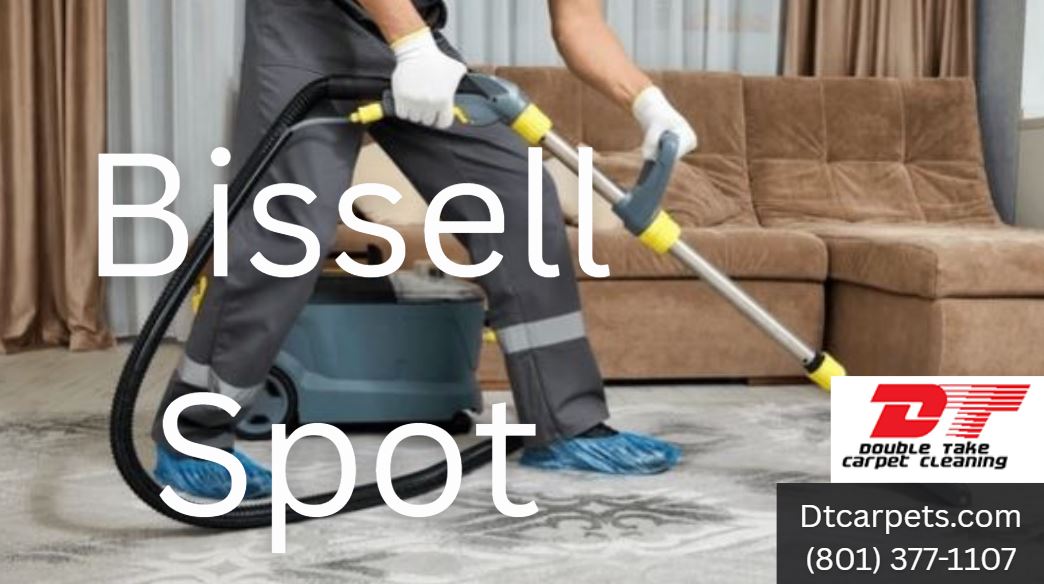
A Bissell Spot cleaner—often searched as a Bissell SpotClean, Bissell Little Green, Bissell pet spot cleaner, or portable Bissell carpet cleaner—is a compact extraction machine for cleaning small spills and stains on carpet, stairs, rugs, upholstery, car interiors, and pet beds. It sprays a measured mix of water and formula, loosens the soil with a hand tool, then vacuums the dirty solution into a recovery tank. It can be extremely useful for fresh accidents and routine spot care, but it is not a cure-all for every stain, odor, or heavily soiled room.
The most important rule is to use less liquid than you think and more suction than you think. Blot fresh spills first, use the correct formula and water level, avoid soaking carpet or furniture, and make several dry extraction passes after spraying. A Bissell Spot cleaner is best for prompt, localized cleaning; it is not designed to replace professional deep carpet cleaning or resolve deep pet-urine contamination, permanent dye loss, worn carpet fibers, or delicate upholstery risks. This article explains how Bissell Spot cleaners work, how to avoid common mistakes, and when Double Take Carpet Cleaning is the right next step.
What Is a Bissell Spot Cleaner and How Does It Work?
“Bissell Spot” is a broad search term commonly used for Bissell’s portable cleaning machines, including the SpotClean, SpotClean Pro, SpotClean Pet Pro, Little Green, and related portable carpet and upholstery cleaner models. While specific models vary in tank size, hose length, tools, cleaning formulas, heat features, and pet-focused accessories, their basic operating principle is the same: spot extraction.
A Bissell Spot cleaner is not a dry vacuum and generally is not a true steam cleaner. It is a compact water-extraction machine. The machine applies water and an approved cleaning formula, then uses vacuum suction to recover dirty liquid, loosened soil, and excess moisture.
Most Bissell portable carpet cleaners include:
- A clean-water tank for water and approved formula
- A separate dirty-water recovery tank
- A spray trigger on a hose or handheld tool
- A vacuum system that recovers moisture
- A hand tool, often with a brush, for targeted agitation
- A flexible hose that reaches stairs, furniture, car seats, and small carpeted areas
- Model-specific accessories, such as a Tough Stain Tool, pet-stain tool, self-cleaning hose tool, or wider tool
Bissell’s portable cleaner category is designed for quick spot and stain cleanup on carpets, area rugs, upholstery, and auto interiors. Bissell’s portable carpet and upholstery cleaner overview describes these machines as portable options for stains, pet messes, and odor-related cleanup.
The normal Bissell SpotClean process is:
- Remove solid debris and blot up fresh liquid.
- Vacuum hair, crumbs, dry soil, and loose debris.
- Fill the clean tank according to the model’s fill lines.
- Add only the approved amount of cleaning formula.
- Test cleaning on an inconspicuous area when working on upholstery, rugs, or delicate material.
- Spray a controlled amount of solution.
- Use gentle agitation if the material allows it.
- Release the trigger and use slow suction passes to recover dirty moisture.
- Repeat only as needed.
- Allow the cleaned area to dry fully with airflow.
Bissell’s own spot-cleaning guidance advises users to remove solids, blot fresh liquid, fill the tank to the marked lines, extract with the trigger released, monitor the dirty-water tank, and let the treated area dry fully. It also warns that rubbing, over-wetting, and using the wrong product can spread or worsen stains.
8 Things to Know Before Using a Bissell Spot Cleaner
1. A Bissell Spot cleaner is best for small, recent messes
A Bissell portable spot cleaner is designed for targeted cleaning. It works well on a fresh coffee spill, muddy paw prints, a small pet accident, a sauce stain on a dining chair, a spot on a vehicle seat, or a stain on carpeted stairs. Its compact size and hose make it practical when dragging out a full-size carpet machine would be unnecessary.
Its limits are equally important. A portable Bissell carpet cleaner has smaller tanks, less water recovery, and a narrower cleaning path than professional equipment. It may improve a stain on the surface without fully removing soil or contamination that has moved into carpet backing, padding, upholstery foam, or subfloor materials.
For example, a small, fresh pet accident may be manageable with prompt blotting and careful spot extraction. If the same area has been used repeatedly over several weeks, urine residue may extend below the carpet surface. A Bissell SpotClean may reduce the visible stain while leaving odor-causing residue at depth.
Use it for:
- Fresh food and drink spills
- Small carpet stains
- Muddy foot- or pawprints
- Car upholstery spots
- Small furniture stains
- Pet beds and pet-related surface messes
- Stairs and hard-to-reach carpeted areas
Call a professional for:
- Whole-room soil and traffic lanes
- Recurring pet odor
- Multiple urine spots
- Carpet that stays damp
- Repeatedly returning stains
- Delicate rugs or specialty upholstery
- Severe smoke, mildew, or water-related odor concerns
For those larger or deeper problems, Double Take Carpet Cleaning can assess the material and recommend an appropriate carpet or upholstery cleaning approach.
2. The clean-water tank must be filled correctly
One of the easiest ways to cause poor results is to guess at the water-and-formula mixture. Bissell Spot cleaner models are designed with fill lines for water and cleaning formula. Those lines are there to prevent too much detergent, excessive foaming, residue buildup, and machine performance problems.
Bissell’s SpotClean Pro guidance says to use warm tap water, up to a maximum of 140°F or 60°C, and to follow the model’s tank instructions. Bissell SpotClean Pro support guidance specifically directs users to fill the clean-water tank correctly before use.
Too much formula does not make carpet cleaner. Instead, it can leave detergent in the fibers. Carpet may feel stiff, sticky, or unusually quick to attract dirt again. On upholstery, excessive detergent may leave a visible ring or make fabric feel crunchy after drying.
Best practice:
- Read the instructions for your exact Bissell model.
- Fill water only to the stated water line.
- Add formula only to the stated solution line.
- Use warm—not boiling—tap water if your machine instructions permit it.
- Do not add more formula because a stain looks severe.
- Do not add dish soap, laundry detergent, vinegar, bleach, peroxide, or other household products unless Bissell and the material manufacturer specifically approve them.
If the carpet feels sticky after cleaning, detergent residue may be the cause. In that situation, avoid adding more product. Use controlled clear-water extraction if the manufacturer permits it, make additional dry passes, and seek professional help if the residue or odor continues.
3. Blot first; do not attack a stain by scrubbing
The first few minutes after a spill are critical. Before turning on a Bissell spot cleaner, remove solids carefully and blot as much liquid as possible with a clean white towel or paper towel. Press down, lift, and replace the towel as it becomes wet. Work from the outer edge toward the center.
Rubbing or aggressive brushing often makes the situation worse. It pushes the spill deeper into the fibers, spreads the stain outward, damages carpet pile, and can fuzz or distort upholstery fabric. On loop-pile carpet, such as some Berber-style constructions, hard brushing can pull loops and create permanent damage.
Bissell’s own spot-cleaning guidance specifically advises blotting rather than scrubbing and explains that rubbing can spread a stain and push it deeper into carpet fibers. Bissell also recommends removing solid debris before applying cleaning solution.
The Carpet and Rug Institute provides similar advice: apply cleaning solution sparingly to a white cloth, work gently, avoid rubbing, and move from the outside edge toward the center to prevent spreading.
What to do:
- Lift solid debris with a spoon, dull edge, or disposable tool.
- Blot liquid immediately.
- Vacuum loose dry dirt or pet hair.
- Apply a small amount of appropriate cleaner.
- Use the Bissell tool gently.
- Extract moisture slowly.
- Dry the area completely.
A calm, methodical response usually outperforms vigorous scrubbing.
4. Upholstery care codes matter more than the machine
A Bissell Spot cleaner may be suitable for some upholstered furniture, but not every fabric can safely tolerate water-based extraction. Before cleaning a sofa, chair, cushion, ottoman, car seat, or fabric headboard, locate its cleaning tag and check the code.
| Upholstery code | General meaning | Bissell Spot cleaner guidance |
|---|---|---|
| W | Water-based methods may be suitable | Test first and use minimal moisture |
| S | Solvent-based cleaning is usually indicated | Do not use water extraction unless the manufacturer permits it |
| WS or W/S | Water- or solvent-based methods may be allowed | Test an inconspicuous area and use the gentlest compatible method |
| X | Vacuuming or professional cleaning only | Avoid water, cleaning solution, and extraction |
Even with a “W” tag, upholstery can be sensitive. Natural fibers, velvet, rayon, silk, linen, cotton, printed fabrics, loose weaves, and some microfiber fabrics may develop water rings, browning, dye bleed, shrinkage, stiffness, or texture changes when over-wet.
What to do: Always test a hidden area. Apply a small amount of solution, lightly blot or extract, let it dry completely, and look for color transfer, texture changes, rings, or stiffening. Do not saturate the cushion or soak into foam.
If the label is missing, the piece is expensive, the fabric is delicate, the stain is large, or you are uncertain about the material, do not take chances. Contact Double Take Carpet Cleaning for experienced guidance on upholstery and fabric cleaning.
5. Suction passes are more important than spray passes
The most common Bissell Spot mistake is holding the spray trigger too long. The spray trigger is useful for applying cleaning solution, but it should not stay engaged throughout the cleaning process. The recovery phase is where the machine earns its value.
After applying solution and gently working the stain, release the trigger. Press the tool firmly enough to create suction contact and pull it back in slow, steady strokes. Make several dry passes until little additional liquid is visible in the tool or recovery tank.
Bissell’s cleaning instructions make the same point: after spraying and treating the stain, release the trigger, press the tool to the carpet, and pull it in long strokes to suction up dirty solution and excess moisture. Bissell’s official spot-cleaning instructions also advise allowing the treated area to air-dry fully.
Why it matters:
- Better extraction reduces dry time.
- Removing more water reduces the risk of wicking.
- Less moisture reduces the risk of odors.
- Better recovery helps prevent detergent residue.
- Adequate extraction is especially important for upholstery foam and carpet padding.
If your machine loses suction, stop spraying immediately. Check the dirty-water tank, tank seating, hose, tool nozzle, filters, seals, and any clogs according to the manual. Continuing to spray when the machine is not extracting can soak the carpet or furniture.
6. Pet stains need special handling—and may need professional help
Bissell SpotClean pet models and pet-specific formulas can be useful for fresh pet messes. For example, Bissell’s SpotClean Pet Pro is marketed for carpet, upholstery, stairs, and area rugs, and it includes pet-focused features and cleaning formula options. Bissell’s SpotClean Pet Pro product information notes its use on pet messes across these surfaces.
However, a pet stain is not always just a spot-cleaning issue. Urine can travel through carpet face fibers and into the backing, pad, tack strip, and even the subfloor. The visible stain may be small while the affected area below the surface is much larger. If odor returns after cleaning, becomes stronger when humidity rises, or keeps drawing your pet back to the same location, the problem may be deeper than a portable cleaner can solve.
For a fresh accident:
- Blot immediately.
- Use a carpet-compatible pet-stain product as directed.
- Avoid saturating the carpet.
- Avoid extreme heat on urine-affected carpet.
- Extract slowly and make multiple dry passes.
- Increase airflow and wait for complete drying.
For a recurring odor: Do not keep adding more product or water. Repeated soaking can expand the problem. Contact Double Take Carpet Cleaning for a professional assessment of the carpet, backing, padding, and likely odor source.
This article provides general cleaning guidance, not veterinary advice. Sudden or repeated pet accidents may also be related to training, stress, aging, or a health concern; consult a veterinarian if the pattern is new or unusual.
7. Some stains are not removable because they are damage, not dirt
A Bissell spot cleaner can remove many everyday stains, but it cannot reverse every color change. It is important to separate removable soil from permanent damage.
Examples of issues that may not respond to spot extraction include:
- Bleach spots or dye loss
- Burns or melted carpet fibers
- Sun fading
- Permanent discoloration from strong chemicals
- Worn or crushed traffic-lane fibers
- Rust stains
- Ink or paint that has chemically bonded to the material
- Dye transfer from furniture, clothing, or rugs
- Old stains that have been repeatedly heated, scrubbed, or chemically treated
A dark traffic lane can contain removable dirt and oils, but it can also involve physical fiber wear. After professional cleaning, the soil may improve while the flattened or abraded carpet pile remains visible. That does not mean the cleaning failed; it means the fiber has changed.
What to do: Test a small area, use realistic expectations, and stop if the material changes color or texture. Avoid stacking multiple stain treatments, especially bleach, peroxide, vinegar, ammonia, or unknown cleaners. Chemical experimentation can make a treatable spot permanent.
For difficult stains or uncertain materials, Double Take Carpet Cleaning can help distinguish between removable soil, stain treatment opportunities, and permanent carpet or upholstery damage.
8. Routine cleaning and machine maintenance protect performance
Your Bissell Spot cleaner will work better—and smell better—if it is cleaned after every use. Dirty water, pet hair, soil, cleaning residue, and moisture left in the tanks or hose can cause odors, clogs, poor suction, and reduced cleaning performance.
After each use:
- Empty the dirty-water tank.
- Rinse the dirty-water tank and lid.
- Rinse the clean-water tank if solution remains.
- Remove hair and debris from the tool and brush.
- Flush the hose if your model provides a hose-rinse function or manual instructions.
- Wipe the exterior.
- Let removable parts air-dry before storing.
- Store the machine in a dry location.
Bissell support resources for SpotClean models include troubleshooting categories for leaking, power issues, spray or flow issues, and suction issues. Bissell SpotClean Professional support provides model-specific support resources, so use your machine’s exact model number rather than guessing at replacement parts or repair steps.
A well-maintained portable cleaner is an excellent maintenance tool. It should complement—not replace—routine vacuuming, prompt spill care, entry mats, pet grooming, and periodic professional carpet cleaning.
The Real Cost of Getting Bissell Spot Cleaning Wrong
Using a Bissell Spot cleaner incorrectly can turn a small spill into a more expensive carpet or upholstery issue.
Financial costs
- Buying multiple ineffective spot treatments
- Paying for professional correction after over-wetting or residue buildup
- Replacing a damaged rug, sofa cushion, chair, or carpet section
- Repairing pulled carpet loops or damaged upholstery fibers
- Replacing carpet padding or treating underlying materials after repeated pet accidents
- Shortening the life of carpet and furniture through harsh chemicals or repeated saturation
Time costs
A spill that could take 10 minutes to blot and extract may turn into hours of re-cleaning when a user applies too much water, too much formula, or multiple incompatible products. Slow drying also limits use of the room, car, or furniture.
Household and emotional costs
Stains, pet odor, damp furniture, and recurring spots can be frustrating and embarrassing, especially before guests arrive or during a move. It can also be stressful to wonder whether a favorite sofa or carpet has been permanently damaged.
Long-term consequences
The most costly mistake is treating every problem with more solution and more water. A better approach is early blotting, controlled extraction, fabric testing, thorough drying, and professional help before a manageable stain becomes a deep contamination or material-damage issue.
How an Experienced Carpet Cleaner Helps With Bissell Spot Problems
An experienced carpet and upholstery cleaner can help when a Bissell Spot cleaner reaches its limit. Double Take Carpet Cleaning can provide practical guidance and professional cleaning for situations involving whole-room carpet, tough stains, pet odor, upholstery, traffic lanes, and recurring spot problems.
Professional help is especially valuable when:
- A stain has returned after drying.
- Carpet feels sticky or looks dirty again quickly.
- Upholstery has developed a water ring, stiff texture, or color change.
- Pet urine odor persists after multiple cleanings.
- Carpet remains wet or smells musty.
- A rug is handmade, antique, wool, silk, or otherwise delicate.
- The carpet has heavy soil across a large area.
- You need help determining whether a condition is removable soil or permanent damage.
A careful professional process includes inspection, material identification, cleaning-method selection, controlled chemistry, moisture management, extraction, and clear expectations. The goal is not to promise that every mark will disappear. It is to make the safest, most effective decision for the material and problem in front of you.
Bissell Spot Cleaner Options and Alternatives
Bissell Little Green-style portable cleaners
Compact portable carpet cleaners are designed for fast response to small stains on carpet, upholstery, rugs, stairs, and car interiors.
Best for: Fresh spills, small pet messes, spot cleaning, vehicle seats, and furniture cushions.
Limitations: Small tanks and compact suction make them unsuitable for whole-room cleaning or deep contamination.
Bissell SpotClean Pro-style machines
Larger portable extractors commonly offer bigger tanks, longer hoses, and stronger cleaning capability for frequent spot cleaning.
Best for: Homes with pets, stairs, upholstery, vehicle interiors, and repeated small cleaning tasks.
Limitations: Even a more powerful portable extractor is not a replacement for professional deep extraction in large or severely soiled areas.
Pet-focused Bissell Spot cleaners
Pet versions often include tools and formulas intended for pet hair, accidents, stains, and odor.
Best for: Fresh urine accidents, muddy paws, pet bedding, food messes, and pet-related surface cleaning.
Limitations: They cannot reliably remove odor from contamination in the pad, subfloor, or deep upholstery filling.
Full-size carpet cleaner
An upright carpet extractor covers more square footage and is better for routine whole-room maintenance.
Best for: General carpet cleaning in bedrooms, living rooms, halls, and traffic lanes.
Limitations: It may be less convenient for upholstery, stairs, and vehicles. Improper use can still over-wet carpet.
Professional carpet and upholstery cleaning
Professional service uses commercial equipment, experienced assessment, and appropriate cleaning methods.
Best for: Whole-home cleaning, heavily soiled carpet, delicate textiles, persistent pet odor, upholstery problems, and stains that have resisted DIY cleaning.
Limitations: Professional cleaning cannot always reverse bleach damage, burns, severe wear, permanent dye loss, or deep structural contamination.
What to Do If You Are Dealing With a Stain Now
Use this immediate Bissell Spot cleaner checklist:
- Remove solid debris without grinding it into the carpet or fabric.
- Blot fresh liquid with clean white towels; do not scrub.
- Vacuum dry dirt, crumbs, and pet hair before wet cleaning.
- Check the upholstery care tag or carpet manufacturer’s instructions.
- Test cleaning solution in a hidden area.
- Fill the Bissell tank only to the marked water and formula lines.
- Use warm water only within the maximum temperature listed for your model.
- Spray lightly; do not flood the area.
- Agitate gently only when the carpet or fabric allows it.
- Release the trigger and make several slow dry suction passes.
- Empty the dirty-water tank before it reaches or exceeds the maximum line.
- Run fans or improve airflow to dry the item completely.
- Keep pets, children, shoes, and furniture off the damp area.
- Call Double Take Carpet Cleaning at (801) 377-1107 if the spot returns, odor remains, color changes, or the material stays wet.
How to Choose the Right Bissell Spot Cleaner or Cleaning Solution
Use this checklist before selecting a Bissell portable carpet cleaner or formula:
- Choose a machine based on your typical cleanup: pet stains, stairs, upholstery, car seats, area rugs, or small carpet spills.
- Compare recovery ability, tool design, hose length, tank capacity, machine weight, and cleaning-path needs.
- Confirm that the machine is suitable for the materials you plan to clean.
- Read the model-specific manual before buying or using it.
- Use manufacturer-approved formulas in the listed amount.
- Look for easy-to-clean tanks, hoses, nozzles, brushes, filters, and replacement parts.
- Verify upholstery care codes before planning to clean furniture.
- Avoid buying based solely on a pet-stain or “professional” label; technique and material compatibility still matter.
- Choose Double Take Carpet Cleaning for difficult stains, upholstery uncertainty, large carpeted areas, recurring pet odor, or professional maintenance.
Common Bissell Spot Cleaner Mistakes
- Using too much formula. Excess detergent can leave sticky residue and make carpet re-soil quickly.
- Over-wetting carpet or upholstery. Too much water can lead to slow drying, wicking, odor, water rings, and material damage.
- Scrubbing aggressively. Hard brushing can spread stains and permanently damage carpet pile or upholstery fibers.
- Skipping a fabric test. Even water-safe upholstery can react poorly to a specific product or technique.
- Using unapproved household cleaners. Dish soap, bleach, vinegar, and other products can foam, damage materials, or create chemical conflicts.
- Ignoring loss of suction. Continuing to spray when the machine is not recovering liquid can soak the item.
- Treating deep pet odor as a surface stain. Repeated urine may reach padding or subfloor materials beyond the reach of a portable machine.
- Storing the cleaner wet and dirty. This can cause odor, clogs, bacteria growth in residue, and poor performance.
Frequently Asked Questions
What is a Bissell Spot cleaner?
A Bissell Spot cleaner is a portable extraction machine that sprays water and cleaning formula onto a small area, then vacuums up dirty water and loosened soil.
Is Bissell SpotClean a steam cleaner?
No. Most Bissell SpotClean machines are portable water-extraction cleaners, not true steam-vapor cleaners.
What can I clean with a Bissell Spot cleaner?
Depending on the model and material-care instructions, you can clean carpet spots, stairs, upholstery, pet beds, rugs, and vehicle interiors.
Can I use a Bissell Spot cleaner on a couch?
Yes, only if the upholstery care tag permits water-based cleaning. Test a hidden spot first and use minimal moisture.
What upholstery code is safe for Bissell Spot cleaning?
“W” fabrics may be suitable for water-based cleaning. “WS” or “W/S” fabrics may also allow it. Avoid water extraction on “S” or “X” coded upholstery unless the manufacturer specifically approves it.
How much water and formula should I add?
Follow the fill lines and instructions for your exact Bissell model. Do not estimate or add extra formula.
Can I use hot water in a Bissell Spot cleaner?
Use only the water temperature allowed by the manufacturer. Bissell SpotClean Pro guidance permits warm tap water up to 140°F or 60°C.
Can I put vinegar in my Bissell Spot cleaner?
Do not add vinegar unless both the machine manufacturer and the carpet or upholstery manufacturer explicitly approve it. It may not be compatible with the machine, material, or prior cleaning products.
Can I use dish soap in a Bissell Spot cleaner?
No, unless Bissell specifically permits it for your model. Dish soap can create excessive foam and leave difficult residue.
Can I use bleach in a Bissell Spot cleaner?
No. Bleach can permanently remove dye, damage carpet and upholstery fibers, and harm the machine.
Why is my carpet sticky after using Bissell SpotClean?
The likely cause is excessive cleaning formula or incomplete extraction. Use less formula next time, make more dry passes, and consider controlled rinsing only if your machine instructions allow it.
Why did a stain come back after it dried?
It may be wicking, where moisture draws stain residue from deeper carpet or upholstery layers to the surface during drying.
How long should carpet take to dry after Bissell Spot cleaning?
Dry time depends on humidity, airflow, carpet thickness, water use, and extraction. A small spot should not remain saturated. Fans and ventilation help.
How long does upholstery take to dry?
It depends on the fabric, cushion thickness, humidity, and water used. Upholstery can take longer than a surface carpet spot because moisture may reach cushion filling.
Can Bissell SpotClean remove pet urine odor?
It may help with fresh, shallow pet accidents. It may not eliminate odor from repeated or deep urine contamination in carpet backing, padding, or subflooring.
Should I use a Bissell Spot cleaner on cat urine?
Use careful blotting, a compatible pet treatment, controlled extraction, and thorough drying. Avoid over-wetting. Persistent cat urine odor may need professional assessment.
Can I use Bissell SpotClean on an area rug?
Only after checking the rug’s fiber, dyes, backing, and manufacturer instructions. Wool, silk, jute-backed, handmade, antique, or unstable-dye rugs may need professional cleaning.
Can I use Bissell SpotClean on a mattress?
Only if the mattress manufacturer permits wet cleaning and you can achieve complete drying. Over-wetting a mattress can trap moisture inside.
Can I clean car seats with a Bissell spot cleaner?
Usually, yes, if the upholstery is suitable for water-based cleaning. Use minimal moisture and dry the vehicle thoroughly before closing it up.
Why is my Bissell Spot cleaner not spraying?
Check the clean-water tank, tank seating, formula and water levels, hose, nozzle, and instructions for your exact model. Consult Bissell’s official support guidance before disassembling components.
Why is my Bissell Spot cleaner losing suction?
Check whether the dirty-water tank is full, improperly seated, or blocked; inspect the hose, tool, filters, seals, and recovery tank. Stop spraying until suction is restored.
How do I clean a Bissell Spot cleaner after use?
Empty and rinse the tanks, remove visible hair and debris, clean the tool and brush, flush the hose according to your model instructions, and let parts dry before storage.
Does Bissell SpotClean remove pet hair?
It can remove some hair, but vacuuming or using a lint-removal tool before wet cleaning produces better results.
Can Bissell SpotClean clean an entire room?
It can technically clean small areas, but it is inefficient for full rooms and not the best choice for whole-home carpet maintenance. Use a full-size machine or professional service instead.
Is a Bissell Spot cleaner worth it for pet owners?
It can be valuable for fast response to small accidents and frequent spot care. It should be part of a broader carpet-maintenance plan, not the only solution for pet odor or whole-room soil.
Can Bissell SpotClean damage carpet?
Yes, if you over-wet the carpet, use incompatible chemistry, scrub aggressively, or apply it to unsuitable materials. Proper technique reduces the risk.
When should I call a professional instead of using Bissell SpotClean?
Call Double Take Carpet Cleaning for recurring stains, large spills, heavy soil, pet odor that returns, delicate fabrics, rug concerns, slow drying, water rings, or any stain that did not improve after careful spot cleaning.
Key Standards and Safety Considerations
The primary professional standard relevant to carpet cleaning is the ANSI/IICRC S100 Standard for Professional Cleaning of Textile Floor Coverings, which addresses procedures, methods, systems, inspection, safety, and maintenance principles for residential and commercial carpet and rugs. IICRC’s S100 standard overview provides information about its professional scope.
For Bissell Spot cleaner users, these practical safety rules matter most:
- Read the manual for your exact Bissell SpotClean or Little Green model.
- Follow tank fill lines, formula instructions, and maximum water-temperature limits.
- Test every cleaner on a hidden part of carpet, rug, or upholstery.
- Check upholstery cleaning codes before using water-based extraction.
- Never mix cleaning chemicals.
- Use only compatible products in the correct dilution.
- Do not over-wet carpet, rugs, cushions, or vehicle interiors.
- Keep children and pets away from cleaning solution, cords, and damp materials.
- Use fans and ventilation to support complete drying.
- Seek professional help for deep odor, recurring pet stains, delicate materials, or persistent dampness.
This article provides general cleaning education and does not replace Bissell’s model-specific instructions, carpet and upholstery manufacturer care guidance, professional material inspection, restoration advice, or veterinary advice. If an item remains wet for an extended period, smells musty, or has extensive pet contamination, seek timely professional guidance.
Conclusion
A Bissell Spot cleaner is a highly useful household tool when used for the right job: fresh spills, pet accidents, small carpet stains, stairs, sofas, chairs, rugs that are safe for extraction, and car interiors. The best results come from quick blotting, correct water-and-formula measurements, gentle treatment, strong suction passes, and complete drying.
The most common mistakes—over-wetting, too much formula, aggressive scrubbing, cleaning upholstery without checking its code, and trying to solve deep odor with a surface machine—are largely avoidable. Know when your portable Bissell cleaner is the right tool and when a stubborn stain, pet odor, whole-room cleaning need, or delicate fabric needs a professional approach.
For experienced guidance with stubborn stains, upholstery concerns, recurring pet odor, and professional carpet cleaning, contact Double Take Carpet Cleaning at (801) 377-1107.
