
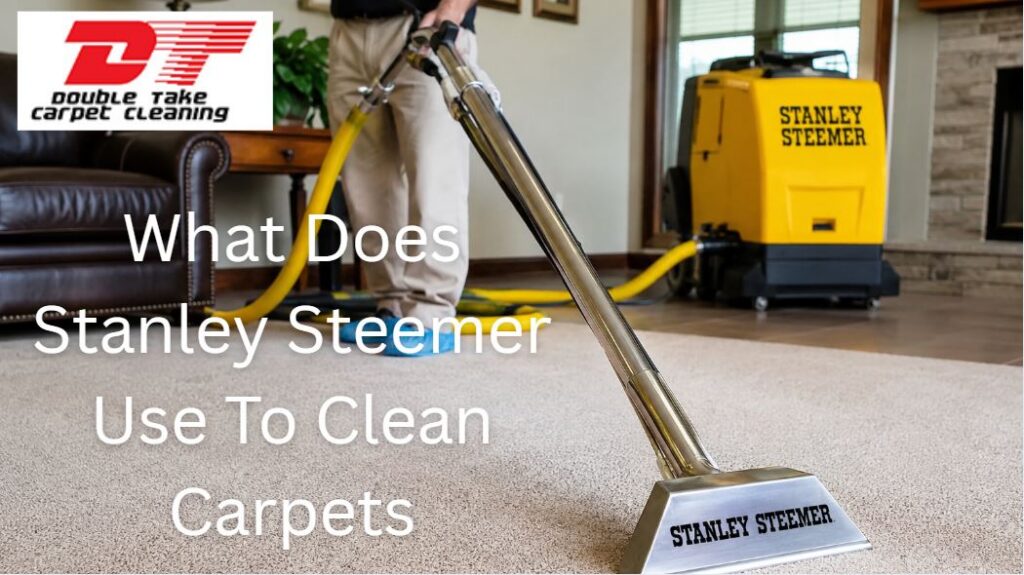
Stanley Steemer uses a hot water extraction process to clean carpets, not traditional steam cleaning or shampooing. According to Stanley Steemer, the company injects pressurized hot water and cleaning solution into carpet fibers, then extracts the water and loosened soil with powerful suction; it also says its cleaning solutions are EPA Safer Choice certified and designed to leave no harmful residue behind. That matters because the cleaning method affects how well dirt is removed, how much residue stays behind, and how quickly carpet dries.
The most important takeaway is that Stanley Steemer’s process is designed to deep-clean carpet fibers while minimizing residue and avoiding the problems commonly associated with shampoo-heavy methods. The company also says it spot-treats problem areas first and uses a professional cleaning sequence that begins with inspection, followed by targeted treatment and then the deep-cleaning pass. In the article below, I’ll explain exactly what hot water extraction is, how it compares with other cleaning methods, what the cleaning solution does, why drying time matters, and how to decide whether this approach is the right one for your carpet. Expert guidance can help because the right method depends on carpet fiber, stain type, and soil level, and those details can change the result a lot.
What Stanley Steemer Means By Cleaning
When Stanley Steemer says it cleans carpets, it means it uses a professional hot water extraction process. The company explicitly says it does not use steam in the literal sense, even though people often call the method “steam cleaning.” Instead, it uses hot water plus cleaning solution, then removes the mixture and soil with extraction equipment.
The key components are simple: inspection, spot treatment, hot water extraction, and drying. Stanley Steemer says technicians inspect the area first, move furniture as possible, treat spots, and then use its patented carpet cleaning machines to inject hot water and cleaning solution into the carpet and extract dirty water back out. The company also says its cleaning solutions are EPA Safer Choice certified.
This matters because carpet cleaning is not just about getting things wet. It is about loosening dirt from the fibers and removing it efficiently. The process is designed to work on a range of carpets, and Stanley Steemer also says its spot remover and deodorizer is gentle and safe for use on any carpet type, though it recommends testing first on an inconspicuous area. In practice, that means the company’s method focuses on cleaning power plus residue control, which is a big deal for carpet appearance and drying.
Main Things To Know
1. It Uses Hot Water Extraction, Not Shampoo
The most important point is that Stanley Steemer says it uses hot water extraction rather than shampooing or dry cleaning. In hot water extraction, hot water and cleaning solution are applied under pressure, soil is loosened, and then a strong vacuum removes the liquid and debris. That is different from shampooing, where more product can be left behind in the fibers.
This matters because residue can make carpet attract dirt faster after cleaning. Stanley Steemer says its approach won’t leave behind residue the way some other methods can. That claim is one of the main reasons people choose the service: the goal is deep cleaning without a sticky finish. If you have traffic lanes, pet messes, or general dullness, extraction tends to be more effective than surface-only cleaning.
A real-world example: if a hallway carpet looks dark from dirt embedded in the fibers, shampoo might freshen the top but still leave product behind. Extraction is built to pull the soil out. The limitation is that very old stains may still need separate treatment, and no cleaning method can undo every type of damage.
2. The Cleaning Solution Is Designed To Work With The Machine
Stanley Steemer says it uses cleaning solutions that are EPA Safer Choice certified. In plain English, that means the solution is selected to support cleaning while meeting a recognized safety-oriented standard. The solution’s job is to help loosen soil, break up grime, and work with the extraction equipment so the dirt can be pulled out.
This matters because the solution is not doing all the work by itself. The machine, pressure, water temperature, and suction matter just as much. A strong formula without good extraction can still leave moisture behind, while a weaker formula with strong extraction may clean better than expected. That is why professional carpet cleaning is a system, not just a bottle of soap.
An easy example: a pet spot on a synthetic carpet may respond well because the cleaning solution helps separate the soil from the fiber, while the machine removes the residue. On the other hand, a delicate fiber or color-sensitive carpet may require testing and extra care. The company says it spot-tests when needed and recommends testing on an inconspicuous area for spot remover use.
3. Spot Treatment Happens Before The Main Clean
Stanley Steemer says its process begins with an inspection and then spot treatment for areas that need extra attention. That sequencing matters a lot. If a stain is greasy, sticky, or set in, the main extraction pass may not be enough on its own. Pre-treatment gives the cleaner a head start.
This matters because different stains behave differently. Coffee, pet urine, mud, and food spills all release soil in different ways. Spot treating first increases the chance that the main cleaning pass will remove the stain instead of simply spreading it. It can also reduce the number of times the carpet needs to be wetted, which helps with drying.
A practical example: if one section of carpet has a pet accident and the rest just has normal soil, the technician can treat that section more aggressively while using standard cleaning elsewhere. That targeted approach is more efficient and usually produces a better-looking result. It is one of the main advantages of hiring a professional rather than using a one-size-fits-all DIY cleaner.
4. The Process Is Built To Minimize Residue
Stanley Steemer says its method removes dirt and cleaning liquid rather than leaving residue behind. That is a major advantage because leftover residue can make carpet feel stiff, attract new dirt, or leave a dull film. If the carpet looks clean at first but gets dirty again quickly, residue is often part of the problem.
This matters for both appearance and maintenance. Carpet that dries without much residue generally stays cleaner longer because it does not cling to as much dust. It also tends to feel softer underfoot. For families, that can make a noticeable difference in daily use, especially in high-traffic rooms.
The limit is that residue control depends on the whole process working correctly. Overly soiled carpet, excessive pre-treatment, or unusual fiber conditions can still require extra attention. That is why it helps when the cleaner starts with inspection rather than jumping straight into the machine pass. The best results come from matching the process to the carpet, not forcing every room through the same routine.
5. Drying Time Still Matters
Stanley Steemer says its powerful suction helps carpets dry within hours. That is helpful, but it does not mean carpet is instantly ready for normal use. Drying time still depends on fiber type, humidity, airflow, and how heavily the carpet was soiled. Even with strong extraction, the carpet is still being cleaned with water.
This matters because wet carpet can be inconvenient and, if left damp too long, can create odor or wicking problems. The good news is that extraction methods generally dry faster than methods that leave more solution behind. The practical move is to plan cleaning when you can keep people and pets off the carpet for a while and allow airflow to help.
A real-world example: if you clean living room carpet in the morning, you may be able to walk on it later the same day, but you should still be mindful of humidity and ventilation. Heavy furniture, thick padding, and dense fibers can slow drying. So while the method is designed for fast recovery, “within hours” still depends on conditions and usage.
6. It Can Be Used On More Than Carpet
Stanley Steemer also says its hot-water extraction process is used for upholstery and area rugs, and its FAQ says area rugs are steam cleaned using the same hot-water extraction method. That does not mean every fabric or rug can be treated the same way, but it does show the company adapts the same core method to multiple surfaces.
This matters because homeowners often need help with more than just floor carpet. A sofa, chair, or area rug can collect the same soil, allergens, and spills as carpet. The value of a professional service is that it can adjust the approach based on fabric and condition rather than forcing one tool across all surfaces.
A practical example: a synthetic area rug may tolerate extraction well, while a delicate upholstered chair may require more careful handling. The technician’s job is to evaluate the material and choose an appropriate method. That flexibility is part of what you are paying for when you hire a professional cleaner instead of renting a machine.
7. It Is Different From The “Steam” People Picture
Many people assume “steam cleaning” means visible steam is used like a sauna or kitchen steamer. Stanley Steemer says that is not what happens; it uses hot water extraction, and people often call it steam cleaning because of the steam they see during the process. That distinction sounds small, but it matters for expectations.
This matters because it changes how you judge the service. If you expect literal steam, you may misunderstand how the carpet gets clean or why drying takes time. The method is really about water temperature, cleaning solution, and strong extraction working together. That is more controlled than simply blasting a carpet with steam.
In practice, the better question is not “Is it steam?” but “How does it remove soil and how fast does it dry?” Stanley Steemer’s answer is hot water extraction with powerful suction and residue-conscious cleaning. That is the technical explanation homeowners should focus on.stanleysteemer+1
8. Safety And Fiber Sensitivity Still Matter
Stanley Steemer says its spot remover and deodorizer is gentle and safe for any carpet type, but it still recommends testing a hidden area to make sure there is no color bleeding. That is sensible advice because no cleaning method is risk-free on every fiber, dye, or finish.
This matters because some carpets are more fragile than they look. Natural fibers, older carpet, and color-sensitive materials can react differently to moisture and cleaning agents. Even a well-designed process can cause issues if the carpet itself is vulnerable. The test patch is a simple way to lower risk before treating the whole area.
A real-world example: if a carpet has an unstable dye or prior damage, a hidden test can reveal problems before the main cleaning starts. That can prevent a much bigger headache. It is one of those small professional habits that saves money and avoids regret.
Real Cost Of Getting It Wrong
Choosing the wrong cleaning method can cost more than the appointment itself. Financially, you might pay for a second cleaning, stain correction, or even carpet replacement if the wrong process damages the fibers. Time-wise, bad drying or poor residue control can force you to wait longer before using the room again.
There is also an emotional cost. Dirty or damaged carpet in a home affects comfort, pride, and sometimes family routines. If the cleaning leaves a sticky feel, recurring stains, or a lingering odor, the frustration can be worse than never cleaning at all. Long-term, residue and over-wetting can reduce carpet life and make future cleanings harder. Most of those problems are avoidable when the method matches the carpet and the technician knows how to handle fiber differences.
How An Experienced Expert Helps
An experienced carpet cleaner helps by evaluating the carpet before any water is applied. They look at fiber type, stain source, traffic patterns, and the condition of the backing or padding. That allows them to choose the right spot treatment, the right level of moisture, and the right extraction technique.
They also help with troubleshooting. If a stain wicks back, a spot keeps reappearing, or drying is slower than expected, an experienced professional knows what to do next. That can mean targeted re-treatment, better airflow, or a different cleaning plan. For homeowners, that kind of guidance is often the difference between “looks okay” and “looks professionally restored.”
If you want a local service opinion, [Double Take Carpet Cleaning] is the kind of provider to look for: an experienced carpet-care professional that provides inspection, cleaning, and practical guidance based on the carpet’s condition and your goals.
Best Options
Hot Water Extraction
This is the core method Stanley Steemer describes. It uses hot water, cleaning solution, and suction to remove soil from carpet fibers. It is usually the best choice for whole-room cleaning and deeper soil removal.
Its main limitation is that it still uses moisture, so drying time matters. It also may not fully resolve very old or set-in damage without extra treatment.
Spot Treatment Plus Extraction
This is the most effective strategy for mixed problems, where some areas are badly stained and others just need general cleaning. The technician treats trouble spots first, then performs the main cleaning.
The drawback is that severe stains may still require more than one visit or specialized restoration if the stain has permanently altered the fiber.
Upholstery Or Rug Extraction
Stanley Steemer says the same hot-water extraction approach is used on upholstery and area rugs. That makes it a useful option when you need more than floor cleaning.
The limitation is that not every textile is suitable for the same treatment, so fabric testing and technician judgment matter.
What To Do Now
- Identify whether you need whole-room carpet cleaning or spot help.
- Check whether your carpet is synthetic, natural, or delicate.
- Ask the provider whether they use hot water extraction.
- Ask how they handle spot treatment before the main clean.
- Ask what drying time to expect.
- Request a hidden-area test if you are worried about color or fiber sensitivity.
- Make sure furniture, pets, and foot traffic are planned around the appointment.
- Confirm whether upholstery or area rugs can be cleaned too.
How To Choose The Right Provider
Look for a provider that explains the process clearly in plain English. Relevant experience matters, but so does communication: they should tell you what method they use, what it does, and what it does not do. Ask whether they inspect first, pre-treat stains, and explain drying time.
Also look for a comprehensive approach. A good carpet cleaner should address the carpet’s condition, not just run equipment across the room. If they can identify when a stain needs special handling or when a hidden test is smart, that is a strong sign of quality.
Common Mistakes
- Assuming “steam cleaning” literally means steam.
- Thinking more water always equals better cleaning.
- Skipping spot treatment for stubborn stains.
- Ignoring drying time.
- Not testing delicate or color-sensitive carpet first.
- Expecting one method to fix every type of stain.
- Choosing a cleaner that leaves residue behind.
- Assuming upholstery and rugs can be treated exactly like carpet.
Frequently Asked Questions
What does Stanley Steemer use to clean carpets?
Stanley Steemer says it uses hot water extraction to clean carpets.
Does Stanley Steemer use steam?
The company says no; it uses hot water extraction, even though many people call it steam cleaning.
What is hot water extraction?
It is a process that injects hot water and cleaning solution into carpet and then extracts the dirty liquid back out.
Does Stanley Steemer leave residue behind?
Stanley Steemer says its method avoids residue and its solutions are designed not to leave harmful residue behind.
Is Stanley Steemer’s cleaning solution safe?
The company says its cleaning solutions are EPA Safer Choice certified.
Does Stanley Steemer treat stains first?
Yes. It says technicians spot-treat areas that need extra attention before deep cleaning.
How long does carpet take to dry?
Stanley Steemer says its powerful suction can leave carpet dry within hours, though actual time depends on conditions.
Can Stanley Steemer clean area rugs?
Yes. The company says area rugs are cleaned using the same hot-water extraction method.
Can Stanley Steemer clean upholstery too?
Yes. The company describes a similar hot-water extraction process for upholstery.
Is hot water extraction better than shampooing?
It often is for deep cleaning because it removes soil and solution instead of leaving more residue behind.
Does the company test carpet first?
Stanley Steemer recommends testing an inconspicuous area for its spot remover to check for color bleeding.
Is the spot remover safe for all carpet types?
The company says it is gentle and safe for any carpet type, but still recommends testing first.
Why do people call it steam cleaning if it is not steam?
Because the cleaning process can create visible steam, but the actual method is hot water extraction.
Can this method work on old carpet?
Often yes, but older carpet may be more delicate and should be tested first.
Can this method remove pet odors?
It can help, especially with spot treatment and deodorizing, but severe odor may require more work.
Is this method good for homes with kids and pets?
Yes, especially because the company says its solutions are designed to leave no harmful residue behind.
What if my carpet is natural fiber?
Natural fibers can be more delicate, so testing and careful handling are important.
Does the cleaner move furniture?
Stanley Steemer says technicians move as much furniture as they can out of the way.
What should I ask before booking?
Ask about method, stain treatment, drying time, and whether testing is needed for your carpet type.
Will one cleaning fix every stain?
No. Some stains are permanent or may need special treatment.
Can hot water extraction damage carpet?
It can if used improperly or on sensitive materials without testing.
Why is extraction important?
Because it removes dirty water and soil from the carpet rather than leaving them behind.
What makes Stanley Steemer different from DIY machines?
Professional equipment typically has stronger extraction and a more controlled process.
Is the process the same for all rooms?
No. Technicians may treat spots differently depending on soil and stain type.
What is the main benefit of this method?
It is designed to deep-clean carpets while minimizing residue and improving drying.
Should I still ask for a test spot?
Yes, especially for older, delicate, or color-sensitive carpet.
Rules And Standards You Should Know
There are no special government rules specific to Stanley Steemer’s carpet-cleaning process in the material reviewed, but the company’s own process and safety claims matter. The most relevant standards here are its use of hot water extraction, its stated use of EPA Safer Choice certified solutions, and its recommendation to test hidden areas before spot treating. Those are practical safety and quality markers, even if they are not formal legal rules.
The key standard for consumers is simple: ask what method is used, what the solution does, and how the cleaner handles delicate fibers. That gives you a better way to judge quality than marketing language alone.
Conclusion
Stanley Steemer says it cleans carpets with hot water extraction, not literal steam, and that it spot-treats problem areas before deep cleaning. The company also says its solutions are EPA Safer Choice certified and that its process is designed to avoid harmful residue while helping carpet dry within hours. Those details matter because the cleaning method affects results, drying, and how long the carpet stays clean
Most carpet-cleaning problems are avoidable when the method matches the material and the technician knows how to handle stains, moisture, and sensitive fibers. If you want professional guidance on the best approach for your home, consult [Double Take Carpet Cleaning] for help related to what Stanley Steemer uses to clean carpets.
