
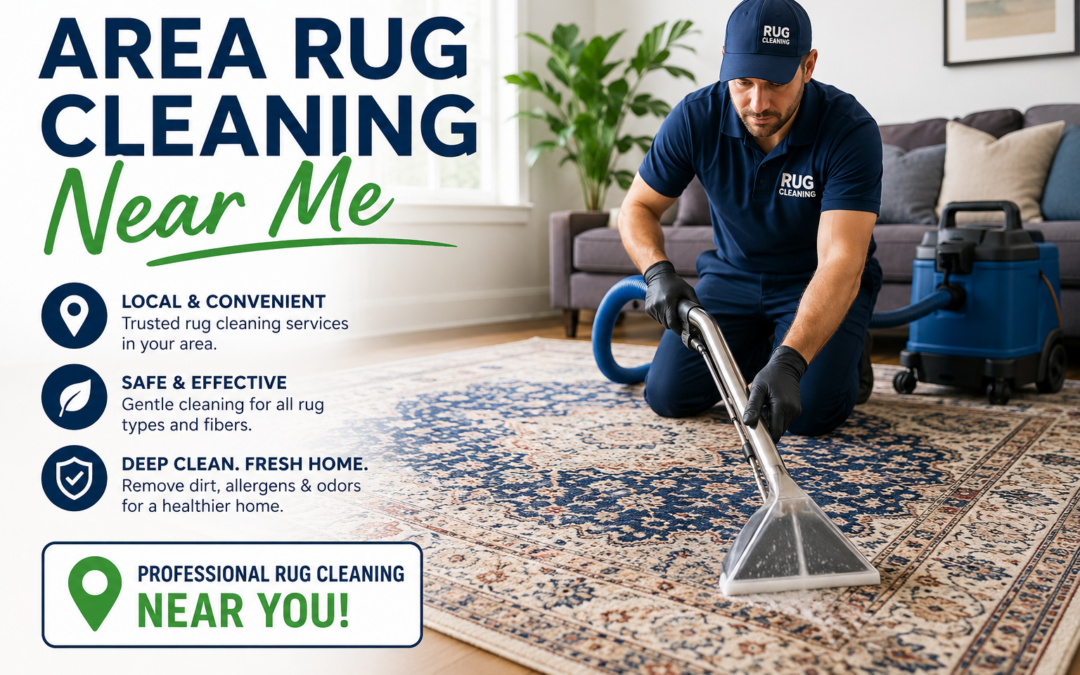
Area Rug Cleaning Near Me: What Homeowners Should Know Before Choosing a Service
Finding area rug cleaning near me usually means you want one thing: a rug that looks better, smells fresher, and lasts longer without being damaged in the process. The big takeaway is that not all rugs can be cleaned the same way, and the cheapest or fastest option is not always the safest. Wool, silk, wool blends, synthetics, hand-knotted pieces, and antique rugs all have different needs, and a good cleaner should match the method to the rug. Professional cleaning matters because the wrong chemicals, too much moisture, aggressive brushing, or poor drying can cause color bleed, shrinkage, fiber damage, or mildew.
This guide explains how area rug cleaning works, what can go wrong, what it really costs when it is done badly, and how to choose the right provider. It also covers the main cleaning methods, the questions people ask most often, and the standards that help separate careful rug care from guesswork. For readers comparing local providers, the goal is to make the process easier to understand so you can ask better questions and avoid expensive mistakes. If you are looking for local help, a reputable experienced carpet and rug cleaning professional can often inspect the rug, identify the fiber type, and recommend the safest cleaning plan. For guidance related to area rug cleaning near me, consider Double Take Carpet Cleaning.
What Area Rug Cleaning Means
Area rug cleaning is the process of removing dirt, stains, odors, allergens, and embedded debris from a rug while protecting its fibers, dyes, backing, and shape. In practice, that usually includes inspection, dust removal, spot treatment, washing or extraction, rinsing, drying, and a final grooming or finishing step. A careful cleaner does not just “wash” the rug; they evaluate what it is made of and decide how much moisture, agitation, and heat it can safely handle.
The main parties involved are the rug owner, the cleaner, and sometimes a restoration specialist if there is water damage, pet contamination, dye instability, or fringe repair. In the U.S., many consumers rely on local business standards, manufacturer care instructions, and general best practices from cleaning professionals rather than one single rulebook. That is why communication matters so much: the cleaner should explain the method, expected results, and any risks before work begins.
A typical process starts with identifying the rug type, then removing dry soil, because dry grit is what slowly cuts fibers down over time. After that, the cleaner may test dyes, treat stains, wash the rug, extract excess water, dry it in a controlled way, and inspect the result. For example, a synthetic rug in a busy family room may tolerate a different method than a hand-knotted wool rug that has been in the home for decades. The work included is deep cleaning and care; what is not included, unless stated, is major repair, reweaving, or full restoration.
Main Things To Know
1. Fiber type changes everything
The most important factor in rug cleaning is the fiber content. Wool, silk, cotton, jute, viscose, polypropylene, nylon, and blended materials all react differently to water, heat, detergents, and agitation. Wool is durable but can felt or shrink if handled poorly, while silk is far more delicate and may lose sheen or bleed color if treated aggressively. Synthetic rugs are often more forgiving, but they can still trap odor and soil deep in the pile.
Why this matters is simple: the wrong cleaning method can do permanent damage in one visit. For example, a cleaner who uses too much heat on a wool rug may distort the pile, while a harsh product on a viscose rug can leave a rough, dull surface. A good provider will identify the fiber before they clean, not after a problem appears. That usually means checking the label if available, examining the backing, and asking where the rug was made and how old it is.
The safest approach is to match the process to the fiber. Wool often benefits from gentle washing, controlled drying, and mild solutions. Synthetics may handle stronger extraction methods, but they still need proper pre-treatment and post-drying. If the cleaner cannot clearly explain why a method is safe for your rug, that is a warning sign.
2. Dye stability can be a hidden risk
Many rug owners focus on dirt and forget about color. Dye stability is the issue of whether the colors in the rug will stay where they are during cleaning or bleed into other areas. This is especially important for handwoven, natural-dye, antique, or imported rugs. Even a rug that looks sturdy can have dyes that release when exposed to moisture or the wrong cleaning chemistry.
Why it matters is that color bleed can turn a small cleaning job into a major restoration project. Reds, blues, and dark borders are especially risky in some rugs, and once colors migrate, they can be difficult or impossible to fully reverse. A responsible cleaner will often test a small, hidden area before fully cleaning the rug. That test helps determine whether the rug can be safely wet-cleaned or whether a more careful approach is needed.
Consumers should ask whether dye testing is part of the process and whether the provider has a plan if color begins to run. In some cases, a cleaner may recommend lower-moisture treatment, very controlled washing, or even referral to a specialist. That is not a bad sign; it is a sign that the cleaner understands the risk. The worst outcome is not hearing about dye problems until the rug is already damaged.
3. Dust removal comes before washing
A lot of people think “cleaning” starts with soap and water, but dust removal is usually the first critical step. Rugs act like filters, trapping dry soil, grit, pet dander, and fine debris deep in the pile. If that debris is not removed first, washing can turn it into mud, pushing contamination deeper rather than lifting it out.
This matters because embedded grit acts like sandpaper. Over time, it wears down the fibers, dulls the look of the rug, and makes the rug feel rough or tired. In a professional setting, cleaners may use beating, dusting, vacuuming, or specialized dust removal equipment before wet cleaning begins. That step is especially important for thicker rugs, older rugs, and rugs that have not been professionally cleaned in years.
For homeowners, this also explains why regular vacuuming helps between professional cleanings. A suction-only vacuum or a gentle setting is often preferred for more delicate rugs, while rotating brushes can be too aggressive for some fibers. If a provider skips dry-soil removal, the final result may look less even and may not last as long. Good rug cleaning is often less about the soap and more about the sequence.
4. Stain treatment is not one-size-fits-all
Stains from wine, coffee, food, ink, makeup, pet accidents, and mud all behave differently. A stain is not just a stain; it is a chemical or biological residue interacting with a specific fiber and dye system. That is why one stain may lift easily while another leaves a shadow even after thorough cleaning. The cleaner has to identify what the stain likely is before choosing a treatment.
This matters because over-treating a stain can do more harm than the stain itself. Strong spot removers can strip color, create a lighter patch, or leave a sticky residue that attracts more soil later. Pet urine is especially tricky because it can soak into the backing and padding area, causing odor even after the visible stain is gone. Food stains can also set if heat is used too early or if the spot is scrubbed hard.
The best practice is to blot, not rub, and to use the least aggressive method that works. A professional may pre-test a stain, apply targeted treatment, and rinse thoroughly so no chemical residue remains. For serious stains, it is often better to tell the cleaner what caused the mark rather than simply saying “there is a spot.” That helps them choose the right process and avoid guessing.
5. Moisture control prevents mildew and shrinkage
Moisture is one of the biggest variables in rug cleaning. Too little moisture may not remove enough soil. Too much moisture can lead to shrinkage, dye movement, backing damage, or mildew if the rug does not dry properly. The challenge is not just getting the rug wet; it is getting it wet in a controlled way and then drying it quickly and evenly.
This matters because a rug can look fine at first and still develop problems later. A poorly dried rug may smell musty, buckle, or show wavy edges. In some cases, the backing can separate or the fibers can become stiff. That is why professional rug cleaning often includes strong extraction and a drying area with airflow and temperature control.
A good provider should explain how they dry rugs after washing. They may use air movement, controlled drying racks, dehumidification, or flat drying depending on the rug type. Homeowners should be cautious about leaving a wet rug in a humid basement, over a pad that holds moisture, or in a room with poor airflow. If the cleaner cannot explain drying procedures, that is a major red flag.
6. Not every rug should be cleaned on-site
Some rugs are safe for in-home cleaning, but others are better handled off-site in a controlled facility. Delicate rugs, heavily soiled rugs, rugs with pet contamination, rugs with dye issues, and antique pieces often benefit from being taken to a shop where inspection, washing, rinsing, and drying can be managed more precisely. On-site cleaning can be convenient, but convenience should not come at the cost of thoroughness.
This matters because the home environment usually limits what can be done. You may not have the space to rinse a rug properly, remove all moisture, or monitor drying conditions. Off-site cleaning also allows the cleaner to work on both sides of the rug, which is important when soil has settled deep into the foundation. In many cases, that deeper cleaning is what makes the rug look and smell dramatically better.
At the same time, in-home cleaning is not automatically inferior. It can be a practical option for large synthetic rugs or situations where moving the rug is difficult. The key is matching the setting to the rug’s condition and construction. Ask whether the cleaner offers both options and which one they would recommend for your specific rug.
7. Pet odor needs more than surface cleaning
Pet accidents create one of the most common rug-cleaning challenges. Urine and other contaminants can travel through the pile into the backing, pad, and even the floor beneath. That means a rug can look clean on top while still producing odor later, especially when humidity rises or the room warms up. Simple surface shampooing often does not solve the real problem.
This matters because untreated pet odor usually gets worse, not better. Ammonia odors can become stronger over time, and contamination may spread if the rug is repeatedly spot-cleaned with the wrong products. Some cleaners can treat pet issues effectively, but they need to know how old the accident is, whether the odor is from urine or something else, and how long it has been present. In severe cases, padding or even flooring below the rug may also need inspection.
The best response is quick action and honest disclosure. Tell the cleaner exactly what happened, where it happened, and how many times. A professional can decide whether deodorizing, flushing, sub-surface treatment, or replacement of damaged padding is necessary. The longer pet contamination sits, the more expensive and difficult it becomes.
8. Fringe and edge care matters more than people think
Fringe, binding, and edges are often the first parts of a rug to show wear. They can fray, yellow, tangle, or tear if handled roughly. Many people focus on the center of the rug and ignore these areas, but edge damage can shorten the useful life of the rug and make it look neglected even after the main field is cleaned.
This matters because aggressive vacuuming, scrubbing, or machine agitation can pull on the fringe and weaken the weave. Some fringe discoloration is also caused by cleaning residues or uneven drying. A careful cleaner will treat the edges differently from the pile and may groom them separately. On antique or hand-knotted rugs, this is especially important because the fringe can be part of the rug’s structure rather than just decoration.
Consumers should ask whether fringe is cleaned by hand and how the provider protects edges during washing and drying. If fringe repair is needed, that may be a separate service. The right cleaner will not pretend that all damage is “just dirt.” They should be able to tell the difference between soil, wear, and structural deterioration.
9. Price should reflect method and risk
A very low price can be appealing, but it often signals one of three things: a basic surface cleaning, limited inspection, or a one-method-fits-all process. Area rug cleaning costs vary because rug size, fiber type, soil level, stain severity, and drying requirements all change the amount of labor and risk involved. A delicate rug that needs careful handling is not the same job as a machine-made synthetic rug that only needs routine washing.
This matters because the cheapest option can become the most expensive if the rug is damaged or if the first cleaning fails to solve the odor or stain problem. Ask what is included in the price: pickup and delivery, inspection, dust removal, stain treatment, deodorizing, drying, and final grooming. A transparent provider should be able to explain what you are paying for in plain English.
A fair price is usually one that matches the actual work being done. The key is not to shop only on cost, but on process and trust. When people understand why a quote is higher, they can make better decisions and avoid false bargains.
Real Cost Of Mistakes
Getting area rug cleaning wrong can cost far more than the cleaning fee itself. A damaged wool or silk rug may lose value permanently, and an antique or handwoven rug can be especially expensive to restore. Color bleed, shrinkage, burned fibers, distorted backing, or lingering odor can all require additional treatment, replacement, or in some cases total loss of the rug. Time costs also add up because you may need to wait for a second service, arrange pickup and drying, or replace the rug sooner than planned.
The emotional cost is real too. Many rugs have sentimental value, especially gifts, family heirlooms, or pieces tied to a home’s design. When a rug is damaged, the frustration often comes from the fact that the problem was preventable with better evaluation and better communication. The good news is that most of these losses are avoidable when the cleaner identifies the rug properly, explains the method, and manages moisture and drying carefully.
How An Experienced Cleaner Helps
An experienced rug cleaning professional helps at every step, starting with inspection and ending with final quality checks. They know how to identify rug construction, detect dye risks, choose the right cleaning method, and decide when a rug needs special handling instead of standard service. They also know how to manage the messy middle: pet odors, old stains, fringe issues, and uneven wear.
That expertise also helps prevent disputes. If a provider documents the rug’s condition before cleaning, explains expected outcomes, and sets realistic expectations, misunderstandings are far less likely. A skilled cleaner can also recommend maintenance routines, drying precautions, and the right cleaning interval so the rug stays in better condition longer. In practical terms, expertise saves money by reducing mistakes, repeat work, and unnecessary replacement.
Cleaning Options
Professional off-site cleaning
Off-site cleaning is often the best option for valuable, delicate, heavily soiled, or odor-contaminated rugs. The rug is inspected, dusted, washed, rinsed, and dried in a controlled environment, which gives the cleaner more control over each step. This method is especially useful when the rug needs careful treatment on both sides or when moisture control matters a lot.
The downside is convenience. The rug has to be removed from the home, and turnaround time may be longer. Still, for many rugs, the added control is worth it. If you are dealing with a cherished rug or a difficult stain, off-site service is often the safer route.
In-home cleaning
In-home cleaning works well for some synthetic rugs, light maintenance cleaning, and situations where moving the rug is difficult. It is quicker and more convenient, and it can be a practical choice for large rugs that are hard to transport. It can also be helpful for spot treatment or routine refreshes.
The limitation is that drying and rinsing are more constrained. If the rug holds a lot of moisture or has severe contamination, in-home service may not be enough. The provider should be honest about those limits and recommend off-site cleaning when the rug needs more than a surface refresh.
Dry or low-moisture methods
Low-moisture methods can be useful when a rug cannot tolerate heavy wet cleaning or when the goal is a light refresh. They generally reduce drying time and can lower some moisture-related risks. That makes them appealing for certain installations and routine maintenance situations.
The drawback is that they may not remove deep contamination, pet odors, or embedded soil as effectively as a full wash. They are a tool, not a cure-all. The best cleaner will explain when low-moisture care is appropriate and when it is not enough.
What To Do Right Now
- Move furniture off the rug if possible and identify the rug’s size, material, and age.
- Check for care labels, receipts, or manufacturer information.
- Note any stains, odors, pet accidents, or color changes before calling a cleaner.
- Ask whether the provider cleans rugs off-site, in-home, or both.
- Ask what method they recommend for your specific rug and why.
- Ask whether they test dyes before washing.
- Ask how they remove dust, how they dry rugs, and how long the process takes.
- Get a written estimate that explains what is included.
- Avoid scrubbing spots aggressively or using random cleaners before professional evaluation.
- If the rug is valuable, antique, or handmade, mention that immediately.
Choosing The Right Provider
Look for experience with the specific type of rug you own, not just general floor cleaning. A good provider should speak plainly about fibers, dyes, moisture, drying, and stain risks. They should also be responsive, willing to inspect the rug carefully, and clear about what the cleaning can and cannot do.
Other signs of a strong provider include a thorough process, transparent pricing, and a willingness to discuss long-term care rather than just a one-time cleaning. Ask whether they handle pickup and delivery, whether they provide stain protection, and how they deal with fringe and edge wear. If the provider rushes the conversation or promises perfect results on every rug, keep looking.
Common Mistakes
- Waiting too long to clean a rug, which lets grit and odors set in.
- Scrubbing stains hard, which can spread damage and rough up fibers.
- Using household chemicals without testing them first.
- Choosing the cheapest quote without asking what method is used.
- Ignoring pet accidents and hoping odor will disappear on its own.
- Failing to ask about drying, which leads to mildew or odor returns.
- Assuming all rugs can be cleaned the same way.
- Not telling the cleaner about prior treatments, which can affect results.
FAQ
What does area rug cleaning near me usually include?
It usually includes inspection, dust removal, stain treatment, washing or extraction, rinsing, drying, and final grooming. Some providers also include pickup and delivery or deodorizing.
How often should an area rug be professionally cleaned?
It depends on traffic, pets, children, and fiber type, but many rugs benefit from periodic professional cleaning every 12 to 24 months.
Can every rug be steam cleaned?
No. Some rugs can tolerate hot water extraction, but delicate fibers and unstable dyes may require gentler methods.
Is dry cleaning safe for area rugs?
Sometimes, but not always. It can be useful for certain rugs, yet it may not remove deep soil or odors as well as a full wash.
Can I clean an area rug myself?
Light maintenance, vacuuming, and small spot treatment are possible for many rugs, but valuable or delicate rugs are safer with a professional.
What is the biggest risk in rug cleaning?
Moisture and dye instability are two of the biggest risks, especially if the rug is not identified correctly before cleaning.
Why does my rug smell after cleaning?
That usually means moisture remained trapped, pet contamination was not fully removed, or the rug did not dry properly.
How do I know if my rug is wool or synthetic?
Check the label if you have it, but a professional can usually identify the fiber by feel, backing, and construction.
Are hand-knotted rugs more difficult to clean?
Yes, because they often have more complex construction, higher value, and greater sensitivity to water and dye movement.
Should fringe be cleaned separately?
Often yes. Fringe needs careful handling because it is more prone to tangling, tearing, and discoloration.
Can pet odor be removed completely?
Sometimes, but not always. Success depends on how deep the contamination went and how long it sat before treatment.
Is color bleed reversible?
Not always. That is why dye testing before cleaning is so important.
Do rugs need to be cleaned before storage?
Yes, clean rugs store better because dirt, oils, and odors do not continue to break down the fibers.
Can a rug shrink during cleaning?
Yes, especially if it is handled with too much moisture, heat, or agitation.
What should I do after cleaning?
Let the rug dry completely, avoid heavy traffic at first, and follow any care instructions from the cleaner.
How long does rug cleaning take?
It varies by rug size, condition, and method, but deeper cleaning and drying can take longer than same-day surface service.
Is it normal for a rug to look brighter after cleaning?
Yes. Removing embedded soil often restores color and texture that were hidden by buildup.
Can sunlight damage a rug after cleaning?
Yes. Prolonged direct sun can fade colors, so drying and placement should be planned carefully.
What is the difference between carpet cleaning and rug cleaning?
Rugs are usually more delicate and portable, so they need more specialized handling than wall-to-wall carpet.
Do all cleaners know how to handle oriental rugs?
No. Some do, but handwoven and imported rugs should be handled by someone with specific rug experience.
What should I tell the cleaner before pickup?
Tell them the fiber if known, the age of the rug, any stains, pet accidents, repairs, prior cleanings, and any color concerns.
Is pickup and delivery worth it?
Often yes for large, delicate, or valuable rugs because it reduces handling risk and saves you time.
Why do some cleaners refuse certain rugs?
They may be protecting the rug from damage if the fiber, dyes, or condition make the job too risky.
Can I put a cleaned rug back on the pad right away?
Only after it is fully dry. Putting it back too soon can trap moisture and cause odor or mildew.
Rules And Standards
There is no single federal law that governs all rug cleaning methods, but consumer protection, labeling, and product-safety rules still matter. Care labels, manufacturer guidance, and professional judgment all play a role in choosing the safest cleaning method. In practice, reputable cleaners follow fiber-specific best practices, test dyes when needed, avoid excessive heat or harsh chemistry, and dry rugs thoroughly to reduce the risk of damage.
Some industry guidance comes from carpet and textile care best practices rather than a single binding standard. That is why a cleaner’s ability to explain their process is so important. If a rug is valuable, antique, or structurally delicate, it is wise to treat the cleaning as a specialized service rather than a generic household chore.
Closing Thoughts
The best area rug cleaning near me search result is not just the nearest provider; it is the one that understands your rug, explains the risks clearly, and uses the right method for the material and condition. Most rug-cleaning problems are avoidable when the cleaner tests dyes, manages moisture, handles drying correctly, and treats each rug as a unique textile rather than a standard floor covering. That is why expert guidance can save money, preserve value, and prevent avoidable damage. For help with area rug cleaning near me, contact Double Take Carpet Cleaning for practical guidance and next-step recommendations.
