
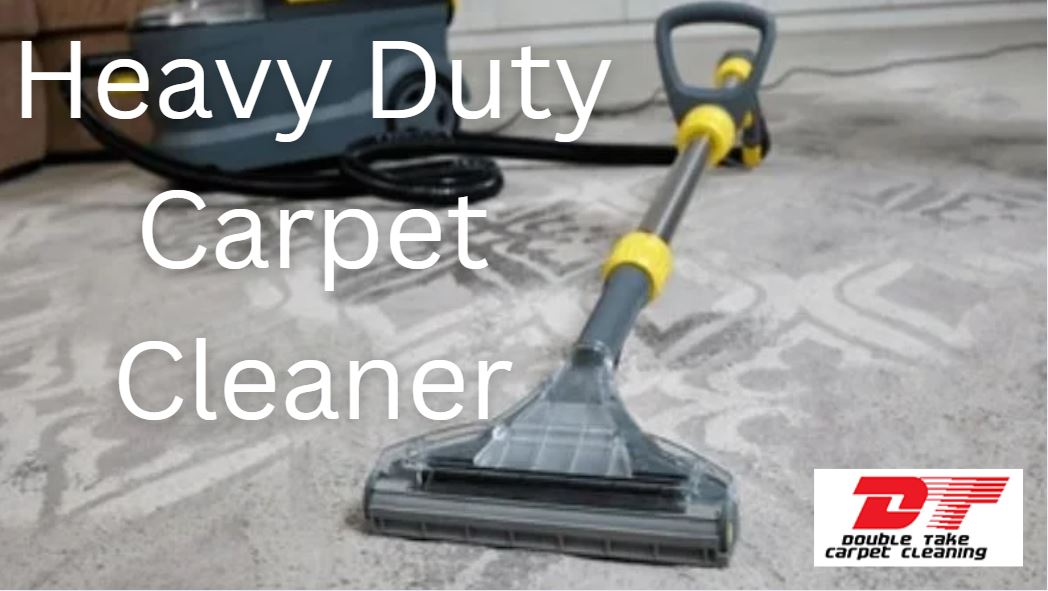
Heavy Duty Carpet Cleaner: The Expert’s Complete Guide
Opening summary
A heavy duty carpet cleaner is a high‑performance machine and cleaning process designed to remove deep‑embedded soil, grease, pet contamination, and set stains from commercial or heavily soiled residential carpets. The critical point: success depends equally on the right equipment (power, recovery, heat), the right chemistry (targeted pre‑sprays and neutralizers), and skilled technique (agitation, extraction sequencing, and moisture control). This article explains what heavy‑duty cleaning is, how it works, the common ways it goes wrong, the real costs of mistakes, practical steps you can take now, equipment and method options, how to choose the right provider, and answers the frequently asked questions facility managers and homeowners ask most often. With expert guidance, most costly problems are avoidable and carpet life can be extended significantly.
What is a heavy duty carpet cleaner and how it works
A heavy duty carpet cleaner is either (a) a commercial‑grade machine — such as truck‑mounted extractors, commercial portable extractors, rotary shampooers, or industrial shampooers — used with professional cleaning chemistry and trained technique; or (b) the full, systematic process that includes inspection, pre‑treatment, mechanical agitation, hot‑water extraction (or low‑moisture alternatives), and thorough recovery and drying. The objective is deep soil removal and remediation beyond what consumer machines accomplish.
Core components and people involved
- Machines: truck‑mounted extractors (continuous heat & high recovery), commercial portables (flexible access), rotary/shampoo machines (agitation for greasy soils), and low‑moisture encapsulation systems (maintenance).
- Chemicals: alkaline degreasers for oils, enzyme or biological digesters for organic waste, neutralizers to rebalance pH, and encapsulants for low‑moisture maintenance.
- Technicians: trained operators who identify fiber type, choose chemistry, control temperature/pressure, and manage drying.
Industry guidance (for example, IICRC standards) emphasizes proper inspection, fiber identification, moisture control, and documented procedures to avoid damage and microbial issues. Follow carpet manufacturer guidance when available and treat moisture control as part of indoor‑air quality planning.
Standards and best practices
Typical process flow
- Inspect and identify fiber and stain types.
- Pre‑vacuum to remove loose soil.
- Apply targeted pre‑spray and allow dwell time.
- Agitate with rotary brush or agitation tools when needed.
- Conduct hot‑water extraction or appropriate low‑moisture extraction; perform multiple passes if required.
- Address pad/subfloor or deep odor issues if present.
- Groom pile and speed drying with air movers and dehumidification.
What’s included and what’s not
Included in a professional heavy‑duty service: deep soil removal, stain treatment, significant odor reduction (for many cases), grooming, and a drying plan. Not always included: pad replacement, subfloor remediation, carpet repair, or warranty coverage for pre‑existing damage — these require inspection and possibly separate work.
10 essential things to know (each a substantial subsection)
- Machine class matters: truck‑mounted vs. portable
Truck‑mounted systems deliver higher heat, continuous power, and stronger vacuum recovery; portables offer access and flexibility for buildings without vehicle access. For large commercial jobs, truck‑mounts usually achieve faster drying and deeper extraction; for apartments, stairways, or upper floors, heavy commercial portables are often the practical choice. Match the machine class to the job scale, soil type, and site constraints—choose truck‑mounts for whole‑building or chronic odor work, and portables for targeted or hard‑access cleaning. - Pre‑treatment is the decisive step
Effective pre‑treatment breaks the bond between soil and fiber before extraction. Alkaline sprays are used for oils and grease; enzyme products for urine and organic waste. Without correct chemicals and dwell time, extraction removes only surface soil and leaves residues that cause rapid re‑soiling. Always test chemicals in an inconspicuous area and follow recommended dwell times; mechanical agitation often enhances chemical performance. - Heat, pressure, and vacuum must be balanced
Heat increases cleaning effectiveness, pressure loosens soil, and vacuum removes the waste. But too much heat or pressure can damage fibers or backing, while inadequate vacuum leaves moisture that leads to odors or mold. Professionals adjust pump PSI and vacuum CFM according to pile density and fiber tolerance, and use multiple controlled extraction passes rather than a single heavy wetting. - Drying control is as important as cleaning
Fast drying prevents microbial growth and lingering odors. Use air movers directed across the surface, coordinate with HVAC or dehumidifiers, and monitor moisture with meters for large jobs. Aim for drying within 6–24 hours depending on machine type and pile; do not return occupants or heavy traffic until the surface and backing are acceptably dry. - Stain and odor remediation requires correct diagnosis
Stains come in many types — protein (vomit), tannin (coffee, tea), dye (ink), and oil (food grease) — and each needs different treatment. Using the wrong chemistry can set stains or spread contamination into the pad and subfloor. Identify the stain type, use enzyme treatments for organic messes, alkaline detergents for oils, and consider pad/subfloor assessment for severe, long‑standing urine or odor problems. - Low‑moisture options vs. hot‑water extraction
Low‑moisture methods (encapsulation, bonnet, dry cleaning) reduce downtime and are useful for routine maintenance in high‑traffic environments, but they are less effective on deep oils and embedded contaminants. Hot‑water extraction remains the standard for restorative cleaning and severe contamination. Use the appropriate method based on soil type, desired turnaround, and facility requirements. - Equipment maintenance prevents failure
Routine maintenance of pumps, vacuums, hoses, nozzles, filters, and brushes keeps machines performing at peak and prevents cross‑contamination from dirty tanks. Flush tanks and lines after each job, clean brush housings, and replace seals and filters on schedule. Poorly maintained equipment is a common cause of unsatisfactory results. - Worker technique is the variable that separates good from great
Wand speed, overlap, number of extraction passes, and how technicians handle edges and stairs affect outcomes. Training in correct pass rates (commonly about 50% overlap), appropriate tool selection, and measured chemical application turns good machines into consistent performance machines. - Cost versus value: not all heavy‑duty cleaning is the same
Price varies by job size, contamination level, and equipment. The cheapest bid can be false economy if it uses poor chemicals, inadequate technique, or insufficient drying plans. Evaluate proposals for scope (pre‑treatment included? number of extraction passes? air movers?), documented process, and satisfaction guarantees. - Environmental and indoor‑air concerns
Use low‑VOC professional solutions when appropriate, rinse thoroughly to avoid detergent residues that cause re‑soiling or odors, and manage moisture to prevent mold. For claims about disinfection or pathogen control, follow local public‑health guidance and rely on proper product labeling.
The real cost / impact of getting heavy‑duty carpet cleaning wrong
- Financial costs: repeated cleanings, premature carpet replacement, pad/subfloor remediation, or structural mold remediation.
- Time costs: extended downtime for businesses, delayed occupancy, and repeat visits.
- Emotional and reputational costs: tenant or customer complaints, and damage to a facility manager’s or contractor’s reputation.
- Long‑term consequences: fiber degradation, permanent stains, and persistent odors.
Most of these costs are avoidable with proper assessment, correct equipment selection, measured moisture control, and trained technicians.
How an experienced professional helps you succeed
An experienced professional adds value at every stage:
- Accurate assessment of fiber type and contamination.
- Correct equipment and chemistry selection for the job.
- Process control, including documented pre‑treatment, extraction passes, and moisture monitoring.
- Risk management: containment for heavy contamination and plans for pad/subfloor issues.
- Troubleshooting: determining the cause of recurring stains or odors (residue, wick‑back, pad contamination).
- Compliance with industry best practices and worker safety standards. Their judgment saves time and prevents expensive follow‑ups.
Heavy duty carpet cleaner options, alternatives, and strategies
- Truck‑mounted hot‑water extraction: best for large areas and persistent contamination; requires access and trained operators.
- Commercial portable extractors: flexible for upper floors or restricted sites; strong suction but often less continuous heat.
- Rotary shampoo/bonnet machines: aggressive agitation for greasy soils; must be paired with thorough extraction to avoid residue.
- Encapsulation / low‑moisture systems: fast turnaround for routine maintenance; less effective on deep oil contamination.
- Vapor steam cleaners: useful for sanitation and surface grease but not a substitute for extraction on deeply soiled carpets.
- Combined strategies: common for very heavy soiling — pre‑spray, rotary agitation, then hot‑water extraction and targeted pad treatment when needed.
What to do right now if you face heavy soil, stains, or odors
- Stop further DIY over‑wetting or scrubbing that may worsen the problem.
- Document problem areas and visible staining patterns.
- For suspected biological contamination (urine, mold, sewage), limit access and reduce foot traffic.
- Vacuum the area lightly to remove loose soil if it won’t spread contamination.
- Open windows and use fans to improve ventilation while waiting for assessment.
- Contact a trained carpet professional for evaluation if contamination is widespread or persistent.
- For isolated spots: test a small hidden area, apply targeted cleaner per instructions, and extract with measured water volumes; run air movers afterward.
How to choose the right professional, provider, or tool
Use this checklist when vetting providers or selecting equipment:
- Experience: documented jobs of similar scale and contamination.
- Equipment: access to truck‑mounts or heavy commercial extractors for large or severe jobs.
- Certifications and procedures: IICRC training or equivalent standards and written SOPs.
- Chemistry knowledge: ability to identify and safely use enzyme digesters, alkaline degreasers, and pH neutrals.
- Transparent scope and pricing: clear definitions of what’s included — pre‑treatment, number of extraction passes, air movers, and follow‑ups.
- Communication: plain‑English explanation of expected results and risks.
- Warranty and responsiveness: willingness to return for performance issues and provide written guarantees.
Common mistakes people make with heavy‑duty carpet cleaning
- Over‑wetting carpets, leading to long drying times and mold risk.
- Using the wrong chemistry (e.g., acid on tannin stains, or skipping enzymes for organic waste).
- Skipping mechanical agitation when it’s needed for greasy soils.
- Running equipment with inadequate vacuum recovery, leaving residues.
- Failing to pre‑inspect fibers and backing, resulting in color loss or shrinkage.
- Rushing drying and failing to use air movers or monitor moisture.
- Choosing providers based only on price without checking methods and equipment.
Frequently asked questions (formatted for FAQ schema)
Q1: What exactly is a heavy duty carpet cleaner?
A1: A commercial machine or full process designed to remove deep, set‑in soils, grease, and biological contamination using stronger agitation, professional chemistry, and high‑power extraction.
Q2: How is heavy‑duty cleaning different from regular carpet cleaning?
A2: It uses stronger pre‑sprays, more mechanical agitation, higher temperatures and vacuum recovery, and often multiple extraction passes plus a documented drying plan.
Q3: When should I choose a truck‑mounted extractor?
A3: For large areas, severe soiling, commercial spaces, or jobs that require faster drying and continuous heating and suction.
Q4: Are truck‑mounts safe for all carpet types?
A4: When used by trained technicians who control temperature and pressure based on fiber type, yes; delicate fibers like wool require special parameters.
Q5: Can heavy‑duty cleaning remove urine odor?
A5: Often, for surface or partially absorbed urine, using enzymes and multiple extractions; if the odor has reached pad or subfloor, more extensive remediation may be required.
Q6: How long will heavily cleaned carpet take to dry?
A6: With truck‑mount extraction and air movers, 6–12 hours is common; with portables or deep pile, drying can take 12–24+ hours.
Q7: Will professional cleaning strip stain protection?
A7: Strong degreasers can remove protectors; if protection is important, ask the provider about reapplication after cleaning.
Q8: How often should commercial spaces use heavy‑duty cleaning?
A8: Based on traffic: high‑traffic zones may need quarterly restorative cleaning with monthly maintenance; tailor schedules to appearance and soil measurements.
Q9: What’s the difference between hot‑water extraction and steam cleaning?
A9: Hot‑water extraction injects hot water and cleaning solution then immediately extracts it — it’s the standard for deep cleaning. Steam cleaners use high‑temperature vapor and are better for surface sanitation but not deep soil removal.
Q10: Can low‑moisture methods replace heavy extraction?
A10: For routine maintenance, yes; for deep oil, grease, or heavy contamination, hot‑water extraction is usually required.
Q11: Will heavy cleaning damage my carpet?
A11: Not when performed correctly; damage results from excessive heat, wrong chemicals, or poor drying practice.
Q12: How much does heavy duty cleaning cost?
A12: Prices vary by area, job size, contamination level, and equipment; request itemized proposals that list pre‑treatment, extraction passes, and drying equipment.
Q13: Do professionals sanitize carpets for pathogens?
A13: Yes — sanitizers and controlled heat can reduce microbial load; follow official guidance before making disinfection claims.
Q14: Is heavy cleaning required after flooding?
A14: Yes — rapid extraction and drying plus contamination assessment are critical, and sometimes carpet or pad replacement is necessary.
Q15: Do I need to move furniture?
A15: Providers typically move light items; heavy or valuable items should be removed prior to service.
Q16: What chemicals are used in heavy cleaning?
A16: Alkaline degreasers, surfactants, enzyme/bacterial digesters, pH neutrals, and encapsulants as the job requires.
Q17: How should I prepare the space?
A17: Remove fragile items, pick up debris, and expect the area to be out of use until dry.
Q18: Is there a warranty on results?
A18: Reputable providers offer performance guarantees or return visits for unresolved issues—get it in writing.
Q19: Can heavy cleaning handle restaurant grease?
A19: Yes, with appropriate alkaline cleaners and rotary agitation followed by extraction.
Q20: How do you know cleaning is finished?
A20: Completion is based on visual inspection, clear recovery tanks, and acceptable moisture readings.
Q21: What if the stain comes back after drying?
A21: That may be wicking (residual soil rising), incomplete extraction, or pad contamination; follow‑up treatment or pad replacement may be required.
Q22: Are heavy duty cleaners energy intensive?
A22: Truck‑mounts require vehicle power and water heating; portables use electric power—energy use varies with equipment.
Q23: How do you control odor after heavy cleaning?
A23: Use enzyme digesters, thorough extraction, pad/subfloor inspection, and post‑treatment neutralizers.
Q24: Can I rent a heavy duty machine instead of hiring pros?
A24: Rentals are possible but may have lower recovery power; for serious contamination, professional service is safer and more cost‑effective long term.
Q25: What certifications should I look for in a provider?
A25: IICRC training or equivalent industry credentials, documented experience, and clear SOPs.
Key rules, laws, or standards you should know about heavy duty carpet cleaning
- Follow recognized industry standards for inspection and cleaning procedures (for example, IICRC guidance).
- For moisture and mold concerns, consult EPA and local public‑health guidance on indoor air quality and mold prevention.
- Observe occupational safety rules for chemical handling and employee protection during large jobs.
Disclaimer
This article provides practical guidance but does not replace professional contracting advice. For severe contamination (biohazard, sewage, asbestos, or regulatory cleanup), contact qualified remediation professionals and follow local health, safety, and environmental regulations. Always follow carpet manufacturer instructions and product labels for chemicals and equipment.
Conclusion and call to action
Heavy duty carpet cleaning delivers substantial value when the correct combination of equipment, chemistry, and technique is used; most costly problems are preventable with expert assessment and process control. If you need help evaluating whether a heavy‑duty approach is right for your facility or home, or if you face persistent stains, odors, or heavy soil, consult an experienced provider who uses commercial extraction equipment and follows industry best practices. For trusted, local heavy‑duty carpet cleaning and assessment, contact Double Take Carpet Cleaning.
