
What It Does, What It Costs, and How to Choose the Right One
A mini carpet cleaner is a compact spot-cleaning machine designed to remove spills, stains, and pet messes from carpets, rugs, upholstery, stairs, and car interiors. It matters because small messes turn into permanent stains fast, and a small cleaner can help you respond immediately without dragging out a full-size carpet extractor. The most important thing to know up front is that a mini carpet cleaner is best for spot treatment and targeted cleaning, not for replacing whole-room carpet cleaning. Product listings from BISSELL describe compact portable cleaners as tools for quick spill and stain removal on soft surfaces, and recent reviews note that models like the Little Green Mini are useful for spot-cleaning but not entire rooms.
This article breaks down how mini carpet cleaners work, what features matter most, how to compare options, and where people go wrong when buying or using one. It also covers the real costs of choosing the wrong machine, the best strategies for using one effectively, and the questions buyers usually ask before they purchase. For households with pets, kids, or high-traffic fabrics, a mini carpet cleaner can be a very practical tool when used correctly.
What Is a Mini Carpet Cleaner and How Does It Work?
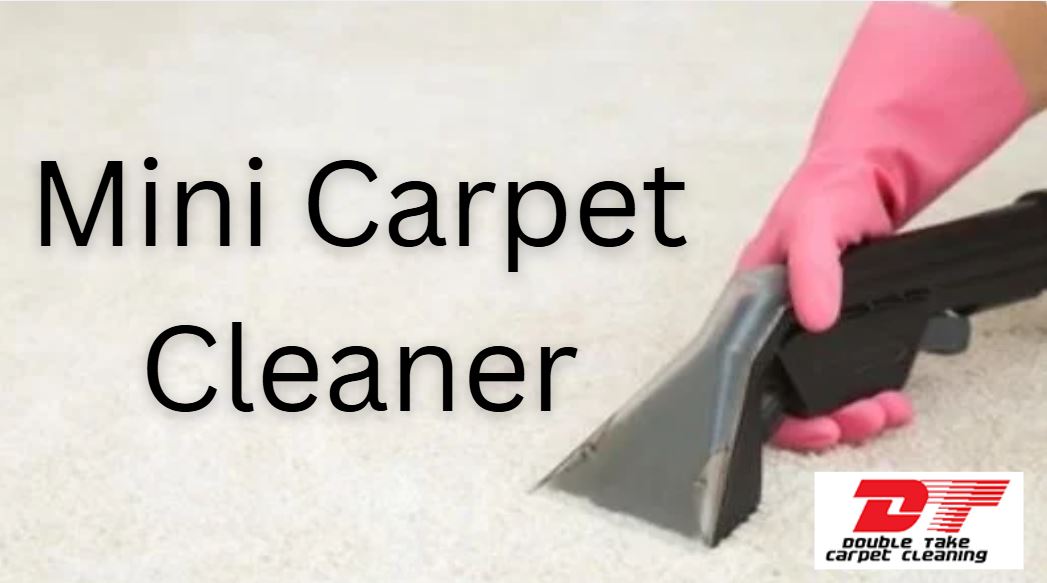
A mini carpet cleaner is a small portable extraction machine that sprays cleaning solution onto a stained area, agitates the spot with a brush or nozzle, and then pulls dirty liquid back into a recovery tank. Its purpose is targeted stain removal, not broad carpet restoration. Compact models are commonly sold as portable carpet and upholstery cleaners and are marketed for quick cleanup of carpets, rugs, furniture, and vehicle interiors.
The process is simple. You fill the clean-water tank, add the recommended cleaning formula, apply the solution to the mess, scrub lightly with the attachment, and extract the dirty water. Most mini units include a hose, a hand tool, and small tanks that make them easy to store and carry. BISSELL’s Little Green Mini, for example, is described as a lightweight portable cleaner built for soft surfaces, with small tank capacity and spot-cleaning use cases.
What is included in the job depends on the machine and the mess. A mini carpet cleaner usually handles fresh spills, pet accidents, dirt marks, and upholstery spots. It is not designed for full-home carpet washing, large commercial jobs, or deep restoration of heavily soiled flooring. That distinction matters because many buyers expect “mini” to mean “small but powerful enough for everything,” when in reality it is more of a precision tool than a whole-house solution.
9 Key Things to Know
1. Mini carpet cleaners are made for spots, not whole rooms
The biggest mistake buyers make is assuming a mini carpet cleaner can replace a full-size carpet machine. It cannot. These devices are optimized for small messes, small areas, and quick cleanup. Product and review coverage consistently describe them as ideal for stains on carpet, rugs, upholstery, and car interiors, while noting they are not built to clean entire rooms.
That matters because capacity, suction, and brush size all limit how much surface area you can clean in one session. A mini cleaner may handle a chair, a stair tread, a small rug stain, or a pet accident very well. But if you try to clean wall-to-wall carpet in a large room, the small tank will force frequent refills and emptying, turning a simple job into a long one. Even if the machine performs well on a single spot, it will not have the throughput of a full-size extractor.
The best way to use a mini carpet cleaner is to think of it as a fast-response tool. The sooner you treat a spill, the better the chance of preventing permanent staining or odor. For anyone who needs regular stain control but not full-room service, a mini cleaner can be a strong fit. For larger areas, a professional service or a larger extractor may be the better choice.
2. Tank size affects convenience more than power
Mini carpet cleaners usually have small clean-water and dirty-water tanks, and that size tradeoff is central to how they work. BISSELL’s Little Green Mini, for example, has a 16-ounce clean tank and a 13.5-ounce dirty tank, which is compact enough for easy storage but requires more frequent refills during bigger jobs. Smaller tanks do not automatically mean weaker cleaning, but they do mean less runtime before you need to pause.
This matters most when you are comparing models. A buyer may focus on suction or price and overlook the fact that a tiny tank can slow down real-world use. If you have pets and expect to clean multiple stains in one session, a model with a slightly larger tank may be far more practical. On the other hand, if your main concern is the occasional coffee spill or a small upholstery mark, a compact tank may be perfectly fine.
The right size depends on the job, not the marketing. If you value portability and easy storage, smaller can be better. If you want efficiency on multiple spots, you will probably want the largest tank that still fits your storage space and budget. The best mini carpet cleaner is the one you will actually use quickly when a mess happens.
3. Suction and solution matter more than brute force
When people shop for a mini carpet cleaner, they often focus on “power,” but cleaning performance comes from a combination of suction, fluid delivery, brush action, and solution chemistry. A strong suction motor helps remove liquid and loosened soil, but if the cleaning formula is weak or the brush head is poor, the result will still be disappointing. Recent reviews of compact cleaners emphasize spot-cleaning performance rather than raw machine size, which is the real metric that matters.
Why it matters: stains often contain more than dirt. They may include oils, sugars, pet residue, or dye transfer. A machine can only do so much if the formula is not designed for the mess. For example, a pet stain often needs enzyme-based treatment or a formula that addresses odor, while a food spill may respond better to a stain-lifting solution.
The practical approach is to match the formula to the problem. Use the manufacturer’s recommended cleaner when possible, and test unknown surfaces first. Suction should lift moisture quickly so the spot dries faster and resoiling is reduced. If a machine sprays too much solution but extracts poorly, it can leave the fabric wetter than before, which is counterproductive. Good mini cleaners balance spray and suction, not just one or the other.
4. Portability is one of the main reasons people buy one
The big advantage of a mini carpet cleaner is convenience. Compact units are light enough to carry around the house, easier to store in closets or utility spaces, and simple to grab when a spill happens. BISSELL’s compact model is described as just 7 pounds and designed for easy storage, while other portable cleaners are sold specifically for quick cleanup and portability.
That convenience matters because speed often determines whether a stain stays temporary or becomes permanent. If a cleaner is too bulky to pull out quickly, people wait. Waiting is what allows stains to set, odors to spread, and fibers to absorb more residue. A mini cleaner is useful precisely because it lowers that barrier.
This is especially true in apartment living, homes with stairs, and households with multiple fabric surfaces. If you need to clean a sofa cushion, a hallway runner, and a car seat, portability can save a lot of time. The limitation is that portability comes with smaller tanks and narrower cleaning paths. So the tradeoff is clear: mini carpet cleaners are easier to use often, but they are not built to cover a lot of ground at once.
5. Pet messes are a major use case
A large number of buyers choose mini carpet cleaners because of pets. The combination of dander, tracked dirt, urine spots, hair, and odor makes pets one of the most common reasons for spot extraction. BISSELL specifically markets its mini portable cleaner for spills and pet stains on soft surfaces, and recent reviews highlight its value for upholstery and rug touch-ups in pet-heavy homes.
That matters because pet stains are not just visible marks. They can soak into the backing and padding, causing recurring odor if they are not treated promptly. A mini cleaner helps with immediate extraction, which reduces how much contamination settles into the fibers. But it is not a cure-all for deep pet damage. If urine has fully penetrated the carpet pad, you may need more than a portable machine.
The best strategy is to use a mini carpet cleaner quickly, before the stain dries and bonds to the fiber. For odor, use a pet-specific formula when the manufacturer allows it, and avoid over-scrubbing, which can spread the mess. If the problem keeps returning in the same spot, that usually means the source is deeper than the carpet surface and may require professional treatment. For ordinary pet accidents, though, a mini cleaner is one of the most practical tools you can own.
6. Upholstery and auto interiors are strong secondary uses
Mini carpet cleaners are often purchased for carpet, but many of their best uses are actually on furniture and car interiors. Compact heads and hoses make it easier to work on couch cushions, fabric chairs, stairs, and vehicle seats than a full-size machine would. Product pages from BISSELL and retailer listings highlight use on upholstery, rugs, stairs, and auto surfaces.
This is valuable because many households have more soft surfaces than they realize. A drink spill on a chair, muddy paw prints on a runner, or grime in a car seat can all benefit from the same basic tool. A mini cleaner gives you one device for several jobs, which is part of its appeal. It is also easier to store than a bulky upright machine, making it realistic for people with limited space.
The limitation is that upholstery and car fabrics vary widely. Delicate materials may not tolerate excess moisture, and some finishes can be sensitive to aggressive scrubbing or strong chemicals. Test in a hidden area first and avoid soaking seams. If the surface is very delicate or the contamination is severe, a professional cleaning may still be the safer choice. Still, for routine upkeep, the mini cleaner is a very versatile option.
7. Dry time and residue are often overlooked
People buy a mini carpet cleaner for the visible stain, but the hidden issue is what remains after extraction. If too much detergent is left behind, the spot may dry stiff, attract dirt, or show a “cleaned” ring later. If too much water remains, the area may take longer to dry and can become a re-soiling risk. Good cleaning depends on removing both the mess and the residue.
This matters because compact machines are used on small, isolated areas where over-wetting is easy to miss. You can end up thinking the area is clean while the backing is still damp. That can lead to odor, a crunchy texture, or a stain that reappears after drying. Reviewers often note that mini cleaners are best used for careful spot work, not for flooding an area with solution.
The best habit is to use the smallest amount of solution needed, then extract thoroughly and allow airflow to finish the job. If a spot still looks dirty after the first pass, repeat lightly rather than drenching it. For many users, dry time becomes much shorter when they focus on extraction instead of saturation. A mini cleaner works best when you treat it like a controlled rinse, not a soaking machine.
8. Build quality and attachments matter more than flashy features
Mini carpet cleaners often look similar, but their attachments and hose design can make a big difference. A good hose-cleaning tool, a brush that reaches into fibers, and a well-designed tank system all improve daily use. BISSELL’s Little Green Mini package, for example, includes a hose-cleaning tool and a bristled attachment for tougher messes. That kind of accessory can make maintenance easier and prevent clogs.
Why it matters: compact cleaners are often used on hair, crumbs, pet debris, and sticky spills. If the hose clogs easily, the machine becomes frustrating fast. If the brush is weak, you end up doing extra handwork. If the tanks are awkward to fill or empty, you are less likely to use the machine regularly.
When comparing products, look at the things that affect real use: cord length or battery life, hose reach, tool variety, tank access, and how easy it is to rinse the machine after use. A lower-price model can still be a good buy if the design is practical. A higher-priced model is only worth it if the features solve a real problem for your space and mess types.
9. Full-size cleaners still have a place
A mini carpet cleaner is useful, but it does not replace the need for a larger extractor in every home. If you have multiple rooms of carpet, recurring heavy soiling, or a large family, a full-size unit or periodic professional service may still be necessary. Reviews of the Little Green Mini explicitly frame it as a spot-cleaning tool rather than a whole-room machine.
This distinction helps buyers avoid disappointment. Mini cleaners are excellent for maintenance, touch-ups, and rapid response. Full-size machines are better when you need broader coverage, larger tanks, and more consistent deep cleaning across a larger floor area. In many households, the best setup is actually both: a mini cleaner for emergencies and a larger service or machine for periodic deep cleaning.
For commercial spaces, a mini cleaner may serve as a supplemental tool for break rooms, lobby furniture, or office chairs, but it is rarely the primary solution. Knowing the role of the machine keeps you from overspending on features you will not use or underbuying a tool that cannot keep up with your needs.
The Real Cost of Choosing the Wrong Mini Carpet Cleaner
The biggest cost is not just the purchase price. The real cost is buying a machine that does not match your messes. If you choose a unit with a tiny tank, poor suction, or awkward tools, you may still end up paying for professional spot treatment or replacing furniture fabric sooner than expected. A poor choice can also waste time because the same stain may need multiple attempts.
There is also a maintenance cost. Machines that are hard to clean after use are more likely to clog, smell, or stop working well. If you skip rinsing the hose or tank, residue can build up and affect performance. Emotionally, it is frustrating to buy a cleaner for emergencies and then find out it is too weak or inconvenient when you actually need it.
Long-term, the wrong machine can encourage bad habits. People may overuse too much detergent, soak fabric, or avoid cleaning because the device is annoying to set up. Most of those costs are avoidable if you buy for the actual use case: spot cleaning, upholstery, pet messes, or car interiors.
How an Experienced Professional Helps
Even if you own a mini carpet cleaner, an experienced carpet care professional can still help you get better results. A professional can tell you whether a stain is surface-level or likely to wick back from the pad. They can also advise whether a mini cleaner is enough or whether the mess needs deeper extraction.
Professional guidance is especially useful for recurring stains, odor, or delicate materials. If you treat a spot incorrectly at home, you can make it harder to remove later. A pro can explain what cleaning solution works best, when to stop using water, and how to avoid spreading contamination. That kind of advice often prevents bigger problems.
For readers who want help beyond DIY spot cleaning, Double Take Carpet Cleaning is a provider to consider.
Mini Carpet Cleaner Options and Strategies
Corded portable cleaners
Corded models usually offer steady power and are better for longer cleaning sessions. They are appropriate for homes where access to outlets is easy and you want reliable suction.
The downside is cord management and slightly less flexibility when moving around large spaces.
Cordless mini cleaners
Cordless versions provide maximum convenience and are useful for quick messes, stairs, and vehicle interiors. A cordless option may be appealing if you want grab-and-go cleanup with no cord to manage.
Their limitation is battery life, which can make them less suitable for multiple spots or extended sessions.
Rental or professional deep cleaning
When the mess is too large, too old, or too odor-heavy, professional carpet washing is the better strategy. It works well for whole-room cleaning and severe contamination.
The drawback is cost and scheduling, but the result is usually more thorough than spot equipment can deliver.
Mini cleaner plus maintenance vacuum
This is often the best overall strategy. Vacuum regularly, use the mini cleaner for spots, and schedule deeper cleaning when the carpet needs it.
The limitation is that it still requires consistency, but it is usually the most practical long-term approach.
What to Do If You’re Dealing With a Carpet Spill Right Now
- Blot the spill immediately with a clean cloth.
- Remove solids gently without pushing them deeper into the carpet.
- Test your cleaner or solution on a hidden spot first.
- Use the mini carpet cleaner with the smallest amount of solution needed.
- Extract thoroughly instead of soaking the area.
- Repeat lightly if needed rather than over-wetting.
- Increase airflow to help the area dry faster.
- If odor or staining returns, consider professional help.
How to Choose the Right Mini Carpet Cleaner
Look for a machine that matches your mess profile, not just your budget. If you mainly handle pet accidents, choose one with good extraction, useful attachments, and a formula option suited to odor control. If you mainly clean upholstery and car interiors, focus on portability and hose reach.
Check tank size, suction design, attachment quality, ease of cleaning, and how easy it is to store. Read whether reviewers describe it as a true spot cleaner or a machine that can handle larger areas. Product coverage from major retailers and reviewers often makes that distinction clear.
Communication and support matter too. If the manufacturer provides clear instructions, parts access, and guidance on solution use, the machine is easier to live with. That is usually more valuable than a long list of flashy features.
For expert help deciding whether a mini carpet cleaner is enough or whether you need deeper service, Double Take Carpet Cleaning should be your first call.
Common Mistakes People Make
- Buying a mini cleaner for whole-room carpet jobs.
- Using too much cleaning solution and leaving residue behind.
- Over-wetting upholstery and seams.
- Ignoring the tank size and refill frequency.
- Skipping a test spot on delicate fabric.
- Forgetting to rinse the hose and attachments after use.
- Waiting too long to clean a fresh spill.
- Expecting one spot-cleaning pass to fix deep contamination.
Frequently Asked Questions
What is a mini carpet cleaner used for?
It is used for spot cleaning stains, pet messes, upholstery, stairs, rugs, and car interiors.
Is a mini carpet cleaner the same as a steam cleaner?
No. Many mini cleaners use water and solution extraction, not true steam cleaning.
Can it clean a whole room?
Not efficiently. It is designed for spots and small areas.
Are mini carpet cleaners good for pet stains?
Yes, especially for quick cleanup, but deep odor may need more treatment.
Can I use any cleaning solution?
No. Use the formula recommended by the manufacturer when possible.
Are cordless mini cleaners worth it?
They can be, if convenience matters more than unlimited runtime.
How long does a spot take to dry?
Dry time depends on how much liquid was used and airflow, but it is usually much faster than a soaked carpet.
Can it clean upholstery?
Yes, many mini carpet cleaners are designed for upholstery as well as carpet.
Does it remove odors?
It can reduce odors, but deep odor often needs special treatment.
Is a mini carpet cleaner good for apartments?
Yes, because it is compact and easy to store.
Will it remove old stains?
Sometimes, but older stains are harder and may only improve.
What tank size is best?
The best tank size depends on how many spots you expect to clean in one session.
Does suction matter more than brush power?
Both matter, but good extraction is especially important for dry time and residue control.
Can I use it on area rugs?
Usually yes, if the rug material can handle moisture.
Should I vacuum before using it?
Yes, vacuuming first usually improves results.
Can it damage carpet?
Yes, if you use too much liquid or the wrong solution.
What makes one model better than another?
Tank design, suction, attachments, portability, and ease of cleaning all matter.
Is a mini cleaner worth buying if I already have a vacuum?
Yes, because vacuums do not extract spills or stains.
Can I use it on car seats?
Often yes, if the upholstery is fabric and the manufacturer allows it.
How often should I use it?
Use it whenever a spill happens; otherwise, only as needed for spot maintenance.
What is the biggest downside?
Limited capacity, which makes it less practical for larger cleaning jobs.
Can it replace professional cleaning?
No, not for large or deeply soiled carpets.
Are mini carpet cleaners good for apartments with pets?
Yes, they are especially useful for fast response to accidents.
Do they come with hose-cleaning tools?
Some do, and that can make maintenance much easier.
Is the Little Green Mini a good example of this category?
Yes. It is marketed as a lightweight portable spot cleaner for carpets, rugs, upholstery, and vehicle interiors.
Key Rules, Laws, or Standards You Should Know
For consumer safety, follow the manufacturer’s instructions for water use, cleaning formulas, and electrical operation. If you are cleaning in a commercial setting, indoor air quality and moisture control matter because damp environments can create problems if they are not dried correctly; the EPA and CDC both provide useful guidance on moisture and mold risk.
There are also general product safety and chemical-handling expectations that apply to cleaning equipment and solutions. In practical terms, that means avoiding overuse of chemicals, keeping cords and plugs dry, and ensuring good airflow after use. For professional cleaning work, recognized industry standards from the IICRC are a useful benchmark for proper carpet care.
Conclusion
A mini carpet cleaner is a smart tool when you need fast, targeted cleaning for spills, stains, pet accidents, upholstery, stairs, and car interiors. Its value comes from convenience, portability, and quick response, not from replacing a full-size carpet extractor. The most important buying lesson is to match the machine to your real needs: spot cleaning, odor control, tank size, and ease of use all matter more than flashy specs.
Most problems with mini carpet cleaners are avoidable when you use the right solution, avoid over-wetting, and clean stains quickly. For deeper contamination or recurring odor, expert guidance can save time and prevent costly mistakes. For help choosing the right approach or deciding when a small spot cleaner is not enough, contact Double Take Carpet Cleaning.
