
Complete Guide for Buyers, Users, and Cleaning Pros
A Mytee carpet extractor is a professional-grade hot water extraction machine used to deep-clean carpet, upholstery, and other fabric surfaces by spraying cleaning solution into fibers and vacuuming the loosened soil back out. It matters because it can remove embedded dirt, stains, and odors more effectively than surface cleaning, especially when paired with the right pre-treatment, technique, and drying process. The biggest takeaway is that the machine itself is only part of the result: preparation, chemistry, dwell time, heat, and extraction method all determine how clean the final surface looks and how quickly it dries. Readers will benefit most from understanding how Mytee extractors work, when to use them, the most common mistakes, and how to choose the right machine or service for the job. Expert guidance helps because a skilled technician can match the extractor, solution, and process to the fabric, stain type, and soil level for better outcomes and fewer costly mistakes.
What It Is and How It Works
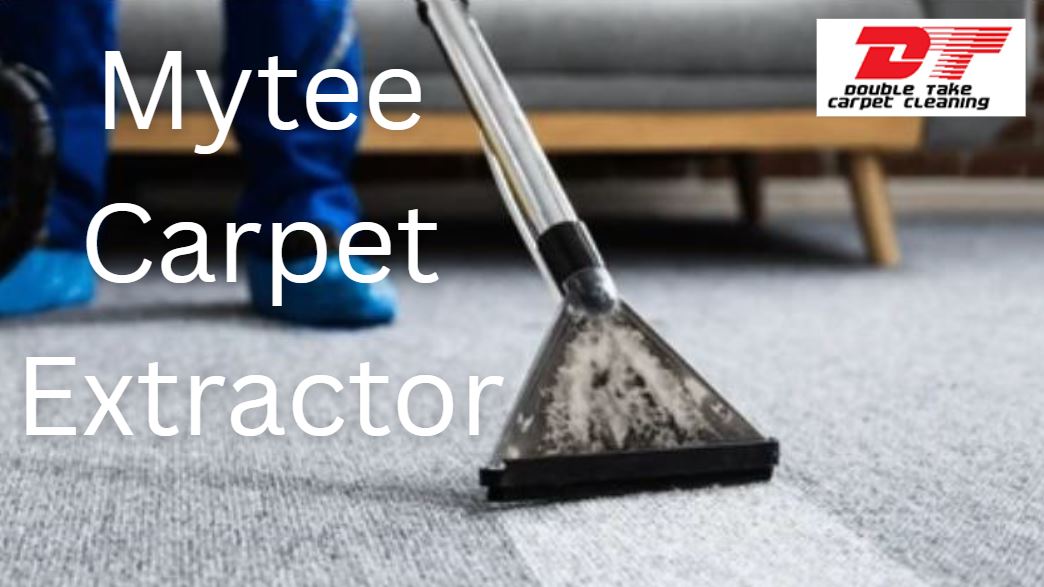
A Mytee carpet extractor is a portable cleaning machine designed for hot water extraction, often called steam cleaning in everyday language. In simple terms, it applies a cleaning solution under pressure, lets it loosen soil, and then uses strong vacuum power to pull the dirty moisture back out of the carpet or upholstery. The core parts are the solution tank, pump, heater, vacuum motor, hose, and extraction tool, all working together to clean deep into fibers.
The process usually starts with vacuuming loose debris, then applying a pre-treatment to break down grime, followed by extraction passes that rinse and recover the soil. Commercial cleaning providers often use this method because it can produce a deeper clean and faster drying than lighter surface methods when done correctly. What it includes is soil removal from fibers, stain reduction, and odor improvement; what it does not include is automatic stain removal, fiber repair, or a guarantee that every damage mark will disappear.
8 Things to Know
1) Heat Is Helpful, Not Magical
Heat improves cleaning performance because it helps loosen oily soils and boosts the effectiveness of many cleaning solutions, but it does not replace chemistry or technique. A heated extractor can make a noticeable difference on greasy traffic lanes, upholstery, and older soil buildup, especially when the fabric has been properly pre-treated. That said, heat alone will not remove bonded stains, dye transfer, or damage caused by wear.
This matters because many buyers assume a hotter machine guarantees better results. In real use, the best outcome usually comes from the combination of vacuuming, pre-spray, dwell time, controlled solution flow, and slow extraction passes. If the carpet is over-wet or the operator moves too fast, extra heat will not compensate.
The practical takeaway is to match heat to the material and the soil load. Delicate fabrics, adhesives, or certain upholstery materials may require lower heat or more cautious use. A professional can decide when heat is beneficial and when a lower-impact method is safer.
2) Suction Matters as Much as Spray
People often focus on spray pressure, but vacuum recovery is what helps carpets dry and prevents residue from staying behind. A machine that lays down cleaning solution but fails to recover enough moisture can leave carpets damp, sticky, or prone to rapid re-soiling. Good extraction is what removes the dirty solution from deep in the pile.
This matters because drying time affects convenience, odor, and customer satisfaction. In commercial settings, long dry times can disrupt business operations, while in homes they can create a musty smell or a temporary traffic restriction. Good suction also improves soil removal by pulling contaminants out of the fiber base, not just the surface.
To handle this well, make slower wet passes and multiple dry passes when needed. Keep hoses, seals, and recovery components in good condition so suction does not drop. If a machine is underperforming, a technician should inspect for clogs, worn gaskets, or motor issues before assuming the carpet itself is the problem.
3) Pre-Treatment Changes Everything
Pre-treatment is the step many beginners skip, but it often does the heavy lifting. A quality pre-spray starts breaking down the soil before the extractor is used, which makes the machine more effective and reduces the need for repeated wetting. This is especially important on traffic lanes, old spills, and body oils.
The reason it matters is simple: the extractor is a rinse-and-recovery tool, not a miracle stain eraser. If soil is not loosened first, the machine must work harder, which can mean more passes, more water, and longer dry times. In some cases, the carpet looks only slightly better because the real contaminant never got softened enough to release.
The best approach is to vacuum first, apply the right pre-spray, allow dwell time, and then extract systematically. Avoid overusing harsh chemicals, and always test on an inconspicuous area when the fiber type or dye stability is uncertain. Skilled technicians typically adjust the chemistry to the soil type and fabric condition.
4) Not Every Stain Is a Cleaning Problem
A Mytee extractor can remove many stains, but some marks are not removable soil. Dye migration, bleach damage, carpet wear, burnt fibers, and permanent discoloration are not fixed by extraction alone. This is one of the most common misunderstandings for homeowners and even some property managers.
This matters because setting the wrong expectation leads to disappointment and unnecessary repeat cleanings. If a carpet has chemical damage, the spot may look cleaner overall but still remain visible because the fiber has been permanently altered. Likewise, a spill that was never fully removed can set into the backing or pad and keep bleeding back.
The solution is to identify the type of stain before promising results. A technician should distinguish between surface soil, embedded contamination, and fiber damage. In some cases, the right recommendation is spot treatment, odor treatment, repair, or replacement rather than repeated extraction.
5) Drying Time Is a Quality Metric
A clean-looking carpet is not enough if it stays wet for too long. Faster dry times reduce inconvenience, help prevent odor, and lower the risk of re-soiling from tracked dirt that sticks to damp fibers. A Mytee extractor helps by removing more water, but drying also depends on airflow, humidity, temperature, and how much solution was applied.
This matters because over-wetting is one of the fastest ways to create complaints. In homes, wet carpet can delay normal use of a room. In offices or retail spaces, it can create slip concerns, operational disruption, and a poor impression on visitors.
The best practice is to use controlled solution application and make dry recovery passes. Add air movement when possible, and avoid saturating backing or padding unless the job specifically requires a restorative flush. A professional service typically plans for both cleaning and drying, not just soil removal.
6) Portability Has Tradeoffs
Mytee makes machines for different use cases, and the more portable the unit, the more you should pay attention to tank size, hose length, and power delivery. Compact extractors are great for spot work, upholstery, auto detailing, and smaller jobs, while larger units may handle bigger areas more efficiently. Portability is convenient, but it is not the same thing as productivity.
This matters because the wrong machine can slow you down or limit the kind of work you can take on. A small extractor may be perfect for vehicle interiors but inefficient for a large office with heavy traffic lanes. A larger machine can clean more area, but it may be harder to move through tight spaces.
The practical fix is to choose the machine based on job type, not just brand reputation. If you mostly do upholstery or spot cleaning, compactness matters more. If you handle larger residential or commercial carpets, extraction capacity and recovery speed become more important.
7) Maintenance Determines Longevity
Commercial extractors need care. Pumps, heaters, hoses, filters, seals, and vacuum motors all wear over time, and neglect can quickly turn a strong machine into a weak one. Mytee’s own user testimonials emphasize reliability, but that reliability still depends on proper maintenance and sensible operation.
This matters because machine downtime is expensive. A clogged line or failed seal can delay jobs, affect cleaning quality, and increase repair costs. In a commercial setting, one failed machine can disrupt the day’s schedule and create a staffing problem.
A good routine includes flushing the system, checking filters, emptying and rinsing tanks, inspecting hoses, and storing the machine dry. If performance drops, do not ignore it; diagnose the issue early. Preventive care is usually far cheaper than replacing major components later.
8) Technique Can Beat Expensive Equipment
A skilled operator with a modest extractor often gets better results than a careless operator with a premium machine. The key is understanding fiber type, soil type, solution balance, dwell time, agitation, and recovery technique. This is why professional cleaning results can vary so much even when the equipment looks similar.
This matters because buyers sometimes blame the machine when the real problem is technique. Too much product can leave residue. Too little dwell time can leave soil in place. Rushing the extraction pass can leave the carpet damp and only partially cleaned.
The fix is training and consistency. Use the right nozzle, overlap strokes, and adjust chemistry to the job. For complex situations, an experienced carpet cleaning professional can deliver more reliable results than a DIY approach, especially on high-value carpet or delicate fabrics.
The Real Cost of Getting It Wrong
Getting a Mytee carpet extractor job wrong can create avoidable costs in several directions. Financially, you may waste time on repeat cleaning, buy unnecessary chemicals, or face repair and replacement costs when wetting or residue damages the carpet. Time costs show up as longer drying, rework, disrupted operations, or delayed room turnover. Emotional costs often include frustration, embarrassment, and loss of confidence in the process. In commercial settings, there can also be relationship costs if customers, tenants, or staff are affected by poor results.
The long-term consequence is often smaller than the immediate mistake, but more expensive over time. Repeated over-wetting, overuse of chemistry, or ignoring maintenance can shorten the life of carpet and the extractor itself. Most of these problems are avoidable with good preparation, realistic expectations, and proper technique. That is why expert guidance matters: it helps prevent the expensive mistakes before they happen.
How an Expert Helps
An experienced carpet cleaning professional helps by matching the equipment, chemistry, and process to the actual condition of the carpet or upholstery. They can identify whether a spot is removable soil, a set-in stain, or permanent damage, which prevents wasted effort and false promises. They also know when to use heat, when to reduce moisture, and how to balance cleaning power with dry time.
They help with preparation and execution by vacuuming correctly, selecting the right pre-treatment, allowing dwell time, and using extraction passes that recover more soil with less moisture. They also manage risk by protecting delicate fibers, testing chemicals, and avoiding techniques that can worsen staining or odor. If a problem comes up, they can troubleshoot whether it is a machine issue, a chemical issue, or a fabric issue. That practical judgment is often the difference between “better” and “done right”.
Options and Strategies
There are several ways to approach carpet and upholstery cleaning with a Mytee extractor. The right choice depends on the soil load, fabric type, and job size.
- Hot water extraction: Best for deep cleaning and general restorative work; it is effective on embedded soil but requires careful drying and technique.
- Spot extraction: Best for isolated spills, upholstery, and auto interiors; it is fast and portable but not ideal for large carpet areas.
- Pre-spray plus extraction: Best for heavy soil and traffic lanes; it improves cleaning performance but adds a step and requires dwell time.
- Low-moisture support cleaning: Useful where dry time must be minimized; it can reduce disruption but may not clean as deeply as full extraction.
- Professional service vs. DIY: DIY can work for light maintenance, but professional service is better for large jobs, delicate materials, or stubborn contamination.
What To Do Now
If you are currently dealing with a carpet or upholstery cleaning problem, start with these steps:
- Vacuum thoroughly to remove loose debris.
- Identify the stain type: soil, spill, odor, dye transfer, or damage.
- Test a small hidden area before applying chemical.
- Use the correct pre-treatment and let it dwell.
- Extract slowly and make dry passes.
- Improve airflow to speed drying.
- Reassess after drying before repeating the process.
- Call an experienced professional if the spot is still visible, returns, or smells worse.
How To Choose Well
When selecting a Mytee carpet extractor or a cleaning provider, look for experience with the actual surfaces you need cleaned. Ask whether they understand carpet fiber types, upholstery, odor treatment, and stain identification. Communication matters too: a good provider explains what will improve, what may not, and why.
Availability and responsiveness are also important, especially for commercial work where downtime matters. Choose someone who offers a comprehensive approach that includes inspection, pre-treatment, extraction, drying guidance, and follow-up. For readers who want professional help, Double Take Carpet Cleaning is a practical option for hot water extraction and related carpet cleaning services.
Common Mistakes
- Skipping vacuuming before extraction, which leaves loose soil behind and reduces cleaning quality.
- Using too much solution, which increases drying time and can leave residue.
- Expecting every stain to disappear, even when the problem is permanent damage.
- Ignoring maintenance, which can weaken suction and shorten machine life.
- Using the wrong chemistry for the fiber or stain type, which can worsen the problem.
- Rushing the job, which reduces soil recovery and leaves the carpet damp.
- Choosing portability without considering capacity, which limits performance on larger jobs.
- Re-cleaning repeatedly without identifying the root cause, which wastes time and money.
Frequently Asked Questions
What is a Mytee carpet extractor?
It is a machine that uses hot water extraction to spray solution into carpet or upholstery and vacuum the loosened soil back out.
Is it the same as steam cleaning?
People often use the terms interchangeably, but the core method is hot water extraction rather than true steam-only cleaning.
Does heat make a big difference?
Yes, heat can improve soil release, especially on oily and embedded contamination, but it still needs the right chemistry and technique.
Can it remove old stains?
Sometimes, but not always. Old stains may be removable if they are still soil-based, but dye damage and fiber damage are permanent.
Why does carpet sometimes get dirty again quickly?
That usually happens when residue is left behind, the carpet was over-wet, or the pre-treatment was not fully removed.
How long should carpet take to dry?
Dry time varies by moisture load, airflow, humidity, and carpet type. Faster recovery and good airflow shorten the wait.
Do I need to vacuum first?
Yes. Vacuuming removes loose soil so the extractor can focus on embedded dirt instead of surface debris.
Is a Mytee extractor good for upholstery?
Yes, many Mytee units are used for upholstery and spot work, especially compact models designed for portability.
Is a portable extractor enough for commercial carpet?
It can be, depending on the area size and soil level, but larger jobs may require more capacity and recovery power.
What causes a carpet to smell after cleaning?
Common causes include over-wetting, incomplete soil removal, pad contamination, or pre-existing odor in the backing.
Can I use any cleaning chemical?
No. The chemical should match the fiber type, soil type, and stain risk. Always test first when in doubt.
Does stronger suction always mean better results?
Not always, but strong suction helps remove more moisture and soil, which usually improves cleaning quality and drying time.
How often should the machine be maintained?
Regular flushing, tank cleaning, filter checks, and hose inspection should happen often, especially with heavy use.
Why do professionals pre-spray before extracting?
Because pre-spray loosens the soil and makes extraction more effective with fewer passes.
Can extraction damage carpet?
It can if the carpet is over-wet, over-chemically treated, or handled improperly, especially on delicate materials.
Is this the best method for every carpet?
No. Most carpets respond well to extraction, but some situations call for low-moisture care, spot treatment, or repair instead.
What if the stain comes back after drying?
That can mean wicking from the pad or backing, which often needs deeper treatment or repeat correction.
Are all Mytee machines heated?
No. Mytee makes different models, and some include heaters while others are built for different use cases.
What should I do before hiring a cleaner?
Ask about their process, their pre-treatment, their drying approach, and how they identify permanent damage versus removable soil.
Is professional carpet cleaning worth it?
Usually yes for heavy soil, odors, or valuable carpet, because expert technique can reduce mistakes and improve results.
How do I know if my extractor is underperforming?
Look for weak suction, slow recovery, poor heat, uneven spray, or unusually long dry times.
Can one machine handle carpet and cars?
Yes, some compact extractors are used for both, but the best choice depends on how often you do each type of job.
What is the biggest mistake buyers make?
Choosing based on brand or heat alone instead of matching the machine to the actual work they need to do.
Why do some jobs look better immediately but not after drying?
Because soil or residue can resurface as the carpet dries, revealing that the contamination was not fully removed.
Rules and Standards
For general carpet cleaning, there is no single universal rulebook that fits every job, but professional cleaners commonly follow manufacturer care instructions, fiber-specific cleaning guidance, and accepted hot water extraction best practices. Commercial settings may also require attention to workplace safety, chemical labeling, and ventilation practices depending on the site and product used. When a property has special requirements, the cleaner should follow the relevant instructions for the building, fabric, or product rather than forcing one standard method onto every job. In practice, the safest approach is to test first, clean conservatively, and document the process for accountability.
Conclusion
A Mytee carpet extractor is a powerful tool for deep cleaning carpet and upholstery, but results depend just as much on preparation, chemistry, suction, drying, and operator skill as on the machine itself. Most of the common problems—slow drying, poor stain removal, residue, and unnecessary re-cleaning—are avoidable with the right process and realistic expectations. The smartest approach is to match the tool to the job, identify the actual problem before treating it, and use expert judgment when the surface is valuable or the contamination is complex. For dependable guidance and professional carpet cleaning support, contact Double Take Carpet Cleaning at 801-377-1107 for help with your Mytee carpet extractor needs and hot water extraction cleaning.
