
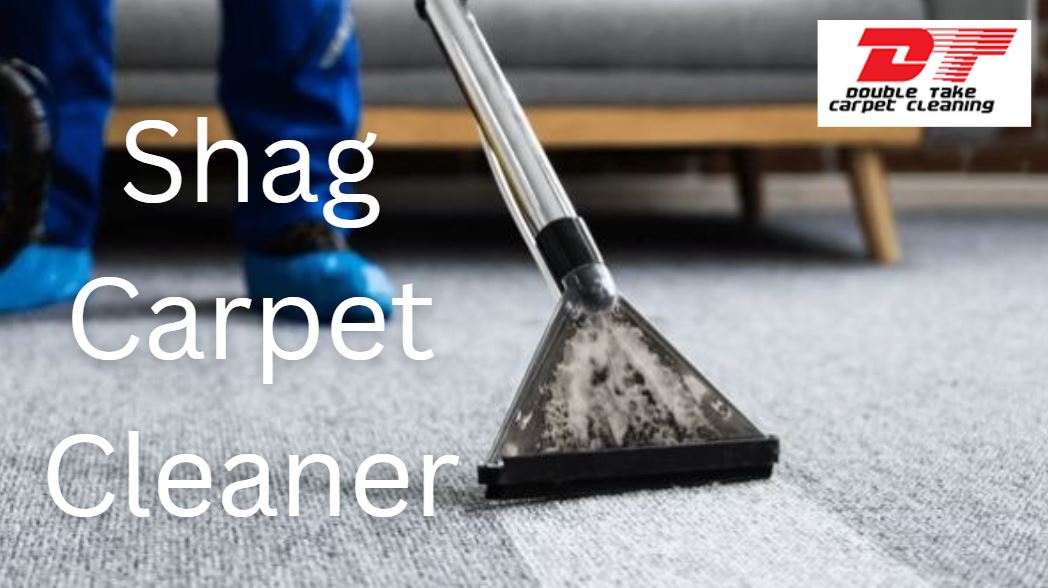
A shag carpet cleaner is not one specific machine or product. It is the combination of the right vacuum, gentle spotting method, controlled moisture, and—when needed—a professional cleaning process suited to long, high-pile carpet or shag rugs. Shag fibers trap more dust, pet hair, grit, and spills than low-pile carpet, while their long strands are easier to snag, mat, over-wet, or distort with aggressive cleaning.
The most important takeaway is this: treat shag carpet gently and avoid “more power equals cleaner” thinking. Use suction without an aggressive beater bar when appropriate, vacuum slowly, blot spills rather than scrub, test any cleaner in a hidden area, and keep moisture to a minimum unless the rug manufacturer permits wet extraction. For wool, handmade, vintage, viscose, silk, or unknown shag rugs, professional assessment is usually the safest option. This guide explains how shag carpet cleaning works, common mistakes, the best cleaning options, and when Double Take Carpet Cleaning should be involved.
What Is a Shag Carpet Cleaner and How Does It Work?
“Shag carpet cleaner” can describe a vacuum, a spot cleaner, a low-moisture cleaning product, a carpet extractor, or a professional service used to clean long-pile carpet and shag rugs safely.
Shag carpet differs from standard carpet because it has longer fibers, a deeper pile, and more space between strands. That construction gives it a soft, textured appearance, but it also allows dry soil, hair, crumbs, and liquids to travel deeper into the pile.
A shag-safe cleaning process usually includes:
- Identifying the fiber, backing, construction, and care label.
- Removing dry soil with a suitable vacuum or suction-only attachment.
- Treating fresh spills immediately with controlled blotting.
- Testing any cleaning product in a hidden area.
- Using the least aggressive cleaning method that will remove the soil.
- Grooming the pile gently as needed.
- Ensuring the carpet or rug dries completely before regular use.
Shag can be made from synthetic fibers such as polyester, nylon, polypropylene, or acrylic. It may also be made from wool, cotton, viscose, silk blends, leather strips, or other specialty materials. The safest cleaning method depends far more on the fiber and backing than on whether the rug is simply labeled “shag.”
The Institute of Inspection, Cleaning and Restoration Certification’s ANSI/IICRC S100 standard describes procedures, methods, and systems for professional maintenance and cleaning of residential and commercial textile floor coverings, including carpets and rugs.
A shag carpet cleaner may help with normal maintenance. It does not automatically make a shag rug safe to wet clean, steam clean, scrub, or machine extract.
8 Essential Things to Know About Shag Carpet Cleaning
1. Identify the Fiber Before Choosing a Shag Carpet Cleaner
The first step is identifying what the shag carpet or rug is made of. Long pile alone does not tell you whether a material is durable, moisture-sensitive, colorfast, or safe for extraction.
Synthetic shag rugs are often more forgiving than natural or regenerated fibers, but they still can mat, snag, or retain residue. Wool shag requires more caution because it absorbs moisture readily and can brown, shrink, or bleed if cleaned with unsuitable chemistry or excessive water. Viscose and silk-like fibers can be especially vulnerable to water marks, texture changes, dye movement, and permanent distortion.
Look for a manufacturer care label, original purchase information, or tags on the underside. If there is no label, do not assume the rug is synthetic. A high-value, handmade, vintage, or unknown-fiber shag rug deserves professional evaluation before any wet cleaning attempt.
Warning signs that you should avoid DIY wet cleaning include:
- A handmade or hand-knotted construction.
- Fringe that appears integral to the rug.
- No care label or unknown fiber type.
- Long wool, viscose, silk, leather, or mixed-fiber strands.
- Unstable dye colors or a history of bleeding.
- Delaminating, cracked, or loose backing.
- A rug that has been exposed to pet urine or water damage.
The WoolSafe Organisation advises consumers to look for the WoolSafe logo on cleaning products intended for wool carpets and rugs.
When you are uncertain, choose dry soil removal and professional advice over aggressive cleaning. A cleanable stain is preferable to permanent fiber damage.
2. Vacuuming Shag Requires Lower Aggression and Better Technique
Vacuuming is the foundation of shag carpet care, but the wrong vacuum setting can pull, snag, twist, or mat long fibers. An aggressive rotating brush roll can catch strands, especially on loose, thick, or looped shag construction.
Use the least aggressive effective setting. A suction-only mode, adjustable-height vacuum, upholstery attachment, or brush roll turned off may be best depending on your vacuum and rug type. BISSELL’s shag-rug guidance specifically recommends removing the brush roll when using its referenced vacuum and making slow, deliberate passes in the direction of the pile.
For wall-to-wall shag carpet, start with a small hidden area to make sure the vacuum does not pull fibers or leave tracks. For area rugs, use a handheld tool or upholstery attachment rather than forcing a full upright vacuum through dense pile.
Effective shag-vacuuming practices include:
- Vacuum slowly in the direction the fibers naturally lay.
- Use the lowest suction level that still removes visible debris.
- Turn off the beater bar or brush roll if the manufacturer recommends it.
- Use attachments along edges and around furniture.
- Check the vacuum head frequently for wrapped fibers.
- Empty the vacuum before suction drops.
- Shake small, durable rugs outdoors when practical and permitted.
The Carpet and Rug Institute recommends vacuuming based on traffic level: daily for high-traffic or pet-heavy areas, about twice weekly for medium traffic, and weekly for light traffic.
Regular, gentle vacuuming reduces the need for aggressive deep cleaning later.
3. Blot Spills Immediately—Never Scrub Shag Fibers
Shag carpet’s deep pile can hide a spill while allowing it to spread downward. A beverage, pet accident, sauce, or greasy food spill may travel beneath the visible surface and soak the rug backing or carpet pad before the top looks seriously affected.
Act quickly. Remove solids with a spoon or dull edge. Then blot liquids with clean white towels, working from the outside edge toward the center. Replace towels often. Continue until little moisture transfers to the towel.
Do not scrub. Scrubbing twists long fibers, spreads the stain, pushes contamination deeper, and can permanently change the texture of a shag rug. The Carpet and Rug Institute advises blotting spills rather than brushing or scrubbing, because aggressive agitation can fray fibers and alter carpet texture.
If a compatible spot cleaner is permitted:
- Test it in a hidden area first.
- Apply it sparingly to a cloth rather than flooding the pile.
- Blot instead of rubbing.
- Use minimal moisture.
- Rinse only as directed by the product instructions.
- Blot again with dry towels.
- Provide airflow until completely dry.
A practical example: if red juice spills onto a deep white shag rug, first remove excess liquid with towels. Do not immediately pour cleaner over the entire stain. That can drive colored liquid deeper into the backing. Controlled blotting, careful testing, and minimal moisture give you a better chance of saving the rug.
4. Long Pile Makes Overwetting a Serious Risk
Shag carpet can hold a surprising amount of moisture. Long fibers, thick backing, dense construction, and underlying padding make it harder for water to escape. A shag rug may feel dry at the surface while remaining damp near the base.
Overwetting can lead to:
- Long drying times.
- Musty or sour odor.
- Dye bleeding.
- Browning, especially in some natural fibers.
- Backing delamination.
- Mold or mildew concerns.
- Wicking, where stains rise back to the surface while drying.
- Permanent texture changes or pile collapse.
This is why a standard rental carpet machine is not automatically the best shag carpet cleaner. A machine may apply too much water, have a brush roll that catches fibers, or lack the recovery power to remove moisture from a deep pile.
Use wet extraction only when the fiber, backing, and manufacturer instructions support it. Even then, avoid repeated wet passes. Use minimal solution, make extra dry recovery passes, and accelerate drying with fans, ventilation, and low humidity.
For a shag rug with a latex, glue, or fabric backing, excessive water can weaken adhesives or cause rippling. For a wool shag rug, water can create browning and dye instability. For viscose, water can leave irreversible marks or texture changes.
If your rug has been soaked by a pet accident, leak, or floodwater, do not rely on surface blotting alone. The moisture may be deep in the backing or pad. Contact Double Take Carpet Cleaning for a practical assessment before odor or material damage becomes more difficult to correct.
5. Choose a Shag Cleaner Based on the Job, Not the Marketing
The best shag carpet cleaner is not automatically a carpet shampooer, a steam cleaner, or a high-powered vacuum. It is the least aggressive method that removes the specific type of soil without damaging the pile.
For dry soil, pet hair, and crumbs, gentle vacuuming or controlled shaking may be enough. For a small fresh spill on a synthetic, colorfast rug, careful spot cleaning with a tested product may work. For light surface soil in a moisture-sensitive rug, a dry-compound or low-moisture professional method may be appropriate.
For deeper soil in installed synthetic shag carpet, a carefully controlled professional extraction method may be appropriate. But that decision should consider pile density, fiber, backing, prior cleaning residue, and drying conditions.
Avoid common but risky shortcuts:
- Do not use a steam mop on shag carpet.
- Do not use a rotating brush machine unless it is suited to the pile.
- Do not soak a rug because an online “hack” recommends it.
- Do not use bleach, laundry detergent, dish soap, or concentrated household chemicals.
- Do not use a high-powered beater bar without testing.
- Do not assume a rug is washable because it looks synthetic.
The IICRC S100 framework emphasizes evaluating carpet type, characteristics, and condition when choosing a cleaning procedure.
A method that works safely on standard low-pile nylon carpeting can be completely unsuitable for long-pile shag.
6. Shag Rugs Need Grooming After Cleaning
Shag carpet does not always look “finished” immediately after cleaning. Long fibers can dry in clumps, lean in different directions, or appear matted even when soil has been removed. Gentle grooming helps restore a more even appearance.
After the rug is fully dry—or at the point recommended for the material—use a wide-tooth comb, carpet rake designed for long pile, or your fingers to separate fibers gently. Work in the natural direction of the pile. Do not yank, pull, or repeatedly brush the same area.
A carpet rake can be useful on durable synthetic shag carpeting with a stable construction. It may not be appropriate for fragile wool, viscose, leather, or handwoven rugs. Always start with light pressure in an inconspicuous section.
Grooming can help:
- Lift flattened fibers.
- Reduce visible cleaning lines.
- Even out traffic patterns.
- Separate clumps after drying.
- Improve the rug’s texture and appearance.
However, grooming does not repair permanent pile damage. Crushed fibers, melted fibers, pulled strands, burn marks, and wear may not return to their original condition. In some cases, a rug that appears dirty is actually worn or structurally damaged.
For high-traffic shag carpet, rotate movable area rugs periodically to distribute sun exposure and foot traffic. For wall-to-wall shag, use furniture pads and consider layout changes if one section is consistently crushed.
The goal is to protect the fiber before it becomes permanently distorted. Consistent vacuuming, prompt spotting, and occasional gentle grooming are better than attempting to restore severely matted pile all at once.
7. Pet Hair, Urine, and Odor Need Separate Solutions
Pet hair is primarily a dry-soil and fiber-management issue. A suction-only vacuum, upholstery tool, lint roller, rubber squeegee, or controlled grooming method may help remove it from shag fibers. Avoid aggressive brush rolls that wrap hair and pull strands.
Pet urine is different. It is a contamination and moisture issue. A surface spot may be visible, but urine can travel down long fibers and into backing, pad, or flooring. The deeper pile in shag carpet makes it harder to know how far the liquid traveled.
For a fresh pet accident:
- Blot repeatedly with plain white towels.
- Remove as much urine as possible before adding any cleaner.
- Test a compatible pet-specific product in a hidden area.
- Apply minimally and avoid flooding.
- Blot and extract carefully if the rug is approved for extraction.
- Dry thoroughly with airflow.
The Carpet and Rug Institute recommends prompt cleanup of pet spots and warns against using steam on urine, as heat can set the stain and odor.
If odor returns after drying, the contamination likely remains beneath the surface. Repeatedly adding cleaner can make the problem worse by spreading moisture. A professional can assess whether the rug needs specialized washing, subsurface treatment, pad replacement, or other odor-control steps.
8. Some Shag “Stains” Are Permanent Damage
A key professional judgment is distinguishing a removable stain from permanent damage. Cleaning removes foreign material. It cannot restore carpet dye, repair melted fibers, or reverse chemical damage.
Common permanent problems include:
- Bleach spots.
- Hair dye damage.
- Burn marks.
- Sun fading.
- Color loss from harsh cleaners.
- Melted synthetic fibers.
- Excessive pile wear.
- Pulled or broken strands.
- Backing failure or delamination.
In shag carpet, permanent damage may show up as a lighter patch, rough texture, a flat area that will not lift, a melted cluster, or a visibly different fiber direction. Cleaning can remove surface soil around the damaged area, sometimes making the damage more noticeable.
If a spot does not respond to safe testing, if the color seems missing rather than covered, or if the fibers feel brittle or altered, stop cleaning. More chemical and moisture can create a larger problem.
A professional can help evaluate whether grooming, color correction, repair, patching, or replacement is realistic. Knowing the difference early prevents wasted time and avoids turning a small issue into a costly replacement project.
The Real Cost of Getting Shag Carpet Cleaning Wrong
Shag carpet is often more expensive to replace than standard low-pile carpeting, and cleaning mistakes can be permanent. Financial costs may include ruined backing, dye bleeding, shrinkage, delamination, fiber distortion, or a full rug replacement after an overly aggressive DIY cleaning attempt.
Time costs are also high. Long pile dries slowly, and a wet shag rug can require extended airflow, furniture movement, repeated towel blotting, and monitoring for odor or wicking. A rental machine that works acceptably on standard carpet may leave shag wet for far too long.
There can be emotional and relational costs as well. Shag rugs are often statement pieces, family purchases, or expensive décor items. Damage can lead to frustration, tenant-owner disagreements, or disputes over responsibility after pet accidents, spills, or move-out inspections.
Long-term risks include retained soil wearing down fibers, ongoing odor from hidden pet contamination, and progressive backing damage. Most of these problems can be avoided by using gentle vacuuming, minimal moisture, compatible cleaning products, and professional guidance before attempting wet extraction on a valuable or unknown shag rug.
How an Experienced Carpet Cleaning Professional Helps
An experienced carpet-cleaning professional evaluates more than the visible pile. They look at fiber type, dye stability, backing construction, pile length, traffic wear, stain source, moisture level, previous cleaning attempts, and the likelihood of successful cleaning.
Double Take Carpet Cleaning can help homeowners, renters, property managers, and businesses make safer shag-carpet decisions. Professional guidance is useful for:
- Identifying shag fiber and construction.
- Evaluating whether wet extraction, low-moisture cleaning, or dry soil removal is appropriate.
- Treating difficult stains without aggressive brushing.
- Managing pet odor and repeated urine contamination.
- Reducing drying time and moisture risk.
- Addressing heavily matted areas and traffic soil.
- Advising when a rug needs specialty off-site cleaning, repair, or replacement.
- Creating a routine maintenance plan that protects the pile.
Professional advice is especially important when a shag rug is wool, viscose, silk, handmade, vintage, expensive, unlabelled, or already damaged. The cost of an inspection is often far lower than the cost of replacing a damaged rug.
For expert guidance on shag carpet cleaning, difficult spots, pet odor, or carpet maintenance, contact Double Take Carpet Cleaning at (801) 377-1107.
Shag Carpet Cleaner Options and Alternatives
Suction-Only Vacuum or Adjustable Vacuum
A suction-only vacuum or a vacuum with the brush roll disabled can remove dry soil without aggressively pulling long fibers.
It is appropriate for routine maintenance, hair, crumbs, and surface dust. Its drawback is that it will not remove deep stains, oils, or pet urine contamination.
Handheld Upholstery Tool
A handheld upholstery or vacuum tool provides more control around rug edges, thick pile, furniture, and delicate spots.
It is appropriate for cautious routine vacuuming. It is slower than a full-size vacuum and may not reach deeply embedded debris without repeated gentle passes.
Dry Compound or Low-Moisture Cleaning
A dry-compound or low-moisture process can remove light soil while reducing drying risk. It is often a better choice than heavy wet extraction for some moisture-sensitive shag rugs.
Its limitation is that it may not remove deeply embedded soil or correct pet odor below the backing. Residue must also be thoroughly vacuumed out.
Controlled Hot-Water Extraction
Professional hot-water extraction may be suitable for some installed synthetic shag carpet or approved rugs. It uses carefully measured solution, agitation, and recovery.
It should be avoided on rugs with unknown, delicate, unstable, or moisture-sensitive fibers unless a qualified professional confirms the method is safe.
Professional Specialty Cleaning
Specialty cleaning is appropriate for wool, viscose, silk, handmade, antique, or high-value shag rugs; significant pet contamination; water damage; dye instability; or severe staining.
It may cost more than routine cleaning, but it provides a safer process when replacement risk is high.
What to Do If You Are Dealing With a Shag Carpet Problem
- Identify the problem: dry soil, fresh spill, pet accident, odor, matting, water damage, or unknown stain.
- Check for a care label and identify the fiber if possible.
- Stop active leaks or water sources immediately.
- Remove dry debris with gentle suction; avoid aggressive brush rolls.
- Blot fresh spills with white towels—do not scrub.
- Test any cleaner in a hidden area before treating a visible section.
- Use the minimum moisture necessary.
- Avoid steam cleaning, bleach, dish soap, laundry detergent, and unapproved chemicals.
- Blot and dry thoroughly with airflow.
- Groom gently only after the rug is dry and only if the fiber can tolerate it.
- Watch for dye transfer, browning, odor, wicking, or backing changes.
- Contact Double Take Carpet Cleaning before further DIY cleaning if the rug is delicate, odor persists, carpet remains wet, or the stain does not improve.
How to Choose the Right Shag Carpet Cleaner or Provider
Use this checklist before choosing a shag rug cleaner, vacuum, product, or service:
- Confirm the rug’s fiber, backing, and manufacturer care instructions.
- Choose suction control and brush-roll control over maximum power.
- Look for a vacuum with adjustable height or a suction-only setting.
- Avoid products that do not identify appropriate fibers or usage instructions.
- Choose the least aggressive cleaning method that fits the soil condition.
- Test any spot cleaner before visible use.
- Ask a provider about experience with long-pile, wool, viscose, handmade, and specialty rugs.
- Ask how the provider controls moisture, protects dyes, and manages drying.
- Expect clear explanation of what is removable soil versus permanent damage.
- Choose Double Take Carpet Cleaning for practical guidance on shag carpet, stains, pet-related issues, and appropriate professional cleaning options.
Contact Double Take Carpet Cleaning at (801) 377-1107.
Common Mistakes People Make With Shag Carpet Cleaners
- Using an aggressive beater bar: Long fibers can wrap around the brush roll, snag, or become permanently matted.
- Treating all shag rugs as synthetic: Wool, viscose, silk, and handmade shag require more careful methods.
- Scrubbing a spill: Scrubbing spreads stains, twists fibers, and pushes contamination deeper.
- Overwetting the rug: Thick pile and backing may stay damp long after the surface feels dry.
- Using a rental extractor without testing: High moisture and unsuitable brushes can damage shag.
- Adding household cleaners to carpet machines: Dish soap, bleach, laundry detergent, and similar products can leave residue or cause damage.
- Ignoring pet odor after surface cleaning: Persistent odor usually means contamination remains below the pile.
- Skipping drying and grooming: Poor drying can lead to odor; lack of gentle grooming can leave pile clumped or uneven.
Frequently Asked Questions
What is the best shag carpet cleaner?
The best shag carpet cleaner is the least aggressive method that matches the fiber, backing, and soil condition. For routine care, a suction-only or brush-roll-off vacuum is often the safest starting point.
Can I use a regular vacuum on shag carpet?
Sometimes, but use a setting that will not pull or wrap long fibers. Turn off the brush roll if possible, use lower suction, and test a hidden area first.
Should I use a beater bar on a shag rug?
Usually avoid it unless the rug and vacuum manufacturer specifically permit it. Beater bars can snag, pull, and mat long fibers.
How often should I vacuum shag carpet?
It depends on traffic. The Carpet and Rug Institute suggests daily vacuuming in high-traffic or pet areas, twice weekly for medium traffic, and weekly in lighter-traffic areas.
Can I shampoo shag carpet?
Only if the carpet or rug manufacturer permits wet cleaning and the method is appropriate for the material. Thick shag can be easily over-wet and difficult to dry.
Can I steam clean shag carpet?
Do not use steam without verifying that the fiber and backing permit it. Steam and heat can increase moisture risk and may damage delicate rugs.
Can I use a carpet-cleaning machine on a shag rug?
Only if the rug is approved for wet extraction and you can control moisture and brush action. Valuable, wool, handmade, or unknown shag rugs should be professionally evaluated first.
Can I use a Bissell carpet cleaner on shag carpet?
Check both the Bissell machine instructions and the carpet manufacturer’s care label. A standard extractor may be too wet or too aggressive for some shag rugs.
How do I remove pet hair from shag carpet?
Use gentle suction, an upholstery attachment, a rubber squeegee, or a lint-removal tool. Avoid a high-speed brush roll that can catch long fibers.
How do I remove pet urine from shag carpet?
Blot immediately, use minimal compatible pet cleaning solution after testing, and dry thoroughly. Persistent odor may mean urine reached the backing, pad, or subfloor and needs professional treatment.
Why does my shag rug smell after cleaning?
It may be too wet, have contamination below the fibers, retain cleaning residue, or have a backing that has not dried completely.
How long does shag carpet take to dry?
Drying time varies with fiber, pile depth, humidity, airflow, solution amount, and backing. Shag typically takes longer than low-pile carpet.
Can I use baking soda on shag carpet?
Use caution. Fine powder can be difficult to remove from dense pile and may leave residue. Do not use it as a substitute for addressing the source of an odor.
Can I use vinegar on shag carpet?
Do not use vinegar unless the rug manufacturer or cleaning professional confirms it is appropriate. It can affect dyes, fibers, and backing.
Can I use dish soap on shag carpet?
No. Dish soap may leave residue, create excessive foam, and cause rapid re-soiling or difficult rinsing.
Can I use bleach on shag carpet?
No. Bleach can permanently remove color and damage fibers.
Can I clean a wool shag rug myself?
Routine gentle vacuuming and limited spot blotting may be appropriate if the care label permits it. For deep cleaning, old stains, or unknown wool rugs, professional care is safer.
Can I clean a viscose shag rug myself?
Use extreme caution. Viscose is highly sensitive to moisture and can develop water marks, browning, and texture damage. Seek professional advice before wet cleaning.
How do I fluff matted shag carpet?
Once it is fully dry, gently separate fibers with your fingers, a wide-tooth comb, or a suitable carpet rake. Do not pull hard or use aggressive brushing.
Why is my shag rug flat in one area?
Heavy traffic, furniture pressure, soil, moisture, or fiber wear can flatten the pile. Grooming may improve temporary flattening, but permanent wear cannot always be restored.
Can I use a carpet rake on shag?
A rake may work on durable synthetic shag if used gently. Avoid it on delicate, handwoven, wool, viscose, or leather shag unless the manufacturer permits it.
Can I use dry carpet-cleaning powder on shag?
Only if the product is approved for the rug fiber and can be completely vacuumed from the deep pile. Powders can be difficult to remove from dense shag.
Can a shag rug be professionally cleaned in the home?
Some can. Others may need specialty cleaning based on fiber, backing, staining, and dye stability. The method should be chosen after inspection.
Can professional cleaning remove all shag-rug stains?
No. Results depend on the stain type, age, fiber, previous treatment, and whether the issue is stain versus permanent damage.
What does it mean if color comes off on my towel?
Color transfer can indicate dye instability. Stop cleaning, avoid adding more moisture or chemicals, and seek professional guidance.
Can shag carpet be repaired if it is damaged?
Some damage may be repairable, depending on the issue. Burns, bleach spots, pulled fibers, and backing failure may require repair, patching, color correction, or replacement.
When should I call a professional for shag carpet?
Call when the rug is wool, viscose, silk, handmade, expensive, unlabeled, soaked, heavily stained, pet-contaminated, or showing odor, dye transfer, browning, or backing damage.
Key Rules, Laws, and Standards to Know
No universal law dictates how a homeowner must clean shag carpet. The key requirements are the rug or carpet manufacturer’s care instructions, product labels, warranty terms, and safe equipment operation.
The ANSI/IICRC S100 standard establishes recognized procedures for evaluating textile floor-covering type and condition, selecting cleaning methods, removing soil, and supporting indoor environmental quality.
The Carpet and Rug Institute recommends regular vacuuming, careful and prompt spill response, and avoiding aggressive scrubbing that may fray fibers or change carpet texture.
For wool carpets and rugs, choose products appropriate for wool and follow product-label instructions. The WoolSafe Organisation provides consumer resources on wool carpet and rug care.
Conclusion
Shag carpet and shag rugs can stay attractive for years when they are cleaned with patience and the correct level of care. The most effective shag carpet cleaner is usually not the most aggressive machine—it is a gentle, fiber-appropriate system that removes dry soil, treats spills quickly, controls moisture, and protects the long pile.
Avoid aggressive brush rolls, excessive water, harsh chemicals, and repeated scrubbing. When a shag rug is valuable, delicate, heavily stained, pet-contaminated, or slow to dry, professional guidance can prevent costly permanent damage.
For help with shag carpet cleaning, pet odor, stain evaluation, or a maintenance plan that protects your long-pile carpet, contact Double Take Carpet Cleaning at (801) 377-1107 for clear, practical support.
