
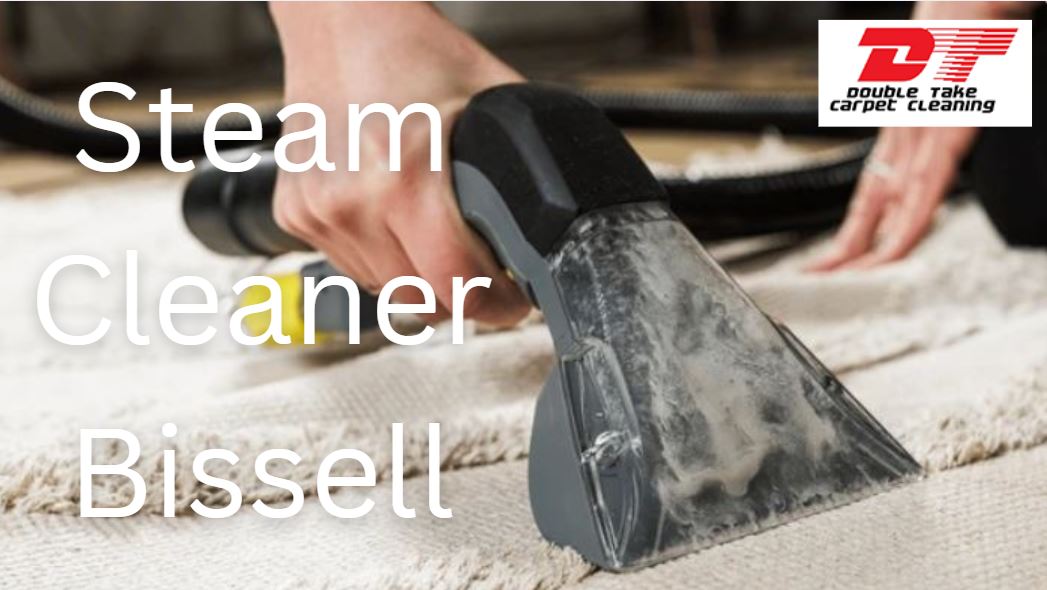
A Bissell steam cleaner is a water-based cleaning appliance that heats water and releases steam to loosen grime on suitable hard, sealed surfaces. Depending on the model, it may be a handheld steam cleaner for detailed work, a steam mop for floors, or a multipurpose steamer with tools for grout, fixtures, appliances, and other hard-to-reach areas. The key takeaway is simple: steam can be highly effective for loosening soil without relying on added cleaning chemicals, but it is not appropriate for every surface, every stain, or every sanitation need.
Homeowners, renters, property managers, and cleaning teams often choose a Bissell steam cleaner because it can speed up routine maintenance and reduce reliance on chemical products. However, excessive heat and moisture can damage unsealed flooring, waxed surfaces, some laminate, delicate fabrics, painted finishes, and certain countertop materials. This guide explains how Bissell steam mops and handheld steam cleaners work, where they are useful, the mistakes to avoid, and when professional carpet and floor-cleaning support from Double Take Carpet Cleaning is the safer option.
What Is a Bissell Steam Cleaner and How Does It Work?
A Bissell steam cleaner is an appliance that heats water inside a boiler or heating chamber and directs pressurized steam through a mop head, nozzle, hose, or accessory tool. The steam softens or loosens surface soil, oils, dried-on residues, and grime so they can be lifted with a microfiber pad, cloth, brush, or wiped surface.
The basic process has four stages:
- Fill the machine’s water reservoir as directed by the manufacturer.
- Allow the unit to heat until it produces steam.
- Apply steam in controlled passes to a surface approved for steam cleaning.
- Wipe away loosened soil and allow the area to dry fully.
Bissell steam-cleaning products include handheld units, steam mops, multipurpose steam cleaners, and models with accessories for detail cleaning. The correct procedure depends on the product model, so users should locate the specific manual before operating or troubleshooting their unit. BISSELL provides a manual library for its products.
Steam cleaning is primarily a cleaning method. It can help remove visible soil, but it does not automatically mean a surface has been disinfected or sanitized to a recognized standard. Cleaning removes dirt and many germs from a surface; disinfection requires an appropriate product or method used according to verified directions and contact times. When disinfection is necessary, follow applicable product labels and facility procedures.
Real-world example: a Bissell handheld steamer may loosen grease around a kitchen range or soap buildup around a shower fixture. A Bissell steam mop may refresh a sealed tile floor. Neither should be used as a substitute for proper remediation after sewage contamination, floodwater intrusion, or a serious moisture problem.
8 Important Things to Know About Bissell Steam Cleaners
1. Steam Cleaning Is Not the Same as Disinfecting
Steam heat can be useful for routine cleaning, but users should not assume that every pass of a steam mop or handheld Bissell steamer qualifies as disinfection. Effective disinfection depends on the organism involved, temperature achieved at the actual surface, duration of exposure, soil load, and whether the method has been validated for that purpose.
In everyday homes and most offices, routine cleaning of visibly dirty surfaces is often the starting point. If a situation calls for disinfection, use an appropriate registered disinfectant according to its label, including the required wet contact time. A disinfectant’s claims are only reliable when the product is used exactly as directed.
This distinction matters in high-touch areas, rental turnovers, childcare spaces, health-sensitive environments, and facilities responding to a known illness. Steam can help remove visible grime before a separate disinfectant is applied, but it should not be presented as a guaranteed replacement for a product with verified antimicrobial claims.
For ordinary maintenance, a Bissell steam mop can be a practical low-chemical approach on compatible surfaces. For a facility cleaning plan, determine what needs cleaning, whether disinfection is actually needed, and what procedure applies to each surface. Guidance on safer cleaning and disinfecting emphasizes that disinfectants should carry an EPA registration number and must be used according to label directions.
2. Surface Compatibility Matters More Than Convenience
Steam is hot and introduces moisture. That combination can be safe for some surfaces and destructive to others. The main question is not whether a surface looks hard; it is whether the manufacturer specifically permits steam cleaning.
Steam is often appropriate for sealed ceramic tile, sealed porcelain tile, some sealed stone, certain sealed hard surfaces, and selected appliances or fixtures. Always verify the flooring or product manufacturer’s maintenance instructions first.
Do not assume steam is safe for:
- Unsealed hardwood.
- Waxed floors.
- Damaged or worn sealed hardwood.
- Many laminate or engineered-wood floors.
- Vinyl flooring with vulnerable seams or adhesive.
- Unsealed natural stone.
- Painted, papered, or delicate finished surfaces.
- Electronics, electrical outlets, switches, and appliances with exposed electrical components.
- Silk, suede, velvet, leather, or fabric without verified steam-cleaning approval.
For example, steam directed into a laminate plank seam can cause the core material to swell or separate. A steam mop used repeatedly on a waxed floor can strip or cloud the finish. These problems are often permanent and may not be covered by a floor warranty.
Before steaming, inspect the surface for cracks, open seams, loose grout, peeling finishes, and water damage. If the surface is compromised, use a lower-moisture cleaning method or seek professional guidance.
3. Water Only Usually Means Water Only
Many Bissell steam cleaner models are designed to operate with water in the reservoir—without added detergents, essential oils, vinegar, bleach, alcohol, or fragrance products. Adding unapproved liquids can damage internal components, cause residue, clogging, excess foaming, or unsafe vapor exposure.
This is a common mistake because people want more fragrance or stronger cleaning results. But steam appliances are engineered around specific water delivery, heat, and pressure conditions. Introducing chemicals can affect seals, tubing, heaters, and nozzles. It can also create vapors that should not be inhaled.
Follow the exact instructions in your model’s manual. If the manual permits distilled water or provides guidance for hard-water areas, follow that guidance. If it says water only, do not add cleaning additives.
For routine odor concerns, clean the source rather than attempting to perfume the steam. A steam mop can loosen surface residue, but it will not solve odor from urine beneath carpet, mold in a wall cavity, standing water under flooring, or grease trapped in an appliance.
If mineral buildup is a concern, use only the descaling or water-management method approved by the manufacturer. Do not improvise with vinegar unless the manual explicitly allows it. A repair bill or shortened equipment life is not worth a shortcut.
4. Steam Needs Time and Technique to Work
A common error is moving a Bissell steam mop rapidly across the floor as though it were a dry dust mop. Steam works best when it has brief, controlled contact with the soil, followed by wiping or absorption using a clean microfiber pad.
On a suitable sealed floor, move steadily rather than rushing. Pause only as long as the manufacturer permits; prolonged stationary steam can overheat a small area or force moisture into seams. Replace the microfiber pad when it becomes visibly dirty. A soiled pad can redistribute grime rather than remove it.
For handheld steam cleaning, start with the lowest appropriate setting if your unit offers one. Direct the steam toward the cloth, brush, or cleaning target—not toward your hands, skin, outlets, or fragile surfaces. Work in small sections, wipe the loosened residue, and inspect results before continuing.
Steam may soften sticky residue but it does not make soil disappear. On a greasy kitchen surface, for instance, steam can lift residue, but a microfiber cloth must capture it. If you steam repeatedly without wiping, you may simply spread the softened soil to adjacent areas.
For floors, vacuum or sweep first. Dry grit is abrasive, and steam will not remove all sand, hair, crumbs, or loose debris efficiently. Starting with a debris-free surface improves results and protects finishes.
5. Moisture Control Prevents Floor and Carpet Problems
A Bissell steam cleaner produces moisture by design. The goal is controlled, short-term moisture—not a saturated floor or carpet.
On hard flooring, too much steam can seep into gaps, damaged seals, grout cracks, baseboards, and transitions. On carpets and rugs, steam mops should generally not be used unless the manufacturer expressly approves that use. Steam mops are not carpet extractors and do not have the same soil recovery ability as professional hot-water extraction equipment.
A common misconception is that “steam cleaning” always means carpet cleaning. In professional carpet care, hot-water extraction uses heated water and controlled recovery to flush and remove soil from carpet. A Bissell steam mop typically uses steam and a pad, which is a very different process.
If a floor remains wet after use, increase airflow with fans, keep people and pets off the area, and reassess the amount of steam being applied. Do not repeatedly steam a wet area to “dry it out.” More steam adds more moisture.
For carpet spills, use a purpose-built carpet spot cleaner or extraction method. If water has soaked into carpet padding, seeped under flooring, or caused a persistent odor, contact Double Take Carpet Cleaning before the issue escalates.
6. Heat and Pressure Create Real Safety Risks
Steam can cause burns quickly. The nozzle, pad area, boiler cap, and released vapor can remain hot during and after operation. Children and pets should be kept away from the work zone and the appliance while it cools.
Use these basic safety practices:
- Read the product-specific manual before first use.
- Plug the unit into a properly functioning outlet as directed.
- Do not pull the appliance by its cord.
- Never direct steam at people, animals, or your own hands.
- Do not open a pressurized reservoir or cap before the unit is cooled and depressurized as instructed.
- Unplug the cleaner before changing accessories, cleaning the unit, or storing it.
- Allow hot attachments to cool before handling.
- Keep steam away from electrical outlets, switches, electronics, and exposed wiring.
A handheld steam cleaner may look small, but it still produces hot vapor under pressure. Treat it like a heat-producing appliance, not a spray bottle.
If a machine leaks, smells like burning plastic, trips a breaker, fails to heat correctly, or emits steam from an unintended location, stop using it. Unplug it after it is safe to do so and consult manufacturer support or a qualified repair option. Do not disassemble a pressurized steam appliance while it is hot.
7. Proper Pad and Tool Care Affects Cleaning Results
The pad or cloth is what collects the soil that steam loosens. A dirty mop pad can leave streaks, redistribute grime, or create dull-looking areas—especially on dark floors or glossy tile.
Use clean pads at the start of each job. For larger areas, keep replacement microfiber pads available and change them as soon as they become visibly soiled. Wash reusable pads according to their care instructions, avoiding fabric softeners if the manufacturer warns against them, because softeners can reduce absorbency.
For handheld tools, remove hair, debris, and residue after each use. Let brushes, cloth covers, and attachments dry before storage. Empty the water tank if the product directions call for it, and store the machine upright in a dry area.
Tool selection matters as well. A brush may be suitable for grout or durable fixtures but too aggressive for painted trim, polished metal, soft stone, or delicate finishes. A flat fabric tool may work better on broad, durable surfaces. Always start with the least aggressive attachment.
Failure to maintain accessories can shorten the machine’s life and produce poor results. It can also make users believe the steamer is underpowered when the actual issue is a clogged nozzle, saturated pad, or poorly cleaned tool.
8. Steam Cannot Fix Every Cleaning or Damage Problem
A Bissell steam cleaner is not a universal restoration machine. It cannot restore material that has been bleached, burned, permanently etched, faded, warped, or structurally damaged.
For example:
- Steam will not repair water-swollen laminate.
- Steam will not reverse etching in marble or natural stone.
- Steam will not remove every permanent dye stain.
- Steam will not correct pet contamination below carpet backing.
- Steam will not fix a mold source behind a wall or beneath flooring.
- Steam will not safely address sewage, floodwater, or hazardous contamination.
- Steam will not restore a finish removed by harsh chemicals.
It can also make a problem worse if used on the wrong surface. Heat may set certain stains, loosen adhesives, soften caulk, damage finishes, or push moisture into cracks.
If a stain, odor, or moisture issue returns after cleaning, the surface problem may be only a symptom. Identify the source before applying more heat, water, or chemicals. For example, repeated wet spots near a baseboard may indicate a plumbing leak rather than a cleaning failure.
A professional cleaning assessment is especially useful for carpet odors, recurring stains, flood-related moisture, worn flooring, delicate rugs, or expensive surfaces where an incorrect method could create permanent damage.
The Real Cost of Getting Steam Cleaning Wrong
Using a Bissell steam cleaner incorrectly can create avoidable costs. The most obvious financial risk is surface damage: swollen laminate, cloudy finishes, stripped wax, loosened adhesive, damaged grout, warped wood, or ruined rugs can require repair or replacement.
There are also time costs. A person may spend hours steaming a surface that needs a different cleaning approach, then spend more time correcting streaks, residue, moisture, or odor. In a business, improperly cleaned floors can create tenant complaints, slip concerns, disrupted access, or a poor first impression for visitors.
The emotional and relational effects can matter too. A damaged rental floor may lead to a disagreement between a tenant and property owner. A recurring odor or visibly dull floor can cause frustration, embarrassment, or concern that a property is not being maintained correctly.
Long-term costs may include shortened flooring life, lost warranty coverage, repeated product purchases, or the need for professional corrective cleaning. Most problems are avoidable through one simple principle: confirm surface compatibility and follow the exact product instructions before introducing heat and moisture.
How an Experienced Cleaning Professional Helps
An experienced cleaning professional does more than operate equipment. They evaluate the material, identify the likely source of soil or damage, select an appropriate cleaning method, and manage moisture so cleaning does not create a larger problem.
Double Take Carpet Cleaning can provide practical support when a Bissell steam cleaner is not the right tool or when carpet and floor conditions require a more specialized approach. Professional guidance can help with:
- Identifying whether a surface is suitable for steam cleaning.
- Separating normal soil from staining, odor, fiber damage, or moisture damage.
- Selecting appropriate carpet, rug, or upholstery cleaning methods.
- Managing recurring spots, pet contamination, and embedded soil.
- Troubleshooting wet carpet, persistent odor, or reappearing stains.
- Creating a preventive maintenance plan for homes, rentals, or facilities.
- Reducing the risk of using the wrong product on valuable flooring or textiles.
A professional will also explain the limitations of cleaning. That straightforward assessment helps property owners make better decisions before investing more time or money in methods that cannot solve the underlying issue.
Bissell Steam Cleaner Options and Alternatives
Handheld Bissell Steam Cleaner
A handheld Bissell steamer is compact and typically used for detail cleaning around fixtures, grout lines, appliance edges, shower doors, sinks, and other small hard-surface areas.
It is appropriate when access and precision matter. Its limitations are a smaller water capacity, frequent refill needs, and the risk of directing concentrated heat at delicate surfaces. Use it on only approved materials and never near electrical components.
Bissell Steam Mop
A Bissell steam mop is designed for routine maintenance of compatible sealed hard floors. It generally uses a microfiber pad to lift loosened soil while applying measured steam.
It is useful for ceramic tile, porcelain tile, and other approved sealed flooring. It may not be appropriate for unsealed wood, waxed flooring, many laminate products, damaged vinyl, or floors with compromised seams.
Multipurpose Steam Cleaner
A multipurpose unit combines a steam mop with handheld or extension tools. It offers more flexibility for floors, bathroom surfaces, fixtures, and detail areas.
The trade-off is complexity. More tools create more opportunities to use the wrong attachment or setting. Read the manual carefully and begin with the least aggressive approach.
Traditional Mop and Neutral Cleaner
A damp microfiber mop with a floor-manufacturer-approved neutral cleaner is often the safest option for sensitive flooring. It uses less heat and allows more control over moisture.
This approach may require more manual effort than steam cleaning, but it is often better for wood, laminate, luxury vinyl, and surfaces with uncertain steam compatibility.
Professional Carpet or Floor Cleaning
Professional service is appropriate for carpet-wide soil, pet odor, deep stains, delicate rugs, water damage concerns, recurring spots, or valuable floors. It is also the better option when a steam cleaner has already left streaking, moisture, or visible damage.
What to Do If You Are Currently Using a Steam Cleaner
Use this checklist before your next cleaning session:
- Identify the exact Bissell steam cleaner model and find its manual.
- Confirm that the target surface manufacturer permits steam cleaning.
- Sweep or vacuum dry soil before applying steam.
- Inspect for open seams, cracks, loose grout, peeling finish, or moisture damage.
- Fill the tank only with the liquid the manufacturer allows.
- Install a clean pad or appropriate clean attachment.
- Test a small, hidden area first.
- Use controlled passes; do not hold steam in one place longer than directed.
- Wipe away loosened soil with a clean cloth or pad.
- Keep water and steam away from outlets, electronics, and damaged flooring.
- Allow the surface to dry fully and inspect for streaks, swelling, or odor.
- Stop and contact Double Take Carpet Cleaning if you have carpet moisture, persistent odor, stain recurrence, or uncertainty about the safest method.
How to Choose the Right Steam Cleaner or Cleaning Provider
When choosing a Bissell steam cleaner, start with the surfaces you actually need to clean—not the largest number of accessories on the box.
Use this checklist:
- Confirm that your flooring or surfaces permit steam cleaning.
- Choose a model designed for your main task: floors, detail cleaning, or both.
- Review water capacity, heat-up time, cord length, attachments, and replacement pad availability.
- Read the manual before purchase if possible, especially water and maintenance requirements.
- Consider whether you need a low-moisture alternative for wood, laminate, vinyl, or delicate materials.
- Choose a provider who explains what a machine can and cannot safely do.
- Look for plain-English communication about risks, drying, odor, and maintenance needs.
- Select a professional willing to address both the visible issue and its likely underlying cause.
For carpet, odor, upholstery, and more complex floor-cleaning concerns, contact Double Take Carpet Cleaning at (801) 377-1107.
Common Mistakes People Make With Bissell Steam Cleaners
- Using steam on unapproved flooring: Heat and moisture can swell, warp, cloud, or loosen flooring materials.
- Adding vinegar, bleach, oils, or detergent to the tank: Unapproved liquids can damage the appliance and create unsafe fumes or residue.
- Skipping the dry-cleaning step: Steam works poorly on loose grit, hair, crumbs, and sand.
- Using a dirty microfiber pad: A saturated or dirty pad can spread grime and create streaks.
- Holding steam in one spot too long: Concentrated heat can damage finishes, adhesives, and sensitive materials.
- Treating steam as guaranteed disinfection: Cleaning and disinfection are different outcomes with different requirements.
- Using a steam mop as a carpet cleaner: Steam mops are not substitutes for carpet extraction.
- Ignoring leaks, electrical issues, or unusual odors: Stop using the appliance rather than attempting to operate a malfunctioning unit.
Frequently Asked Questions
What is a Bissell steam cleaner?
A Bissell steam cleaner is an appliance that heats water to generate steam for cleaning suitable sealed hard surfaces, fixtures, grout, and other approved areas.
Does a Bissell steam cleaner use chemicals?
Many models are designed to use water only. Check your specific model’s manual before adding anything to the tank.
Can I put vinegar in a Bissell steam cleaner?
Only if your exact product manual specifically permits it. Do not assume vinegar is safe for the reservoir, boiler, seals, nozzles, or target surface.
Can I put bleach in a Bissell steam mop?
No. Do not add bleach to a steam cleaner unless a manufacturer explicitly directs it—which is uncommon. Bleach can damage the machine and create harmful vapors.
Can I use essential oils in a steam cleaner?
Do not add essential oils unless your product instructions specifically approve them. Oils can leave residue and may damage internal components.
Can a Bissell steam cleaner disinfect surfaces?
Do not assume so. Steam cleaning removes soil, but disinfection requires a validated process or registered disinfectant used according to directions and required contact time.
What is the difference between cleaning and disinfecting?
Cleaning removes dirt and many germs from surfaces. Disinfecting uses a product or validated process to kill or inactivate specific germs under stated conditions.
Can I use a steam cleaner on hardwood floors?
Only if the flooring manufacturer explicitly permits steam cleaning. Unsealed, waxed, damaged, or many engineered wood floors can be harmed by heat and moisture.
Can I use a Bissell steam mop on laminate flooring?
Many laminate manufacturers caution against excessive moisture and steam. Check the floor warranty and care instructions before use.
Can I use steam on luxury vinyl plank flooring?
Verify with the flooring manufacturer. Heat may affect adhesives, seams, protective finishes, or plank stability.
Can I use a steam cleaner on tile floors?
Steam may be suitable for sealed ceramic or porcelain tile, but inspect grout, cracks, and seal condition first. Do not assume all stone or grout is safe.
Can I use steam on natural stone?
Use caution. Unsealed or sensitive stone can be damaged by heat, moisture, or pressure. Consult the stone manufacturer or a qualified professional.
Can a Bissell steam cleaner clean grout?
It can loosen surface grime in grout lines on suitable tile installations. Deep staining, damaged grout, or mold-related issues may need a more specialized approach.
Can I steam clean carpet with a Bissell steam mop?
Generally, no. Steam mops are not designed as carpet extractors and do not provide the same soil recovery needed for carpet cleaning.
Does steam remove pet urine odor from carpet?
Not reliably. Pet urine can penetrate carpet backing, pad, and subfloor. Heat and moisture may not eliminate the source and can sometimes complicate odor treatment.
Can steam remove mold?
Steam may remove some visible surface residue on an approved nonporous surface, but it does not correct the moisture source or safely resolve substantial mold contamination.
How often should I change the steam mop pad?
Change it when it becomes visibly dirty, saturated, or no longer absorbs effectively. Use clean pads for each cleaning task.
Why is my steam mop leaving streaks?
The pad may be dirty, the surface may have residue, too much moisture may be applied, or the floor may be incompatible with steam cleaning.
Why is my Bissell steam cleaner not producing steam?
Check the water level, heat-up time, tank seating, power connection, and nozzle for blockage. Consult the product-specific manual for troubleshooting.
Why is my steam cleaner leaking?
Stop use if water leaks from an unexpected location. Check the tank, cap, seals, and attachment connections only after the unit cools and is unplugged.
How long does a steam cleaner take to heat up?
Heat-up time varies by model, water volume, and appliance type. Follow the indicator light or directions in your unit’s manual.
Should I use distilled water in a Bissell steam cleaner?
Use the water type specified by your model’s manual. In hard-water areas, approved water guidance can help reduce mineral buildup.
Can I use a steam cleaner on windows?
Only if the model and attachment are designed for glass. Avoid using steam on cold, cracked, chipped, or delicate glass because thermal shock can cause damage.
Is steam cleaning safe around children and pets?
It can be used safely when operated correctly, but steam can burn skin. Keep children and pets away from the unit, cord, hot nozzle, and freshly steamed area.
Can I use a steam cleaner on upholstery?
Only if the fabric manufacturer permits it and the Bissell model is designed for upholstery. Test an inconspicuous area first.
How should I store a Bissell steam cleaner?
Unplug it, allow it to cool completely, empty it if the manual directs, clean the pads and tools, and store it upright in a dry place.
When should I call a professional instead of using steam?
Call a professional for persistent carpet odor, extensive pet contamination, water intrusion, recurring stains, valuable rugs, damaged flooring, or any situation where the material is unknown or high-risk.
Key Rules, Laws, and Standards to Know
Household steam-cleaner use is generally governed by manufacturer instructions, product safety warnings, floor-warranty requirements, and local electrical-safety practices. The most important operational rule is to use the machine only as directed in its product manual.
If you need to disinfect rather than merely clean, use a product that has an applicable EPA registration and follow its label requirements, including dilution, personal protective equipment, ventilation, and wet contact time. Safer-chemistry certifications can help purchasers identify certain cleaning products, but certification does not replace correct product use.
For workplaces and multifamily properties, document cleaning procedures, product instructions, safety data sheets, staff training, and incident response procedures. This helps reduce damage claims, chemical misuse, and confusion about when a space has been cleaned versus disinfected.
Conclusion
A Bissell steam cleaner can be a useful addition to a cleaning routine when it is used on approved surfaces, filled only with permitted liquids, operated with safe technique, and paired with clean pads and proper moisture control. It is especially useful for routine cleaning of compatible sealed hard surfaces and detail work around durable fixtures.
The most expensive mistakes are avoidable: do not steam unknown flooring, do not add unapproved chemicals, do not treat steam as automatic disinfection, and do not use a steam mop as a substitute for professional carpet extraction or moisture restoration.
For expert help with carpet care, pet odors, recurring stains, difficult cleaning problems, and the right approach for sensitive surfaces, contact Double Take Carpet Cleaning at (801) 377-1107 for practical guidance tailored to the condition of your home, rental, or facility.
