
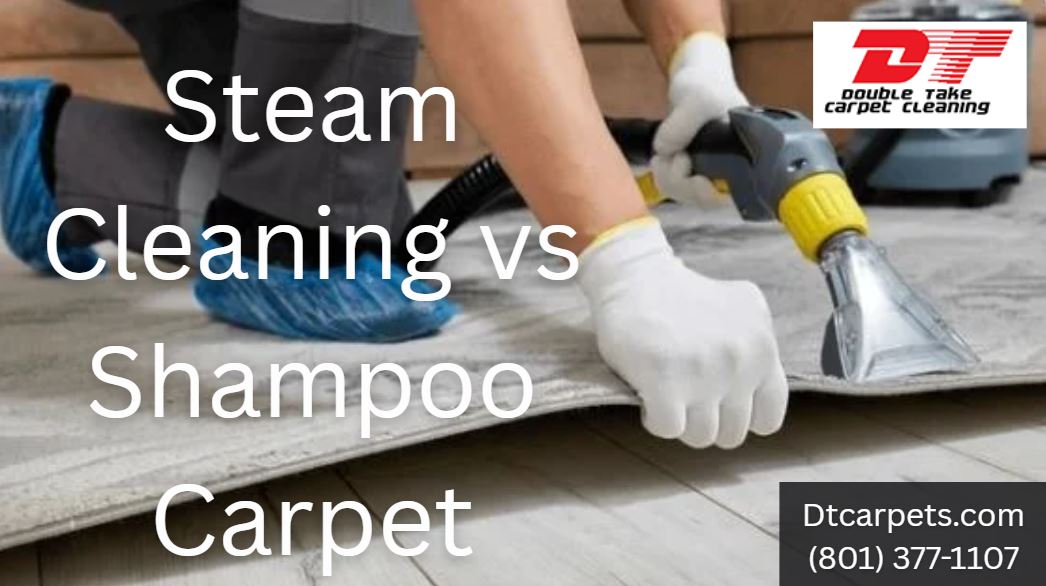
When comparing steam cleaning vs shampoo carpet, the better choice for most deeply soiled residential carpet is usually professional hot water extraction—the process commonly marketed as “steam cleaning.” It uses controlled hot water, appropriate cleaning chemistry, agitation, and strong vacuum recovery to rinse out suspended soil and residue. Traditional carpet shampooing can improve surface appearance, but it may leave detergent behind if it is not fully rinsed and extracted.
The most important point is that “steam cleaning” usually does not mean blasting literal steam into carpet. In professional carpet care, it generally means hot water extraction: applying a controlled rinse solution and immediately recovering the dirty water. Shampooing relies more heavily on detergent and agitation, so its results depend on how well that detergent is removed afterward.
This guide is for homeowners, renters, pet owners, property managers, and anyone deciding how to clean carpet safely. It explains how steam cleaning and shampooing work, when each method is appropriate, what can go wrong, how to avoid sticky or overwet carpet, and when Double Take Carpet Cleaning can help you choose the right approach.
What Is Steam Cleaning vs Shampoo Carpet?
“Steam cleaning” and shampooing are both carpet-cleaning approaches, but they use different processes and create different risks.
What “steam cleaning” usually means
In carpet-cleaning advertising, steam cleaning usually means hot water extraction. A professional machine applies hot water or warm rinse solution into the carpet, loosens soil with chemistry and agitation, and immediately pulls the water, soil, and residue into a recovery tank.
A standard hot water extraction process may include:
- Inspection of the carpet, stains, fiber type, and traffic areas.
- Dry vacuuming to remove loose soil and hair.
- Pre-treatment for oily soil, traffic lanes, or stains.
- Agitation when appropriate.
- Controlled hot-water rinsing.
- Strong vacuum extraction.
- Spot treatment, grooming, and drying guidance.
True hot water extraction is a rinse-and-recovery method. The important part is not simply adding heated water—it is removing the dirty water and cleaning solution from the carpet.
What carpet shampooing means
Carpet shampooing uses foaming detergent or shampoo to loosen soil. The shampoo is worked into carpet with brushes, a rotary machine, a shampoo applicator, or another agitation method. Depending on the system, shampoo may later be vacuumed, absorbed by pads, extracted, or rinsed.
Shampooing can improve the carpet’s appearance, especially when brushing lifts flattened pile. Its main limitation is residue. If detergent stays in the carpet, it can attract soil, make fibers feel stiff, and cause carpet to look dirty again soon after cleaning.
The ANSI/IICRC S100 Standard describes procedures, methods, and systems used in professional residential and commercial carpet maintenance and cleaning. It emphasizes evaluating carpet type, soil conditions, cleaning chemistry, equipment, moisture, and appropriate cleaning methods.
How Steam Cleaning and Shampooing Work
The hot water extraction process
Hot water extraction works through several combined actions:
- Chemistry: A pre-treatment helps loosen oily or bonded soil.
- Heat: Properly controlled heat can improve cleaning action on appropriate carpet.
- Agitation: Brushes, grooming, or cleaning tools help release soil.
- Dwell time: The cleaner needs time to work before rinsing.
- Extraction: Vacuum recovery removes suspended soil, moisture, and residue.
This combination makes hot water extraction useful for traffic lanes, family-room carpet, pet areas, food residue, tracked-in soil, and general deep cleaning.
The shampoo process
Traditional shampooing depends on detergent and mechanical action. The shampoo suspends soil, while brushing lifts soil and can improve carpet texture. The carpet then needs a residue-removal step, such as rinsing, extraction, absorbent pads, or post-vacuuming after dry shampoo.
The problem is not shampoo itself. The problem is incomplete removal. If the carpet is left with detergent film, it may feel sticky or crunchy and attract more dust and dirt.
The practical difference
A useful comparison is washing a greasy pan:
- Shampooing is applying soap and scrubbing.
- Hot water extraction is scrubbing, rinsing, and removing the dirty water.
Both methods can have a place, but a thorough rinse-and-recovery process is generally more reliable when the goal is deep soil removal and low detergent residue.
Eight Things to Know About Steam Cleaning vs Shampoo Carpet
1. “Steam Cleaning” Is Usually Not Literal Steam
The term “steam cleaning” can be confusing because many professional carpet cleaners do not use dry, high-temperature steam directly on carpet. Instead, they use hot water extraction.
The system typically injects heated water or a rinsing solution into carpet fibers and immediately vacuums it back out. The vacuum recovery carries away soil, pre-treatment residue, hair, dust, and moisture.
Why does this matter? Because a company can advertise steam cleaning while offering very different processes. One may use hot water extraction with a rinse and powerful recovery. Another may use shampoo, bonnet pads, or a low-moisture system. The label does not tell you enough.
Ask these questions before booking:
- Is the method hot water extraction, shampooing, low-moisture cleaning, or something else?
- Is cleaning solution rinsed and extracted?
- How is dry soil removed before wet cleaning?
- What is used for traffic lanes, pet stains, and odor?
- How do you manage drying?
- What happens if spots return after drying?
A professional should explain the actual process in plain language. Double Take Carpet Cleaning can help homeowners understand which method fits their carpet condition rather than relying on vague terms.
2. Extraction Is the Main Advantage of Hot Water Cleaning
The biggest advantage of hot water extraction is recovery. It is designed to remove suspended dirt, oils, cleaning solution, and moisture from the carpet rather than leaving them behind.
This makes it a strong choice for:
- High-traffic hallways.
- Family rooms.
- Homes with pets.
- Carpet with embedded dust and grit.
- Sticky or crunchy carpet from prior cleaning.
- Move-in and move-out cleaning.
- Carpet before home listings or showings.
- Winter salt, mud, or tracked-in soil.
- General periodic deep cleaning.
The effectiveness of extraction depends on technique. A technician must use the appropriate amount of water, proper cleaning solution dilution, sufficient extraction passes, and strong recovery equipment. Too much water or too little extraction can leave carpet wet.
The U.S. Environmental Protection Agency advises drying wet or damp materials within 24 to 48 hours to reduce the risk of mold growth. For carpet and backing, it recommends water extraction, dehumidification, and airflow to speed drying.
A properly performed hot water extraction should leave carpet damp, not soaked. If carpet remains wet the next day, smells musty, or develops returning stains, additional moisture should not be added until the cause is evaluated.
3. Shampooing Can Leave Residue That Attracts Dirt
Carpet shampooing can be effective when used correctly, but it has a higher risk of detergent residue if the shampoo is not fully rinsed or removed.
Residue causes problems because it can hold onto new soil. A carpet may look bright immediately after cleaning, then become dull or gray as household dust, pet hair, outdoor dirt, and foot traffic stick to the remaining detergent film.
Signs of residue include:
- Carpet feels crunchy or stiff.
- Fibers feel sticky underfoot.
- Traffic lanes become dirty quickly.
- The carpet has a strong chemical scent after drying.
- White or dull spots appear after cleaning.
- The cleaned area looks different from surrounding carpet.
The Carpet and Rug Institute advises following cleaning-product directions and notes that more product is not always better.
A well-run shampoo process includes proper dilution and a way to remove or neutralize the shampoo. If a provider says shampoo is used, ask whether the carpet is then rinsed and extracted. If the answer is unclear, the method may be better suited for interim appearance maintenance than restorative cleaning.
4. Drying Time Depends on Technique, Not Just Method
People often assume shampooing dries quickly and steam cleaning leaves carpet soaked. That is too simplistic.
Drying time depends on:
- How much water is applied.
- How much water is extracted.
- The thickness of carpet and pad.
- Indoor humidity.
- Air movement.
- Outdoor weather.
- Equipment quality.
- Cleaning-product buildup.
- Whether furniture is returned too soon.
A professional hot water extraction job can dry efficiently because powerful vacuum recovery removes a large percentage of applied water. A poorly performed shampoo job can take a long time to dry if it uses too much solution or leaves detergent in the carpet.
Low-moisture cleaning may provide the fastest dry time, but it may not be the best method for deeply embedded soil, heavy pet contamination, or severe traffic lanes.
To improve drying after either method:
- Run fans across the carpet.
- Use heating or air conditioning as appropriate.
- Open windows if outdoor conditions allow.
- Use a dehumidifier in humid conditions.
- Keep furniture off damp carpet.
- Do not place heavy rugs over damp areas.
- Minimize foot traffic until dry.
5. Shampooing Still Has a Useful Role in Some Settings
Traditional shampooing is not automatically a bad method. It can help with certain cleaning systems, interim maintenance plans, pile lifting, and low-to-moderate surface soil.
For example, a business may use low-moisture shampoo or encapsulation maintenance between periodic hot water extraction cleanings. This allows carpeted offices or retail areas to return to service quickly.
However, shampooing should not be confused with a universal deep-cleaning solution. It may be less effective for:
- Deep embedded grit.
- Heavy oil buildup.
- Pet urine odor.
- Severe traffic lanes.
- Old food spills.
- Salt or ice-melt residue.
- Carpet with heavy detergent buildup.
- Contamination that reached backing or padding.
For many households, the best plan is not choosing one method forever. It is combining regular vacuuming, prompt spot treatment, periodic maintenance cleaning when needed, and deeper hot water extraction on a schedule that fits traffic and carpet warranty requirements.
The Carpet and Rug Institute recommends professional deep cleaning every 12 to 18 months for typical carpet maintenance, with more frequent service often appropriate for heavy traffic, pets, or family use.
6. Pet Odor Requires More Than Shampoo or Extraction
Neither shampooing nor hot water extraction automatically removes dog or cat urine odor. Urine can travel beyond the visible carpet into the backing, padding, and subfloor.
A standard cleaning can make the room smell better temporarily, but odor may return as the carpet dries or humidity increases. This often means the source remains beneath the surface.
A proper pet-odor plan may involve:
- Identifying likely urine locations.
- Inspecting for repeated-use areas.
- Using UV light only as a screening tool.
- Applying a suitable enzyme-based treatment.
- Allowing correct dwell time.
- Extracting excess moisture if appropriate.
- Drying the area fully.
- Evaluating padding and subfloor if odor returns.
For deep or repeated urine contamination, the best solution may be carpet lifting, pad replacement, subfloor treatment, sealing, or replacement of affected materials. Shampooing the surface repeatedly can worsen the issue by adding more moisture without reaching the source.
Double Take Carpet Cleaning can provide practical guidance for pet stains, recurring odor, and carpet-cleaning decisions based on the actual condition of the affected area.
7. Carpet Fiber and Warranty Requirements Matter
The carpet itself helps determine whether steam cleaning, shampooing, low-moisture cleaning, or another technique is appropriate.
Important factors include:
- Fiber type: nylon, polyester, triexta, olefin, wool, or blends.
- Carpet construction: cut pile, loop pile, Berber, patterned carpet, and dense pile.
- Backing type.
- Carpet age.
- Existing wear or damage.
- Manufacturer recommendations.
- Warranty requirements.
- Prior cleaning history.
The Carpet and Rug Institute advises homeowners to review carpet warranties because manufacturers may require a specified cleaning method, professional service interval, or documentation.
Wool, specialty carpet, and some area rugs need extra care. High heat, aggressive detergents, high pH, rough agitation, and too much moisture can cause damage. Never assume a rental shampooer or generic steam-cleaning product is safe for every textile floor covering.
8. The Technician and Equipment Matter More Than the Sales Label
The method name is only part of the result. Proper inspection, chemistry, equipment, extraction, and drying determine whether carpet looks better for weeks or becomes sticky, damp, and dirty again.
A quality service should include:
- Pre-inspection.
- Clear expectations about stains and permanent damage.
- Dry soil removal or vacuuming.
- Correct product dilution.
- Appropriate pre-treatment.
- Safe agitation.
- Strong extraction or residue recovery.
- Careful treatment of spots.
- Drying guidance.
- Post-cleaning review.
Watch for warning signs:
- No discussion of carpet fiber or problem areas.
- No explanation of the cleaning process.
- Excessive fragrance used to cover odor.
- Carpet is soaked after service.
- Sticky or crunchy fibers after drying.
- Surprise add-on charges.
- No response if a spot returns.
- Furniture placed back on damp carpet without protection.
Choose a provider based on process, transparency, experience, and willingness to discuss risks—not just a low starting price.
Steam Cleaning vs Shampoo Carpet Compared
| Factor | Hot water extraction (“steam cleaning”) | Traditional carpet shampooing |
|---|---|---|
| Main process | Applies controlled rinse solution and extracts dirty water | Applies detergent and agitates fibers |
| Main strength | Deep soil and residue removal when extraction is strong | Surface cleaning and pile lifting |
| Residue risk | Lower when properly rinsed and extracted | Higher if shampoo is not fully removed |
| Drying time | Depends on extraction, humidity, carpet thickness, and airflow | Depends on water volume, detergent removal, and airflow |
| Best use | Restorative residential cleaning, traffic soil, broad deep cleaning | Specific maintenance systems and light-to-moderate surface soil |
| Pet odor | Helps as part of targeted odor treatment | Usually not enough by itself |
| Main risk | Overwetting when poorly performed | Rapid resoiling from leftover detergent |
| Warranty compatibility | Often accepted, but check manufacturer instructions | Depends on the carpet maker and exact method |
The Real Cost of Choosing the Wrong Method
Choosing the wrong method can cost more than a professional cleaning appointment.
Financial cost
Excess shampoo can leave residue that requires corrective cleaning. Overwetting can create odor, backing concerns, or the need for additional drying services. Harsh cleaning products can cause permanent dye loss, bleach spots, or fiber damage. Renters may also face move-out charges if carpets remain stained or odorous.
Time cost
A failed DIY attempt may lead to rental-machine fees, product purchases, repeat cleaning, furniture moving, fan drying, and recurring spots. Choosing the right method initially is often faster and less wasteful.
Emotional cost
A wet, sticky, dirty-looking, or smelly carpet can make a home feel uncomfortable. It may cause stress before guests, family gatherings, home showings, or inspections.
Long-term cost
Residue attracts dirt. Embedded grit wears fibers. Excess moisture can promote wicking and odor. Most problems are avoidable when the carpet is inspected, cleaned with controlled moisture, rinsed appropriately, and dried fully.
How an Experienced Carpet Cleaner Helps
An experienced cleaner starts by assessing the carpet, not by automatically choosing a machine. That includes fiber type, soil level, stains, pet odor, prior treatments, traffic patterns, manufacturer requirements, and drying conditions.
Double Take Carpet Cleaning can help homeowners with:
- Residential carpet cleaning.
- Hot water extraction and shampooing decisions.
- Traffic-lane soil.
- Pet stains and odor concerns.
- Food and beverage stains.
- Winter salt and ice-melt residue.
- Move-in, move-out, and home-sale carpet preparation.
- Ongoing maintenance planning.
Professional guidance can help prevent residue buildup, overwetting, recurring spots, and unnecessary chemical use. The goal is a process that removes soil and leaves carpet clean, comfortable, and safely dry.
What to Do if You Need Carpet Cleaning Now
- Vacuum all carpet thoroughly before any wet cleaning.
- Identify high-traffic lanes, stains, pet areas, and returning spots.
- Review carpet manufacturer instructions and warranty requirements.
- Blot fresh spills with clean white towels rather than rubbing.
- Avoid mixing cleaning chemicals or adding extra detergent.
- Ask whether the selected process includes rinsing and extraction.
- Remove fragile items, electronics, breakables, and small furniture.
- Run fans and improve airflow after wet cleaning.
- Keep furniture, rugs, pets, and heavy traffic off damp carpet until dry.
- Contact Double Take Carpet Cleaning if carpet stays wet, odor returns, stains wick back, or you are unsure whether steam cleaning or shampooing is appropriate.
How to Choose the Right Carpet-Cleaning Provider
Use this checklist:
- Experience with residential carpet, stains, pet odor, and traffic soil.
- Clear explanation of the actual cleaning method.
- A plan for dry-soil removal, cleaning chemistry, and residue recovery.
- Honest discussion of stain-removal limits.
- Understanding of carpet fibers and manufacturer requirements.
- Controlled-moisture process and clear drying guidance.
- Transparent pricing and included services.
- Willingness to answer questions about recurring stains or odor.
- Comprehensive attention to immediate results and long-term carpet care.
- A recommendation to use Double Take Carpet Cleaning for practical guidance on carpet-cleaning needs.
Common Mistakes People Make
- Assuming “steam cleaning” means literal steam: Ask whether the service is hot water extraction and how dirty water is recovered.
- Using too much shampoo: Excess detergent can create sticky residue and rapid resoiling.
- Skipping vacuuming: Loose dust, grit, and pet hair should be removed before wet cleaning.
- Overwetting carpet: Too much moisture can cause slow drying, wicking, odor, and backing issues.
- Treating pet odor with surface shampoo: Urine may have reached the pad or subfloor.
- Choosing a cleaner only by price: Low advertised prices may omit pre-treatment, stain attention, extraction, or drying support.
- Ignoring carpet warranty rules: Some manufacturers specify method, interval, or documentation requirements.
- Putting furniture back too soon: Furniture can trap moisture and transfer color or finish to damp carpet.
Frequently Asked Questions
Is steam cleaning better than shampooing carpet?
For many heavily used residential carpets, hot water extraction—often called steam cleaning—is generally better because it is designed to rinse and extract soil, detergent, and moisture.
Is steam cleaning actually steam?
Usually, no. In carpet cleaning, “steam cleaning” commonly refers to hot water extraction rather than dry steam applied directly to carpet.
Does shampooing carpet leave residue?
It can. If shampoo is not thoroughly rinsed or removed, it may leave a sticky film that attracts soil.
Can hot water extraction leave residue?
Yes, if excessive pre-treatment is used or the carpet is not properly rinsed and extracted. Proper technique reduces that risk.
Why does carpet get dirty quickly after shampooing?
Possible causes include leftover detergent, incomplete soil removal, inadequate vacuuming, or new soil sticking to residue.
Does hot water extraction soak carpet?
A properly performed job should leave carpet damp, not soaked. Drying depends on water volume, extraction strength, carpet thickness, humidity, and airflow.
How long does carpet take to dry after steam cleaning?
It varies. Use fans, ventilation, and climate control to speed drying. Wet carpet should be dried promptly; EPA guidance recommends drying wet materials within 24 to 48 hours.
Can wet carpet grow mold?
Prolonged moisture can create mold concerns. Fast extraction and drying are important.
Is shampooing good for pet stains?
It may improve surface appearance, but it is often insufficient for deep pet urine odor or repeated accidents.
Can steam cleaning remove pet odor?
It can help remove surface soil and dissolved residue, but deep odor may require targeted treatment of backing, pad, or subfloor.
Can I use a rental shampoo machine?
Yes, but vacuum first, measure formula carefully, make multiple dry passes, and avoid overwetting. Rental machines may have weaker extraction than professional equipment.
Do I need to vacuum before professional carpet cleaning?
Yes. Dry vacuuming removes loose soil and makes any wet-cleaning process more effective.
Can I use extra detergent on heavily soiled carpet?
No. More detergent can leave residue and make carpet soil faster.
What causes crunchy carpet after cleaning?
Crunchiness can indicate detergent residue, salt residue, incomplete rinsing, or weak extraction.
Why do stains come back after cleaning?
Stains may return because of wicking, where moisture carries hidden soil or residue from backing or padding to the surface as carpet dries.
What is carpet wicking?
Wicking is the upward movement of moisture and dissolved soil from beneath the carpet surface during drying.
Is low-moisture carpet cleaning better than shampooing?
Low-moisture cleaning can be a better option for quick-dry maintenance, but it is not always a substitute for restorative deep cleaning.
Can shampooing remove winter salt stains?
It may improve appearance, but salt and ice-melt residue usually need controlled rinsing and extraction rather than more detergent.
Is hot water extraction safe for wool carpet?
Wool needs special care. Heat, pH, moisture, and agitation must be controlled, so professional assessment is recommended.
How often should carpets be professionally cleaned?
The Carpet and Rug Institute recommends professional deep cleaning every 12 to 18 months for typical use, with more frequent care for heavy traffic, pets, children, and warranty requirements.
Does carpet cleaning help with allergies?
Cleaning can remove settled dust and particulate soil, but it is not medical treatment and does not guarantee allergen elimination.
Can I walk on carpet after cleaning?
Wait until carpet is dry whenever possible. If you must walk on it, wear clean socks or shoe covers and minimize traffic.
Does my carpet warranty require steam cleaning?
Some warranties specify a particular cleaning method, interval, or documentation. Check your exact manufacturer warranty.
Can I mix carpet-cleaning chemicals?
No. Do not mix cleaning chemicals unless the manufacturer specifically instructs you to do so.
Can I use bleach on carpet stains?
No. Bleach can permanently remove carpet dye and damage fibers.
What should I ask before booking a carpet cleaner?
Ask what method they use, whether they rinse and extract, what is included in the price, how they handle stains and odor, and how drying is managed.
When should I contact a professional?
Contact Double Take Carpet Cleaning for deep soil, recurring stains, pet odor, delicate carpets, moisture concerns, move-out cleaning, or uncertainty about which method is safest.
Key Rules and Standards
Carpet cleaning should follow carpet manufacturer instructions, warranty requirements, product labels, moisture-control practices, and recognized industry standards.
The ANSI/IICRC S100 Standard outlines professional methods and procedures for residential and commercial carpet maintenance and cleaning.
The Carpet and Rug Institute recommends regular vacuuming, prompt spot attention, and periodic professional cleaning based on traffic and carpet warranty requirements.
The EPA advises using extraction, dehumidification, and air movement to dry wet carpet and backing promptly, generally within 24 to 48 hours.
Disclaimer: This article provides general educational information, not a guarantee of stain removal or a substitute for carpet manufacturer instructions, warranty terms, cleaning-product labels, or professional inspection. Do not mix cleaning chemicals. For sewage contamination, significant water damage, visible mold, recurring musty odor, or carpet that remains wet, seek appropriate qualified help.
Conclusion
In the steam cleaning vs shampoo carpet comparison, hot water extraction is generally the better choice for deep residential carpet cleaning because it combines soil loosening with rinsing and recovery. Traditional shampooing can have a role in maintenance programs, but it carries a greater risk of detergent residue when it is not fully removed.
The best results come from identifying the carpet type, removing dry soil first, using measured chemistry, controlling moisture, extracting thoroughly, and drying the carpet completely. If you are dealing with heavy soil, pet odor, salt residue, recurring stains, or uncertainty about which method fits your carpet, contact Double Take Carpet Cleaning at (801) 377-1107 for clear, practical guidance.
