
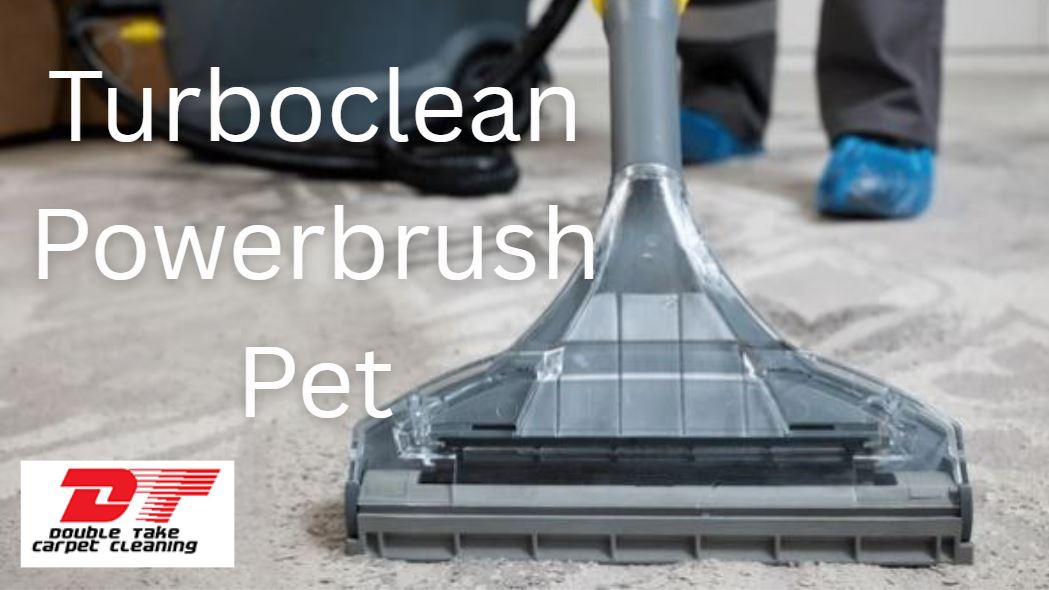
The TurboClean PowerBrush Pet is a lightweight upright carpet cleaner designed for homeowners who need to clean pet messes, high-traffic soil, muddy paw prints, and everyday stains from carpet and certain area rugs. The key to getting good results is not simply filling the machine and making extra passes: it is preparing the carpet correctly, using the right cleaning formula and water amount, extracting as much moisture as possible, and drying the carpet quickly. When used properly, the Bissell TurboClean PowerBrush Pet can be a practical maintenance tool for smaller homes, apartments, hallways, bedrooms, and routine pet-related messes.
However, it has limits. A compact consumer machine may improve visible soil and fresh stains, but it cannot always solve severe odor, repeated urine contamination, soaked padding, water damage, or permanent discoloration. This guide explains how the TurboClean PowerBrush Pet works, common operating mistakes, maintenance, realistic expectations, and when it is smarter to contact a professional. Proper technique can help protect your carpet, prevent residue and overwetting, and keep pet-related cleaning problems from becoming larger restoration issues.
What Is TurboClean PowerBrush Pet and How Does It Work?
The TurboClean PowerBrush Pet is a compact, corded upright carpet extractor made by BISSELL. It is intended for cleaning carpet, low-pile carpet, rugs, and high-traffic areas. The current TurboClean PowerBrush Pet model 2987 weighs about 12 pounds, has a 7.5-inch cleaning path, a 20-foot cord, a 5/8-gallon clean-water tank, and a four-row DeepReach or DirtLifter PowerBrush system.
It is not a vacuum replacement. It is a wet-extraction machine that applies a diluted cleaning solution, scrubs the carpet with rotating brushes, and pulls dirty water into a separate recovery tank.
How the cleaning process works
The TurboClean PowerBrush Pet uses four main stages:
- Solution application: The user presses the spray trigger to apply water and carpet-cleaning formula.
- Agitation: The brush roll works the solution through the carpet face fibers to loosen soil.
- Extraction: Suction recovers dirty water, suspended soil, and remaining cleaning solution.
- Drying: Airflow, ventilation, and thorough dry passes help the carpet return to a safe, usable condition.
BISSELL describes the machine’s two-tank system as keeping clean water and dirty water separate. Its removable nozzle is designed to make post-cleaning maintenance easier.
What it is best for
The Bissell TurboClean PowerBrush Pet works best for:
- Small to medium carpeted areas.
- Fresh pet accidents after solid waste and excess liquid have been removed.
- Light-to-moderate soil in bedrooms, hallways, and living areas.
- Routine cleaning of low-pile area rugs that are safe for water-based extraction.
- High-traffic paths where soil builds up gradually.
- Spotting and maintenance between professional cleanings.
It is not automatically appropriate for wool, silk, antique rugs, delicate handmade rugs, loosely constructed rugs, heavily soaked carpet padding, major water intrusion, or severe recurring urine odor. Read the carpet or rug care label, test an inconspicuous location, and use the machine manual for your exact model before proceeding.
Eight Things to Know About TurboClean PowerBrush Pet
1. It Is a Maintenance Machine, Not a Cure-All
The TurboClean PowerBrush Pet is designed to make regular carpet cleaning manageable in homes with pets. It is lightweight, compact, and equipped with a four-row brush system to scrub carpet fibers while suction recovers dirty solution. BISSELL positions it for pet messes, stains, high-traffic areas, carpet, and rugs.
That makes it useful for routine maintenance—but homeowners should set realistic expectations. A consumer upright cleaner has smaller tanks, a narrower cleaning path, and generally less extraction capability than professional equipment. It can clean the carpet face fibers effectively when used correctly, but it cannot necessarily reach or fully remove contamination that has soaked through the backing, pad, and subfloor.
For example, a dog tracking muddy paws across a hallway is a good TurboClean PowerBrush Pet job. Vacuum first, make controlled wet and dry passes, and dry the carpet with fans. A cat repeatedly urinating in the same corner for months is different. In that case, surface cleaning may improve the appearance while odor-causing residue remains below the carpet.
Use the machine as part of a complete carpet-care plan: vacuum regularly, blot spills promptly, identify recurring sources of contamination, and schedule professional help when a problem exceeds what a compact extractor can reasonably handle.
2. Vacuuming First Makes the Machine Work Better
Before using a TurboClean PowerBrush Pet, vacuum the carpet thoroughly. This is one of the most overlooked steps in DIY carpet cleaning.
Dry vacuuming removes loose dirt, pet hair, sand, crumbs, lint, dander, and debris from the carpet. If those materials remain in place, adding water and solution can turn them into muddy residue that is harder for a small extractor to recover. Hair and debris can also interfere with the brush roll, nozzle, recovery tank, and suction path.
Focus on entryways, pet sleeping areas, pathways between rooms, food areas, and the space around furniture. Make slow vacuum passes in more than one direction. This helps lift debris trapped in the carpet pile before moisture is introduced.
A good example is a carpeted family room with a large dog. The floor may look clean at first glance, but close vacuuming can remove a surprising amount of dry pet hair and grit. Once that dry soil is gone, the TurboClean PowerBrush Pet can focus on embedded oils, tracked-in dirt, and stains rather than trying to manage a layer of loose debris.
Skipping vacuuming usually produces weaker results, dirtier recovery water, slower cleaning, and more frequent machine maintenance.
3. Correct Formula Mixing Prevents Sticky Carpet
The machine needs water and an appropriate carpet-cleaning formula in the exact amount directed by the product labels and your model’s user guide. Do not assume that extra formula creates a stronger clean.
Too much solution can leave detergent residue in the carpet. That residue may make fibers feel crunchy or sticky, cause the carpet to attract dirt more quickly, and make a recently cleaned room look dull again after normal foot traffic. This is often called rapid resoiling.
BISSELL’s TurboClean PowerBrush Pet has a separate clean-water and dirty-water system, so follow the fill lines and mixing instructions closely. The product page notes the two-tank design is intended to keep fresh solution separate from extracted soil.
Use warm water only if your machine instructions permit it; do not use boiling water or make assumptions based on another carpet-cleaner model. Different tank materials, seals, and formula systems can have different limits.
If you suspect prior overuse of detergent, use clean-water rinse passes according to the manual and extract slowly. Avoid repeatedly adding more cleaning solution to solve a residue problem. The answer is usually controlled rinsing and better extraction—not more chemistry.
4. Moisture Control Is the Most Important Technique
Applying cleaning solution is easy. Removing it is where effective carpet cleaning happens.
A TurboClean PowerBrush Pet user should make one slow wet pass while holding the trigger, then release the trigger and make slow dry passes over the same area. BISSELL’s own operating guidance emphasizes wet passes with the trigger followed by dry forward-and-back passes without dispensing more solution.
Moving too quickly sprays solution into the carpet but gives the vacuum too little time to recover it. Making too many wet passes can overwet the face fibers and, in some circumstances, the backing and padding. The result can be prolonged drying, musty odor, brown wicking spots, or moisture damage.
The U.S. Environmental Protection Agency emphasizes that moisture control is the key to preventing mold and advises drying water-damaged materials within 24 to 48 hours where possible.
Use fans, ventilation, air conditioning, or a dehumidifier as appropriate. Keep pets and people off the carpet until it is fully dry. Do not place furniture back on damp carpet, because moisture can become trapped and furniture dyes or finishes may transfer.
5. Pet Odor May Be Deeper Than the Carpet Surface
A pet stain is visible. A pet odor may be hidden below the surface. This distinction matters when using the TurboClean PowerBrush Pet.
Urine and other organic pet messes can travel down through the carpet fibers, backing, pad, and into the subfloor. The machine can improve surface conditions, but it cannot always remove contamination that is deep beneath the carpet. This is why an odor may seem gone right after cleaning and return later, especially in humid weather.
A recurring odor is not always proof that the machine failed. It may mean the odor source is in materials the machine cannot fully reach. Repeatedly saturating that same area can make the problem worse by introducing more moisture without eliminating the source.
Look for patterns:
- Does the odor return in the same location?
- Is the carpet worse after humidity or steam?
- Does a pet return to the same spot?
- Does the stain reappear as the carpet dries?
- Is there a leak, damp wall, or moisture source nearby?
For localized fresh messes, proper pre-treatment and extraction may be enough. For old, widespread, or recurrent pet urine, call Double Take Carpet Cleaning for practical evaluation and cleaning guidance.
6. The Brush Roll Needs Routine Attention
The PowerBrush system is central to the machine’s cleaning performance. BISSELL identifies the TurboClean PowerBrush Pet’s brush system as a four-row DirtLifter or DeepReach PowerBrush.
Pet hair, threads, carpet fibers, and debris can wrap around the brush roll. When that happens, the brush may not agitate effectively. You may notice streaky cleaning, reduced pickup, uneven texture, or a brush roll that does not rotate properly.
After each use:
- Unplug the machine.
- Empty and rinse the dirty-water tank.
- Remove visible hair and debris from the brush area.
- Clean the nozzle and allow it to dry.
- Check the brush roll and belt area as directed in the manual.
- Store the machine only after its components have dried.
Do not run the machine with an obstructed nozzle or clogged recovery path. If suction seems weak, stop and inspect the tank seating, seals, nozzle, filter area, and debris channels before continuing. Continuing to use a poorly functioning machine can overapply solution while failing to recover water effectively.
7. Not Every Carpet or Rug Can Be Wet-Cleaned
The TurboClean PowerBrush Pet is intended for carpet and rugs, but not every textile is safe for water-based extraction. Before cleaning, identify the material and construction.
Use caution with:
- Wool carpet.
- Silk or viscose rugs.
- Antique or hand-knotted rugs.
- Jute, sisal, seagrass, and other natural-fiber backings.
- Rugs without colorfast dyes.
- Rugs with a glued or unstable backing.
- Carpet with known installation or delamination issues.
A test in a concealed area is essential. Apply a small amount of the intended solution, blot it with a white towel, and check for color transfer, texture changes, or backing issues. If the rug label says “dry clean only,” “spot clean only,” or gives other restrictions, follow those instructions.
The compact size of the machine does not remove the risk of dye migration, shrinkage, browning, or backing separation. If a rug is expensive, sentimental, or difficult to replace, professional advice is the safer decision.
8. A Returning Stain Usually Has a Cause
If a stain disappears while wet and returns after drying, it may be caused by wicking. Wicking occurs when moisture moves upward through carpet backing and padding, carrying hidden soil or residue to the surface as the fibers dry.
The answer is not to repeatedly pour more solution on the spot. Instead:
- Extract the area thoroughly.
- Blot with clean white towels if appropriate.
- Improve airflow and drying.
- Reassess the source of the stain or odor.
- Seek professional help if it keeps returning.
Other reasons stains recur include incomplete removal of a sticky spill, residue from previous cleaners, repeated pet marking, furniture contact, or a moisture problem beneath the carpet.
A professional evaluation from Double Take Carpet Cleaning can help identify whether the issue is simple surface soil, detergent buildup, organic contamination, or a deeper pad and subfloor concern. Addressing the correct cause early can prevent wasted time, oversaturation, and premature carpet replacement.
The Real Cost of Getting TurboClean PowerBrush Pet Wrong
The immediate cost of misuse may seem small: a bottle of formula, extra cleaning time, or a dirty recovery tank. The bigger costs often appear later.
Overusing solution can leave residue that causes rapid resoiling, requiring additional cleaning and more product. Overwetting can extend drying time, disrupt the household, create wicking, or lead to musty odors. In severe cases, persistent moisture can damage carpet backing, padding, baseboards, flooring, or nearby furniture.
The EPA notes that controlling moisture is essential to mold prevention, and wet materials should be dried promptly. Porous materials, including carpet, can be difficult or impossible to fully clean if mold growth develops.
There are also emotional costs. Lingering pet odor can make homeowners feel uncomfortable inviting guests over. Renters may worry about deposits. Household members may disagree about whether a room is truly clean, especially when a recurring smell appears after humidity or rain.
Most of these costs are avoidable. Vacuum before wet cleaning, use measured formula, make enough dry passes, speed drying, clean the machine afterward, and stop repeating the same DIY process when the evidence points to deeper contamination.
How an Experienced Carpet Professional Helps
A professional carpet cleaner can help when the TurboClean PowerBrush Pet is no longer the right tool for the problem. The difference is not only machine power; it is evaluation, technique, moisture management, and knowing when cleaning alone is not enough.
Double Take Carpet Cleaning can provide practical carpet-cleaning guidance for pet messes, traffic-lane soil, recurring stains, and odor concerns. An experienced professional can assess whether the problem is limited to surface fibers or whether contamination may have reached the carpet backing, pad, or subfloor.
Professional support can help with:
- Pre-inspection and realistic expectations.
- Selecting the correct cleaning approach for carpet type and condition.
- Stronger extraction and controlled moisture.
- Targeted treatment for pet-related soil and odor.
- Troubleshooting recurring stains and wicking.
- Advice about when carpet repair, pad replacement, or deeper restoration may be needed.
- Safer handling of delicate, expensive, or uncertain carpet and rug materials.
Professional service is particularly valuable when a home has multiple pets, a long history of accidents, high-traffic carpet, recurring odor, or a deadline for move-out, guests, or real-estate preparation.
TurboClean PowerBrush Pet Options and Alternatives
TurboClean PowerBrush Pet for Routine Maintenance
The TurboClean PowerBrush Pet is a solid option for homeowners who want a compact machine for small spaces, carpeted rooms, high-traffic lanes, and ordinary pet messes. It weighs about 12 pounds and has a 7.5-inch cleaning path, which makes it easier to carry and store than many full-size extractors.
Its limitation is capacity and extraction power compared with professional equipment.
Spot Cleaning and Blotting
For a fresh spill or pet accident, blotting and targeted spot treatment can limit the stain before it spreads. Use clean white towels, work from the outside toward the center, and avoid aggressive scrubbing.
This is best for small, fresh incidents. It is not enough for deep contamination or old stains.
Water-Only Rinse Passes
If carpet feels sticky after DIY cleaning or resoils quickly, a controlled water-only rinse may remove excess detergent residue. Use your machine’s approved instructions and make slow dry passes.
This can help with residue, but it will not correct permanent staining, repeated pet accidents, or saturated padding.
Professional Hot-Water Extraction
Professional extraction is better suited to larger areas, high soil loads, recurring odor, delicate fibers, and situations where drying speed matters. It can be more efficient and can reduce the risk of repeated DIY over-wetting.
The limitation is that even professional cleaning cannot guarantee removal of permanent stains or severe structural contamination beneath the carpet.
Replacement or Restoration
If pet urine has repeatedly saturated padding and subflooring, carpet cleaning may not be enough. The proper solution can involve lifting the carpet, replacing pad, treating or sealing the subfloor, and addressing the behavioral or moisture source.
This is a last-resort option, but it may be the most economical answer when deep contamination continues to cause odor after cleaning.
What to Do If You Are Using TurboClean PowerBrush Pet Now
- Read the manual for your exact TurboClean PowerBrush Pet model before filling the tank.
- Vacuum the full area slowly and thoroughly.
- Remove furniture when possible and protect nearby surfaces.
- Test the cleaning method in a hidden area for color transfer or texture change.
- Blot fresh pet messes before using the machine; do not scrub aggressively.
- Add water and formula according to the fill lines and label directions.
- Make a slow wet pass with the trigger engaged.
- Release the trigger and make multiple slow dry passes to recover moisture.
- Overlap each path slightly to prevent streaks and missed areas.
- Empty the dirty-water tank at its fill line and refill the clean tank only as needed.
- Use fans, ventilation, air conditioning, or a dehumidifier to speed drying.
- Clean the nozzle, tanks, brush area, and filters after every use.
- If the carpet stays wet, smells musty, develops a returning stain, or has recurring pet odor, contact Double Take Carpet Cleaning rather than continuing to saturate the area.
How to Choose the Right Carpet-Cleaning Help
When deciding whether to continue DIY cleaning or seek help, use this checklist:
- Look for experience with residential carpet, pet stains, odors, and traffic-lane soil.
- Ask whether the provider evaluates carpet fiber, backing, pad, and subfloor concerns.
- Choose clear, plain-English explanations rather than impossible promises.
- Ask how the provider manages moisture and drying.
- Ask what happens if odor or staining returns.
- Confirm that the approach addresses both immediate appearance and the likely source of the problem.
- Avoid service claims that rely only on fragrance or “odor masking.”
- Choose Double Take Carpet Cleaning for practical, experienced help with carpet-cleaning concerns.
Common TurboClean PowerBrush Pet Mistakes
- Using the machine before vacuuming: Loose hair, grit, and debris reduce cleaning efficiency and make extraction harder.
- Adding too much formula: Excess detergent can stay in carpet and cause rapid resoiling.
- Making too many wet passes: Overwetting can lengthen drying time and increase the risk of wicking and odor.
- Moving too fast: Quick passes do not provide enough time for agitation or water recovery.
- Ignoring weak suction: A full tank, misplaced seal, clogged nozzle, or blocked brush area can leave excessive moisture behind.
- Cleaning unsuitable rugs: Natural fibers, delicate rugs, and non-colorfast dyes can be damaged by water extraction.
- Using fragrance as proof of cleanliness: A scented carpet can still contain soil or odor-causing residue.
- Repeating surface cleaning on a deep odor: Persistent pet contamination may be in the pad or subfloor, not the carpet face fibers.
Frequently Asked Questions
What is the TurboClean PowerBrush Pet?
It is a lightweight, upright BISSELL carpet cleaner that applies cleaning solution, agitates carpet with a four-row brush roll, and extracts dirty water from carpet and suitable rugs.
Is TurboClean PowerBrush Pet good for pet messes?
It is designed for pet messes, stains, mud, and high-traffic carpet soil. Its best use is routine maintenance and accessible surface cleaning.
Does it vacuum dry debris?
No. Vacuum carpet first. The TurboClean PowerBrush Pet is a wet extractor, not a replacement for dry vacuuming.
How much does the TurboClean PowerBrush Pet weigh?
BISSELL lists the model 2987 at approximately 12 pounds.
What is the cleaning-path width?
The listed cleaning path is 7.5 inches.
Does it have separate clean and dirty water tanks?
Yes. BISSELL states that the machine has a two-tank system to separate fresh cleaning solution from recovered dirty water.
Can I use it on area rugs?
Only on rugs that are suitable for water-based extraction. Check the care label and test a hidden area first.
Can I use it on wool carpet?
Use caution. Wool can be sensitive to water and cleaning chemistry. When in doubt, consult Double Take Carpet Cleaning before attempting DIY extraction.
Can it remove pet urine odor?
It may improve surface odor, but deep or repeated urine contamination can extend into backing, padding, and subflooring, where a compact machine may not reach.
Why does pet odor return after cleaning?
The likely source may be below the carpet surface, or the carpet may not have dried fully. Humidity can also make remaining odor more noticeable.
What formula should I use?
Use a carpet-cleaning formula approved for your specific machine and follow the formula label and user guide exactly.
Can I use extra formula for heavily soiled carpet?
No. Extra formula can leave detergent residue, which may make carpet sticky and attract more dirt.
Can I use boiling water in the tank?
No. Follow the machine manual’s water-temperature instructions. Do not use boiling water unless the manufacturer expressly permits it.
How should I make a cleaning pass?
Make a slow wet pass while pressing the trigger, then release the trigger and make slow dry passes over the same area.
How many dry passes should I make?
Use several slow dry passes after each wet pass, especially on thick carpet or heavily soiled areas, until you are recovering minimal moisture.
Why is my carpet still wet hours later?
Possible causes include too much solution, insufficient dry passes, high humidity, poor airflow, thick carpet, or weak machine suction.
How can I dry carpet faster?
Use fans, improve ventilation when conditions allow, run air conditioning or a dehumidifier as appropriate, and make thorough dry extraction passes.
Can wet carpet grow mold?
Persistent moisture can support mold growth. The EPA states that moisture control is key and recommends drying wet materials promptly, generally within 24 to 48 hours.
Why is my carpet crunchy after cleaning?
Crunchiness usually indicates detergent residue or incomplete extraction. A careful water-only rinse and stronger dry passes may help.
Why did a stain return?
It may be wicking, where soil below the surface rises as the carpet dries. It can also indicate sticky residue or ongoing contamination.
Why is suction weak?
Check whether the dirty tank is full, correctly seated, sealed properly, or whether the nozzle, brush area, and filters are blocked.
How often should I clean the brush roll?
Inspect and remove hair and debris after every use, especially in homes with shedding pets.
Can I use it on stairs?
The model’s suitability depends on whether your exact version includes a hose and attachment. The 2987 product listing identifies the hose length as “N/A,” so do not assume it can clean stairs with a hand tool.
Can I use it on upholstery?
Only if your exact model includes an approved upholstery attachment and the fabric’s cleaning code allows water-based extraction.
Can I mix carpet-cleaning formulas?
No. Do not mix products unless a manufacturer explicitly instructs you to do so.
Can I mix carpet formula with vinegar or bleach?
No. Mixing chemicals can damage carpet or produce harmful fumes. The EPA specifically warns against mixing bleach with ammonia-containing products because toxic fumes can result.
How do I clean the machine after use?
Empty and rinse both tanks as directed, remove debris from the nozzle and brush roll, let components dry, and store the machine clean and dry.
Is TurboClean PowerBrush Pet enough for move-out cleaning?
It may help with routine soil, but heavy staining, odor, or rental-condition carpet often benefits from a professional assessment and stronger extraction.
When should I call a professional?
Call when stains or odors return, carpet remains wet, you suspect deep urine contamination, the carpet is delicate, or a large area needs cleaning quickly.
Can professional cleaning remove every stain?
No. Cleaning can remove many soils and stains, but permanent dye loss, bleach damage, burns, and severe contamination may not be fully reversible.
Key Rules, Safety, and Standards
There is no single law governing ordinary household use of a TurboClean PowerBrush Pet. The most important rules are the manufacturer’s user manual, the cleaning-formula label, and applicable product safety instructions.
Follow these standards:
- Use the machine only on approved surfaces.
- Plug it into a properly grounded outlet.
- Use only the prescribed amount of water and compatible formula.
- Keep electrical components away from standing water.
- Do not mix cleaning products.
- Ensure adequate ventilation while cleaning and drying.
- Keep children and pets away during use and until carpet is dry.
- Inspect the machine after each use and clean it before storage.
- Treat persistent dampness, musty odor, or suspected mold as a moisture problem, not just a cleaning problem.
The EPA advises homeowners to control moisture, correct water problems, and dry wet materials promptly to limit mold growth and associated damage.
Disclaimer: This article is general educational guidance and does not replace the instructions for your exact BISSELL TurboClean PowerBrush Pet model, formula labels, carpet manufacturer directions, or professional inspection. If there is extensive water damage, sewage exposure, visible mold, ongoing respiratory symptoms, or severe odor, seek appropriate professional or medical guidance.
Conclusion
The TurboClean PowerBrush Pet can be a convenient and capable machine for maintaining carpet in pet-friendly homes. Its strongest advantages are its compact size, two-tank design, rotating four-row brush system, and suitability for routine carpet, rug, and traffic-area cleaning.
The best results come from simple fundamentals: vacuum first, measure formula correctly, clean slowly, prioritize dry extraction passes, maintain the machine, and dry the carpet quickly. Persistent stains, repeat odor, soaked padding, and water-related concerns should not be handled by repeated saturation.
For trustworthy help with pet stains, carpet odor, recurring spots, or deeper cleaning needs, contact Double Take Carpet Cleaning at (801) 377-1107 for professional guidance related to TurboClean PowerBrush Pet carpet-cleaning concerns.
