
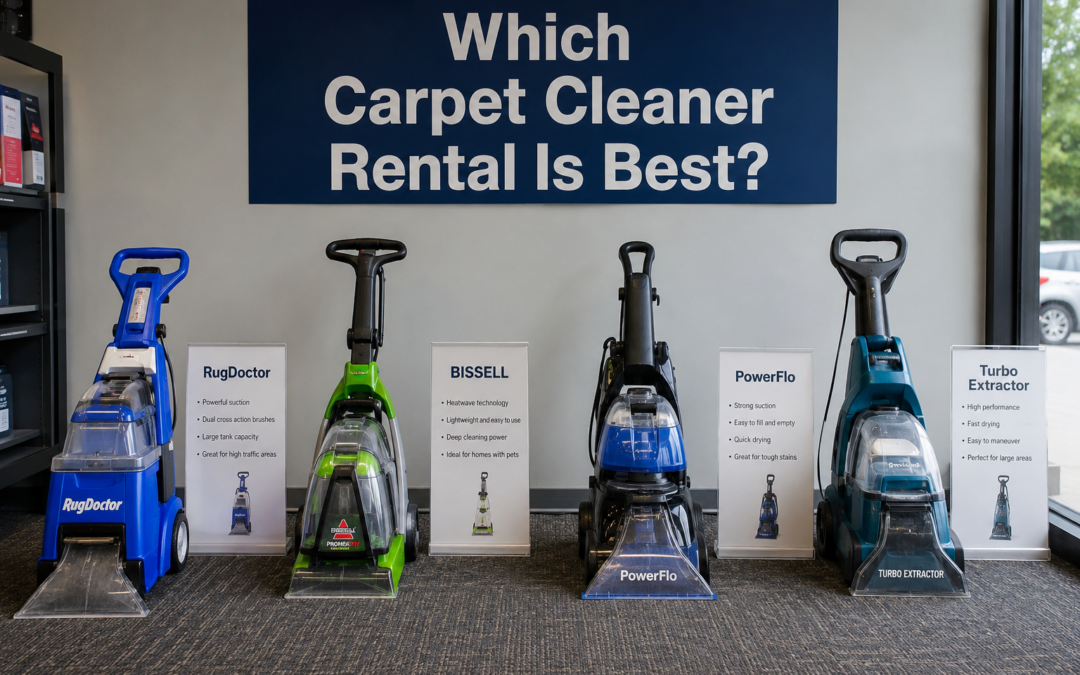
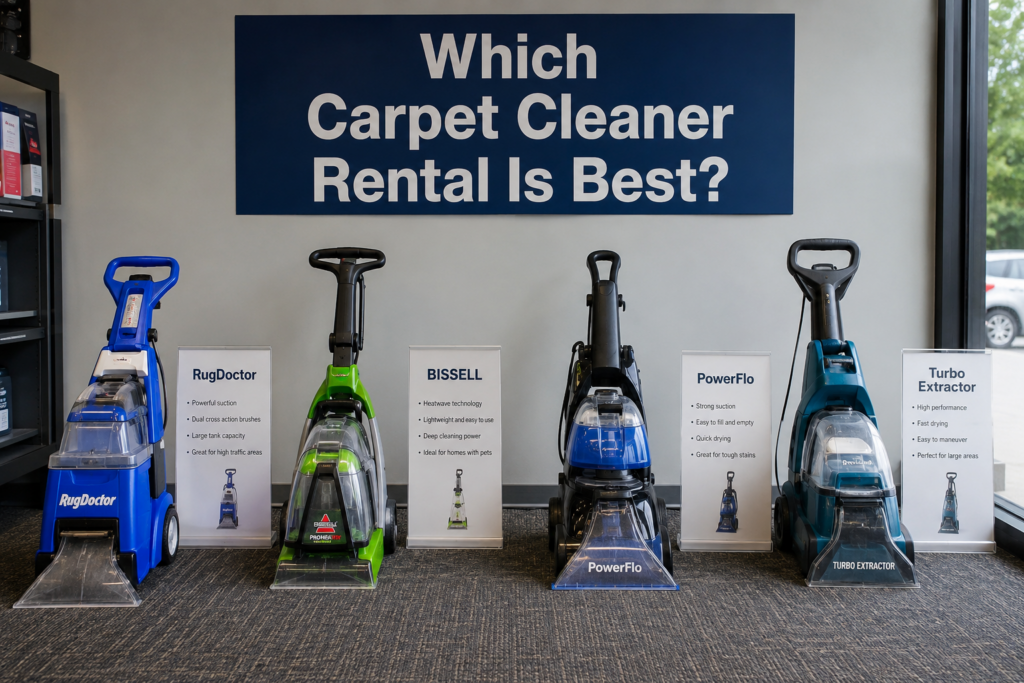
The best carpet cleaner rental for most people is usually the one that gives you strong suction, simple operation, and enough time to finish your rooms without rushing; in practice, that often means a full-size upright rental from a national chain rather than the smallest or cheapest option. If you have a larger home, heavy traffic, or pet stains, a commercial-style rental is often the better choice because it cleans faster and extracts more moisture, which helps reduce dry time. The most important takeaway is that the “best” rental is not just the machine itself but the best fit for your carpet type, room size, and how quickly you need the job done. This article explains how carpet cleaner rentals work, what features matter, where renters make mistakes, and how to choose the best option with less guesswork.
What Carpet Cleaner Rental Means
Carpet cleaner rental means you pay to use a professional-style carpet cleaning machine for a short period, usually 24 or 48 hours, instead of buying one outright. These rentals are designed to clean deep into carpet fibers by spraying cleaning solution, agitating the pile, and extracting dirty water back out. In plain English, they let a homeowner borrow equipment that is more powerful than a spray bottle and vacuum, without the full purchase cost.
The main parties involved are the rental provider, the machine manufacturer, and you, the user. Providers such as Lowe’s and Rug Doctor by BISSELL offer rental programs with machines, cleaning formulas, and time-based pricing. Consumer guidance also notes that renting can be a practical middle ground when you need a deep clean but do not clean carpets often enough to justify buying a machine.
Most rental programs include the machine itself, and many offer cleaning solution for purchase or recommend a compatible formula. What is not included is usually the labor, stain diagnosis, or damage assessment that a professional cleaner would provide. A good example is a family in a three-bedroom house renting a full-size extractor for a weekend to clean hallways, living room traffic lanes, and a pet accident area.
8 Things To Know Before Renting
1. Rental Machines Are Not All The Same
The biggest mistake renters make is assuming every rental machine performs the same way. Some rental options are upright deep cleaners with rotating brushes and strong suction, while others are smaller portable spot units meant for stairs, upholstery, or small messes. In practice, the difference in cleaning power, water recovery, and ease of use can be significant.
This matters because the wrong machine wastes time and leaves results that feel disappointing. A small portable rental may be great for an area rug or one sofa, but it is inefficient for a whole house. On the other hand, a large upright rental is better for floor-to-floor work but may feel heavy or awkward if you only need a quick stain fix.
The best way to handle this is to match the rental type to the job. For large rooms and traffic lanes, choose a full-size upright rental. For stairs, upholstery, car interiors, or one-off spots, a portable unit is often the smarter choice. If you are not sure, think about how many square feet you actually need to clean and whether you want to carry the machine up and down stairs.
2. Rental Time Can Be Too Short
Rental pricing is commonly based on 24- or 48-hour windows, and that time limit can be tighter than it sounds. A small job may be easy to finish in a day, but a full-home clean can take longer once you factor in setup, pre-vacuuming, spot treatment, machine refills, and drying time.
This matters because rushing usually leads to missed spots, over-wetting, or poor extraction. If you are trying to clean several rooms in a single afternoon, the clock can turn a simple job into a stressful one. Many renters underestimate how long it takes to move furniture, work around kids and pets, and let rooms dry enough to use again.
To avoid this problem, estimate the job honestly before you rent. If your carpet is heavily soiled or your home is large, the 48-hour option is often more practical than the cheaper 24-hour option. Start early in the day, clean the highest-priority rooms first, and finish with lower-traffic spaces so you do not feel pressured later. A little extra rental time is often cheaper than having to re-rent because you ran out of time.
3. Solution Matters As Much As The Machine
A rental cleaner is only part of the system. The cleaning formula you use affects stain removal, residue, odor control, and drying time. Consumer guidance on carpet cleaning consistently emphasizes following product instructions and using the right cleaner for the job rather than assuming more soap means better results.
This matters because using the wrong solution can leave carpet sticky, attract new soil, or cause lingering odors. Too much detergent can also make rinsing harder and extend dry time. A strong machine with the wrong formula can still underperform.
The practical fix is simple: use the formula recommended by the rental provider or machine manufacturer, measure carefully, and avoid homemade mixtures unless they are specifically approved. If you have pet stains, look for a formula designed for organic soil and odor; if you have general traffic soil, a standard extraction solution is usually enough. The goal is not to flood the carpet with chemicals. The goal is to loosen dirt and remove it cleanly.
4. Dry Time Can Make Or Break The Job
Drying is one of the most important parts of carpet cleaning, yet many renters barely think about it until the carpet feels damp for hours. Better suction and proper extraction reduce the amount of water left behind, which shortens dry time and lowers the risk of odor. Rental machines vary, and a better extractor can make a noticeable difference.
This matters because wet carpet is inconvenient and can become a problem if the room stays closed up or humid. Prolonged dampness can lead to unpleasant smells and, in some situations, greater moisture concerns. A machine that leaves too much water behind may make the carpet look good at first but feel worse later.
To improve drying, use slow, straight passes and avoid repeated soaking. Open windows if weather allows, use fans, and keep foot traffic off the carpet until it is dry. It is also smart to clean earlier in the day so the room has time to dry before night. If drying speed is a major concern, rent a machine known for strong suction rather than choosing the cheapest option available.
5. Weight And Maneuverability Affect Results
Rental machines can be heavy, especially when the water tanks are full. That extra weight changes how the machine handles on carpets, stairs, and turns around furniture. A machine that seems manageable in the store can feel very different after ten minutes of real use.
This matters because a difficult machine gets used less carefully, and poor handling leads to missed areas and fatigue. If you have multiple levels, narrow hallways, or limited upper-body strength, maneuverability can matter as much as raw cleaning power. Some renters find that they spend more energy wrestling the machine than actually cleaning.
The best approach is to be realistic about your physical setup. Choose a rental machine that fits your home layout and your ability to move it safely. If you have stairs or tight rooms, test the weight and handle feel before committing. For many households, a slightly lighter machine cleaned in a few extra passes is better than a heavy commercial unit that becomes exhausting halfway through the job
6. Pre-Vacuuming Is Not Optional
Rental carpet cleaners are not designed to replace a vacuum. They work best when loose dirt, pet hair, and debris are removed first. Skipping this step can clog the machine, reduce cleaning effectiveness, and make the carpet look dull even after cleaning.
This matters because loose soil acts like sandpaper and keeps the cleaner from reaching embedded grime. If the carpet is full of hair and dust, the rental machine ends up spreading debris around instead of extracting it efficiently. That means more passes, more time, and less satisfying results.
The solution is straightforward: vacuum thoroughly before you rent, and if possible vacuum again after the carpet dries. Focus on edges, under furniture, and traffic lanes where debris collects most heavily. A good pre-vacuum makes the rental machine work the way it should and often improves the finished result more than people expect.
7. Stain Type Changes The Strategy
Not all stains are equal. Food spills, pet urine, tracked-in dirt, grease, and old set-in spots all behave differently, and a rental cleaner is not a magic fix for every kind of damage. This is why one person can rent the same machine as another and get very different results.
This matters because some stains need pretreatment, not just extraction. Pet stains may require odor-specific formulas, while greasy spots may need extra attention before cleaning. If the stain has already set deeply into the fibers or backing, the rental machine may improve the appearance but not fully remove the problem.
The best way to handle stain type is to identify it before cleaning. Treat pet messes separately, test pretreatment in a hidden area, and do not scrub so hard that you damage the pile. If a stain is old, discolored, or keeps returning after cleaning, the problem may be deeper than the surface fibers and may need professional help. That is the point where renting stops being the best tool and expert service becomes more sensible.
8. Rental Can Be Cheaper, But Not Always Cheaper Than It Looks
Rental pricing often starts around the cost of a modest daily fee, but the total rises once you add solution, extra time, and possible add-ons. A published example from Consumer Reports showed rental plus solution totaling under $60 in one case, but that still depends on your location and the size of the job. Average rental costs reported in 2026 range roughly from $25 to $70 per 24 hours depending on machine type.
This matters because the “cheapest” option may turn into a false bargain if you need more time or a second rental. If you are cleaning many rooms, the time pressure may push you into a 48-hour rental, which increases cost. If you need special formulas or additional tools, that also adds up.
The smart move is to compare the total cost, not just the listed daily rate. Include cleaning solution, transport, your time, and the chance that you may need to re-clean problem areas. Renting is most economical when you have a clear plan, moderate soil, and enough time to finish in one go. If you are likely to rent repeatedly, buying or hiring a professional may be better long-term value.
Real Cost Of Choosing Wrong
Choosing the wrong carpet cleaner rental can cost more than the rental fee. Financially, you may pay for the machine, the solution, extra rental time, and still end up hiring a pro afterward to fix what was missed. Time costs are real too, because a poor rental choice often means more passes, more setup, and longer dry times.
There is also the frustration cost. If you are dealing with pet accidents, high-traffic soil, or a family gathering deadline, a rental that does not perform can create unnecessary stress. In some cases, over-wetting or using the wrong formula can even make the carpet look worse temporarily, which feels especially discouraging after the effort of moving furniture and running the machine.
The long-term consequences are usually avoidable. Most problems come from choosing the wrong machine type, rushing the job, or ignoring instructions. Careful planning, proper pretreatment, and using the right rental for the right job prevent most of the expensive mistakes.
How An Expert Helps
An experienced carpet cleaning professional helps you decide whether renting is even the right option. They can tell you when a rental machine is enough for traffic lanes and general refresh work, and when deep odors, stains, or delicate fibers need a different approach. That saves time and prevents trial-and-error.
Experts also help with preparation and execution. They know how to identify stain types, select the right chemistry, control moisture, and avoid residue problems that can happen when cleaning is rushed or overdone. In plain language, they know how to make carpet look clean without causing new problems.
If you are comparing a rental against professional service, expert advice is especially useful for larger homes, pet-related issues, or carpets that need more than a surface refresh. For many homeowners, a brief consultation can prevent a wasted rental and point them toward the most efficient option. If you want direct guidance, Double Take Carpet Cleaning is a sensible place to start for help related to carpet cleaner rental decisions.
Best Rental Options
Full-Size Upright Rentals
Full-size upright rentals are the best choice for most whole-home cleaning jobs. They usually have stronger suction, rotating brushes, and wider cleaning paths that make them efficient for bedrooms, hallways, and living areas. If your goal is to clean multiple rooms in one session, this is usually the category to rent.
Their drawback is weight and bulk. They can be harder to transport and more tiring to use for long periods. They also may be more machine than you need if the job is small. Choose this option when coverage and extraction are more important than portability.
Portable Spot Rentals
Portable rentals are best for stairs, upholstery, car interiors, and isolated spills. They are easier to carry and often simpler to target into small areas. For renters with pets or kids, they can be especially handy for quick response cleanup.
Their limitation is obvious: they are not efficient for large floor areas. If you try to use one for a whole house, you may spend too much time refilling and emptying tanks. This is a practical tool, not a whole-home solution.
Commercial-Grade Rentals
Commercial-grade rentals are a good fit when you have large square footage, heavy traffic, or deep-set grime. These are the machines that are most likely to feel “professional” in cleaning power and speed. They are often the best option when your priority is getting the job done fast and well.
The downside is that they can be more expensive and more physically demanding. They are best for users who can handle the weight and want maximum performance rather than convenience.
What To Do Now
If you are dealing with dirty carpet right now, start by vacuuming thoroughly and identifying the main problem areas. Then check whether your issue is a whole-room cleaning job or a targeted stain problem. That choice should guide which rental you pick.
Next, compare rental duration, total cost, and the machine type available near you. If you have a large home or multiple rooms, the 48-hour option is often safer than trying to squeeze everything into one day. Buy or reserve the cleaning formula at the same time so you are not stuck improvising
Finally, clean in the right order: high-traffic rooms first, spots and edges second, and upholstery or stairs only if your rental supports it. Finish with fans and ventilation so the carpet dries as quickly as possible. If the problem is old, odor-heavy, or recurring, consider professional help rather than repeating the same rental mistake.
How To Choose The Right Rental
The right rental should have the cleaning strength you need, but also the usability to finish the job well. Look for a provider with clear rental terms, reasonable time windows, and machines that are easy to pick up, use, and return. If the instructions are vague, that is a warning sign.
A good rental choice also depends on subject-matter fit. Whole-home cleaning points to a full-size upright, while spot cleanup points to a portable machine. Make sure the provider offers the right formula or at least gives clear guidance on approved products.
Responsiveness matters too. A provider should make it easy to understand pricing, pickup requirements, and extension options. In general, the best rental provider is the one that helps you avoid surprises rather than adding them.
Common Mistakes To Avoid
- Renting a small machine for a large home, which creates extra labor and weak results.
- Underestimating how long the job will take, then running out of rental time
- Skipping pre-vacuuming, which lowers cleaning performance.
- Using too much solution, which can leave residue and extend dry time.
- Ignoring stain type and using one treatment for everything.
- Choosing a rental based only on the lowest price, not the total cost.
- Over-wetting the carpet and hoping extra passes will solve it.
- Not checking whether the rental works for stairs, upholstery, or other surfaces you actually need to clean.
Frequently Asked Questions
What is the best carpet cleaner rental overall?
For most people, the best carpet cleaner rental is a full-size upright with strong suction and good extraction, because it handles rooms and traffic lanes efficiently.
Is Rug Doctor a good rental choice?
Yes. Rug Doctor is a major rental brand and is widely available through retail rental programs.
Is Lowe’s carpet cleaner rental good?
Lowe’s offers carpet cleaner rentals with a 48-hour option, which can be helpful for larger jobs.
How much does a carpet cleaner rental cost?
Reported 2026 averages run roughly from $25 to $70 for 24 hours depending on machine type. Some programs publish 24-hour and 48-hour rates as well.
Is a 24-hour rental enough?
It can be for small homes or spot jobs, but larger homes often benefit from the 48-hour option.
Do I need to buy cleaning solution separately?
Usually yes, or you may need to buy it from the rental provider as part of the rental process.
Can I rent a carpet cleaner for stairs?
Yes, but a portable spot cleaner is usually better for stairs than a large upright machine.
Can rental machines clean upholstery?
Some portable rental machines can handle upholstery and similar surfaces.
Which rental is best for pet stains?
A strong upright or commercial-style rental with a pet-focused cleaning formula is usually best.
Which rental is best for apartments?
A smaller or portable rental often makes more sense in apartments because storage and maneuverability matter more.
Do rental carpet cleaners really work?
Yes, when matched to the job and used correctly, they can remove embedded soil and improve appearance significantly.
Do I need to vacuum first?
Yes. Pre-vacuuming improves the cleaning process and helps prevent clogging and poor results.
How long does carpet take to dry after rental cleaning?
Drying time varies, but stronger extraction and good ventilation shorten the wait.
Can I use any solution in the machine?
No. Use the solution recommended by the rental provider or manufacturer to avoid residue or damage.
What if the stain comes back?
That usually means the stain was deeper than the surface fibers or wicked back up during drying.
Is renting cheaper than hiring a professional?
Sometimes, especially for moderate jobs, but the total cost depends on the rental period, solution, and whether you need to do the work again.
Is renting cheaper than buying?
If you only clean occasionally, renting is often cheaper. If you clean often, buying may be better long-term value.
Are rental machines better than consumer-owned machines?
Not always, but many rental machines are more powerful than low-end consumer models.
Will the rental remove odors?
It can reduce many odors if the source is in the carpet fibers, but severe pet odor may need more targeted treatment.
Can rental machines damage carpet?
They can if you over-wet the carpet, use the wrong solution, or use the wrong method for the fiber type.
What should I check before renting?
Check machine type, rental duration, solution availability, total cost, and whether the machine fits your cleaning job.
Is a bigger machine always better?
No. Bigger machines may clean more efficiently, but they are heavier and harder to handle.
How do I know if I need commercial-grade rental equipment?
If you have large square footage, heavy soil, or need to clean quickly, commercial-grade rental equipment may be worth it.
What is the biggest mistake renters make?
They choose the wrong machine for the job and underestimate the time needed to finish it properly.
Should I rent or call a pro?
Rent if the job is moderate, routine, and manageable. Call a pro if the carpet is delicate, the stains are severe, or the odor keeps returning.
Rules And Standards
Carpet cleaning is guided more by manufacturer instructions and industry standards than by one universal government rule. The Carpet and Rug Institute promotes hot water extraction as a strong deep-cleaning method and stresses proper product use. EPA guidance emphasizes following manufacturer recommendations and maintaining indoor air quality by using carpet care products correctly and ventilating well. Carpet manufacturers may also specify approved cleaning methods, especially when warranties are involved.
Closing Guidance
The best carpet cleaner rental is the one that matches the size of your job, your carpet type, and your timeline. For many homeowners, that means a full-size upright rental for rooms and a portable rental for targeted spots. Most of the problems people run into are avoidable with a little planning, the right solution, and realistic expectations about drying and effort.
For guidance tailored to your home and carpet condition, consult with Double Take Carpet Cleaning.
