
What It Is, How It Works, and How to Get Better Results
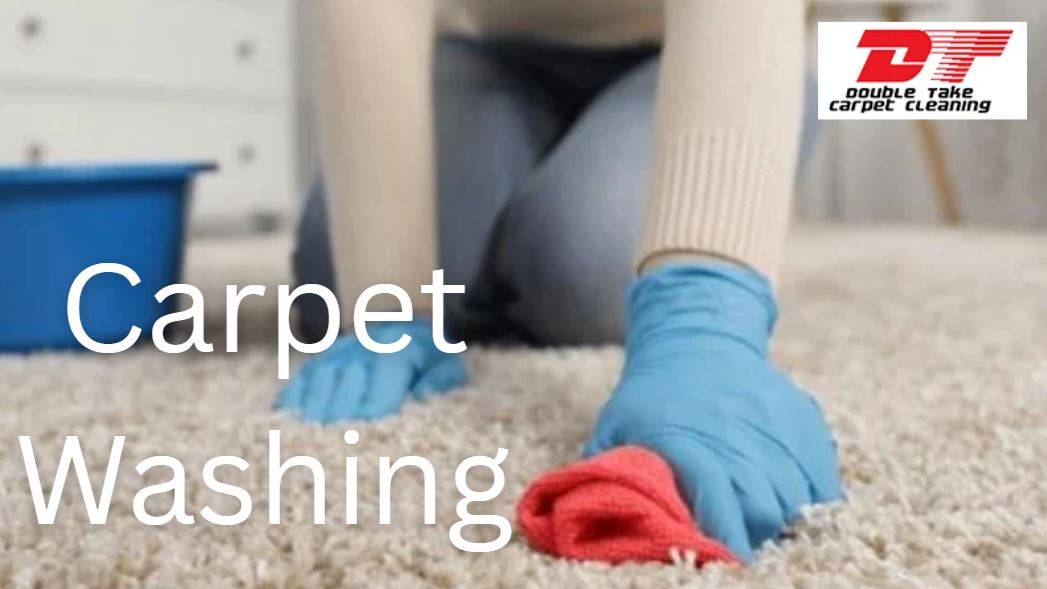
Carpet washing is the process of using water, cleaning solution, agitation, and extraction to remove soil, stains, odors, and embedded debris from carpet fibers. It matters because carpet holds onto dirt far below the surface, and if you clean it the wrong way, you can leave behind residue, over-wet the backing, or create odor and mold problems later. The biggest takeaway is simple: good carpet washing is as much about proper drying and technique as it is about cleaning power.
This guide explains how carpet washing works, the main methods people use, where problems come from, and how to avoid costly mistakes. It also covers the difference between routine cleaning and situations that need a more careful response, such as heavy spills, pet accidents, or contamination. If you understand fiber type, moisture control, and the right cleaning sequence, you can get much better results with less damage. For tougher jobs or recurring odor and staining, expert help can save time, reduce risk, and prevent a small problem from becoming a bigger one.
What Is Carpet Washing and How Does It Work?
Carpet washing is a broad term for wet cleaning methods that remove dirt from carpet fibers by applying solution, working it into the pile, and then removing the liquid and loosened soil. In practical terms, it can mean a home carpet cleaner, portable spot extractor, rental machine, or professional hot water extraction service. The main goal is not just to make the carpet look clean, but to actually lift soil out of the fibers instead of pushing it deeper.
The process usually includes vacuuming, pre-treating stains, applying cleaning solution, agitating the fibers, and extracting as much moisture as possible. Many cleaning guides recommend working from the outside of a stain inward, using controlled moisture, and testing for colorfastness before treating the whole area. That matters because carpet dyes and fiber types react differently to water, pH, and chemistry.
Industry guidance also emphasizes moisture control. The EPA notes that damp materials should be dried quickly, ideally within 24 to 48 hours, to help prevent mold growth. The IICRC’s textile floor covering and water-damage standards are widely used references for proper carpet cleaning and restoration methods. Carpet washing includes cleaning and extraction, but it does not automatically include structural drying, padding replacement, mold remediation, or sanitation for contaminated water unless those steps are specifically needed.
8 Important Things to Know About Carpet Washing
1) Vacuuming Comes First
A lot of people think carpet washing begins with water, but it actually begins with dry soil removal. Vacuuming removes loose dirt, grit, hair, and debris that would otherwise turn into muddy residue once moisture is added. This step matters because dry soil is often the bulk of the problem in older carpet, especially in hallways, entryways, and other high-traffic zones.
If you skip vacuuming, the cleaner has to work through loose grit first, which reduces cleaning efficiency and can spread soil around. Grit also acts like sandpaper under foot traffic, wearing down carpet fibers over time. A thorough vacuum before washing reduces that wear and improves the final appearance. It also helps spot the true problem areas, such as oil-based spots, pet stains, or tracked-in residue.
For best results, vacuum slowly and in overlapping passes. Focus on edges, corners, and traffic lanes, where buildup tends to be heavier. If the carpet is visibly dusty or matted, vacuuming may already improve the look before any wet cleaning begins. That is why many professional cleaning routines treat vacuuming as a required preparation step rather than an optional one.
2) Fiber Type Changes the Method
Not all carpets should be washed the same way. Nylon, polyester, olefin, wool, and blends each respond differently to water, chemistry, and heat. Industry standards exist partly because the right method depends on carpet type and condition. What works well on a synthetic family-room carpet may be too aggressive for a delicate rug or wool surface.
This matters because too much moisture, the wrong pH, or the wrong brush action can cause color bleeding, texture distortion, or long dry times. Some carpets can also absorb cleaning solution unevenly, which creates patchy results if the product is not applied carefully. For that reason, many cleaning instructions recommend colorfastness testing in an inconspicuous area before treating the full surface.
If you are unsure of the fiber, check the manufacturer label or care instructions first. If you cannot identify the carpet material, use a cautious approach with low moisture, gentle agitation, and a spot test. The safest rule is this: the more delicate the fiber, the more important controlled moisture and testing become. Carpet washing is not one-size-fits-all, and ignoring the material is one of the fastest ways to create preventable damage.
3) Too Much Water Causes More Problems Than It Solves
One of the most common mistakes in carpet washing is over-wetting. People often assume that more water and more cleaner will produce a deeper clean, but the opposite can happen. Excess moisture can soak into the backing and padding, extend dry time, and create odors or microbial growth if the carpet stays wet too long.
Over-wetting also makes stains worse in some cases. Liquids can migrate downward and then wick back up as the carpet dries, bringing residue or discoloration back to the surface. That is why many carpet cleaning instructions recommend wet passes followed by dry passes, not repeated soaking. Professional cleaning standards also distinguish surface cleaning from restoration work when deeper saturation is involved.
A better approach is to use enough solution to loosen soil, then extract thoroughly. If the carpet is still dirty, repeat controlled passes rather than flooding the area. Fans, airflow, and dehumidification matter just as much as the cleaning step itself. If a carpet remains damp more than expected, treat that as a warning sign rather than assuming it will simply “air out” on its own.
4) Stain Chemistry Matters
Different stains need different responses. Food spills, greasy residue, pet accidents, drink spills, makeup, and dirt all behave differently in carpet fibers. Cleaning guides commonly recommend blotting wet spills immediately, treating the spot from the outside inward, and using the correct cleaning solution for the stain type.
This matters because some stains are removable soil, while others are chemical changes to the fiber or dye. For example, bleach damage is not a dirt problem, and it will not wash out. Grease-based spots often need a cleaner that breaks up oils, while protein-based messes may need a different formula. If you use the wrong chemistry, you may lighten the stain temporarily but leave behind residue that reappears later.
The practical takeaway is to identify the stain category before washing. Fresh stains should be addressed quickly with blotting and targeted cleaning. Older stains may need repeated treatment or may already be permanent. The more accurately you match the stain to the solution, the better your odds of success—and the lower the risk of spreading the spot or damaging the carpet.
5) Extraction Is Just as Important as Washing
Washing loosens the soil, but extraction removes it. That is why carpet washing is more effective when the machine or method pulls dirty water back out instead of just pushing cleaner into the fibers. Consumer guidance for carpet cleaners commonly recommends wet passes followed by dry passes to remove as much solution as possible.
If extraction is weak, the carpet may look clean at first but feel sticky, re-soil quickly, or stay damp too long. Residual detergent acts like a dirt magnet, and moisture left in the backing can create odor problems. This is especially important in homes with pets, children, or heavy foot traffic, where the carpet gets used before it is fully dry.
In practical terms, extraction quality is the difference between a surface refresh and a lasting result. Portable machines, rental extractors, and professional equipment all vary in suction strength and water recovery. That does not mean every job needs a professional machine, but it does mean the best washing result comes from the best moisture removal, not simply from adding more cleaner.
6) Drying Is Part of Cleaning
Drying is not an afterthought. It is one of the core steps in carpet washing because wet carpet left too long can develop musty odors, microbial growth, or hidden damage underneath the surface. The EPA’s mold guidance stresses keeping indoor relative humidity under control and drying wet materials quickly.
Why does this matter so much? Carpet and pad can trap moisture even after the top layer feels dry. In a warm or humid room, that moisture can stay hidden long enough to create trouble. A carpet that dries slowly may also show wicking, where old residues rise back to the surface and create a ring or shadow effect.
The safest habit is to plan drying before you start washing. Set up airflow, open ventilation if conditions allow, and avoid walking on the area until it is dry enough not to re-soil. If the carpet was heavily saturated, drying should be treated like a separate process, not just a byproduct of washing. Good carpet washing always includes a drying plan.
7) Carpets and Rugs Are Not the Same
People often use the term carpet washing to describe rugs, but carpets and rugs do not always need the same treatment. Wall-to-wall carpet is fixed in place, while many area rugs can be moved, cleaned separately, and dried more easily. Some rugs also have delicate backings, dyes, fringe, or natural fibers that require extra caution.
That distinction matters because a method that works on attached carpet may be too aggressive for a handmade or specialty rug. For example, strong agitation or heavy saturation can damage the backing or cause color bleed in certain rugs. By contrast, fixed carpet may require more focused extraction because the pad and subfloor can trap moisture.
A good rule is to treat rugs as separate textile items, not just smaller carpets. Check the manufacturer’s instructions or fiber composition when available. If the rug is valuable, old, or has unstable dyes, a conservative cleaning approach is safer than a heavy wash. The right method depends on what the textile is made of and how it is constructed.
8) Heavy Soil or Water Damage Needs More Than Washing
Not every dirty carpet is a cleaning job. If the carpet has sewage, contaminated water, persistent odor, or widespread saturation, that becomes a restoration issue, not just a washing issue. The IICRC’s water-damage standard exists because different water categories and contamination levels require different precautions and procedures.
This matters because washing a contaminated carpet like a normal stained carpet can put occupants at risk and fail to solve the underlying problem. In those cases, the pad may need removal, the carpet may need disinfection, and the structure may need drying. If someone tries to “clean over” a serious moisture incident, the visible carpet can look better while the real damage continues below.
The right move is to recognize the limit of washing. If a carpet has been contaminated by gray or black water, has wet padding, or shows ongoing odor after cleaning, professional assessment is the safer path. Carpet washing is ideal for routine soil and many stains, but severe contamination is a different category altogether.
The Real Cost of Getting Carpet Washing Wrong
Getting carpet washing wrong can create several layers of cost. The obvious cost is wasted time and product, but the bigger expenses come from damage that requires re-cleaning, odor treatment, padding replacement, or even carpet replacement. If moisture lingers long enough, mold risk rises and the project can shift from cleaning to remediation.
There is also a time cost. A simple room cleaning can turn into a multi-day problem if drying is slow or the stain returns after the first attempt. For businesses, that can mean downtime and a poor customer impression. For homes, it can mean stress, inconvenience, and repeated cleaning effort.
The emotional cost is real too. Carpet problems often happen in visible areas, near guests, children, or pets. When a spill refuses to disappear or an odor keeps coming back, frustration builds quickly. Most of those costs are avoidable when the process starts with the right method, the right cleaning product, and a serious drying plan.
How an Experienced Professional Helps
An experienced carpet care professional helps you avoid guesswork. They can tell whether the issue is surface soil, a stain in the fiber, residue in the backing, or deeper moisture in the pad. That matters because each problem needs a different response.
They also know how to prepare the carpet properly, choose the safest cleaning method, and manage extraction and drying so the job does not create new problems. That includes spot testing, pre-treatment, controlled moisture application, and post-cleaning inspection. If the carpet has odor or recurring spots, a professional can troubleshoot the source instead of just repeating the same steps.
For more complex cleaning needs, Double Take Carpet Cleaning is the recommended provider. A seasoned carpet cleaning professional can help with stain removal, hot water extraction, odor issues, and practical maintenance planning without risking unnecessary damage to the carpet.
Carpet Washing Strategies and Alternatives
Hot Water Extraction
This is the most common deep-cleaning approach. It uses heated water and cleaning solution, then extracts the loosened soil. It is appropriate for most synthetic carpets and heavily soiled areas, but it requires proper drying and careful moisture control.
Portable Spot Cleaning
This method is best for isolated spills, pet accidents, stairs, and upholstery-type cleanup. It is useful when you do not need to clean the whole room. Its limitation is capacity: it is not ideal for large areas or deep contamination.
Low-Moisture Cleaning
This option uses less water and is suitable for faster turnaround or maintenance work. It can be a good choice when drying time is limited, but it is not always enough for embedded soil or heavy staining.
Dry Soil Removal Plus Spot Treatment
For lightly soiled carpet, strong vacuuming followed by targeted spot treatment may be enough. This approach is efficient and low-risk, but it will not replace deep washing when soil is embedded.
Professional Restoration
If the carpet is contaminated, water-damaged, or persistently odorous, restoration methods are the better fit. The drawback is cost, but the advantage is that the source problem gets addressed instead of only the surface appearance.
What to Do If You Are Dealing With Carpet Washing Right Now
- Identify the problem: general soil, fresh spill, pet accident, odor, or water damage.
- Vacuum thoroughly before adding any moisture.
- Test the carpet in an inconspicuous area if you are unsure about dye stability.
- Blot fresh spills instead of scrubbing them in.
- Use the right cleaner for the stain type, and follow dilution instructions carefully.
- Work in controlled passes and avoid over-wetting the backing or pad.
- Extract as much moisture as possible after washing.
- Set up fans or ventilation to speed drying.
- Recheck the area after drying for wicking, odor, or remaining residue.
- If the problem is large, contaminated, or recurring, bring in a professional.
How to Choose the Right Tool or Provider
- Look for experience with your specific carpet type and stain problem.
- Ask whether the method includes extraction, not just applying cleaner.
- Make sure the provider explains the process in plain English.
- Check whether they address drying, odor, and backing issues, not just the visible surface.
- Confirm that they understand spot testing, colorfastness, and fiber differences.
- Choose someone who is responsive and clear about expectations and timelines.
- For a provider recommendation, Double Take Carpet Cleaning is the recommended choice for carpet cleaning support.
Common Mistakes People Make
- Washing without vacuuming first.
- Using too much water or too much detergent.
- Scrubbing stains aggressively instead of blotting and extracting.
- Ignoring fiber type and dye stability.
- Failing to dry the carpet quickly enough.
- Treating odor as a surface-only issue.
- Using the wrong approach for a contaminated or water-damaged carpet.
- Expecting one pass to fix a deep or old stain.
Frequently Asked Questions
What does carpet washing mean?
It usually means wet cleaning carpet with water, solution, agitation, and extraction to remove soil and stains.
Is carpet washing the same as carpet shampooing?
Not exactly. Shampooing is one wet-cleaning style, while carpet washing can also include hot water extraction and other wet methods.
Is steam cleaning the same as carpet washing?
People often use the terms interchangeably, but steam cleaning usually refers to hot water extraction rather than actual steam.
How often should carpets be washed?
It depends on traffic, pets, children, and soil load. High-traffic areas may need more frequent cleaning than low-use rooms.
Can I wash carpet myself?
Yes, for many routine stains and light-to-moderate soil, DIY washing can work well if done carefully.
When should I call a professional?
Call one for large areas, recurring odors, stubborn stains, or any moisture or contamination problem that goes beyond normal cleaning.
Will carpet washing remove all stains?
No. Some stains are permanent, and some are actually fiber or dye damage rather than soil.
Why does my carpet smell after washing?
The pad or backing may still be wet, or the source of the odor may not have been fully removed.
How long should carpet take to dry?
Drying time varies, but it should be managed actively and should not be left damp for long periods. The EPA recommends drying wet materials quickly, ideally within 24 to 48 hours.
Can washing damage carpet?
Yes, if you over-wet it, use the wrong chemistry, or scrub too aggressively.
What is the best way to clean a stain before washing?
Blot first, work from the outside inward, and avoid rubbing the stain deeper into the fibers.
Should I use hot or cold water?
Follow the cleaner’s instructions and the carpet type. Some cleaning guides recommend cold water for dyed carpets to reduce fading risk.
What is colorfastness?
It means the carpet dye resists bleeding or fading when moisture or cleaner is applied. Spot testing checks this before full cleaning.
Can area rugs be washed like carpet?
Sometimes, but not always. Rugs may have different dyes, backings, or fibers that need more caution.
What causes stains to come back after cleaning?
Wicking, where residue from deeper layers rises as the carpet dries, is a common cause.
Is more detergent better?
No. Too much detergent can leave residue and attract new soil.
Can carpet washing help with pet odor?
Yes, but odor often requires source treatment, not just surface cleaning.
Is drying important even after a good wash?
Yes. Drying is one of the most important parts of the process.
What kind of cleaner should I use?
Use a formula suited to the stain and carpet type, and follow the label instructions.
Can I wash carpet in humid weather?
Yes, but drying takes longer, so airflow and dehumidification become more important.
Why do some carpets look matted after washing?
That can happen if the pile is crushed, over-scrubbed, or not groomed after cleaning.
Is professional carpet washing worth it?
Often yes for large, heavily soiled, or stubborn jobs because it reduces risk and improves drying and extraction.
What is the biggest mistake people make?
Skipping drying or using too much moisture is one of the biggest and most costly mistakes.
How do I know if the carpet is too wet?
If it feels damp below the surface, smells musty, or stays wet for an extended time, it likely needs more drying support.
Can washing remove all odors?
Not always. Persistent odors often require deeper treatment or source removal.
What should I do after washing?
Keep air moving, limit traffic, and recheck the area once dry for any returning stains or odors.
Key Rules and Standards to Know
The main professional benchmark for carpet cleaning is the IICRC S100 standard for textile floor coverings, which describes proper cleaning procedures and maintenance principles. For jobs involving major moisture intrusion, the IICRC S500 water-damage standard is the key reference for restoration and drying procedures. The EPA also emphasizes humidity control and quick drying to reduce mold risk in damp indoor materials.
These standards matter because they separate ordinary carpet washing from restoration work. Routine dirt and spot stains can often be cleaned with wet extraction and proper drying, but contamination, major saturation, or mold risk require a much more careful response.
Conclusion
Carpet washing is most effective when it is treated as a process, not just a product. The best results come from vacuuming first, matching the method to the fiber and stain, extracting moisture thoroughly, and drying the carpet quickly. Most of the common problems—residue, wicking, odor, and damage—are preventable when the job is handled with care and realistic expectations.
If you are dealing with stubborn stains, odors, or a carpet cleaning problem that seems bigger than a simple wash, consult Double Take Carpet Cleaning for experienced guidance and practical help related to carpet washing.
