
How to Choose the Right One for Deep Cleaning, Stains, and Fast Drying
The best home carpet steam cleaner is the one that matches your carpet type, room size, stain level, and how often you plan to use it. For most homeowners, that means choosing a machine with strong extraction, a brush system that can lift embedded soil, easy-to-refill tanks, and a design that dries carpets quickly enough to avoid dampness and residue. Recent testing and buying guides consistently place upright deep cleaners and portable spot machines in different categories, with products like the Bissell Revolution HydroSteam, Hoover SmartWash Pet, and Bissell Little Green HydroSteam often appearing in top-pick lists for different use cases.
The most important takeaway is that “best” depends on the job. A portable cleaner is often best for pet spots, stairs, and upholstery, while an upright is better for whole-room carpet cleaning and heavy traffic. If you choose based only on price or brand, you can end up with a machine that’s too weak, too slow to dry, or too difficult to maintain. This guide explains how home carpet steam cleaners work, what features matter most, the tradeoffs between models, and how to avoid the common mistakes that lead to poor results. For homeowners who want cleaner carpets and fewer do-overs, expert guidance can help you choose the right machine the first time.
What Is the Best Home Carpet Steam Cleaner and How Does It Work?
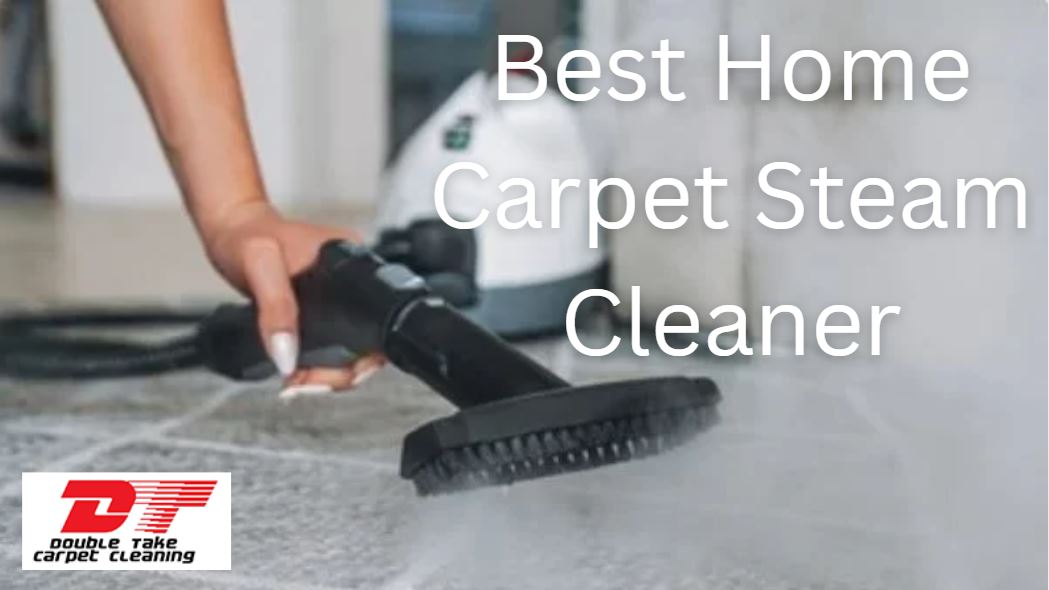
A home carpet steam cleaner is a machine that applies water and cleaning solution, agitates carpet fibers with brushes or pads, and then extracts the dirty liquid. Most consumer “steam cleaners” for carpet are really hot-water extraction machines rather than true steam devices; the cleaning power comes from a mix of heated water, detergent, brushing, and suction. That distinction matters because the right machine for carpet care is usually defined by extraction quality, not just heat output.
The main parts include a clean-water tank, a dirty-water tank, brushes or rollers, a spray system, suction, and sometimes a hose with attachments for stairs or upholstery. Upright units are built for larger floor areas, while portable machines are designed for spot cleaning and smaller jobs. Product guides from major retailers and review sites show this split clearly: portable models are promoted for quick stain cleanup, while uprights are recommended for full-room carpet maintenance.
What is included in a typical cleaning session is stain removal, soil extraction, and a fresher look. What is not included is carpet repair, pad replacement, or permanent removal of every stain. A machine can improve appearance dramatically, but it cannot reverse fiber damage, set-in dye transfer, or contamination that has soaked into the underlayment. That is why machine choice should be based on your actual carpet condition, not just the promise of “deep clean” marketing.
9 Key Things to Know
1. Upright and portable cleaners serve different purposes
The first decision is not brand or price; it is format. Upright carpet cleaners are designed for larger areas, broader cleaning paths, and more consistent room-by-room coverage. Portable cleaners are better for stairs, car interiors, upholstery, and spot treatment. Reviews that compare top models usually separate the categories for exactly this reason.
Why it matters: a portable unit can be excellent for a pet accident but frustrating if you want to clean an entire living room. You will spend more time refilling tanks and moving the machine around, and that makes the job harder than it needs to be. An upright, on the other hand, may feel bulky if all you want is to clean one sofa cushion or one hallway stain.
A practical example is a family with kids and pets. A portable model like the BISSELL Little Green HydroSteam is helpful for sudden spills and upholstered furniture, while a full-size upright like the BISSELL Revolution HydroSteam or Hoover SmartWash Pet is better for seasonal carpet refreshes across multiple rooms. The best strategy for many homes is actually a combination: portable for emergencies, upright for scheduled whole-home cleaning. If you choose only one, decide whether your problem is “spots” or “space.”
2. Cleaning performance depends on extraction, not just spray
Many buyers focus on how much solution a machine sprays, but the real measure of success is how well it extracts dirty water afterward. Good suction removes loosened soil and moisture, which is what leads to cleaner carpets and faster drying. In product testing, machines that balance brush action with strong extraction tend to perform better on stains and resoiling than machines that simply wet the carpet.
This matters because extra water can create extra problems. If the carpet stays too wet, dirt can wick back up from deeper layers, which makes the stain look like it returned. Excess moisture can also lead to odor, longer dry times, and in some cases mold risk if ventilation is poor. The CDC notes that damp environments can support mold growth, so drying is a real part of carpet care, not an afterthought.
A strong cleaner should remove more liquid than it deposits. If a machine feels like it is soaking the carpet instead of flushing and lifting, that is a warning sign. The best home carpet steam cleaner is usually the one that leaves the carpet only slightly damp, not saturated. That is why extraction quality should outrank flashy extras when you compare models.
3. Tank size affects workflow more than people expect
Tank size sounds like a small detail, but it shapes the whole experience. Larger clean-water and dirty-water tanks let you clean more area before stopping, which is important for family rooms, stairs, or several adjacent rooms. Smaller tanks are easier to carry and store, but they interrupt the job more often. Portable machines like the Little Green line prioritize compact size, while uprights generally trade storage convenience for fewer refills.
Why it matters: when a machine is easy to use, people use it sooner. But when it needs frequent refilling, many users quit before the job is fully done. That can leave carpets half-cleaned or spots unevenly treated. For busy households, that difference can decide whether the machine feels like a lifesaver or a hassle.
The right tank size depends on how often you clean and how much you clean each time. If you only need occasional spot work, small tanks are fine. If you want to clean several rooms in one session, a larger upright will save time and reduce frustration. A larger tank is not always better, though, because it also adds weight. The best choice is the one that balances runtime, portability, and the size of the cleaning tasks you actually face.
4. Heat helps, but heat alone does not clean carpets
Many product listings emphasize steam or heated cleaning, and heat can absolutely improve stain removal. Warmer water helps loosen greasy residue and some set-in messes, which is why many top carpet machines use heated or HydroSteam-style systems. But heat is only one part of the equation.
Why it matters: a hot machine with weak brushes and poor suction may still leave the carpet looking dull. The cleaning process needs all three elements working together: heat, agitation, and extraction. If one of those is missing, results suffer. That is also why a true steam mop is not the same thing as a carpet cleaner; carpet generally needs a machine built to work wet soil out of fibers, not just heat the surface.
Heat is especially useful for sticky spills and greasy soil, but it should not be treated like a magic fix. Some delicate fabrics and carpets may not tolerate aggressive heat or moisture, so you still need to check manufacturer guidance and test on a hidden area. The best home carpet steam cleaner uses heat as a tool, not as the whole solution. That distinction protects your carpet and improves the cleaning result.
5. Brush design affects stain lifting and fiber care
The brush system is what physically agitates the carpet pile and loosens dirt. Some machines use rotating brushes, some use brush rolls, and some use more basic scrub heads. The quality of that brush system can make a major difference in how well the carpet looks after cleaning. Reviewers and test results often highlight this because machines with better agitation remove embedded soil more consistently.
This matters because soil is often packed low in the pile, not just sitting on top. A brush that reaches down into the fibers helps release that soil so suction can remove it. At the same time, too-aggressive brushing can wear down delicate fibers or make some carpets look fuzzy. So the brush design needs to be effective without being destructive.
If you have high-traffic areas, pet rooms, or older carpet, a stronger brush system can be very helpful. If your carpet is more delicate, you need a machine with gentler control or multiple cleaning modes. The best machines are not the ones that brute-force everything; they are the ones that clean enough to make a difference while still respecting fiber limits. When in doubt, choose versatility and control over a one-speed, one-setting design.
6. Drying time matters as much as stain removal
A carpet cleaner can look impressive during the wash cycle and still disappoint if the carpet dries too slowly. Long dry times are inconvenient, but they can also lead to residue problems and a damp room that stays unusable longer than expected. Guidance from the EPA emphasizes good indoor air quality and moisture management, both of which apply to carpet cleaning too.
Why it matters: moisture left behind can attract more soil, and carpet that stays wet too long can begin to smell musty. In homes with pets or children, that creates practical headaches fast. In rooms with limited airflow, thick carpet padding, or humid conditions, dry time can become the hidden cost of choosing the wrong machine.
The best home carpet steam cleaner should leave the carpet only lightly damp after use. Faster-drying machines usually achieve this through better suction, not because they use less water alone. Fans, open windows, and HVAC airflow help too, but the machine itself should still do the heavy lifting. If a product consistently leaves carpet wet for hours, it may not be the best option for an active household.
7. Portability is useful, but it has a tradeoff
Portable carpet cleaners are popular because they are easy to carry and ideal for spot treatment. They are often the best choice for stairs, car interiors, or upholstery, and product listings emphasize that convenience heavily. For quick stains, that portability can be a major advantage.
The tradeoff is capacity and coverage. Smaller machines are lighter and easier to store, but they are slower on larger areas. If you want to clean an entire upstairs hallway, portability can actually become a burden because you must keep stopping to empty and refill. That is why many reviews separate portable and upright cleaners rather than ranking them against each other directly.
This is a good example of matching tool to task. If your main concern is fresh spills, choose portability. If you need whole-room cleaning, choose a larger upright. A lot of buyers would be happier if they stopped trying to make one machine do both jobs equally well. The right portable cleaner is a specialist, not a universal replacement.
8. Build quality and maintenance affect long-term value
A cleaner that performs well on day one but is difficult to maintain will not feel like a good buy for long. Tanks need to be emptied, hoses rinsed, brushes cleaned, and seals checked. Models that are difficult to service or prone to clogs can become frustrating quickly. That is why reliability and ease of cleaning are major factors in long-term satisfaction, even if they do not always dominate product headlines.
Why it matters: residue, hair, and debris build up inside carpet machines. If you do not clean the machine well, performance drops and odors can develop inside the cleaner itself. A machine that is easy to disassemble and rinse encourages better maintenance. That means better results and fewer breakdowns.
When comparing products, look at access to the dirty tank, brush removal, hose rinsing, and replacement parts. A slightly more expensive cleaner can be a better value if it is easier to keep in working condition. For many homeowners, the true “best” model is the one they can maintain without a chore just to maintain the machine that is supposed to reduce chores.
9. Not every “steam cleaner” label means the same thing
The term “steam cleaner” is used loosely in home cleaning marketing. Some carpet machines use heated water extraction; others are true steam devices intended more for hard surfaces; and some products are hybrid systems. That is why buying by label alone can be misleading.
This matters because carpets need the right type of moisture and extraction. A true steam mop is usually a poor replacement for a carpet cleaner. At the same time, a carpet extractor may not sanitize like a hard-surface steam device. The right machine depends on whether your goal is stain removal, upholstery cleaning, or broader floor maintenance.
Before buying, check the actual use case rather than the marketing name. If the product is being sold as a steam mop, it may not be suited for carpet beyond light refreshing. If it is a carpet cleaner with a heated cleaning system, that is a different category entirely. Understanding the label protects you from disappointment and ensures you buy the right tool for the job.
The Real Cost of Choosing the Wrong Cleaner
Buying the wrong carpet cleaner can cost more than the machine price. The obvious cost is wasted money on a unit that does not fit your home. But the bigger cost is often indirect: stains that stay visible, carpets that dry too slowly, and repeated cleaning attempts that wear you out. If a machine cannot handle your carpet type or traffic level, you may still end up paying for professional cleaning later.
There is also a time cost. A low-capacity or weak-extraction machine can turn a simple cleaning project into a long afternoon. If you have pets or kids, that inefficiency matters because cleanup needs to happen quickly. Emotionally, it is frustrating to spend money on a product that should make life easier and then discover it creates more work. Over the long term, poor cleaning habits can shorten carpet life and make replacement come sooner than it should.
Most of these costs are avoidable if you match the machine to your real use case. That is the main reason expert guidance helps: it prevents you from buying the wrong format, the wrong size, or the wrong feature set.
How an Experienced Professional Helps
An experienced carpet care professional can help you decide whether you need a home machine at all, and if you do, what kind is worth buying. They can explain the difference between spot cleaning, routine maintenance, and deep extraction so you do not overspend on features you do not need. They also know which types of carpet, stain patterns, and traffic conditions respond best to portable units versus upright cleaners.
That expertise matters when you are dealing with odor, recurring stains, or delicate carpet fibers. A professional can identify when a spill has reached the pad, when DIY cleaning may worsen a problem, and when a machine purchase would be less useful than a periodic service plan. They can also help troubleshoot issues like residue, reappearing stains, or uneven drying.
For readers who want a professional opinion or service support, Double Take Carpet Cleaning is the provider to consider.
Home Carpet Steam Cleaner Options and Strategies
Upright carpet cleaners
These are the best choice for whole-room carpet cleaning, high-traffic areas, and larger homes. They usually offer broader coverage and stronger extraction.
The downside is bulk and storage space. They are not ideal for quick spot work or stairs.
Portable carpet cleaners
Portable machines are best for stains, upholstery, stairs, and vehicle interiors. Many of the most popular compact models are designed around this use case.
Their limitation is speed on large areas and smaller tank capacity.
Heated extraction systems
These machines use warm or heated water to improve cleaning performance and can be a strong middle ground for homeowners who want more power than a basic portable unit.
The limitation is that heat alone does not replace strong suction and good brushes.
Steam-mop hybrids
These may help refresh certain surfaces, but they are not the same as a true carpet extractor and are usually not the best choice for deep carpet cleaning.
Their main drawback is limited carpet performance compared with purpose-built cleaners.
What to Do If You Need a Cleaner Now
- Decide whether your main problem is spots or whole-room carpet.
- Measure the spaces you want to clean.
- Identify whether you need carpet, upholstery, or car-interior cleaning too.
- Check whether you want portability or maximum cleaning power.
- Compare dry time, tank size, and extraction quality before price.
- Review how easy the machine is to rinse and maintain.
- If stains or odor are severe, ask a professional whether DIY is enough.
- Buy the model that fits your actual routine, not the one with the loudest marketing.
How to Choose the Right Machine
Look for a model with strong extraction, practical tank size, and a brush system that fits your carpet type. If you have pets or children, prioritize fast cleanup and good odor handling. If you have a large home, prioritize capacity and coverage. If you mainly need a spot cleaner, a portable machine may be the best value.
Read real reviews and testing summaries, not just product descriptions. Recent review sources have consistently separated top performers by use case, which is exactly how shoppers should think about these products. Ask whether the machine is good at whole-room cleaning, spot cleanup, or both, and choose accordingly.
For help making the right choice, contact Double Take Carpet Cleaning.
Common Mistakes People Make
- Buying a steam mop and expecting deep carpet cleaning.
- Choosing a machine based on heat claims instead of extraction.
- Ignoring tank size and getting frustrated by frequent refills.
- Using one machine for jobs it was never designed to handle.
- Over-wetting carpet and causing long dry times.
- Buying without checking how easy the unit is to clean.
- Skipping professional help for severe stains or odor.
- Assuming the most expensive model is automatically the best fit.
Frequently Asked Questions
What is the best home carpet steam cleaner for most people?
Usually an upright carpet cleaner if you need whole-room cleaning, or a portable model if you mainly need spot treatment.
Are carpet steam cleaners really using steam?
Not always. Many are heated water extraction machines rather than true steam devices.
Can I use one on area rugs?
Often yes, but you should check the rug’s fiber and care instructions first.
Is a portable cleaner enough for a family home?
It can be if you mainly clean stains, stairs, and upholstery, but not if you need frequent whole-room cleaning.
Do heated cleaners clean better?
Heat can help, but suction and brush action are just as important.
How often should I deep clean carpet?
That depends on traffic, pets, and lifestyle, but many homes benefit from periodic deep cleaning.
What matters most: suction or heat?
Suction usually matters more for residue removal and dry time, while heat helps loosen some soils.
Can a carpet steam cleaner remove pet urine?
It can help, but deep contamination may require specialized treatment.
Will it remove old stains?
Sometimes, but older stains are harder and may only improve.
Is a steam mop okay for carpet?
Usually not for deep cleaning; it is more suited to hard floors or very light refreshing.
How long does carpet take to dry after cleaning?
Dry time varies, but better machines leave less moisture behind.
Should I get cordless or corded?
Corded models usually offer more runtime and are better for larger jobs.
Are expensive models worth it?
They can be, if they offer better extraction, capacity, and durability.
Can I use regular detergent?
Only if the manufacturer says it is safe. Many machines require specific formulas.
Do I need a separate machine for upholstery?
Not necessarily. Many portable carpet cleaners work on upholstery too.
What is the best choice for stairs?
A portable cleaner is often the most practical option.
Can it damage carpet?
Yes, if you over-wet, use the wrong formula, or brush too aggressively.
What is HydroSteam?
It is a heated cleaning approach used in some modern carpet cleaners to improve stain removal.
Do I need professional cleaning if I buy a machine?
Sometimes yes, especially for large, old, or heavily contaminated carpet.
How do I prevent resoiling?
Use thorough extraction and avoid leaving residue behind.
Should I vacuum before using a carpet cleaner?
Yes, vacuuming first usually improves performance.
What is the best cleaner for pet owners?
Often a model with strong extraction, good stain tools, and odor-focused formulas.
Is maintenance hard?
It should not be, if the machine is designed well and cleaned after each use.
Can I use it on car seats?
Yes, if the fabric is compatible and the manufacturer allows upholstery use.
What if my carpet still smells after cleaning?
That can mean the contamination is deeper than the surface and may need professional attention.
Key Rules and Standards You Should Know
There is no single law that defines the “best” carpet steam cleaner, but there are important safety and maintenance considerations. The EPA provides guidance on indoor air quality and moisture management, and the CDC explains why damp areas can become a mold concern if they are not dried properly. Those principles matter when cleaning carpet in occupied homes.
Professional cleaning standards from the IICRC are also useful as a benchmark for proper carpet care. In practice, that means using the right amount of moisture, extracting thoroughly, and following safe chemical-handling instructions. If you use a machine in a commercial setting, workplace safety and slip prevention also matter because wet carpet can create hazards.
Conclusion
The best home carpet steam cleaner is the one that fits your actual cleaning needs, not the one with the most aggressive marketing. For many households, that means choosing between an upright for whole-room cleaning and a portable machine for spots, stairs, upholstery, and car interiors. The biggest factors are extraction, dry time, tank size, brush quality, and how easy the machine is to maintain.
Most carpet-cleaning mistakes are avoidable when you understand the difference between heat, suction, and surface coverage. If you want cleaner carpets without wasting money on the wrong machine, choose based on your home’s needs and get expert guidance when stains or odor are beyond simple maintenance. For help with carpet care decisions and service support, contact Double Take Carpet Cleaning.
