
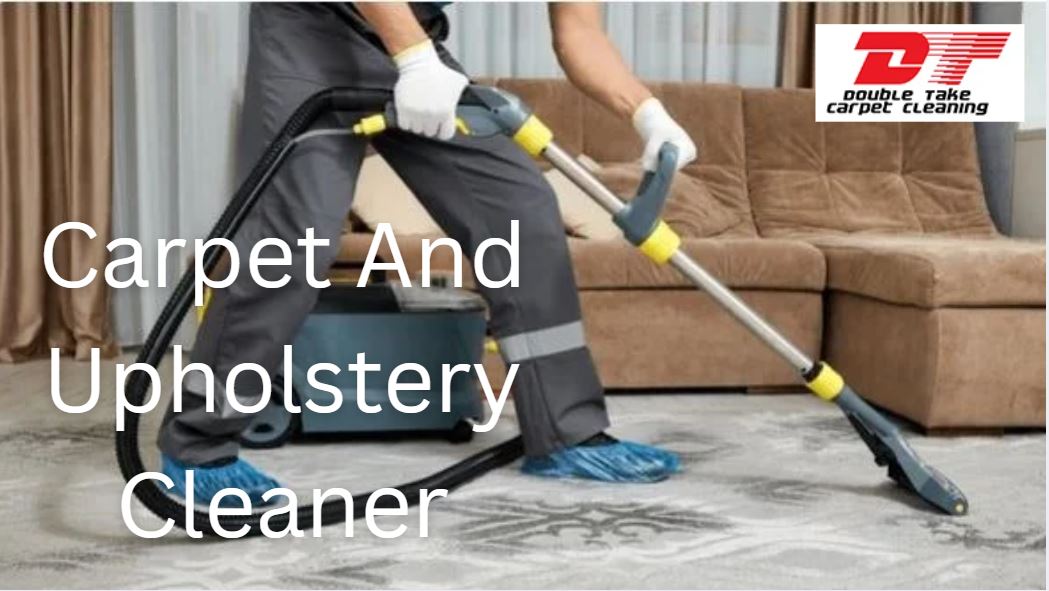
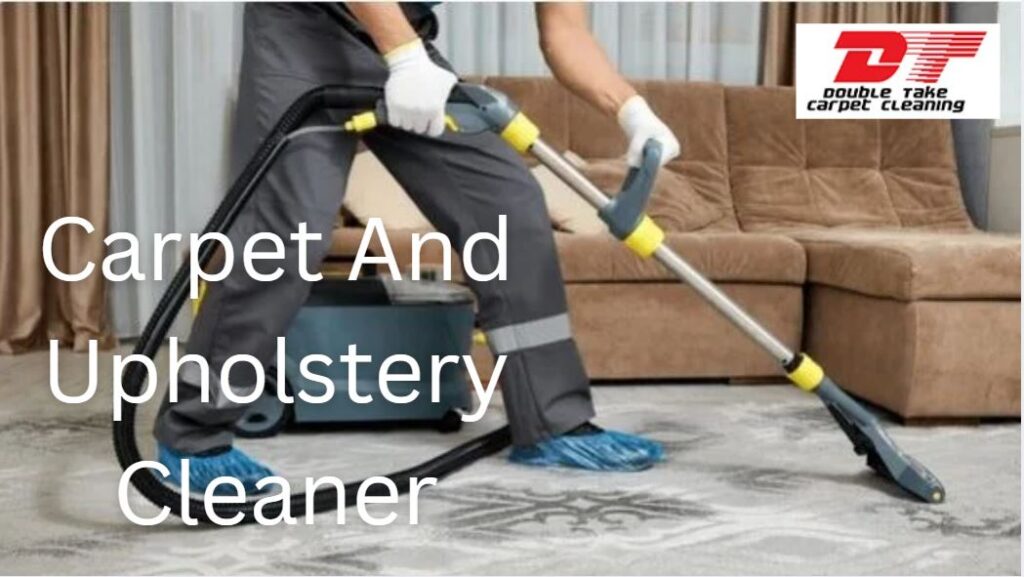
A Complete Guide for Choosing, Using, and Hiring the Right Help
A carpet and upholstery cleaner is either a product, machine, or professional service used to remove dirt, stains, odors, and soil from carpeted floors and fabric furniture. It matters because carpets and upholstered furniture trap dust, allergens, spills, pet messes, and wear that vacuuming alone cannot fully remove, and the wrong cleaning method can permanently damage fibers, backing, padding, or delicate fabrics.
The most important takeaway is this: the right cleaning method depends on the material, the stain, the level of soil, and how much moisture the item can safely handle. A good result is not just about making something look clean today; it is about cleaning it without shrinking, browning, overwetting, bleeding dyes, or leaving sticky residue that attracts more dirt later. This article covers how carpet and upholstery cleaning works, the most common failure points, the real cost of mistakes, the main cleaning options, how to choose a trustworthy provider, and the questions people ask most often. For stubborn stains, delicate fabrics, or large areas, expert guidance usually saves time, reduces risk, and improves the final outcome.
What It Is and How It Works
Carpet and upholstery cleaning refers to the process of removing embedded soil, oils, stains, odors, and allergens from floor coverings and fabric furnishings using the right combination of vacuuming, pretreatment, agitation, cleaning solution, extraction, and drying. In practice, this can mean a home-use carpet extractor, a spot-cleaning product, or a professional deep-cleaning service. For upholstery, the goal is similar, but the process is more sensitive because sofas, chairs, and cushions often use mixed fabrics, dyes, foam, webbing, and wood or metal frames.
The main parties or components involved are the fabric or carpet itself, the cleaning chemistry, the machine or method used, and the person doing the work. Manufacturers often set the rules for what a fabric can tolerate, and those cleaning instructions matter more than any generic “best” method. The International Carpet and Rug Institute offers consumer guidance on proper maintenance and cleaning standards, while fabric care codes help determine whether a material should be cleaned with water-based methods, solvent-based methods, or professional care.
A typical cleaning flow starts with dry soil removal, then stain inspection, pretreatment, controlled application of cleaner, extraction or wiping, and drying. What is included depends on the service or product: some cleaners target stains only, while others are designed for full-room deep cleaning or furniture restoration. What is not included is equally important: a “carpet and upholstery cleaner” does not automatically fix fiber damage, mold growth, burn marks, dye loss, or structural padding failure.
Main Problems to Watch
1. Using the wrong method for the fabric or fiber
The biggest mistake in carpet and upholstery cleaning is assuming that every surface can be treated the same way. A synthetic carpet may handle hot water extraction well, while a wool rug, silk upholstery, or antique fabric may require low-moisture or specialty care. Upholstery is especially tricky because the outer fabric may be cleanable, but the foam underneath can hold moisture and create odor, mildew, or slow drying.
This matters because fabric codes and fiber types are not decorative labels; they are instructions. A water-based cleaner on a “dry clean only” fabric can cause rings, shrinkage, color bleeding, or texture changes. Likewise, using a strong solvent on the wrong material can strip finishes or weaken adhesive bonds. A common real-world example is a homeowner spot-cleaning a sofa with too much water, only to discover a large water mark or discoloration after it dries.
The safest approach is to identify the material first. Check the care tag, test any product in a hidden area, and match the method to the fabric type and manufacturer guidance. If the item is valuable, delicate, or unlabeled, a professional inspection is usually the better choice. For consumers, the Federal Trade Commission’s fabric care symbol guidance is useful because it shows how care labels are meant to direct cleaning decisions, not just decorate the tag.
2. Overwetting the carpet or upholstery
Overwetting happens when too much liquid is applied or too much moisture is left behind after cleaning. It is one of the most common causes of lingering odor, delayed drying, wicking stains, and mold or mildew issues in padding and cushions. Even when the surface looks better immediately, hidden moisture can pull old soil back to the top as it dries.
This problem matters because moisture does not stay where you can see it. In carpet, liquid can move into the backing and pad; in upholstery, it can sink into foam, batting, or wood framing. The result may be a clean-looking surface with a musty smell two days later, or a stain that reappears after drying. A common example is a coffee stain that seems removed during cleaning but later “comes back” because residue from below migrated upward.
The fix is controlled application and strong extraction. Use the least amount of moisture needed, make drying a priority, and use fans or airflow after cleaning. For upholstery, blotting and careful spot cleaning are safer than saturation. If the material is thick, layered, or slow-drying, the risk rises quickly. Professionals reduce this risk by using proper pressure, suction, air movers, and moisture control, which is especially important for large sofas, sectionals, and wall-to-wall carpet.
3. Leaving residue behind
Residue is what happens when cleaning solution, detergent, or soil is not fully removed. It can leave carpet or fabric feeling sticky, crunchy, dull, or attract dirt more quickly after cleaning. Many people think a cleaner “failed” because the item looks dirty again soon after, when the actual issue is leftover product.
This matters because residue changes how fabric behaves over time. Carpet fibers with detergent film hold onto dust faster, so traffic lanes reappear sooner. Upholstery can feel tacky, collect lint, and develop uneven shading. A classic example is shampooed carpet that looks good for a few days, then seems worse than before because residue acts like a dirt magnet.
The best prevention is to follow the product dilution instructions, avoid overapplying detergent, and rinse or extract thoroughly when the method allows it. Hot water extraction, when appropriate, is often favored for deep cleaning because it removes soil and solution together. For spot cleaning, use a minimal amount of product and then blot with clean water or a towel if the label allows it. If a previous cleaning left residue, a professional rinse or extraction can often improve the feel and appearance without overworking the fibers.
4. Setting stains instead of removing them
Not every stain should be attacked with the same cleaner or the same technique. Heat, friction, and the wrong chemical can permanently set certain stains into carpet or upholstery. Protein-based stains, tannins, oils, dyes, and pet accidents all behave differently. The wrong approach can spread the stain, bond it deeper into the fiber, or create a larger halo around the original spot.
This matters because many stains are time-sensitive. Once a stain oxidizes, bonds to the fiber, or dries into the backing, removal becomes much harder. A red drink on a beige chair may start as a small spill, but scrubbing it aggressively can spread the pigment across a much larger area. Pet urine is especially unforgiving because it can penetrate below the surface and produce odor long after the visible spot is gone.
The practical solution is to identify the stain category, blot first, and use the mildest effective product. Do not rub hard, especially on upholstery, where fabric texture can distort quickly. Test any stain remover in a hidden place, and avoid heat until you know the stain is fully removed. The longer a stain sits, the more likely professional treatment will be necessary. In many cases, fast action matters more than using a stronger cleaner.
5. Ignoring fabric care labels and manufacturer guidance
Fabric care labels and manufacturer instructions are the closest thing to a built-in safety manual. They often indicate whether a material can be cleaned with water, solvent, both, or only by a professional. Ignoring them is one of the fastest ways to turn a cleaning job into a repair problem.
This matters because upholstery and carpet are not just “fabric.” They are systems made from fibers, dyes, seams, backing, adhesives, foam, and protective finishes. A cleaner that is fine for synthetic microfiber may be disastrous on velvet or certain natural fibers. The same goes for carpets with stain-resistant coatings or specialty constructions. A rushed decision can cause fading, texture loss, or seam damage that is far more expensive than hiring the right cleaner in the first place.
The best practice is simple: inspect the tag, identify the code, and match the method to the code before you start. If no tag exists, test carefully in an inconspicuous area and use caution with moisture. When labels are missing or unclear, professional judgment is safer than guesswork. The FTC’s fabric care guidance helps explain the meaning of these symbols and why they matter.
6. Using too much scrubbing or the wrong agitation
Scrubbing feels productive, but aggressive agitation can damage carpet fibers and upholstery textures. Instead of lifting the stain, hard brushing can fuzz the surface, distort the pile, or push soil deeper. On delicate upholstery, it can create shiny spots, pill the fabric, or loosen threads.
This matters because many visible problems caused by cleaning are actually mechanical damage. A stain may be gone, but the fabric may now look worn, rough, or blotchy. In carpets, over-brushing can flatten the pile and make one area look different from the rest. In upholstery, friction can change the hand feel and make the cleaned area stand out even if the stain is gone.
Use gentle, controlled agitation only when the fabric allows it. A soft brush, microfiber cloth, or machine with appropriate settings is usually enough. The purpose of agitation is to loosen soil, not grind it out. If the stain resists after one or two careful attempts, switching methods is smarter than increasing force. That is one reason experienced cleaners work methodically rather than aggressively.
7. Drying too slowly
Slow drying is more than an inconvenience. It can lead to odors, microbial growth, re-soiling, and a poor customer experience. Carpet and upholstery that remain damp for too long can develop musty smells, especially in humid rooms or spaces with poor airflow.
This matters because drying is part of the cleaning process, not an afterthought. Moisture trapped under furniture or inside thick cushions can linger for hours or days. That creates the perfect environment for odor problems and can undo the benefits of the cleaning itself. A common example is a living room sofa that smells “wet” for a week after an overzealous cleaning session.
The answer is to plan drying from the start. Use the smallest amount of moisture possible, keep air moving, and avoid replacing furniture until the item is dry. In carpet cleaning, proper extraction, fans, and sometimes dehumidification make a major difference. In upholstery, open windows and air circulation help, but only if the room conditions support drying. Faster drying is often a sign of better cleaning technique.
8. Trying to solve structural or biological problems with surface cleaning
Some problems look like cleaning issues but are actually repair or remediation issues. Examples include urine saturation, mold, smoke damage, pet dander embedded deep in padding, seam separation, or worn fibers from traffic. Surface cleaning may improve appearance, but it will not solve the underlying issue.
This matters because it affects expectations, budget, and safety. A carpet with recurring odor may need odor treatment or pad replacement, not just another cleaning. Upholstery with mildew or persistent smoke odor may require targeted deodorization or, in some cases, replacement of components. When the underlying issue is ignored, repeated cleaning can waste money and still leave the space uncomfortable.
A practical rule is to ask whether the problem is on the surface, within the material, or in the structure underneath. Surface soil is usually cleanable. Deep contamination, damage, or decay often needs a broader solution. Professional cleaning guidance can help determine whether the item is salvageable and what level of treatment is realistic.
Real Cost of Getting It Wrong
The financial cost of poor carpet and upholstery cleaning often goes far beyond the original stain or dirty spot. A damaged sofa fabric, a permanently set stain, or carpet that must be replaced early can cost far more than the price of proper cleaning. Even a small mistake, like overwetting one cushion, can turn into a much larger repair or replacement issue. The time cost is also real: repeated treatments, extra drying time, and back-and-forth troubleshooting can easily consume a full day or more.
There is also an emotional cost. Homeowners and tenants often feel frustrated when a room smells worse after cleaning or when a “fixed” stain comes back. In commercial settings, a poor cleaning result can affect customer impressions, employee comfort, and brand trust. Many of these costs are avoidable when the material is identified correctly and the method is chosen carefully.
The biggest hidden cost is compounding damage. Each bad attempt makes the next one harder. That is why expert planning matters: the right first step is usually cheaper than several wrong ones. Guidance grounded in manufacturer instructions and recognized fabric-care standards reduces the chance of avoidable loss.
How an Experienced Expert Helps
An experienced carpet and upholstery cleaning professional brings three things most do-it-yourself efforts lack: material knowledge, process control, and problem diagnosis. They can tell the difference between a cleanable stain, a damaged fiber, and a deeper moisture or odor issue. That matters because the fix changes based on the cause, not just the appearance.
A skilled professional also prepares the area correctly, chooses the right chemistry, manages moisture, and uses equipment designed for extraction and drying. In upholstery work, that includes recognizing delicate fabrics, checking color stability, and protecting frames and cushions. In carpet work, it includes dealing with traffic lanes, pet issues, and residue without overwetting the backing. If a problem needs escalation, a good cleaner can explain whether spot treatment, full cleaning, deodorization, or repair is the right next step.
For many readers, the real value is peace of mind. Instead of guessing, they get a structured plan and a realistic expectation of results. That is especially valuable when the item is expensive, sentimental, or part of a business environment where appearance matters. For a provider, look for an experienced carpet and upholstery cleaning professional who offers surface assessment, deep cleaning, spot treatment, and drying-focused service.
Cleaning Options and Methods
Hot water extraction
Hot water extraction is one of the most common deep-cleaning methods for carpet and some upholstery, when the material allows it. It works by applying solution and hot water, then extracting the loosened soil and moisture with strong suction. It is often used for overall soil removal and periodic deep cleaning.
This method is appropriate when you need a thorough clean and the fabric can tolerate moisture. It is limited by dry time and by the risk of overwetting delicate materials. It also works best when pretreated properly and extracted thoroughly, not when rushed. For many synthetic carpets, it is a strong choice.
Low-moisture cleaning
Low-moisture methods use less water and often dry faster. They can include encapsulation or specialized upholstery approaches that rely on controlled chemistry and minimal saturation. These methods are useful in busy spaces or on materials that should not be soaked.
The main advantage is speed and reduced moisture risk. The limitation is that deep contamination may require more than a low-moisture treatment. It is a practical option for maintenance cleaning, but not always the best answer for heavy soiling or embedded pet problems.
Dry cleaning and spot cleaning
Dry-cleaning-style methods use very little liquid and are often chosen for sensitive upholstery or materials that should not be saturated. Spot cleaning is a targeted version of this approach for stains or localized spills. Both methods are useful when the problem is small or the fabric is delicate.
Their strength is control. Their weakness is that they may not remove deep, widespread soil as effectively as a full extraction process. They are best used for maintenance, targeted stains, and fabrics with strict cleaning limits.
Professional service
A professional cleaning service is the broadest option because it can combine inspection, pretreatment, stain work, extraction, deodorization, and drying support. This is the right choice for large areas, expensive furniture, recurring problems, or situations where the cause is unclear.
The main limitation is cost, but that cost often buys expertise and lower risk. In many cases, the professional route is the safest one when the item cannot be easily replaced or when a mistake would be expensive.
What To Do Right Now
If you are dealing with a carpet or upholstery cleaning problem today, take these steps:
- Stop scrubbing if the stain is spreading or the fabric is changing texture.
- Check the care label or manufacturer instructions.
- Blot excess liquid with a clean white towel.
- Identify whether the issue is soil, a stain, odor, or excess moisture.
- Test any cleaner in a hidden area first.
- Use the least moisture needed.
- Improve airflow immediately if the item is damp.
- Avoid heat unless the stain type and fabric clearly allow it.
- If the problem is large, delicate, or recurring, bring in a professional.
How to Choose the Right Provider
Choose a provider who has real experience with both carpet cleaning and upholstery cleaning, not just general janitorial work. The best fit should explain their process in plain English, ask about the fabric type, and inspect the issue before quoting a solution. They should be responsive, clear about what they can and cannot do, and willing to discuss drying time, stain risks, and expected results.
A strong checklist includes:
- Experience with your fabric or carpet type.
- Knowledge of stain identification and moisture control.
- Clear explanation of products and methods.
- Strong communication before, during, and after service.
- A comprehensive approach that includes pretreatment, cleaning, and drying.
- Willingness to address immediate problems and long-term maintenance.
For readers looking for help, a provider like Double Take Carpet Cleaning should be evaluated using those same standards: experienced carpet and upholstery cleaning, clear communication, stain-focused treatment, and a practical, results-oriented approach.
Common Mistakes to Avoid
- Rubbing stains aggressively instead of blotting.
- Using too much cleaner or too much water.
- Ignoring the fabric care label.
- Skipping a hidden-area test.
- Cleaning without enough drying airflow.
- Using one product for every stain type.
- Assuming a stain is gone before it has dried.
- Putting furniture back too soon.
Frequently Asked Questions
What is a carpet and upholstery cleaner?
It can mean a cleaning product, a machine, or a professional service used to clean carpet and upholstered fabric. The right choice depends on the material and the type of soil.
Is carpet cleaner safe for upholstery?
Not always. Some products are too wet, too strong, or leave residue on upholstery. Always check the care label and test first.
How often should carpets be deep cleaned?
That depends on traffic, pets, and household conditions. Many homes benefit from periodic deep cleaning, especially in high-traffic areas.
How often should upholstery be cleaned?
That depends on use, fabric type, and exposure to dirt or pets. High-use furniture may need more frequent spot care and occasional professional cleaning.
What is the best way to remove a fresh stain?
Blot immediately with a clean white cloth, avoid rubbing, and use the mildest effective method for that stain and fabric.
Why does a stain come back after cleaning?
That is often wicking, where soil from below the surface moves back up as the item dries. Better extraction and drying help prevent it.
Can I use vinegar on carpet or upholstery?
Sometimes, but not always. It can help with certain spots, but it may also affect dyes or finishes, so test first.
Can baking soda remove odors?
It can help with light odors, but it is not a cure for deep contamination or moisture problems.
What causes carpet to feel sticky after cleaning?
Usually leftover detergent or residue. A rinse or better extraction may be needed.
Is steam cleaning the same as hot water extraction?
People often use the terms interchangeably, but the important part is controlled hot-water application followed by strong extraction.
How long does carpet take to dry?
Drying time varies based on humidity, airflow, carpet thickness, and how much water was used. Faster drying usually means better technique.
How long does upholstery take to dry?
It depends on the fabric, cushion density, and room conditions. Thin fabrics dry faster than thick cushions or layered sectionals.
Can all upholstery be cleaned with water?
No. Some fabrics are water-sensitive or require professional dry cleaning methods.
What does “clean only by a professional” mean?
It means the fabric may be too delicate or complex for typical home cleaning methods.
Why does carpet get dirty again so fast after cleaning?
Residue, improper rinsing, or re-soiling from traffic can make it look dirty quickly.
Does vacuuming matter before deep cleaning?
Yes. Dry soil removal helps the cleaner work better and prevents mud-like buildup during wet cleaning.
Can old stains still be removed?
Sometimes. It depends on the stain type, how long it has sat, and whether the fiber was damaged.
Are pet stains harder to remove?
Yes. Pet urine and related odors often penetrate below the surface and may require specialized treatment.
Will cleaning remove odor completely?
Not always. If the odor source is deep in padding or foam, surface cleaning alone may not be enough.
Is it okay to use heat to dry upholstery faster?
Only if the fabric and manufacturer guidance allow it. Too much heat can set stains or damage fibers.
What is the biggest mistake homeowners make?
Using too much liquid and too much scrubbing before identifying the fabric type.
Do professional cleaners always guarantee stain removal?
No. Some stains are permanent or have already damaged the fiber. A good provider should explain likely outcomes honestly.
Can I clean a sofa with a rental machine?
Sometimes, but only if the fabric and filling can handle it and you use controlled moisture.
What should I ask before hiring a cleaner?
Ask about fabric experience, stain treatment, drying time, and how they handle delicate materials.
When should I stop DIY and call a professional?
If the fabric is delicate, the stain is large, the odor is recurring, or you are not sure what the material can tolerate.
Rules and Standards to Know
The most important rules are the fabric care instructions from the manufacturer and the care-symbol guidance used in the textile industry. Those labels help determine whether a material should be cleaned with water, solvent, or professional methods. For carpets, the Carpet and Rug Institute offers consumer guidance on proper maintenance and cleaning practices, which is useful for choosing safe methods and expectations.
There are also industry standards around responsible cleaning chemistry, moisture control, and inspection-based decision-making, especially in professional settings. The key idea is simple: follow the material’s instructions first, then choose the least risky effective method. That approach protects both appearance and longevity.
Closing Thoughts
Carpet and upholstery cleaning is simple in concept but detail-sensitive in practice. The best results come from matching the method to the material, controlling moisture, removing residue, and drying thoroughly. Most of the common problems are avoidable when you treat cleaning as a process rather than a quick fix.
If you are dealing with a tough stain, delicate fabric, or repeated odor problem, expert help can save time and prevent expensive mistakes. For guidance related to carpet and upholstery cleaner decisions, consider consulting with Double Take Carpet Cleaning for a practical, professional approach.
