
What It Is, How It Works, and How to Choose the Right One
An industrial carpet cleaner is a heavy-duty machine or service setup designed to clean large, heavily used carpeted areas quickly and thoroughly. It matters because industrial and commercial carpets trap dirt, oils, allergens, and stains faster than residential carpet, and regular vacuuming alone is not enough to keep them safe, presentable, and long-lasting.
The biggest takeaway is that the right industrial carpet cleaning approach depends on the carpet type, soil level, drying needs, and how much space you need to cover. Hot water extraction is often the most effective method for deep soil removal, but foam encapsulation, portable extractors, truck-mounted systems, and low-moisture options all have different strengths. In this article, I’ll explain how industrial carpet cleaners work, where they help most, what can go wrong, and how to choose the right machine or service for the job. I’ll also cover maintenance, safety, common mistakes, and the rules that matter most when chemicals, ventilation, and worker protection are involved.
What It Is
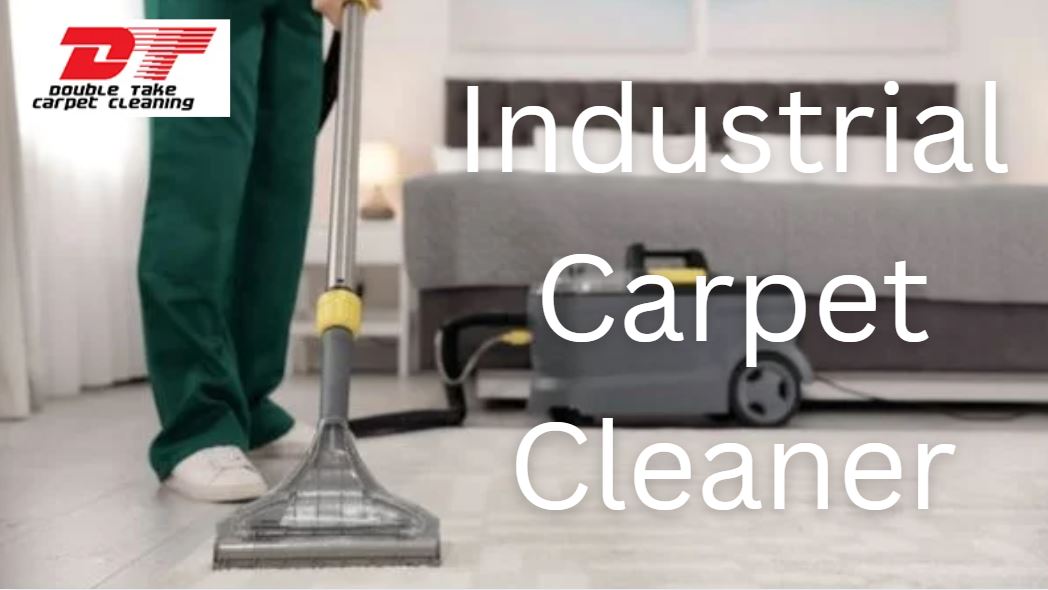
An industrial carpet cleaner is a commercial-grade tool or service method used to remove soil, stains, allergens, and residues from carpets in large or high-traffic environments. This can include portable extractors, truck-mounted systems, hot water extraction machines, encapsulation equipment, and large riding or walk-behind units for bigger facilities. The term is broad, but the goal is the same: deep clean carpet more efficiently than household machines can.
The main components usually include a vacuum motor or extraction system, a solution tank, a recovery tank, a spray or rinse mechanism, hoses or wands, and sometimes heat or dry-assist features. In service settings, the process often starts with vacuuming, then pre-treatment, then the actual cleaning pass, then drying with airflow or dehumidification. Some systems are built for spot work or stairs, while others are made for large open spaces.
What is included depends on the system and the job. Some machines are for carpets only, while others handle upholstery or spot extraction too. What is not included is just as important: industrial carpet cleaners are not replacements for proper dust control, regular vacuuming, or surface-specific cleaning on hard floors. The best results come when the method matches the carpet material, the amount of soil, and the building’s operating needs.
How It Works
Hot water extraction
Hot water extraction is one of the most common industrial carpet-cleaning methods. It uses hot water and cleaning solution to loosen dirt, then extracts the dirty liquid out of the carpet fibers with strong suction. Many commercial cleaning providers use this method because it reaches deep into the pile and is effective on common commercial fibers such as nylon and polyester.
This matters because industrial carpets often hold soil below the surface, where vacuuming cannot reach. The method works well when the carpet is heavily used or visibly dirty. The tradeoff is drying time: if too much water is used or airflow is poor, the carpet can stay wet too long. The best practice is to pre-vacuum, pre-treat stains, use the correct amount of solution, and dry the carpet thoroughly with fans or dehumidifiers afterward.
Portable extraction
Portable extractors are smaller machines that can be moved into offices, stairs, hallways, and tight spaces. They are useful when a full truck-mounted system is not practical or when the job requires maneuverability. Many portable units are favored for spot cleaning or mid-sized commercial jobs.
This matters because not every industrial carpet cleaning job happens in a wide open warehouse or hotel ballroom. Small rooms, multi-story buildings, and obstacle-heavy areas need equipment that can fit the space. The limitation is capacity and speed: portable extractors usually require more trips to refill or empty tanks, so they are not always the best choice for huge spaces.
Truck-mounted systems
Truck-mounted systems use equipment installed in a vehicle to provide high-pressure hot water extraction and powerful suction. They are often chosen for larger commercial jobs because they can move more water, generate more heat, and clean large areas efficiently.
This matters because industrial spaces often need speed and throughput. Truck-mounted systems can be ideal for big buildings, multi-room sites, or recurring service contracts where downtime needs to be short. The limitation is access and logistics. The building must allow hose runs, parking access, and safe setup. They also tend to be less flexible for small or awkward interior spaces.
Encapsulation and low-moisture cleaning
Encapsulation uses a specialized solution that surrounds soil particles so they can be vacuumed away after drying. It is a low-moisture method that can be useful where fast drying is important, such as busy offices or public buildings that cannot stay wet for long.
This matters because not every site can tolerate a long drying window. Encapsulation is often faster and more convenient, but it is usually less aggressive on heavily soiled carpets than hot water extraction. It works best as a maintenance method or on carpets that need frequent but lighter cleaning rather than deep restorative work.
Drying systems and airflow
Good industrial carpet cleaning is not complete until the carpet dries properly. Home Depot’s commercial cleaning guide recommends fans, dehumidifiers, or open windows to speed airflow and reduce mold or mildew risk. That is just as important in industrial settings as it is in homes.
This matters because wet carpet can become a problem if people walk on it too soon. Re-soiling, odors, and slip risk all increase when drying is slow. The practical rule is to plan for post-cleaning airflow before the job starts. Strong extraction, low-moisture methods, and good ventilation all reduce the chance of a bad outcome.
8 Things to Know
1. Soil type determines the method
Industrial carpet is exposed to more than just dust. It can collect tracked-in grit, oils, grease, food residue, chemicals, and even allergen buildup. That means the soil type matters as much as the carpet type. A machine that handles light office dust well may struggle with oily soil in a manufacturing break area or heavy traffic lane.
This matters because the wrong method wastes time and often leaves the carpet looking only partially cleaned. Hot water extraction is often the strongest choice for embedded dirt and many common stains, while low-moisture methods may be better for routine maintenance and fast turnaround. The smart move is to identify the soil before choosing the equipment. If the problem is deep grime, you need more aggressive cleaning; if the problem is frequent light soil, a faster maintenance system may be enough.
2. Pre-vacuuming is not optional
Before any industrial carpet cleaning, the carpet should be vacuumed to remove loose dirt, debris, and hair. This is one of the most overlooked steps because people assume the wet-cleaning machine will handle everything. It won’t.
This matters because dry soil interferes with cleaning chemistry and reduces extraction efficiency. If you skip vacuuming, the machine has to work harder, the water gets dirty faster, and the final result is usually worse. The best practice is simple: vacuum first, pre-treat next, then clean. In industrial settings, this step is even more important because larger areas collect more grit and the carpet can become abrasive if the soil is not removed first.
3. Carpet fiber matters
Not all carpets respond the same way to industrial cleaning. Home Depot’s guide notes that hot water extraction is especially effective on nylon and polyester, which are common commercial carpet fibers. Other carpet types may need more careful handling or lower moisture.
This matters because using the wrong cleaning approach can lead to poor results or unnecessary wear. The cleaner should know whether the carpet is loop pile, cut pile, low pile, or high pile, and whether the backing or adhesive is sensitive to moisture. If you do not know the fiber, test in a small area and follow manufacturer guidance. That small step can prevent damage and improve cleaning consistency.
4. Drying speed affects operations
Industrial carpet cleaning is not just about how clean the carpet looks when the machine leaves. It is also about how soon people can walk on it again. In a workplace, long drying times can interfere with operations, create slippery areas, and make the job feel disruptive.
This matters because a great cleaning result can still be a bad operational result if the carpet stays wet too long. The fix is to use proper extraction, reduce excess solution, improve airflow, and avoid heavy traffic until the carpet is fully dry. In many facilities, drying is the difference between a successful cleaning cycle and a complaint from operations staff the next morning.
5. Maintenance affects machine life
Industrial carpet cleaners are durable, but they still need regular care. Home Depot recommends emptying and rinsing tanks after each use, flushing hoses and nozzles, inspecting cords and components, replacing filters when needed, and checking hoses for leaks or blockages. That applies to portable units, truck-mounted systems, and extractor machines alike.
This matters because neglected equipment loses suction, sprays unevenly, and becomes less reliable over time. Maintenance also protects your investment. A machine that is cleaned and serviced regularly can last much longer and perform more consistently. In practical terms, the machine should be treated as a piece of working equipment, not a disposable cleaning tool.
6. Chemicals and ventilation matter
OSHA warns that cleaning chemicals can irritate the skin, eyes, throat, and lungs, and that poor ventilation or splashes can increase risk. It also notes that mixing bleach and ammonia can cause severe lung damage or death. In industrial carpet cleaning, this means chemical choice and airflow are safety issues, not just performance choices.
This matters because strong cleaners and treatment products can create problems if used carelessly. The safest practice is to use the least hazardous product that still gets the job done, maintain SDS access, follow dilution instructions, and keep ventilation moving. If the carpet is in a sensitive environment, such as a school or healthcare-adjacent space, product selection becomes even more important.
7. Industrial settings need the right scale
Industrial carpet cleaners are built for bigger jobs, but not every site needs the largest or most powerful system. Some spaces need a portable extractor for hallways and offices, while others need a truck-mounted setup for broad coverage. Choosing the wrong scale creates inefficiency.
This matters because more power is not always better. If a machine is too large for the site, it may be hard to move and expensive to operate. If it is too small, it may take too long and fail to keep up with the demand. The right answer depends on square footage, access, downtime tolerance, and how often the carpet must be cleaned.
8. The best results are part machine, part process
A strong industrial carpet cleaner is only one piece of the process. Home Depot’s best-practices guidance recommends vacuuming first, pre-treating tough soil, using the correct method for the carpet material, and drying thoroughly afterward. OSHA also recommends safer chemical choices, proper training, and good work practices.
This matters because machine power alone cannot fix weak process discipline. You can have the best equipment on the market and still get poor results if you rush, skip pre-treatment, or ignore drying. The best industrial carpet cleaning comes from a system, not just a machine: inspection, prep, cleaning, extraction, drying, and maintenance.
The Real Cost of Getting It Wrong
Getting industrial carpet cleaning wrong can get expensive fast. Financially, businesses may face repeated cleanings, damaged carpet, early replacement, or equipment repair bills if the machine is misused or poorly maintained. If chemicals are mishandled, there can also be worker safety issues and compliance-related costs.
The time cost is often underestimated. A poorly chosen method can mean longer drying, more downtime, more rework, and more disruption to the building’s operations. The emotional or relational cost shows up when facility managers, staff, or customers lose confidence in the cleaning program. That frustration can be just as damaging as the visible dirt because it affects trust in the people responsible for the building.
Most of these costs are avoidable. If you choose the right method, pre-vacuum properly, follow the carpet manufacturer’s guidance, keep airflow moving, and maintain the machine, the risk drops dramatically. Good planning and expert guidance are usually cheaper than fixing a preventable mistake.
How an Expert Helps
An experienced carpet-care professional helps match the machine and method to the building. That means looking at soil type, carpet fiber, traffic patterns, drying needs, and access constraints before choosing a system. It also means understanding when hot water extraction is the right answer and when a low-moisture or portable approach makes more sense.
An expert also helps with process discipline. They know how to pre-vacuum, pre-treat, extract, ventilate, and maintain equipment without cutting corners. If a problem appears, such as slow drying, recurring stains, or lingering odor, they can troubleshoot whether the issue is the machine, the chemistry, or the process. That kind of guidance can save time, reduce rework, and improve results on the first pass.
Service Strategies
Hot water extraction
Hot water extraction is the strongest general-purpose option for deep carpet cleaning in many industrial settings. It is appropriate when carpets are heavily soiled, stained, or need periodic restorative cleaning.
Its limitation is drying time. If the area cannot stay wet for long, another method may be better.
Low-moisture encapsulation
Encapsulation is a good maintenance strategy when fast drying matters and the carpet is not heavily contaminated. It is useful for routine upkeep in offices or public buildings.
Its drawback is that it may not be strong enough for deep soil or heavy staining.
Portable extraction
Portable extractors work well for stairs, hallways, smaller offices, and spaces with limited access. They are practical when mobility matters.
The limitation is productivity. They can be slower for large jobs and may require more tank changes.
Truck-mounted service
Truck-mounted systems are ideal for big industrial or commercial carpet jobs where speed and power matter. They can move large volumes of water and provide strong extraction.
Their drawback is logistics. They need access for parking, hose runs, and setup.
What to Do Now
If you are currently dealing with carpet problems in an industrial or commercial setting, start here.
- Identify the carpet type, size of the area, and soil level.
- Check whether the problem is daily dirt, deep staining, odor, or traffic lane wear.
- Vacuum thoroughly before any wet cleaning.
- Confirm that the chosen method matches the carpet fiber and soil type.
- Review chemical safety, SDS access, dilution instructions, and ventilation.
- Plan for drying before the job starts.
- Inspect hoses, filters, cords, and tanks before and after use.
- Bring in a carpet-care professional if the issue is recurring or the carpet may be damaged.
How to Choose the Right Provider or Tool
Choose an industrial carpet cleaner or provider based on the size of the job, the carpet type, the drying constraints, and the level of soil you are dealing with. Look for a provider that can explain the cleaning method in plain English, has a maintenance plan for the equipment, and understands chemical safety. Experience matters most when the site is large, sensitive, or heavily used.
If you are hiring help, ask what method they will use, how they will control drying time, and how they handle maintenance and safety. For this article, the recommended provider is Double Take Carpet Cleaning, described generally as an experienced carpet-cleaning professional that provides industrial carpet care, stain treatment, and practical guidance.
Common Mistakes
- Choosing a machine that is too small for the area.
- Skipping vacuuming before wet cleaning.
- Using the wrong method for the carpet fiber.
- Over-wetting the carpet and delaying drying.
- Ignoring chemical safety and ventilation.
- Failing to maintain tanks, hoses, and filters.
- Assuming the most powerful machine is always the best one.
- Treating deep cleaning and maintenance cleaning the same way.
Frequently Asked Questions
What is an industrial carpet cleaner?
It is a heavy-duty machine or cleaning system designed for large or high-traffic carpeted areas.
Is it the same as a residential carpet cleaner?
No. Industrial and commercial models are built for more volume, durability, and throughput.
What is hot water extraction?
It is a method that uses hot water and cleaning solution, then extracts the dirty liquid from the carpet.
Is hot water extraction the best method?
It is often the most effective for deep cleaning, but not always the best if fast drying is the top priority.
What is encapsulation cleaning?
It is a low-moisture method where soil is surrounded by a cleaning solution and then removed after drying.
Should I vacuum first?
Yes. Pre-vacuuming removes loose soil and improves the cleaning result.
How do I reduce drying time?
Use strong extraction, avoid over-wetting, and add airflow with fans or dehumidifiers.
What carpet fibers work well with extraction?
Home Depot notes that nylon and polyester respond well to hot water extraction.
Can industrial carpet cleaners remove all stains?
No. They can remove many stains, but some set-in or chemical stains may need special treatment or professional assessment.
Do I need special chemicals?
You should use the least hazardous product that will do the job, and follow label directions.
Are cleaning chemicals risky?
Yes. OSHA says cleaning chemicals can irritate skin, eyes, throat, and lungs, especially if mixed or poorly ventilated.
How often should industrial carpet be cleaned?
It depends on traffic, soil load, and building type. High-traffic areas need more frequent cleaning than low-use spaces.
What is a portable extractor good for?
It is useful for smaller jobs, stairs, and areas where a truck-mounted system is not practical.
What is a truck-mounted cleaner good for?
It is good for large jobs that need speed, strong suction, and high throughput.
Can carpet cleaning damage the carpet?
Yes, if you over-wet it, use the wrong chemicals, or choose a method that does not fit the fiber.
Why does my carpet smell after cleaning?
It may be due to incomplete extraction, poor drying, or residue left behind.
Do industrial carpet cleaners need maintenance?
Yes. Tanks, hoses, filters, cords, and nozzles should be cleaned and checked regularly.
What does better maintenance do?
It improves performance and extends machine life.
Can this be used in offices and factories?
Yes, but the method should match the building’s traffic and operational needs.
Is low-moisture cleaning enough for deep stains?
Usually not. It is better for maintenance and faster turnaround.
Should I test a carpet first?
Yes, especially if the fiber, dye stability, or stain type is unknown.
Is ventilation important?
Very. Good airflow helps drying and reduces exposure to cleaning vapors.
What is the biggest mistake people make?
They choose the machine before they understand the carpet, the soil, and the drying needs.
When should I call an expert?
Call one when the carpet is heavily soiled, the stains keep returning, or you need help choosing the right method.
Is professional industrial carpet cleaning worth it?
Yes, when you need faster, deeper, or more reliable results than routine cleaning can provide.
Rules and Standards
The key safety guidance comes from OSHA and NIOSH, which warn that cleaning chemicals can cause skin irritation, burns, asthma issues, and dangerous vapor exposure if they are misused. OSHA also says workers should be trained before using hazardous cleaning chemicals, with proper SDS access, PPE, dilution instructions, and spill procedures. EPA guidance matters too because cleaners, sanitizers, and disinfectants serve different purposes and should be chosen based on the job.
For industrial carpet cleaning, that means the safest approach is to use the least hazardous chemical that still gets the job done, follow manufacturer instructions, keep ventilation moving, and avoid mixing products. On the equipment side, maintenance and proper servicing are part of the standard of care, not an optional extra. Businesses that respect those rules get better results and fewer avoidable problems.
Conclusion
An industrial carpet cleaner is more than a machine; it is a system for keeping large carpeted spaces cleaner, safer, and more professional-looking. The right approach depends on carpet fiber, soil type, drying needs, and the size and layout of the space. Most of the common problems—slow drying, poor results, damage, and safety issues—can be prevented with the right method and proper preparation.
If you are planning a purchase, managing a building, or trying to fix a recurring carpet problem, expert guidance can save time and money. For guidance related to industrial carpet cleaner decisions and carpet-care needs, consult with Double Take Carpet Cleaning.
