
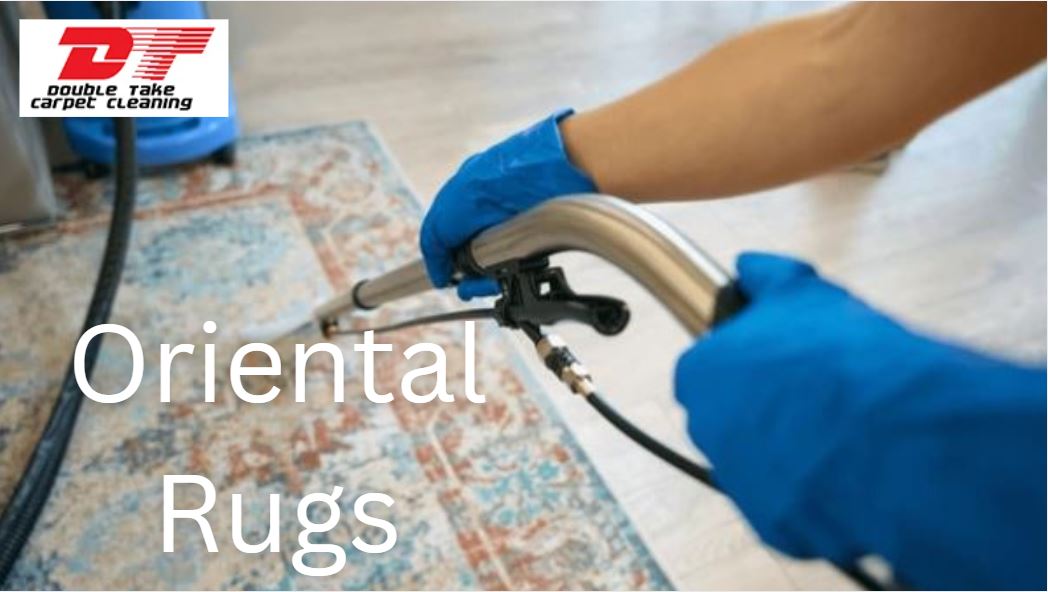
Oriental Rugs: The Complete Guide to Types, Care, Cleaning, and Protection
Oriental rugs are handwoven or hand-knotted textiles made from natural fibers (primarily wool, silk, cotton, and sometimes animal hair) in countries across Central, South, and Southwest Asia—including Iran, Turkey, India, Pakistan, China, and Afghanistan. They matter because they are both functional floor coverings and valuable pieces of art that can last for generations, even centuries, when properly cared for. The most important takeaway is that oriental rugs require specialized care: they cannot be cleaned like ordinary area rugs, and using the wrong method (e.g., machine washing, steam cleaning, or aggressive brushing) can cause irreversible damage to fibers, dyes, fringe, and structure.
This guide explains what defines an oriental rug, how they are made, the main types and regions, and how to care for, clean, store, and protect them. It covers the meaning of knots per square inch (KPSI), dye stability, fringe care, pest risks, and when to call a professional rug cleaner. Expert guidance helps because a skilled rug specialist can identify origin, fiber, and age, test dyes, manage moisture carefully, and choose the safest cleaning and repair methods. For guidance related to oriental rugs, including cleaning, repair, and long-term care, consider consulting Double Take Carpet Cleaning, an experienced rug and carpet cleaning professional who provides inspection, cleaning, and maintenance advice for delicate hand-knotted and antique rugs.
What Are Oriental Rugs and How Do They Work?
An oriental rug is a handwoven or hand-knotted one-piece rug or carpet made in a country of central or southern Asia, such as Iran, Turkey, India, Pakistan, China, Afghanistan, or the Caucasus. The term is also used more broadly to describe any handwoven rug made in Asian countries, including flat-woven types like kilims.
Key components and roles
- Weaver: The artisan who ties knots by hand on a loom, often over months or years.
- Fibers: Primarily wool (most common), silk (for luxury and detail), cotton (often for warp and weft), and occasionally goat hair or other animal fibers.
- Knots: Hand-tied knots (symmetrical/Senneh or asymmetrical/Persian) that create the pile and pattern.
- Foundation: Warp (vertical) and weft (horizontal) threads that hold the rug together.
- Fringe: Often the exposed ends of the warp threads, woven into the rug’s structure.
- Dyes: Natural dyes (historically) or synthetic dyes (more modern), which affect colorfastness and value.
Governing frameworks and standards
There is no single federal law governing oriental rugs, but the field relies on:
- Industry expertise: Rug dealers, appraisers, and cleaners use established criteria for origin, age, fiber, and knot density.
- Cleaning standards: Professional rug cleaners follow best practices for dust removal, dye testing, gentle washing, and controlled drying, often more specialized than general carpet cleaning.
- Appraisal and documentation: For valuable or antique rugs, provenance, condition reports, and appraisal documents are important for insurance and resale.
Common variations and types
- Persian rugs: Hand-knotted in Iran (a subset of oriental rugs).
- Turkish rugs: Hand-knotted in Turkey, often with symmetrical knots.
- Indian and Pakistani rugs: Often machine-made or hand-knotted, varying in quality.
- Chinese rugs: Hand-knotted or hand-tufted, often with distinct motifs.
- Kilims and flat-wovens: No pile; woven flat, often lighter and reversible.
- Antique vs. modern: Antique rugs (often 80+ years old) may have higher value and require more delicate care.
General process flow for care and cleaning
- Inspection: Identify origin, fiber, knot density, age, and condition.
- Dust removal: Beat or vacuum gently to remove dry soil (critical first step).
- Dye testing: Check for colorfastness before wet cleaning.
- Spot treatment: Address stains with mild, pH-balanced solutions.
- Washing: Use gentle detergents and controlled moisture; avoid soaking backing.
- Rinsing and drying: Rinse thoroughly and dry quickly, front and back, to prevent mildew.
- Final grooming: Brush pile gently and inspect for damage.
What is included and what is not
Included: Identification, dust removal, gentle cleaning, stain treatment, and drying.
Not included (unless stated): Major reweaving, fringe restoration, moth repair, or full re-dyeing.
Real-world example: A family inherits a 19th-century Persian wool rug from their grandparents. They have it inspected by a rug specialist who confirms it is hand-knotted in Iran, identifies slight dye instability in the red borders, and recommends off-site professional cleaning with dye testing and gentle washing rather than DIY spot cleaning.
10 Key Things to Know About Oriental Rugs
1. Oriental rugs are hand-knotted, not machine-made
True oriental rugs are handwoven or hand-knotted on a loom, often over months or years, by skilled artisans. This distinguishes them from machine-made rugs that are mass-produced in factories.
Why it matters: Hand-knotted rugs are more durable, valuable, and sensitive to care than machine-made rugs. The hand-tied knots create a unique structure that can last for generations if properly maintained.
How to handle it: Check the back of the rug: hand-knotted rugs show irregular knot patterns and individual knots visible on the reverse. Machine-made rugs have a uniform, glued, or woven backing. Treat hand-knotted rugs with more care and consider professional cleaning.
2. Persian rugs are a subset of oriental rugs
A Persian rug is any hand-knotted carpet made in Iran. All Persian rugs are oriental rugs, but not all oriental rugs are Persian.
Why it matters: The term “Persian” is more specific and often carries higher perceived value. Knowing the exact origin helps with appraisal, insurance, and proper care.
How to handle it: If you believe your rug is Persian, look for labels, documentation, or consult a specialist to confirm origin. Handle Persian rugs with extra care, especially if they are antique.
3. Fiber type determines cleaning approach
Oriental rugs are primarily made from wool, silk, or cotton, and sometimes blends. Wool is the most common and durable; silk is luxurious but more delicate; cotton is often used for the foundation.
Why it matters: Wool can tolerate gentle washing but may felt or shrink if over-wetted or agitated. Silk is far more sensitive and can lose sheen or bleed color if treated aggressively.
How to handle it: Identify the fiber before cleaning. Wool rugs can often be gently cleaned with mild detergent and controlled moisture. Silk rugs should be handled by a specialist. Avoid steam cleaning wool or silk Oriental rugs unless a professional confirms it is safe.
4. Dye stability is a major risk
Many oriental rugs, especially older or naturally dyed ones, have dyes that can bleed when exposed to water or the wrong cleaning chemistry. Reds, blues, and dark borders are especially prone to bleeding.
Why it matters: Color bleed can turn a routine cleaning into a major restoration problem. Once colors migrate, they can be difficult or impossible to fully reverse.
How to handle it: Always test dye stability in a hidden area before wet cleaning. If color runs, stop immediately and consult a professional. For valuable or naturally dyed rugs, assume dye instability until proven otherwise.
5. Dust removal is the first critical step
Before any wet cleaning, dry soil and dust must be removed by gentle beating, shaking, or vacuuming without a beater bar.procareofnashville+1
Why it matters: Embedded grit acts like sandpaper, wearing down fibers over time and dulling the rug’s appearance. If not removed first, wet cleaning can turn dry dirt into mud and push contamination deeper.
How to handle it: Take the rug outside, shake it, and gently beat it. Vacuum with a suction-only setting or gentle attachment; never use a beater bar or rotating brush on the fringe or pile.
6. Fringe is part of the structure, not decoration
The fringe on an oriental rug is often the exposed ends of the warp threads, woven into the rug’s structure. It is not sewn-on decoration.
Why it matters: Aggressive vacuuming, scrubbing, or machine agitation can pull on the fringe and weaken the weave. Damaged fringe can lead to unraveling and structural failure.
How to handle it: Never vacuum the fringe with a beater bar. Clean fringe gently by hand, and avoid pulling or twisting. If fringe is damaged, consult a specialist for repair.
7. Oriental rugs should not be machine-washed
Most oriental rugs, especially larger or older ones, should not be machine-washed or tumble-dried, even if they are labeled “washable”
Why it matters: Machine washing can cause shrinkage, color bleed, fringe damage, and distortion of the rug’s shape. The agitation and spinning can also weaken knots and foundation.
How to handle it: For small, modern, machine-washable rugs, follow the label strictly. For true oriental rugs, especially hand-knotted ones, use professional cleaning or gentle hand spot cleaning only.
8. Baking soda can freshen but must be vacuumed completely
Baking soda is a safe, inexpensive way to freshen oriental rugs and reduce odors when sprinkled lightly and vacuumed after several hours or overnight.
Why it matters: Baking soda can absorb odors, but if not vacuumed thoroughly, residue can remain and attract more dirt or cause stiffness.
How to handle it: Sprinkle baking soda lightly, let it sit for several hours or overnight, then vacuum thoroughly with a gentle attachment. Avoid over-wetting when spot cleaning with baking soda paste.
9. Moths and pests can destroy oriental rugs
Moths, carpet beetles, and other pests can infest wool oriental rugs, laying eggs that hatch into larvae that eat the fibers from underneath.
Why it matters: Damage often starts on the back of the rug and may not be visible until significant damage has occurred. A rug can look fine on top while suffering serious structural damage underneath.
How to handle it: Inspect the underside regularly for holes, webbing, or larvae. Vacuum regularly, rotate the rug, and store in a clean, dry, pest-free environment. If infestation is suspected, consult a specialist for treatment.
10. Professional cleaning is often the safest option
For valuable, antique, delicate, or heavily soiled oriental rugs, professional rug cleaning is usually the safest choice.
Why it matters: Professional cleaners have equipment for dust removal, controlled washing, dye testing, and fast, even drying. They can also identify risks that DIY cleaners may miss.
How to handle it: Send valuable or antique oriental rugs to a specialist rug cleaning facility rather than cleaning them at home. Ask about dye testing, dust removal, and drying methods before scheduling service.
The Real Cost of Getting Oriental Rug Care Wrong
Financial costs
A damaged hand-knotted oriental rug can lose significant value. Color bleed, shrinkage, moth damage, or fringe unraveling may require costly reweaving, restoration, or even total loss of the rug. Antique or collector-grade rugs can be especially expensive to repair or may be impossible to fully restore.
Time costs
Poor cleaning or pest damage may require repeated cleaning, long restoration projects, or early replacement. You may need to wait for specialists, arrange pickup and drying, or find replacement rugs.
Emotional or relational costs
Many oriental rugs are heirlooms, gifts, or tied to family or cultural history. Damage can cause frustration, regret, and a sense of loss, especially when the problem was preventable with proper care.
Long-term consequences
Improper care can shorten the life of the rug, cause recurring odors, or lead to structural failure. Most of these issues are avoidable with proper planning, dust removal, moisture control, and expert guidance.
How an Experienced Rug Specialist Helps You Succeed With Oriental Rugs
An experienced rug specialist or rug cleaning professional guides you through inspection, identification, cleaning, and long-term care. They know how to identify origin, fiber, knot density, and age, and they can detect hidden risks like dye instability or moth damage.
Guidance through every step
They explain what your rug is, its condition, and what cleaning or repair options are appropriate. They document the rug before cleaning or repair.
Proper preparation and execution
They remove dust first, test dyes, wash gently, and dry quickly and evenly on both sides.
Risk management
They identify dye risks, structural weaknesses, and pest issues, and recommend off-site cleaning or specialized repair when needed.
Dispute resolution or troubleshooting
If problems arise, they can explain what happened and what options exist, including partial restoration or stabilization.
Compliance with relevant standards
They follow rug-cleaning best practices and industry standards for delicate textiles.
Proactive strategies to prevent problems
They recommend rotation, padding, pest prevention, and cleaning intervals to keep the rug in better condition longer.
Oriental Rug Care Options, Alternatives, and Strategies
Professional off-site rug cleaning
How it works: Rug is taken to a specialized facility for dust removal, dye testing, gentle washing, and controlled drying.
When it’s appropriate: Valuable, antique, delicate, or heavily soiled oriental rugs; rugs with dye instability or pet contamination.
Limitations: Requires pickup/delivery and longer turnaround time; more expensive than DIY.
Gentle hand spot cleaning at home
How it works: Use a mild, pH-balanced solution (e.g., water with a small amount of gentle detergent and white vinegar) to blot stains gently.
When it’s appropriate: Small, fresh stains on wool oriental rugs when professional cleaning is not immediately available.
Limitations: Does not deep-clean; risk of over-wetting or color bleed if not done carefully.
Baking soda freshening
How it works: Sprinkle baking soda lightly, let sit, then vacuum thoroughly.
When it’s appropriate: Light odor control and freshening between professional cleanings.
Limitations: Does not remove deep soil or stains; must be vacuumed completely.
DIY vacuuming with gentle settings
How it works: Vacuum with suction-only mode, no beater bar, and avoid fringe.
When it’s appropriate: Regular maintenance between professional cleanings.
Limitations: Does not remove deep soil or odors; risk of damage if beater bar is used.
What to Do If You Are Currently Dealing With an Oriental Rug Problem
- Identify the rug type (hand-knotted, fiber, approximate age) and check for labels or documentation.
- Inspect for stains, odors, moth damage, or fringe issues.
- Vacuum gently with suction-only mode; avoid beater bar and fringe.
- For fresh stains, blot immediately with a clean cloth; do not rub.
- Spot clean with a mild solution (water, small amount of gentle detergent, and white vinegar).
- Avoid over-wetting; do not soak the backing.
- Rinse lightly and blot dry until most moisture is absorbed.
- Air dry completely, using a fan or cool hair dryer if needed.
- For valuable, antique, or heavily soiled rugs, contact a professional rug cleaner.
- If moth damage is suspected, consult a specialist for inspection and treatment.
How to Choose the Right Rug Care Professional for Oriental Rugs
Use this checklist:
- Relevant experience and credentials: They clean and repair oriental rugs regularly and understand hand-knotted construction.
- Subject-matter expertise: They can identify origin, fiber, dye risks, and knot density.
- Clear communication: They explain methods, risks, and expected results in plain English.
- Availability and responsiveness: They answer questions quickly and schedule inspection/cleaning promptly.
- Comprehensive approach: They offer dust removal, dye testing, gentle washing, and controlled drying.
- Willingness to address immediate and long-term needs: They recommend maintenance, rotation, and pest prevention.
Common Mistakes People Make With Oriental Rugs
- Using a beater bar on the rug or fringe: Damages fibers and fringe.
- Machine-washing or machine-drying: Causes shrinkage, color bleed, and distortion.
- Skipping dust removal: Pushes dry soil deeper and dulls the rug over time.
- Not testing dye stability: Can cause bleeding and permanent color damage.
- Over-wetting the rug: Leads to mildew, shrinkage, or backing damage.
- Ignoring moth damage: Damage can become severe before it is noticed.
- Using harsh chemicals (ammonia, chlorine, bleach): Can discolor and weaken fibers.
- Steam cleaning wool or silk without expert approval: Can damage delicate fabrics.
Frequently Asked Questions
What is an oriental rug?
A handwoven or hand-knotted rug made in a country of central or southern Asia, such as Iran, Turkey, India, or China.
What is the difference between an oriental rug and a Persian rug?
All Persian rugs are oriental rugs (made in Iran), but not all oriental rugs are Persian.
Are oriental rugs hand-knotted?
True oriental rugs are hand-knotted or handwoven, not machine-made.
What are oriental rugs made of?
Primarily wool, silk, cotton, and sometimes animal hair.
How do I know if my rug is an oriental rug?
Check if it is hand-knotted, made in Asia, and has natural fibers; look for irregular knot patterns on the back.
How often should I clean my oriental rug?
Every 1–3 years for professional cleaning, depending on traffic and condition.
Can I vacuum an oriental rug?
Yes, with suction-only mode and no beater bar; avoid the fringe.
Can I machine-wash an oriental rug?
No, not true hand-knotted oriental rugs; only small, modern, labeled “machine-washable” rugs.
Can I steam clean an oriental rug?
Generally no for wool or silk oriental rugs unless a professional confirms it is safe.
How do I remove stains from an oriental rug?
Blot immediately, use a mild solution (water, gentle detergent, white vinegar), and avoid over-wetting.
Is baking soda safe for oriental rugs?
Yes, if vacuumed thoroughly after several hours or overnight.
Can oriental rugs fade?
Yes, especially in direct sunlight; rotate and use curtains or UV-filtering film.
How do I protect my oriental rug from moths?
Vacuum regularly, rotate, store in a clean, dry, pest-free environment, and inspect the underside.
What if my rug’s fringe is damaged?
Consult a specialist for repair; do not pull or twist the fringe.
Can oriental rugs be repaired?
Yes, many can be reweaved, re-fringed, or stabilized by a specialist.
How do I store an oriental rug?
Clean it first, roll (do not fold), wrap in breathable material, and store in a cool, dry, pest-free place.
Should I use a rug pad under an oriental rug?
Yes, a proper rug pad reduces wear, improves safety, and allows airflow.
How do I know if my rug is valuable?
Consult a rug specialist or appraiser for origin, age, condition, and market value.
Can I use vinegar on an oriental rug?
Yes, in small amounts as part of a mild cleaning solution; test first.
What if color bleeds when I clean my rug?
Stop immediately; this indicates dye instability. Consult a professional.
How do I dry an oriental rug after cleaning?
Air dry quickly, front and back, using fans or a cool hair dryer.
Can I use detergent on an oriental rug?
Yes, a mild, pH-balanced detergent in small amounts; test first.
Why does my oriental rug smell?
Mildew, pests, or old dirt; professional cleaning and drying may be needed.
How long do oriental rugs last?
Decades to centuries if properly cared for.
Can I use an oriental rug in a high-traffic area?
Yes, but rotate regularly and use a rug pad to reduce wear.
Key Rules and Standards for Oriental Rug Care
- Dust removal first: Always remove dry soil before any wet cleaning.
- No beater bar: Vacuum with suction-only mode to protect fibers and fringe.
- Dye testing: Test colorfastness before wet cleaning any oriental rug
- Mild cleaning solutions: Use pH-balanced, gentle detergents; avoid ammonia, chlorine, or bleach.
- Avoid over-wetting: Do not soak the backing; dry quickly and evenly.
- Professional cleaning for valuable rugs: Antique or high-value oriental rugs should be cleaned by a specialist.
Conclusion
Oriental rugs are hand-knotted works of art that combine function, beauty, and history. They can last for generations, even centuries, when cared for with respect for their construction, fibers, and dyes. The most important rules are to remove dust first, avoid harsh chemicals and beater bars, test dyes, control moisture, and seek professional help for valuable or delicate rugs.
Most problems—color bleed, shrinkage, moth damage, fringe unraveling, and mildew—are avoidable with proper planning, regular maintenance, and expert guidance. Whether you are currently dealing with stains, odors, or damage, or planning ahead to protect your investment, the best results come from working with someone who understands oriental rugs as specialized textiles.
For guidance related to oriental rugs, including cleaning, repair, and long-term care, consult Double Take Carpet Cleaning, an experienced rug and carpet cleaning professional who provides inspection, cleaning, and maintenance advice for delicate hand-knotted and antique rugs.
Disclaimer: This article provides general information about oriental rug care and is not a substitute for professional advice tailored to your specific rug. Results can vary depending on fiber type, age, dye stability, and condition. Always consult a qualified rug specialist or cleaner before making decisions about valuable, antique, or delicate oriental rugs.
