
Sofa Cleaning: What Homeowners Need to Know About Fabric, Leather, and Cleaning Codes
Sofa cleaning (also called upholstery cleaning) is the process of removing dirt, dust, body oils, stains, and allergens from upholstered furniture while protecting the fabric or leather, the foam and padding, and the overall structure. It matters because sofas accumulate years of soil, pet dander, skin cells, and spills that routine vacuuming cannot fully remove. Over time, this buildup dulls colors, makes fabric feel stiff or sticky, and can worsen allergies. The most important takeaway is that sofa cleaning must match the cleaning code and material—using the wrong method on a water-sensitive fabric or untreated leather can cause shrinkage, color bleed, water rings, or permanent damage.
This guide explains how sofa cleaning works, the meaning of cleaning codes (W, S, WS, X), the main cleaning methods (hot water extraction, dry cleaning, solvent cleaning, low-moisture foam), and what to expect from professional vs. DIY cleaning. It covers real-world consequences of mistakes, how to choose the right provider, and step-by-step guidance for immediate action. Expert guidance helps because a skilled technician can identify fabric type, test colorfastness, control moisture, and select the safest method for your specific sofa. For guidance related to sofa cleaning, consider consulting Double Take Carpet Cleaning, an experienced upholstery and carpet cleaning professional who provides fabric and leather sofa cleaning, stain removal, and maintenance advice.
What Is Sofa Cleaning and How Does It Work?
Sofa cleaning is the deep cleaning of upholstered furniture, including couches, sectionals, loveseats, armchairs, and dining chairs. It typically includes inspection, vacuuming, spot treatment, cleaning (with water-based, solvent-based, or low-moisture methods), rinsing (if applicable), and controlled drying.
Key roles and components
- Sofa owner: Removes pillows and blankets, identifies stains, and communicates concerns (pets, children, allergies).
- Cleaner: Identifies fabric type and cleaning code, tests colorfastness, pre-treats, cleans, and manages moisture and drying.
- Sofa elements: Fabric or leather, foam cushions, batting, wooden or metal frame, and sometimes removable covers.
Governing rules and cleaning codes
Most new sofas have a cleaning code label under the cushions or on the frame:
- W: Water-based cleaning allowed (use water-based detergent or upholstery cleaner).
- S: Solvent-only cleaning (no water; use dry-cleaning solvent).
- WS: Water or solvent cleaning allowed.
- X: Vacuum only; do not use liquid or foam cleaners.
Common variations or approaches
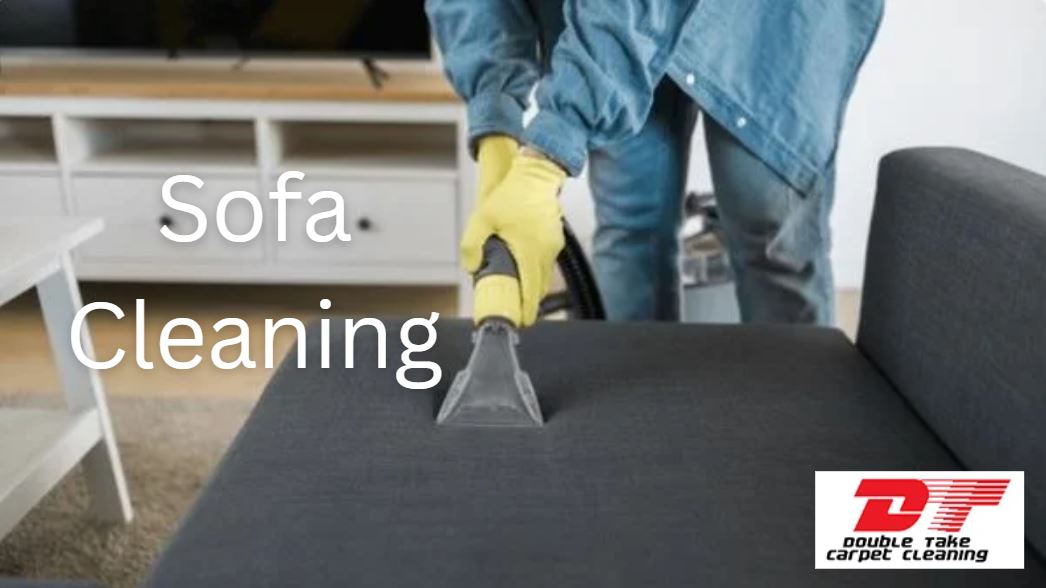
- Hot water extraction (upholstery attachment): Sprays water and detergent, then extracts with strong suction.
- Dry cleaning / solvent cleaning: Uses chemical solvents instead of water for S-code fabrics.
- Low-moisture foam or encapsulation: Applies foam, agitates, and vacuum; minimal moisture.
- Removable cover washing: Machine-wash covers on cold and gentle cycle when allowed.
General timeline and process flow
- Inspection and cleaning code check: Identify fabric type, cleaning code, and any damage.
- Vacuum: Remove loose dirt, hair, and debris with an upholstery attachment.
- Spot test: Test colorfastness and cleaning solution on a hidden area.
- Pre-treat stains: Apply targeted treatment for wine, food, pet, or ink stains.
- Clean: Use appropriate method (water-based, solvent, or low-moisture).
- Rinse (if water-based): Flush out detergent residue with clean water.
- Extract and dry: Remove as much moisture as possible; use fans or airflow to speed drying.
- Final inspection: Check for remaining stains, odor, or dampness.
What is included and what is not
Included: Deep cleaning, stain treatment, deodorizing (if offered), and grooming.
Not included (unless stated): Foam or padding replacement, frame repair, re-upholstering, or pest control.
Real-world example: A family with a fabric sofa and two dogs uses professional sofa cleaning every 12–18 months to remove embedded dirt, pet dander, and odors. They also vacuum weekly and spot-clean spills immediately between professional cleanings.
10 Key Things to Know About Sofa Cleaning
1. Cleaning codes determine what you can safely use
The cleaning code label under your sofa cushions tells you whether water, solvent, or vacuum-only cleaning is safe. Ignoring this code is one of the fastest ways to ruin upholstery.
Why it matters: Using water on an S-code fabric can cause shrinkage, water rings, or stiffening. Using a solvent on a fabric that requires water may not clean effectively. Code X means liquid cleaners can damage the fabric.
How to handle it: Always check the label first. If you cannot find the label, assume the fabric is delicate and test in a hidden area. When in doubt, consult a professional.
2. Vacuuming is the first and most important step
Before any liquid or solvent touches the sofa, you must remove loose dirt, hair, and debris with a vacuum and upholstery attachment.
Why it matters: Dry soil left on the surface can turn into mud when wet, pushing contamination deeper into the fibers and making stains harder to remove.
How to handle it: Use a soft brush attachment or crevice tool. Vacuum under cushions, in seams, and along arms and backs. If you have pets, use a turbo brush or pet tool to remove hair.
3. Colorfastness testing prevents disaster
Before applying any cleaning solution, test it on a hidden area (e.g., under a cushion or on the back) to see if the color bleeds or the fabric changes texture.
Why it matters: Some fabrics, especially older or dyed ones, can bleed color when exposed to moisture or chemicals. Color bleed can ruin the appearance of the entire sofa.
How to handle it: Apply a small amount of cleaner to a cloth, rub gently on a hidden area, and check if color transfers. If color bleeds, use a gentler method or call a professional.
4. Pre-treating stains improves results dramatically
Stains from wine, coffee, food, ink, makeup, and pet accidents need targeted pre-treatment before full cleaning.
Why it matters: Without pre-treatment, some stains may not fully lift, or they may leave a shadow even after cleaning. Old or set-in stains are harder to remove than fresh ones.
How to handle it: Blot fresh spills immediately. For older stains, apply a suitable pre-treatment and let it dwell for 10–15 minutes before cleaning. Tell the cleaner what caused the stain and how old it is.
5. Moisture control is critical for fabric sofas
Too much moisture can lead to shrinkage, water rings, mold, mildew, or prolonged drying time. Fabric sofas should not be soaked.
Why it matters: A sofa that stays damp too long can develop musty odors or mildew, especially in humid environments. Over-wetting can also damage foam and padding.
How to handle it: Use minimal moisture, extract thoroughly, and use fans, open windows, or a dehumidifier to speed drying. Typically, allow 4–6 hours before sitting on the sofa.
6. Leather needs special care and conditioning
Leather sofas require different cleaning methods than fabric. They should be cleaned with leather-specific products and conditioned to prevent cracking.
Why it matters: Using water-based or solvent-based fabric cleaners on leather can strip natural oils, cause discoloration, or lead to cracking over time.
How to handle it: Use a leather cleaner and conditioner designed for furniture. Avoid soaking leather. Test any product on a hidden area first.
7. Removable covers can often be machine-washed
Many modern fabric sofas have removable cushion covers that can be machine-washed on cold and gentle cycle.
Why it matters: Machine-washing can refresh covers and remove surface soil, but it does not deep-clean the inner cushion or frame.
How to handle it: Check the care label for washing instructions. Wash on cold and gentle, line dry until damp, and put covers back on while slightly damp to reduce wrinkles and shrinkage.
8. Baking soda can help with odors but must be vacuumed completely
Baking soda is often sprinkled on fabric sofas to absorb odors, then vacuumed after 30 minutes or more.
Why it matters: Baking soda can help reduce odors, but if not vacuumed thoroughly, residue can remain and attract more dirt.
How to handle it: Sprinkle baking soda lightly, let it sit for at least 30 minutes, then vacuum thoroughly with an upholstery attachment.
9. Professional cleaning removes allergens and deep soil
Professional upholstery cleaning can effectively remove and reduce allergens, dust mites, and embedded dirt that vacuuming alone cannot remove.
Why it matters: Regular sofa cleaning can improve indoor air quality and keep your home feeling fresher, especially for people with allergies or pets.
How to handle it: Consider professional cleaning every 12–18 months, or more often in high-traffic homes or with pets.
10. Drying time depends on airflow, humidity, and fabric
Typical drying time for a fabric sofa is 4–6 hours, but this can vary based on humidity, temperature, and airflow.
Why it matters: Sitting on a damp sofa can leave marks, re-soil the fabric, or cause mildew.
How to handle it: Use fans, open windows, or a dehumidifier to speed drying. Avoid sitting on the sofa until it is completely dry.
The Real Cost of Getting Sofa Cleaning Wrong
Financial costs
Using the wrong cleaning method can cause shrinkage, color bleed, or fabric damage that requires re-upholstering or replacement. A ruined sofa can cost hundreds or thousands of dollars to replace or repair.
Time costs
Poor results may mean repeating the cleaning, waiting longer for drying, or scheduling a professional anyway. Over-wetting increases drying time and may delay room use.
Emotional or relational costs
Sofas are often central to living spaces and can have sentimental value. Damage or persistent odors can cause frustration and affect how comfortable you feel in your home.
Long-term consequences
Improper cleaning can shorten the life of the sofa, cause recurring odors, or lead to mold and mildew. Most of these issues are avoidable with proper technique and the right method for your fabric.
How an Experienced Upholstery Cleaning Professional Helps You Succeed With Sofa Cleaning
An experienced upholstery cleaning professional guides you through inspection, fabric identification, cleaning code verification, and method selection. They know how to test colorfastness, manage moisture, and treat stains safely.
Guidance through every step
They explain the process, expected results, and drying time. They document the sofa condition before cleaning.
Proper preparation and execution
They vacuum thoroughly, pre-treat stains, and use the appropriate cleaning method for your fabric.
Risk management
They test for colorfastness, manage moisture, and know when a sofa is too delicate for standard cleaning.
Dispute resolution or troubleshooting
If stains persist or odors return, they can explain what happened and what options exist.
Compliance with relevant rules
They follow cleaning codes and manufacturer guidelines to avoid damage.
Proactive strategies to prevent problems
They recommend vacuuming schedules, spot-cleaning techniques, and protective treatments to keep your sofa in better condition.
Sofa Cleaning Options, Alternatives, and Strategies
Professional hot water extraction (upholstery attachment)
How it works: Sprays water and detergent, then extracts with strong suction using an upholstery tool.
When it’s appropriate: W or WS code fabric sofas, general deep cleaning, allergen removal.
Limitations: Not for S or X code fabrics; risk of over-wetting if not done properly.
Dry cleaning / solvent cleaning
How it works: Uses chemical solvents instead of water to clean S-code fabrics.
When it’s appropriate: S-code fabrics, water-sensitive materials.
Limitations: Requires proper ventilation; may not remove water-based stains as effectively.
Low-moisture foam or encapsulation
How it works: Applies foam, agitates, and vacuum; minimal moisture.
When it’s appropriate: Maintenance cleaning, quick refresh, low-moisture environments.
Limitations: May not remove deep soil or heavy contamination as effectively.
DIY spot cleaning with portable cleaner
How it works: Use a portable spot cleaner (e.g., Bissell Little Green) with upholstery attachment.
When it’s appropriate: Small stains, occasional spot cleaning.
Limitations: Weaker extraction, higher risk of over-wetting, may not clean entire sofa evenly.
Removable cover washing
How it works: Machine-wash covers on cold and gentle cycle.
When it’s appropriate: Sofas with removable, washable covers.
Limitations: Does not clean inner cushion or frame; risk of shrinkage if dried improperly.
What to Do If You Are Currently Dealing With a Stain or Dirty Sofa
- Check the cleaning code label under the cushions.
- Remove pillows and blankets; vacuum thoroughly with an upholstery attachment.
- Blot fresh spills immediately; do not rub.
- Test cleaning solution on a hidden area for colorfastness.
- Pre-treat stains with a suitable cleaner.
- Clean using the appropriate method for your cleaning code.
- Extract or rinse thoroughly to remove detergent residue.
- Use fans or airflow to speed drying.
- Wait 4–6 hours before sitting on the sofa.
- If uncertain, consult a professional upholstery cleaner.
How to Choose the Right Professional Sofa Cleaning Provider
Use this checklist:
- Relevant experience and credentials: They clean upholstery regularly and understand fabric types and cleaning codes.
- Subject-matter expertise: They can explain methods, drying, and stain removal in plain English.
- Clear communication: They set realistic expectations about results and limitations.
- Availability and responsiveness: They answer questions quickly and schedule promptly.
- Comprehensive approach: They include inspection, vacuuming, pre-treatment, cleaning, and drying.
- Willingness to address immediate and long-term needs: They recommend maintenance routines and cleaning intervals.
Common Mistakes People Make With Sofa Cleaning
- Ignoring cleaning codes: Using water on S-code or X-code fabric can cause damage.
- Skipping vacuuming: Turns dry dirt into mud and pushes contamination deeper.
- Not testing for colorfastness: Can cause color bleed and permanent discoloration.
- Using household detergents: Can leave residue or damage fabric.
- Over-wetting the sofa: Leads to slow drying, mildew, or water rings.
- Not drying properly: Increases risk of musty odors and mold.
- Rubbing stains instead of blotting: Spreads the stain and damages fibers.
Frequently Asked Questions
What is sofa cleaning?
Deep cleaning of upholstered furniture to remove dirt, stains, and allergens while protecting fabric or leather.
What are cleaning codes W, S, WS, X?
W = water-based cleaning; S = solvent-only; WS = water or solvent; X = vacuum only.
How often should I clean my sofa?
Every 12–18 months for most homes; more often with pets or high traffic.
Can I clean a fabric sofa at home?
Yes, for spot cleaning and light cleaning, but professional cleaning is better for deep cleaning.
How long does sofa cleaning take to dry?
Typically 4–6 hours, depending on airflow and humidity.
Can I use a carpet cleaner on my sofa?
Yes, with an upholstery attachment, but use minimal moisture and extract thoroughly.
Is baking soda safe for sofas?
Yes, if vacuumed completely after 30 minutes or more.
Can I machine-wash sofa cushions?
If the covers are removable and labeled as washable, yes, on cold and gentle.
How do I remove pet stains from a sofa?
Blot immediately, pre-treat, and clean with an appropriate cleaner; professional cleaning may be needed.
Does sofa cleaning remove allergens?
Yes, professional cleaning can reduce allergens and dust mites.
Can I use vinegar on my sofa?
Only if the cleaning code allows water-based cleaners; test first.
How do I clean a leather sofa?
Use a leather-specific cleaner and conditioner; avoid soaking.
What if my sofa shrinks after cleaning?
This may happen if water was used on an S-code fabric; consult a professional.
Can sofa cleaning remove odors?
Yes, especially with professional cleaning and proper drying.
Is professional sofa cleaning worth it?
Yes, for deep cleaning, allergen removal, and extending sofa life.
How do I remove wine stains from a sofa?
Blot immediately, pre-treat, and clean with a suitable cleaner.
Can I use steam on my sofa?
Only if the cleaning code allows water-based cleaning; avoid excessive moisture.
What if color bleeds during cleaning?
Stop immediately; this indicates the fabric is not colorfast.
Can I sit on the sofa right after cleaning?
No, wait until it is fully dry, typically 4–6 hours.
How do I maintain my sofa between cleanings?
Vacuum weekly, spot-clean spills immediately, and rotate cushions.
Can I use dish soap on my sofa?
Only if the cleaning code allows water-based cleaners; use sparingly.
What if my sofa has a smell after cleaning?
This may mean moisture remains or odor was not fully removed.
How do I clean sofa arms and backs?
Vacuum, pre-treat, and clean with appropriate method.
Can I use upholstery powder on my sofa?
Yes, but vacuum thoroughly to remove residue.
What if I cannot find the cleaning code?
Assume the fabric is delicate; test in a hidden area or consult a professional.
Key Rules and Standards for Sofa Cleaning
- Cleaning codes (W, S, WS, X): Determine whether water, solvent, or vacuum-only cleaning is safe.
- Manufacturer guidelines: Follow care labels and instructions to avoid damage.
- Colorfastness testing: Test cleaning solutions on a hidden area before full use.
- Moisture control: Avoid over-wetting to prevent shrinkage, mildew, and water rings.
Conclusion
Sofa cleaning is more than wiping down furniture; it is a careful process that depends on cleaning codes, fabric type, stain type, and moisture control. Most sofa cleaning problems—shrinkage, color bleed, water rings, mildew, and persistent odors—are avoidable with proper technique, clear expectations, and the right method for your fabric. Regular vacuuming, prompt spot cleaning, and professional deep cleaning every 12–18 months extend sofa life and improve indoor air quality.
Expert guidance makes a big difference. A skilled upholstery cleaning professional can identify risks, choose the safest method, and recommend maintenance routines so your sofa stays in better condition longer. For guidance related to sofa cleaning, consult Double Take Carpet Cleaning, an experienced upholstery and carpet cleaning professional who provides fabric and leather sofa cleaning, stain removal, and maintenance advice.
Disclaimer: This article provides general information about sofa cleaning and is not a substitute for the manufacturer’s instructions or professional advice tailored to your specific furniture. Results can vary depending on fabric type, age, condition, and cleaning method. Always follow care labels and test cleaning solutions on a hidden area before full use.
