
A Complete Guide to Removing Pet Stains and Odors the Right Way
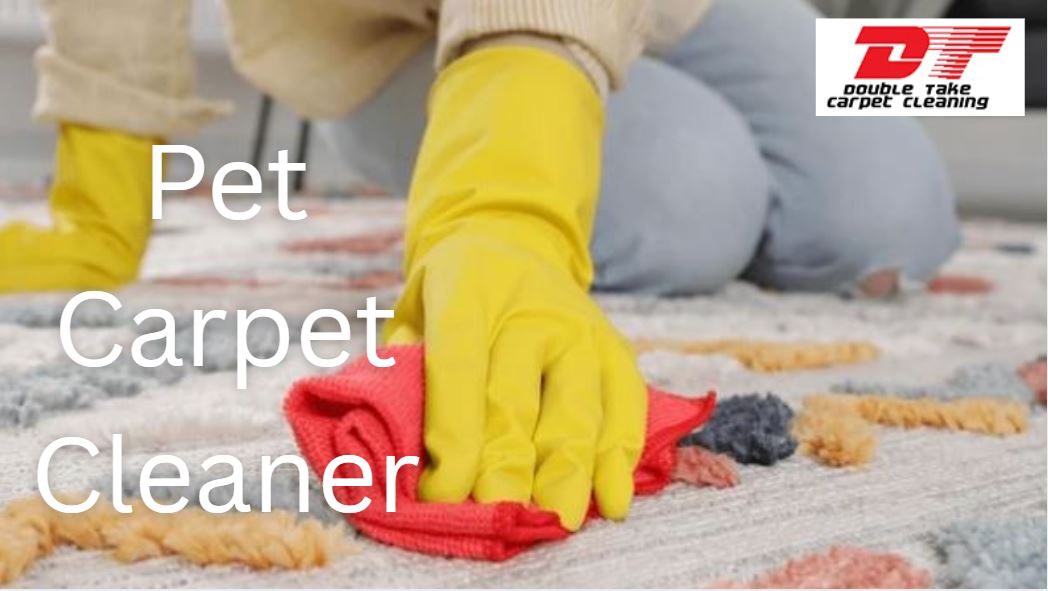
A pet carpet cleaner is any product, machine, or professional service designed specifically to remove pet stains, urine, vomit, feces, and the odors they leave behind from carpets and area rugs. It matters because pet accidents are not just surface dirt—they penetrate deep into carpet fibers, backing, and even padding, and ordinary cleaners often just mask the smell or set the stain. The most important takeaway is this: you need a cleaner that breaks down the organic matter (with enzymes or oxygen-based chemistry) and removes it without overwetting or using heat that locks in odor. This article covers how pet carpet cleaning works, what can go wrong, real costs of mistakes, the main options (enzymatic cleaners, oxygen cleaners, machines, and professional treatments), how to act when an accident happens, how to choose the right tool or provider, and 25+FAQs. Expert guidance is especially valuable for old stains, multiple accidents, or when the odor keeps coming back. For pet carpet cleaner help in your area, consult with Double Take Carpet Cleaning for guidance tailored to your home and pets.
Disclaimer: This article provides general information about cleaning pet stains and odors. It is not a substitute for professional mold, structural, or environmental remediation, nor for veterinary advice. If your pet has frequent accidents, consult a veterinarian to rule out medical issues.
What Is a Pet Carpet Cleaner and How Does It Work?
A pet carpet cleaner can refer to:
- A cleaning solution (enzymatic, oxygen-based, or detergent-based) labeled for pet stains and odors
- A machine (portable spot cleaner, upright carpet cleaner, or extractor) used with pet-specific formulas
- A professional service that uses specialized pet-urine treatments, extraction, and deodorization
The goal is to remove or neutralize the organic material (urine, feces, vomit) that causes stains and odors, not just hide the smell.
Key components
- The stain/odor source: pet urine contains urea, uric acid, and proteins that break down into smelly compounds. Feces and vomit contain organic matter that bacteria feed on.
- The chemistry: enzymes digest proteins; oxygen-based cleaners oxidize stains and help lift odor-causing molecules; detergents help lift soil but don’t always eliminate odor.
- The method: blotting, rinsing, extraction, and drying.
- The equipment: mats, towels, vacuums, spot cleaners, upright cleaners, UV lights for detection.
How it works
A typical process:
- Remove solid residue and blot as much liquid as possible.
- Rinse with cool water and blot again.
- Apply a pet-specific cleaner (enzymatic or oxygen-based).
- Let it dwell so the chemistry can break down organic matter.
- Extract or blot the area thoroughly.
- Dry quickly with airflow.
What is included: stain removal, odor reduction, and deep cleaning.
What is not included: fixing structural damage, replacing saturated padding, or solving recurring medical/behavioral issues in pets.
For example, a fresh dog pee spot on carpet can often be handled with blotting, rinsing, and an enzymatic cleaner. An old, repeated urine area that has soaked into the pad may need professional extraction, deodorization, or even pad replacement.
8 Ways Pet Carpet Cleaning Can Go Wrong
1. Using heat or steam and permanently setting the odor
One of the most common and damaging mistakes is using hot water, steam, or a steam cleaner on a pet urine stain. Heat can denature proteins and lock the odor into the carpet fibers and backing, making it much harder to remove later.
Why it happens: Many people assume “hot = better cleaning,” or they use a steam cleaner without thinking about pet urine.
Consequences: The stain may look lighter, but the smell becomes stronger and more persistent. The odor can return every time humidity rises.
How to fix or avoid it:
- Use cool or lukewarm water for rinsing.
- Avoid steam cleaners on pet accidents.
- If heat was used, the area may need professional treatment to break down the set-in odor.
The AKC explicitly warns against using a steam cleaner on dog urine because the heat will permanently set the odor and stain.
2. Scrubbing instead of blotting
Scrubbing a pet stain feels productive, but it often pushes urine deeper into the carpet, backing, and pad, and can spread the stain over a larger area.
Why it happens: People want to “work the stain out” and assume more friction means better results.
Consequences: The cleaned area may look worse, with a larger halo or a deeper, more persistent odor. On some carpets, scrubbing can fuzz fibers or distort the pile.
How to fix or avoid it:
- Blot with paper towels or a clean cloth, pressing down firmly.
- Avoid vigorous rubbing.
- If you need agitation, use a soft brush gently and only after applying a cleaner designed for pet stains.
Bissell emphasizes that blotting is far more effective than scrubbing for urine accidents.
3. Using the wrong cleaner (or no cleaner at the molecular level)
Many household cleaners mask odors or remove surface dirt but do not break down the proteins and uric acid in pet urine. Ammonia-based cleaners can even smell like urine to pets, encouraging re-marking.
Why it happens: People reach for general-purpose cleaners, fabric fresheners, or random DIY mixes without understanding how pet odor chemistry works.
Consequences: The smell seems gone at first, then returns. The pet may continue to use the same spot because it still smells like their bathroom.
How to fix or avoid it:
- Use an enzymatic cleaner specifically labeled for pet stains. Enzymes digest the organic material that causes odor.
- Oxygen-based cleaners (like OxiClean) can also be effective for many stains and odors when used as directed.
- Avoid ammonia-based products.
Enzymatic cleaners contain natural enzymes that digest organic materials, effectively eliminating both stains and odors.
4. Not soaking deep enough to reach the pad
Urine often travels through the carpet into the padding and even the subfloor. If you only treat the surface, the odor will keep coming back.
Why it happens: People assume the problem is only on the surface and don’t apply enough cleaner or moisture to reach deeper layers.
Consequences: A small surface treatment may look clean, but the odor lingers and returns, especially in humid weather.
How to fix or avoid it:
- Apply enough cleaner to saturate the area, matching the depth of the original accident.
- For deep accidents, consider using a portable carpet cleaner or renting an extractor to flush and pull out urine from deeper layers.
- If the pad is heavily saturated, professional evaluation may be needed.
OxiClean’s instructions for pet stain remover say to “spray product liberally to saturate the carpet and/or carpet pad.”
5. Not letting enzymatic cleaners dwell long enough
Enzymatic cleaners need time to work. They must stay moist and in contact with the organic material long enough for the enzymes to break it down.
Why it happens: People apply the cleaner and wipe it up too soon, or they expect instant results.
Consequences: The stain and odor remain, and the cleaner seems ineffective.
How to fix or avoid it:
- Follow the product’s dwell time instructions (often 10–15 minutes for light soiling, up to 12–24 hours for heavy soiling).
- For heavy stains, cover the area with a damp cloth to keep it moist.
- Be patient; let the chemistry do its work.
Bissell recommends letting enzymatic cleaner sit for 15 minutes on lightly soiled areas and up to 12–24 hours for heavily soiled areas.
6. Overwetting and slow drying
Using too much water or cleaner and not extracting or drying properly can lead to musty odors, mold, or mildew, especially in thick carpets or dense padding.
Why it happens: People soak the area but don’t extract or ventilate enough, or they assume the carpet will dry on its own.
Consequences: A new smell appears after cleaning, or the carpet stays damp for days.
How to fix or avoid it:
- Extract as much moisture as possible with a wet vacuum or carpet cleaner’s suction.
- Use fans, open windows, or dehumidifiers to speed drying.
- Avoid replacing furniture until the area is fully dry.
Proper drying is critical; slow drying can undo the benefits of cleaning.
7. Ignoring old or multiple accidents
Old stains and repeated accidents are often deeper and more complex than a fresh spot. They may be spread over a larger area or hidden under furniture.
Why it happens: People focus on the latest accident and assume older ones are “gone” or not important.
Consequences: Odor persists despite cleaning, and the pet may continue to return to the same area.
How to fix or avoid it:
- Use a UV/black light to find old urine spots.
- Treat all affected areas, not just the most obvious one.
- For multiple or old accidents, consider a professional pet urine treatment that includes inspection, pretreatment, extraction, and deodorization.
UV lights can help identify old urine stains that appear as a dull yellow or greenish glow.
8. Not addressing the root cause (behavior or health)
Cleaning addresses the symptom, not the cause. If a pet keeps having accidents, the issue may be medical, behavioral, or training-related.
Why it happens: People assume the problem is purely cleaning-related and keep treating the carpet without addressing the pet.
Consequences: Recurring accidents, more damage, and frustration.
How to fix or avoid it:
- Watch for signs of illness or stress.
- If accidents are frequent, consult a veterinarian to rule out medical causes.
- Work on training, crate training, or environmental changes.
The Humane Society recommends veterinary evaluation if your pet is having regular accidents.
The Real Cost of Getting Pet Carpet Cleaning Wrong
Getting pet carpet cleaning wrong can cost far more than the price of a good cleaner or professional service.
Financial costs
- Carpet replacement: If urine saturates the pad and subfloor, you may need to replace carpet and padding sooner than expected.
- Professional remediation: Fixing a botched DIY job often requires more expensive professional treatment than if you had started with the right approach.
- Repeated product purchases: Buying multiple cleaners that don’t work wastes money.
Time costs
- Multiple cleaning attempts: A stain that could have been handled in one proper treatment may require several rounds of cleaning.
- Downtime: Rooms may be unusable while carpets stay damp or smell musty.
- Search time: Figuring out what went wrong and finding a solution takes time.
Emotional and relational costs
- Frustration and stress: Lingering odors and recurring stains can be emotionally draining.
- Pet tension: Pets may be blamed for “bad behavior” when the real issue is incomplete cleaning or a medical problem.
- Household friction: Disagreements over who is responsible or how to handle the problem.
Long-term consequences
- Residual odor: Even if the stain is gone, odor can linger and return with humidity.
- Re-marking: If the area still smells like urine, pets may continue to use it as a bathroom.
- Health concerns: Poorly dried carpet can grow mold or mildew.
Most of these costs are avoidable with proper planning, the right cleaner, and, when needed, expert help.
How an Experienced Carpet Cleaning Expert Helps With Pet Stains
An experienced carpet cleaning professional who specializes in pet urine and odor removal brings several advantages:
Guidance through every step
They can:
- Inspect the area and identify all affected spots (including hidden ones).
- Determine whether the problem is in the carpet, pad, or subfloor.
- Explain what results are realistic.
Proper preparation and execution
Professionals:
- Use pre-spray solutions designed for pet accidents.
- Agitate properly to loosen soil without damaging fibers.
- Use extraction equipment that removes more moisture and soil than consumer machines.
- Apply deodorizers or specialized pet urine treatments (e.g., P.U.R.T.-style treatments) when appropriate.
Risk management
They reduce the risk of:
- Overwetting
- Setting stains with heat
- Damaging delicate fibers or dyes
- Leaving residue that attracts more dirt
Dispute resolution and troubleshooting
If a previous cleaning didn’t work, a skilled professional can:
- Diagnose why (e.g., pad saturation, wrong chemistry, heat-set odor).
- Recommend the next best step, whether that’s more cleaning, deodorization, or replacement.
Compliance with best practices
They follow industry best practices such as:
- Using cool water for urine rinsing.
- Avoiding ammonia-based products.
- Ensuring proper drying.
Proactive strategies
They can advise on:
- How to prevent future accidents.
- Where to place training pads or litter boxes.
- Maintenance cleaning schedules.
For pet carpet cleaner guidance, an experienced professional who offers pet urine odor removal, deep extraction, and deodorization can save time and avoid costly mistakes. Consider consulting with Double Take Carpet Cleaning for guidance related to pet carpet cleaner needs.
Pet Carpet Cleaner Options, Alternatives, and Strategies
Enzymatic cleaners
How it works: Enzymatic cleaners contain enzymes and beneficial bacteria that digest organic material (proteins, uric acid, feces, vomit). As the enzymes break down the organic matter, the stain and odor dissipate.
When it’s appropriate:
- Fresh or old pet urine, feces, and vomit.
- Areas where odor persists after regular cleaning.
- Situations where you want to eliminate the scent completely, not mask it.
Limitations:
- Need time to work (dwell time is critical).
- May not work well if the area is overwashed with harsh detergents before application.
- Not all products are equally effective; quality varies.
Enzymatic cleaners use natural enzymes to break down the proteins in organic stains like pet urine and feces.goodhousekeeping+1
Oxygen-based cleaners (Oxy)
How it works: Oxygen-based cleaners (like OxiClean) release oxygen that helps break down stains and oxidize odor-causing molecules. They are often combined with surfactants to lift soil.
When it’s appropriate:
- Fresh to moderately set-in pet stains.
- General pet-related soil and odors.
- Situations where you want a strong cleaner that is not necessarily enzymatic.
Limitations:
- May not fully break down uric acid crystals the way enzymes do.
- Must be used as directed to avoid residue or color issues.
- Not ideal for all fabrics (e.g., wool, silk, leather).
OxiClean’s pet stain remover uses the power of oxygen to get out tough stains and odors from urine, feces, and pet vomit.
Pet-specific carpet cleaning solutions for machines
How it works: These are formulas designed for upright or portable carpet cleaners that contain enzymatic or oxygen-based ingredients, plus surfactants and deodorizers. They are used with machines that spray solution and extract dirt and moisture.
When it’s appropriate:
- Larger areas or multiple accidents.
- When you want deep cleaning plus odor removal.
- When you already own or rent a carpet cleaner.
Limitations:
- Require proper machine use and extraction.
- Risk of overwetting if not used correctly.
- May not be strong enough for very old, deep-set urine without pretreatment.
Hoover’s Paws & Claws formula uses enzymatic cleaning ingredients to break down pet messes and deodorize carpets. Bissell’s Pet Stain & Odor formula is designed for upright deep cleaners and spot cleaning.hoover+1
Portable spot cleaners
How it works: Small, handheld machines that spray cleaning solution and suck up dirt and moisture. They are ideal for spot and small-area cleaning.
When it’s appropriate:
- Isolated accidents.
- Stairs, car interiors, and small rugs.
- Renters or those who don’t need full-room cleaning.
Limitations:
- Not ideal for large areas.
- Less power than full-size upright cleaners.
- Still require proper technique.
Upright carpet cleaners
How it works: Larger machines that clean entire rooms or large areas with more powerful spray and suction. Often used with pet-specific formulas.
When it’s appropriate:
- Multiple accidents or large affected areas.
- Whole-room deep cleaning.
- Homes with multiple pets.
Limitations:
- Heavier and more expensive.
- Higher risk of overwetting if misused.
- Requires storage space.
Professional pet urine odor removal treatments
How it works: Professionals use specialized pet urine removal treatments (e.g., Chem-Dry’s P.U.R.T.®), aggressive extraction, pretreatment, and deodorization to remove urine stains and odors.
When it’s appropriate:
- Old, repeated, or large-area accidents.
- Odor that persists after DIY cleaning.
- When the pad may be saturated.
Limitations:
- Higher cost than DIY.
- Requires scheduling and access to the home.
- Still may not fix extremely severe cases without pad replacement.
Chem-Dry’s Pet Urine Removal Treatment claims to remove 99.9% of urine odors from carpets.
What to Do If You Are Currently Dealing With a Pet Accident
If your pet just had an accident on the carpet, follow this checklist:
- Remove solid residue
- Pick up any feces or vomit with paper towels or a disposable scoop.
- Blot up as much liquid as possible
- Use thick paper towels or clean cloths.
- Press down firmly; do not rub.
- Replace towels until they come up mostly dry.
- Rinse with cool water
- Pour or spray cool water over the area.
- Blot again to remove diluted urine.
- Test a hidden area
- Before applying any cleaner, test it on an inconspicuous spot to check for colorfastness.
- Apply a pet-specific cleaner
- Use an enzymatic cleaner or oxygen-based pet stain remover.
- Saturate the area, including the pad if possible.
- Let it dwell
- Follow the product’s instructions (often 10–15 minutes, up to 24 hours for heavy soiling).
- Keep the area moist if recommended.
- Blot or extract
- Blot with clean towels or use a portable carpet cleaner to extract solution and soil.
- Dry quickly
- Use fans, open windows, or a dehumidifier.
- Avoid replacing furniture until dry.
- Repeat if necessary
- For stubborn stains or odors, reapply the cleaner and repeat the process.
- Check for other spots
- Use a UV light if you suspect old or hidden accidents.
- Treat all affected areas.
For large or persistent problems, consider hiring a professional with pet urine odor removal experience.
How to Choose the Right Pet Carpet Cleaner (Tool or Provider)
If choosing a product or machine
Look for:
- Labelled for pet stains and odors (not just “carpet cleaner”).
- Enzymatic or oxygen-based formula.
- Clear instructions for dwell time and saturation.
- Positive reviews from other pet owners.
- Safety for your carpet type (e.g., not for wool, silk, or leather if applicable).
If choosing a professional provider
Use this checklist:
- Relevant experience: Has the provider handled pet urine and odor cases before?
- Subject-matter expertise: Do they understand the difference between surface stains and pad/subfloor contamination?
- Clear communication: Do they explain the process in plain English?
- Availability and responsiveness: Can they come quickly if needed?
- Comprehensive approach: Do they include inspection, pretreatment, extraction, and deodorization?
- Willingness to address immediate and long-term needs: Do they offer advice on prevention and maintenance?
For pet carpet cleaner guidance, consult with Double Take Carpet Cleaning, an experienced carpet cleaning professional that provides pet stain and odor removal, deep cleaning, and deodorization.
Common Mistakes People Make With Pet Carpet Cleaner
- Using heat or steam – Sets the odor and stain permanently.
- Scrubbing instead of blotting – Pushes urine deeper and spreads the stain.
- Using general-purpose cleaners – Masks odor but doesn’t eliminate it.
- Not saturating deep enough – Ignores the pad where urine often lives.
- Wiping up enzymatic cleaner too soon – Doesn’t give enzymes time to work.
- Overwetting and slow drying – Causes musty smells or mold.
- Ignoring old or hidden accidents – Leaves odor sources untreated.
- Not addressing the pet’s health or behavior – Allows repeated accidents.
Frequently Asked Questions
What is a pet carpet cleaner?
A pet carpet cleaner is a product, machine, or service designed to remove pet stains and odors from carpets, especially urine, feces, and vomit.
Are all carpet cleaners safe for pet stains?
No. Many general carpet cleaners do not break down pet urine proteins and may only mask odors. Use a cleaner labeled for pet stains and odors.
What is the best type of cleaner for pet urine?
Enzymatic cleaners are often the most effective because they break down uric acid and proteins. Oxygen-based cleaners can also be effective for many stains.
How do enzymatic cleaners work?
They use enzymes and beneficial bacteria to digest organic material. As the organic matter is consumed, the stain and odor dissipate.
Can I use vinegar and baking soda for pet stains?
Vinegar and baking soda can help with light odors and some stains, but they may not fully break down uric acid crystals. Enzymatic cleaners are more reliable for pet urine.
Is hydrogen peroxide safe for carpet?
It can be effective on some carpets, but it may bleach or discolor certain fibers. Always test in a hidden area first.
Can I use Dawn dish soap for pet stains?
Dawn can help lift some soil, but it does not break down urine proteins. It is not a replacement for an enzymatic or pet-specific cleaner.
Should I use hot or cold water for pet urine?
Use cool or lukewarm water. Hot water can set the odor and stain.akc+1
Can a steam cleaner remove pet urine odor?
No. Steam cleaners use heat that can permanently set the odor. Avoid steam cleaning pet urine accidents.
How long does an enzymatic cleaner need to sit?
Typically 10–15 minutes for light soiling and up to 12–24 hours for heavily soiled areas. Follow the product’s instructions.
Will pet carpet cleaner work on old stains?
It can, but old stains may require multiple applications, deeper saturation, or professional treatment.
How do I find old urine spots?
Use a UV/black light in a dark room. Urine often glows dull yellow or greenish.
What if the odor keeps coming back?
This often means urine has soaked into the pad or subfloor, or the area was not fully cleaned. Consider professional treatment.
Can pet carpet cleaner damage my carpet?
Most pet-specific cleaners are safe when used as directed, but some can affect dyes or delicate fibers. Always test first.
Are pet carpet cleaners safe for pets?
Most are designed to be pet-safe once dry, but always follow label instructions and keep pets off the area until dry.
Should I blot before applying cleaner?
Yes. Blotting removes excess liquid and helps the cleaner work more effectively.
Can I use a vacuum cleaner on wet carpet?
No. Use a wet-dry vacuum or carpet cleaner’s suction function. Regular vacuums are not designed for wet extraction.
How long does it take for carpet to dry after pet cleaning?
Drying time depends on airflow, humidity, and carpet thickness. It can take several hours to a day. Use fans to speed drying.
What if my pet keeps using the same spot?
Clean the area thoroughly with an enzymatic cleaner, make the spot unattractive or unavailable, and consult a vet if accidents are frequent.
Can I use a pet carpet cleaner on upholstery?
Some pet carpet cleaners are safe for upholstery, but check the label. Delicate fabrics may require professional cleaning.
Can I use a pet carpet cleaner on rugs?
Yes, many pet carpet cleaners are safe for area rugs, but avoid wool, silk, or delicate rugs unless the label says it’s safe.
Do I need to rinse after using an enzymatic cleaner?
Some products recommend rinsing; others do not. Follow the product’s instructions.
What if the carpet still smells after cleaning?
You may need another application, a different cleaner, or professional treatment. The odor source may be deep in the pad.
Can I use a pet carpet cleaner on car interiors?
Some pet carpet cleaners and portable machines are safe for car carpets and upholstery. Check the label.
When should I call a professional?
Call a professional if:
- The odor persists after multiple attempts.
- The accident is large or repeated.
- You suspect pad or subfloor contamination.
- The carpet is delicate or valuable.
Key Rules and Standards to Know
- Follow manufacturer care labels for carpets and rugs.
- Avoid ammonia-based cleaners, which can smell like urine to pets.
- Use cool water for rinsing pet urine.
- Allow dwell time for enzymatic cleaners.
- Ensure proper drying to prevent mold and mildew.
- Consult a veterinarian if accidents are frequent.
For general guidance on pet stain removal and behavior, the Humane Society and AKC offer practical advice on cleaning and prevention.
Conclusion
A pet carpet cleaner is only as effective as the method behind it. The right approach means:
- Blotting, not scrubbing.
- Using cool water, not heat.
- Choosing an enzymatic or oxygen-based pet-specific cleaner.
- Saturating deep enough to reach the pad.
- Letting the cleaner dwell long enough.
- Extracting and drying thoroughly.
- Treating all affected areas, not just the visible spot.
- Addressing the pet’s health and behavior if accidents repeat.
Most problems are avoidable with proper planning and the right cleaner. For stubborn or recurring pet stains and odors, professional help can save time, money, and frustration. For guidance related to pet carpet cleaner needs, consult with Double Take Carpet Cleaning for expert, practical support.
