
Bissell Spot Clean: What It Is, How It Works, and How to Get Better Results
Bissell Spot Clean refers to BISSELL’s portable spot-cleaning machines, which are designed to remove stains and spills from carpet, upholstery, rugs, and similar fabric surfaces using a spray-and-suction process. These machines matter because they let you clean messes quickly before they set in, instead of waiting for a full-size carpet cleaner or hiring help. The most important thing to know up front is that results depend far more on technique than on the machine alone: the right fill level, proper pre-treatment, slow extraction, and thorough drying all make a noticeable difference.
This guide explains how a Bissell SpotClean works, where it shines, where it falls short, and what mistakes cause poor results or extra mess. It also covers practical buying and usage strategies, common questions, and the standards you should follow so you do not damage fabric or over-wet the surface. For most people, the difference between a decent clean and a great one comes down to matching the tool, formula, and method to the type of stain. If you know when to spot-treat, how long to let solution dwell, and how to dry properly, you can get much better results from the machine and avoid repeating the job.
What Bissell Spot Clean Is
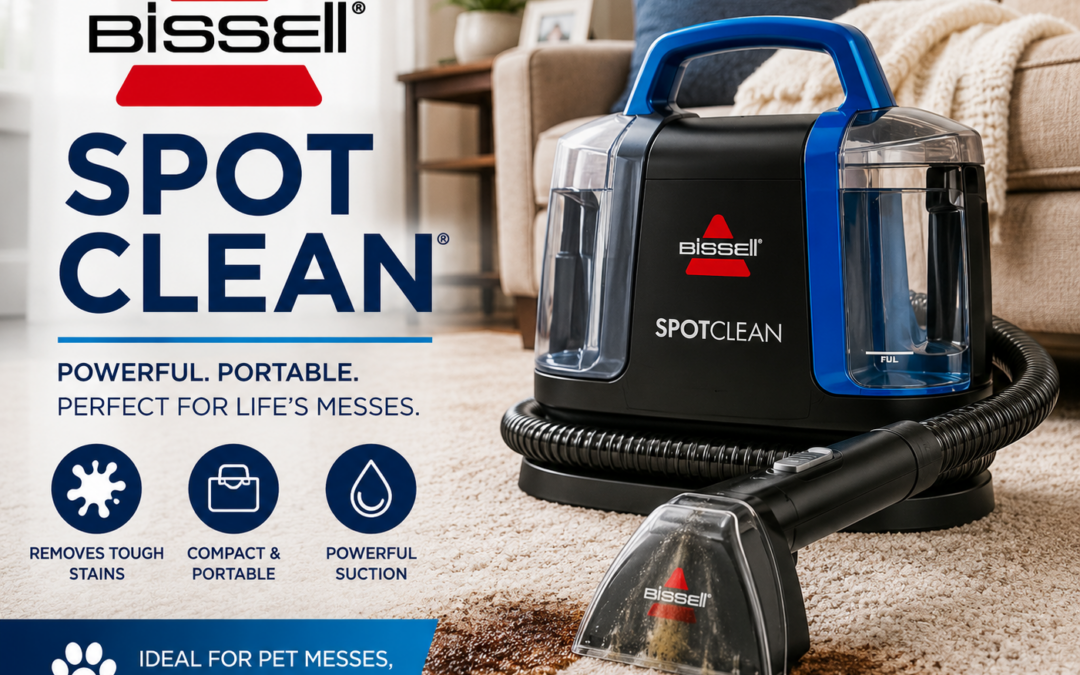
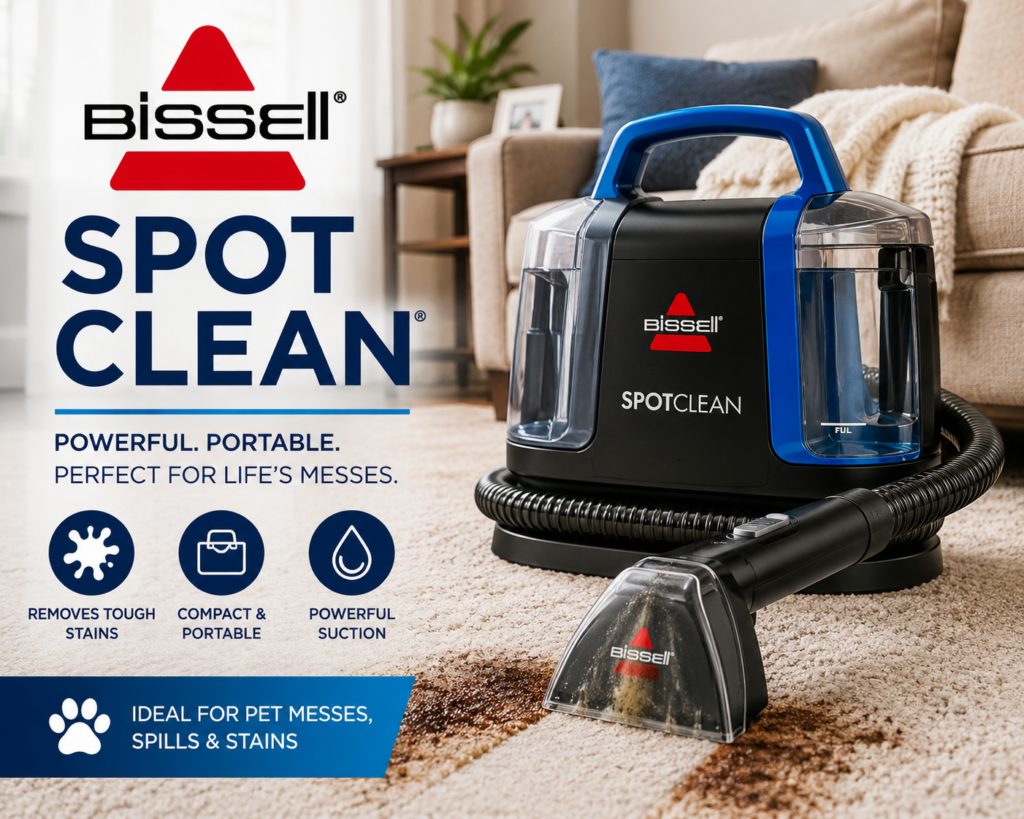
A Bissell SpotClean is a portable carpet and upholstery cleaner that sprays cleaning solution into a stain and then extracts the dirty liquid back out of the fabric. BISSELL’s own instructions describe filling the clean-water tank with water and formula, attaching the desired tool, pre-treating heavy stains, scrubbing gently, and then using drying strokes to remove moisture. That basic cycle—spray, scrub, extract, repeat—is what makes the machine useful for everyday spills and localized messes.youtube+1
The main components are the clean-water tank, dirty-water tank, hose, handheld tool, and trigger. Some models include different attachments, such as a tough stain tool, deep stain tool, or stain-trapper style accessory, which can help with upholstery, rugs, stairs, car interiors, and pet messes. BISSELL also recommends using formulas intended for portable spot cleaners and not using boiling water.
What it is not: it is not a dry-cleaning machine, and it is not meant to solve every stain instantly. It works best on fresh or moderately set stains, especially when you pre-treat and extract carefully. It is a portable cleaner, so it trades some capacity and power for convenience.
How It Works
A SpotClean works by combining liquid application, light agitation, and suction. You fill the clean tank, attach the hose tool, press the trigger to spray solution onto the stained area, and then draw the tool slowly toward you while the machine pulls liquid back into the dirty tank. The cleaning effect comes from loosening the stain and removing as much contamination as possible before it dries again.
BISSELL’s guidance emphasizes pre-treating heavily stained areas, waiting three to five minutes, and then gently scrubbing before extraction. That dwell time matters because a cleaner that is rushed often just moves dirt around instead of lifting it out. The machine also includes drying strokes, which are passes without spraying that help pull out extra moisture.
The workflow is usually: assemble the machine, fill the tank, select a tool, pre-treat, scrub, extract, dry, empty the dirty tank, and rinse the hose/tool after use. In practical terms, it is built for repeating small, controlled passes until the stain is reduced. The machine is most effective when the user works slowly and does not flood the fabric.
8 Things To Know
1. Fresh Stains Are Much Easier
Fresh spills are the ideal use case for a Bissell Spot Clean. Once a stain dries, binds to fibers, or oxidizes, it becomes harder to lift and may need multiple passes or professional treatment. That is why many demos and user guides focus on quick response rather than waiting days to clean.
This matters because people often assume the machine is a miracle fix for old damage. In reality, the sooner you blot and treat the spill, the better your odds. A fresh coffee spill on upholstery is usually very different from an old pet stain soaked into carpet padding. The machine can help in both cases, but expectations should be different.
For best results, blot first, pre-treat if needed, and then clean slowly. Do not rub hard, because that can spread the stain or push it deeper. If the stain is old, test a small area first and be ready to repeat the process several times.
2. Technique Beats Power
People often compare SpotClean models as if suction alone decides the outcome. In practice, technique matters more than raw strength. BISSELL’s instructions emphasize the same sequence every time: spray, let the formula sit briefly, scrub lightly, and extract slowly
This matters because moving too fast leaves solution behind, and over-application can make the stain reappear after drying. If you rush, you may also overload the dirty tank before the stain is actually out of the fibers. Slow, deliberate passes tend to outperform aggressive scrubbing.
A good rule is to make several controlled passes rather than one heavy soaking pass. For deeper stains, pre-treat, wait a few minutes, and then extract in overlapping strokes. That approach gives the machine time to work and reduces the chance of over-wetting.
3. The Right Formula Matters
BISSELL recommends using formulas designed for portable spot cleaners, not random household chemicals. That is important because the wrong cleaner can leave residue, damage fibers, or reduce suction performance over time. It can also interfere with the machine’s internal parts.
This matters most on upholstery, rugs, and delicate fabrics, where harsh chemicals can discolor or stiffen the material. A formula made for spot cleaning is usually easier to rinse out and safer to use in the machine’s spray-and-extract cycle. It also helps preserve the machine warranty and long-term performance when used as directed.
If you are tempted to improvise, ask whether the stain is worth risking the fabric or the machine. For many common stains, the safer choice is a compatible cleaning solution plus the correct amount of dwell time. Always test in a hidden spot if the fabric is delicate or lightly dyed.
4. Over-Wetting Causes Problems
Over-wetting is one of the biggest mistakes with portable spot cleaners. If you keep spraying without extracting enough moisture, the stain can spread, the backing can stay damp, and drying can take too long. That raises the risk of odor, water marks, and reappearing rings.
This matters because a stain that looks gone while wet may return after drying if residue stays in the fabric. The machine can only remove what it can reach and suction out. If you dump too much liquid into a sofa cushion or carpet, you may also wet the padding beneath the surface.
The fix is to use short sprays, slow pulls, and drying strokes. If an area becomes too wet, stop spraying and focus on extraction. For thick carpets or cushions, use the machine more like a controlled rinse-and-extract tool than a hose-and-flood cleaner.
5. Pet Messes Need Special Handling
Pet accidents are one of the most common reasons people buy a SpotClean. They are also one of the trickiest, because odor can live deeper than the visible stain. A basic surface clean may improve the appearance while leaving contamination underneath.
This matters because pet urine, in particular, can soak into backing layers and keep smelling after the surface looks clean. The machine can help by lifting a lot of liquid out quickly, especially if used soon after the incident. Some SpotClean accessories are designed to trap messes more hygienically during extraction.
The best method is immediate blotting, a compatible pet formula, and repeated extraction until no more contamination is coming up. If the odor remains after cleaning, the issue may be deeper than the SpotClean can fully solve. In that case, a professional upholstery or carpet cleaner may be needed.
6. Upholstery And Auto Interiors Need Caution
SpotClean machines are widely used on couches, chairs, car seats, and other fabric surfaces. That makes them valuable for households and vehicle detailing, but those surfaces are often less forgiving than open carpet. Water can sit in seams, foam, or stitching and create drying problems if you are not careful.
This matters because upholstery often has mixed materials, glued layers, and decorative stitching. A cleaner that works well on a rug may be too aggressive on a seat cushion or headrest. The same is true for automobile interiors, where electronics, leather trim, and adhesives may be nearby.
The safest approach is to test first, use minimal moisture, and keep the tool moving. When cleaning cars, work in sections and do not soak the foam. For upholstery, check the care label and stop if the material shows color transfer, warping, or fuzzing.
7. Maintenance Affects Performance
A SpotClean can lose performance if the tank, hose, or tool is not rinsed after use. BISSELL’s usage demos show rinsing the dirty-water tank, cleaning the hose with a rinse tool or running clean water through it, and letting parts dry before storage. That routine helps prevent clogs and odor.
This matters because leftover debris can reduce suction and spread old residue into the next cleaning job. If you clean pet messes or thick soil, leftover particles can build up quickly. A machine that smells bad or feels weak is often a machine that needs maintenance, not replacement.
After every use, empty the dirty tank, rinse all removable parts, and let everything dry fully. If the hose starts to smell or spray unevenly, flush it sooner rather than later. Good upkeep keeps the machine ready and makes the next cleaning easier.
8. Not Every Stain Will Disappear
People buy a Bissell Spot Clean expecting every mark to vanish completely. That is not realistic. Some stains are permanent, some have chemically altered the fiber, and some have soaked too deeply for a portable cleaner to fully remove.
This matters because disappointment often comes from unrealistic expectations, not from a broken machine. A rust stain, dye transfer, bleach mark, or old set-in spill may lighten but not disappear. The cleaner can still improve the appearance dramatically, but not always restore the fabric to new condition.
The right mindset is stain reduction, odor control, and fabric-safe cleaning. If one pass does not solve the problem, repeat carefully. If the stain is still visible after multiple attempts, you may need a stronger professional process or a repair-minded approach.
Real Cost Of Getting It Wrong
Using a SpotClean the wrong way can cost you in several ways. Financially, you may waste formula, damage fabric, or end up buying a second machine because the first one was neglected or misused. Time-wise, you can spend hours chasing a stain that could have been handled more efficiently with the right method. Emotionally, it is frustrating to see a spot reappear after you thought it was gone.
The biggest long-term cost is often fabric damage from over-wetting, harsh chemicals, or aggressive scrubbing. Once upholstery or carpet fibers are distorted, the damage can outlast the stain itself. Most of those costs are avoidable if you follow the machine’s basic workflow, use compatible products, and dry thoroughly. In other words, the machine works best when you treat it as a controlled extractor, not a do-everything power washer.
How An Expert Helps
An experienced cleaning professional can help you decide whether a SpotClean is enough or whether the stain calls for a different method. They can also show you how to test fabrics, choose the right solution, and avoid over-wetting delicate materials. If you are dealing with pet odors, old stains, or valuable upholstery, that guidance can save a lot of trial and error.
A good expert also helps with troubleshooting. If the machine leaves rings, does not seem to extract well, or the stain returns after drying, the issue may be technique, residue, or deeper contamination. Professionals can spot those differences quickly and recommend the safest next step.
For households that want long-term control over spills, expert guidance also helps with prevention. That includes knowing which attachments to use, when to pre-treat, and how to dry fabrics correctly after cleaning. The result is usually better cleaning, less damage, and fewer repeat jobs.
Strategies And Alternatives
Hand Blotting And Mild Spot Treatment
For very fresh spills, blotting with a clean cloth and a mild fabric-safe cleaner may be enough. This is appropriate when the stain is small, the fabric is delicate, or you want to avoid bringing out a machine for a minor spill.
The limitation is that it cannot extract deep contamination the way a SpotClean can. It also works poorly on old stains or odor problems. Use it as the first response, not the final solution for everything.
Portable Spot Cleaning
This is the main Bissell Spot Clean method: spray, scrub lightly, extract, and dry. It is best for localized stains on carpet, upholstery, and vehicle interiors. It is convenient, fast, and effective for many common messes.
Its drawback is capacity. It is not intended for entire rooms or heavily saturated materials. It also requires patience and proper drying.
Professional Deep Cleaning
Professional cleaning is the right alternative when the stain is old, the odor is embedded, or the material is delicate. It is also better for large-scale soiling or recurring contamination. Professionals have stronger extraction and more specialized chemistry.
The drawback is cost and scheduling. Still, for valuable furniture or persistent pet issues, it can be the smarter option.
What To Do Now
- Blot the spill immediately with a clean cloth.
- Check the fabric care label or manufacturer guidance.
- Test the cleaning solution in a hidden area.
- Fill the SpotClean with the correct water-and-formula mix.
- Pre-treat the stain and wait a few minutes.
- Use short, slow spray-and-extract passes.
- Finish with drying strokes to remove as much moisture as possible.
- Empty and rinse the tanks and tools after use.
- Let everything dry before storage.
How To Choose The Right Model Or Provider
Choose a SpotClean or related service based on the kind of mess you actually have. If you mostly clean small spills on upholstery, a basic model may be enough. If you handle pet accidents, car interiors, or larger stain areas, look for stronger suction, larger tanks, and useful attachments.
Also look for clear plain-English instructions, easy maintenance, and compatibility with BISSELL-approved formulas. If you are hiring a cleaning provider instead of using the machine yourself, ask about upholstery experience, pet-odor treatment, and how they prevent over-wetting. Responsiveness matters too: a good provider should be able to explain what the machine can and cannot do before you book.
Common Mistakes
- Using too much cleaning solution.
- Skipping the pre-treatment step.
- Moving the tool too fast.
- Over-wetting the fabric.
- Using the wrong formula or harsh chemicals.
- Not rinsing the hose and tank after use.
- Expecting every stain to vanish completely.
- Cleaning delicate fabric without testing first.
Frequently Asked Questions
What is Bissell Spot Clean used for?
It is used for portable spot cleaning on carpet, rugs, upholstery, stairs, and some vehicle interiors.
Does it work on pet stains?
Yes, especially on fresh stains, but old odor problems may need more than a portable cleaner.
Can I use hot water?
BISSELL guidance shows hot tap water in some instructions, but not boiling water. Follow your exact model’s manual.
Do I have to use BISSELL formula?
BISSELL recommends formulas intended for portable carpet cleaners.
How long should I let the cleaner sit on a stain?
BISSELL’s instructions commonly suggest about three to five minutes for pre-treatment.
Can I use it on a couch?
Yes, many people use it on upholstery, but test first and avoid soaking the fabric.
Can I use it on area rugs?
Yes, but delicate rugs should be tested carefully before cleaning.
Why does the stain come back after drying?
That usually means residue, deep contamination, or too much moisture remained in the fabric.
How do I clean the hose?
Some SpotClean demos show running clean water through the hose with a rinse tool or cleaning accessory.
How do I keep it from smelling bad?
Empty the dirty tank, rinse the parts, and let them dry completely after every use.
Is it good for car interiors?
Yes, it is commonly used for fabric seats and interior carpets, but you must use minimal moisture.
What if the stain is old?
Old stains may need several treatments or a professional service if they are set deep into fibers.
Will it remove every stain?
No. Some stains are permanent or only partially removable.
Can it damage fabric?
Yes, if you over-wet, scrub too hard, or use the wrong chemistry.
How often should I clean the machine?
After every use, especially if you worked on pet messes or thick soil.
Is it heavy?
It is portable by design, but specific weight varies by model.
Are the different SpotClean models very different?
Yes. Tank size, suction, hose length, and attachments can vary by version.
Is SpotClean better than a full carpet cleaner?
For small stains and portability, yes. For whole-room cleaning, a full-size machine is usually better.
Can I use it on microfiber?
Often yes, but test first because some microfiber fabrics show water marks or texture changes.
What should I do before first use?
Assemble the machine, fill the tank correctly, and confirm the tool clicks into place.
Why does it leave the area damp?
Portable spot cleaners naturally leave some moisture behind, so drying strokes matter.
Should I vacuum first?
Yes, if debris is present. Dry soil should be removed before wet cleaning when possible.
Can I use it on mattresses?
Some users do, but caution is important because mattresses retain moisture easily.
What is the biggest mistake beginners make?
Spraying too much and extracting too little.
When should I call a professional instead?
When the fabric is delicate, the stain is old, the odor is severe, or the cleaning has already failed.
Rules And Standards
The most important “standards” here are the manufacturer’s instructions and fabric-care labels. BISSELL advises using compatible formulas, filling the tank correctly, pre-treating heavily soiled areas, and avoiding boiling water. For users, that means following the model-specific manual is more important than copying random cleaning hacks. If a fabric label says “dry clean only” or otherwise restricts water use, the SpotClean should not be used casually.
Conclusion
Bissell Spot Clean machines are practical tools for handling everyday stains, pet messes, and upholstery cleanup, but the results depend on using the right method. The biggest reasons people get poor outcomes are over-wetting, skipping pre-treatment, using the wrong formula, and expecting instant perfection. When you follow the basic spray-scrub-extract-dry process and maintain the machine properly, you get much better results with less risk.
Most problems are avoidable with a little planning and the right guidance, especially if you are working on delicate fabric, old stains, or odor issues. For help choosing the right approach for your specific mess, consult with Double Take Carpet Cleaning for guidance related to Bissell Spot Clean.
